Connection Thursday: the root diggers and flower pickers behind our essential oils
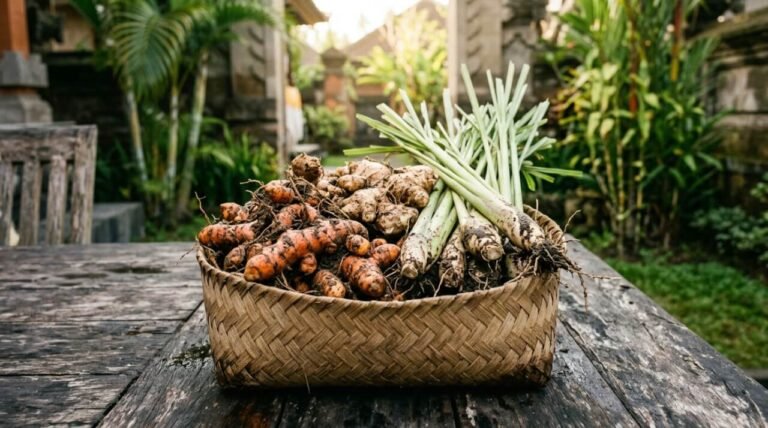
Before an essential oil ever reaches a diffuser or a dropper, someone spent a full day with their hands in the ground.
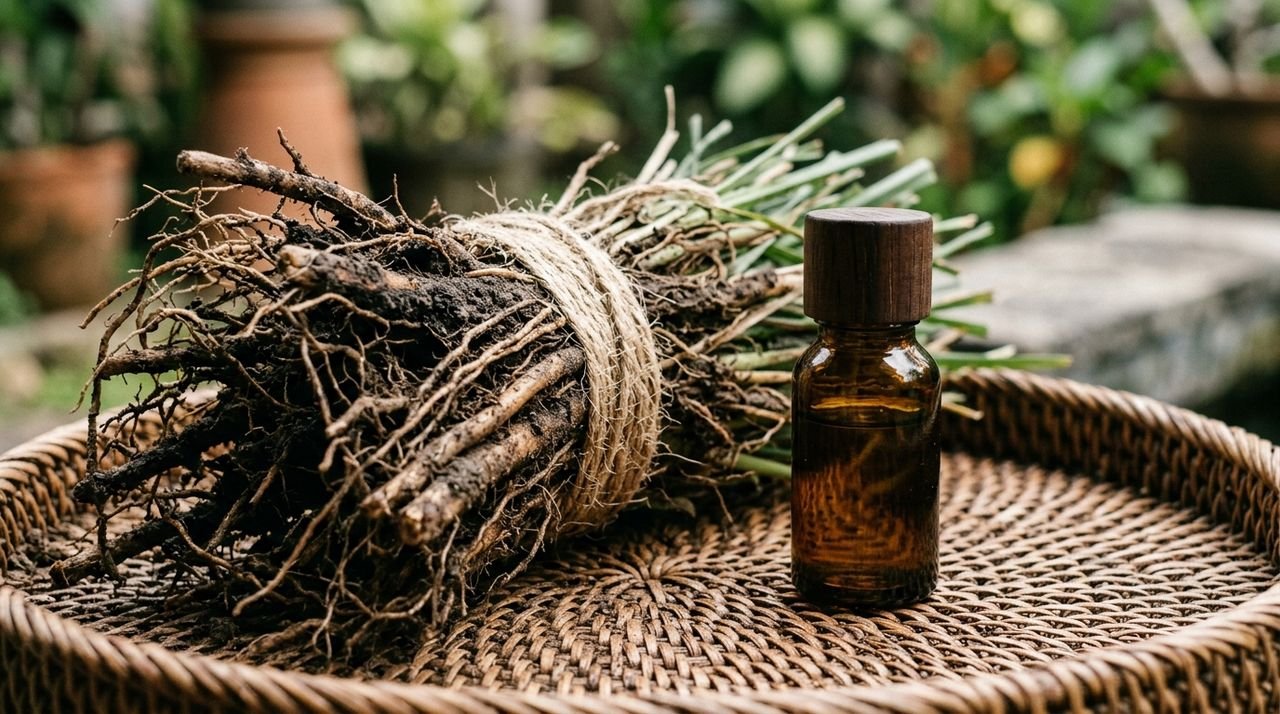
Vetiver is a good example. The plant itself is unremarkable, a tall grass that grows across Indonesia’s hillsides. What matters is underneath: a dense mat of roots that can take fifteen to eighteen months to develop the depth of aroma distillers are after. Pulling them is slow, physical work, done by hand, because machinery tears the fine root hairs that hold most of the scent. Only after the roots are washed, dried, and steam distilled, often over many hours in a single batch, does the earthy, smoky oil we recognise finally appear.
The same is true for the flowers
Cananga and ylang-ylang, the floral heart of blends like our Bali Night Essential Oil, are harvested at dawn while the blossoms are still closed tight against the heat of the day. Pickers work quickly, because the flowers begin losing their fragrance within hours of coming off the tree. Rose geranium is cut by hand too, leaf by leaf, and needs to reach the still on the same day it is picked.
None of this is unique to us. It is simply how essential oil has always been made in this part of the world, long before aromatherapy was a word on a label. We think that labour deserves to be named, not folded quietly into a marketing story about relaxation.
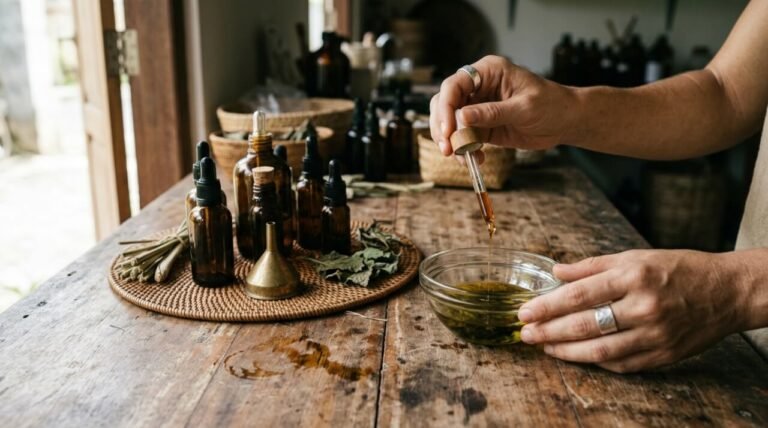
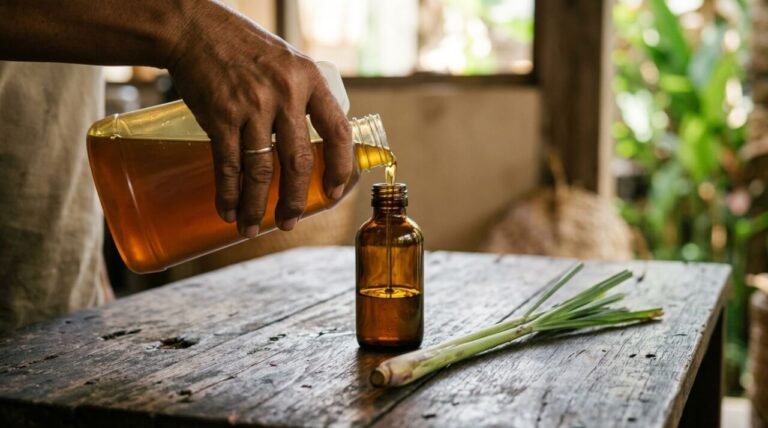
The takeaway: the next time a bottle of essential oil opens and the scent arrives all at once, it is worth remembering that it took months in the ground and hours at the still to get there. Our Bali Night Essential Oil carries vetiver, cananga, and ylang-ylang together in one blend. You can read more about vetiver’s slow root in our earlier piece on akar wangi.