Essential oils benefits: what they do, how they work, and why sourcing matters
Essential oils benefits extend far beyond a pleasant scent. These concentrated plant extracts carry the chemistry of flowers, roots, bark, and leaves, offering real support for skin health, emotional balance, and daily wellness routines. For over 35 years, we have worked with Balinese botanicals and traditional herbal knowledge to understand what plants can do when sourced with care and used with intention. This guide covers the science behind essential oils, the benefits backed by research, and the practical ways to weave them into your life.
Whether you are new to aromatherapy or looking to deepen your practice, what follows is an honest look at what essential oils can (and cannot) do, grounded in both tradition and evidence.
What are essential oils and how do they work
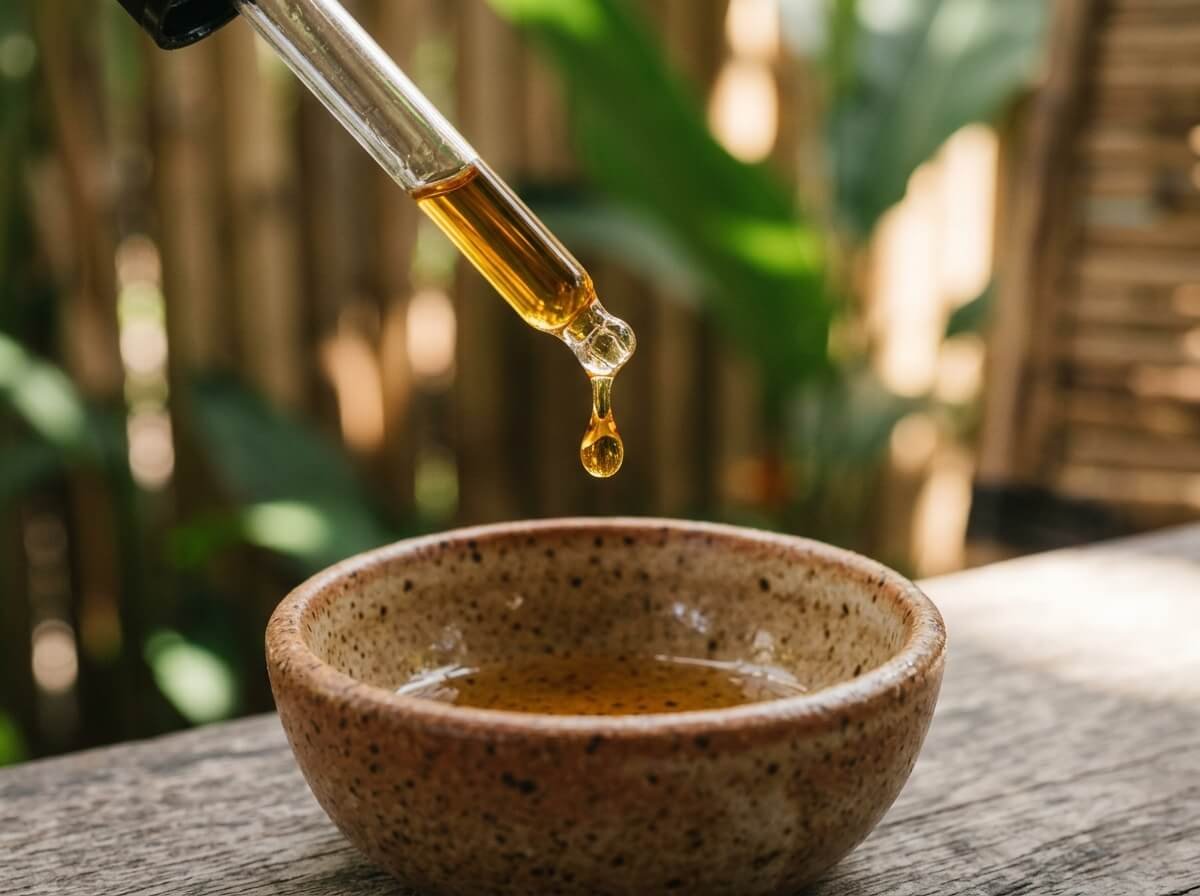
Essential oils are volatile aromatic compounds extracted from plants through steam distillation, cold pressing, or solvent extraction. Each oil is a complex mixture of dozens to hundreds of chemical constituents: terpenes, esters, aldehydes, phenols, and ketones that give plants their distinctive scent and biological activity.
When you inhale an essential oil, scent molecules travel through the olfactory nerve directly to the limbic system, the brain region that governs emotion, memory, and stress response. This is why a single breath of lavender can shift your nervous system from alert to calm within seconds. It is not imagination. It is neurochemistry.
Applied to the skin (always diluted in a carrier oil such as coconut oil or jojoba), essential oil molecules are small enough to penetrate the outer skin barrier and reach the bloodstream. This is why topical application can have both local effects (soothing inflammation at the site) and systemic effects (calming the whole body).
The concentration matters. It takes roughly 250 pounds of lavender flowers to produce one pound of lavender essential oil, and nearly 5,000 pounds of rose petals for one pound of rose oil. This concentration is what makes essential oils potent, and why quality sourcing and proper dilution are not optional but essential.
Seven science-backed essential oils benefits
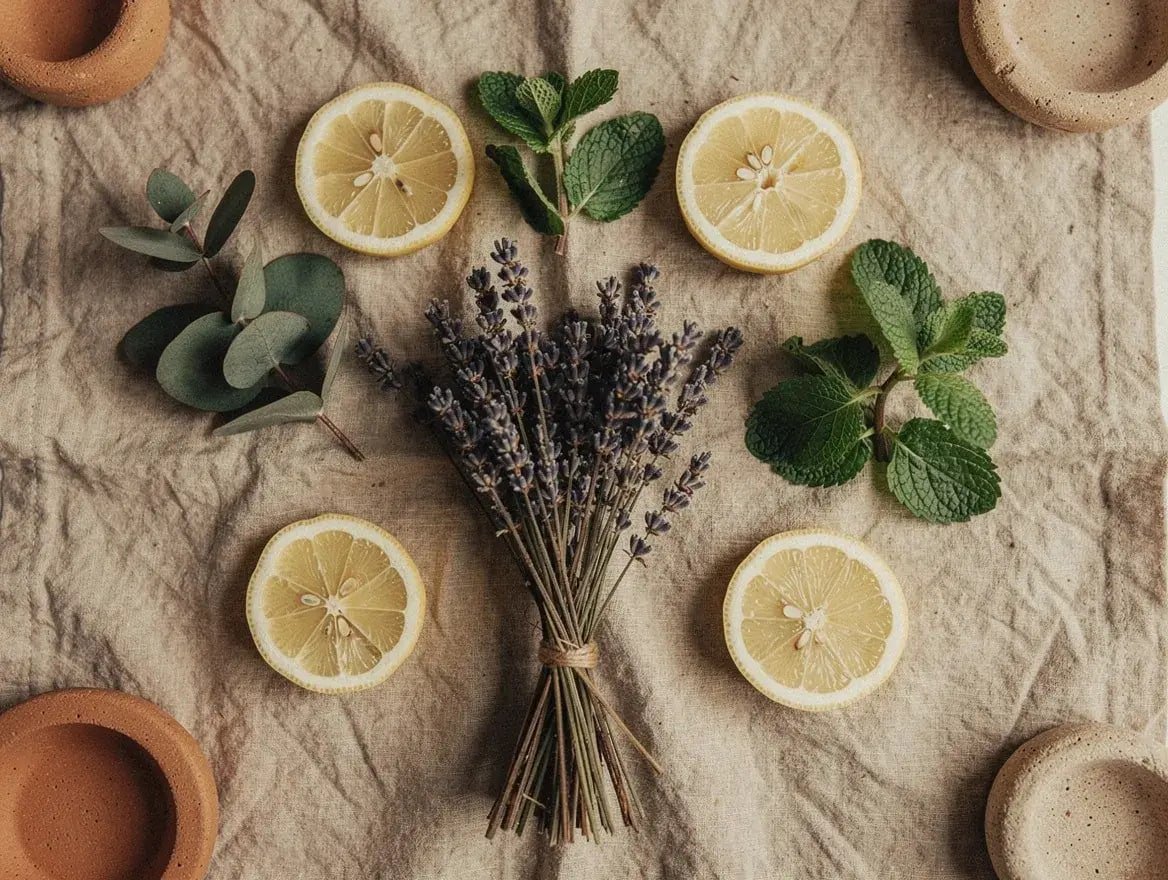
Research into essential oils benefits has grown significantly in the past decade. While they are not a replacement for medical treatment, clinical studies point to measurable effects in several areas.
1. Stress and anxiety reduction
Lavender, ylang ylang, and bergamot have the strongest evidence for reducing cortisol levels and self-reported anxiety. A 2017 systematic review in the Journal of Alternative and Complementary Medicine found that inhaled lavender significantly reduced anxiety scores in clinical settings. Ylang ylang, traditionally used in Balinese ceremonies for its calming effect, has been shown to lower blood pressure and heart rate when diffused.
2. Improved sleep quality
Lavender remains the most studied essential oil for sleep. Multiple randomised controlled trials confirm that diffusing lavender or applying it topically before bed improves sleep quality, increases slow-wave sleep duration, and reduces nighttime waking. The mechanism involves GABA receptor modulation, the same pathway targeted by conventional sleep aids, but through a gentler, non-pharmaceutical route.
3. Pain and inflammation relief
Peppermint oil applied topically has been shown to reduce tension headache intensity within 15 minutes, comparable to paracetamol in some studies. Eucalyptus and frankincense oils demonstrate anti-inflammatory properties in laboratory and small clinical trials. Frankincense, sourced from Boswellia resin, contains boswellic acids that inhibit the inflammatory enzyme 5-LOX, a pathway linked to joint discomfort and chronic inflammation.
4. Antimicrobial and antifungal action
Tea tree oil is one of the most rigorously studied antimicrobial essential oils. Research published in the Clinical Microbiology Reviews journal confirmed its effectiveness against a broad spectrum of bacteria and fungi. This is why tea tree appears in everything from natural soaps and face washes to household cleaners. Its mechanism involves disrupting microbial cell membranes, a fundamentally different approach from synthetic antibiotics.
5. Respiratory support
Eucalyptus and peppermint oils contain high concentrations of 1,8-cineole and menthol, compounds that open airways and thin mucus. Steam inhalation with eucalyptus oil has been used for centuries to ease congestion, and modern research supports its effectiveness as an adjunct during upper respiratory infections.
6. Mood and cognitive focus
Rosemary oil has been linked to improved memory and alertness in several studies. A 2012 study in Therapeutic Advances in Psychopharmacology found that exposure to rosemary aroma improved speed and accuracy on cognitive tasks. Citrus oils (lemon, grapefruit, sweet orange) activate the sympathetic nervous system gently, lifting mood without the jittery overstimulation of caffeine.
7. Skin health support
When properly diluted in carrier oils, certain essential oils offer measurable skin benefits. Tea tree addresses acne-causing bacteria. Lavender supports wound healing and reduces scarring. Frankincense promotes cell regeneration. And blue tansy, with its high chamazulene content, calms redness and irritation. The key is always dilution: pure essential oils on bare skin risk sensitisation and chemical burns.
Essential oils benefits for skin and body care
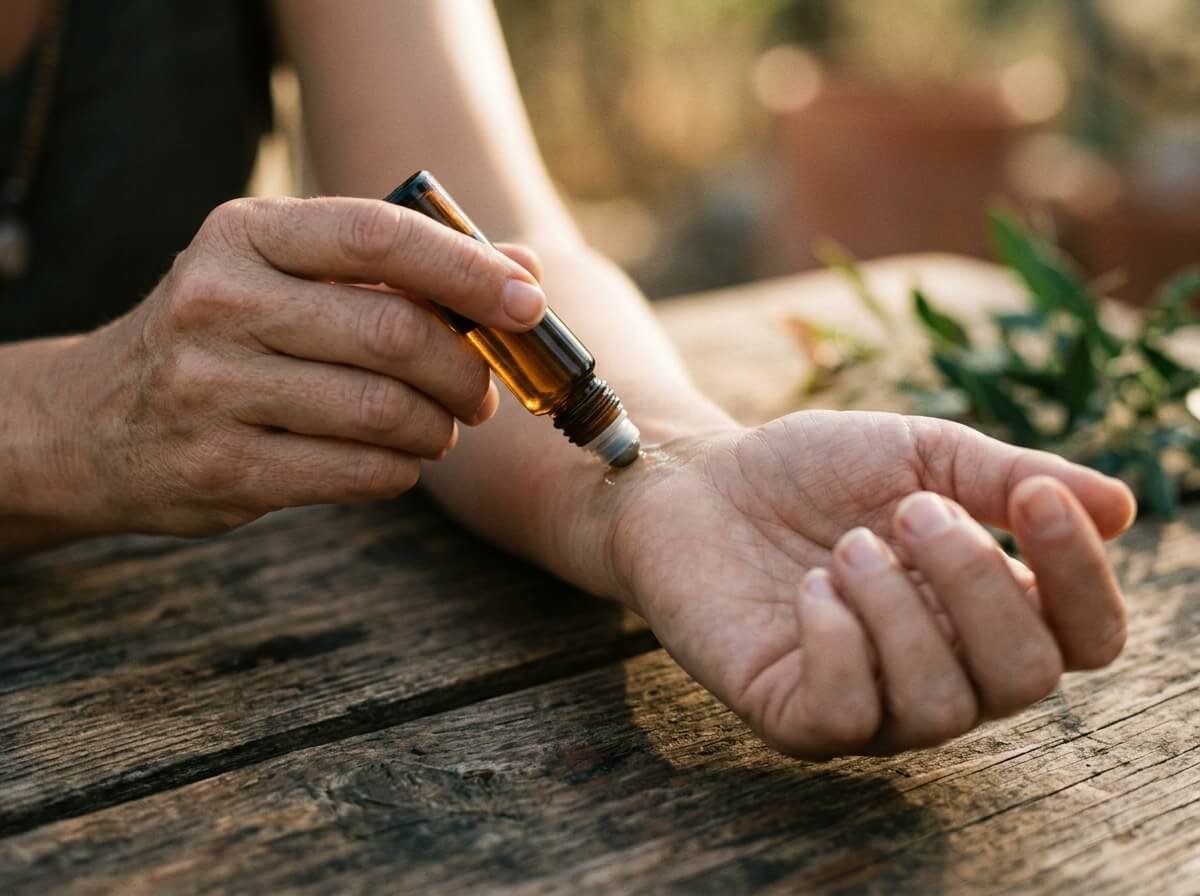
The beauty of essential oils in skincare lies in their dual action: they deliver active compounds to the skin while engaging the senses. This is why traditional Balinese body treatments have always combined massage, botanical oils, and aromatic plants. The physical and emotional benefits are inseparable.
For the face
Incorporating essential oils into facial care requires the right carrier. Jojoba oil, tamanu oil, and rosehip seed oil are popular bases because their molecular structure closely resembles human sebum. A few drops of lavender or frankincense blended into a carrier oil creates a simple, effective face serum. For acne-prone skin, tea tree diluted to 5% concentration in jojoba has been shown to reduce breakouts comparably to benzoyl peroxide, with less irritation.
For the body
Body oils and lotions enriched with essential oils turn routine moisturising into a sensory ritual. Lavender and chamomile in body butter soothe both dry skin and a busy mind. Peppermint and eucalyptus in a post-workout oil cool tired muscles. Ylang ylang and rose geranium in a bath soak create a grounding evening practice. The point is not indulgence for its own sake. It is care as intention, a moment of reconnection in a day that pulls you in every direction.
In Bali, body care has always been inseparable from ritual. The traditional Balinese boreh (a warming spice paste of ginger, clove, and cinnamon) and lulur (a turmeric and rice-based body scrub) both rely on aromatic botanicals for their effect. Modern body care products that incorporate essential oils carry this same principle forward: the act of caring for your skin becomes a practice that calms your mind.
If you want to explore essential oil blends designed for specific purposes, combining complementary oils amplifies their individual properties through what aromatherapists call synergy.
For the hair
Tea tree and peppermint oils stimulate scalp circulation and help maintain a healthy scalp environment. Rosemary oil has been studied for its potential to support hair thickness, with a 2015 trial comparing it favourably to minoxidil over six months. A few drops in your shampoo or a weekly scalp massage with diluted rosemary oil is a simple addition with genuine potential.
Aromatherapy and emotional wellness
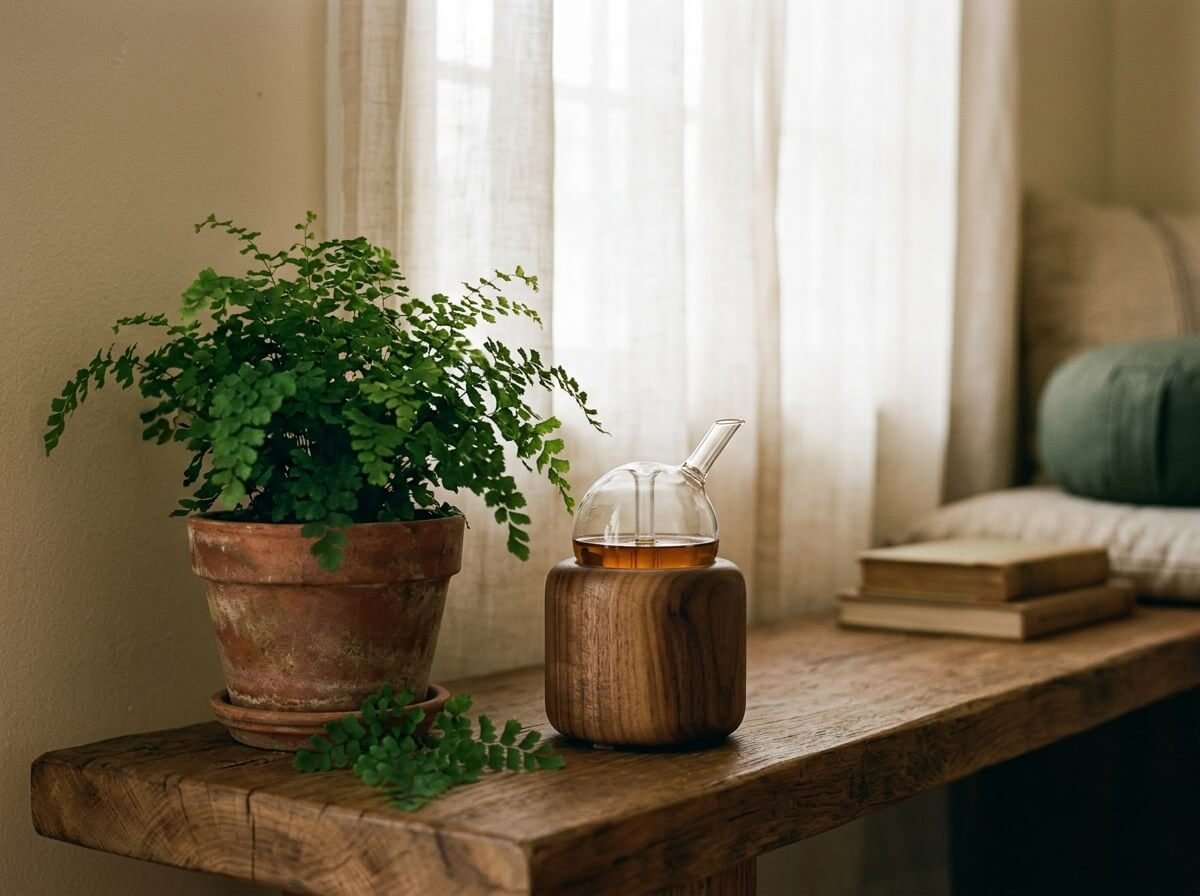
The connection between scent and emotion is one of the most direct pathways in human neurobiology. Unlike sight or sound, which are processed through the thalamus before reaching emotional centres, smell bypasses this relay and connects directly to the amygdala and hippocampus. This is why a particular fragrance can transport you to a memory decades old, or shift your emotional state in a single breath.
In Balinese tradition, aromatics have always been woven into daily life: frangipani and natural incense in temple offerings, clove and cinnamon in ceremonial preparations, and fragrant oils in healing massage. This is not decorative. It is functional, a way of grounding the mind and honouring the body through sensory engagement.
Building an aromatherapy practice at home
You do not need an elaborate setup. A nebulizing diffuser disperses pure essential oil molecules without water or heat, preserving the oil’s full therapeutic profile. Unlike ultrasonic diffusers that dilute oils in water vapour, nebulisers deliver a more concentrated aromatic experience in a smaller space.

Start simply. Diffuse lavender in the bedroom 30 minutes before sleep. Use peppermint or rosemary in your workspace during afternoon focus hours. Try a grounding blend of frankincense, vetiver, and cedarwood during meditation or journaling. The consistency of the practice matters more than the complexity.
Morning, afternoon, and evening each call for different aromatic support. Citrus and rosemary awaken and focus. Lavender and chamomile soften and calm. Frankincense and sandalwood ground and centre. Matching your oil to the rhythm of your day is one of the simplest ways to bring more awareness into hours that might otherwise blur together.
If you enjoy creating your own natural linen sprays or room mists, essential oils are the foundation. A simple blend of distilled water, witch hazel, and 15 to 20 drops of your chosen oil creates a spray that refreshes fabric, linens, and living spaces without synthetic fragrance chemicals.
How to use essential oils safely in daily rituals
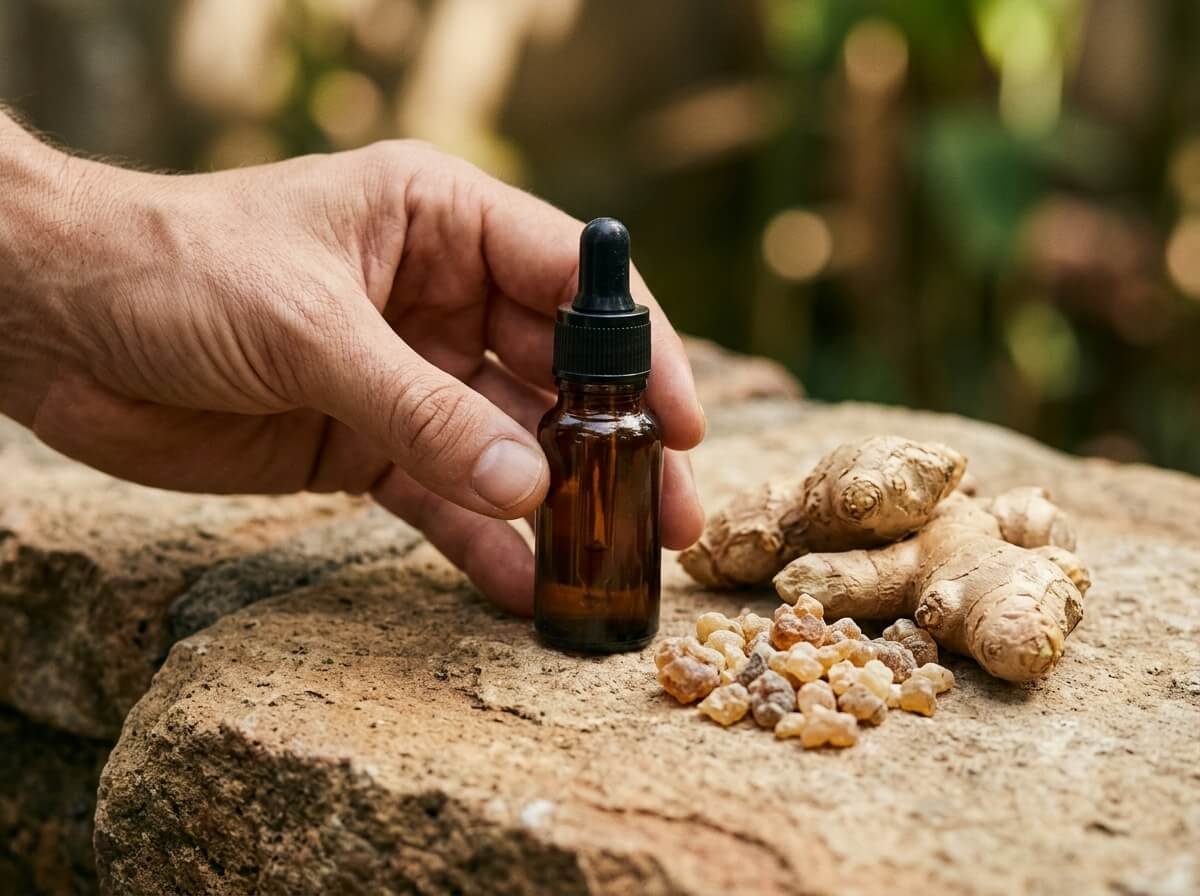
Essential oils are potent. That potency is precisely why they work, and precisely why they require respect. Here are the guidelines that matter.
Always dilute for topical use
The standard dilution ratio for adults is 2% to 3%, which translates to roughly 12 to 18 drops of essential oil per ounce (30 ml) of carrier oil. For facial application, reduce to 1% (six drops per ounce). For children over two years, use 0.5% to 1%. Never apply undiluted essential oils to the skin, with the rare exception of a single drop of lavender or tea tree on a minor cut or blemish.
Patch test before first use
Apply a small amount of diluted oil to the inner forearm, cover with a bandage, and wait 24 hours. If redness, itching, or irritation develops, that oil is not for you. Sensitisation can develop over time even with oils you have used before, so pay attention to your skin’s responses.
Respect photosensitive oils
Citrus oils (bergamot, lemon, lime, grapefruit, and bitter orange) contain furocoumarins that increase the skin’s sensitivity to UV light. Avoid applying these to skin that will be exposed to sunlight within 12 to 18 hours. This applies to cold-pressed versions specifically; steam-distilled citrus oils generally do not carry the same risk.
Keep away from children and pets
Some essential oils are neurotoxic to cats and dogs, including tea tree, eucalyptus, and pennyroyal. Diffuse cautiously in homes with animals, and never apply essential oils to pets without veterinary guidance. For children under two, avoid all essential oil use except under the direction of a qualified practitioner.
Never ingest essential oils
Despite claims from some multilevel marketing brands, internal use of essential oils carries real risks: mucosal burns, liver toxicity, and dangerous interactions with medications. Quality clinical evidence for ingestion is sparse. Inhalation and topical application remain the safest and most effective methods.
Understanding which essential oils work well for specific applications helps you build a safe, effective collection without overcomplicating things.
Choosing quality essential oils: why sourcing defines everything

Not all essential oils are equal. The market is flooded with adulterated, synthetic, and poorly sourced products that carry the label “pure” without the substance to match. Understanding what separates genuine essential oils from imposters is one of the most important things you can learn as a conscious consumer.
What to look for on the label
- Botanical name (Latin binomial): “Lavandula angustifolia,” not just “lavender.” Different species have different properties.
- Country of origin: where the plant was grown and distilled matters for chemical composition.
- Extraction method: steam distilled, cold pressed, or CO2 extracted. Each produces a different aromatic profile.
- Part of plant used: leaf, flower, root, bark, or resin. This affects both scent and efficacy.
- No synthetic additives: “fragrance oil” and “nature-identical” are not essential oils.
Why sourcing matters more than marketing
The essential oil industry has significant transparency problems. Terms like “therapeutic grade” and “clinical grade” are marketing inventions, not regulated standards. No independent body certifies these grades. What actually matters is the integrity of the supply chain: where the plant was grown, whether it was wild-harvested or farmed, and whether the communities involved in production are treated fairly.
At Utama Spice, our essential oils come from botanicals we know and trust, sourced through long-standing partnerships with farmers and cooperatives across Indonesia and Southeast Asia. Our Bliss Essential Oil Blend, for example, combines ylang ylang, patchouli, and other botanicals from sources we have worked with for years. Sourcing is not a marketing story for us. It is the foundation of quality.
Storage and shelf life
Essential oils degrade with exposure to light, heat, and oxygen. Store them in dark glass bottles, tightly sealed, in a cool location. Most oils maintain potency for one to three years. Citrus oils oxidise faster (six to 12 months). If an oil smells different from when you first opened it, thicker or sharper, it has likely oxidised and should not be applied to skin.

Experience the benefits of balanced botanicals
Our Bliss Essential Oil Blend combines ylang ylang, patchouli, and carefully selected botanicals for a calming, grounding aromatic experience. Hand-blended in Bali, sourced with integrity.
Frequently asked questions about essential oils benefits
Are essential oils scientifically proven to work?
Some essential oils have strong clinical evidence for specific uses. Lavender for anxiety and sleep, peppermint for headaches, and tea tree for antimicrobial action are among the best-studied. However, the field is still growing, and many popular claims lack rigorous human trial data. The honest answer: essential oils are not a cure-all, but neither are they placebo. The benefits are real where the research is solid.
Can I use essential oils every day?
Yes, when used properly. Daily diffusion at moderate levels (30 to 60 minutes at a time, with breaks) and topical use at appropriate dilution are generally safe for most adults. Listen to your body. If you develop headaches from diffusion or skin sensitivity from topical use, reduce frequency or switch oils.
Which essential oil is best for beginners?
Lavender is the most versatile starting point: calming, gentle on skin, widely available, and well-studied. From there, peppermint (for energy and headaches), tea tree (for skin and cleaning), and a citrus oil like lemon or grapefruit (for mood) round out a practical starter collection.
What is the difference between essential oils and fragrance oils?
Essential oils are extracted from real plants and contain the plant’s natural chemistry. Fragrance oils are synthetic or semi-synthetic compounds manufactured to mimic a scent. Fragrance oils have no therapeutic value and may contain phthalates, synthetic musks, and other chemicals that sensitive individuals should avoid. Always check the label: if it says “fragrance” or “parfum,” it is not an essential oil.
Do essential oils expire?
Essential oils do not expire in the way food does, but they do oxidise and degrade over time. Most maintain full potency for one to three years if stored properly (dark glass, cool, sealed). Oxidised oils should not be applied to skin as they can cause irritation, but they may still be used in cleaning products or diffused in well-ventilated spaces.
Making essential oils part of your conscious wellness practice
The essential oils benefits that matter most are the ones you experience through consistent, mindful use, not through occasional bursts of enthusiasm. A drop of frankincense on your wrists before morning meditation. Lavender on your pillow each night. A calming blend in your diffuser during the afternoon transition from work to home.
These are small acts of care. They cost little, take seconds, and over time they reshape how you move through your day. That is the real promise of essential oils: not that they will fix everything, but that they offer a simple, natural way to pause, reconnect, and tend to your own wellbeing.
What you give your body, your body gives back. Start where you are, with one oil, one ritual, one breath.