Natural candles: how to choose clean, botanical candles for your home
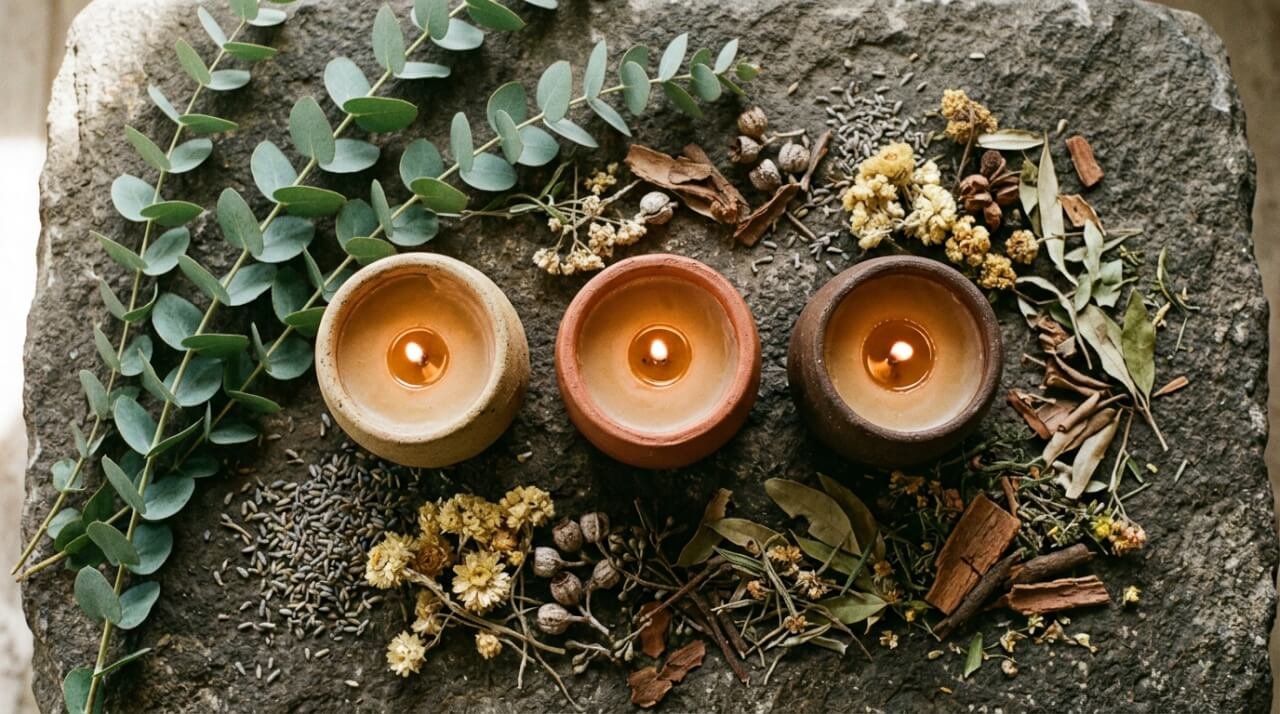
If you have ever lit a candle and noticed a faint headache or a thin layer of black soot on your walls, the candle itself may be the problem. Most mass-produced candles are made from paraffin wax, a petroleum byproduct that releases volatile organic compounds (VOCs) when burned. Natural candles, crafted from plant-based or beeswax and scented only with pure essential oils, offer a cleaner, healthier alternative. They fill your space with genuine botanical fragrance while keeping indoor air quality intact.
In this guide, we walk through everything you need to know about choosing, using, and caring for natural candles. From understanding the differences between soy, beeswax, and coconut wax to reading labels with confidence, this is your complete resource for bringing clean, conscious light into your home.
What makes a candle truly natural
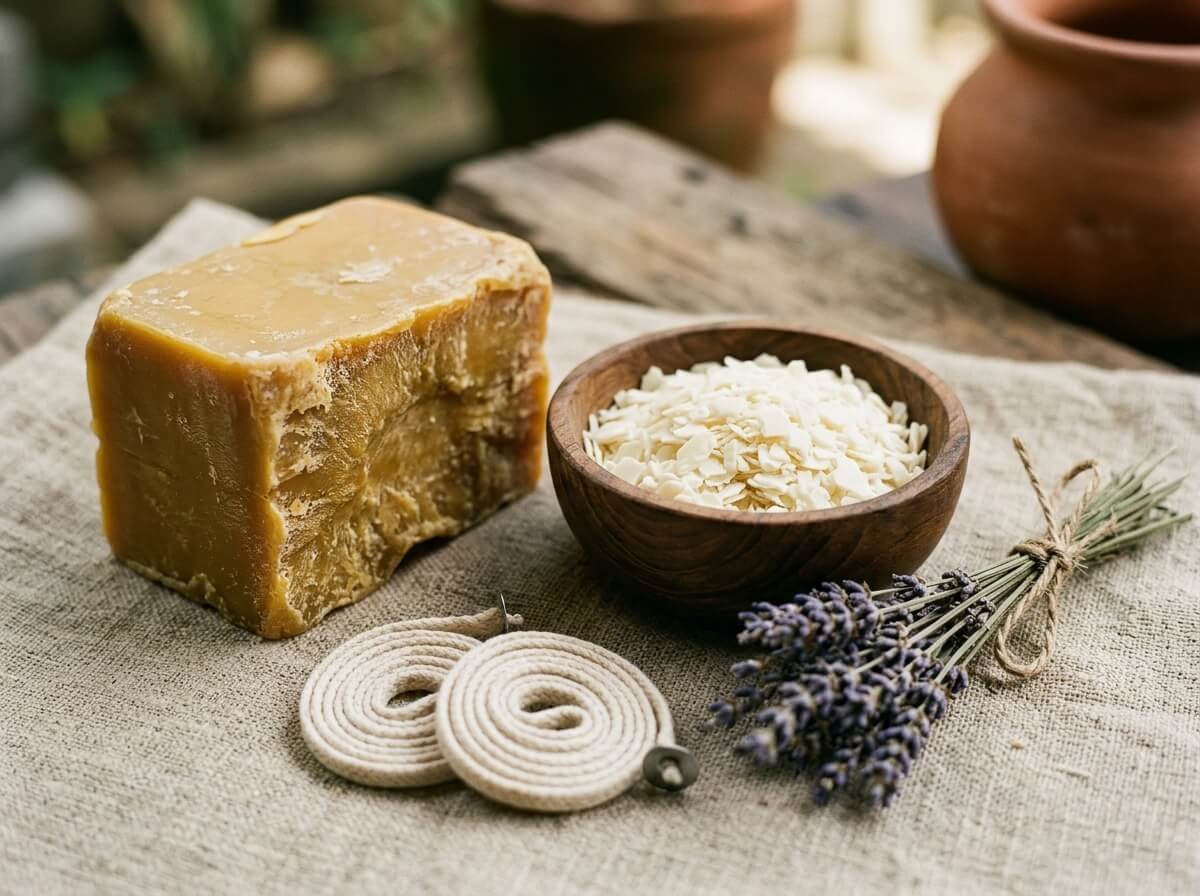
The word “natural” is not regulated in the candle industry, which means any brand can use it without meeting specific standards. A genuinely natural candle meets three criteria: a plant-based or beeswax body, a cotton or wood wick with no metal core, and fragrance sourced entirely from essential oils or left unscented. If any one of these components relies on synthetic chemistry, the candle is not fully natural.
Paraffin, the most common candle wax worldwide, is derived from crude oil refining. Studies have found that burning paraffin candles can release compounds like benzene and toluene, both of which are classified as indoor air pollutants. A 2009 study from South Carolina State University confirmed that paraffin candles produce undesirable chemicals, while candles made from soy and beeswax did not produce the same toxic byproducts.
Beyond the wax, synthetic fragrance oils are another concern. These proprietary blends can contain phthalates and other endocrine-disrupting compounds that you would not want released into your living space. True natural candles rely on steam-distilled or cold-pressed essential oils for scent, which means the fragrance comes from actual plants rather than a laboratory.
The wick matters as well. Some conventional candle wicks contain a thin metal wire (often zinc or tin) to keep them upright. While these metals burn at trace levels, a braided cotton or sustainably harvested wood wick eliminates the question entirely.
Understanding natural candle wax: soy, beeswax, coconut, and botanical blends
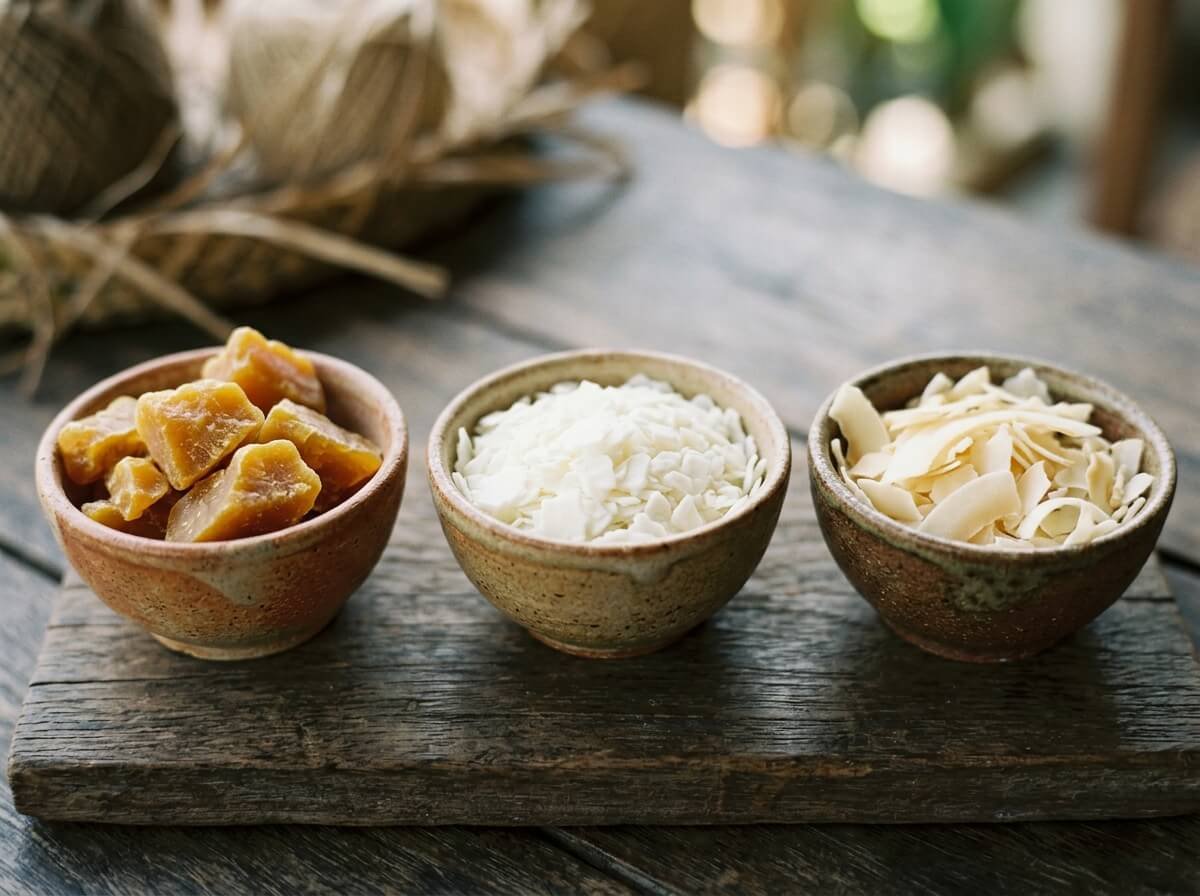
Not all natural waxes perform the same way. Each has distinct burn characteristics, scent throw, and environmental considerations. Here is what separates the main options.
Soy wax
Made from hydrogenated soybean oil, soy wax is renewable and biodegradable. It burns 30 to 50% longer than paraffin at the same size, produces minimal soot, and has a lower melting point that allows for a wide, even scent throw. The main consideration is sourcing: look for non-GMO soy wax, as the majority of global soybean production involves genetically modified crops. Some soy wax blends also include small amounts of paraffin, so “soy blend” on a label is not the same as “100% soy wax.”
Beeswax
Beeswax is the oldest candle material, used for thousands of years. It burns the longest of any natural wax, produces a warm honey-like scent on its own, and releases negative ions that can help neutralize airborne pollutants. The trade-off is cost: beeswax is significantly more expensive than soy, and its strong natural aroma can sometimes overpower delicate essential oil blends. Ethical sourcing matters here too, as sustainable beekeeping supports pollinator health.
Coconut wax
Coconut wax is a newer arrival in the natural candle world. It burns cleanly, has excellent scent throw, and produces a smooth, creamy appearance. Because it is very soft, coconut wax is often blended with soy or beeswax for structural integrity. When sourced responsibly, it supports tropical farming communities. At Utama Spice, we understand this connection firsthand, as our partnership with Aluan focuses on sustainable coconut sourcing in Bali that benefits both ecosystems and livelihoods.
Botanical blends
Many artisan candle makers use a blend of two or more natural waxes to balance burn time, scent throw, and hardness. A soy-coconut blend, for example, gives you the long burn of soy with the superior scent diffusion of coconut. Botanical wax blends are where craft meets science, and they represent the direction the natural candle industry is moving.
Essential oils vs synthetic fragrance in natural candles
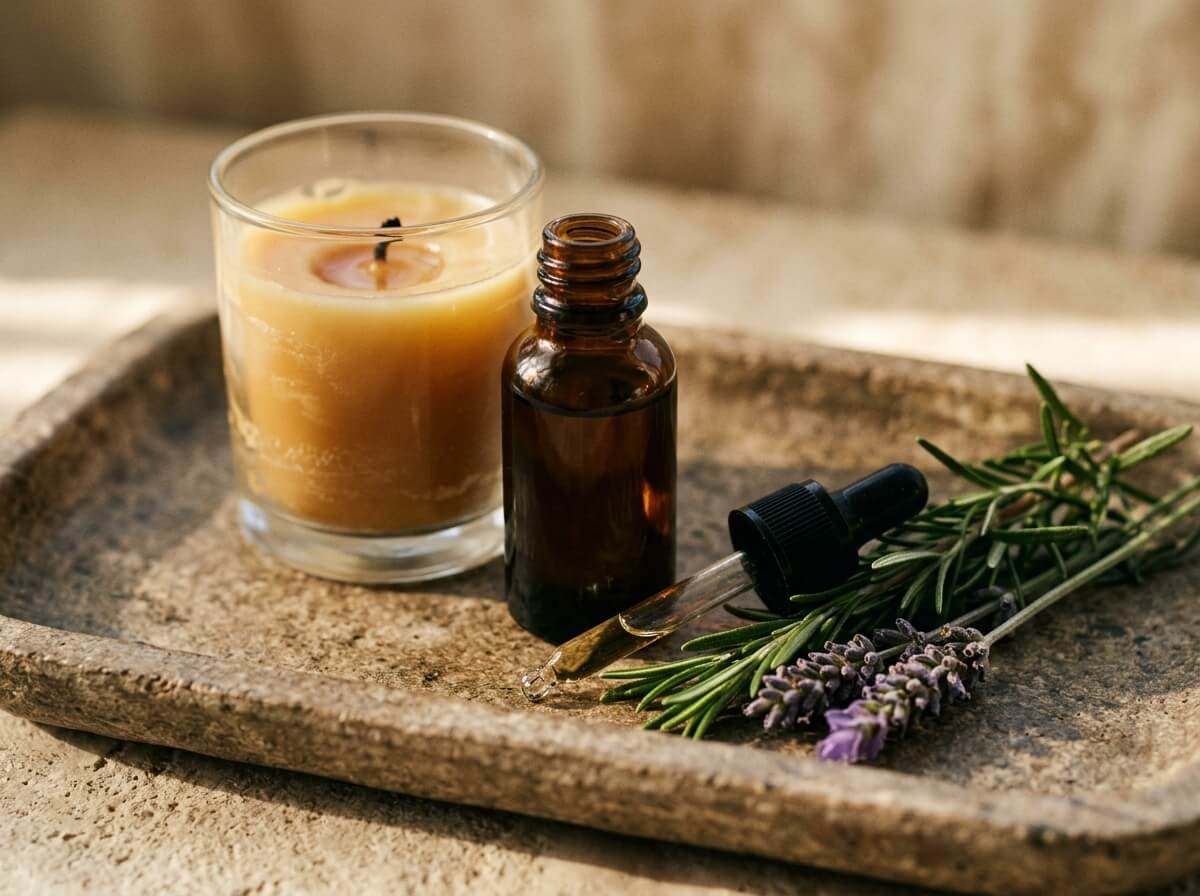
Fragrance is the reason most people buy candles, but the source of that fragrance determines whether a candle is clean or compromised. Understanding the difference between essential oils and synthetic fragrance is one of the most important steps in choosing natural candles.
Essential oils are concentrated plant extracts obtained through steam distillation, cold pressing, or CO2 extraction. Ylang ylang, for instance, is steam-distilled from freshly harvested flowers, preserving the complex aromatic profile that synthetic chemistry cannot replicate. When you burn a candle scented with ylang ylang essential oil, you inhale the same volatile compounds that the plant produces in nature. These compounds interact with your olfactory system and can genuinely support relaxation, focus, or energy depending on the oil. Our guide to essential oil benefits covers the science behind these effects in detail.
Synthetic fragrance oils, by contrast, are engineered in laboratories to mimic natural scents at a fraction of the cost. A single “fragrance” listing on a candle label can represent dozens of undisclosed chemical compounds, some of which have been linked to respiratory irritation, allergic reactions, and hormonal disruption. The International Fragrance Association (IFRA) regulates some of these compounds, but disclosure is not required in most markets.
There is a practical trade-off. Essential oils have a softer, more nuanced scent throw than synthetic fragrances, which tend to be louder and more persistent. If you are used to synthetic candles, a natural candle may seem subtler at first. This is by design. The scent is real, which means it behaves like a living thing: it shifts and evolves as the candle burns, revealing different notes over time. That subtlety is part of the experience.
If you already use essential oil blends in a diffuser, natural candles offer a complementary way to bring those same botanicals into your space. A frankincense essential oil candle, for example, creates a warm, resinous atmosphere that pairs naturally with meditation or evening wind-down rituals.
How to read a natural candle label
Labels can be misleading. Words like “natural,” “eco,” and “clean” are marketing terms, not certifications. Here is what to look for when evaluating a candle’s ingredients.
Check the wax
The label should specify the exact wax type: 100% soy, beeswax, coconut wax, or a named blend. If it says “wax blend” without further detail, paraffin may be part of the mix. Reputable brands list every component.
Check the fragrance source
Look for “scented with essential oils” or a specific list of botanical oils used. If the label simply says “fragrance” or “parfum,” the scent is synthetic or a mix. Some brands use “natural fragrance,” which can still include isolates and processed compounds. The safest option is a candle that lists the actual essential oils by name.
Check the wick
Cotton, hemp, or wood wicks are standard in natural candles. Metal-core wicks are a sign of a conventional candle. Some brands now use paper-braided wicks, which also burn cleanly.

Check for certifications
While not mandatory, certifications add credibility. Look for USDA Organic (for wax and oils), Non-GMO Project Verified (for soy), or B Corp status. Cruelty-free and vegan certifications matter if you want to avoid beeswax. The absence of certifications does not mean a candle is bad, but their presence means a third party has verified the claims.
Our guide to aromatic candles explores additional considerations for choosing candles that align with your wellness goals.
The Balinese approach to botanical candle-making
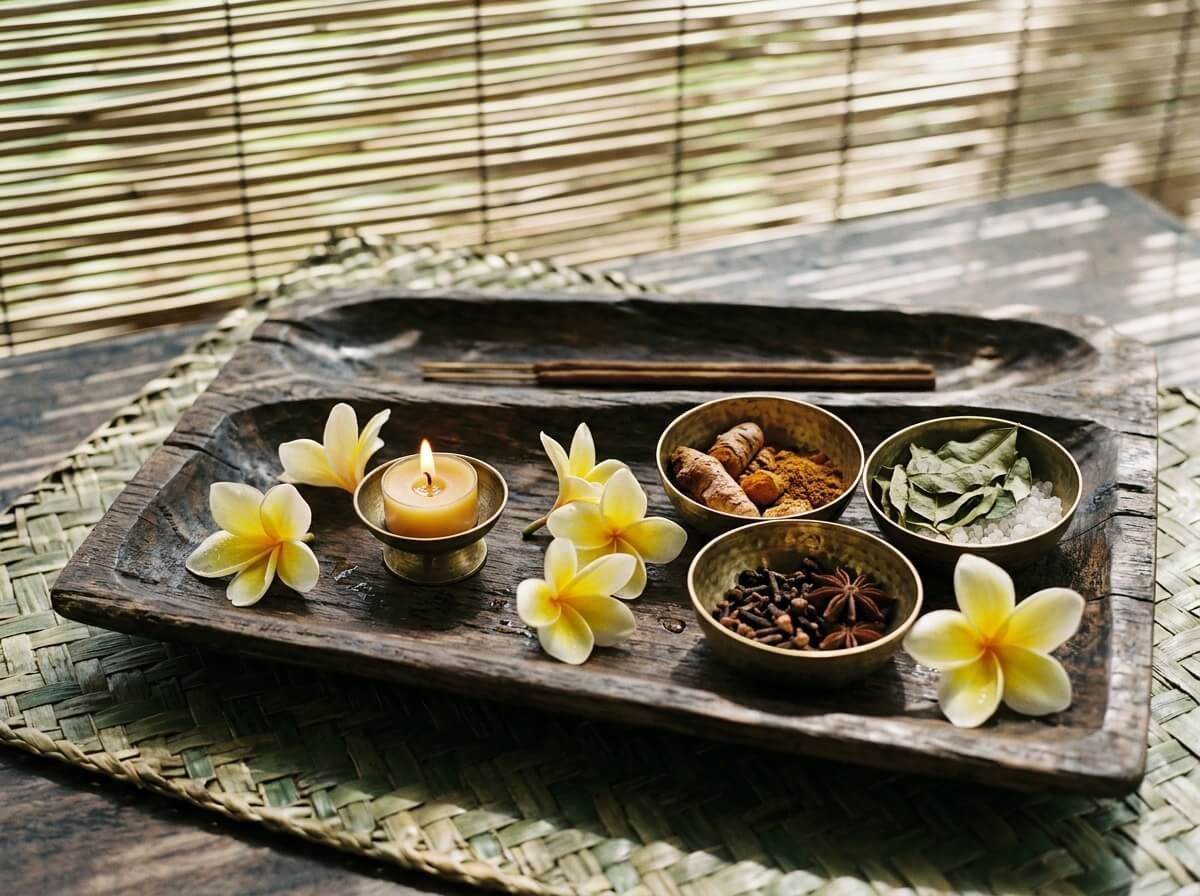
In Bali, fire has always carried meaning. Candles and oil lamps appear in daily offerings (canang sari), temple ceremonies, and healing rituals. The Balinese relationship with flame is not decorative; it is spiritual and intentional. This is the tradition that informs how we approach candle-making at Utama Spice.
Our candles are hand-poured in small batches in Ubud, using natural soy wax and pure essential oil blends developed from generations of Balinese herbal knowledge. Each blend is designed with intention: the Calming Candle uses lavender and chamomile to create a grounding atmosphere, while the Awakening Candle blends citrus essential oils with red jasper crystal for a clarifying, energising experience. The Island Spice Candle draws on the warm, resinous botanicals of the Indonesian archipelago.
What distinguishes Balinese candle-making from industrial production is the philosophy behind it. Every ingredient tells a story of connection between people, plants, and place. The essential oils in our candles come from the same sourcing partnerships that supply our skincare line: sustainable farms, wild-harvested botanicals, and community cooperatives. When you light one of these candles, you participate in a chain of care that begins with a farmer in Bali and ends in your living room.
This approach extends to the vessel and packaging. We use recyclable containers and minimal packaging, because the candle itself should be the experience, not the box it comes in. If you are interested in the broader aromatherapy tradition behind our formulations, our post on natural incense explores the same Balinese heritage applied to a different medium.

Bring Balinese calm into your space
Hand-poured in Ubud with pure lavender and chamomile essential oils, our Calming Candle creates a grounding atmosphere for evening rituals and quiet moments. Natural soy wax, cotton wick, no synthetics.
How to use natural candles in a daily wellness ritual
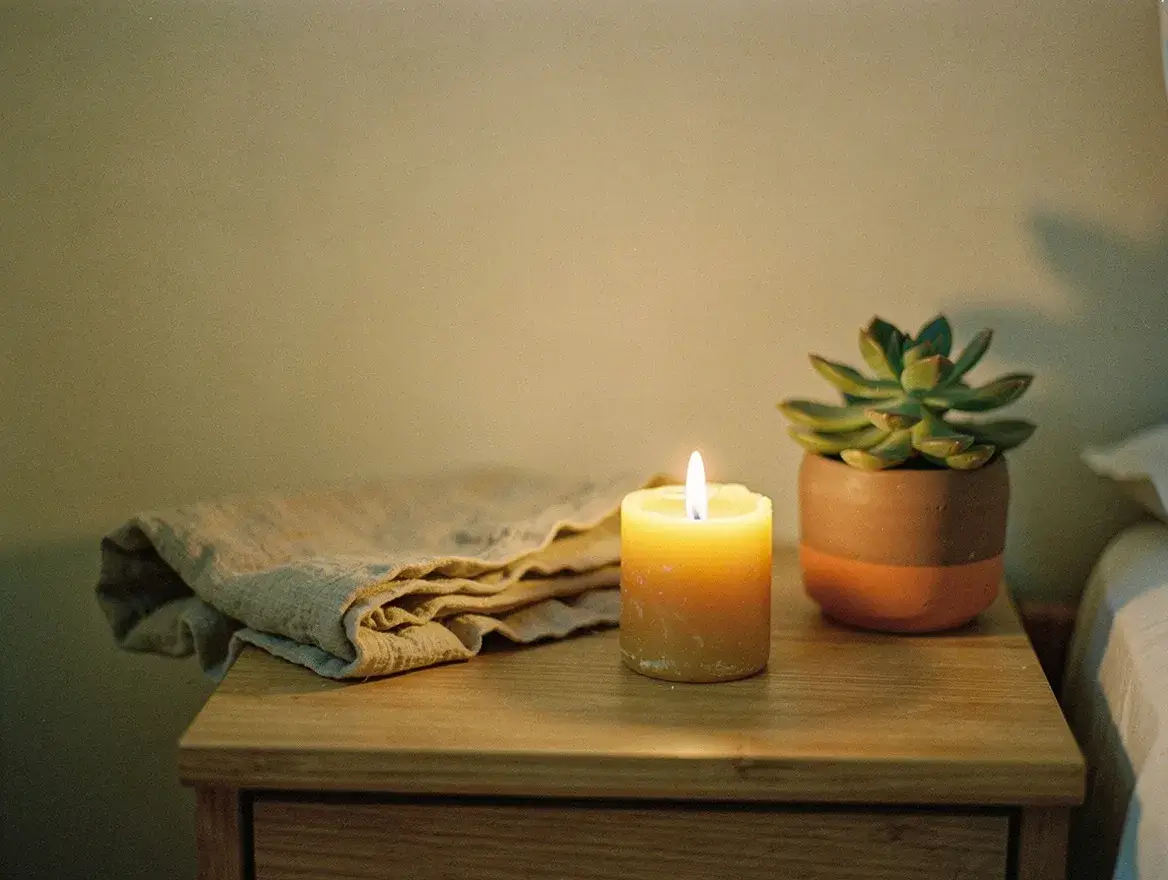
A candle is more than a source of light or fragrance. Used intentionally, it becomes an anchor for daily ritual, a signal to your nervous system that it is time to slow down, focus, or transition between activities. Here are practical ways to integrate natural candles into your routine.
Morning clarity ritual
Light a citrus or peppermint-scented natural candle while you prepare for the day. The bright, clean aroma helps sharpen focus without the overstimulation of synthetic air fresheners. Pair it with a few minutes of intentional breathing or journaling. The candle becomes a visual cue that this time is yours.
Work focus session
Rosemary and eucalyptus essential oil candles support concentration and mental clarity. Light one at the start of a focused work block and extinguish it when you take a break. Over time, your brain begins to associate the scent with productive flow, creating a subtle but effective environmental trigger.
Evening wind-down
This is where natural candles truly shine. Lavender, chamomile, and sandalwood are deeply calming botanicals, and burning them in candle form creates a multi-sensory experience: the soft light, the warm scent, the quiet ritual of striking a match. Pair your evening candle with a cup of herbal tea, a warm bath, or a few pages of reading. The natural linen spray makes a lovely companion, misting your pillows and sheets with complementary botanical fragrance before sleep.
Meditation and breathwork
A single candle flame is one of the oldest meditation anchors. In the Balinese tradition, candle gazing (trataka in yoga) is a concentration practice that settles the mind. Choose a natural candle with a subtle, grounding scent like frankincense or vetiver. Place it at eye level, focus on the flame, and let the gentle flicker become your point of stillness. If you prefer diffused essential oils alongside your candle, a nebulizing diffuser adds another layer of botanical atmosphere without combustion.
Candle care basics
To get the most from your natural candles, trim the wick to about 5 mm before each burn. This prevents smoking and uneven melting. On the first burn, let the wax pool reach the edges of the container to avoid tunneling. Natural wax candles have a memory: the diameter of the first melt pool sets the pattern for future burns. Store candles away from direct sunlight and heat, as natural waxes have lower melting points than paraffin.
Frequently asked questions about natural candles
Are natural candles better for indoor air quality?
Yes. Natural wax candles (soy, beeswax, coconut) produce significantly less soot and fewer volatile organic compounds than paraffin candles. When scented with pure essential oils rather than synthetic fragrance, they eliminate another major source of indoor air pollutants. Beeswax candles may also release negative ions that help bind and settle airborne particles.
Do natural candles smell as strong as regular candles?
Natural candles have a softer, more nuanced scent throw compared to synthetic fragrance candles. The scent is genuine and evolves as the candle burns, revealing different botanical notes over time. If you are transitioning from synthetic candles, give yourself a week or two to adjust. Most people find they prefer the authenticity once their noses recalibrate.
How long do natural candles burn?
Soy wax burns 30 to 50% longer than paraffin. Beeswax burns even longer. A 100 gram natural soy candle typically provides 20 to 30 hours of burn time, depending on wick size and environmental conditions. Trim the wick before each use and burn in a draft-free area for maximum longevity.
Can I make natural candles at home?
Absolutely. Soy wax flakes, cotton wicks, and essential oils are widely available. The basic process involves melting wax to about 80 degrees Celsius, adding essential oil at roughly 6 to 10% concentration once it cools to 60 degrees, and pouring into a heat-safe container with a centred wick. Our DIY linen spray guide uses similar essential oil dilution principles if you want to start with a simpler project.
Are soy candles vegan?
Soy and coconut wax candles are plant-based and typically vegan. Beeswax candles are not, as beeswax is an animal byproduct. If veganism is important to you, look for candles specifically labelled as 100% soy or coconut wax with no beeswax blending.
What is the most sustainable natural candle wax?
Sustainability depends on the full supply chain, not just the material. Non-GMO soy wax from responsible farms, coconut wax from fair-trade cooperatives, and beeswax from ethical beekeepers all have strong sustainability credentials. The most sustainable choice also considers packaging, shipping distance, and whether the brand supports refill or reuse. Like natural incense, the best natural candles are those where every step of the process, from raw ingredient to finished product, respects people and planet.
Bringing it all together
Choosing natural candles is a small act with real consequences: cleaner air in your home, fewer synthetic chemicals on your body’s largest organ (your skin absorbs what is in the air), and support for makers who prioritise craft over convenience. It is also, quite simply, a more honest sensory experience. When a candle smells of lavender because it contains actual lavender essential oil, the experience is grounded in something real.
Start by reading the labels of the candles you already own. Check the wax, the wick, and the fragrance source. From there, transition one candle at a time. Your nose, your lungs, and your living space will notice the difference. And if you want candles crafted with the same care and botanical integrity that defines everything we do, our small-batch Calming, Awakening, and Island Spice candles are hand-poured in Ubud with pure essential oils, natural soy wax, and cotton wicks. No synthetics. No shortcuts. Just clean light and real fragrance, crafted in Bali with care since 1989.