Aloe vera gel for face: a complete guide to natural hydration
Aloe vera gel for face is one of the most time-tested botanical remedies in skincare, and for good reason. Long before it appeared in modern beauty aisles, communities across tropical regions relied on aloe vera as a daily companion for hydration, soothing irritation, and restoring balance to sun-exposed skin. In Bali, where our formulations are rooted, aloe grows abundantly in family gardens and has been part of traditional wellness rituals for generations.
Yet not all aloe vera gels are created with the same care. Many mass-produced versions contain only trace amounts of actual aloe, padded with synthetic thickeners, artificial fragrances, and preservatives that can do more harm than good. The difference between a genuinely effective aloe vera gel for face and a diluted imitation comes down to sourcing, formulation integrity, and the intention behind the product.
In this guide, we walk through everything you need to know: the science behind aloe vera’s skin benefits, how to choose a gel that actually delivers, ways to incorporate it into your natural skincare routine, and how to combine it with other botanicals for deeper nourishment. Whether you are new to plant-based skincare or refining a ritual you have practiced for years, this is your complete resource.
What makes aloe vera gel so effective for facial skincare
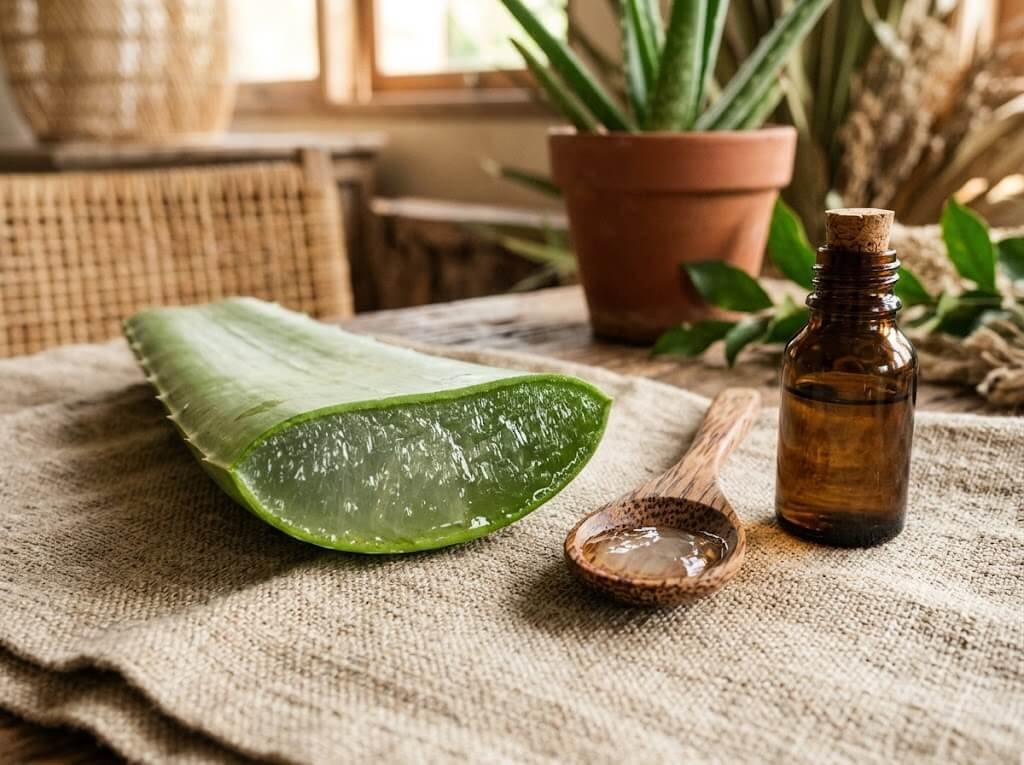
Aloe vera (Aloe barbadensis miller) contains over 75 active compounds, including vitamins A, C, and E, enzymes, minerals, sugars, lignin, saponins, salicylic acids, and amino acids. This composition is not accidental. The plant evolved these compounds to protect its own cellular structure in harsh, arid environments, and those same protective properties translate directly to human skin.
The gel, the translucent substance found inside the leaf, is roughly 99% water. That remaining one percent carries the potent bioactive compounds. Acemannan, a polysaccharide unique to aloe, supports the skin’s moisture barrier by helping cells retain water. Glycoproteins reduce inflammation and redness. Anthraquinones offer mild antibacterial action. Together, these create a lightweight matrix that hydrates without occluding pores.
What sets aloe apart from synthetic humectants like hyaluronic acid is its holistic delivery. Rather than isolating a single function, aloe vera gel addresses hydration, soothing, repair, and mild antimicrobial protection simultaneously. This multi-pathway approach is something traditional healers in Bali and across Indonesia have understood intuitively for centuries, as explored in our piece on Indonesian traditional herbal knowledge.
For facial skin specifically, the gel’s low molecular weight allows it to absorb quickly without leaving a heavy residue. It works across skin types: calming sensitivity, balancing oil production, and providing a hydration layer that sits comfortably under sunscreen or makeup. The pH of natural aloe gel (around 4.5 to 5.5) also closely matches the skin’s own acid mantle, which means it supports the barrier rather than disrupting it.
Five proven benefits of aloe vera gel for face

Research published in peer-reviewed dermatology journals has confirmed what traditional practitioners have long observed. Here are five evidence-backed benefits of using aloe vera gel for face care.
Deep hydration without heaviness
Aloe vera gel is a natural humectant, drawing moisture from the environment into the skin. Unlike heavier creams, it provides a breathable hydration layer that does not clog pores. This makes it especially valuable for people with combination or oily skin who need moisture without the weight. For those looking to build a layered hydration ritual, pairing aloe with a botanical face cream creates a balanced moisture sandwich that lasts throughout the day.
Soothing inflammation and redness
The anti-inflammatory compounds in aloe, particularly bradykinase and C-glucosyl chromone, help reduce redness, puffiness, and irritation. Clinical studies have shown that aloe vera gel can be as effective as 1% hydrocortisone cream for treating mild inflammatory skin conditions, without the side effects associated with long-term steroid use. If you struggle with redness after cleansing, applying aloe as a post-wash treatment can calm the skin before your next step. This is especially relevant for those who live in tropical climates where heat and humidity can trigger persistent facial redness.
Supporting skin repair and cell renewal
Aloe stimulates fibroblast activity, the cells responsible for producing collagen and elastin. This means regular use helps the skin repair itself from daily micro-damage caused by UV exposure, pollution, and oxidative stress. The vitamin C and E content provides antioxidant protection, while the zinc acts as an astringent to tighten pores. These repair benefits compound over time, making aloe a foundation for any long-term natural face care approach.
Gentle antibacterial and acne support
Salicylic acid, naturally present in aloe vera, helps unclog pores by dissolving dead skin cells. Combined with the gel’s antibacterial properties, this makes aloe a gentle ally for acne-prone skin. Unlike harsh chemical treatments that strip the skin barrier, aloe addresses breakouts while simultaneously hydrating and calming the surrounding tissue. The result: clearer skin without the dryness and flaking that often follow aggressive acne protocols. For those already on an acne-focused routine, aloe works well alongside targeted treatments like tea tree oil or niacinamide.
Natural sun-damage recovery
Aloe vera has been used for centuries to soothe sunburned skin. The gel’s cooling effect provides immediate relief, while its anti-inflammatory and cell-regenerating properties support longer-term healing. Applying aloe after sun exposure can reduce peeling and help the skin recover its moisture barrier more quickly. Of course, the best approach is prevention: pair your aloe care with a reliable natural sunscreen for face protection. In Bali, where sun exposure is a daily reality, this combination of prevention and recovery is how local practitioners have approached skin health for generations.
How to choose a quality aloe vera gel for your skin
The aloe vera market is crowded, and marketing claims can be misleading. A bottle labelled “100% aloe vera” may legally contain as little as 15% actual aloe, with the rest being water, thickeners, and preservatives. Here is what to look for when choosing a gel that genuinely serves your skin.
Read the ingredient list, not the front label
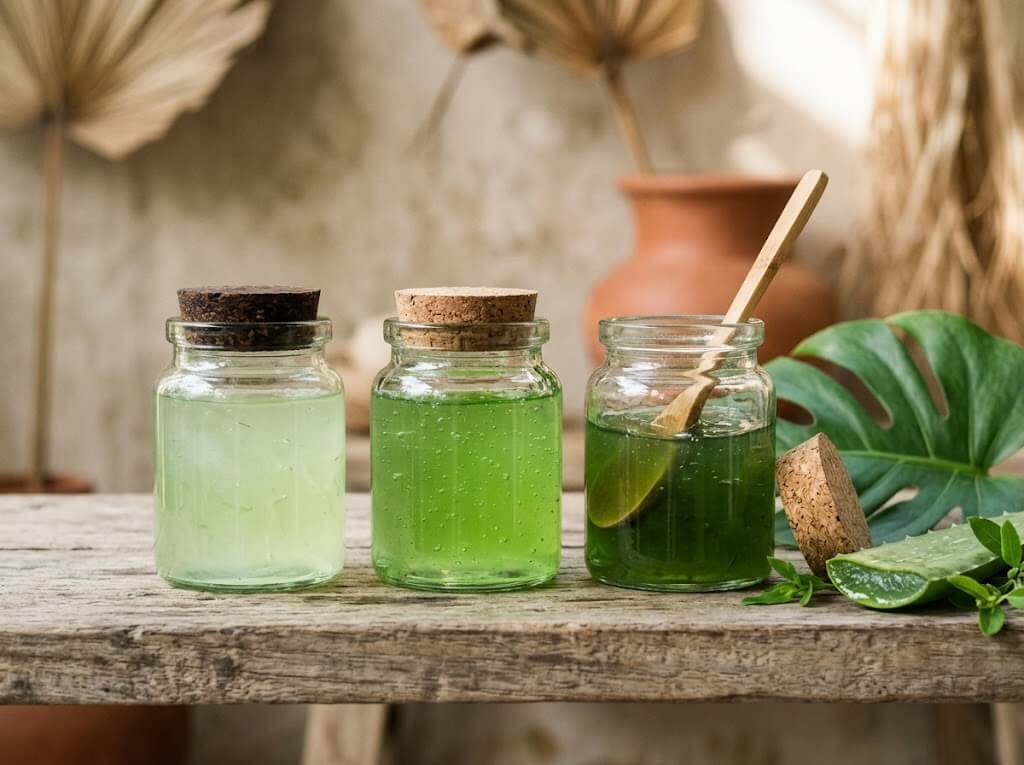
Aloe barbadensis leaf juice (or leaf extract) should appear as the first or second ingredient. If it is listed after water and several chemical names, the concentration is likely too low to deliver meaningful benefits. Also check for artificial colourants (many gels are dyed green to look more “natural”), synthetic fragrances, and alcohol (which dries out the skin, defeating the purpose). A truly pure aloe vera gel should be nearly colourless or very pale, not bright green.
Look for complementary botanicals
The best aloe vera gels pair the base ingredient with other plant extracts that enhance its performance. Lavender essential oil adds calming properties and a gentle natural scent. Vitamin E (tocopherol) from botanical sources provides additional antioxidant protection. Witch hazel can complement aloe’s pore-tightening effect. What you want to avoid are formulations that replace genuine botanicals with synthetic fragrance or petroleum-derived emollients.
Consider sourcing and formulation transparency
Where the aloe comes from matters. Sun-drenched tropical environments like Bali produce aloe with higher concentrations of active compounds because the plant generates more protective substances in intense conditions. Brands that disclose their sourcing, processing methods, and ingredient rationale are generally more trustworthy than those hiding behind vague “natural” claims. Our Aloe Vera Gel, for example, is formulated with pure aloe vera leaf extract, enhanced with lavender essential oil for additional soothing benefits, and crafted without harmful chemicals or additives.
Packaging and storage
Aloe vera’s bioactive compounds degrade with exposure to light and heat. Choose products in opaque or dark containers rather than clear plastic. Tubes generally preserve freshness better than wide-mouth jars, which introduce air and bacteria with each use. Once opened, store in a cool location away from direct sunlight to maintain potency.
How to use aloe vera gel for face in your daily routine
Aloe vera gel is remarkably versatile. It can serve as a standalone moisturiser, a prep layer, a treatment mask, or a soothing after-sun balm. Here are the most effective ways to integrate it into your facial care ritual.
As a lightweight morning moisturiser
After cleansing, apply a thin layer of aloe vera gel to damp skin. The gel locks in the surface moisture while adding its own hydration. For those following the best practices for face washing, this is the natural next step. Allow a minute for absorption before applying sunscreen. This works especially well in tropical and humid climates, where heavier creams can feel suffocating.

As a hydrating mask
Apply a generous layer of aloe vera gel across the face and leave it for 15 to 20 minutes. The extended contact time allows deeper penetration of the active compounds. This is particularly restorative after sun exposure, long flights, or periods of stress. Rinse with cool water and follow with your usual serum or oil. The Sensitive Face Serum pairs beautifully after an aloe mask, layering botanical nourishment on freshly hydrated skin.
As a spot treatment
For blemishes or irritated patches, dab a small amount of aloe gel directly onto the affected area. The salicylic acid and antibacterial properties work locally to calm inflammation and reduce the likelihood of scarring. Reapply two to three times daily for best results. This gentle approach is often more effective than harsh spot treatments that can damage the surrounding healthy skin.
As a mixing base for other botanicals
Aloe vera gel serves as an excellent carrier for other active ingredients. Mix a few drops of face oil into a palm-full of aloe gel for a custom serum that combines water-based and oil-based hydration. You can read more about how botanical oils work alongside water-based hydration in our guide to natural face oils.
As a nighttime recovery layer
Before bed, apply aloe vera gel as a pre-serum hydration layer. While you sleep, the gel’s cell-regenerating compounds work with your skin’s natural overnight repair cycle. Follow with a richer oil or night cream to seal everything in. This overnight recovery ritual is especially effective for those dealing with environmental stress, seasonal dryness, or skin that feels depleted after long days.
Combining aloe vera with other natural ingredients for deeper care
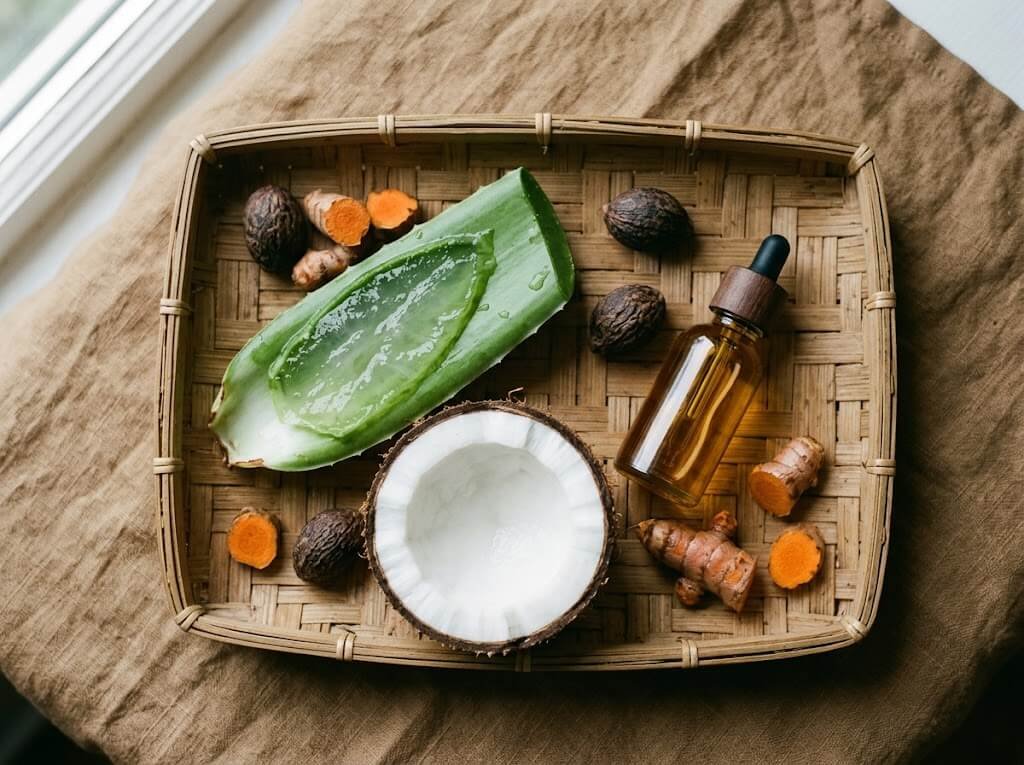
Aloe vera is a team player. Its water-based gel texture makes it compatible with a wide range of botanical ingredients, and certain combinations unlock benefits that neither ingredient achieves alone.
Aloe vera and coconut oil
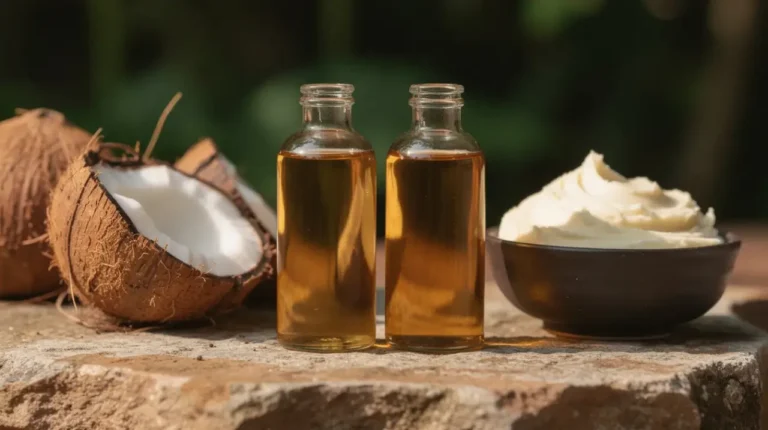
Coconut oil is rich in lauric acid, which has antimicrobial properties that complement aloe’s own antibacterial action. When used together, aloe provides the water-based hydration while coconut oil seals it in with a lipid barrier. Apply aloe first, let it absorb for a minute, then follow with a thin layer of virgin coconut oil. This layering technique is a staple in Balinese skincare tradition, where both ingredients have been used together for generations.
Aloe vera and witch hazel
For oily or acne-prone skin, mixing aloe vera gel with a small amount of witch hazel creates a balancing toner that reduces excess oil without stripping the skin. Witch hazel’s tannins tighten pores, while aloe replenishes moisture. Apply with a cotton pad or spritz from a small bottle for a refreshing mid-day reset.
Aloe vera and turmeric
Turmeric’s curcumin is a powerful anti-inflammatory and antioxidant. Mixed into aloe vera gel, it creates a mask that targets hyperpigmentation, uneven skin tone, and inflammation. Use raw turmeric root (grated finely) or a pinch of pure turmeric powder. Leave for 10 minutes, then rinse. Note: turmeric can temporarily stain lighter skin tones, so patch-test first.
Aloe vera and essential oils
A few drops of tea tree oil in aloe gel creates a targeted acne treatment. Lavender oil enhances the calming properties for sensitive or irritated skin. Rosemary oil adds circulation-boosting benefits for a more radiant complexion. Always dilute essential oils properly and stick to one to two drops per tablespoon of gel. For more on how essential oils work with your skin, explore our guide to essential oil benefits.

Nature’s hydration, crafted in Bali
Our Aloe Vera Gel is formulated with pure aloe vera leaf extract and lavender essential oil. Gentle, hydrating, and crafted without harmful chemicals. For all skin types, every day.
Frequently asked questions about aloe vera gel for face
Can I use aloe vera gel on my face every day?
Yes. Aloe vera gel is gentle enough for daily use on all skin types. Many people use it twice daily, morning and evening, as part of their hydration step. If you are using it for the first time, start with once daily and observe how your skin responds over a week before increasing frequency.
Is aloe vera gel suitable for sensitive skin?
Aloe vera is one of the most well-tolerated botanical ingredients in skincare. Its anti-inflammatory properties actually make it beneficial for sensitive and reactive skin types. However, some commercial gels contain added fragrances, alcohol, or preservatives that can trigger sensitivity. Choose a pure formulation with minimal additional ingredients to minimise risk.
Can aloe vera gel replace my moisturiser?
For oily and combination skin types, yes, especially in warm or humid climates. Aloe provides sufficient hydration without heaviness. For dry skin, aloe works best as one layer in a multi-step routine: apply aloe first for water-based hydration, then follow with a face oil or cream to lock in moisture with a lipid barrier.
Should I refrigerate aloe vera gel?
Refrigeration is not necessary for commercially formulated aloe vera gels with natural preservatives. However, storing it in the fridge adds a cooling sensation that enhances the soothing experience, especially for after-sun application or puffy morning skin. If you are using raw aloe directly from the leaf, refrigerate and use within a few days.
Can I use aloe vera gel under makeup?
Aloe vera gel works well as a primer base. Its lightweight texture absorbs quickly and creates a smooth, hydrated surface for makeup application. Allow a minute or two for the gel to fully absorb before applying foundation or sunscreen.
Does aloe vera gel help with dark spots or hyperpigmentation?
Aloe contains aloin, a compound with mild depigmenting properties. Regular use can gradually lighten dark spots over time. For faster results, combine aloe with vitamin C serum or turmeric. Consistency matters more than concentration: daily application over weeks yields better results than occasional heavy treatments.
The simplest step toward skin that feels like itself again
There is something honest about aloe vera. It does not promise miracles or overnight transformation. What it offers is steady, quiet care: hydration that breathes, soothing that does not overcorrect, and repair that works with your skin’s own rhythms rather than against them.
In Bali, where Utama Spice has been crafting natural wellness products since 1989, aloe grows in gardens beside kitchens and temples. It is not exotic or rare. It is simply present, ready to help whenever needed. That accessibility is part of its wisdom. The same plant that Balinese families have used for generations is the same one that modern science keeps validating, study after study.
If your face has been asking for something gentler, something rooted in nature rather than synthesised in a lab, aloe vera gel is a place to start. Not because it is trendy, but because it has been working quietly for centuries. And the best skincare, like the best rituals, is the kind that endures.
Our Aloe Vera Gel is formulated with pure aloe vera leaf extract and lavender essential oil, crafted in small batches here in Bali. It is one of many steps toward skin that feels cared for, honestly and simply. And if you are building out a complete botanical ritual, our guide to aloe vera for natural hair explores how the same ingredient can nourish beyond your face.