Aluminum free deodorant for women: what actually works and why
Switching to an aluminum free deodorant for women sounds simple, until the first warm afternoon when the old formula would have kept you dry and the new one does not behave the way you expected. That gap, between the promise and the first real day, is where most people quietly give up. Usually it is not because natural deodorant cannot work. It is because no one explained what is actually happening under the arm, or what a good formula is really doing.
We have spent more than 35 years making body care in Bali, in a climate that tests everything. So this guide is less of a product list and more of an honest explanation. We will look at why so many women are moving away from antiperspirant, how aluminum free formulas neutralise odour at a molecular level, which ingredients genuinely earn their place, what the transition truly feels like, and how to match a formula to your own body chemistry. The aim is clarity, not another set of promises.
Why women are switching from antiperspirant to aluminum free deodorant
For a long time, antiperspirant was simply what you used. It worked by sealing the sweat ducts shut with aluminum salts, so the underarm stayed dry. Dryness felt like the goal, and odour felt like the enemy. The questions started when more people began reading their labels and asking a fair question: do I actually want to block a natural process my body relies on to cool itself and clear waste.
The honest answer from the research is measured. Large reviews have not established that antiperspirant aluminum causes the conditions it is often blamed for, and we will not pretend otherwise, because overstating risk is its own kind of greenwashing. What has shifted is the priority. Many women now want a product that works with the body rather than switching part of it off, especially around the lymph-dense underarm, and especially during the hormonal seasons when sweat changes anyway.
There is also a simple comfort factor. Sweat is how skin breathes and regulates temperature. Choosing an aluminum free deodorant for women is often less about fear and more about preference: managing odour, keeping skin calm, and not fighting the body to stay dry. That preference is reasonable, and it deserves a product built around it rather than a watered-down version of an antiperspirant. If you are weighing the broader case, we cover it in our look at reasons natural deodorant can be better for you and the practical question of whether natural deodorant actually works.
How aluminum free deodorant for women actually works
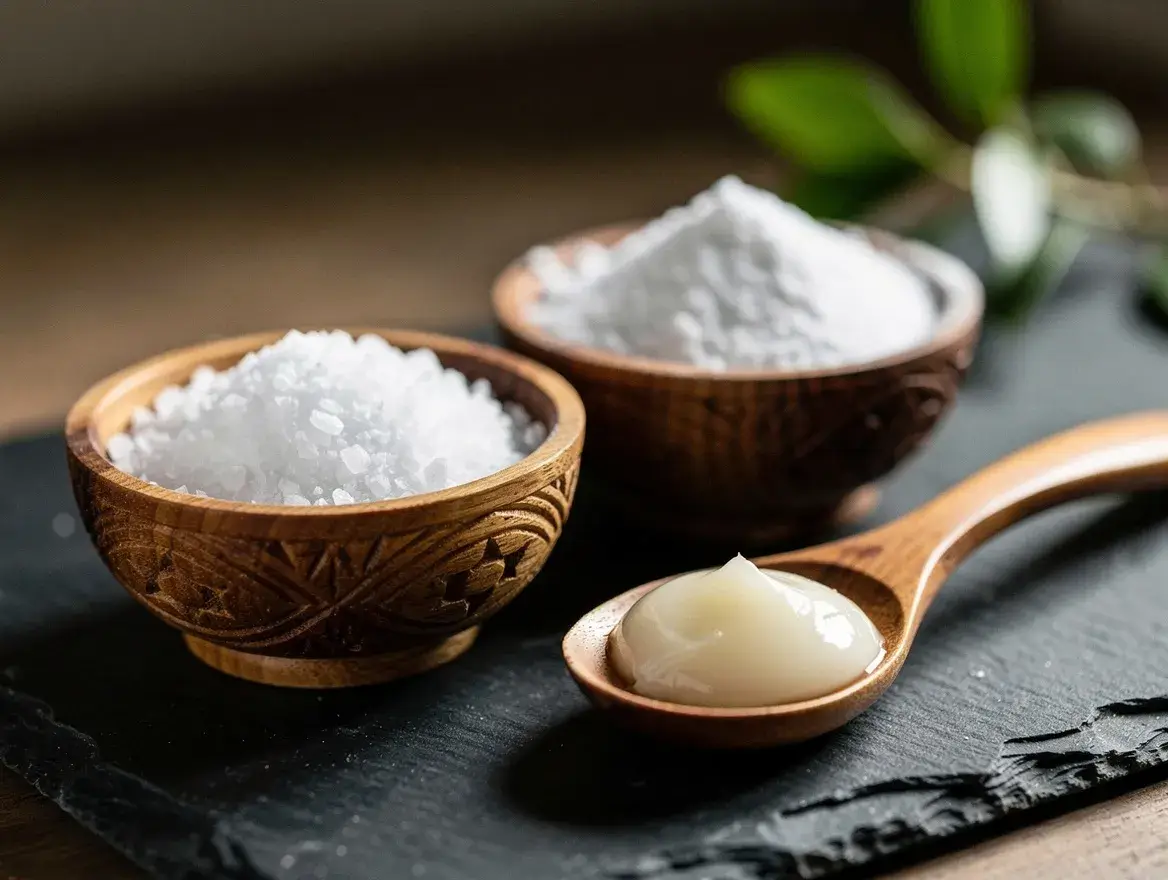
Here is the distinction almost no product page makes clearly. A deodorant and an antiperspirant are not the same thing. An antiperspirant reduces sweat, usually with aluminum compounds. A deodorant does not stop you sweating at all. It works on odour. By that definition every true deodorant is already aluminum free, and the phrase simply names the category honestly rather than describing a special feature.
So where does underarm odour come from. Not from sweat itself. Fresh sweat is close to odourless. Odour appears when the bacteria that live on skin, mainly Corynebacterium and Staphylococcus species, break down the richer, protein and lipid heavy sweat released by the apocrine glands that switch on at puberty. The smell is a by-product of that bacterial activity, not the sweat.
It helps to know there are two kinds of sweat. Eccrine glands cover most of the body and release a light, watery sweat that cools you down. It is almost entirely water and salt, and it barely smells. Apocrine glands sit in the underarm and a few other areas, and they release a thicker sweat carrying proteins and lipids, triggered as much by stress and hormones as by heat. Odour is overwhelmingly an apocrine story. This is why the underarm behaves so differently from the rest of the body, and why a deodorant only needs to do its work in one small, specific place rather than everywhere you sweat.
A well-made aluminum free formula works on three honest levers. First, it makes the skin a less welcoming home for odour-causing bacteria, often by gently shifting surface pH or introducing plant antibacterials. Second, it absorbs excess moisture with mineral powders so bacteria have less to feed on and skin feels dry to the touch. Third, it carries a clean botanical scent that is fresh rather than masking. None of this requires sealing a gland. It works with skin biology instead of overriding it. Once you see it this way, choosing well becomes an ingredient question, which is exactly where most guides stop and where ours begins. For the parallel breakdown written for a different body chemistry, our guide to aluminum free deodorant for men follows the same logic.
Key ingredients to look for in a natural deodorant
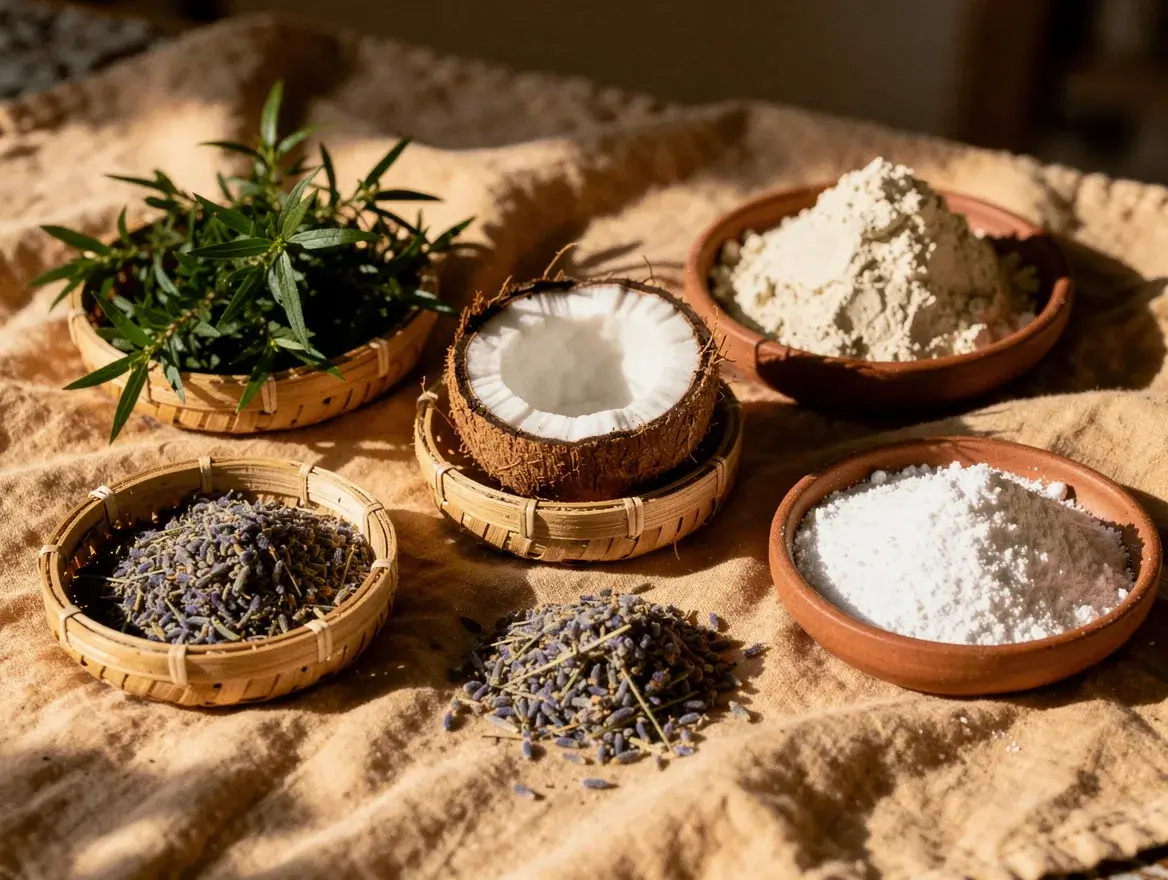
Once you understand the three levers, a label stops being marketing and becomes readable. These are the ingredients that genuinely earn their place.
- Magnesium hydroxide: a gentle mineral that nudges skin pH out of the range odour bacteria prefer. It is increasingly the calm alternative for people whose skin reacts to harsher options.
- Sodium bicarbonate (baking soda): effective at neutralising the acidic by-products of bacterial activity, but assertive. At higher levels it can irritate sensitive underarms, which is why thoughtful formulas keep it low or leave it out.
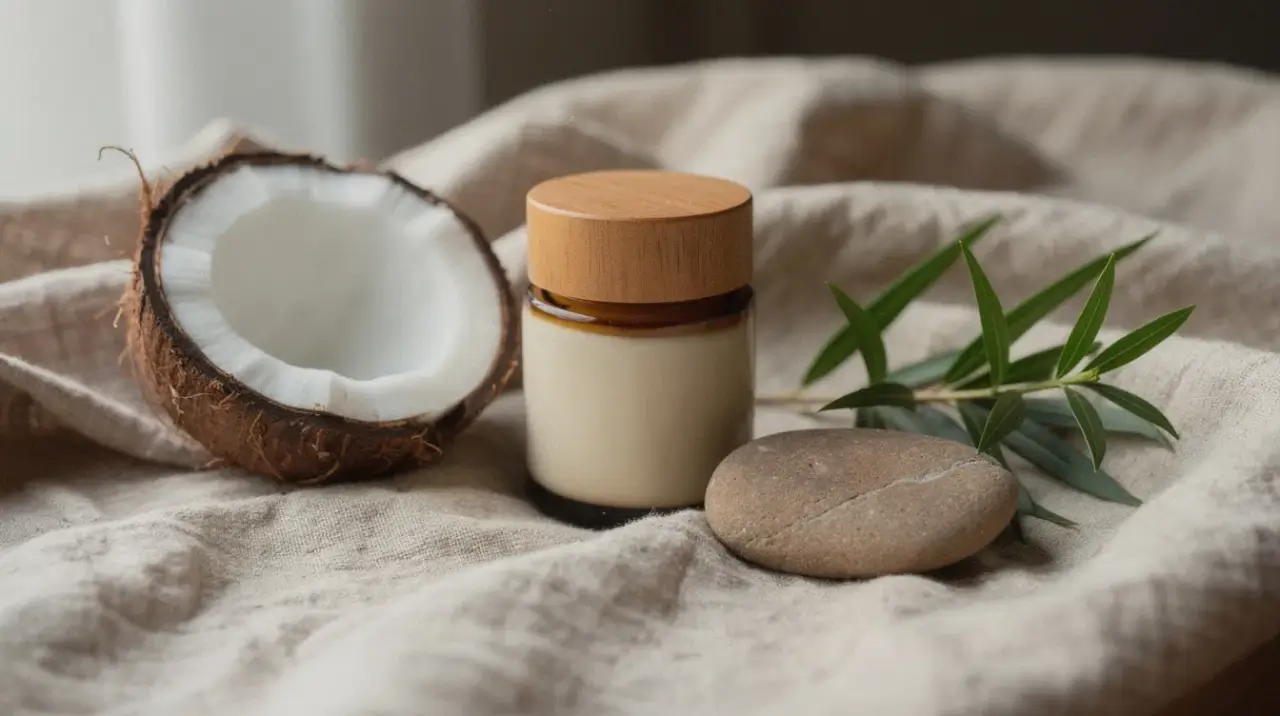
- Coconut oil: rich in lauric acid, which the skin and its microbes convert to monolaurin, a naturally antibacterial compound. It also gives a balm its smooth, conditioning feel. We source ours as cold-pressed Bali coconut oil through our Aluan partnership, and you can read why we trust it in our guide to coconut oil for skin.
- Plant starches and clays: arrowroot, tapioca, and kaolin clay absorb moisture so the underarm feels dry without blocking a single duct.
- Essential oils: tea tree, lavender, and lemongrass bring measured antibacterial and antifungal activity along with a clean scent. They should be present in considered amounts, not drenched.
- Zinc ricinoleate: a castor-derived ingredient that binds odour molecules rather than just covering them.
- Shea or cocoa butter: a skin-soothing base that keeps the formula calm and balanced.
What you want to see less of is a long synthetic fragrance, heavy alcohol, and baking soda pushed high to compensate for a thin formula. A short, legible ingredient list is usually a sign of a maker who understands the three levers and trusts them. This is the same standard we apply across the line, and the principle behind real clean beauty: fewer ingredients, each one explainable.
The transition period: what to expect when you switch
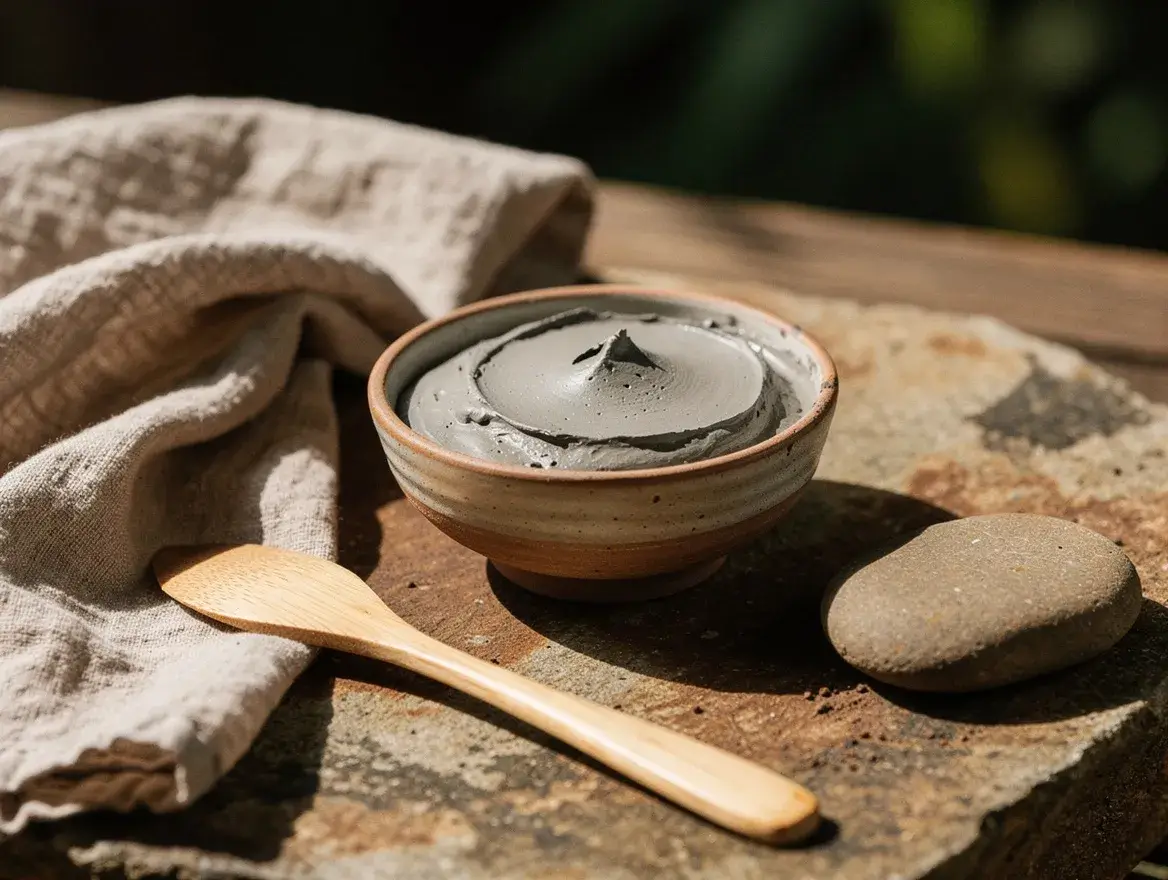
This is the part product pages skip, and it is the single biggest reason people abandon natural deodorant too early. When you stop using an antiperspirant, your underarm does not simply carry on as before. For a window of roughly two to four weeks, it recalibrates.
There is a popular story about an armpit detox, as though the skin is purging toxins. That framing is not accurate, and we would rather tell you the truth. What actually happens is more interesting. While you used antiperspirant, the underarm microbiome adjusted to a drier, partly blocked environment. When sweat flows freely again, the bacterial community rebalances. During that shift, odour can briefly be more noticeable, not because the deodorant is failing, but because the ecosystem is still settling.
If it helps to have a map, most people experience the transition in three rough stages. In the first week, odour can feel stronger and more frequent as the microbiome and any antiperspirant residue clear. This is the hardest stretch, and the one to expect rather than fear. Through the second and third weeks, the pattern becomes uneven, with good days and less good days, as the bacterial balance settles. By around the fourth week, most people find a new steady state where a single morning application, with an occasional midday top-up, holds. The timeline varies with body chemistry and climate, but the shape is consistent enough to plan around.
Knowing this changes everything, because it turns a frustrating week into an expected phase. A few things help. Wash with a gentle natural soap rather than a harsh antibacterial one, so you support the microbiome instead of stripping it. A weekly clay treatment, such as a thin bentonite or kaolin mask left on for a few minutes, can ease the rebalancing by drawing out build-up. Reapply once midday in the first weeks rather than judging a formula by hour eight on day two. Give it the full month before you decide. Most people who push past the transition find their natural deodorant settles into something quietly reliable. Our broader guide to natural deodorant for women walks through this phase in more detail.

How to choose the right natural deodorant for your body chemistry
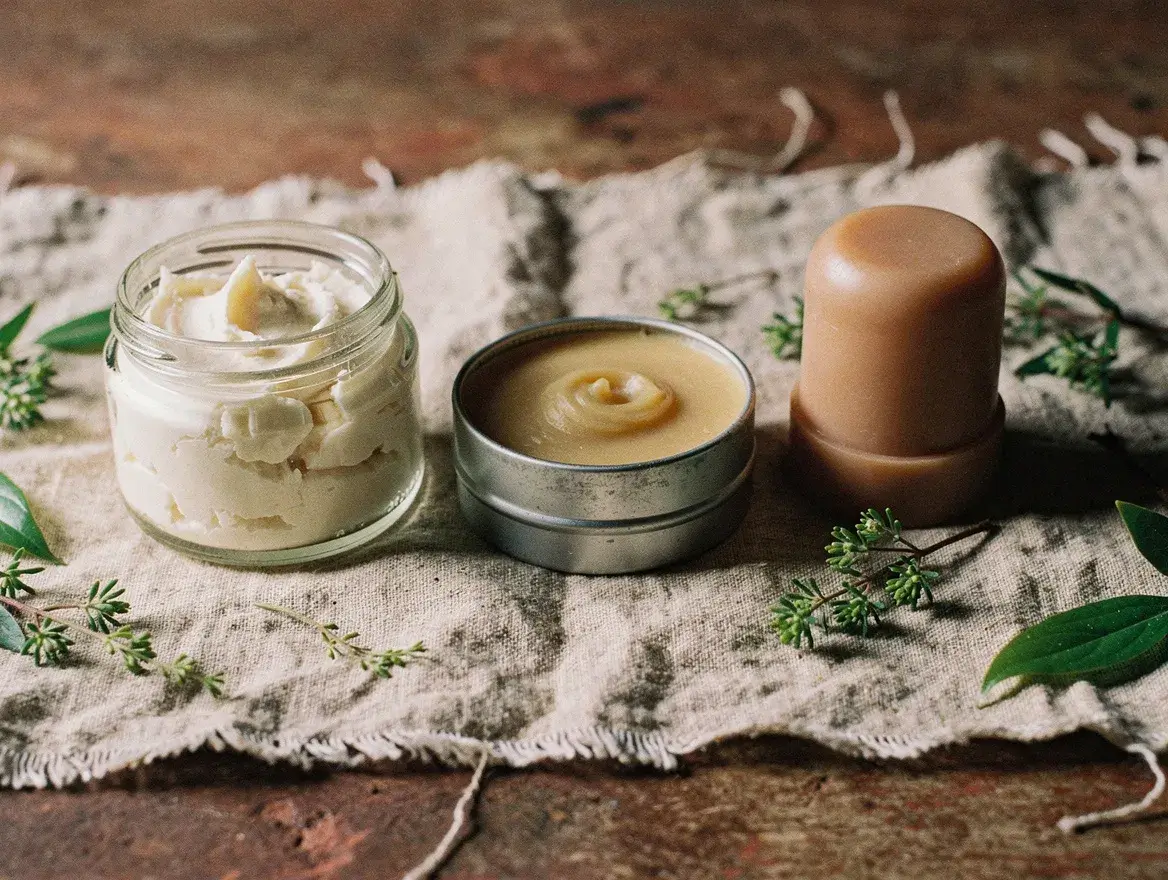
There is no single best formula, because there is no single body. Odour, sweat volume, skin sensitivity, and scent preference all vary, and they change across the month and across the years. Choosing well means matching a formula to you rather than to a review score.
If your skin is sensitive or reacts to baking soda, look for a magnesium hydroxide or clay-led formula with little or no sodium bicarbonate. If you sweat heavily, a balm with a higher proportion of absorbent starch and clay will feel more dependable, and you should expect to reapply rather than treat one morning swipe as the whole day. If you are scent sensitive, choose a formula that is lightly fragranced with essential oils rather than a strong synthetic blend, or go fragrance-light entirely.
Hormones matter here more than most guides admit. Body chemistry shifts through the menstrual cycle, through pregnancy, and through perimenopause and menopause, and a deodorant that felt right one season can feel different in another. That is not the product failing you. It is your chemistry changing, and it is a good reason to keep your routine adaptable rather than fixed. This is the thinking behind our Hers Deodorant, a coconut-oil and botanical formula built to be gentle enough for sensitive skin while still doing the real work. Many households keep it beside its counterpart, our His Deodorant, since the underlying formulation philosophy is shared even when body chemistry differs. For a wider comparison of what to weigh, our guide to the best natural deodorant lays out the trade-offs.

Hers Deodorant: aluminum free, gentle, made in Bali
A coconut-oil and botanical formula built to work with your body chemistry, not against it. Gentle enough for sensitive skin, honest about what is inside, and crafted in small batches in Bali.
Natural deodorant in warm climates: what we have learned in Bali
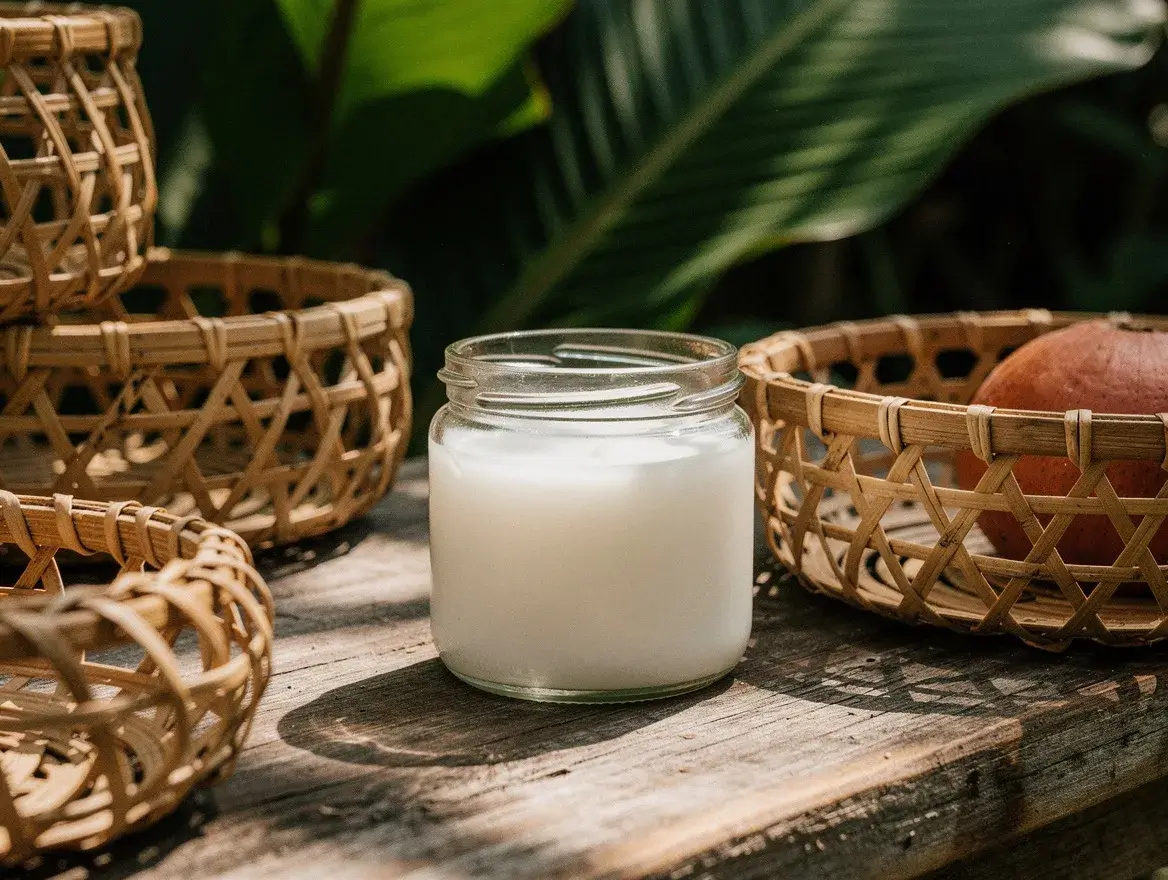
Most deodorant advice is written for temperate weather. We make ours in Bali, where the air is humid and warm for most of the year, and that climate is an honest stress test. Heat and humidity mean more sweat and faster bacterial activity, which is exactly the condition under which a weak formula fails. It is also where a real one proves itself.
A few lessons have held up over 35 years of making body care here. Coconut-oil based formulas stay stable and conditioning in heat rather than turning greasy, which is one reason it remains our preferred base. Application matters as much as formula in the tropics: clean, fully dry skin before applying, and a calm acceptance that reapplication after midday heat or movement is normal, not a flaw. Light, breathable natural fabrics do more for all-day freshness than any single product, because they let skin do its own work.
There is also a quieter lesson from Balinese body-care tradition, which has always treated daily washing and botanical care as ritual rather than rush. Freshness here has never come from sealing the body off. It comes from working with it: clean skin, breathable cloth, plant botanicals, and unhurried attention. That philosophy is rooted in this place, and we try to keep it honest rather than decorative. If the climate where you live runs hot and humid, the Bali approach travels well.
Building a body care routine that supports natural freshness
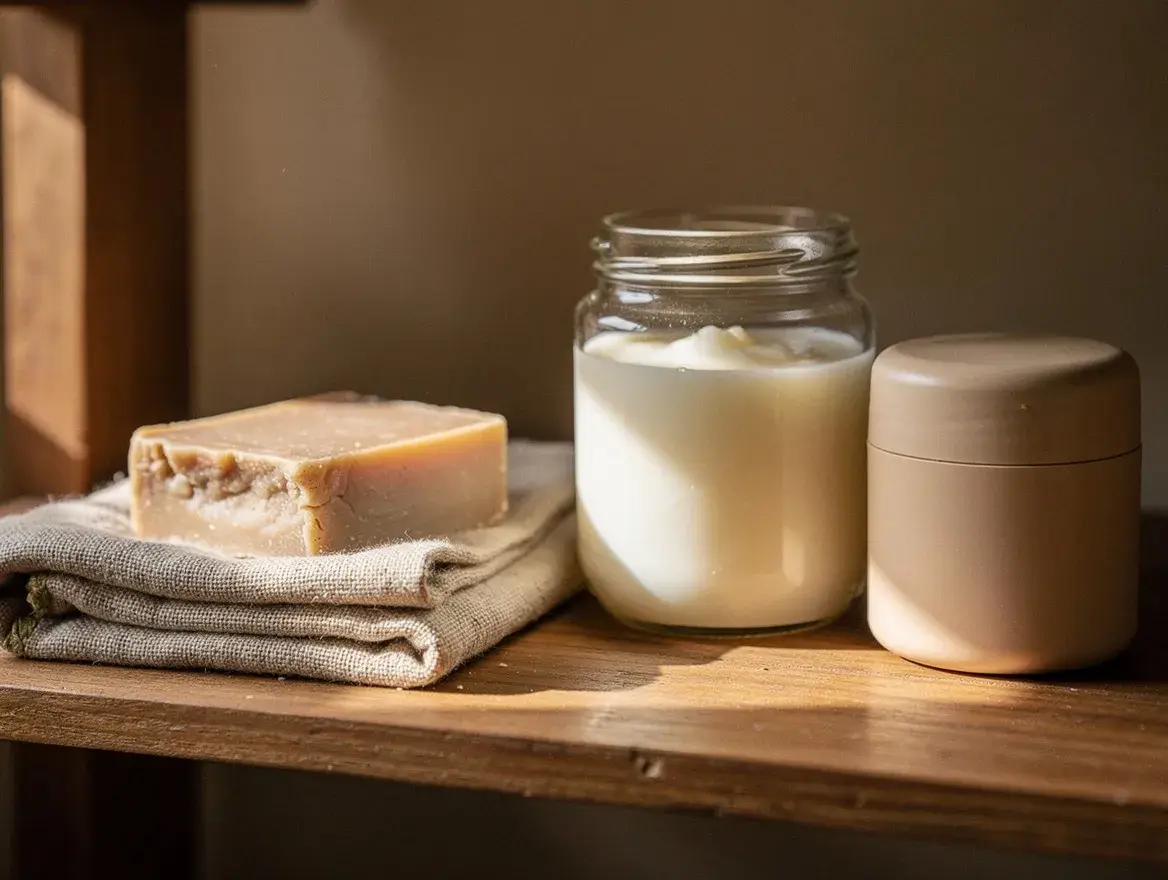
A deodorant is one step, not the whole answer. Lasting freshness is a routine, and the routine is genuinely simple.
- Cleanse with a gentle natural soap. A harsh antibacterial wash strips the microbiome you want balanced, which can make odour worse over time.
- Dry the underarm fully before applying. Bacteria thrive in damp warmth, and a few extra seconds of drying improves any formula’s performance.
- Apply to clean, dry skin and let it settle before dressing.
- Reapply when the day demands it, especially after heat or exercise. Reapplication is normal with deodorant, not a sign of failure.
- Clarify weekly with a thin clay mask if you are in the transition phase or live somewhere hot.
- Support the skin generally. A calm, well-cared-for underarm responds better, and ingredients like aloe can soothe irritation, as we cover in our guide to aloe vera gel for skin.
The point of a routine is not more steps. It is fewer surprises. When cleansing, drying, and application are consistent, your deodorant has the easiest possible job, and natural freshness stops feeling like a daily negotiation. If you want to place this within a fuller picture of botanical self-care, our natural skincare routine guide connects the underarm to the rest of the body.
Common questions about aluminum free deodorant for women

Will an aluminum free deodorant stop me sweating
No, and it is not meant to. A deodorant manages odour; it does not block sweat. If staying completely dry is the priority, that is the job of an antiperspirant. If managing odour while letting skin breathe is the priority, a well-made aluminum free formula is built for exactly that.
How long until natural deodorant works for me
Usually two to four weeks. The first week is the hardest as the underarm microbiome rebalances, and most people reach a steady state by the fourth week. Judging a formula on day two is the most common mistake, so give the full month before deciding.
Why did my natural deodorant stop working after months
Body chemistry changes. The menstrual cycle, pregnancy, perimenopause, diet, and a shift in climate all alter apocrine sweat and the skin microbiome. A formula that suited one season can feel different in another. This is normal, and the answer is to keep the routine adaptable rather than to assume the product has failed.
Is baking soda bad in a natural deodorant
Not inherently. Baking soda is effective at neutralising odour, but at higher levels it can irritate sensitive underarm skin because it shifts pH sharply. If your skin reacts, look for a magnesium hydroxide or clay-led formula with little or no sodium bicarbonate rather than abandoning natural deodorant altogether.
Final thoughts
Choosing an aluminum free deodorant for women is not really a search for the strongest product. It is a shift in how you think about the body. Antiperspirant asks the underarm to stop. A good deodorant lets it work, and manages odour with ingredients you can actually name and understand.
Once the science is clear, the rest follows. You know that odour comes from bacteria, not sweat. You know the three levers a real formula uses. You know the transition is a phase, not a failure, and that body chemistry changes with hormones and climate. None of this needs hype, because the truth is steady enough on its own.
That is the standard we hold ourselves to: real care, made in Bali, explained honestly, with nothing to hide behind. Freshness should not cost you the comfort of your own skin, and it does not have to. Choose a formula built on understanding, give it the month it needs, and let your routine, not a sealed gland, carry the day.