Aluminum free deodorant for men: why it works, what to look for, and how to make the switch
More men than ever are rethinking what they put on their skin, and aluminum free deodorant for men has moved from niche curiosity to mainstream choice. The reasons are personal: some want fewer synthetic chemicals against sensitive skin, others want ingredients they can actually pronounce, and a growing number simply want to know that what they use daily aligns with how they want to live. This guide walks through the science of how aluminum free deodorant works, what ingredients matter most, how to navigate the transition period, and how to choose a formula that holds up to real life.
Whether you are making the switch for the first time or looking for a more effective option than what you have tried before, the goal is the same: clean, confident protection without compromise.
What aluminum does in conventional deodorant (and why men are rethinking it)
Aluminum compounds, usually aluminum chlorohydrate or aluminum zirconium, are the active ingredient in most antiperspirants. They work by forming a temporary gel-like plug inside sweat ducts, physically blocking perspiration from reaching the skin’s surface. This is effective at reducing wetness, but it comes with trade-offs that more people are questioning.
Sweat itself is nearly odourless. The smell we associate with body odour comes from bacteria on the skin breaking down compounds in sweat, particularly in the warm, moist environment of the underarm. Aluminum-based antiperspirants address the symptom (wetness) rather than the cause (bacterial activity), which is why many men find that when they stop using them, the initial adjustment can feel intense.
Research on aluminum and health remains inconclusive. Studies have explored possible links to breast cancer and Alzheimer’s disease, but major health organisations have not confirmed a causal connection. What is more clear is that aluminum can irritate sensitive skin, cause yellowing on white clothing, and disrupt the skin’s natural microbiome over time. For men who shave or trim their underarms, the irritation factor is especially relevant.
The shift away from aluminum is not about fear. It is about choosing ingredients that work with the body’s natural processes rather than against them. If you are exploring this decision, our guide to choosing the best natural deodorant covers the broader landscape of clean options available today.
How aluminum free deodorant for men actually works

Unlike antiperspirants, aluminum free deodorants do not block sweat. They take a different approach: neutralising odour at the source while allowing the body to perspire naturally. This distinction matters, because sweating is a healthy, essential function. It regulates temperature, expels trace toxins, and supports skin health.
Natural deodorants use three main strategies to keep you fresh:
Odour neutralisation. Ingredients like baking soda (sodium bicarbonate) and magnesium hydroxide create an alkaline environment on the skin that inhibits the bacteria responsible for odour. Baking soda is highly effective but can irritate some skin types, which is why newer formulations use gentler alternatives like magnesium or zinc ricinoleate.
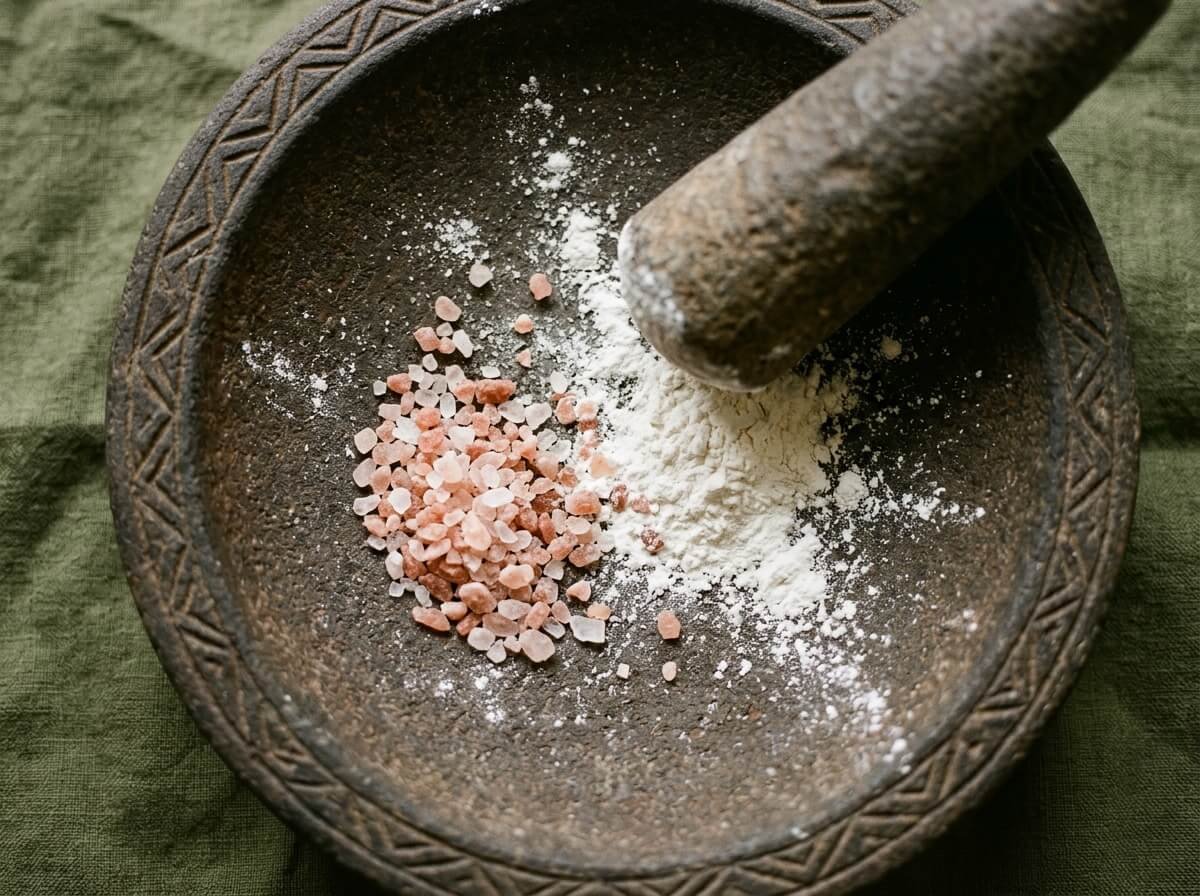
Moisture absorption. Arrowroot powder, tapioca starch, and kaolin clay absorb moisture without blocking pores. They keep the underarm area drier and less hospitable to odour-causing bacteria. While they will not eliminate sweat entirely, they reduce the damp feeling significantly.
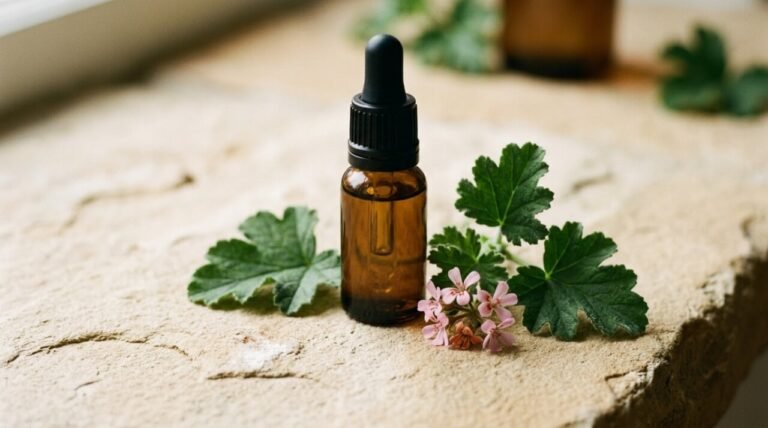
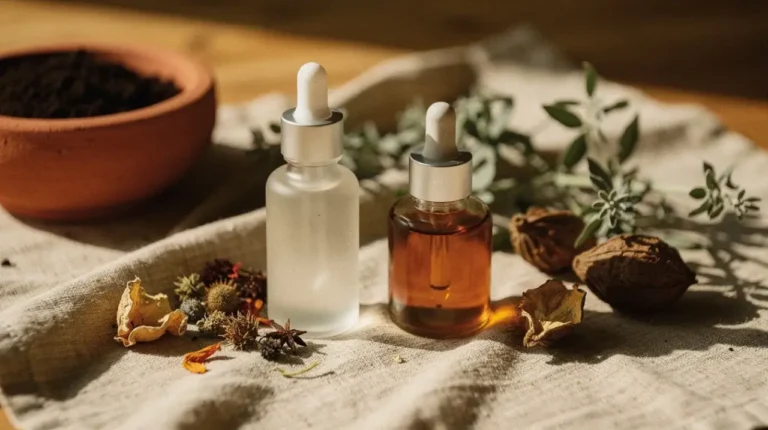
Antimicrobial botanicals. Essential oils like tea tree, rosemary, lemon, and sage carry natural antibacterial properties. These target the specific bacteria that produce body odour while leaving beneficial skin flora intact. The science behind essential oil efficacy shows that these botanicals have been used for centuries in traditional hygiene practices, including Balinese body care rituals.
A newer innovation in natural deodorant is the probiotic approach. Rather than killing bacteria broadly, probiotic deodorants introduce beneficial microorganisms that compete with odour-causing strains. This supports the skin’s microbiome rather than disrupting it, an approach that aligns with how the body naturally manages its own bacterial ecosystem.
Key ingredients to look for in a men’s natural deodorant
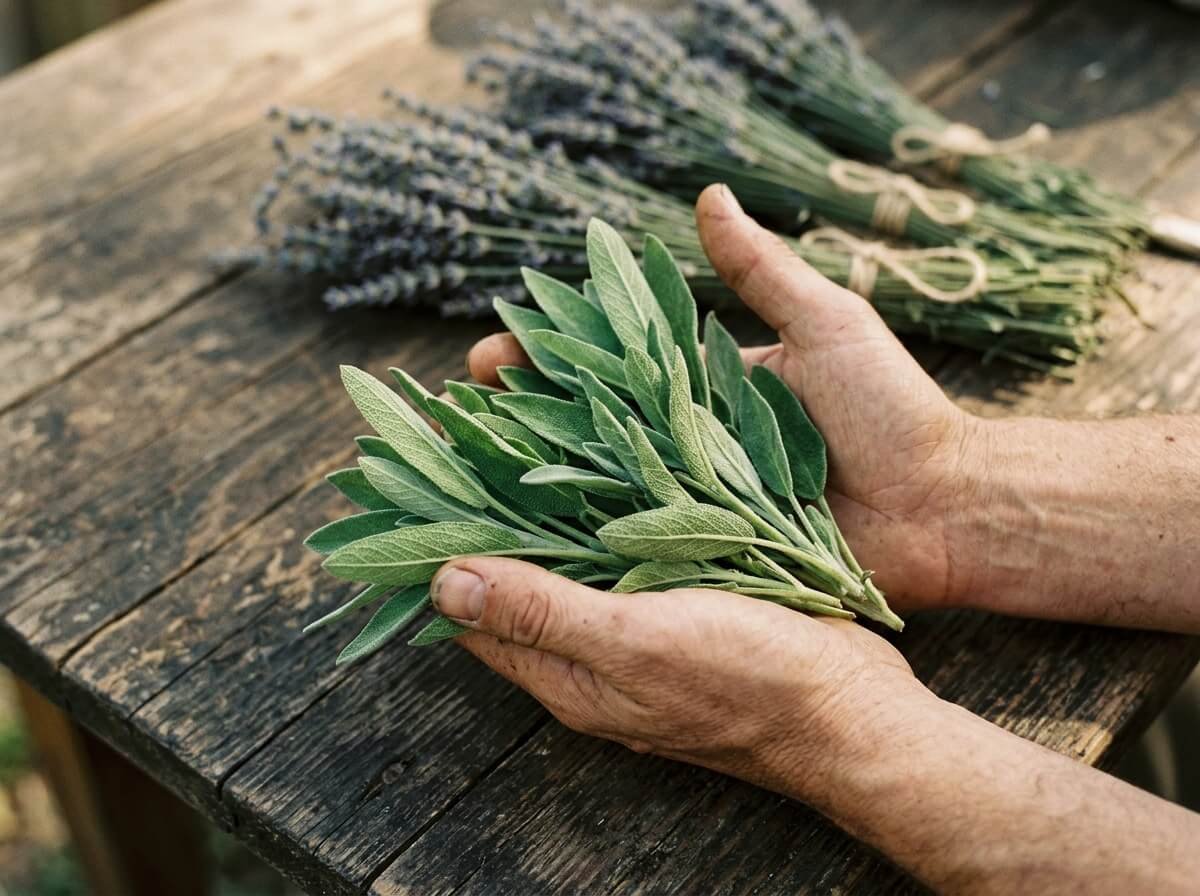
Not all aluminum free deodorants are created equal. The ingredient list tells you everything about how a formula will perform, feel on your skin, and hold up through a full day. Here is what to look for and why each ingredient matters.
Odour fighters
- Baking soda (sodium bicarbonate): the most effective natural odour neutraliser. Creates an alkaline environment that bacteria cannot thrive in. Some people develop irritation or darkening from prolonged use, so look for formulas that use it at lower concentrations or combine it with soothing ingredients.
- Magnesium hydroxide: a gentler alternative to baking soda with similar odour-fighting properties. Better tolerated by sensitive skin and increasingly common in premium natural deodorants.
- Zinc ricinoleate: derived from castor oil, this ingredient traps and absorbs odour molecules rather than masking them. Effective and extremely gentle.
Moisture managers
- Arrowroot powder: a fine, silky starch that absorbs moisture effectively without clogging pores. Provides a smooth, dry feel throughout the day.
- Tapioca starch: similar to arrowroot, with a lighter texture. Often used in combination with arrowroot for balanced moisture absorption.
- Kaolin clay: a mild, mineral-rich clay that draws moisture away from the skin. Also helps the deodorant glide on smoothly.
Skin-nourishing carriers
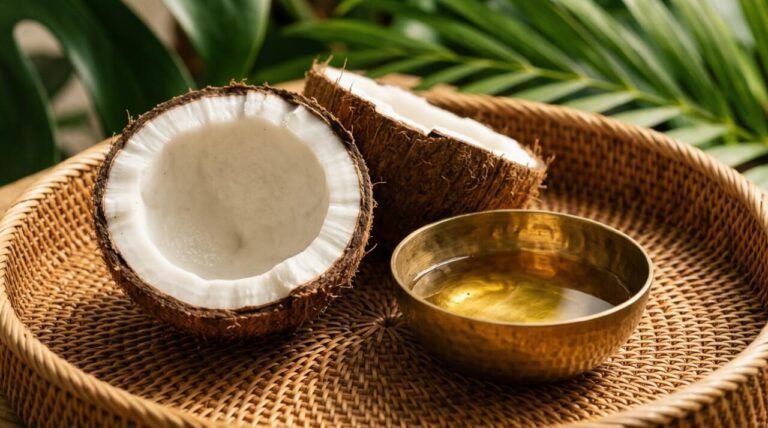
- Coconut oil: a staple in natural deodorant formulations. It moisturises, carries natural antibacterial properties (thanks to lauric acid), and helps bind other ingredients together. Coconut oil’s benefits for skin health extend well beyond deodorant, making it one of the most versatile carriers in natural body care.
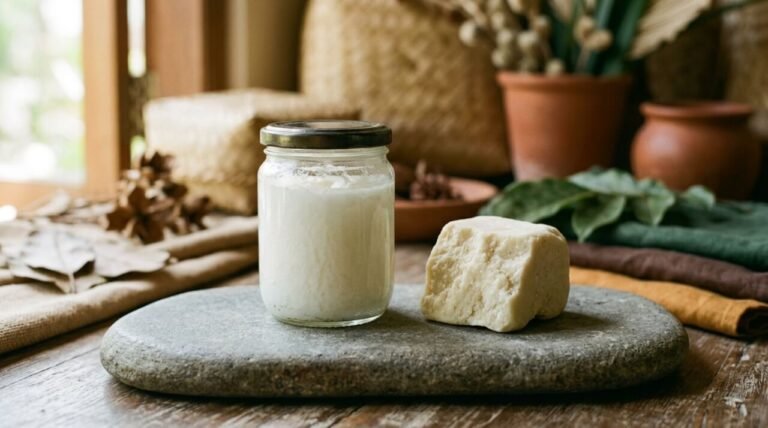
- Shea butter or illipe butter: rich in vitamins A and E, these butters soothe post-shave irritation and keep the underarm area soft. Illipe butter, wild-harvested in Kalimantan’s rainforest, adds deep moisture without a heavy feel.
- Grape seed oil: lightweight, fast-absorbing, and rich in antioxidants. A good choice for men who prefer a non-greasy finish.
Botanical antimicrobials
- Tea tree oil: one of the most researched essential oils for antibacterial activity. Effective against the specific bacteria strains that cause underarm odour.
- Rosemary oil: antimicrobial and mildly astringent. Adds a clean, herbaceous scent that most men find appealing.
- Sage oil: traditionally used in European and Mediterranean hygiene. Sage has both antibacterial and antiperspirant-like astringent properties.
- Lemon peel oil: a natural astringent and deodoriser. Provides brightness to scent profiles while fighting bacteria.
When evaluating any aluminum free deodorant, check for ingredients you want to avoid as well: synthetic fragrances (listed simply as “fragrance” or “parfum”), parabens, phthalates, and propylene glycol. A transparent ingredient list is a good sign that the brand stands behind its formulation. For a broader view of building a clean body care routine, see our guide to a natural skincare routine.
Making the transition: what to expect in the first weeks

If you have used aluminum-based antiperspirant for years, switching to an aluminum free formula involves an adjustment period. Understanding what happens during this transition makes it far easier to stick with the change.
The detox phase (days one to 14)
During the first one to two weeks, your body recalibrates. Sweat glands that have been partially blocked by aluminum begin to function freely again. The underarm microbiome, which has been suppressed, starts to rebalance. This often means you will sweat more and smell more during this window. This is normal and temporary.
What is actually happening: the aluminum residue left in your sweat ducts works its way out, and your skin’s bacterial population shifts. The bacteria that thrive in the aluminum-altered environment die off, while a healthier, more diverse microbiome establishes itself.
Tips for a smoother switch
- Start on a weekend or low-stakes period. Give yourself a few days to adjust without the pressure of back-to-back meetings.
- Apply to clean, completely dry skin. Natural deodorants perform best when applied to dry underarms, ideally right after showering and towelling off thoroughly.
- Reapply if needed. During the transition, carrying your deodorant for a midday touch-up is practical and normal.
- Consider an underarm detox mask. Bentonite clay mixed with apple cider vinegar, applied to underarms for 10 to 15 minutes, can help draw out aluminum residue and speed up the transition.
- Wear breathable fabrics. Natural fibres like cotton, linen, and bamboo allow airflow and wick moisture better than synthetics.
The settling period (weeks two to four)
Most men find that by the end of week two, the intensity subsides noticeably. By week three to four, the underarm microbiome has stabilised, sweat levels normalise, and the natural deodorant starts performing at its best. Many people report that they actually sweat less than before once the transition is complete, because the body is no longer overcompensating for blocked ducts.

Our complete guide to natural deodorant for men covers additional strategies for making this switch as smooth as possible.
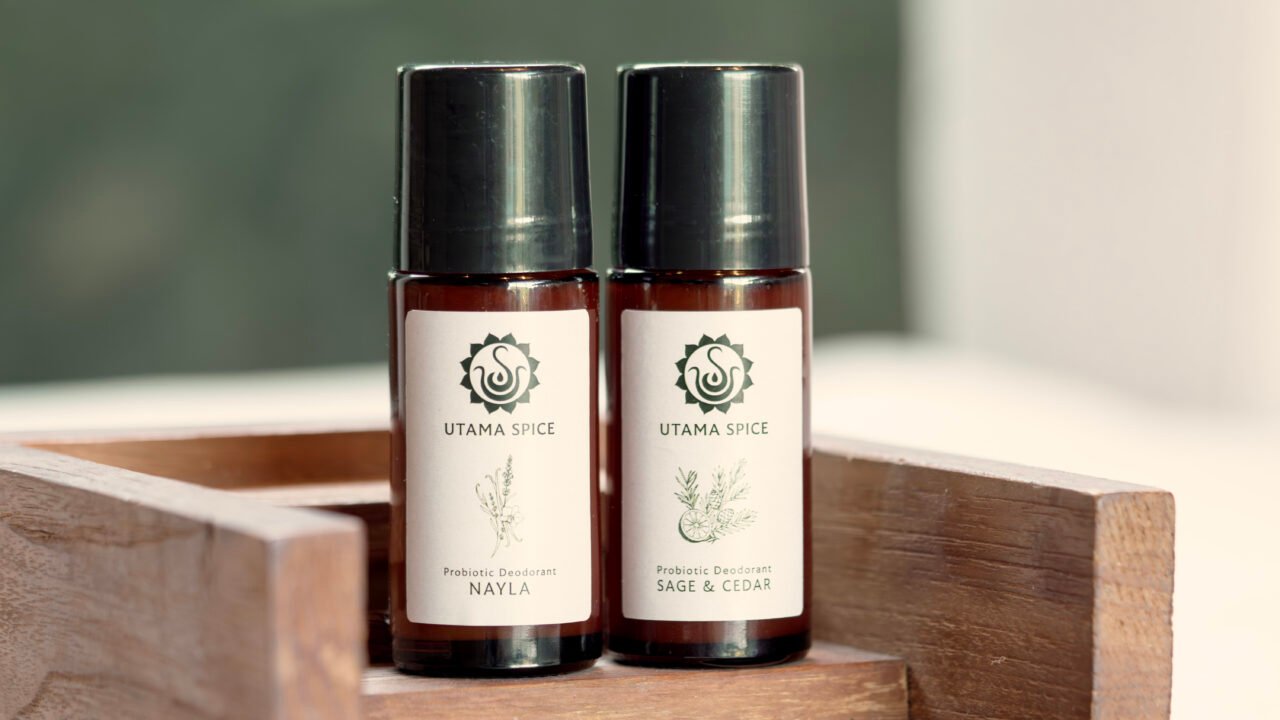
Probiotic protection, grounded in sage and cedar
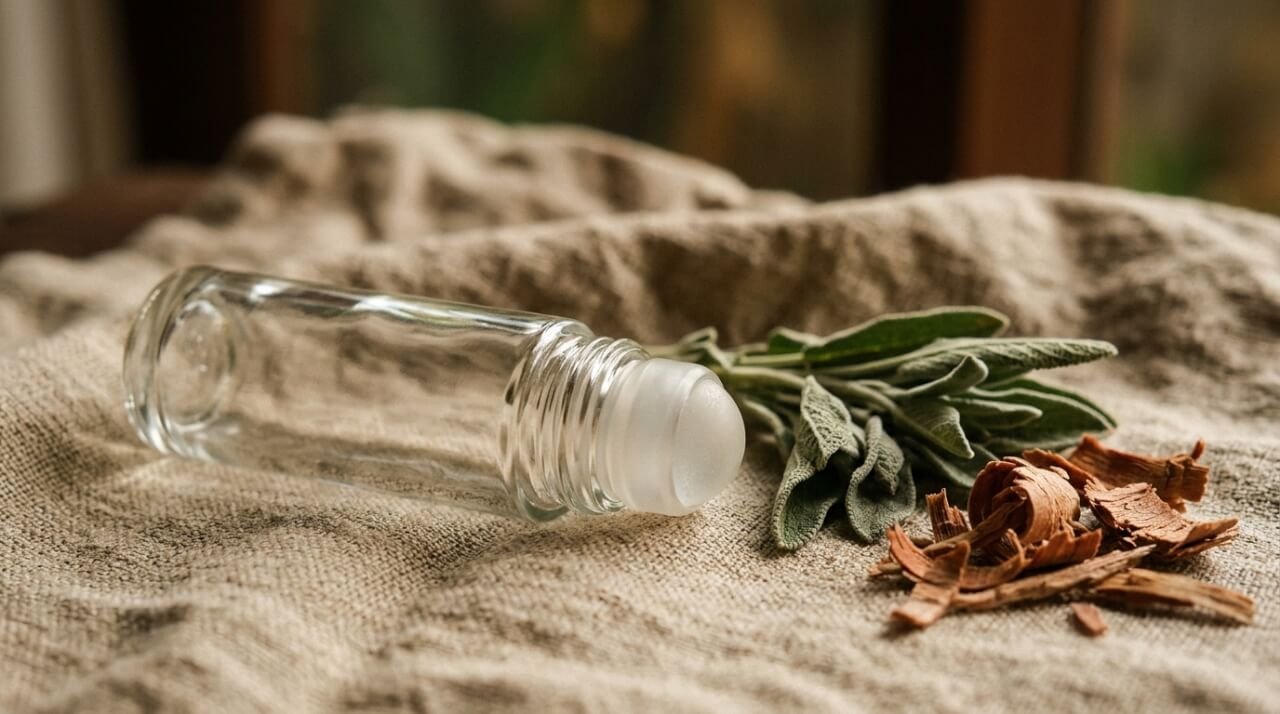
Our Probiotic Deodorant in Sage and Cedar works with your skin’s microbiome, not against it. Roll-on glass bottle, aluminum free, paraben free, crafted in Bali.
How to choose the right aluminum free deodorant for your body
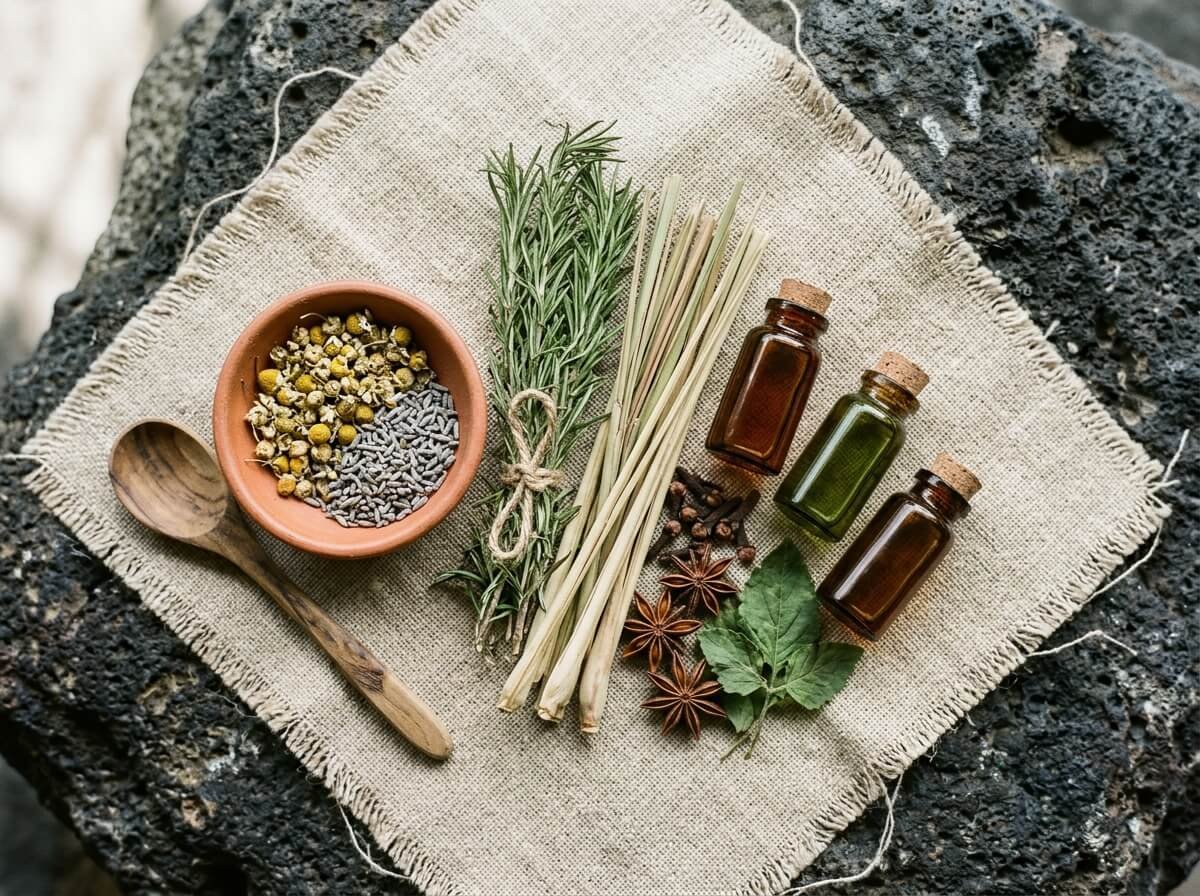
Choosing the right formula is personal. What works brilliantly for one person may not suit another, because body chemistry, activity level, diet, and skin sensitivity all play a role. Here are the factors that matter most.
Skin sensitivity
If you have sensitive skin or experience irritation after shaving, look for baking soda-free formulas that use magnesium hydroxide or zinc ricinoleate instead. Formulas with soothing ingredients like aloe vera, chamomile, or shea butter help calm post-shave redness. Aloe vera’s soothing properties make it an especially valuable ingredient in deodorants designed for reactive skin.
Activity level
If you exercise daily or work in physical conditions, look for formulas with higher concentrations of moisture-absorbing ingredients (arrowroot, tapioca, clay) and stronger antimicrobial botanicals. Probiotic formulations can be particularly effective for active men, because the beneficial bacteria continue working even as you sweat.
Scent preference
Natural deodorant scents come entirely from essential oils and botanical extracts, not synthetic fragrances. Common scent profiles for men include:
- Woody: cedarwood, sandalwood, vetiver. Grounded and warm.
- Herbaceous: sage, rosemary, thyme. Clean and fresh without being sharp.
- Citrus: lemon, bergamot, grapefruit. Bright and energising.
- Earthy: patchouli, frankincense, cypress. Deep and contemplative.
- Unscented: for those who prefer to let a cologne or body oil take the lead, or who simply prefer no added scent.
Our guide to essential oil blends explains how different botanicals combine to create layered, complex scent profiles.
Format
Aluminum free deodorants come in several formats, each with practical trade-offs:
- Stick/solid: familiar, easy to apply, travel-friendly. Can leave white marks on dark clothing.
- Roll-on: liquid-based, dries clear, distributes evenly. Needs a moment to dry before dressing.
- Cream/paste: often the most concentrated formulas. Applied with fingertips, which some men find unfamiliar but effective.
- Spray: lightweight, fast-drying, no residue. May need more frequent reapplication.
Glass roll-on bottles, like those used by Utama Spice, offer a refined application experience and produce zero plastic waste. If sustainability matters as much as performance, the format you choose is part of the equation. The Probiotic Deodorant in Sage and Cedar uses this roll-on glass format with a probiotic base that supports the skin’s microbiome rather than stripping it.
Frequently asked questions about aluminum free deodorant for men

Does aluminum free deodorant actually work for men?
Yes. Modern aluminum free deodorants use a combination of odour-neutralising minerals, moisture-absorbing starches, and antimicrobial botanicals to keep you fresh throughout the day. The key is choosing a formula suited to your body chemistry and giving yourself the two to four week transition period if you are switching from an antiperspirant. Many men find that natural deodorants work as well or better than conventional options once the adjustment period passes.
Will I sweat more without aluminum?
You may notice more perspiration initially, especially in the first two weeks. This is your body’s sweat glands resuming normal function after being blocked. Sweat production typically normalises within two to four weeks. Remember that sweating is a healthy, necessary process. The goal of natural deodorant is not to stop sweat but to prevent the odour that can come with it.
Can aluminum free deodorant handle intense workouts?
For moderate to intense exercise, reapplication may be needed. Many active men apply before a workout and again after showering. Probiotic formulations tend to hold up better during physical activity because the beneficial bacteria continue working as you sweat. Look for formulas with higher concentrations of arrowroot or kaolin clay for additional moisture management.
What if natural deodorant irritates my skin?
Baking soda is the most common irritant in natural deodorants. If you experience redness, itching, or darkening, switch to a baking soda-free formula that uses magnesium hydroxide or zinc ricinoleate. Applying to fully dry skin and avoiding application immediately after shaving also reduces irritation risk. Formulas enriched with soothing carriers like grape seed oil and essential oils of lavender and rosemary are designed for reactive skin.
Is aluminum in deodorant actually dangerous?
Current scientific consensus does not classify aluminum in antiperspirants as dangerous. Studies exploring links to breast cancer and Alzheimer’s disease have not established causal relationships. However, aluminum does alter the skin’s microbiome, can cause contact dermatitis in sensitive individuals, and contributes to yellow staining on clothing. The choice to go aluminum free is less about avoiding danger and more about choosing a cleaner, simpler approach to body care.
How long does aluminum free deodorant last in a day?
Most quality aluminum free deodorants provide six to 10 hours of odour protection under normal conditions. Climate, activity level, and body chemistry affect duration. For days when you need extended coverage, a midday reapplication takes seconds and keeps you confident through the evening.
A cleaner approach to daily care
Choosing an aluminum free deodorant is one of the simplest changes a man can make in his daily routine, and one of the most meaningful. It is a decision to work with the body instead of against it. To choose ingredients with purpose. To care about what goes on your skin as much as what goes in your body.
The best aluminum free deodorants today combine centuries of botanical knowledge with modern formulation science. They use ingredients that nourish rather than irritate, protect rather than block, and respect the skin’s natural ecosystem. Whether you choose a sage-and-cedar roll-on, a citrus stick, or an unscented cream, the important thing is that you are choosing with intention.
At Utama Spice, every formulation starts with this principle: what you give, you get back. Our probiotic deodorant line is crafted with this philosophy, using botanicals and probiotics that support your skin’s health while delivering all-day freshness. No aluminum, no synthetics, no compromise. For more on how natural deodorant stacks up for women as well, see our guide to natural deodorant for women.
Your body care should be as honest as the rest of your life. Start where you are. One ingredient swap, one morning ritual, one conscious choice at a time.