Coconut oil for skin: the honest Balinese guide
Coconut oil for skin is one of those rituals that sounds almost too simple to work. One ingredient, one jar, one texture that melts the moment it touches warm skin. In Bali, where Utama Spice has hand-blended personal care since 1989, coconut oil is not a trend that arrived with clean beauty. It is a daily practice, pressed from the same groves that have fed and cared for families for generations. This guide is a calm, honest look at what coconut oil actually does for skin, where the good stuff comes from, how to use it well, and who should be a little careful with it.
We will keep the science grounded and the claims real. No miracle language, no promises that a single oil can fix everything. Just what generations of Balinese ritual and modern research agree on, so you can decide whether coconut oil belongs in your own routine.
What coconut oil actually does for skin
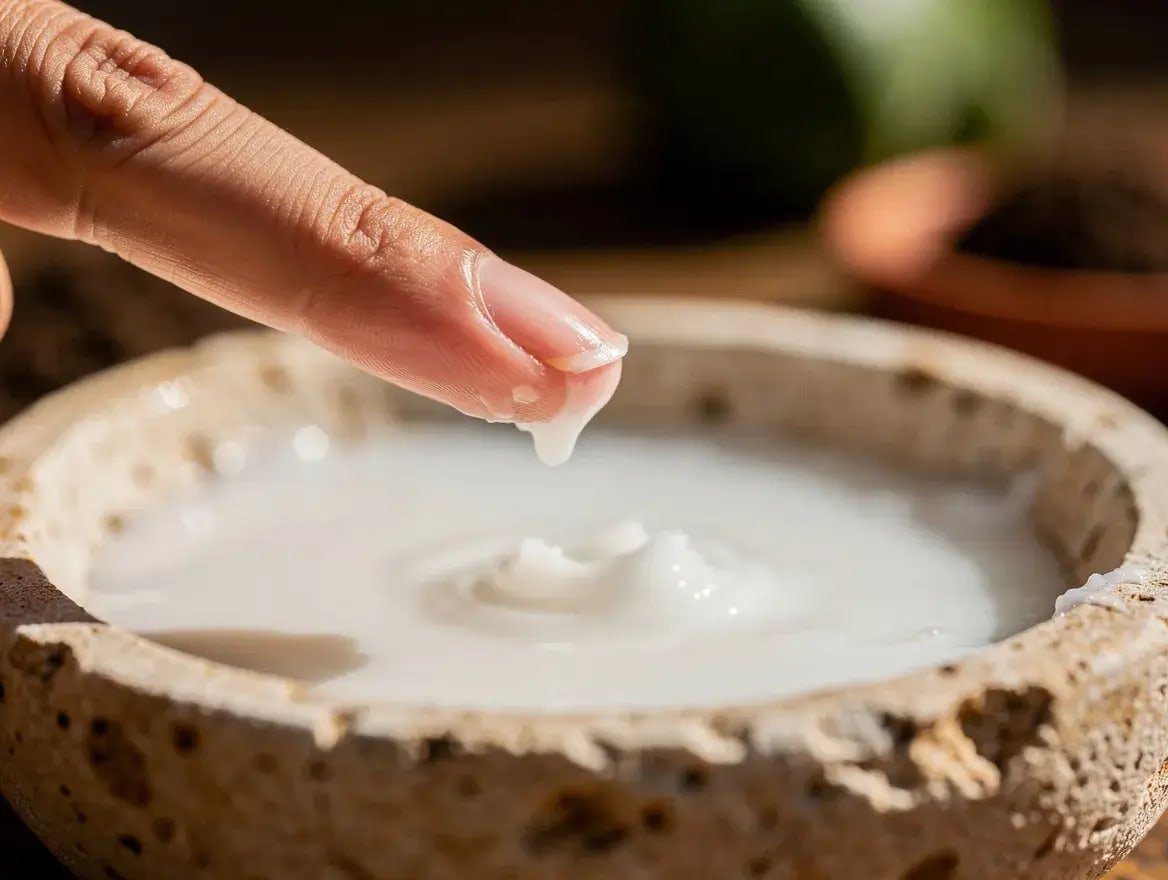
Coconut oil works on skin in two honest, well-understood ways: it is an occlusive and an emollient. As an occlusive, it forms a light seal on the surface that slows the water your skin loses to the air, which is the quiet reason skin feels tight after a hot shower or a long flight. As an emollient, it slips between the cells of the outer layer and softens the texture, so skin feels smoother and more supple to the touch. These are not magic tricks. They are the same mechanisms that make any good body oil useful, and coconut oil happens to do both gently.
The reason coconut oil behaves the way it does comes down to its fatty acids. It is unusually rich in medium-chain fatty acids, and roughly half of its content is lauric acid. Lauric acid is small enough to spread easily and is studied for mild antimicrobial properties, which is part of why coconut oil has such a long history in tropical skin care where humidity and bacteria are a daily fact of life. Coconut oil also carries small amounts of vitamin E, a natural antioxidant that helps the oil stay stable and adds a little barrier support.
There is also a comfort story worth telling honestly. Skin has its own barrier, a layer of lipids that keeps water in and irritants out, and that barrier is easily disrupted by hot water, harsh cleansers, sun, and dry air. A stable plant oil like coconut can support that barrier by reducing the water it loses and by giving it a softer surface to rebuild on. Some small studies have looked at virgin coconut oil for very dry and sensitized skin and found it soothing and well tolerated. None of that makes it a treatment, and we would never frame it as one. It makes it a gentle, everyday ally, which is exactly the role a good carrier oil should play.
What coconut oil does not do is hydrate in the way water or a humectant does. Hydration means adding water; coconut oil holds water in. That distinction matters, and it is the same principle we cover in our guide to the oil cleansing method. The most sensible way to think about coconut oil for skin is as a finishing step: something you seal with, not something you soak in. Used that way, it earns its place. Used as your only source of moisture on very dry, cracked skin, it can disappoint, because there is little water underneath for it to lock in.
Virgin versus refined: why sourcing changes everything

Not all coconut oil is the same, and the gap between the best and the worst is wide. Refined coconut oil is usually made from copra, which is coconut flesh dried in bulk, then bleached and deodorized to remove impurities and scent. The result is a neutral, shelf-stable oil that works, but it has been stripped of much of the polyphenol content and the soft coconut aroma along the way. Virgin coconut oil is different. It is cold-pressed from fresh coconut flesh without high heat or harsh solvents, which keeps more of the antioxidants, the vitamin E, and that unmistakable warm scent intact.
For skin, virgin coconut oil is the one worth choosing. The gentler the processing, the more of the plant’s natural compounds survive to do their quiet work on your barrier. This is where sourcing stops being a marketing word and starts being the whole story. Our Virgin Coconut Oil is cold-pressed from Bali coconuts through our Aluan partnership, a sourcing relationship built on fair work and sustainable plantation practice rather than the cheapest available copra. The coconuts are grown, harvested by hand, and pressed close to where they fall, which is how the oil keeps its character.
This matters beyond the jar. Coconut is the most versatile carrier oil in the Utama Spice line, dominant across body, hair, and face products, so how we source it shapes the whole range. Choosing regenerative, community-first coconut means the same ingredient that softens your skin also supports the growers and the land it came from. That is the thread running through all of our Balinese ingredient stories, from kukui to illipe to coconut: where it came from, who harvested it, and what community it supports are never separate from what it does.
The cheap side of the coconut industry tells a harder story. Bulk copra is often dried over open fires or on roadsides, graded on weight rather than care, and traded through long chains that leave growers with very little. When an oil is that far removed from its source, quality and fairness both suffer. We would rather move slowly and keep the chain short. Pressing close to the grove is not only better for the oil, it keeps more value with the families who tend the trees, and it lets us account for what we make honestly. That same principle carries into how we package and refill, so a jar of coconut oil becomes part of a circular habit rather than another single-use bottle headed for landfill.
How to use coconut oil for skin: a simple daily ritual

The beauty of coconut oil for skin is that it asks very little of you. It is solid below about 24 degrees Celsius and melts on contact, so the ritual is mostly about timing and a light hand. Here are the ways it earns daily use.
- As a body seal after bathing. Pat skin until it is still slightly damp, warm a small amount between your palms, and press it over arms, legs, and anywhere that feels tight. The residual water gives the oil something to hold in, which is exactly when an occlusive works best.
- As a gentle oil cleanser. Massage a little onto dry skin to loosen sunscreen and grime, then wipe away with a warm, damp cloth. It suits most skin on the body and drier faces.
- On cuticles, elbows, and heels. These low-oil zones drink it up. A nightly dab keeps them soft.
- As a post-sun comfort layer. Once skin has cooled and been rehydrated, a thin film helps hold moisture. We go deeper on this in our guide to natural after sun care.
- As a carrier for essential oils. Coconut oil dilutes concentrated oils beautifully. If you blend your own, our notes on how to dilute essential oils keep the ratios safe.
A little goes a long way. Most people use far too much oil, which leaves a greasy film rather than a soft finish. Start with an amount the size of a small coin for a whole limb, warm it fully, and add more only if you need it. The goal is skin that feels nourished and looks matte within a minute or two, not slick.
Timing changes the experience. In the morning, coconut oil suits a quick seal on hands, elbows, and legs before you dress, though many people prefer a lighter lotion under clothes so nothing feels heavy through the day. At night, the ritual can slow down. Warm the oil, breathe, and take a minute to actually feel the texture change as it melts, which is the sensory heart of the practice rather than a chore to rush. Season matters too. In a humid tropical room the oil stays soft and spreads like silk; in a cool, dry, air-conditioned space it firms up, so warming it between your palms first makes all the difference. Read the room, and read your skin, and let the ritual adapt.
Coconut oil and your skin type: who it suits, who should be careful
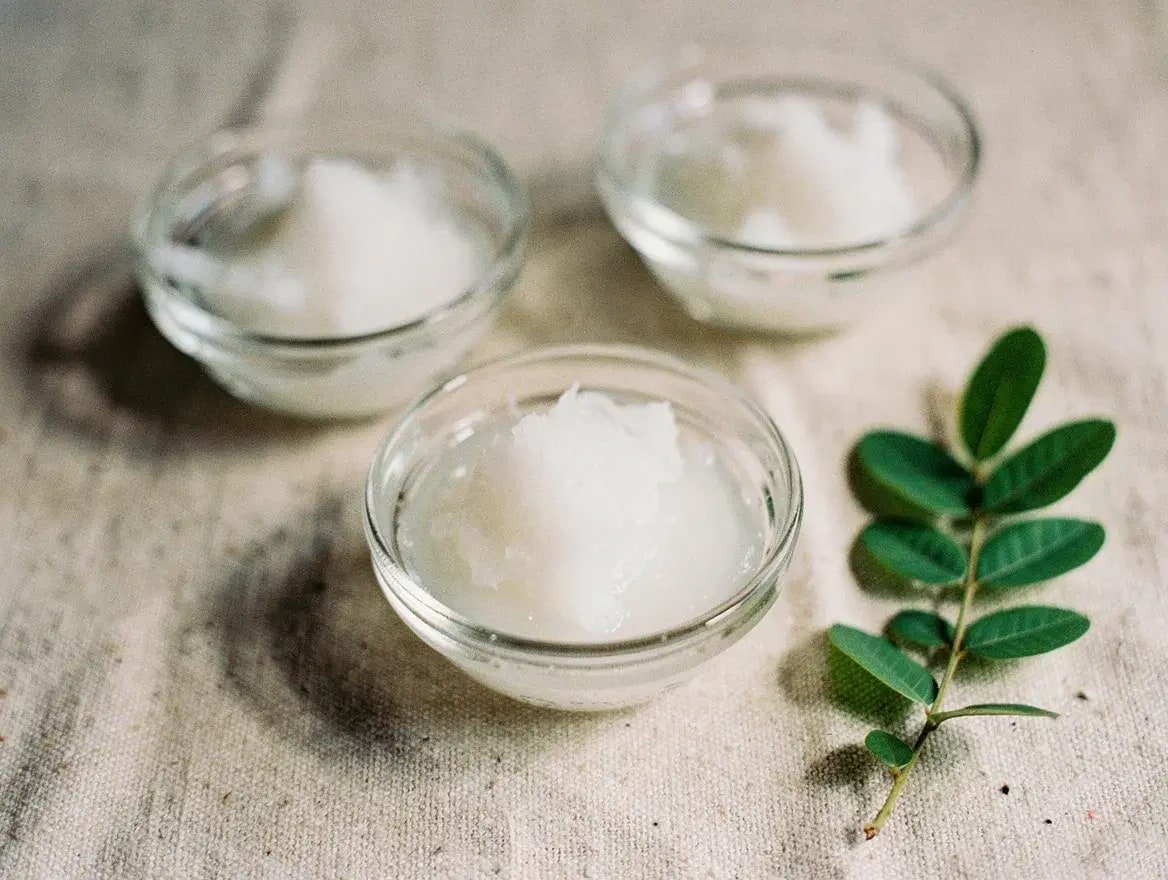
Honesty matters more than enthusiasm here. Coconut oil is genuinely good for some skin and genuinely tricky for others, and pretending otherwise is the kind of greenwashing we refuse to do. On the comedogenic scale, which rates how likely an ingredient is to clog pores, coconut oil sits high. For the body, that is rarely a problem. For the face, especially acne-prone or congestion-prone faces, it can trap oil and debris in pores and lead to breakouts.
So here is the grounded guidance. If your skin is dry, normal, or mature, coconut oil for skin is likely to suit you well, on both body and face. If your skin is oily or breakout-prone, keep coconut oil to your body, hair, and hands, and reach for a lighter, non-comedogenic option on your face. There is no shame in it being wrong for your face and right for your shins. Skin is specific, and a good ritual respects that.

Patch testing is worth the two minutes. Apply a little to the inside of your forearm and wait a day before committing to your whole routine. Coconut allergies are uncommon but real, and sensitive skin deserves a slow introduction. If you want the softening comfort of coconut without a heavy face oil, a formulated cream is often the better route, which is where our natural face cream guide can help you choose.
The most reliable guide is your own skin over time. Give any new oil about two weeks before you judge it, and pay attention to how your skin looks the morning after, not just how it feels in the moment. Soft, calm, and even is a good sign. Small closed bumps, a greasy shine that never settles, or new congestion around the chin and forehead are your cue to move coconut off your face. This is also why a gentle cleanse matters alongside any oil ritual, so nothing sits and builds up on the surface. Our notes on choosing a natural body wash pair well with a coconut routine, keeping skin clean without stripping the very barrier you are trying to support.
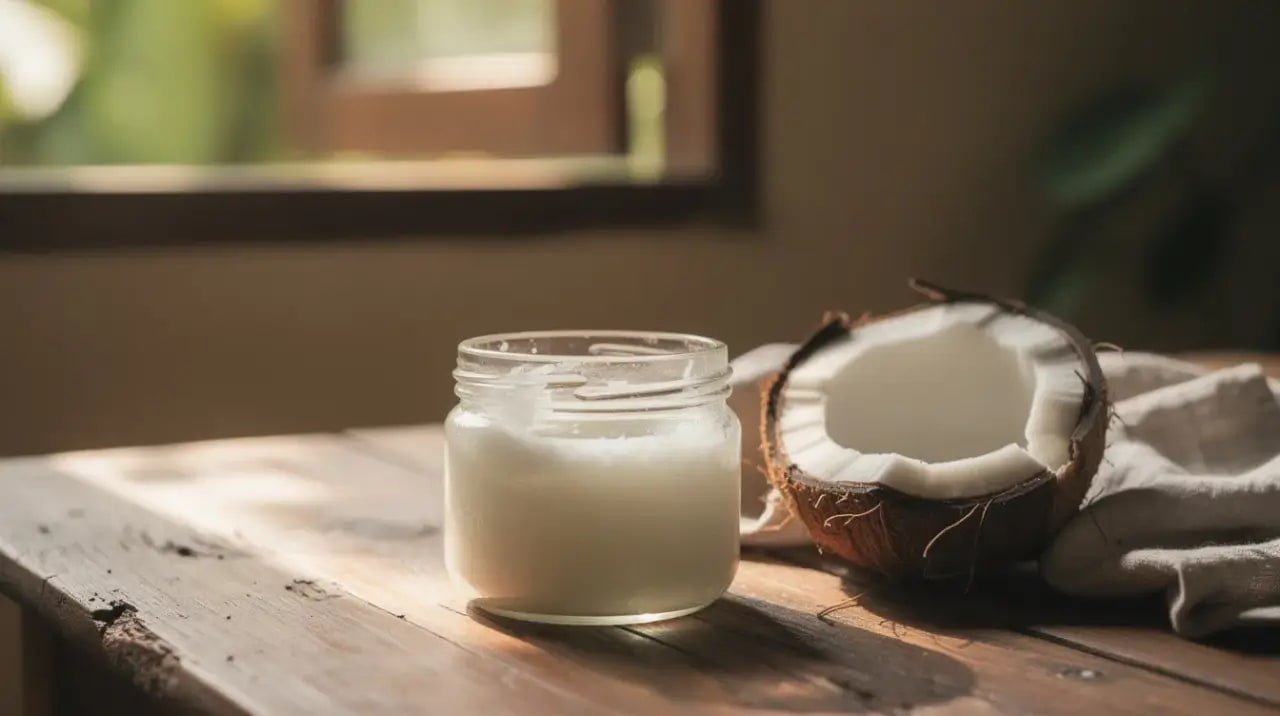
If you want the simplest possible starting point, a small jar of pure oil is hard to beat. Our Virgin Coconut Oil is one ingredient, cold-pressed in Bali, and it lets you learn how your own skin responds before you build anything more elaborate around it.
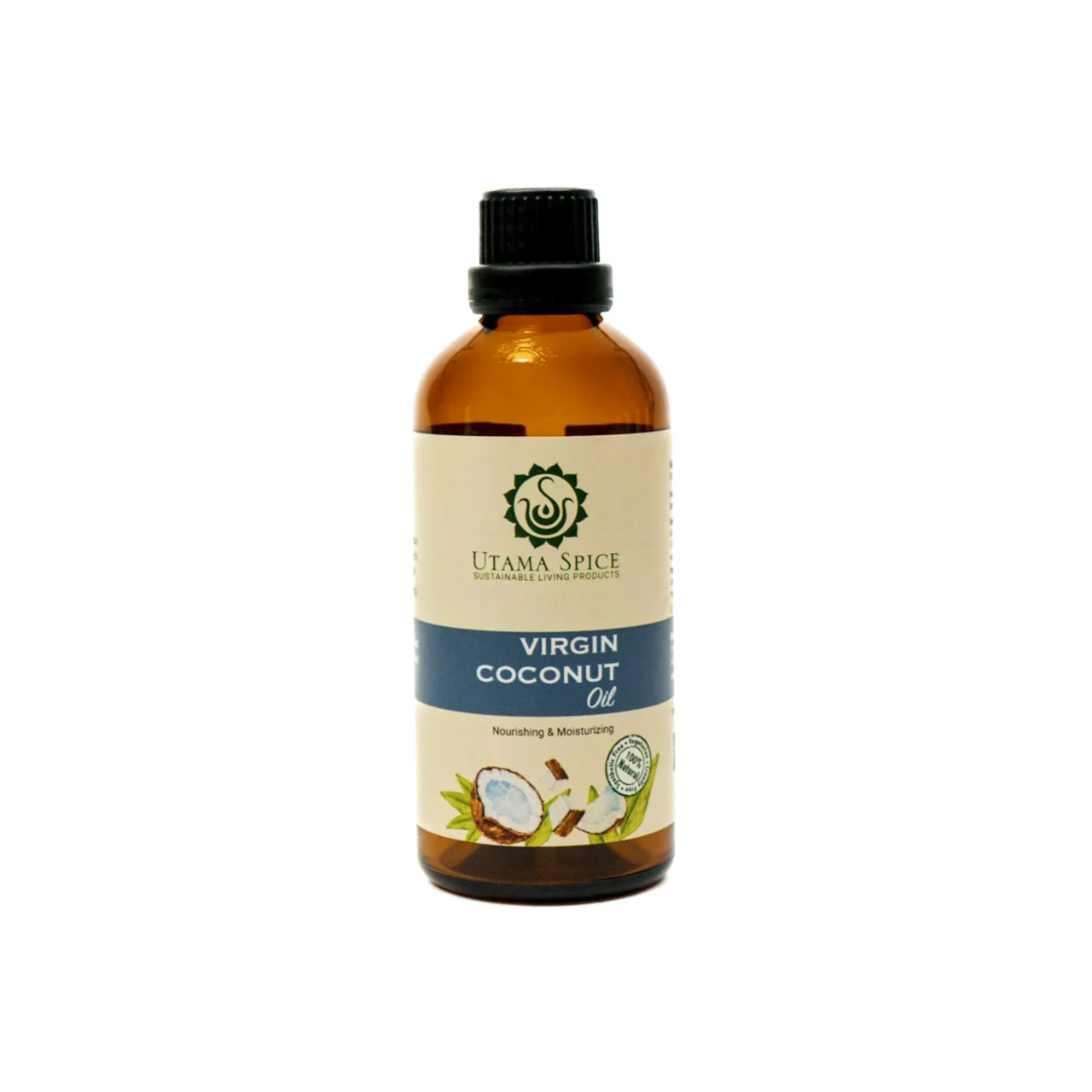
One jar, cold-pressed in Bali
Our Virgin Coconut Oil is a single ingredient, cold-pressed from Bali coconuts through our Aluan partnership. It is the calmest way to begin, one honest oil that softens, seals, and lets your skin tell you what it needs.
Beyond the jar: coconut oil in blends and lotions
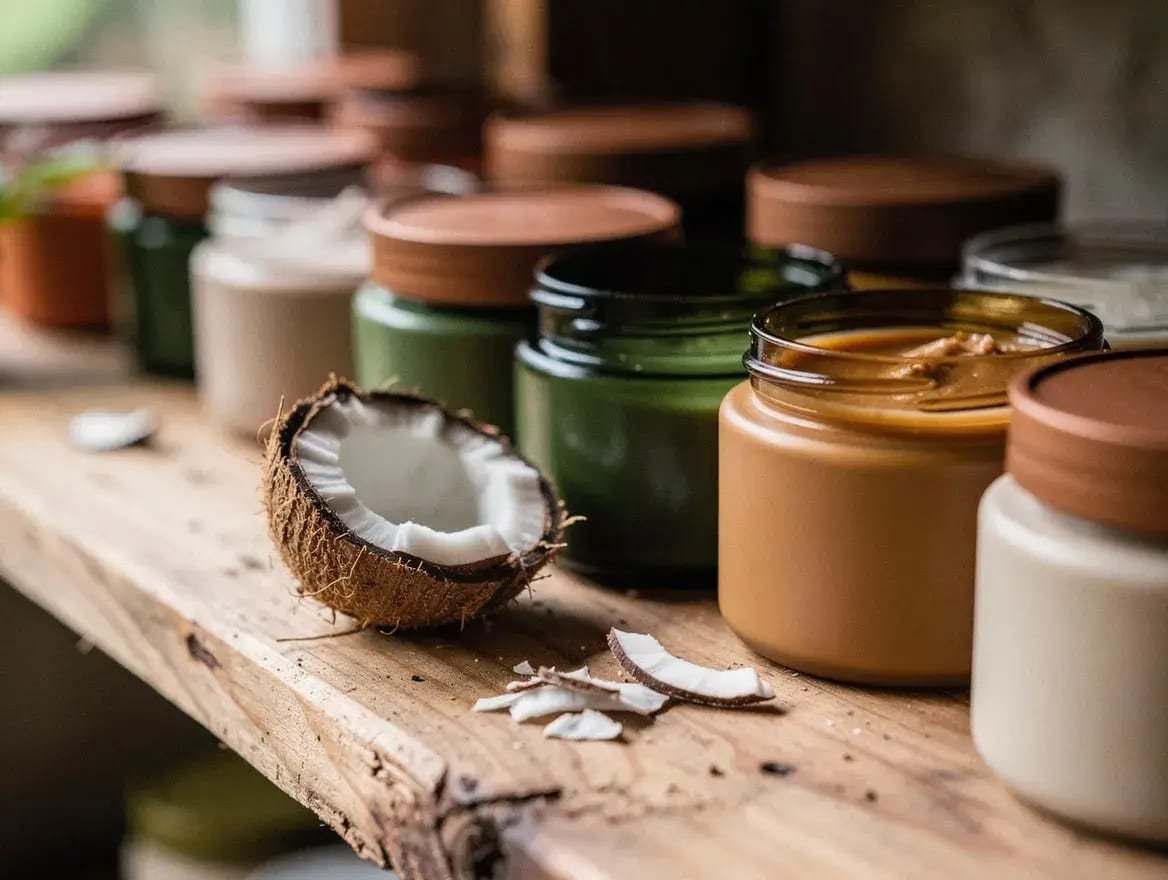
Pure coconut oil is a wonderful place to start, though it is not always the most convenient finish. It can feel heavy, it sets solid in cooler rooms, and it does not carry water into the skin. This is exactly why coconut so often appears blended rather than alone. In a well-made lotion or butter, coconut oil is paired with water, humectants, and other botanicals so you get the softening seal without the greasy weight.
Our coconut lotions are built on this idea. The Coconut Lotion in Island Spice and the Coconut Lotion in Lemongrass Ginger both wrap coconut’s comfort inside a lighter, faster-absorbing base, scented with real botanicals rather than synthetic fragrance. For richer, cooler-weather nourishment, our Cocoa Love Lotion leans on cocoa alongside coconut for a deeper feed, and the Bliss Body Butter is the most cushioning of the family for skin that lives in dry air or air conditioning.
There is a simple physics to why the blends feel different. Pure oil has no water in it, so it can only seal; a lotion or butter carries water and humectants that draw moisture in, then uses the coconut and other butters to hold it there. That is why a lotion absorbs faster and feels lighter, while pure oil feels richer and lasts longer as a surface layer. Scent plays a part too. In a blend, coconut can be paired with real essential oils so the ritual carries a mood, whether that is the bright lift of lemongrass or the warm calm of spice, always from botanicals rather than synthetic fragrance.
The point is not that a lotion is better than an oil, or the other way around. It is that different formats suit different skin, seasons, and moods, a theme we explore in our comparison of body balm versus body butter. Some mornings you want the fast, light finish of a lotion. Some nights you want the slow, sealing ritual of pure oil. Coconut is generous enough to give you both.
Coconut oil for skin: frequently asked questions
Can I use coconut oil for skin on my face every day?
If your skin is dry or normal, daily facial use is usually fine, ideally as a thin night-time seal over a hydrated base. If your skin is oily or acne-prone, we suggest keeping coconut oil to your body and choosing a lighter facial option, because coconut ranks high on the pore-clogging scale.
Does coconut oil work as a moisturizer on its own?
Partly. Coconut oil seals in water rather than adding it, so it works best applied to slightly damp skin or over a water-based layer. On its own, on very dry skin, it can sit on the surface without much to hold in.
Is virgin coconut oil better than refined for skin?
For skin, yes. Virgin coconut oil is cold-pressed from fresh flesh and keeps more of its antioxidants, vitamin E, and natural scent. Refined oil is processed with heat and bleaching, which strips much of that away.
Can coconut oil help with hair as well as skin?
It can. Coconut oil is one of the few oils shown to penetrate the hair shaft and reduce protein loss, which is why it is an ancestral scalp and hair ritual across the tropics. We cover the method in our guide to coconut oil for hair.
Will coconut oil clog pores or cause breakouts?
It can, on faces that are prone to congestion. Coconut oil is comedogenic, so if you notice small bumps or breakouts after facial use, move it to your body and hair, where it rarely causes trouble.
How should I store coconut oil, and does it go off?
Keep it in a cool, dry spot with the lid closed, away from direct sun. Virgin coconut oil is naturally stable and lasts many months, often well over a year. Use a clean, dry finger or a small spoon to avoid introducing water, and trust your senses: fresh coconut oil smells softly sweet, while a sharp or sour note means it is time to replace it.
A rooted ritual, honestly told
Coconut oil for skin is not a cure, and it was never meant to be. It is a simple, sensory, deeply practical ingredient that has softened and sealed skin in Bali for far longer than the wellness aisle has existed. Used with a little knowledge, matched to your skin type, and sourced with care, it is one of the most honest steps you can add to a daily routine. Seal your skin while it is damp, keep it off congestion-prone faces, and choose virgin oil pressed close to where the coconuts grow.
That last part, the sourcing, is the piece most guides skip. When you choose coconut oil grown and pressed through fair, regenerative partnerships, the same jar that cares for your skin also cares for the growers and the land. That is what we mean when we say what you give, you get back. If coconut is where your ritual begins, let it begin with an oil you can trust, and build from there at your own pace. You can explore the whole range whenever you are ready in our shop.