Natural face cream: what it really is, how the 3-in-1 format works, and how to match one to your skin
A natural face cream is the quiet workhorse of a skincare routine, the step that decides whether your skin feels calm and comfortable by mid-afternoon or tight and thirsty. Choosing one well matters more than the number of products on your shelf. In this guide we explain what a natural face cream really is, how the newer 3-in-1 format works, which ingredients earn their place, and how to match a cream to the skin you actually have. No greenwashing, no miracle claims, just the honest mechanics of moisture, repair, and protection.
We have been hand-blending botanical care in Bali since 1989, and in that time the word “natural” has been stretched thin by marketing. So we will be precise. A cream is not automatically better because it is plant-based, and it is not automatically gentle because the label is beige. What counts is the formula, the sourcing, and whether the thing genuinely does its job on your face. Let us walk through it together, calmly and in plain language.
What a natural face cream really is
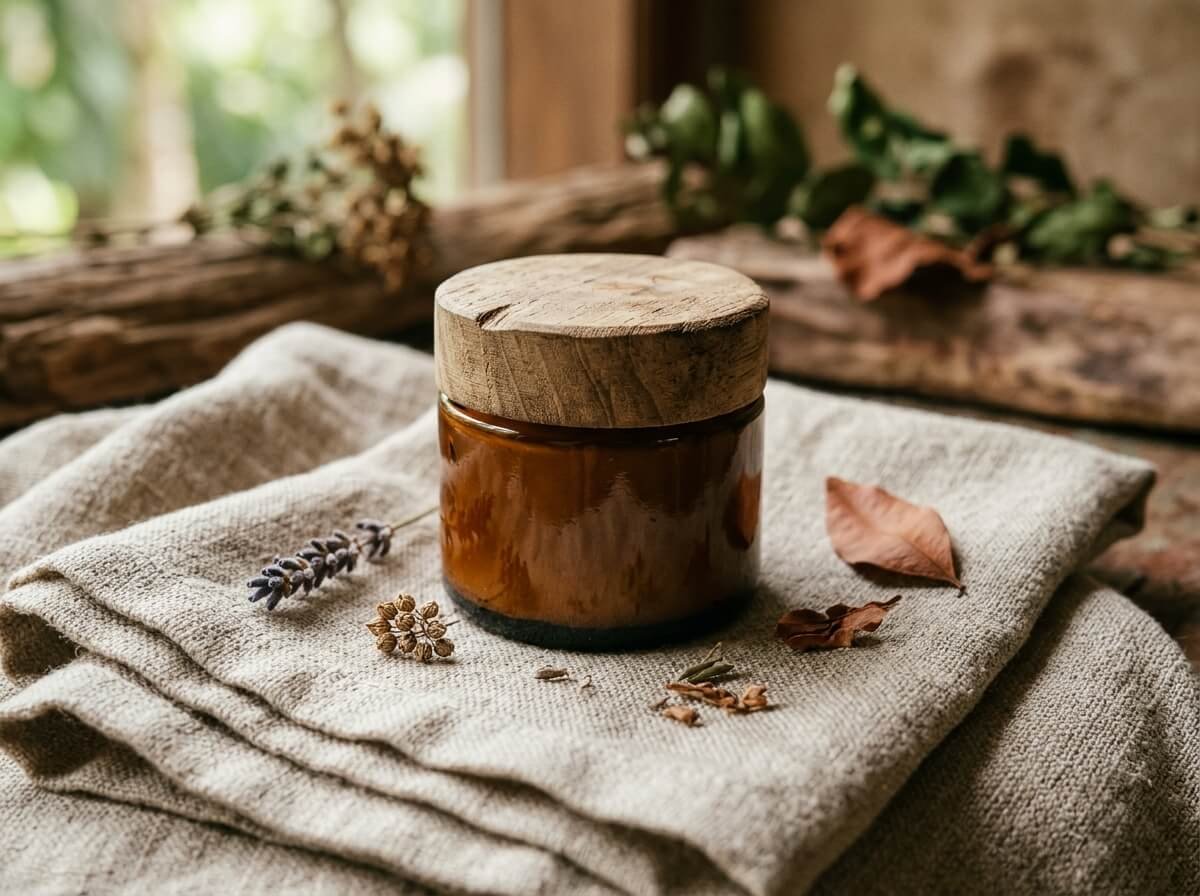
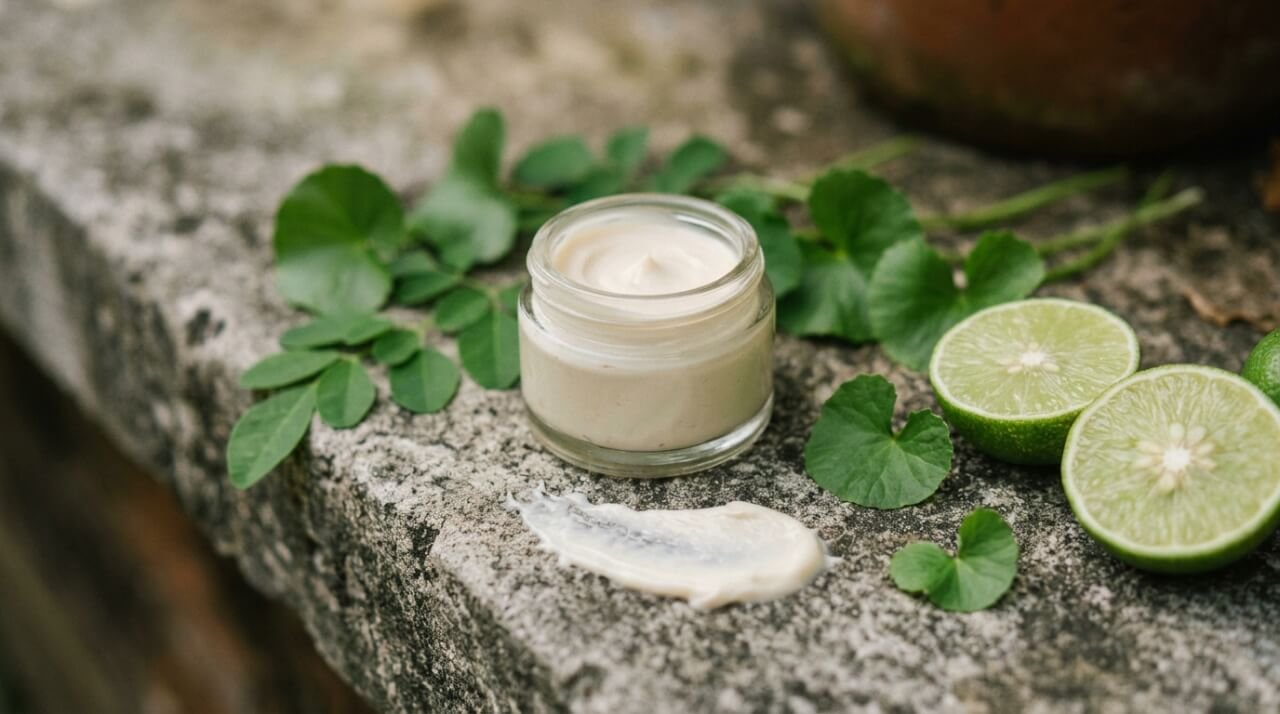
At its simplest, a face cream is an emulsion, a stable blend of water and oil held together so it can carry moisture into the skin and seal it there. That is the core job. A natural face cream builds that emulsion around plant oils, botanical extracts, and well-studied skin-identical ingredients, rather than heavy synthetic occlusives and long lists of fillers. The texture sits between a light lotion and a rich balm: thicker and more nourishing than a fluid, lighter and more breathable than a salve.
Making that emulsion stable without industrial fixatives is genuine craft, and it is where small-batch care shows its worth. Water and oil do not want to stay together, so a good formula uses plant-derived emulsifiers and the right balance of botanical butters and oils to hold a smooth, even texture. Do it poorly and the cream separates, feels greasy, or needs a wall of preservatives. Do it well and you get a cream that melts in, absorbs cleanly, and stays honest to its ingredient list.
Here is where honesty matters. “Natural” is not a regulated term, so it tells you very little on its own. A cream can say natural on the front and still lean on cheap filler oils, synthetic fragrance, and a token drop of botanical extract for the marketing photo. We think the better question is not “is it natural” but “is it well made, transparently sourced, and effective.” Those three together are what real care looks like. If you want the longer version of that argument, our guide to turmeric for skin shows how a single traditional ingredient earns its place through evidence, not hype.
A face cream also sits in a specific spot in your routine. It is not a cleanser, and it is not a serum. A cleanser lifts away the day, a natural face serum delivers concentrated actives to a target concern, and a cream locks the whole thing in and keeps the skin barrier supple. Think of the cream as the roof on the house: the walls can be beautiful, but without the roof, everything underneath dries out.
How the 3-in-1 format works: moisturize, repair, protect
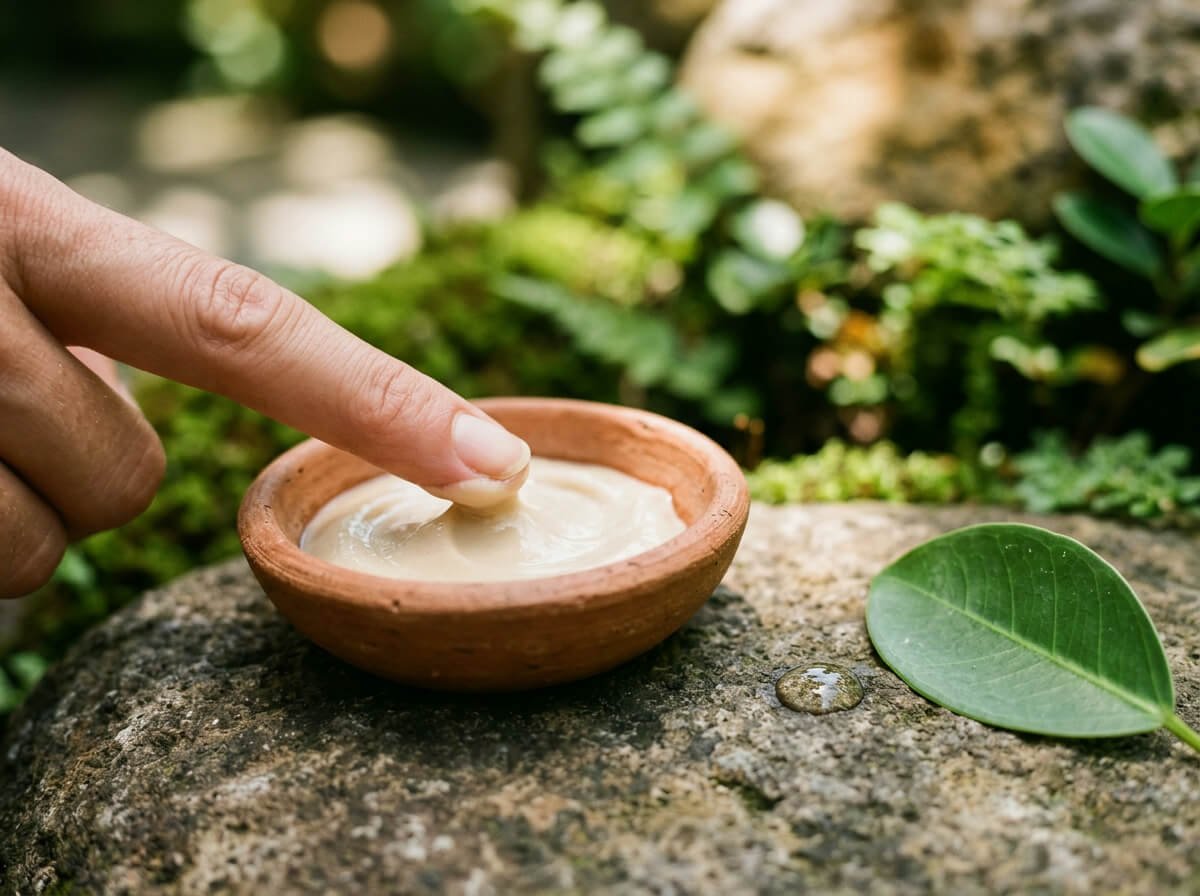
The phrase “3-in-1” gets thrown around loosely, so let us ground it in real skin science. Good moisturizing is not one action, it is three that work together: attracting water, softening the surface, and sealing it in. Formulators call these humectants, emollients, and occlusives. A well-built natural face cream carries all three, which is what earns the 3-in-1 name honestly rather than as a slogan.
First, hydration. Humectants such as hyaluronic acid and glycerin are water magnets. They draw moisture into the upper layers of the skin and hold it there. This is worth understanding, because hydration and moisture are not the same thing. Hydration is water content; moisture is the oil and lipid layer that keeps that water from escaping. A cream that hydrates without sealing will leave skin feeling plump for an hour, then tight. That is why the format needs all three parts, not one clever ingredient.
Second, repair. This is where skin-identical lipids do their quiet work. Ceramides and squalane match the fats your skin already makes, so they slot into the barrier and help rebuild it. Squalane in particular is a beautifully stable emollient that softens without heaviness, which is why we reach for lightweight plant oils like it rather than pore-clogging mineral occlusives. If your barrier is compromised, from over-cleansing, cold weather, or too many acids, this repair layer is the part that actually calms the sting.
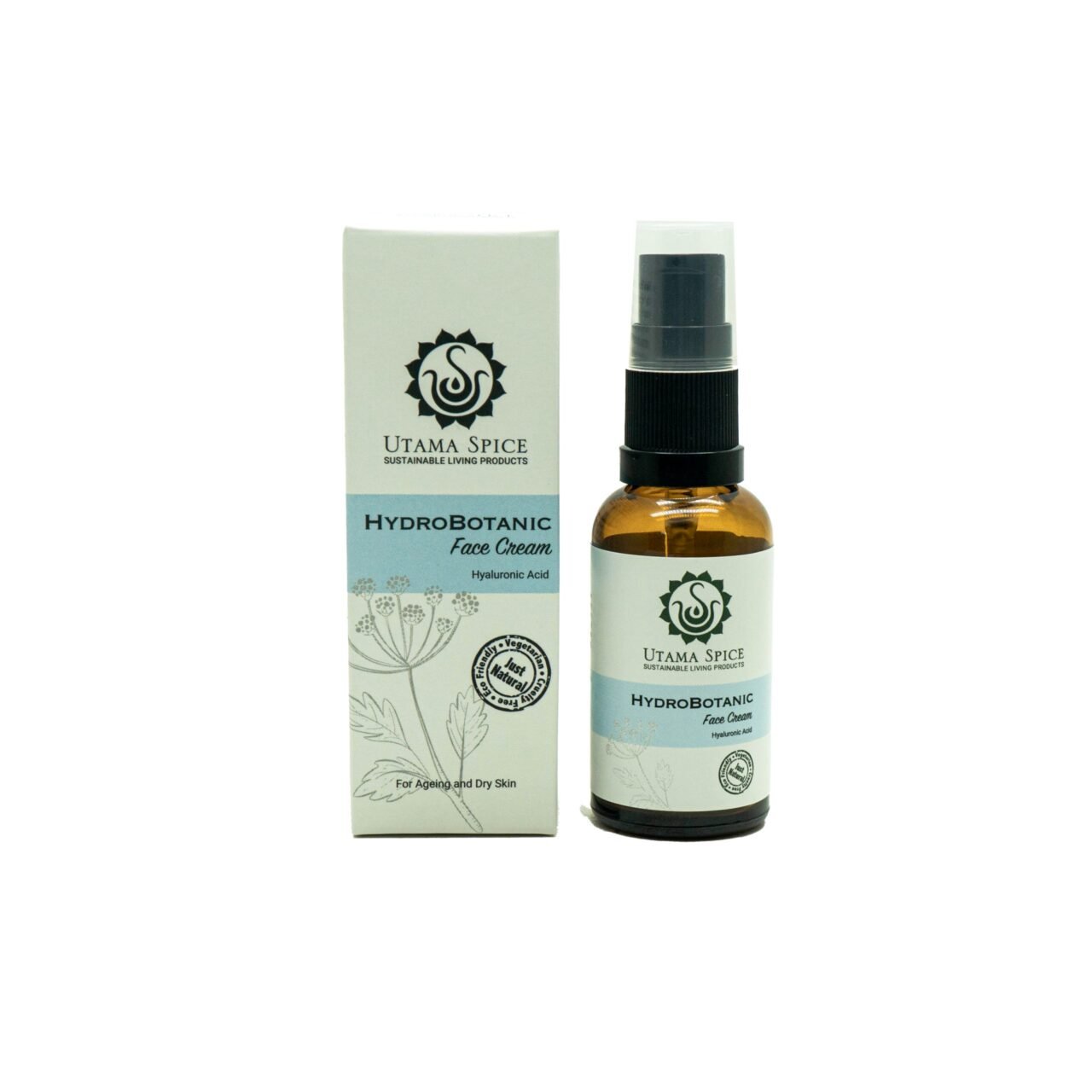
Third, protection. A finished cream seals the surface and steadies the barrier against daily water loss and environmental stress. Botanical antioxidants such as vitamin C and niacinamide support tone and resilience over time, while plant oils form a breathable film that holds everything in place. Our own HydroBotanic 3-in-1 Hydrating Face Cream was built around exactly this logic: hyaluronic acid and squalane for hydration, ceramides and argan oil for barrier repair, and niacinamide with vitamin C for tone and protection. One step, three jobs, no theater.
Order matters when you layer. The rule of thumb is thinnest to thickest: water-based hydration first, then a serum or facial oil, then the cream to seal, and in the morning a sunscreen on top of everything. The cream is almost always the last skincare step before sun protection, because its job is to hold the lighter layers in. Get that sequence right and each product does more with less.
The real gift of a true 3-in-1 is simplicity. When one well-made cream covers hydration, repair, and protection, you can stop stacking half-finished products that each do one thing badly. Fewer steps, less waste, and a routine you can actually sustain. That is the point where good skincare and conscious living meet, and it is a far cry from a bathroom shelf crowded with jars you use twice and forget.
The ingredients that matter, and the ones to skip
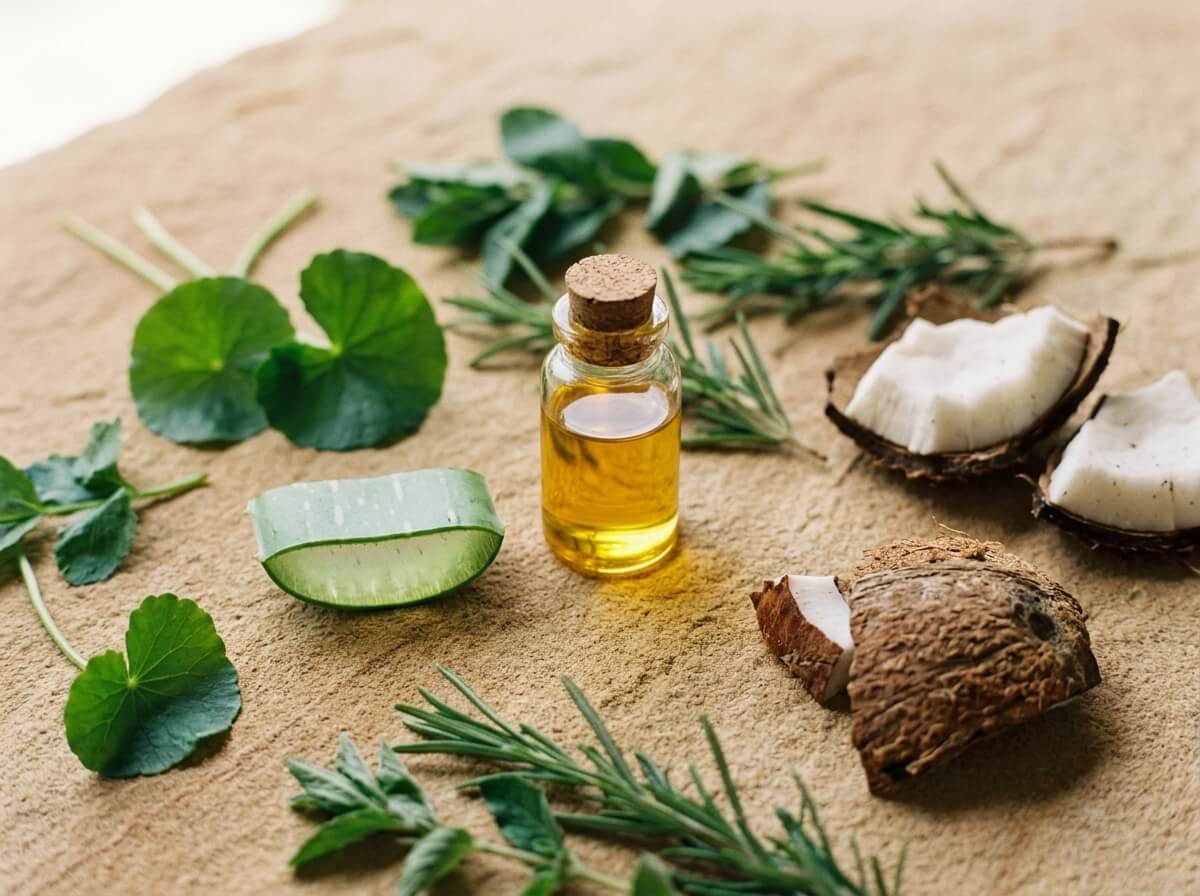
You do not need to memorize a chemistry textbook to read a face cream label well. You need to know a short list of ingredients that genuinely pull their weight, and a shorter list of things that are usually there to cut cost or manufacture a sensation. Here are the ones worth looking for.
- Hyaluronic acid and glycerin for water-binding hydration.
- Squalane and ceramides for barrier repair that matches your own skin lipids.
- Niacinamide to support tone, texture, and a calmer barrier over time.
- Argan oil, rich in vitamin E and fatty acids, for softness without heaviness.
- Aloe vera for lightweight soothing hydration, especially in warm climates.
Many of these can be layered on their own, too. A few drops of argan oil pressed in before your cream on a dry winter night, or a thin layer of aloe vera gel under moisturizer after a warm day, can extend what a single cream does. If you have ever soothed a sunburn with aloe, you already know its cooling honesty; our guide to aloe vera for sunburn explains where it helps and where it only cools.
Sourcing belongs on the “matters” list as much as the ingredient names do. Where a botanical comes from, who harvested it, and what tradition it carries are part of whether a product is genuinely good. We cold-press coconut oil through our Aluan partnership in Bali, and wild-harvest illipe butter and kukui oil with forest families in Kalimantan through Forestwise, because a cream is only as honest as its supply chain. That is the same principle behind choosing a plant oil like tamanu oil for its regenerative reputation rather than a cheaper anonymous substitute. When an oil protects the forest that grows it and pays the community that harvests it, the care goes further than your skin.
Coconut oil deserves a special mention, because it is the versatile carrier at the heart of so much Balinese care. Cold-pressed and used with a light hand, it brings fatty acids and a soft, familiar comfort to a formula. On the face it is best in balance rather than as a heavy stand-alone occlusive, since richer oils suit some skin types more than others. Blended thoughtfully into a cream alongside lighter esters like squalane, though, it carries the warmth of tradition without overwhelming the skin. This is what we mean when we say tradition is our blueprint: the ingredient our founder reached for in 1989 still earns its place today, used with the knowledge of who it suits and how much to use.
Now the skip list. Synthetic fragrance is the most common irritant in face products, and it hides behind the single word “parfum.” Denatured alcohol high in the list can leave skin feeling dry and stripped. Long chains of cheap filler esters bulk out a formula without doing much for the skin. And be wary of any cream promising to erase, reverse, or perfect. Skin does not need theater; it needs consistent, honest support. The same restraint applies to the plant oils you layer for specific concerns, whether that is a facial oil or a natural stretch mark oil: match the ingredient to a realistic outcome, and skip anything that oversells.

How to match a natural face cream to your skin
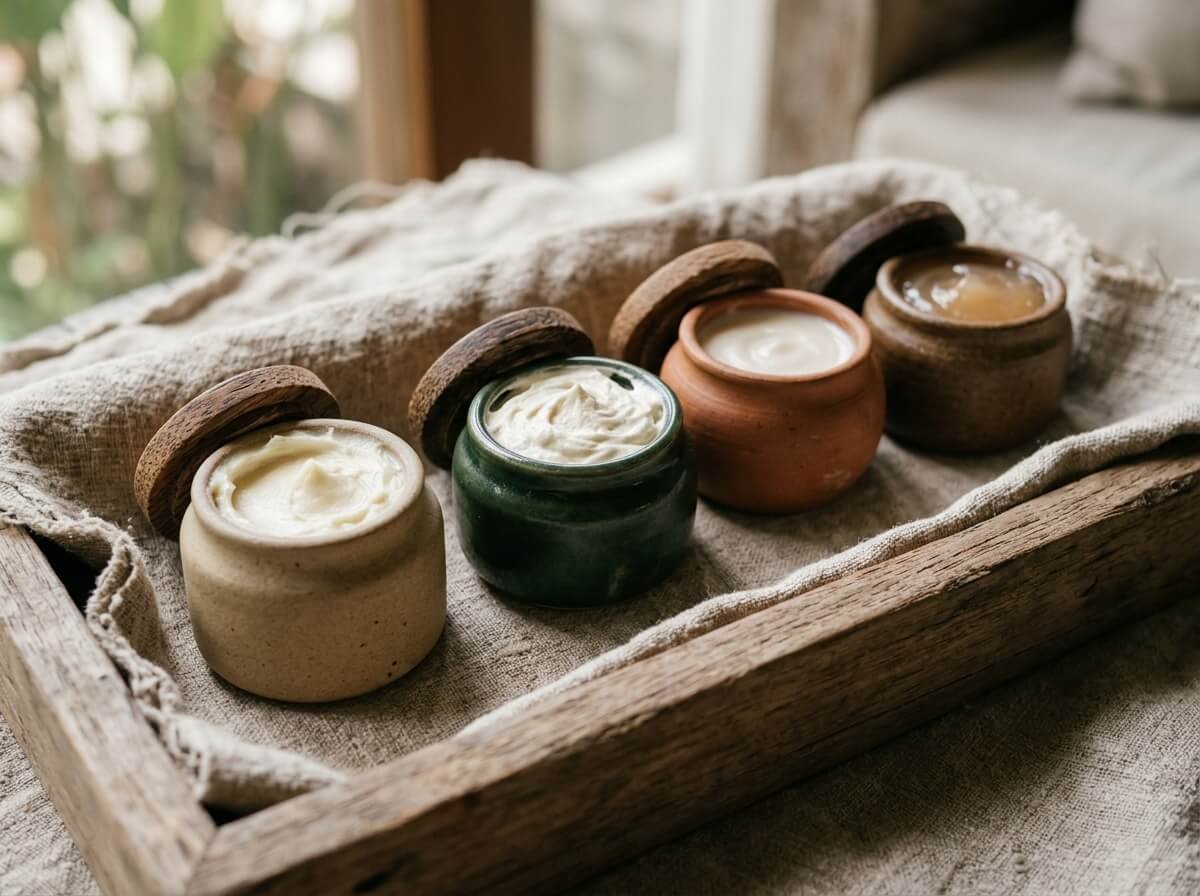
The best natural face cream is the one that fits your skin, your climate, and your season, not the one with the busiest label. Skin changes across the year, so it is normal to run a lighter formula in humid months and a richer one when the air turns dry. Here is how we think about matching, skin type by skin type.
Dry skin wants all three moisturizing actions, with the repair layer turned up. Look for ceramides, squalane, and a nourishing plant oil, and apply to slightly damp skin so the humectants have water to grab. Oily and combination skin often fears cream and should not. Skipping moisturizer can push oil glands to overproduce. Choose a lighter, fast-absorbing texture with hydration and niacinamide, and let it balance the surface rather than smother it.
Sensitive skin does best with a short, calm ingredient list, no synthetic fragrance, and barrier-supporting lipids that reduce reactivity over time. Mature skin benefits from richer emollients plus antioxidants like vitamin C and niacinamide that support firmness and even tone. A balanced 3-in-1 like our HydroBotanic 3-in-1 Hydrating Face Cream suits most of these because it is built to hydrate, repair, and protect in a single lightweight step, so you can adjust what you layer underneath rather than swapping the whole routine.
Climate deserves its own thought. In humid, tropical air, skin holds water more easily and a heavy cream can feel like too much, so a lighter layer applied twice a day usually serves better. In dry or air-conditioned environments, water evaporates fast and a richer, more occlusive finish earns its keep. This is why we resist the idea of one perfect cream for everyone. Your skin in a Bali wet season and your skin in a northern winter are asking for different things, and a good routine listens.
One more note on faces versus the rest of you. Facial skin is thinner and more reactive than the skin on your hands or body, so a dedicated face formula is worth it. The same logic is why we make a separate natural hand cream rather than telling you to use one product everywhere, and why we explain the difference between a face oil and a body oil. Matching the product to the place is quiet common sense that your skin will thank you for.
Using it in a simple daily ritual
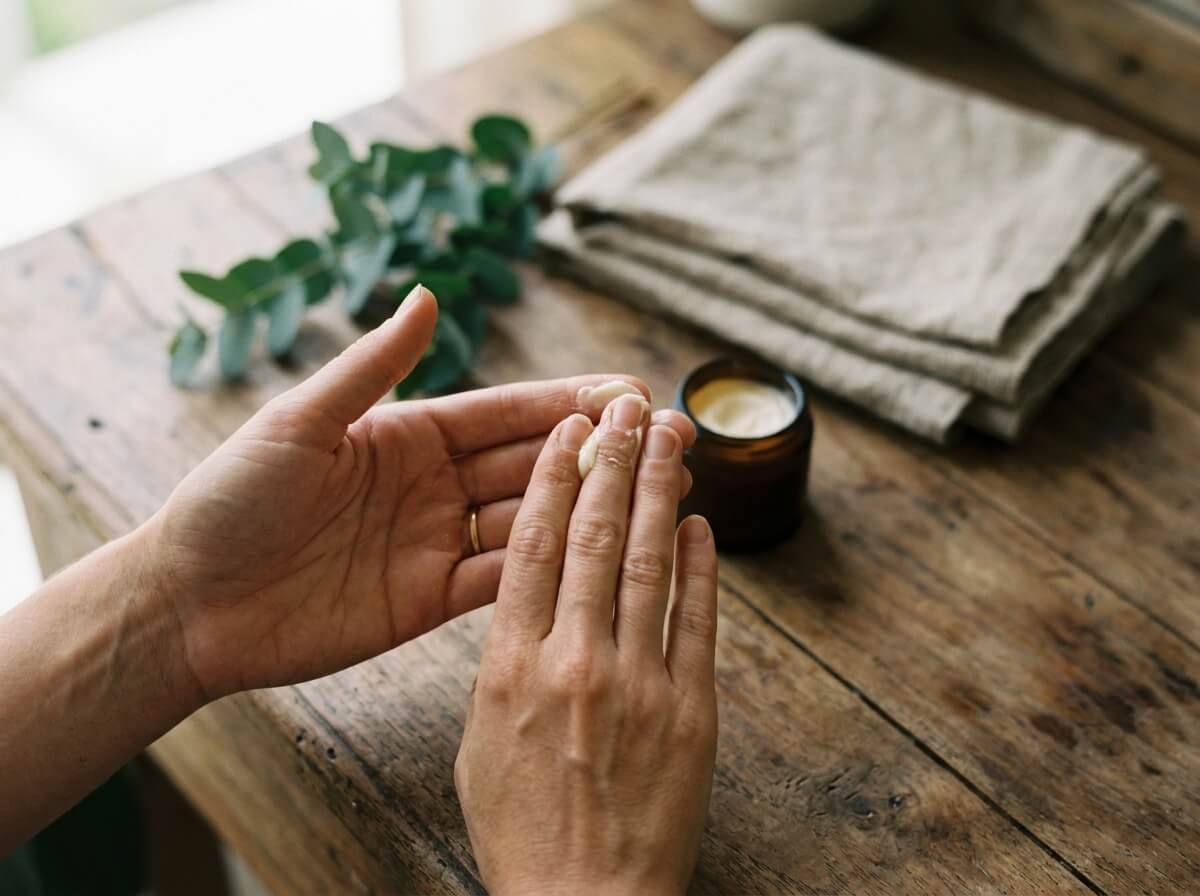
A face cream works best inside a small, repeatable ritual. In Bali, care has always been a daily practice rather than an occasional rescue, and that rhythm is what actually changes skin over weeks. You do not need 10 steps. You need three, done with attention.
- Cleanse. Start with a gentle wash that respects the barrier, like our Serenity Face Wash, so you are not stripping the skin you are about to feed.
- Treat. Press in a serum or a few drops of facial oil while the skin is still slightly damp, targeting your main concern.
- Seal. Warm a small amount of face cream between your fingertips and press it over the face and neck. This is the roof that keeps everything underneath from evaporating.
Two habits make a real difference. Apply to damp, not bone-dry, skin, because humectants pull in whatever water is available. And use less than you think: a cream should absorb, not sit greasy on the surface. Morning and night is ideal, though even once a day, done consistently, beats an elaborate routine you abandon by Thursday. Small actions create real impact, and this is one of them.
Ritual is also where a good cream stops feeling like a chore and starts feeling like a pause. The scent, the texture, the minute of pressing it in, these are sensory anchors in a busy day. That is the Caregiver side of skincare that the marketing usually forgets: it is care, not performance. Give yourself that minute in the morning and again at night, and the routine becomes something you keep because it feels good, not because you should.
If you share a home, a good cream is easy to make communal, too. A single honest jar on the shelf can serve a whole household, refilled rather than replaced, which is how care becomes a shared practice instead of a pile of single-use packaging. That is the version of wellness we believe in: simple enough for real life, kind to the people around you, and gentle on the planet that grows the botanicals in the first place.
One cream, three jobs, honestly made
Our HydroBotanic 3-in-1 Hydrating Face Cream pairs hyaluronic acid and squalane with ceramides, argan oil, niacinamide, and vitamin C to hydrate, repair, and protect in one lightweight step. Crafted in Bali, backed by science.
Natural face cream questions, answered
Is a natural face cream enough on its own?
For many people, a gentle cleanser and a well-built 3-in-1 cream are a complete routine. If you have a specific concern such as fine lines, uneven tone, or dryness, add a targeted serum or oil underneath. The cream still does the sealing work at the end.
Can oily skin use a face cream?
Yes, and it usually should. Stripping oily skin of moisture often makes it produce more oil. Choose a lighter, fast-absorbing texture with hydration and niacinamide rather than a heavy balm, and apply a thin layer.
What is the difference between hydrating and moisturizing?
Hydrating adds water to the skin through humectants like hyaluronic acid. Moisturizing seals that water in with lipids and oils so it cannot evaporate. A good face cream does both, which is the whole point of the 3-in-1 format.
How much natural face cream should I use?
Less than most people reach for. A pea-sized to blueberry-sized amount is usually enough for the face and neck. If the cream sits greasy on the surface instead of absorbing, you have used too much or your skin was too dry when you applied it.
Does “natural” mean it will not irritate my skin?
Not automatically. Some plant extracts and natural essential oils can irritate sensitive skin, and “natural” is not a regulated claim. Read the full ingredient list, patch test a new cream, and favor short, transparent formulas over long ones.
Final thoughts
A natural face cream does not need to be complicated to be good. It needs to hydrate, repair, and protect, and it needs to do so with ingredients you can trace and trust. Read the label past the front-of-jar promises, match the texture to your skin and your season, and fold it into a small daily ritual you will actually keep. That is how skin gets calmer, stronger, and more comfortable over time, one honest step at a time.
That is also the whole of our philosophy at Utama Spice: real care, transparently sourced, crafted in Bali since 1989. What you give your skin, it gives back. Choose the cream that fits you, use it with attention, and let consistency do the quiet work.