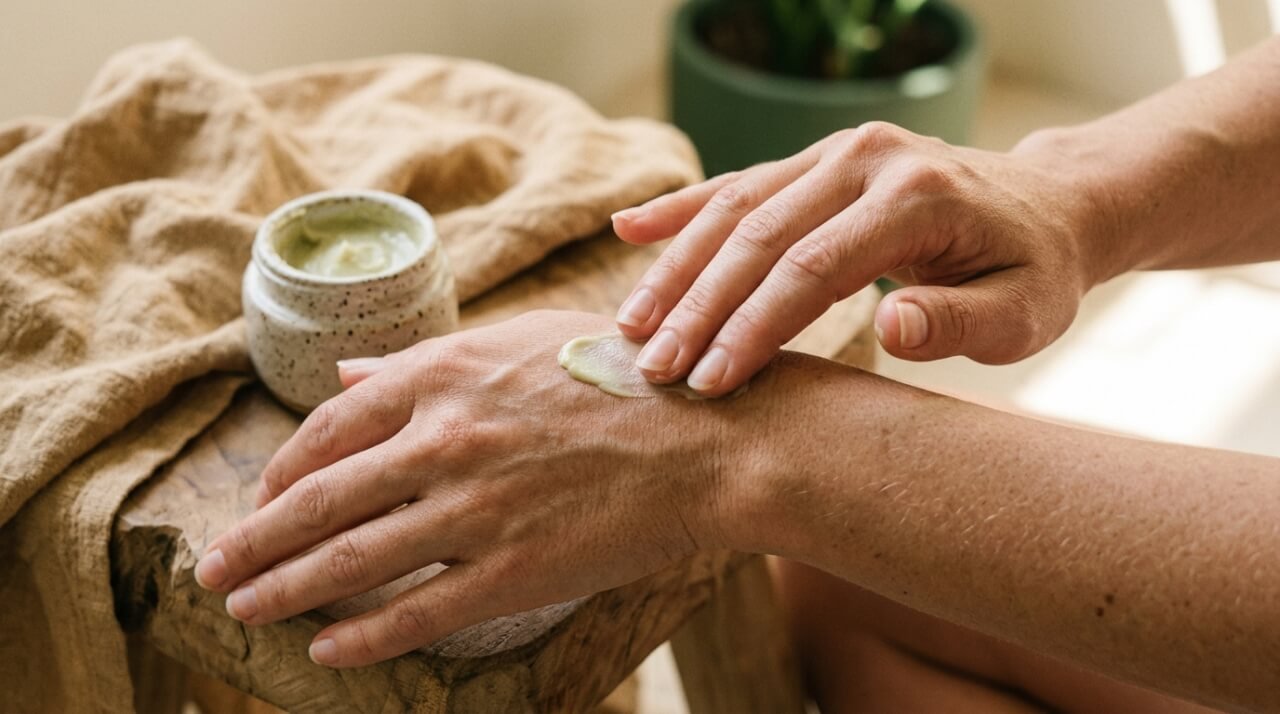
Natural hand cream: how to choose one that truly repairs dry, hardworking hands
Our hands do the most and get cared for the least. They wash, they carry, they cook, they hold the people we love, and they meet more water, soap, sun, and friction than any other skin on the body. A good natural hand cream is one of the smallest rituals with the biggest return, a way to restore what daily life keeps stripping away. This guide walks through what makes a hand cream genuinely natural, which botanical ingredients actually repair skin, how to read a label without being misled, and how to match a cream to your skin and the season.
We make this with care, not marketing. Crafted in Bali since 1989, we have spent more than 35 years blending plant oils and butters by hand, so the advice here comes from the bench, not a brochure.
What makes a hand cream genuinely natural
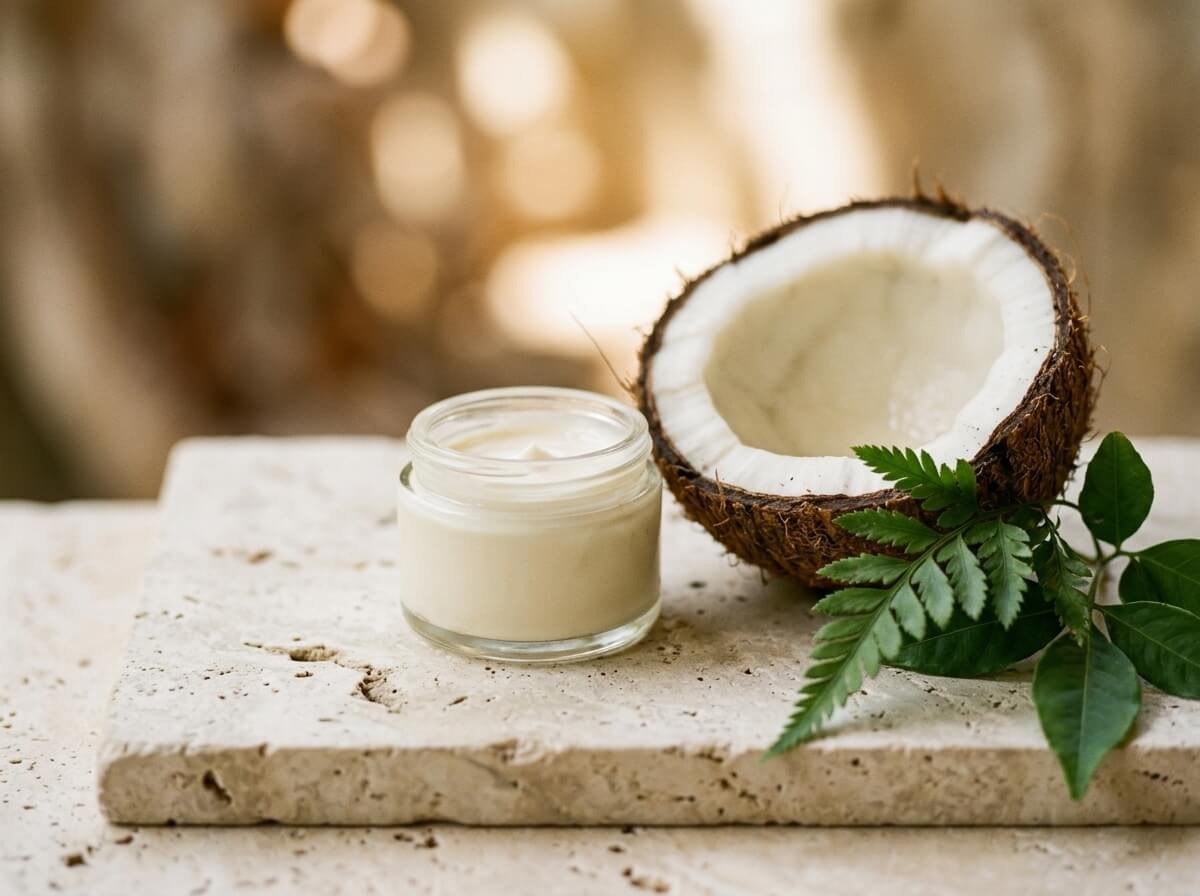
The word natural is not regulated in skincare, which means it can be printed on almost anything. A genuinely natural hand cream is defined less by a claim on the front and more by the list on the back. At its simplest, a hand cream is an emulsion, water and oil held together so the formula spreads, sinks in, and leaves skin soft rather than slick. What matters is where those oils and butters come from, how the water phase is preserved, and what is added for scent and feel.
In an honest formula, the richness comes from plant butters and cold-pressed oils rather than mineral oil or heavy silicones that sit on the surface and mimic softness without feeding the skin barrier. The scent comes from essential oils or nothing at all, not synthetic fragrance stacked to cover a flat base. And the preservation is done properly, because any cream containing water needs protecting from microbes, and pretending otherwise is not natural, it is unsafe.
So natural, done well, is a balance of three honest choices: real plant fats, real or no fragrance, and responsible preservation. If you want to understand the raw material at the heart of most of our formulas, our guide to the benefits of coconut oil in natural skincare is a good place to start.
It helps to picture what a cream actually is. Water gives it lightness and lets it glide, oils and butters give it richness and staying power, and an emulsifier holds the two together so they do not separate in the jar. Get that balance right and skin drinks it in. Get it wrong and the cream either sits greasy on top or vanishes without doing much. The naturalness of a formula, then, is not only about the ingredients you can name, it is about how thoughtfully they are built into a whole.
There is a wider meaning of natural too, the one that reaches past the jar. A cream is only as clean as the way it is sourced and packaged. This is why we think about refills, plant credits, and the communities behind every oil, because real care means rethinking the whole system, not just the recipe.
Why our hands need care the rest of the body does not
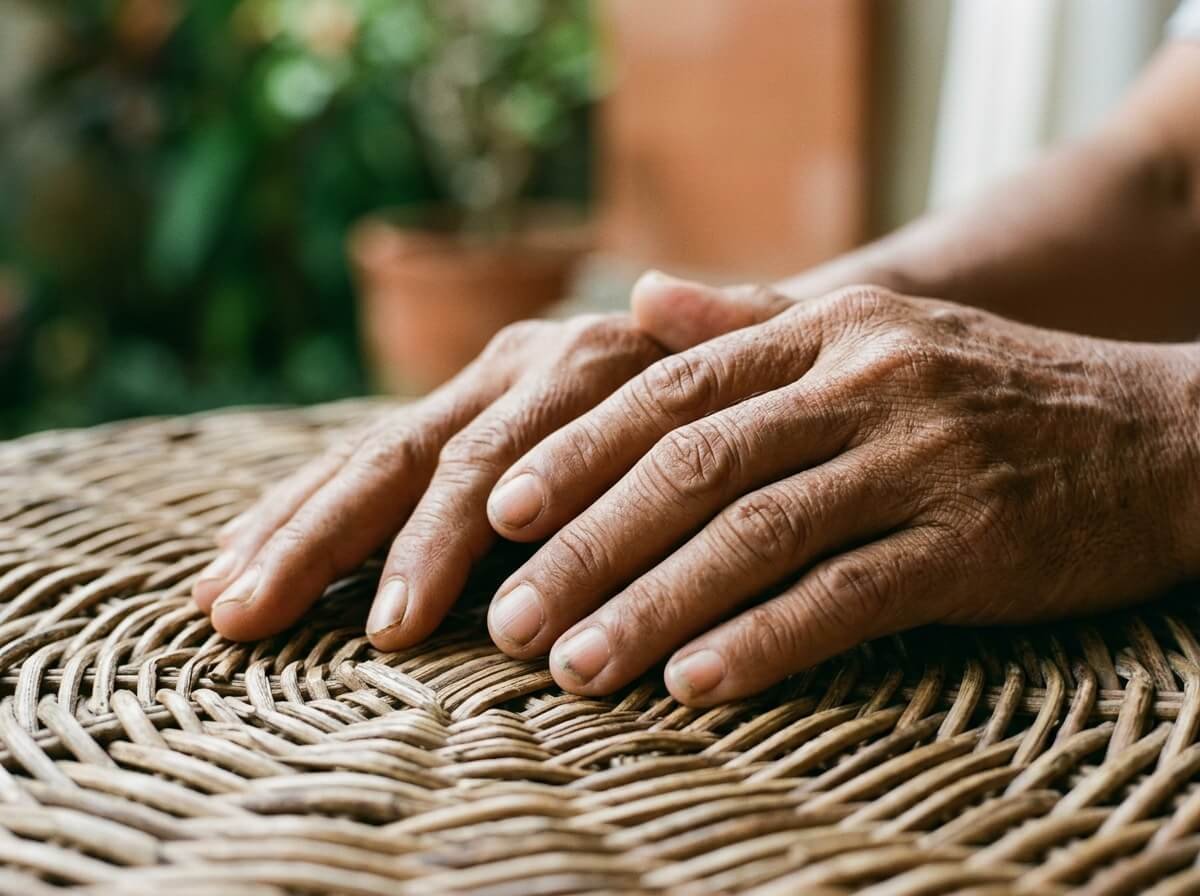
Hand skin is built differently. The backs of the hands have very few oil glands and thin skin, so they lose moisture quickly and show age early. The palms have thick skin but almost no sebum at all, which is why they can feel tight and rough even when the rest of you feels fine. Between these two surfaces sits some of the most exposed, hardest-working skin you own.
Then there is what we do to them. Every hand wash strips the natural oils that hold water in. Hot water, sanitizer, dish soap, gardening, and cold dry air all pull at the barrier until it cracks. This is not a cosmetic problem alone. A broken barrier stings, catches, and heals slowly, and it lets irritation in. Caring for your hands is really about rebuilding that barrier faster than daily life can wear it down.
- Backs of hands: thin, low in oil glands, quick to show dryness and age.
- Palms: thick but sebum-free, prone to tightness and rough patches.
- Knuckles and cuticles: constant flexing plus low moisture equals cracking.
- Daily load: washing, sanitizer, sun, wind, and friction, repeated all day.
Some hands work harder than others. If you cook, clean, garden, care for children, work with your hands, or simply wash them a dozen times a day, the barrier never gets to fully recover between insults. That is not a personal failing, it is physics, and it is exactly the situation a good cream is designed for. The goal is not perfect hands, it is resilient ones.
The rest of the body gets a break. Hands rarely do, which is why a dedicated cream earns its place, and why the same coconut-based richness we build into a coconut body lotion is worth concentrating into something made for hands.
The botanical ingredients that repair hardworking hands
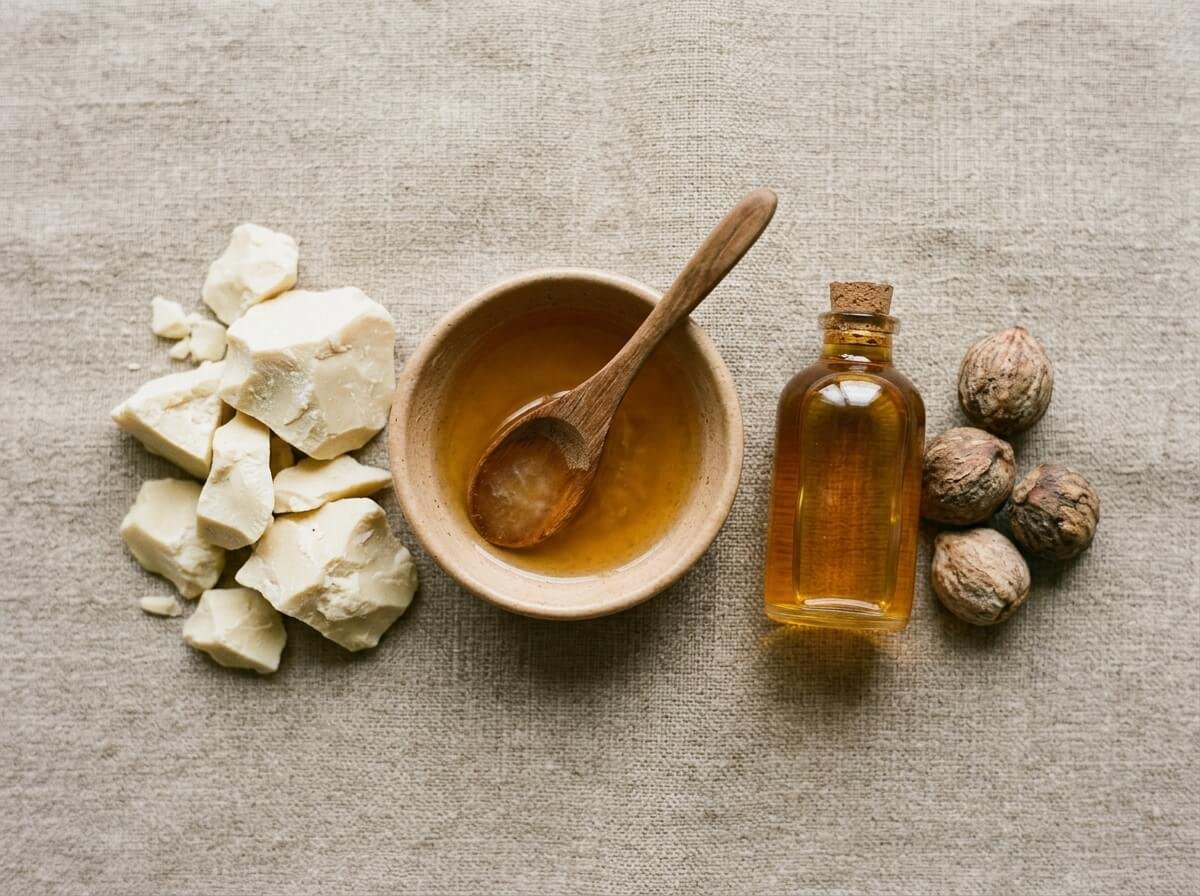
Repair comes down to three jobs, and a well-built cream does all three at once: draw water in, seal it there, and rebuild the fats that make up the barrier itself. Here are the plant ingredients that do the real work, and why they belong on your hands.
Plant butters that rebuild the barrier
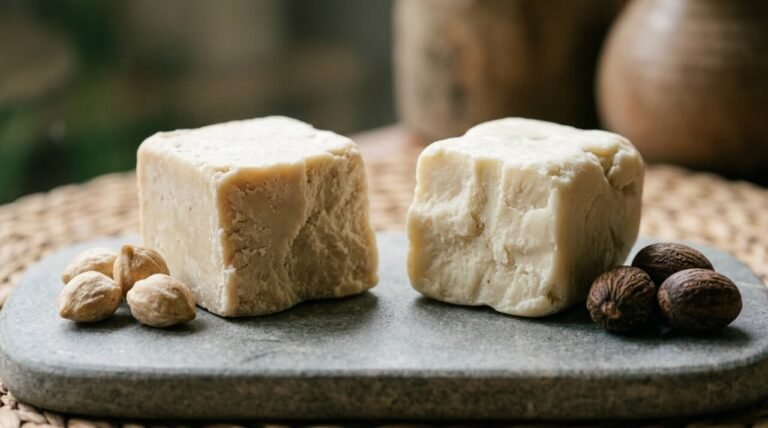
Cocoa butter and shea are rich in fatty acids that slot into the skin barrier and restore its structure. They are the backbone of a repairing cream, the difference between softness that lasts and softness that fades by the next wash. The same butters carry our body butter range, and if you love that dense, protective feel, our Cocoa Love Body Butter is the body-scale version of the same idea.
Cold-pressed oils that feed and soften
Virgin coconut oil brings medium-chain fatty acids and a gentle antimicrobial quality, which is part of why it is one of the most versatile ingredients we work with. Argan oil is lighter, quick to absorb, and rich in vitamin E, making it ideal for hands that want care without grease. Both earn their place, and you can use each on its own too, from a jar of virgin coconut oil to a bottle of argan oil. If you are new to plant oils, our explainer on choosing the right carrier oil breaks down how they differ.
Humectants that draw water in
Glycerin and aloe pull moisture from the air into the skin and hold it there. On their own they can feel tacky, which is why they work best partnered with butters and oils that seal the water in. This pairing, humectant plus occlusive, is the quiet engineering behind a cream that keeps hands soft for hours rather than minutes.
Essential oils for scent and calm
A little lavender or citrus does more than smell good. Used at safe levels, essential oils turn a functional step into a sensory one, a small moment of lavender’s calm in the middle of a busy day. The key words are safe levels, because more is not better here, and a natural cream respects that line.
Where the oils come from, and why it matters
An ingredient is more than its chemistry. Every oil carries a story of people and place, and that story is part of what makes it natural in the fullest sense. Our coconut oil is cold-pressed from Bali plantations through our Aluan partnership. Our illipe butter and kukui oil are wild-harvested in the rainforests of Kalimantan by families who have worked the same groves for generations, through our Forestwise partnership, so protecting the forest and paying fair income go hand in hand. And much of the handwork happens with the women of the Munti Gunung social enterprise in East Bali.

This is the difference between an ingredient used and an ingredient honored. When you rub a plant butter into tired hands, you are also, in a small way, holding up the grove it came from and the hands that harvested it. That is what we mean by what you give, you get back.
How to read a natural hand cream label without being fooled

This is where a natural hand cream is won or lost. The front of the pack is marketing, the back is truth. Turn it over and read the ingredients, which are listed in order of quantity, so the first five tell you what the cream mostly is.
We do not name competitors, and we do not need to. We would rather show you how to check for yourself, because radical transparency beats trust-me claims every time.
- Look for plant butters and oils near the top: shea, cocoa, coconut, argan. That is where the repair lives.
- Be wary if mineral oil, paraffin, or petrolatum lead the list. They soften on contact but do not feed the barrier.
- Fragrance or parfum with no source named can hide dozens of undisclosed ingredients. Named essential oils are the honest alternative.
- A cream with water and no preservative is not natural, it is a risk. Responsible preservation is part of real care.
- Short and legible beats long and mysterious, but do not fear an ingredient just because it has a Latin name, that is often the plant itself.
Watch for the softer forms of greenwashing too: a green leaf on the label, the phrase derived from nature, or a bold 100% natural claim with a synthetic-heavy list underneath. Natural is a practice, not a sticker. When a brand is proud of its sourcing, it tends to tell you exactly where the oil came from and who harvested it.
The green sheen to watch for
Some of the most convincing greenwashing is quiet. A calm, earthy palette, a leaf motif, and a few borrowed words like botanical or pure can lend a synthetic formula the look of care without the substance. None of that is proof of anything on its own. The label is. Read the first five ingredients, look for named plant oils and butters, and let the rest of the packaging be pleasant rather than persuasive. A brand doing the real work will be specific, and specificity is hard to fake.
How to choose a natural hand cream for your skin and the season
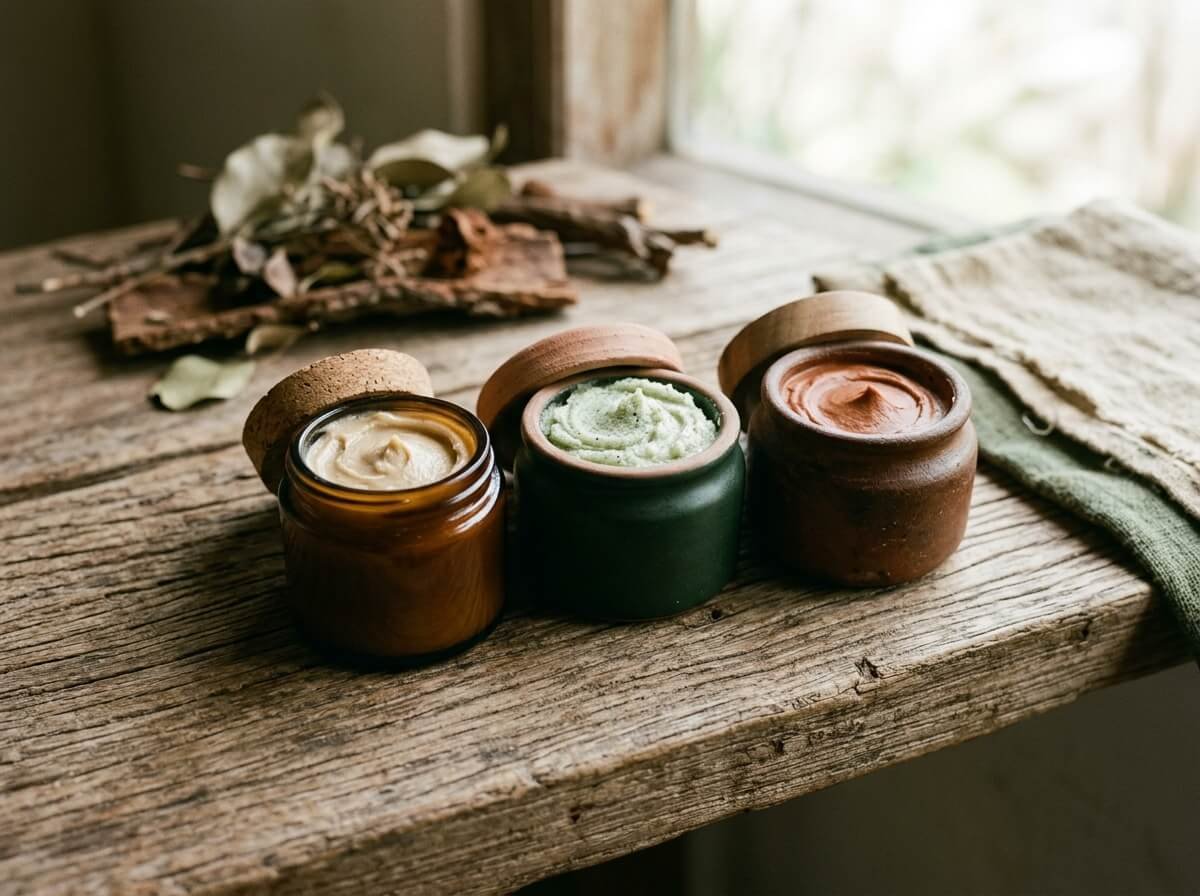
The best natural hand cream for you depends on your skin, your work, and the weather. Texture is the main lever. A lighter lotion sinks in fast and suits daytime and warm, humid climates. A richer, butter-forward cream forms a protective layer and suits very dry hands, cold seasons, and overnight repair.
- Normal to slightly dry hands: a medium cream once or twice a day keeps the barrier steady.
- Very dry, cracked, or working hands: a rich, butter-led cream, reapplied after every wash and again before bed.
- Oily or sweat-prone skin, warm climate: a lighter, faster-absorbing formula so hands feel cared for, not coated.
- Sensitive skin: fewer ingredients, gentle or no essential oils, and a fragrance-free option when in doubt.
Season matters as much as skin type. Cold, dry air and constant washing in the dry season call for more occlusive richness, while humid months can take something lighter. Many of us keep two: a light one for the bag and a rich one for the bedside. If you like the idea of layering, a cocoa love lotion for the body pairs naturally with a concentrated hand cream for the parts that need more.
A word on scent. A soft aromatherapy note can make the ritual something you look forward to, and for many of us that is what turns an occasional habit into a daily one. But scent is also the most common trigger for sensitive skin, so treat it as a preference, not a requirement. If your hands react easily, reach for the simplest formula you can find and build up only if your skin is happy. Care should never cost you comfort.
If you want a natural hand cream that already balances these choices, our Radiant Hand Cream is blended with plant oils and a soft, uplifting aromatherapy scent to hydrate without grease, made for daily use and small enough to carry. It is the everyday version of everything above, crafted by hand in Bali.
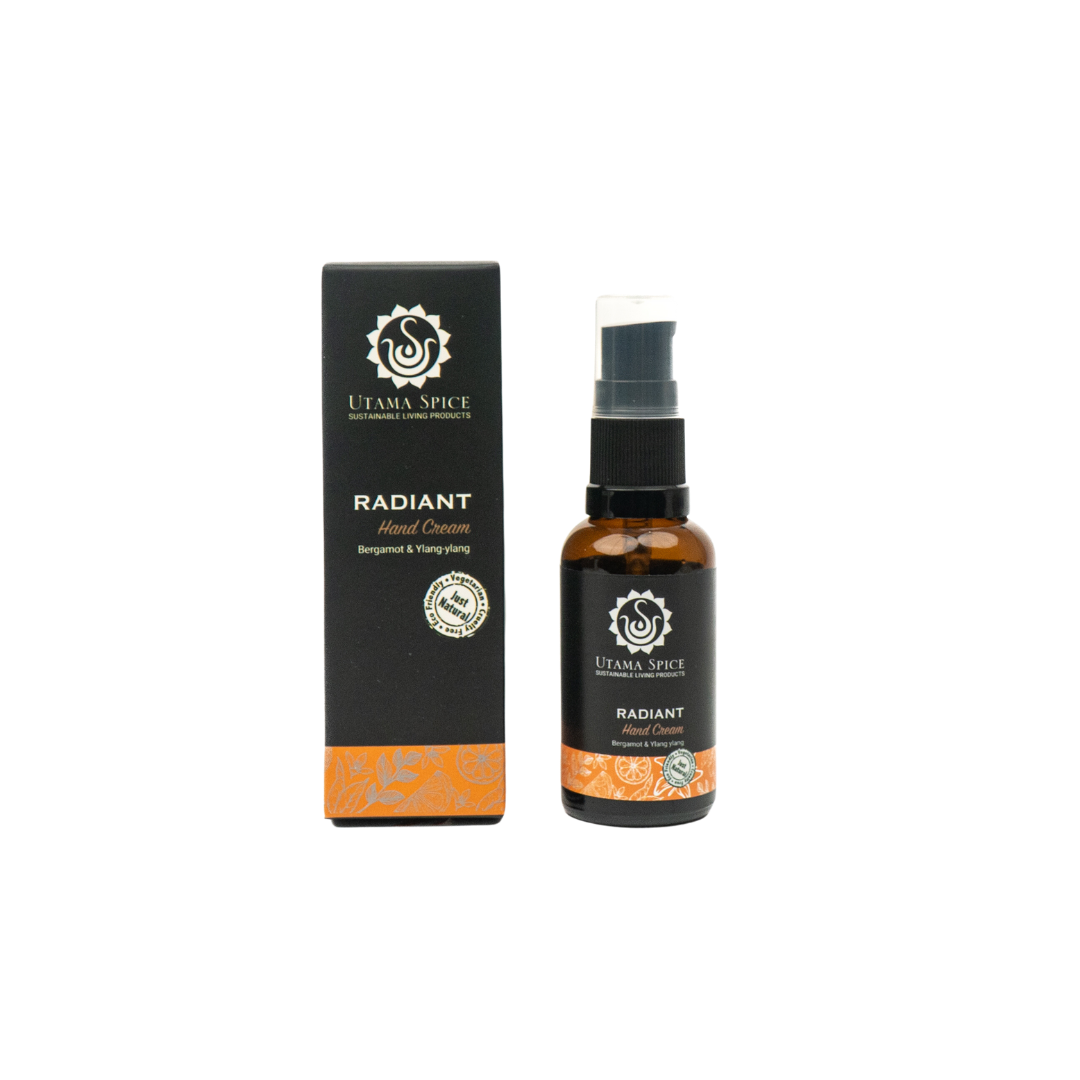
Radiant Hand Cream, care your hands can feel
A natural hand cream blended with plant oils and a soft, uplifting scent. It hydrates dry, hardworking hands without grease, and it is small enough to carry through the day. Crafted by hand in Bali.
A two-minute hand-care ritual, and honest answers to common questions

Repair is less about the perfect product and more about the small, repeated moment. Here is a ritual that takes two minutes and works with real life, not against it.
- After washing, pat hands almost dry, leaving them slightly damp so the cream has water to seal in.
- Warm a pea-sized amount between your palms, then work it over the backs of the hands, into the knuckles, and around each nail and cuticle.
- Keep a cream by the sink and one by the bed, so reapplying is easy rather than something to remember.
- At night, apply a richer layer, the hours of sleep are when the barrier does its deepest repair.
How often should I use hand cream
As often as you wash, ideally. Every wash removes the oils that hold water in, so a quick reapply after washing and once more before bed keeps hands ahead of the daily wear.
Is natural hand cream safe around food and children
A cream built on plant oils and butters with named, gentle ingredients is a good choice for anyone who touches food or little ones often. For very sensitive skin, choose a fragrance-free option or one with essential oils at low, clearly stated levels.
Can I just use coconut oil instead
You can, and it helps, but a pure oil only seals, it does not draw water in. A cream pairs oils and butters with humectants, so it holds moisture longer. If you like using single oils, our guide to coconut oil for skin and our note on kukui oil versus coconut oil are worth a read.
Will it leave my hands greasy
A well-formulated cream should not. Lighter, argan-forward blends absorb quickly, while richer butter-led creams feel more occlusive by design, which is exactly what very dry hands want overnight.
What is the difference between a hand cream and a body lotion
Mostly concentration. Hand skin is more exposed and more often washed, so a hand cream tends to be richer and more protective per gram than a lotion made to cover large areas quickly. You can use a body lotion on your hands in a pinch, but a dedicated cream, reapplied through the day, holds up far better against constant washing.
Final thoughts: small care, real repair
Hands carry our days. Caring for them is not vanity, it is maintenance of the part of us that touches almost everything. A natural hand cream, chosen honestly and used often, restores the barrier that daily life keeps wearing thin, and it does it with plant oils that also respect the places they come from. That is the whole idea behind what we make: real care that works, for your skin and for the world it is drawn from. Start small, start with your next wash, and let the ritual do the rest.