Natural stretch mark oil: what botanical oils can (and cannot) do
A natural stretch mark oil is one of the most searched-for products in body care, and one of the most over-promised. Somewhere between the hopeful before-and-after photos and the fine print, the honest answer gets lost. So let us start there. A good botanical oil can soften how stretch marks feel, calm the itch of stretching skin, and support a healthy, supple barrier over time. It cannot erase a scar that has already formed, and any bottle that promises to is selling you a story, not care. This guide is the version we wish more brands would write: what a natural stretch mark oil genuinely does, where its limits sit, which botanical oils earn their place, and how to use one as a daily ritual rather than a quick fix.
Stretch marks, or striae, are a normal part of a body that grows, carries a pregnancy, builds muscle, or simply changes through the seasons of a life. They are not damage to be ashamed of. Still, many of us want skin that feels comfortable, hydrated, and cared for while it stretches, and that is a reasonable, kind thing to want. We have been hand-blending body oils in Bali since 1989, and we would rather tell you the truth about what oil can and cannot do than sell you a promise that does not hold.
What a natural stretch mark oil actually is
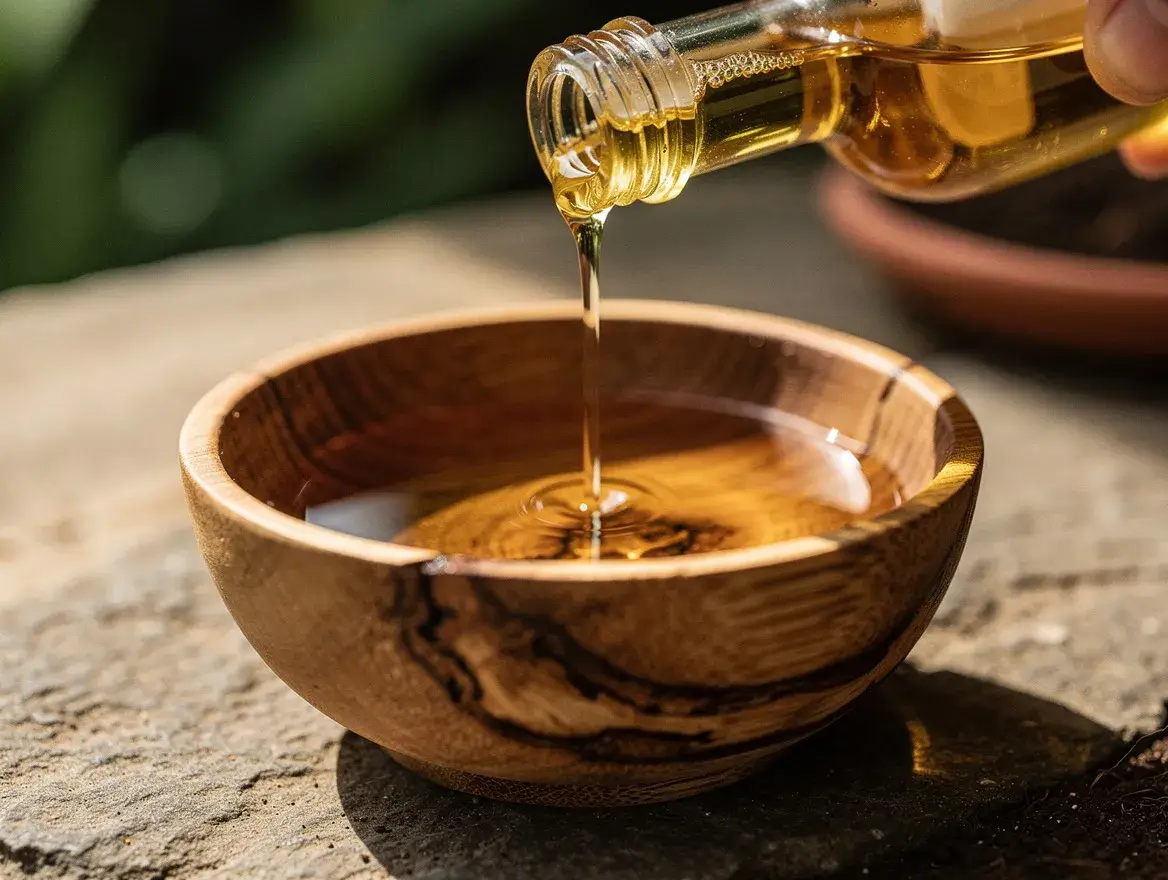
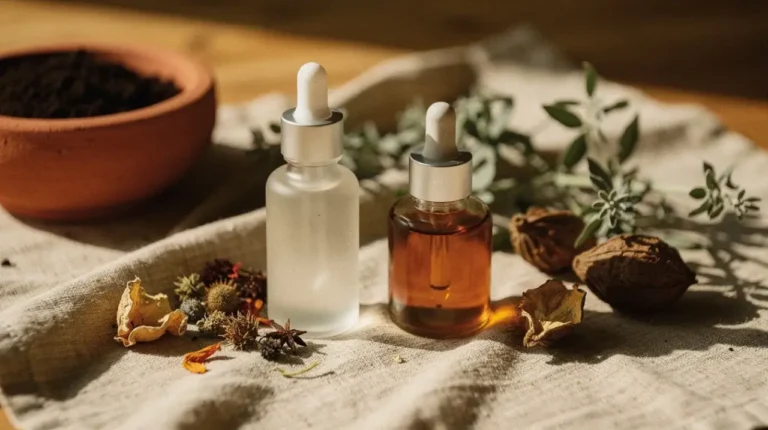
At its simplest, a natural stretch mark oil is a blend of plant-derived carrier oils, sometimes with a few essential oils added for scent and skin benefit, designed to be massaged into areas prone to stretching: the belly, hips, thighs, chest, and lower back. There is no single magic botanical here. The value comes from the combination, the quality of the oils, and the consistency of use.
The word natural deserves scrutiny, because it is the most abused word on a beauty label. To us it should mean the oil is built from recognisable, plant-based ingredients you could look up and understand, cold-pressed or gently extracted where possible, and free of the synthetic fillers, mineral oils, and mystery fragrance that cheaper blends lean on. A truly natural oil tends to have a short ingredient list. If you cannot pronounce two thirds of it, natural is doing a lot of quiet work in that marketing.
It also helps to know what a stretch mark oil is not. It is not a face treatment, and the two are not interchangeable. Body skin is thicker and more forgiving than facial skin, so body oils are richer and heavier than what you would put on your cheeks. If you are weighing up where an oil belongs, our guide to choosing between a face oil and a body oil walks through why one bottle rarely does both jobs well. A stretch mark oil sits firmly in the body-oil family: generous, slow-absorbing, made for massage.
What botanical oils can honestly do for stretch marks
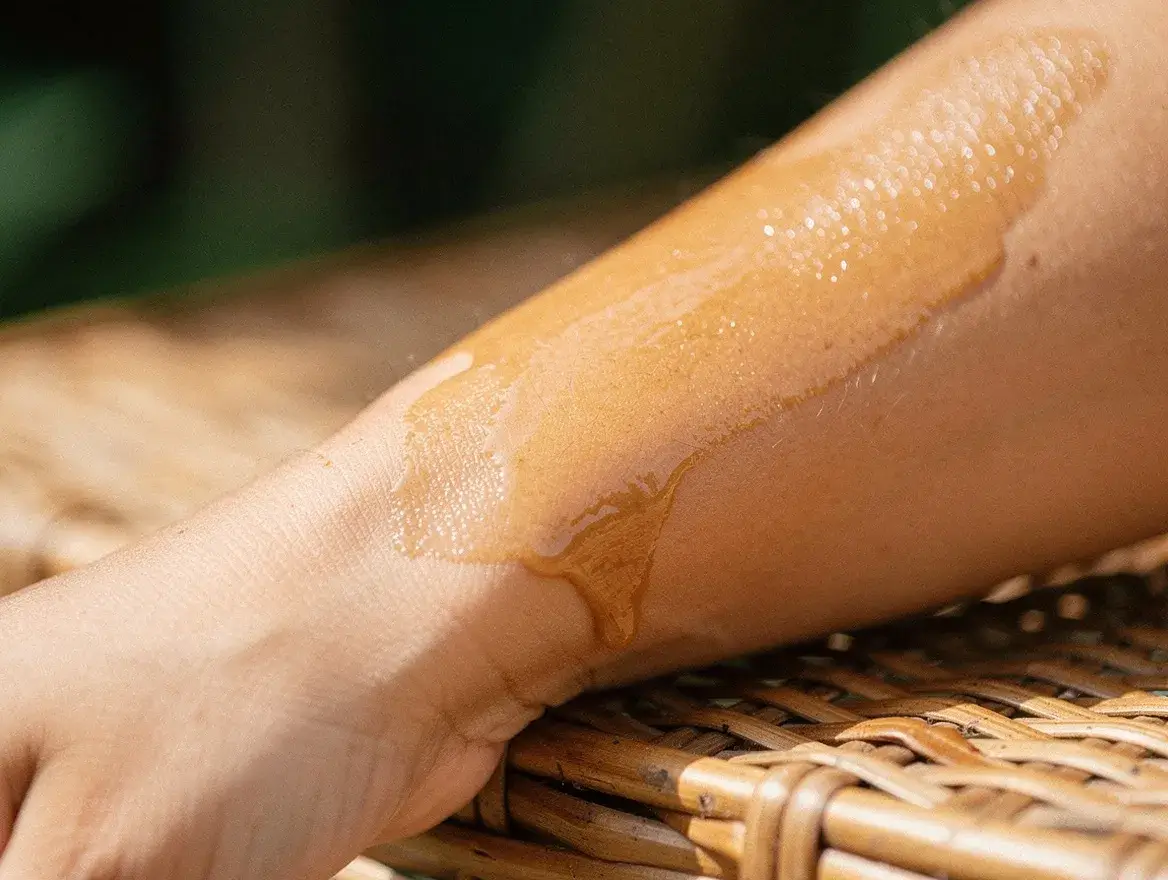
Here is where honesty matters most. Botanical oils work at the surface and just below it, and within that range they do real, worthwhile things. The first is comfort. Skin that is stretching quickly, in pregnancy or a growth phase, often feels tight, dry, and itchy. A rich oil relieves that tension almost immediately by reinforcing the skin barrier and slowing water loss, so the skin feels calmer within minutes of a massage.
The second is suppleness. Well-chosen oils are high in fatty acids and antioxidants that help keep the outer skin soft and pliable. Supple skin moves with the body more gracefully than dry, brittle skin, and there is a reasonable case that keeping skin well conditioned supports it through the mechanical stress of stretching. The evidence that any oil prevents stretch marks outright is genuinely mixed, and we will not pretend otherwise. What is far better supported is that consistent moisturising reduces itch and improves the look and feel of the skin surface, which for most people is the outcome they actually want.
The third is the ritual itself. The act of massaging oil in daily brings circulation to the area, encourages you to notice and care for your changing body, and turns a worry into a moment of connection. That may sound soft next to a clinical claim, but do not underestimate it. A ritual you keep for months will always outperform a miracle you abandon in a week. This is the same principle behind traditional Balinese lulur, the pre-ceremony body ritual where oil and touch are treated as care, not correction. If you want to build a fuller routine around it, our notes on gentle body exfoliation and skin prep pair naturally with a daily oil.
It helps to understand why oil behaves the way it does, because it shapes how you use it. Plant oils are largely occlusive and emollient, which is a plain way of saying they slow the water evaporating from your skin and fill the microscopic gaps between surface cells so the skin feels smoother. What they mostly do not do is add water. That is why timing matters so much: applied to skin that is still slightly damp, an oil seals in the moisture already there, and the two together leave skin far more hydrated than either alone. Understood honestly, an oil is less a treatment you rub onto a mark and more a daily discipline that keeps the whole area of skin in good condition while it stretches.
What a natural stretch mark oil cannot do
No oil erases an established stretch mark. Once a mark has settled into its mature, silvery-white stage, it is a form of scar tissue in the deeper dermis, and topical oils simply do not reach or rebuild that layer. Oils can improve the surface, the tone, and the texture around a mark, which often makes it less noticeable, but the idea of dissolving a scar with a plant extract is a fantasy the industry keeps alive because it sells.
Timing changes what is realistic. Fresh marks, the pink or purple ones still in their early inflammatory stage, respond far better to consistent moisturising than old ones do, because you are supporting skin while it is still actively changing. If your marks are years old, an oil will keep the skin soft and healthy, but expect comfort and glow rather than disappearance. That is not a failure of the oil. It is simply the biology being honest with you.
A few more truths worth holding. Oil is not sun protection, and marks, like any skin, look worse when sunburnt, so daytime coverage still matters (our piece on soothing sun-stressed skin covers the aftercare side). Oil is not a substitute for medical advice if a change in your skin worries you. And no product, natural or clinical, guarantees a body that never marks, because genetics, hormones, and how fast skin stretches all play a larger role than any bottle. We would rather you spend with clear eyes than with false hope.
The botanical oils that earn their place
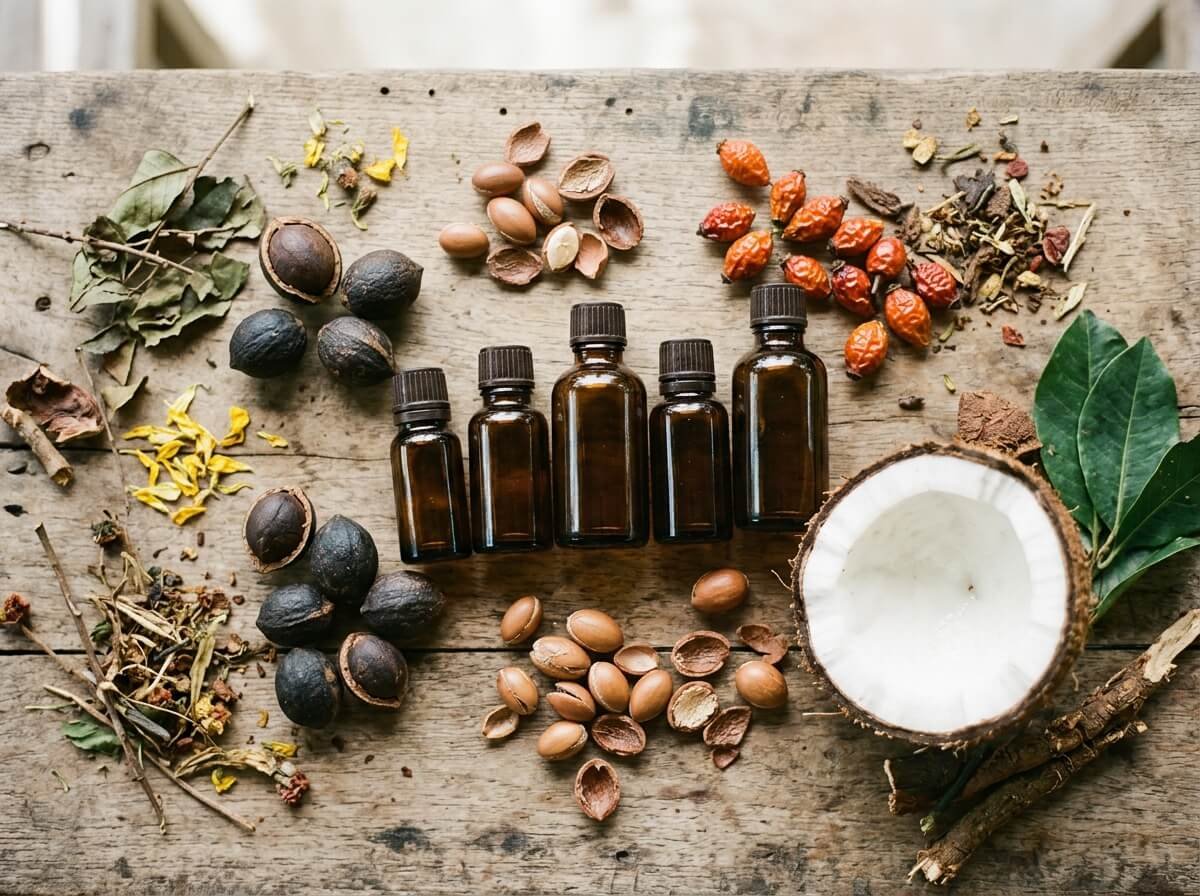
Not every plant oil deserves a spot in a stretch mark blend. These are the ones with a genuine reason to be there, judged on fatty-acid profile, tradition, and how they behave on real skin.

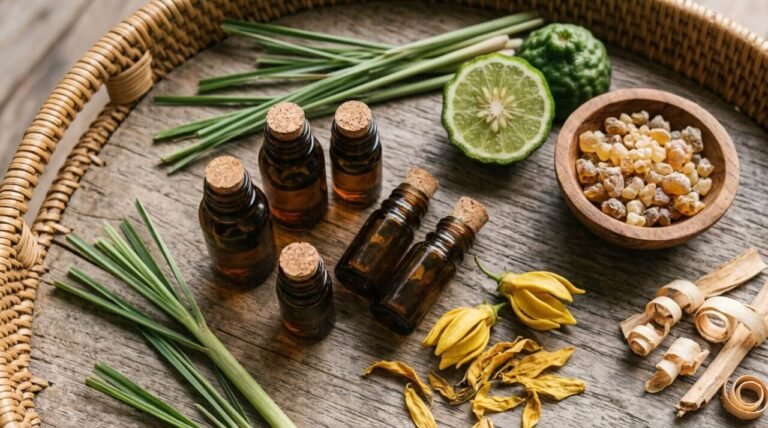
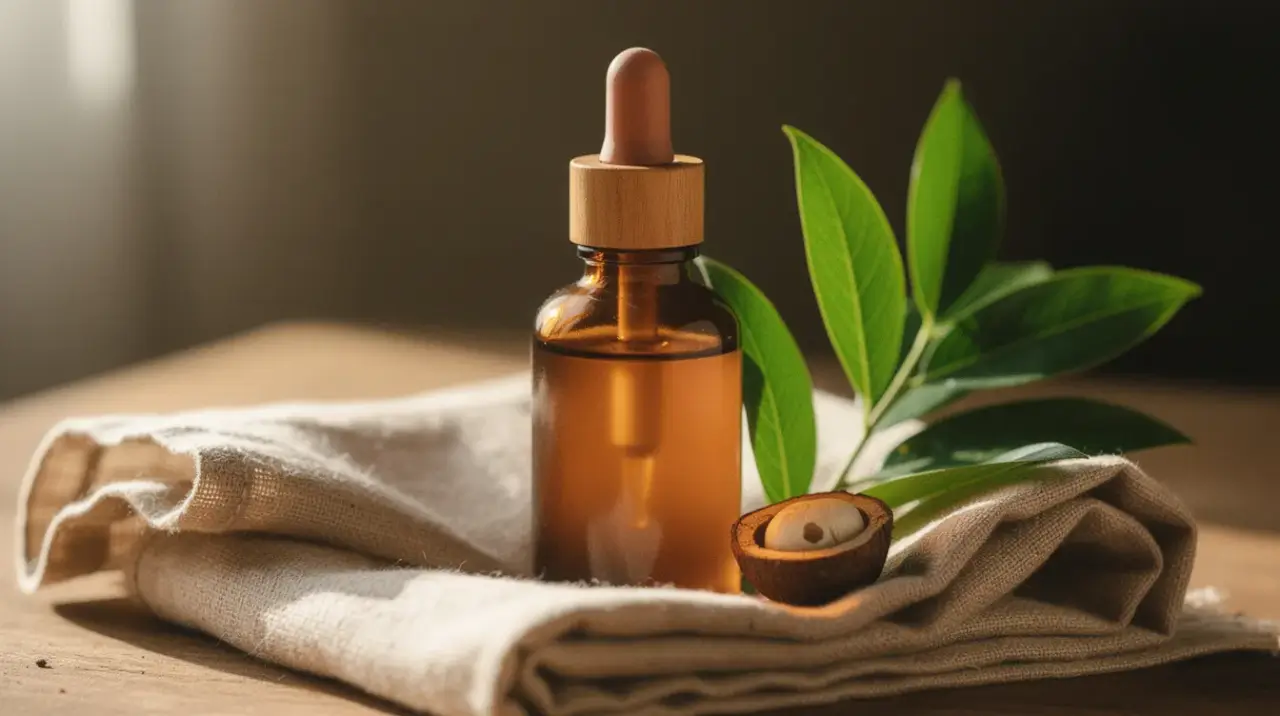
- Tamanu oil is the quiet standout. Pressed from the nut of the Calophyllum inophyllum tree, it has a long Pacific and Southeast Asian history in wound and scar care, and it is unusually rich in compounds associated with skin regeneration and comfort. If any single oil earns the reputation of a healer, it is this one. Our Tamanu Oil is cold-pressed and single-origin, and we compare it head to head with argan in our guide to the everyday oil and the healer.
- Argan oil is the versatile everyday base: light, high in vitamin E and oleic acid, and well tolerated by almost every skin type. It conditions without feeling occlusive, which makes it a graceful carrier in a body blend. A little Argan Oil goes a long way.
- Rosehip oil brings natural vitamin A precursors and a reputation for improving the look of scars and uneven tone over time. It is a favourite for maturing marks where you want to nudge texture and colour.
- Coconut oil is the Balinese workhorse, cold-pressed and deeply softening, ideal for relieving the tight, itchy feeling of stretching skin. Our Virgin Coconut Oil is sourced through our Aluan partnership on Bali’s coconut plantations.
- Illipe butter, wild-harvested in Kalimantan through our Forestwise partnership, is a rich barrier-support butter that keeps skin conditioned for longer between applications. It is care that protects the rainforest and your skin barrier at once.
- Kukui oil, pressed from the candlenut and long used in Balinese and wider Pacific ritual, is a light, fast-absorbing oil traditionally reached for on stretched, sun-worn, and newly healing skin. It adds a fine-textured conditioning without heaviness, and like our illipe it is wild-harvested through the Forestwise partnership.
You will notice these are carrier oils and butters, not essential oils. Essential oils can add benefit and scent, but during pregnancy in particular many should be used cautiously or avoided, so a stretch mark oil is one place where a simple, carrier-led blend is the wiser choice. When in doubt, fewer, better oils beat a long, showy ingredient list.
Vitamin E deserves a brief mention too, since it appears on almost every stretch mark oil label. As a natural antioxidant it helps keep the oils themselves fresh and supports the skin barrier, and several of the oils above, argan especially, carry it naturally. It is a useful supporting player rather than a hero, and a blend does not need a long list of added actives to work. What it needs is good oils, used often.

Make it a daily ritual, not a quick fix
Our Rose Allure Body Oil is a light, sensory body oil hand-blended in Bali, made for the slow massage this guide describes. Warm it between your palms, work it into stretching skin, and let care do the quiet work over time.
How to use a natural stretch mark oil: the daily ritual
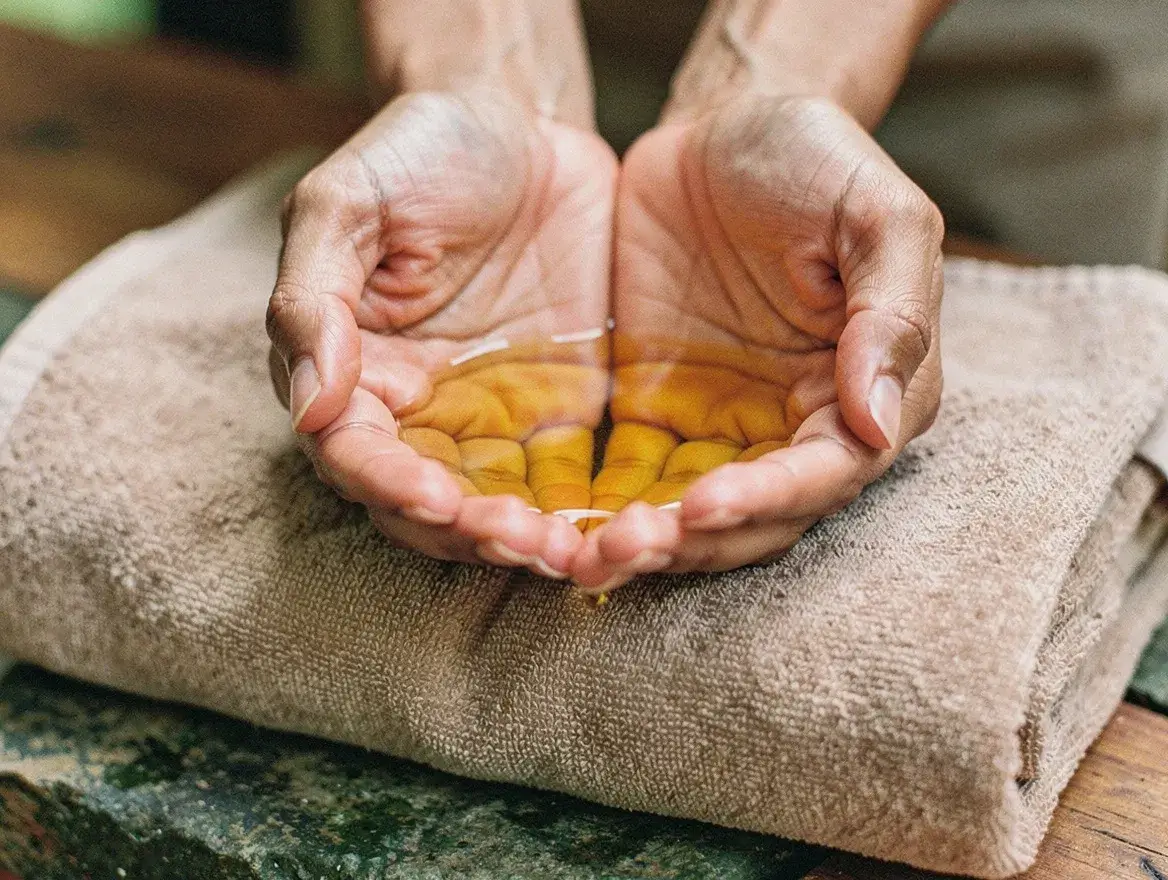
Consistency is the whole game. An oil used twice a day for months will do far more than the finest formula used sporadically. Here is the simple ritual we recommend, drawn from the way body oil has always been used in Bali: with warmth, with time, and with hands rather than haste.
- Warm the oil first. Pour a small amount into your palms and rub them together. Warm oil spreads further, absorbs better, and feels like care rather than a chore.
- Apply to slightly damp skin. The best moment is straight after a warm shower, while skin is still a little damp. The oil traps that surface water and locks in far more hydration.
- Massage, do not just smear. Work the oil in with slow circular strokes for a minute or two per area. The massage brings blood flow to the skin and is half the benefit. This is where a dedicated body oil earns its keep.
- Twice daily where you can. Morning and night is ideal, especially for fresh, actively stretching skin. If once a day is what fits your life, keep that, because a habit you sustain beats an ambition you drop.
- Give it time. Judge results over eight to twelve weeks, not days. Skin change is slow, and the honest reward is comfort and suppleness rather than a vanishing act.
A quick word on where else the oil earns its place. The same body oil is excellent on dry shins, elbows, and hands, so it rarely goes to waste. If your hands take the brunt of daily life, you might pair it with a richer treatment; our notes on choosing a natural hand cream that truly repairs sit alongside a body oil nicely. And if you are layering an oil into a broader routine, the way you sequence oils and creams matters as much on the body as it does on the face, a point we make in our guide to serums and oils.
How to read the label, and what to avoid
The label is where honest brands and hopeful marketing part ways. A few habits will help you choose well and avoid paying a premium for filler.
- Read the first three ingredients. They make up most of the bottle. You want to see recognisable plant oils there, not water, mineral oil, or an unnamed fragrance leading the list.
- Be wary of mineral oil and paraffinum. They are cheap occlusives that sit on the skin. They are not dangerous, but they are not the nourishing botanical care a natural oil should be, and they are often the tell of a blend padded out for margin.
- Treat fragrance as a question, not a given. A pleasant scent is lovely, but during pregnancy or on sensitive skin, an unspecified fragrance blend is worth pausing on. Oils scented lightly with named essential oils are easier to assess.
- Ignore the erase and prevent language. Any label promising to remove or guarantee against stretch marks is over-claiming. Honest copy talks about softening, conditioning, and comfort. If the promise sounds too clean, the formula rarely is.
- Look for sourcing you can trace. Cold-pressed, single-origin, wild-harvested, fair-sourced: these words mean something when a brand can back them. Vague natural on its own means very little.
This same read-the-label discipline serves you across all of body care, from oils to masks. If you enjoy this way of thinking, our honest comparison of a mud mask and a clay mask uses the same lens: what the ingredient actually does, and who it is right for.
Frequently asked questions
Can a natural stretch mark oil remove stretch marks completely?
No, and any product that claims to is overreaching. A natural oil can soften, condition, and improve the look and comfort of the skin around a mark, and it works best on fresh, still-changing marks. Established marks are a form of deep scar tissue that topical oils cannot rebuild.
Is it safe to use a stretch mark oil during pregnancy?
A simple carrier-oil blend of oils like coconut, argan, and tamanu is generally well suited to pregnancy, which is exactly when many people want one. The caution is with essential oils, several of which are best avoided or used sparingly in pregnancy. Choose a lightly scented or fragrance-simple oil, and check with your midwife or doctor if you are unsure.
When should I start using it, and how long until I see results?
Start as early as you can, before or during the period of rapid stretching, since fresh skin responds best. Give any oil eight to twelve weeks of consistent daily use before you judge it, and set your expectation on comfort and suppleness rather than disappearance.
Is a body oil or a body butter better for stretch marks?
They do slightly different jobs and pair well. An oil massages in easily and is ideal for the daily ritual, while a butter like our Bliss Body Butter gives a richer, longer-lasting barrier for very dry skin or overnight care. Many people use the oil after a shower and the butter before bed.
Do stretch mark oils only work for pregnancy?
Not at all. Skin stretches for many reasons: growth spurts in the teenage years, weight changes, and the muscle gain that comes with training. Anyone can use a natural body oil to keep that skin comfortable and supple, and the same daily massage ritual applies. Stretch marks are a shared human experience, not a single-season one.
Final thoughts
A natural stretch mark oil is not a miracle, and it was never meant to be. It is a small, honest act of care: a way to keep changing skin comfortable, supple, and tended, using botanical oils that have earned their place through tradition and how they behave on real skin. Choose one with a short, traceable ingredient list, use it daily with warm hands, and let your expectations rest where the truth is, on comfort and connection rather than erasure. Marks are simply proof of a body that lived and grew. Caring for the skin around them is a quiet kindness, and that is more than enough.
What you give, you get back, even in something as small as a nightly massage. If you are ready to begin, our Rose Allure Body Oil is a gentle, sensory place to start, hand-blended in Bali since 1989.