Natural face scrub: a formulator’s honest guide to gentle exfoliation
A good natural face scrub does something quietly remarkable: it clears away the dead skin, oil, and city grime that dull your complexion, and it does so without the plastic microbeads, harsh grains, or synthetic fragrance that so much conventional exfoliation still relies on. Used well, it leaves skin softer, brighter, and more receptive to everything you apply next. Used badly, or chosen badly, it can leave skin raw, sensitised, and worse off than before. The difference is almost never the marketing on the front of the jar. It is the ingredients on the back, and the way you use them.
At Utama Spice, we have hand-blended botanical skincare in Bali since 1989, and exfoliation is woven into the island’s own traditions of care, from the herbal lulur scrub used before ceremony to the simple rice-based cleansers passed down through generations. This guide is written from that vantage point: part formulator’s explainer, part honest buyer’s guide. We will walk through what a natural face scrub actually is, how physical exfoliation differs from chemical, how to read a label without being misled, which ingredients to avoid, and how to build the practice into your week without overdoing it. The goal is not perfection. It is a calm, informed ritual you can trust.
What a natural face scrub actually is
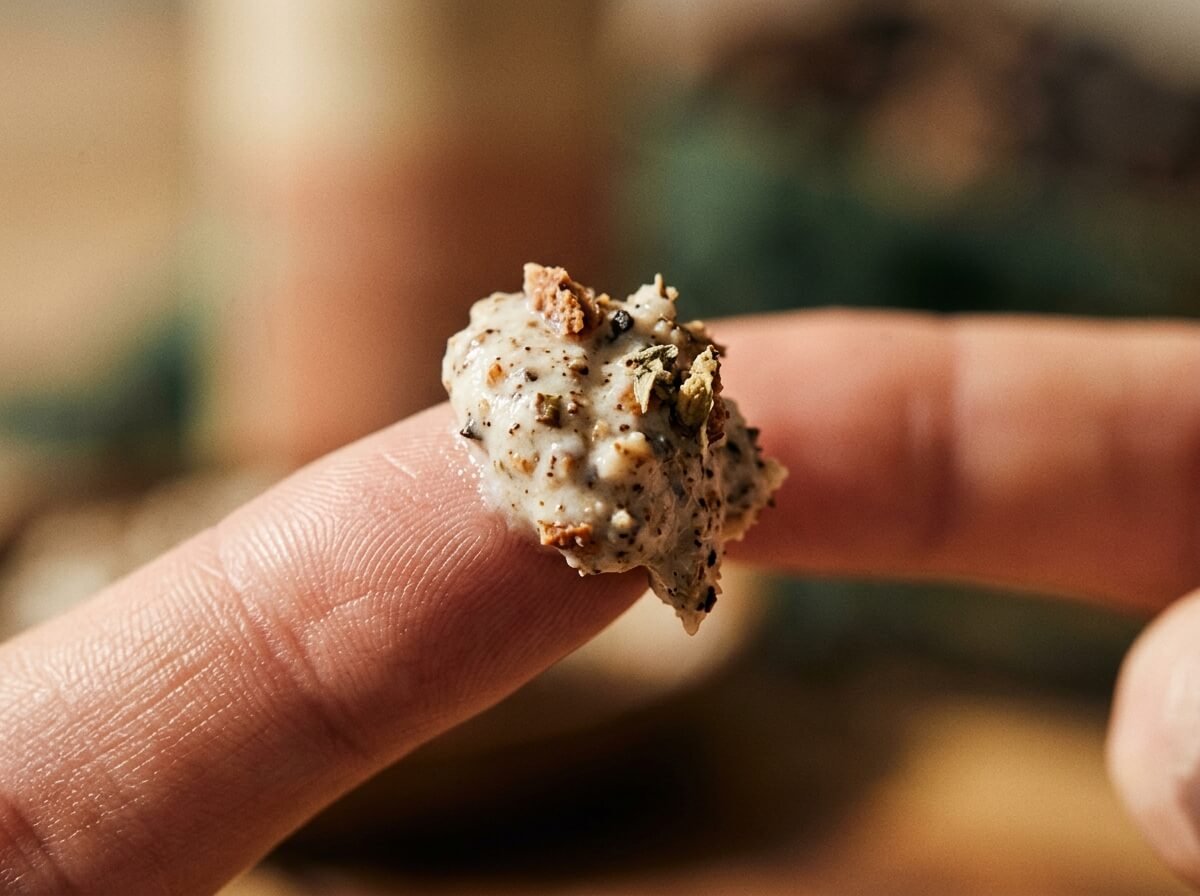
A natural face scrub is a cleanser with texture. Alongside a gentle base, it carries fine solid particles that physically loosen and lift the layer of dead cells sitting on the skin’s surface. That surface layer, the stratum corneum, sheds naturally on roughly a monthly cycle, but the process slows with age, sun exposure, and dehydration. When those cells linger, skin looks flat and feels rough, pores can appear more congested, and serums and oils struggle to absorb. A scrub speeds the shedding along, gently.
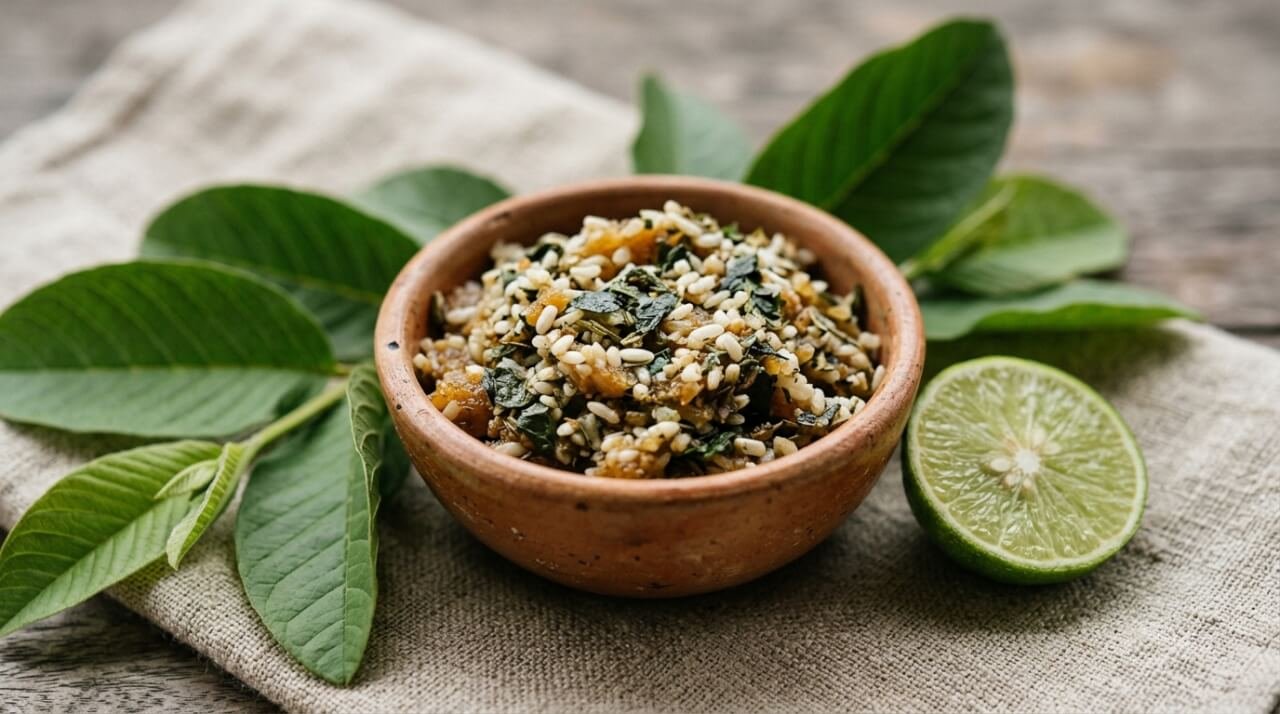
The word natural is where the honesty has to start, because it is not a regulated term. In the context we mean it, a natural face scrub uses exfoliating particles that come from plants or minerals rather than petroleum-derived plastic, sits on a base of botanical oils, plant butters, clays, or mild plant-derived cleansers, and skips synthetic fragrance and needless fillers. Traditional Balinese and wider Indonesian skincare has done this for centuries, long before the label existed, using rice bran, ground beans, coffee, salt, sugar, and crushed leaves. Our own Green Leaf Face Scrub, for instance, blends guava and jackfruit leaf powder with rice, a recipe rooted in what grows around us.
It helps to know what a scrub is not. It is not a daily cleanser, and it does not replace one; a scrub is an occasional step layered into your routine, while your everyday cleansing is better handled by a gentle natural face wash. It is also not a treatment for active, inflamed acne or broken skin, where scrubbing can spread bacteria and worsen irritation. Think of it as maintenance for healthy skin, not a rescue for troubled skin.
There is one more reason a natural face scrub earns its place. Your skin is a living surface with its own microbiome and barrier to protect, and a smooth, well-tended surface simply works better. When you clear away the dulling layer of dead cells, the botanical oils and serums you apply next can actually reach the skin that needs them, rather than sitting on top. Exfoliation, done gently, is what makes the rest of your ritual worthwhile. That is the quiet logic behind why almost every considered routine, Balinese or otherwise, includes it.
Physical exfoliation versus chemical exfoliation
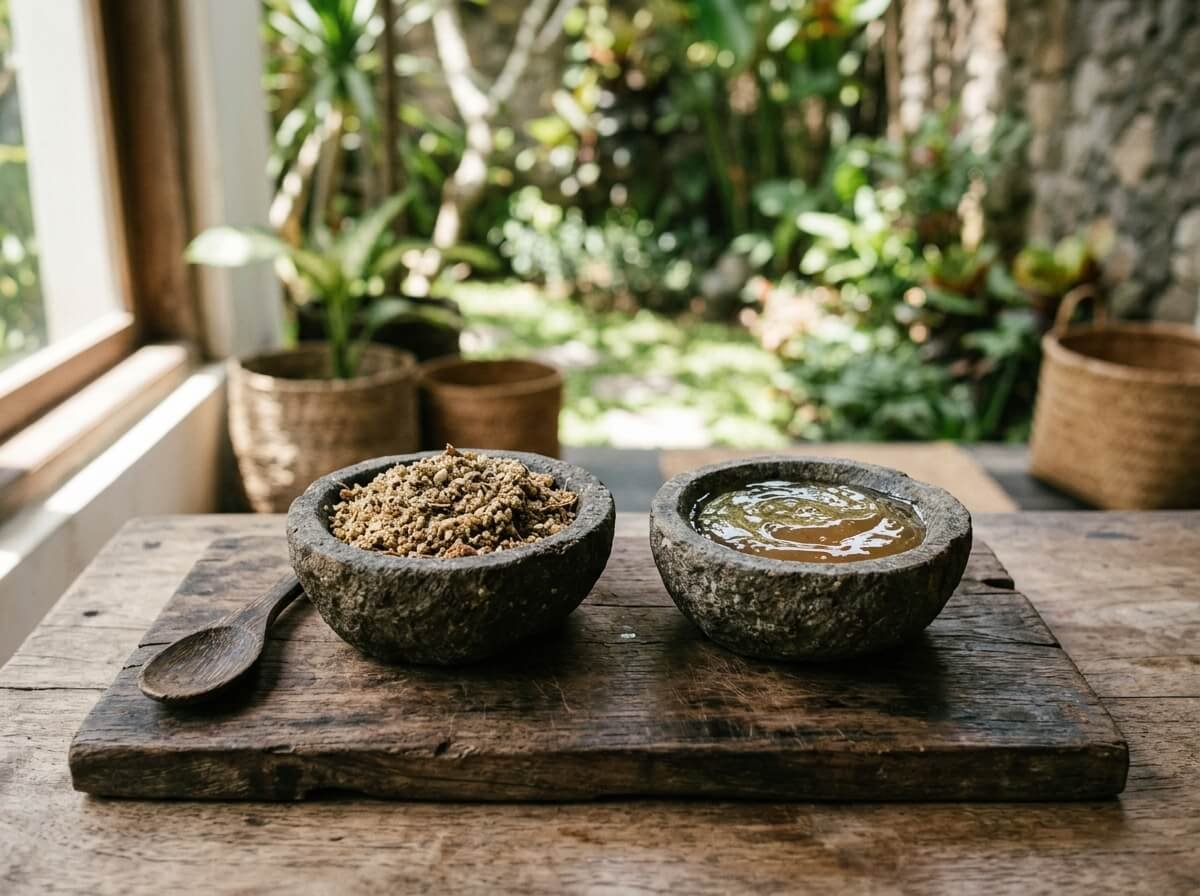
Exfoliation comes in two broad forms, and understanding the difference helps you choose well. Physical exfoliation, which is what a scrub does, uses friction: particles moved gently across the skin to dislodge dead cells. Chemical exfoliation uses acids or enzymes, such as fruit-derived AHAs, willow-bark salicylic acid, or papaya and pineapple enzymes, to dissolve the bonds holding those cells together so they release on their own. Neither is inherently better. They simply suit different skin and different moments.
Physical scrubs offer immediate, tactile results and a satisfying sense of ritual. You feel the smoothness right away, and you have full control over pressure and duration. The risk is that control cuts both ways: press too hard, choose grains that are too coarse or jagged, and friction can create tiny tears in the skin barrier. Chemical exfoliation is gentler on the surface and more even, but it works invisibly, can increase sun sensitivity, and takes time to show its effect. Many people find a balance by using a soft physical scrub once or twice a week and reserving stronger acids for a separate day.
There is a middle path worth naming, too. Some of the gentlest natural exfoliants are enzymatic fruit powders and finely milled grains that blur the line between the two categories, offering mild polishing with very little abrasion. This is the territory a well-made natural face scrub tries to live in: enough texture to work, little enough to stay kind. If your skin leans reactive, you may find a mineral-rich clay mask a softer route to the same clarity, since clay lifts oil and debris without any scrubbing at all.
One practical point ties the two methods together: whichever you choose, they add up. Using a physical scrub and a strong acid on the same skin, on the same day, is one of the fastest routes to an overworked barrier. If you enjoy both, space them across the week and let your skin set the pace. A scrub twice a week and an acid once, on separate days, gives most people all the renewal they need with room to recover. More is not better here. Consistency and restraint are.
How to read a natural face scrub label
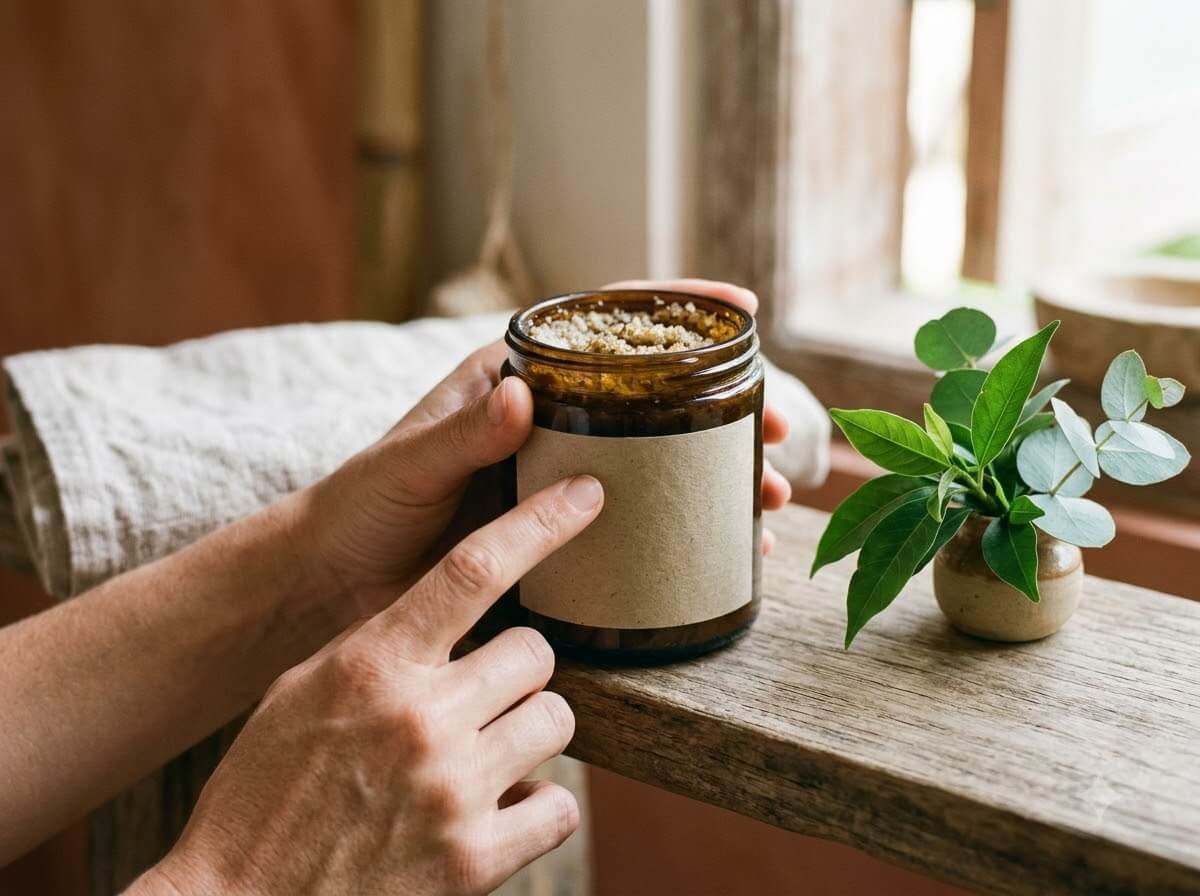
The front of a jar is written by the marketing team. The back is written by the formulator, and it is where the truth lives. Learning to read an ingredient list, which is ordered by concentration from most to least, is the single most useful skill a conscious shopper can build. Here is what to look for in a natural face scrub, roughly in the order it matters.
The exfoliating particle
This is the heart of the product. Favour particles that are naturally rounded or finely milled: rice bran, oat, finely ground coffee, jojoba beads (which are actually spherical wax, not plastic), or soft plant powders. Be cautious with anything sharp and irregular, such as coarsely crushed nut shells or fruit stones, which can micro-tear delicate facial skin. Salt and sugar are wonderful on the body but often too harsh for the face unless very finely ground.
The base
A good base cleanses and cushions. Look for plant oils and butters such as coconut, illipe, or shea, mild plant-derived surfactants, humectants like glycerin or aloe, and soothing botanicals. A base built around virgin coconut oil or wild-harvested illipe butter does double duty, buffering the friction of the grains while it nourishes.
The supporting cast
- Botanical extracts with a purpose: tea tree or lemongrass for blemish-prone skin, guava and jackfruit leaf for brightening, aloe for calm.
- A short, legible list. Fewer ingredients you can pronounce usually signals a more honest formulation.
- Preservation that makes sense. Water-based scrubs need a preservative; that is safety, not a red flag.
- Certifications or sourcing notes, such as wild-harvested, fair-trade, or refillable, that tell you where the ingredients came from and who they supported.
Particle size deserves a special mention, because it is the detail that decides whether a scrub feels polishing or punishing. On facial skin, smaller and rounder is almost always kinder. Fine rice bran, milled oat, and spherical jojoba glide; coarse, angular fragments drag. If you can see and feel large, hard pieces in the jar, that scrub was probably designed for the body, or designed to feel dramatic rather than to be gentle. Trust texture that feels like soft sand, not gravel.
Transparency is the whole game. If a brand will not tell you what is in the jar, or hides its exfoliant behind the vague word fragrance, that silence is an answer.
Ingredients a natural face scrub should never contain
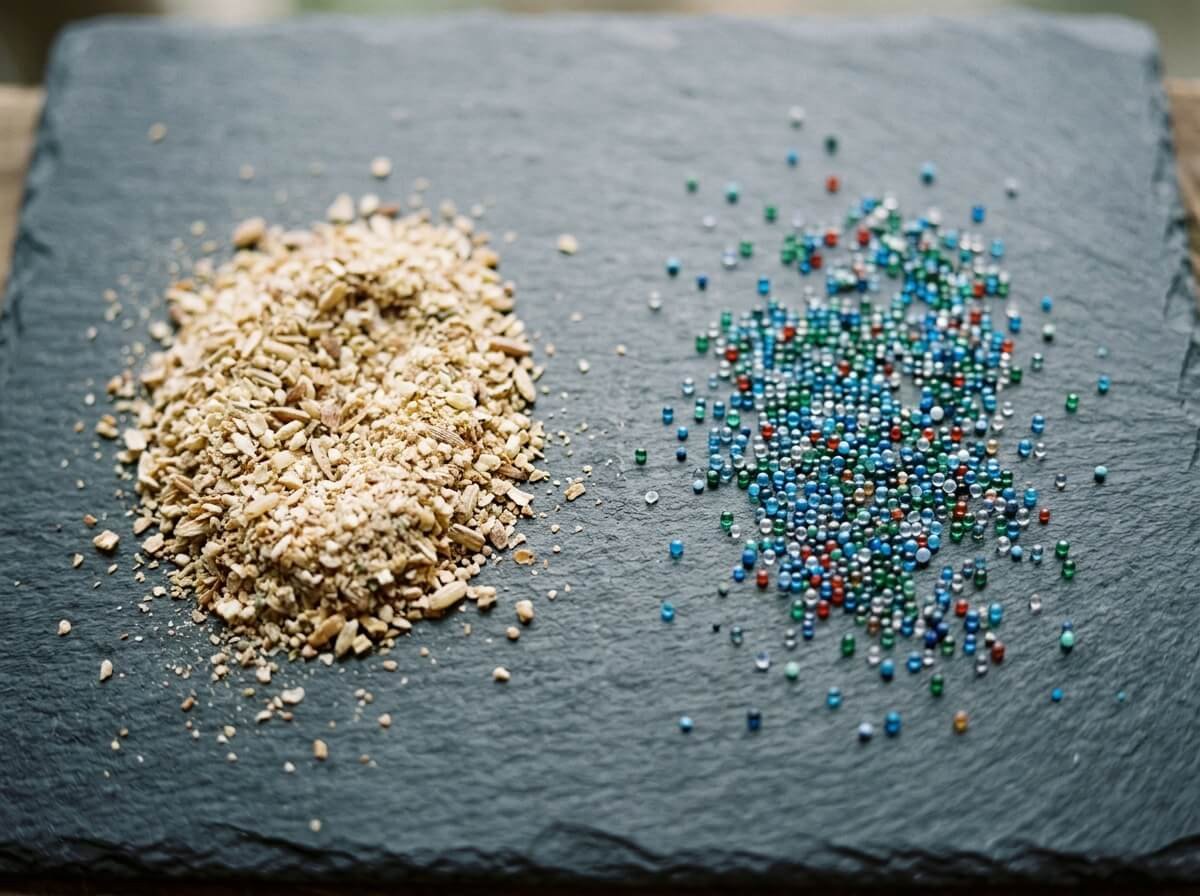
This is where honesty matters most, because plenty of scrubs sold as gentle or natural are neither. A few ingredients deserve a firm no.
Plastic microbeads. For years, the smooth little spheres in many exfoliants were polyethylene, tiny beads of plastic that rinse down the drain, slip through water treatment, and end up in oceans and, eventually, the food chain. Many countries have now banned them in rinse-off products, but they still surface in imported and older stock. There is no reason to accept plastic in a face scrub when nature makes better grains. This is not a small preference. Every gram of what we make, we offset by removing an equivalent weight of ocean plastic through our Seven Clean Seas partnership, because care that ends at your bathroom sink is not really care.
Harsh, jagged abrasives on facial skin. Crushed walnut shell is the classic offender: cheap, sharp-edged, and rough on a face. What feels like deep cleaning is often micro-damage. Synthetic fragrance is another to watch, since it is a common irritant and a frequent hiding place for undisclosed ingredients. And be wary of hollow eco language with nothing behind it, the jars that shout natural and pure while the ingredient list tells a different story. We do not chase those trends. We would rather show our work.

If your concern is blemish-prone or oily skin, the answer is not a rougher scrub but a smarter one. Our Tea Tree Face Scrub pairs gentle natural grains with tea tree, an ingredient whose antibacterial reputation is well studied; you can read more in our guide to tea tree essential oil benefits. It clears without stripping, which is exactly what reactive skin needs.

Meet the Tea Tree Face Scrub
Hand-blended in Bali with natural grains and no plastic beads, our Tea Tree Face Scrub lifts away dulling buildup while tea tree keeps blemish-prone skin calm and clear. Two or three times a week is all it asks. Refillable, small-batch, and made to work with your skin, not against it.
How to use a natural face scrub without overdoing it
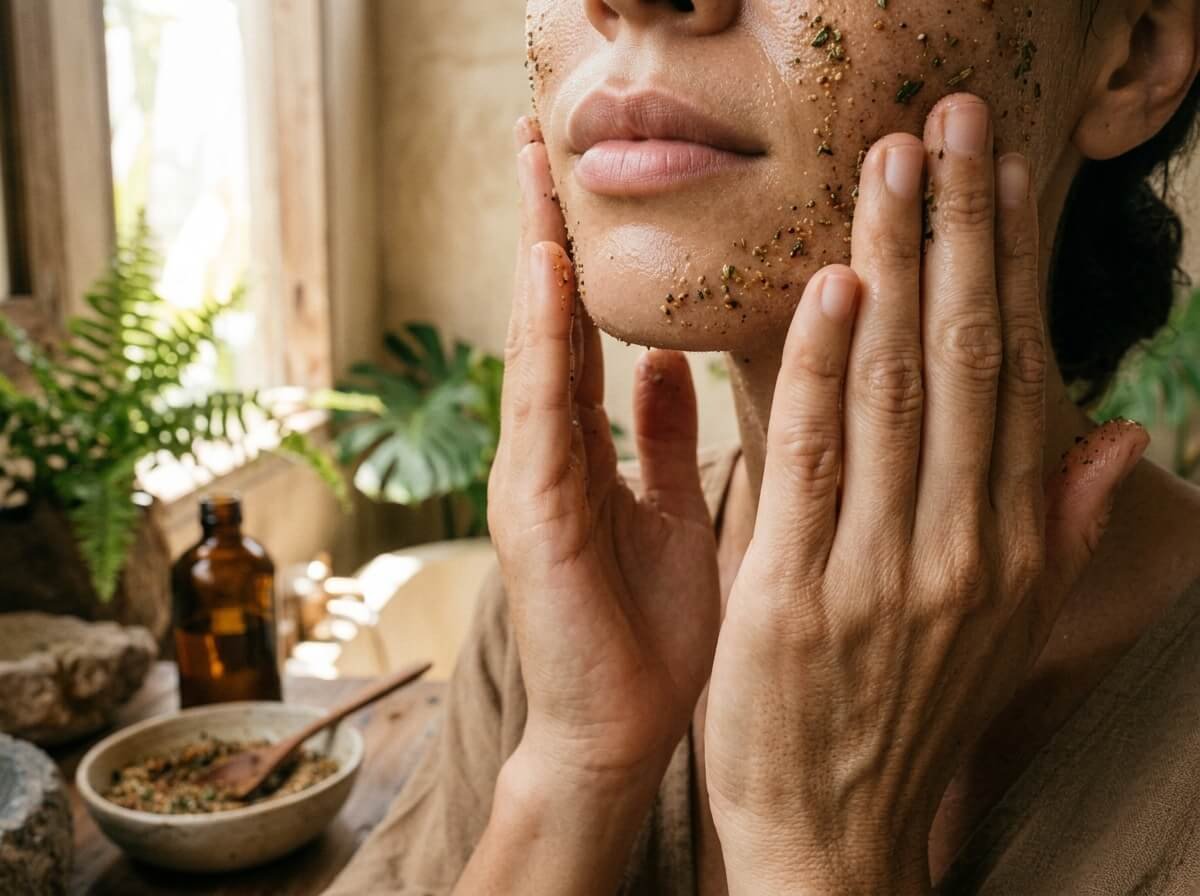
The most common exfoliation mistake is not choosing the wrong scrub. It is using the right one too often, or too hard. Over-exfoliation is quietly epidemic, and it shows up as tightness, redness, stinging when you apply other products, an oddly shiny or waxy look, and breakouts that will not settle. A compromised barrier cannot protect or hold water, so skin swings between greasy and flaky. The remedy is restraint. Here is a simple, calm method.
- Start clean and damp. Remove makeup and cleanse first with a gentle natural face wash, then leave skin slightly wet so the grains glide.
- Use a pea-sized amount. More product does not mean more benefit; it just means more friction.
- Let your fingers do very little. Massage in light, slow circles for around 30 seconds. The grains do the work; your hands only move them. Avoid the delicate eye area entirely.
- Rinse with lukewarm water, never hot, and pat, do not rub, dry.
- Restore immediately. Follow with a hydrating step and a nourishing natural face serum or facial oil to reseal the barrier you just cleared.
It helps to know what healthy, well-exfoliated skin actually feels like, so you can recognise the line before you cross it. After a good scrub, skin should feel soft, smooth, and calm, not tight or hot. There should be no stinging when you apply your serum, no persistent redness an hour later, and no sudden flaking in the days that follow. If any of those appear, your skin is telling you it has had enough. Put the scrub away for a week or two, keep to gentle cleansing and rich hydration, and let the barrier rebuild before you return.
How often? For most skin, once or twice a week is plenty. Sensitive or mature skin may do well with once a week or less; resilient, oily skin can sometimes handle two to three times. Listen to your skin rather than the calendar, and when it feels tender, skip. Exfoliation is a supporting ritual, not a daily obligation. On the days between, a splash of witch hazel as a gentle toner can keep things fresh without any abrasion at all. This is care as rhythm, the same slow logic behind a warming Balinese boreh: work with the body, in its own time.
Choosing a natural face scrub for your skin type
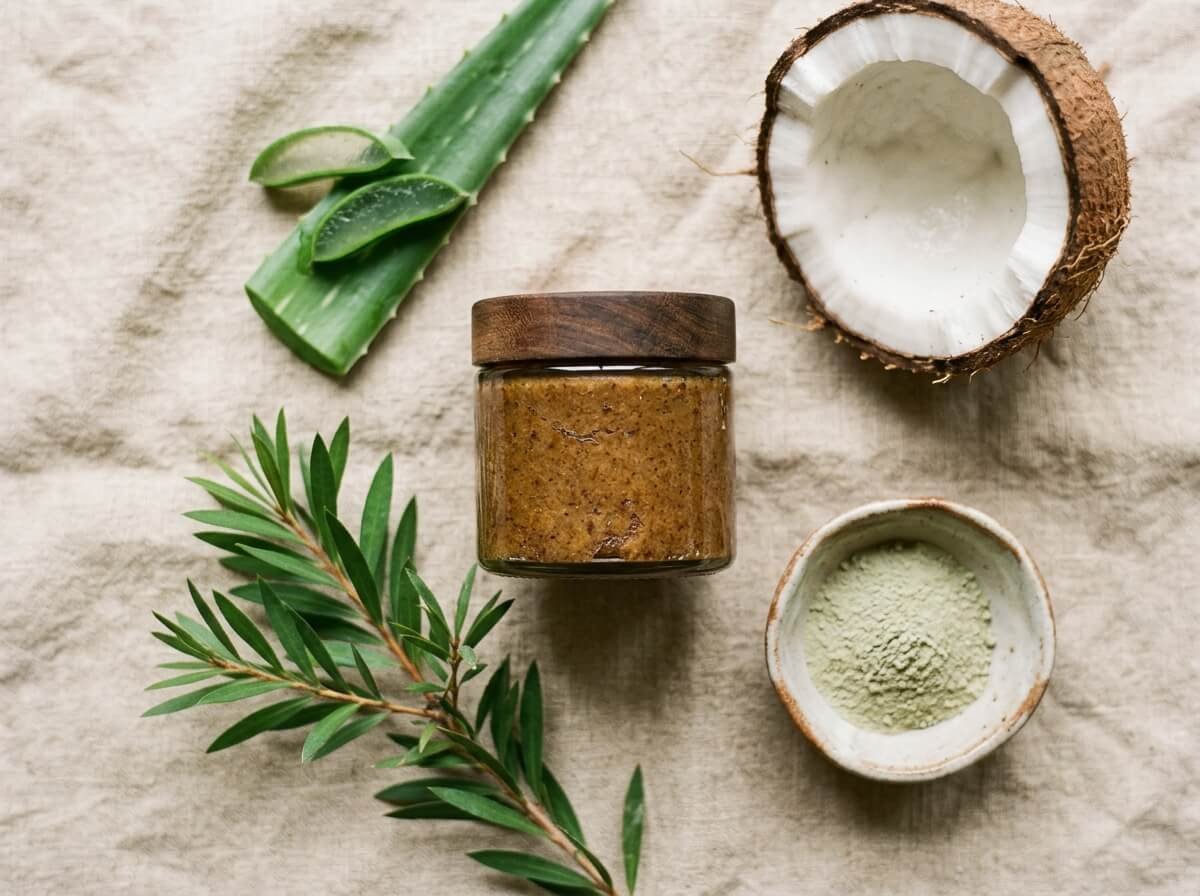
There is no single best natural face scrub, only the right one for your skin and season. Use this as a starting map, then adjust by feel.
Oily and blemish-prone skin
Look for lightweight grains and clarifying botanicals such as tea tree or lemongrass, on a base that cleanses without leaving residue. This skin type tends to tolerate exfoliation best, though even here, twice a week is usually the ceiling. Pair your scrub with an oil-balancing natural face wash on non-scrub days.
Dry and mature skin
Choose a scrub with a rich, oil-based cushion, coconut, illipe, or shea, and very fine particles. The aim is to reveal fresh skin while feeding it, not to strip an already thirsty barrier. Once a week is often enough, always followed by generous hydration.
Sensitive and reactive skin
Go gentlest of all: the softest grains, the shortest contact time, the lightest hand, and a fragrance-free formula. Many sensitive-skinned people are happier skipping physical scrubs in favour of a clay mask or a mild enzyme, both of which clarify with almost no friction. If you do scrub, patch-test first and treat once a week as a maximum.
Combination and normal skin
You have the most freedom. A balanced natural face scrub used one or two times a week, focusing extra attention on the oilier T-zone and a lighter touch on the cheeks, will keep skin smooth and even. Rotate with a mask when your skin asks for variety.
Natural face scrub: frequently asked questions
How often should I use a natural face scrub?
For most people, once or twice a week. Sensitive or mature skin often prefers once a week or less, while resilient, oily skin can sometimes manage two to three times. Tightness, redness, or stinging are signs to scale back.
Can I use a natural face scrub on acne?
Not on active, inflamed, or broken-out areas; scrubbing can spread bacteria and aggravate inflammation. On calmer, blemish-prone skin, a gentle scrub with an ingredient like tea tree can help keep pores clear. When in doubt, exfoliate around breakouts, not over them.
Is a face scrub the same as a body scrub?
No. Facial skin is thinner and more delicate, so face scrubs use finer, softer particles. Coarse salt or sugar scrubs made for the body can be too abrasive for the face. Keep the two separate.
What makes a scrub genuinely natural?
Plant- or mineral-derived exfoliating particles instead of plastic, a base of botanical oils, butters, clays, or mild plant surfactants, no synthetic fragrance, and a short, transparent ingredient list. The word on the label means little; the back-of-jar ingredients mean everything.
Should I exfoliate in the morning or at night?
Either works, but many prefer evening, when you can follow with a rich serum or oil and let skin recover overnight. If you exfoliate in the morning, always apply sun protection afterward, since fresh skin is more sensitive to light.
Are DIY kitchen scrubs a good idea?
Some are lovely; finely ground oats or rice are kind to skin. Others, like coarse sugar, coffee, or citrus straight on the face, can be too rough or disrupt the skin’s natural pH. A well-formulated scrub balances the grains, the base, and the preservation for you, which is hard to replicate at the kitchen counter.
One last thing worth saying, because it is part of how we think at Utama Spice: the most sustainable exfoliation is the kind that respects both your skin and the place your ingredients come from. Botanical grains break down instead of polluting waterways, refillable jars keep plastic out of the cycle, and sourcing that pays the communities who grow and gather the botanicals means the practice gives back on every side. Care that stops at your own reflection is only half of care. The fuller version reaches the rivers, the forests, and the hands that made the product.
A natural face scrub is a small ritual with an honest job: to clear the way so your skin can look and feel like itself. Choose one made from real botanical grains rather than plastic, read the back of the jar, use it gently and no more than your skin wants, and always restore afterward. That is the whole practice. It asks for attention rather than effort, and it gives back a quiet, steady kind of radiance, the sort that comes from care, not performance. What you give your skin, in the end, is what you get back.