Natural face wash: how to choose the right cleanser for your skin type
Choosing a natural face wash should feel simple, and yet the cleanser aisle has become one of the most confusing corners of skincare. Every bottle promises to be gentle, botanical, and pure, but the words on the front rarely tell you what is happening inside. A natural face wash is the first product most of us reach for each morning and the last thing we use each night, so it deserves more than a marketing claim. This guide is a calm, honest look at what a natural face wash actually is, how cleansing works, and how to choose one that suits your skin rather than fighting it.
We have been hand-blending botanical skincare in Bali since 1989, which means we have spent a long time listening to skin. What we have learned is that most cleansing problems come from using the wrong formula, not from washing too little or too much. Get the cleanser right, and the rest of your routine has a steadier foundation to build on. Below, we walk through the label language, the ingredient science, and a skin-type-by-skin-type way to choose, so you can find a natural face wash you trust and quietly forget about, in the best way.
What a natural face wash really is, and where the label gets slippery

Here is the honest starting point: the word natural has no legal definition in skincare. No regulator sets a bar a product must clear before it can call itself a natural face wash. That is not a reason for cynicism, it is a reason for reading. When the front of the bottle cannot be trusted to mean anything specific, the back of the bottle, the ingredient list, becomes the real conversation.
In practice, a genuinely natural face wash is one built around plant-derived cleansing agents, botanical extracts, and essential oils, with a short, readable ingredient list and no filler doing the heavy lifting. It cleanses using surfactants sourced from coconut or other plants, it draws on botanicals with a long tradition of use on skin, and it leaves out the synthetic dyes, harsh sulfates, and vague fragrance blends that many conventional cleansers rely on. The point is not purity theatre. The point is that you can look at the list and understand roughly what each thing is doing.
This is where greenwashing tends to live. A leaf on the label, a soft green colour, and a word like botanical can sit on top of a formula that is mostly conventional. We have written more about how to see past this in our guide to what clean beauty actually means beyond the label, and the same reading habit applies here. Turn the bottle over. If the ingredient list is long, unpronounceable end to end, and topped with a synthetic detergent, the leaf on the front is decoration, not description.
None of this means synthetic always equals bad or that natural always equals gentle. Some plant extracts irritate sensitive skin, and some lab-made ingredients are mild and well studied. What a natural face wash offers is transparency and a lighter footprint: ingredients you can trace back to a plant and a place, formulas that lean on generations of botanical knowledge rather than on aggressive cleansing power. For most people, that combination of readability and restraint is exactly what daily cleansing should be.
How a natural face wash cleanses without stripping your skin

To choose well, it helps to understand what a cleanser is doing. Washing your face is a chemistry problem with a simple goal: lift away oil, sweat, sunscreen, pollution, and dead skin cells without also stripping the healthy oils your skin needs. The ingredients that do the lifting are called surfactants. A surfactant molecule has one end that loves water and one end that loves oil, so it can grab the grime your skin cannot rinse off on its own and carry it down the drain.
The difference between a cleanser that leaves skin comfortable and one that leaves it tight and squeaky comes down to how strong those surfactants are. Harsh detergents like sodium lauryl sulfate clean efficiently, but they do not know when to stop. They keep going past the surface grime and pull out the lipids in your skin barrier, the mortar that holds your surface cells together and keeps water in. That is the tight feeling after washing, and it is not a sign of clean, it is a sign of a barrier under stress.
A well-made natural face wash uses milder, plant-derived surfactants, often built from coconut, that clean thoroughly at a gentler intensity. Coconut is the most versatile carrier we work with across our range, and coconut-derived cleansing agents rinse away dirt while leaving more of your own oils in place. The lather is usually softer and lower than a foaming supermarket cleanser, which can feel unfamiliar at first. Big, dense foam is a marketing cue, not a measure of cleaning. Gentle, low foam that rinses clean and leaves skin calm is the better sign.
The other quiet factor is pH. Healthy skin sits slightly acidic, around a pH of five, which supports the barrier and the microbes that live on it. Traditional soap is strongly alkaline, which is why bar soap can leave the face feeling tight and dry. A thoughtfully formulated liquid face wash sits closer to skin’s own range, cleansing without swinging your skin far out of balance. If you have ever wondered why your gentle-looking bar soap still leaves your face uncomfortable, pH is usually the answer, and it is one more reason a purpose-made facial cleanser beats a generic soap for daily use.
How to choose a natural face wash by skin type
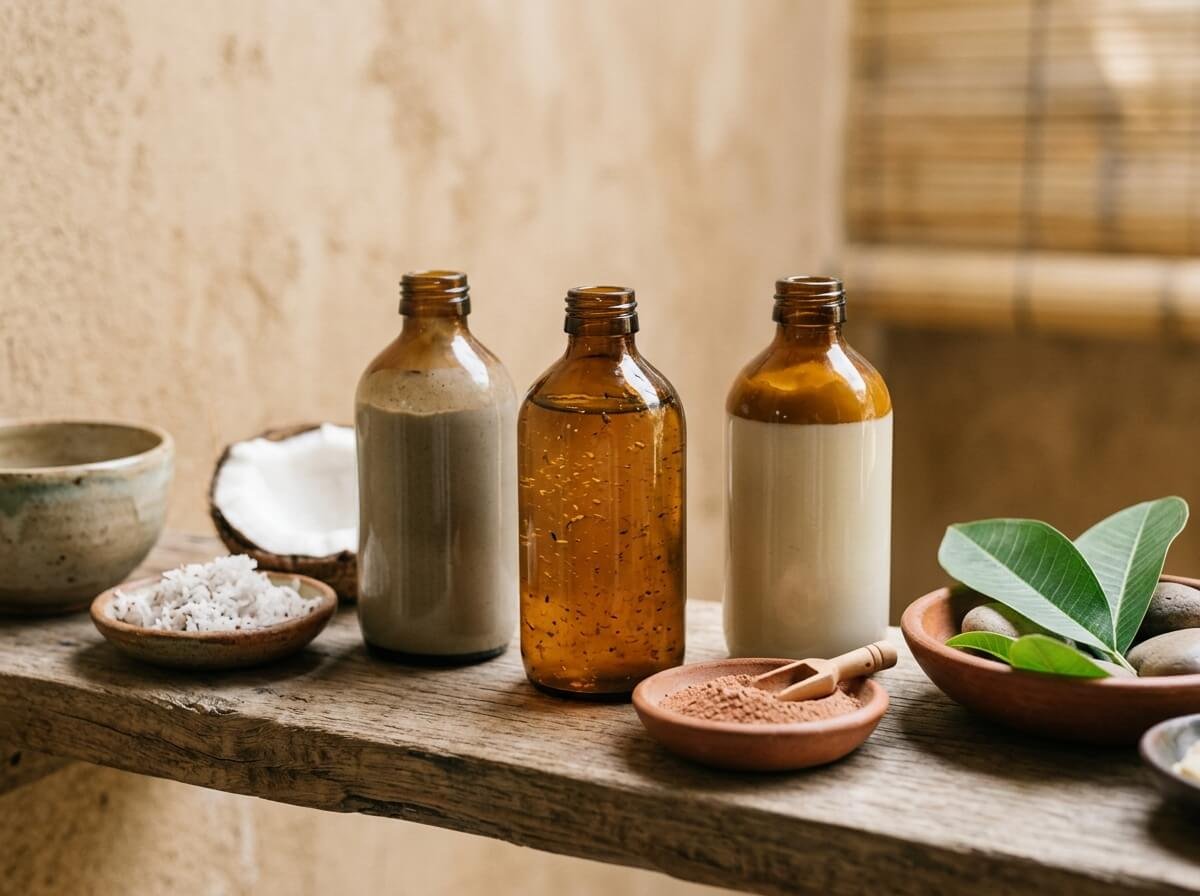
There is no single best natural face wash, only the right one for your skin right now. Skin also shifts with the seasons, with age, and with where you live, so treat this as a starting map rather than a fixed rule. Here is how to think about it, skin type by skin type.
Not sure where you land? A simple test helps. Wash your face, wait an hour without applying anything, then notice how your skin feels. Tight all over points to dry skin, shiny across the forehead, nose, and chin points to combination or oily, comfortable and even suggests balanced skin, and quick redness or stinging suggests sensitivity. Skin can belong to more than one of these, and that is normal.
Normal and balanced skin
If your skin is neither especially oily nor especially dry, you have room to choose a gentle, everyday botanical cleanser and stay with it. Balanced skin does best with a straightforward formula that cleanses and refreshes without any strong corrective action. The aim here is consistency rather than intervention: a calm cleanser used with care, twice a day, keeps balanced skin exactly where it already is. This is the group with the widest choice, so let scent, texture, and how your skin feels afterwards guide you.
Oily and combination skin
If your skin looks shiny by midday, especially across the forehead, nose, and chin, you have oilier skin that benefits from a cleanser with a little more purifying power. Look for clay, which absorbs excess oil, and gentle botanical astringents. Our Pore Cleansing Facial Wash with Clay was built for exactly this: the clay draws out debris so pores look smaller and clogged-pore breakouts have less to feed on. The mistake to avoid here is over-washing. Stripping oily skin only prompts it to produce more oil, so cleanse well twice a day and stop there. If your pores are your main concern, our guide to natural pore cleansers goes deeper.
Dry and mature skin
Dry skin needs a cleanser that respects what little oil it has. Reach for creamy, low-foam formulas rich in botanical oils and humectants that cleanse and condition in the same step. Avoid anything with drying alcohol high in the ingredient list, and skip strong foaming cleansers that leave skin tight. After washing, dry skin especially benefits from sealing in moisture straight away, so pair your cleanser with a good natural face moisturizer while skin is still slightly damp. A few drops of a natural face oil afterwards can help mature skin hold on to comfort through the day.

Sensitive and reactive skin
Sensitive skin does best with the shortest, calmest ingredient list you can find. The fewer potential triggers, the better. Look for soothing botanicals and steady, low-intensity surfactants, and be cautious with high concentrations of essential oils, which can be lovely for some skin and too much for reactive skin. Our Serenity Face Wash leans into this softness, cleansing gently with calming essential oils rather than aggressive detergents. When skin is reactive, change one thing at a time and give each new product a couple of weeks before you judge it.
Acne-prone skin
Acne-prone skin wants thorough cleansing without the harshness that pushes the barrier into a cycle of irritation and rebound oil. A cleanser designed to clear dirt, grime, and makeup while staying gentle is the goal, which is what our Acne Facial Wash is made to do. Resist the urge to scrub hard or wash constantly. Consistent, gentle cleansing paired with a light routine tends to calm breakout-prone skin far more reliably than an aggressive one.
Ingredients worth looking for, and the ones worth skipping
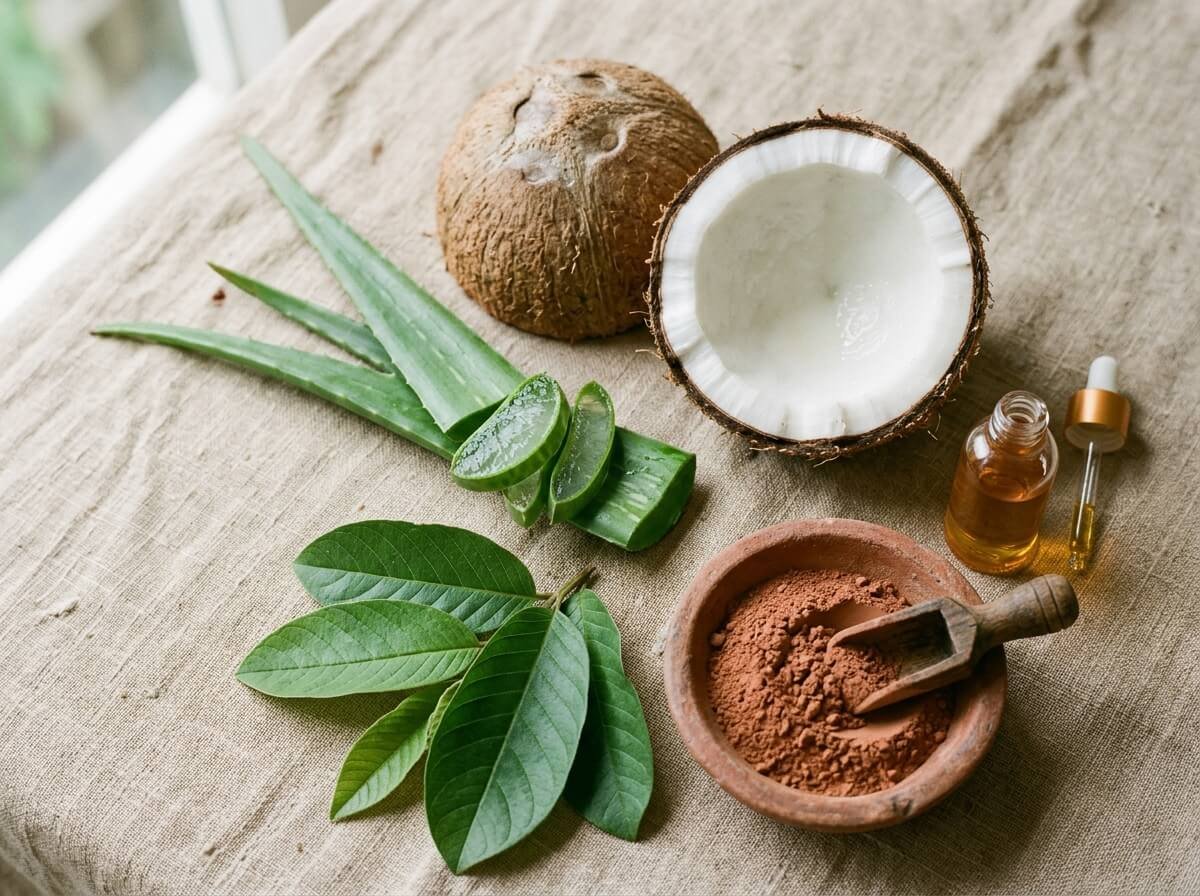
Once you are reading the back of the bottle, a few friendly names are worth recognising. Coconut-derived surfactants, listed under names that begin with coco, do the gentle cleansing work. Aloe vera soothes and hydrates as it cleanses. Botanical oils and butters, such as the illipe butter and kukui oil we wild-harvest in Kalimantan, condition the skin so it does not feel stripped. Green tea and other plant extracts bring antioxidants along for the ride. Clay, in an oilier-skin formula, absorbs and clarifies. None of these are exotic once you have met them, and that familiarity is the whole point.
On the skip side, a short watchlist covers most of it. Sulfates such as sodium lauryl sulfate and sodium laureth sulfate are the harsh foamers that tend to strip. Fragrance or parfum, listed with no further detail, can hide dozens of undisclosed compounds and is a common trigger for reactive skin. Drying alcohols high in the list can leave skin tight. Synthetic dyes add colour and nothing else. This is the same reading habit worth building across your whole shelf, and our overview of clean beauty beyond the label lays out the wider list.
For most people with balanced skin who simply want a daily cleanser they can trust, a straightforward botanical formula is the easy answer. Our Bliss Botanical Face Wash is built on that principle: natural botanicals and essential oils that clean and refresh without the strip, hydrating as they go. It is the kind of cleanser you can use morning and night without thinking twice, which is exactly what a good natural face wash should be.

A daily botanical cleanser you can trust
Bliss Botanical Face Wash cleanses and refreshes with natural botanicals and essential oils, hydrating skin instead of stripping it. Hand-blended in Bali, gentle enough for every day, morning and night.
How to wash your face well: a simple daily ritual

The right cleanser matters, and so does how you use it. In Bali, bathing has never been rushed. The mandi, the traditional water ritual, treats washing as a moment of care rather than a chore to get through. You can borrow that spirit at your own sink, and your skin will thank you for the calm.
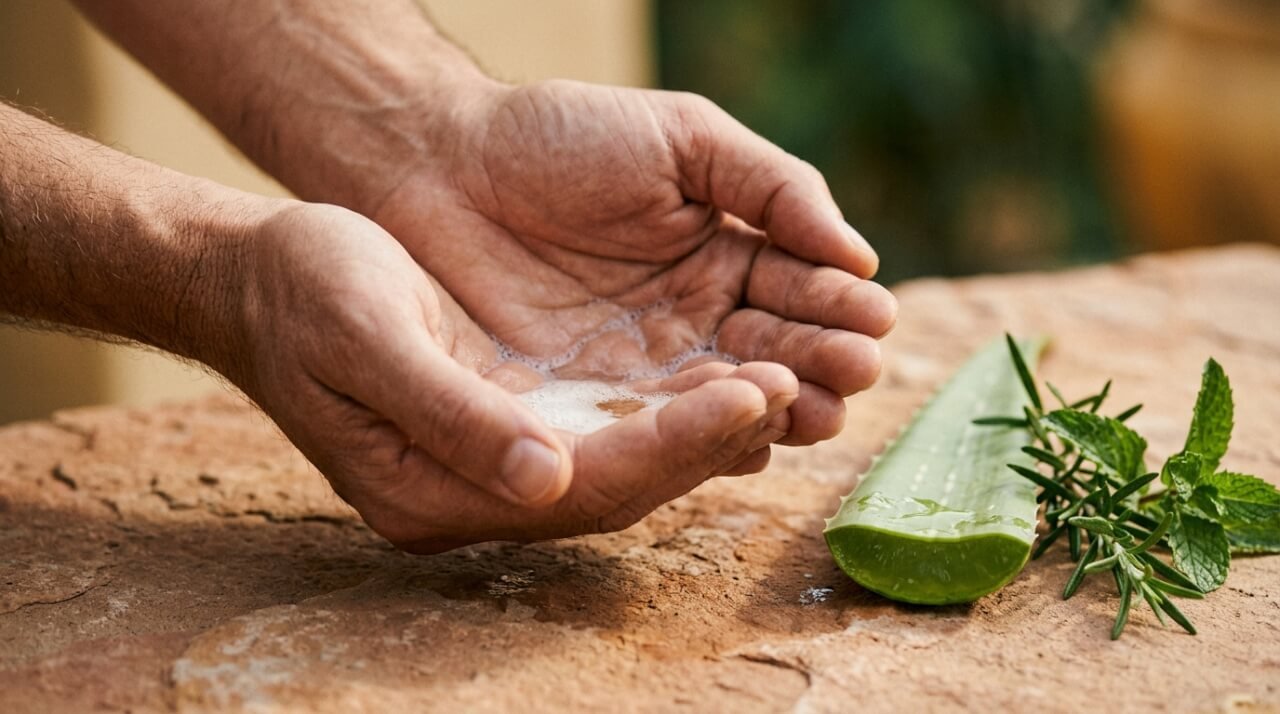
Start with lukewarm water, never hot. Hot water feels cleansing but strips oils and leaves skin tight. Wet your face, warm a small amount of cleanser between your palms, then massage it over your skin in slow, light circles for around 30 seconds. There is no need to press hard or scrub. Your hands are the gentlest tool you own, so let the surfactants and the time do the work rather than friction.
Rinse thoroughly, because leftover cleanser can cause its own irritation, then pat, do not rub, with a soft towel. Leave your skin slightly damp and follow immediately with the rest of your routine while the surface is still receptive. Most skin needs cleansing twice a day, morning and night. If your skin is very dry or sensitive, a splash of water in the morning and a proper cleanse at night can be plenty. Once or twice a week you might add gentle exfoliation, and our guide to how to safely exfoliate your face covers that without overdoing it.
Cleansing is the foundation the rest of your care sits on, so it is worth setting up thoughtfully. If you are building your regimen from scratch, our walkthrough on building a natural skincare routine shows where the face wash fits, and our face washing tips gather the small habits that make the biggest difference. Small, steady acts of care, repeated daily, are what real results are made of.
Natural face wash questions, answered
Is a natural face wash strong enough to remove makeup and sunscreen?
For light makeup and most daily sunscreen, a good botanical cleanser is enough, especially if you take your time. For heavy or long-wear makeup and water-resistant sunscreen, a first step with a plant oil or balm to dissolve it, followed by your face wash, works beautifully. This is the double cleanse, and it lets your natural face wash do its job on genuinely clean skin rather than fighting through a layer of product.
How often should I wash my face?
Twice a day suits most skin: once in the morning and once at night. Night cleansing matters most, since that is when the day’s sunscreen, pollution, and oil come off. If your skin is very dry or reactive, a gentle water rinse in the morning and a full cleanse at night can be all you need. Let your skin, not a rule, guide the frequency.
Why does my natural face wash foam less than my old cleanser?
Rich, dense foam usually comes from sulfates, the same surfactants most likely to strip your skin. Gentle plant-derived cleansers produce a softer, lower lather. It can feel unfamiliar if you are used to a big supermarket foam, but low foam that rinses clean and leaves skin comfortable is doing its work well. Foam is a sensory cue, not a measure of clean.
Can a natural face wash help with breakouts?
It can, when it clears excess oil and debris without stripping the barrier. Over-washing and harsh scrubbing tend to make breakouts worse, not better, by pushing skin into irritation and rebound oil. A gentle, consistent cleanser, chosen for your skin type, gives blemish-prone skin a calmer foundation. Pair it with a light routine and give it a few weeks.
What does natural actually mean on a face wash label?
On its own, not much, because the word is unregulated. What matters is the ingredient list: plant-derived cleansing agents, recognisable botanicals, and an absence of harsh sulfates, synthetic dyes, and undisclosed fragrance. Read the back of the bottle, trust the list over the leaf on the front, and you will always know what you are really buying.
A natural face wash is a small daily choice, and small daily choices are where real care begins. Choose the formula that suits your skin, use it with a little patience, and let it become the quiet, steady start and end to your day. That is what we craft for, in Bali, with care, one honest bottle at a time.