Illipe butter vs shea butter: an honest, sensory guide to two rich botanical butters
If you have ever stood in front of two jars of body butter, one labelled illipe and one labelled shea, and wondered which one your skin actually wants, this guide is for you. The short answer to illipe butter vs shea butter is that both are rich, plant-based butters that soften and protect the skin, yet they behave differently once you work them in. Illipe butter is firmer, more stable, and wild-harvested from the rainforests of Kalimantan. Shea butter is softer, more widely known, and rooted in West and East African tradition. Understanding how they differ, in texture, in fatty-acid makeup, and in how they are sourced, makes it far easier to choose well.
We have worked with illipe butter in Bali for years, so we know it intimately, and we hold shea butter in genuine respect. This is not a piece about one butter winning. It is an honest, sensory comparison so you can match the right butter to the right ritual, and read a label with clear eyes.
Over the next few sections we will look at where each butter grows, how it feels and smells, what its fatty acids actually do, which one suits a stressed skin barrier, and the sourcing questions that matter most. By the end you will be able to pick up any jar, read the label, and know what you are holding.
Illipe butter vs shea butter: where each one comes from
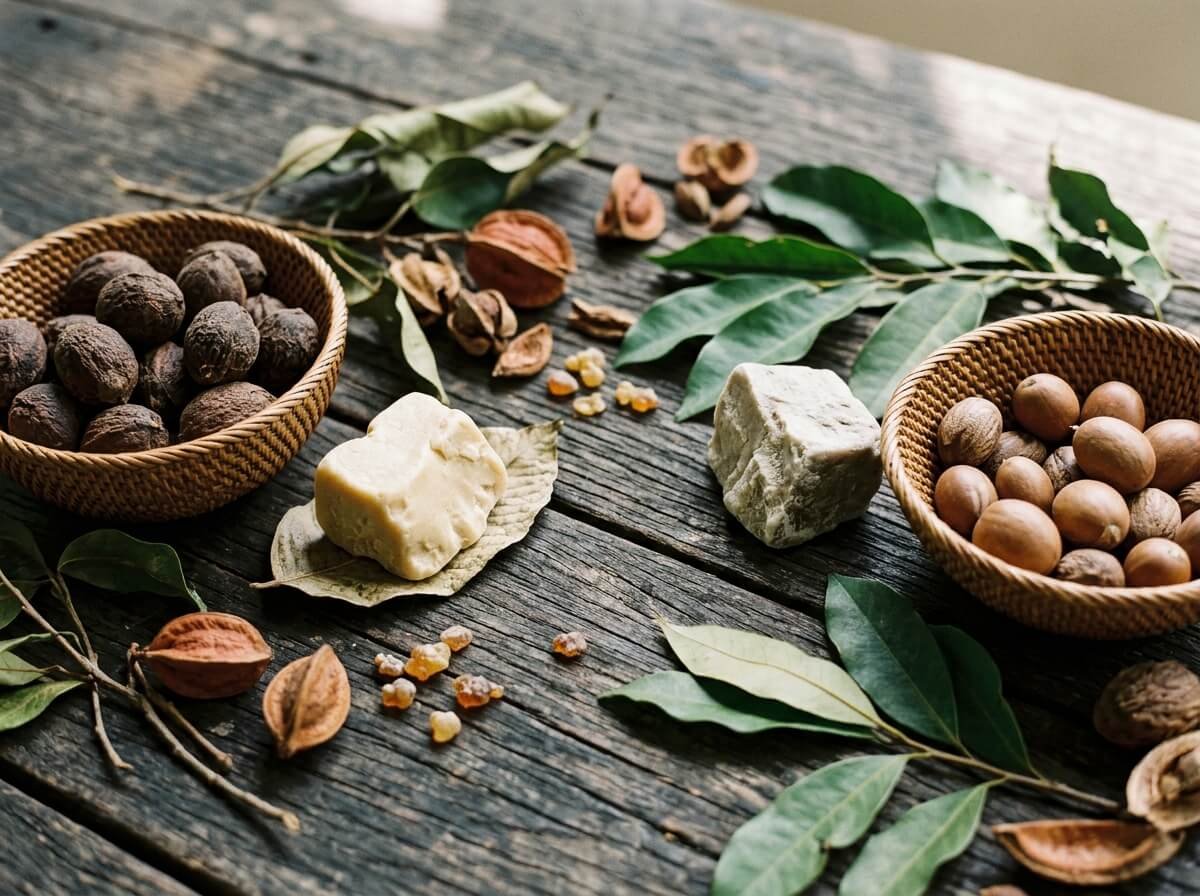
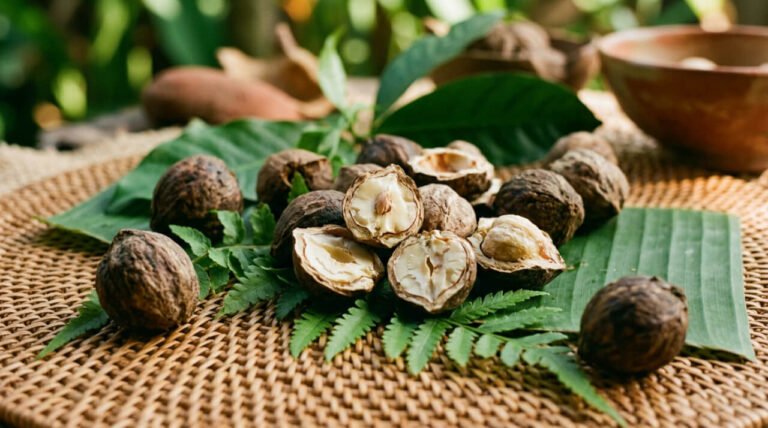
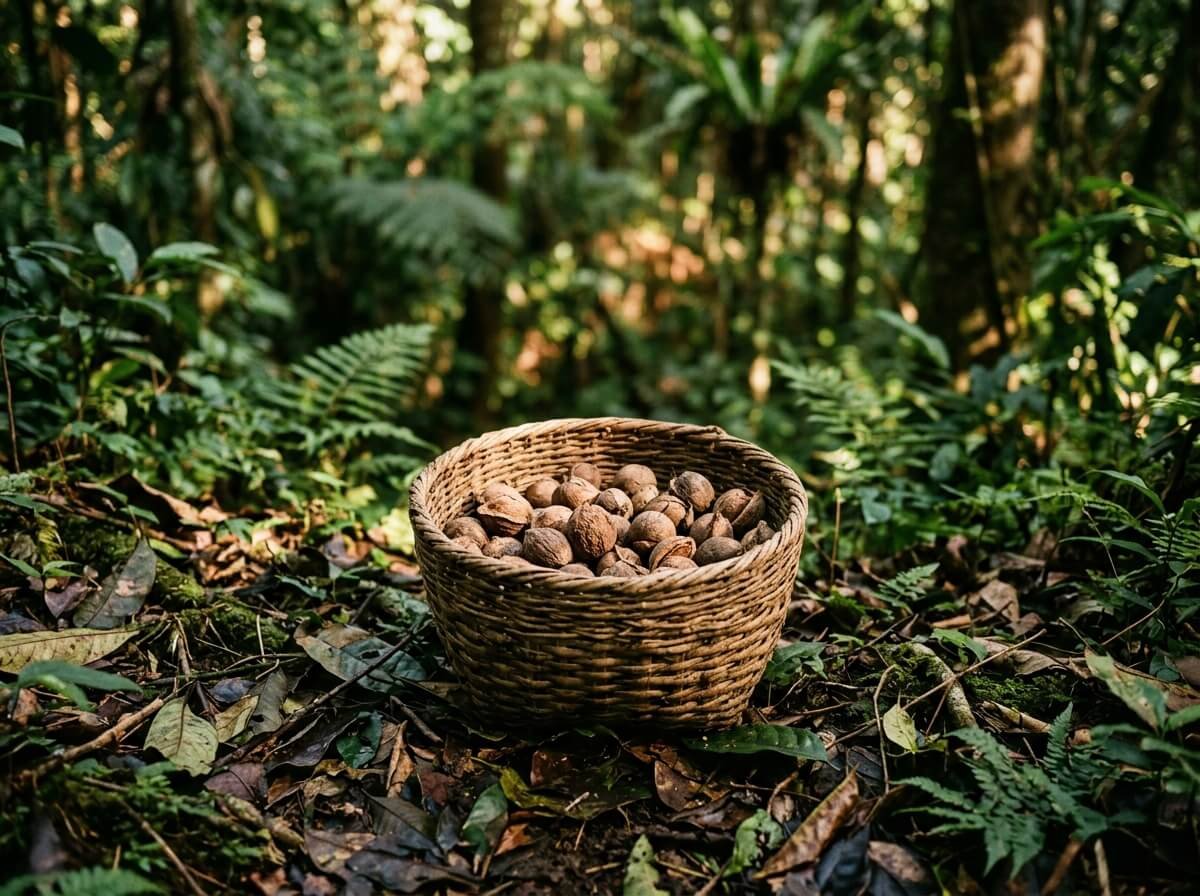
Every butter carries the story of a place. Illipe butter comes from the nuts of the Shorea stenoptera tree, which grows in the rainforests of Kalimantan, on the island of Borneo. Families gather the fallen nuts by hand during the fruiting season, then press and filter them into a pale, dense butter. Nothing about the tree is felled or forced. The forest keeps standing, and the harvest gives it economic worth, which is one of the quiet reasons illipe groves survive. We write more about that heritage in our guide to illipe butter benefits.
Shea butter comes from the nut of the shea tree, Vitellaria paradoxa, which grows across the savannah belt of West and East Africa. It has been made for centuries, traditionally by women who crack, roast, grind, and knead the nuts into a soft, ivory butter. Shea is deeply woven into African skincare and cooking, and it travels the world as one of the most recognised natural butters on the shelf.
There is a naming quirk worth knowing. Illipe butter is sometimes called Borneo tallow, and the name illipe is used loosely across a few related tree species in Southeast Asia. The version we work with, Shorea stenoptera, is the prized one, dense and stable, gathered from mature trees that can stand for decades. Shea, by contrast, is remarkably consistent as a category, though the difference between roughly refined bulk shea and carefully made unrefined shea is real, and you can feel it on the skin.
So the first difference in the illipe and shea comparison is simply geography and lineage. One is a rainforest butter from Borneo, gathered without clearing the canopy. The other is a savannah butter from Africa, shaped by generations of hands. Both are ancestral, both are botanical, and both deserve to be understood rather than reduced to a marketing line.
How each butter feels on the skin
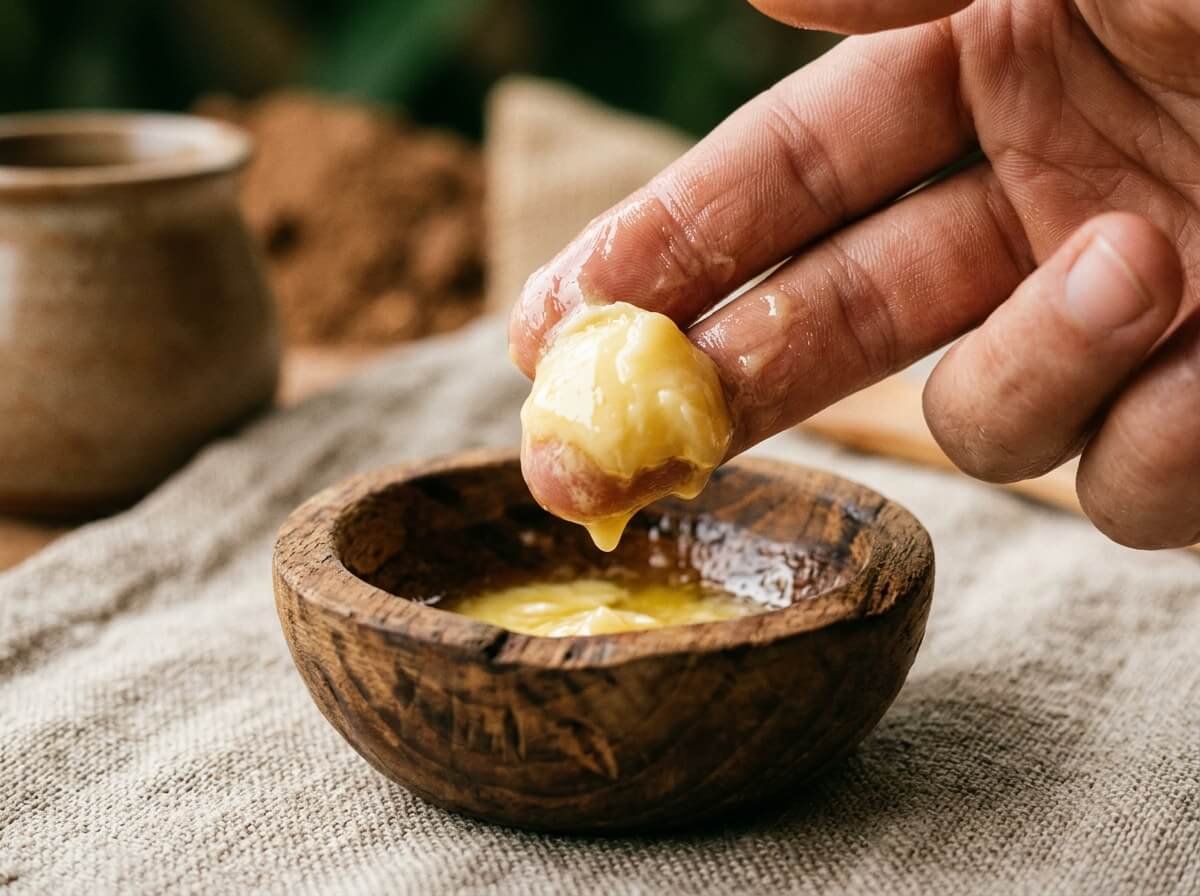
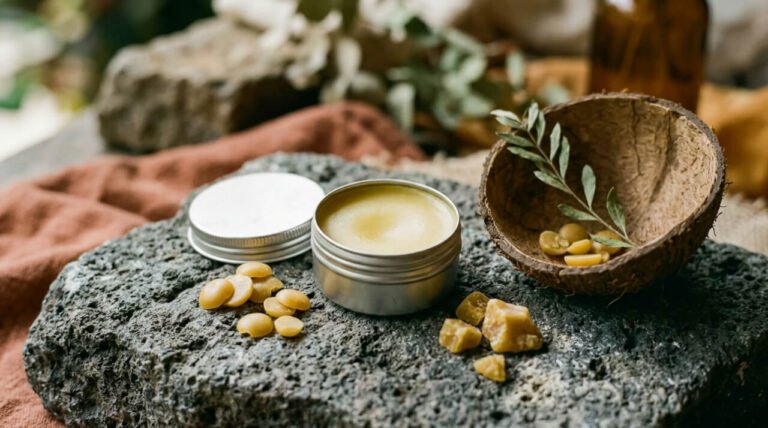
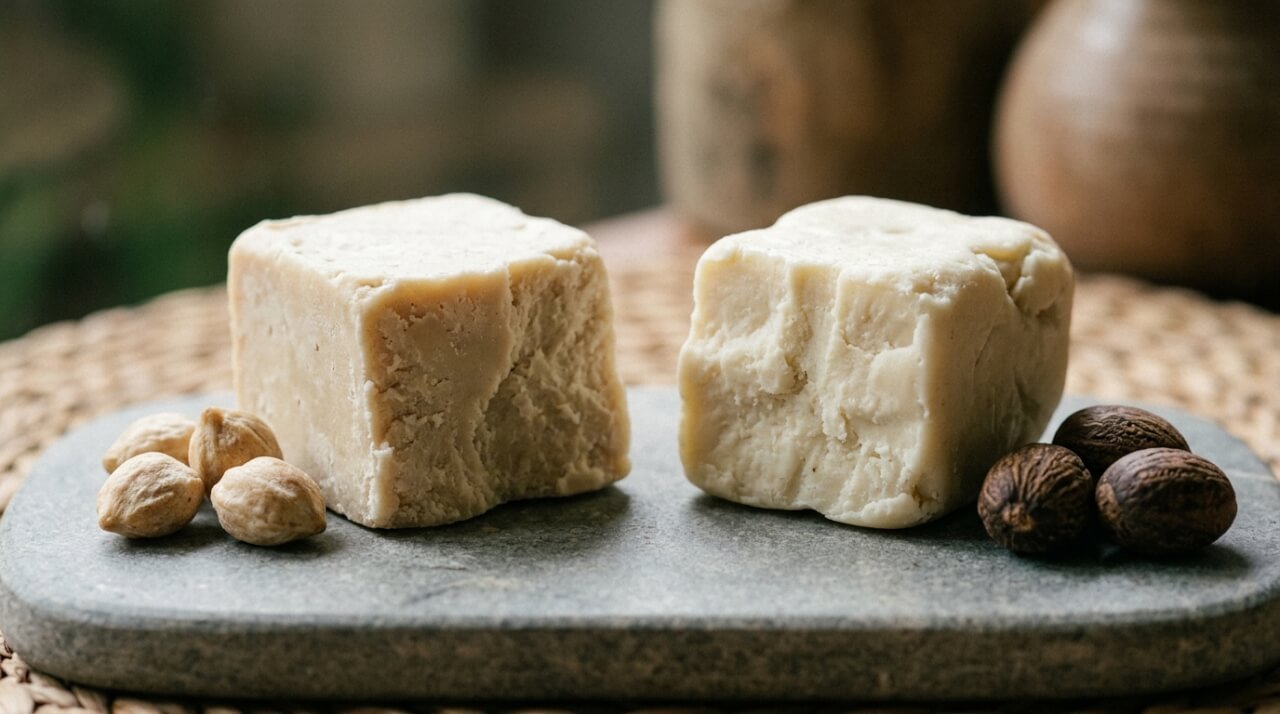
This is where the two butters part ways most obviously. Illipe butter is firm and stable at room temperature. It has a higher melting point, close to body temperature, so it holds its shape in the jar and then softens as you warm it between your fingers. That firmness is why formulators reach for it when they want a butter that stays put, protects, and does not go greasy or soft in a warm climate. In Bali, where the air is humid and warm most of the year, that stability matters.
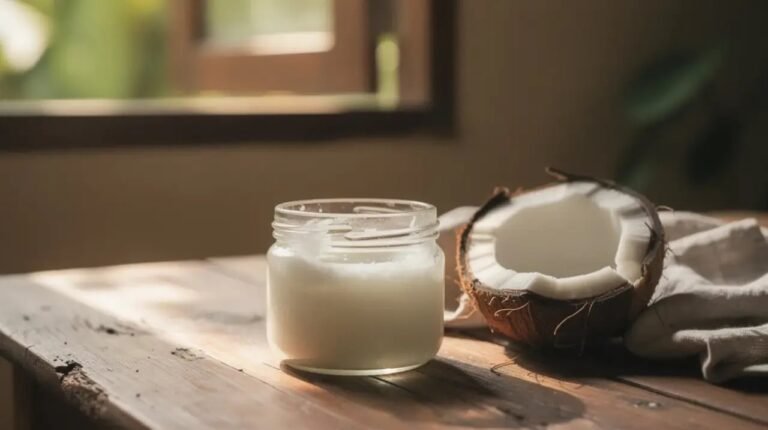
Shea butter is softer and more pliable. It melts quickly, spreads easily, and sinks in with a familiar cushiony feel. Unrefined shea has a distinctive nutty, slightly smoky scent that some people love and others prefer to avoid. Illipe, by contrast, is close to odourless once refined, which makes it a calm base for essential-oil blends because it does not argue with the aroma you add on top.
If you like the ritual of a butter that melts on contact and disappears fast, shea leans that way. If you want something that feels more like a protective seal, a butter that stays where you put it, illipe holds firm. Neither is better. They are simply built for different moments. For a wider view on textures, our comparison of body oil vs body butter is a useful companion read.
What is inside: the fatty acids that set them apart
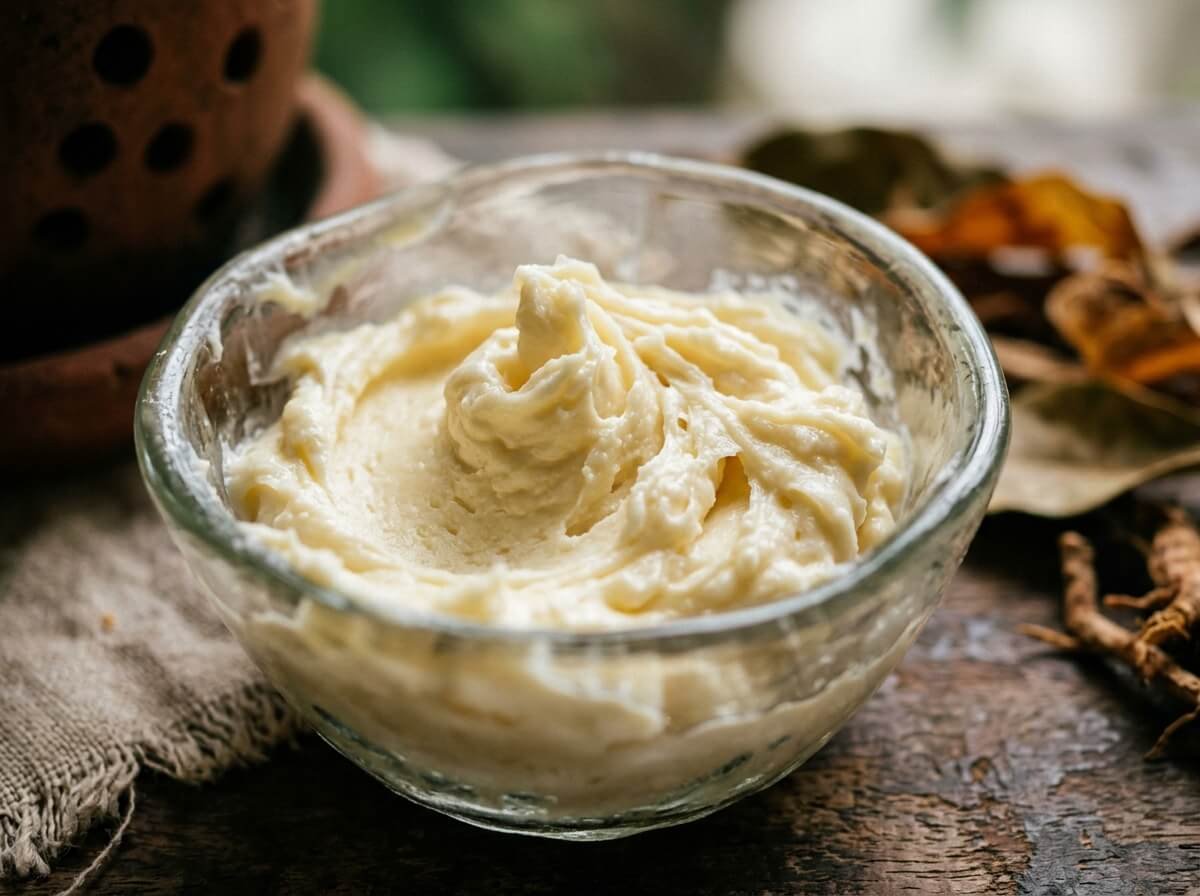
Texture is not an accident. It comes from the fatty-acid profile of each butter, and this is the part worth understanding because it explains everything you feel on the skin.
Both butters are built mostly from two fatty acids: oleic acid, which is soft, cushiony, and quick to absorb, and stearic acid, which is firm, stabilising, and protective. The balance between them is what changes.
- Illipe butter carries a high level of stearic acid alongside oleic acid, which is why it is firm and why it forms such a resilient protective layer. Its fatty-acid balance is often compared to cocoa butter, and it is prized for helping the skin hold onto moisture.
- Shea butter leans more heavily toward oleic acid and also contains a notable unsaponifiable fraction, the non-oil compounds such as plant sterols and vitamin E, which is part of why shea has such a long-standing reputation for softening and soothing.
In practice, illipe tends to seal and protect, while shea tends to soften and condition. Both support the skin barrier, the outer layer that keeps water in and irritation out, but they get there by slightly different routes. If barrier care is your main interest, our guide to choosing a natural face moisturizer walks through how butters and oils work together for that job.
There is one more practical consequence of these fatty-acid profiles: shelf life. A butter that is higher in saturated, stearic-rich fats tends to be more stable and slower to turn, which is part of why illipe keeps its firm structure and resists going rancid in a warm climate. Shea is stable too, though its softer, more oleic-rich makeup means it can develop a slightly stronger natural aroma over time. Neither needs synthetic preservatives to last, which is one of the quiet pleasures of working with real botanical butters instead of heavily engineered creams.
Illipe butter and shea butter at a glance
If you want the comparison in one place, here is how the two butters line up on the qualities that actually change how they feel and perform.
- Source: illipe from the rainforests of Kalimantan, Borneo; shea from the savannahs of West and East Africa.
- Texture: illipe is firm and stable with a higher melting point; shea is softer and melts quickly on contact.
- Scent: refined illipe is close to odourless; unrefined shea has a natural nutty aroma.
- Finish: illipe seals and protects; shea softens and sinks in faster.
- Best for: illipe for very dry, exposed, or rough skin and stable balms; shea for everyday all-over softening.
- Sourcing note: illipe is genuinely wild-harvested within standing forest; shea is at its best through fair, women-led cooperatives.
Read that list twice and you will notice something. There is no column where one butter simply beats the other. There are only trade-offs, and the right trade-off depends on you.
Illipe butter vs shea butter for your skin barrier
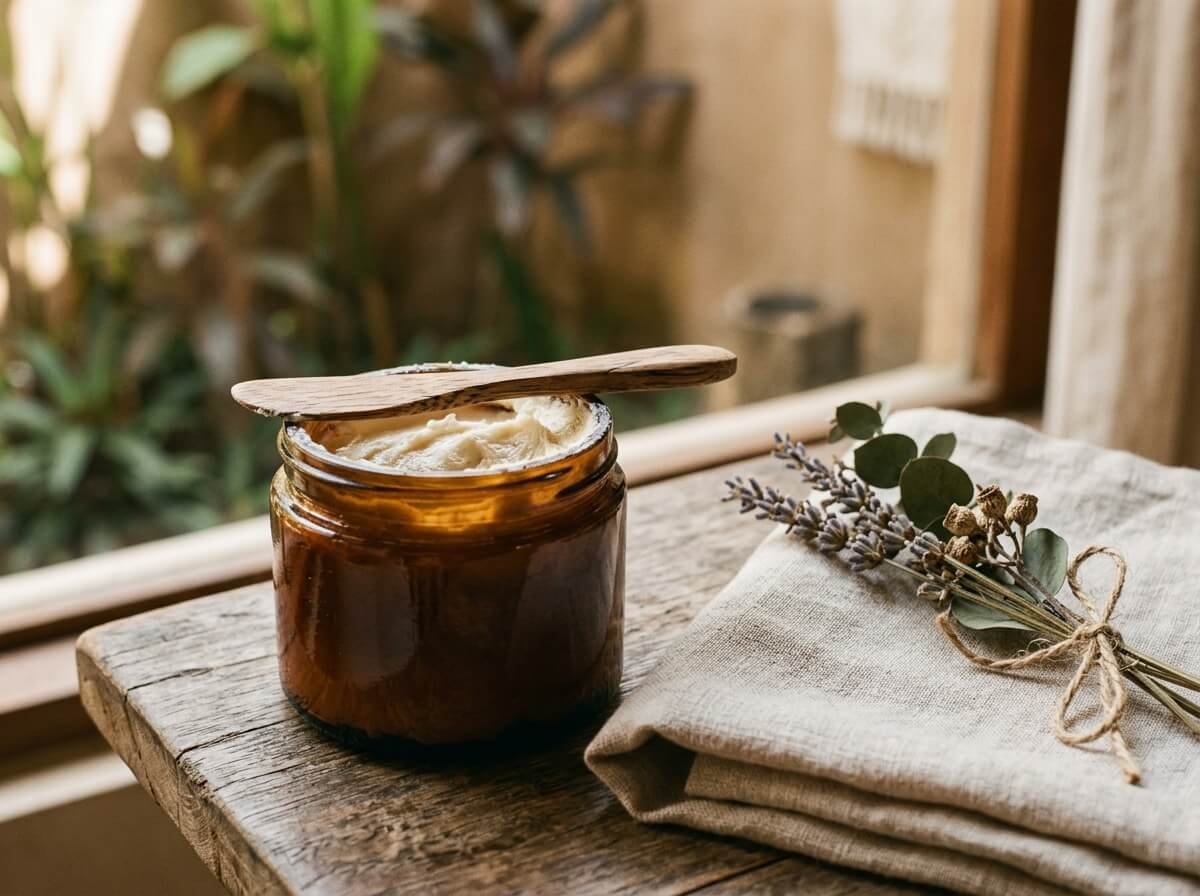
When people ask which butter is better for dry or stressed skin, what they usually want is help with a compromised barrier: tightness, flaking, rough patches, the feeling that moisture simply will not stay. Both butters help here, and the honest answer is that the right choice depends on your skin and your climate.
Illipe butter, with its firmer structure, is excellent as an occlusive seal. Applied over slightly damp skin, it helps lock hydration in and shields against moisture loss, which is why it suits very dry hands, elbows, heels, and weather-worn skin. Shea butter, softer and richer in oleic acid, sinks in a little faster and feels more emollient, which many people prefer for all-over daily use and for skin that dislikes a heavy finish.
This is exactly why we blend illipe butter into our body-care rituals rather than treating it as a novelty. Our Bliss Body Butter leans on that rainforest-butter richness to restore and protect, carried by a calm blend of bergamot, rose geranium, sweet orange, and patchouli. If you prefer a brighter, more uplifting scent, the Pure Energy Body Butter offers the same deep nourishment in a different mood, and the Rose Allure Body Butter is the soft, floral option. For hands that take the most punishment, our Radiant Hand Cream is the small, portable version of the same idea.

Rainforest-rich care, hand-blended in Bali
Our Bliss Body Butter carries wild-harvested richness into a daily ritual that restores dry skin and seals in moisture, with a calm, balanced scent. Crafted in small batches, made to be refilled.
The honest part: sourcing, sustainability, and refills
A butter is only as good as the way it is gathered, and this is where the comparison gets real. Both illipe and shea can be sourced beautifully, and both can be sourced badly. The label rarely tells you which.
Illipe butter is genuinely wild-harvested, meaning the trees are not planted in monoculture rows but grow within standing rainforest. When the harvest has value, the forest has a reason to remain. We source ours through the Forestwise partnership in Kalimantan, working with families who gather the nuts each season, the same approach that brings us kukui oil. That model protects habitat and pays the people who know the land, which is the opposite of clearing forest for a plantation.
Shea has its own strong story when it is sourced fairly, often through women-led cooperatives across Africa that provide steady income and preserve traditional craft. The caution with any popular butter, shea included, is scale. High demand can push toward extraction that leaves communities and ecosystems worse off, and toward vague eco claims that do not hold up. We do not name names, and we do not pretend. We simply ask the same questions of every ingredient: where did it come from, who harvested it, and what did that harvest give back.
This is also why we build our butters to be refilled rather than thrown away. A rich butter should not come wrapped in waste. Real care means rethinking the whole system, from the grove to the jar in your bathroom, and choosing the version that restores more than it takes.
How to choose and use each butter
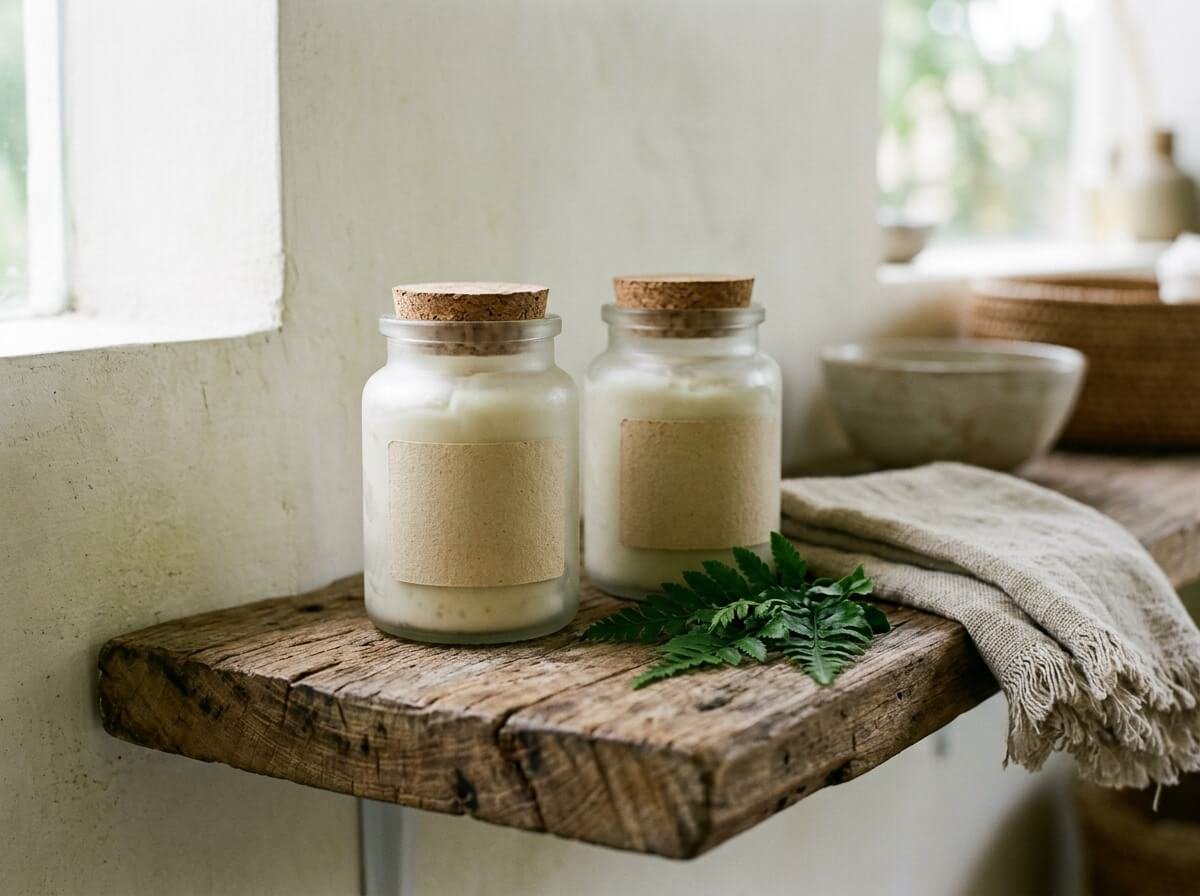
Here is the practical part. Neither butter is a cure-all, and you do not have to pick a side for life. Match the butter to the job.
- Reach for illipe butter when you want a firm, protective seal: very dry hands and feet, rough patches, weather exposure, or a stable base for a scented balm that will not go soft in the heat.
- Reach for shea butter when you want a softer, faster-sinking feel for all-over daily use, or when you like its natural nutty character.
- Reach for a blend when you want both: many of the best body butters combine a firm butter for protection with softer oils for glide and absorption.
Both butters stretch far beyond the obvious. A firm butter like illipe makes a lovely lip balm and a sturdy base for a solid balm or salve that will not slump in a warm bag. Shea is a favourite for softening rough elbows, smoothing over dry patches, and taming frizz at the ends of the hair. Neither belongs only on the body. The trick is to respect their weight: rich butters reward small amounts and patience, not thick layers.
How to use a rich butter well
Warm a small amount between your palms until it turns to oil, then press it into slightly damp skin straight after a shower. Damp skin traps more moisture, so the butter has something to seal. A little goes a long way, so start small and add more only where you need it. For deeply dry areas, layer a lighter oil first and the butter on top. If you want to understand how oils and butters differ across the body and hair, our look at tamanu oil and our natural body butter guide both go deeper.
One small habit makes a big difference: apply rich butters at night. Skin does much of its repair while you rest, so a protective layer of illipe or shea before bed gives it something to work with, and you wake to softer hands, feet, and elbows. In the morning, a lighter touch is usually enough.
Frequently asked questions
Is illipe butter better than shea butter? Neither is better in the abstract. Illipe is firmer and more protective, shea is softer and quicker to absorb. The better butter is the one suited to your skin, your climate, and the finish you like.
Can I use them on my face? Both are rich, so they suit dry or normal skin more than oily or acne-prone skin. Patch test first, use a small amount, and consider a lighter natural face moisturizer if a full butter feels heavy.
Do they have a scent? Refined illipe is close to odourless, which makes it a calm base for essential oils. Unrefined shea has a natural nutty aroma that fades but is noticeable.
Are they sustainable? They can be, and that depends entirely on sourcing. Wild-harvested illipe and fairly traded shea both support people and place. Vague packaging claims do not. Ask where a butter comes from before you trust the word natural on the front.
Final thoughts
The real answer to illipe butter vs shea butter is not a winner. It is a better question. Both butters are generous, botanical, and time-tested. Illipe brings a firm, protective richness from the rainforests of Borneo, gathered in a way that keeps the forest standing. Shea brings a soft, familiar comfort from the savannahs of Africa, shaped by generations of skill. Choose by texture, by climate, and by how the butter was sourced, and you will rarely go wrong.
What matters most is care, for your skin, for the people who gather these butters, and for the places they come from. That is the thread that runs through everything we make in Bali. When you choose a butter with open eyes, you are not just softening your skin. You are choosing the kind of care you want to put back into the world.