Best natural hair oil: how to choose botanical oils for healthy, nourished hair
Finding the best natural hair oil can feel overwhelming when every brand claims to have the answer. Coconut oil, argan oil, kukui oil, castor oil: the options fill shelves and scroll endlessly online. The truth is simpler than the marketing suggests. The best natural hair oil is the one that matches your hair type, penetrates effectively, and comes from sources you can trust. In this guide, we break down the science, the ingredients, and the practical steps so you can choose with clarity and confidence.
Whether your hair is fine and oily, thick and coarse, curly and dry, or somewhere in between, botanical oils offer real benefits when chosen wisely. We will walk through which oils work best for each hair type, how they actually interact with your hair at a structural level, how to apply them for lasting results, and what to look for on the label before you buy. No hype, just the information you need to care for your hair with intention.
What makes a hair oil truly natural (and why it matters)
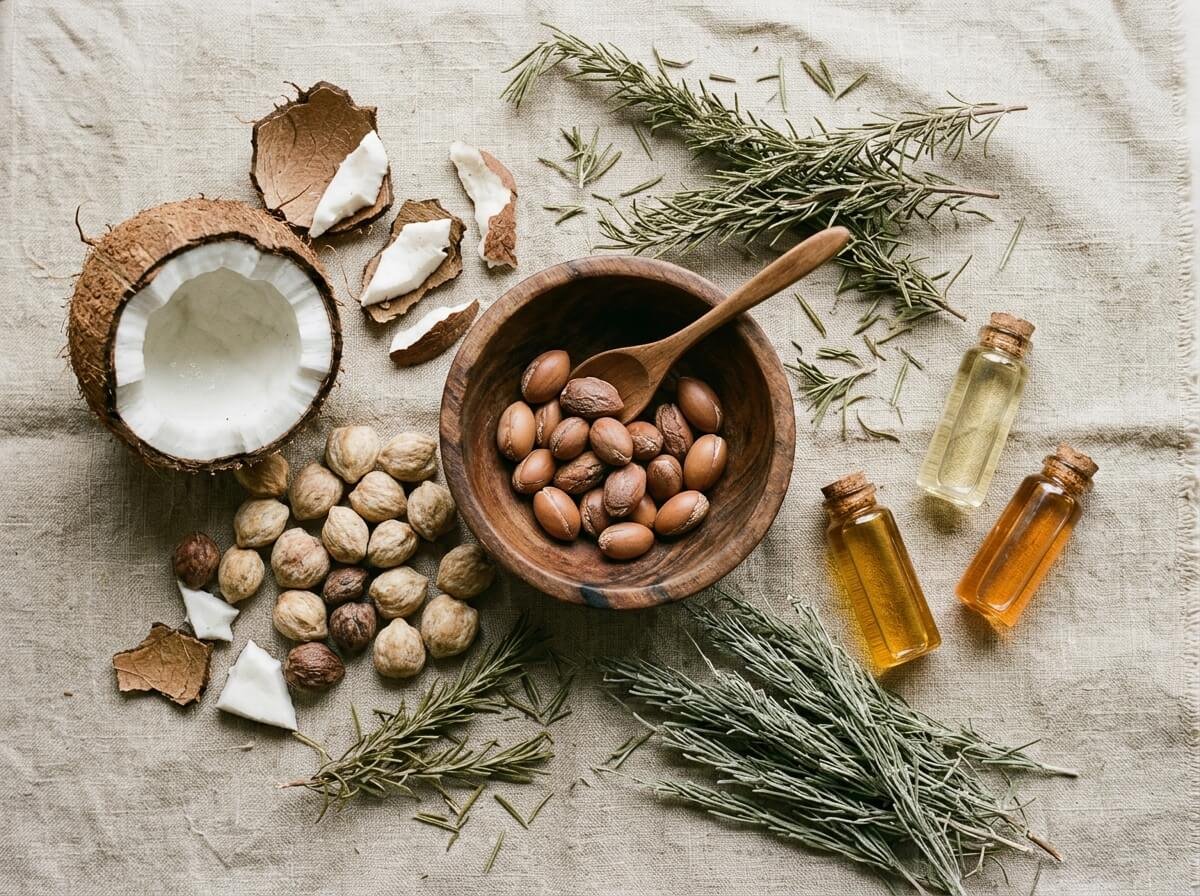
The word “natural” on a hair oil label does not always mean what you might expect. Many products marketed as natural hair oils contain only a small percentage of plant-derived ingredients alongside synthetic silicones, mineral oil, and artificial fragrances. These additives can coat hair temporarily but do little for long-term health. A truly natural hair oil is cold-pressed or expeller-pressed from botanical sources, retaining the vitamins, fatty acids, and antioxidants that make plant oils effective in the first place.
Cold-pressing matters because heat degrades the delicate compounds that give each oil its character. Virgin coconut oil, for example, retains lauric acid and medium-chain fatty acids when cold-pressed, both of which have been shown in research published in the Journal of Cosmetic Science to reduce protein loss in hair. Similarly, cold-pressed argan oil preserves its high vitamin E content and linoleic acid profile, which support scalp health and strand elasticity.
Sourcing also shapes quality. Wild-harvested oils, like the kukui nut oil sourced through Forestwise in Kalimantan, carry a nutrient density that plantation monoculture often cannot match. The same principle applies to coconut oil from sustainable growers who maintain biodiversity in their groves rather than stripping land for volume. When you read a label, look for specific botanical names (like Cocos nucifera for coconut or Aleurites moluccanus for kukui), extraction method, and origin. If none of that information is available, the oil probably is not as natural as it claims.
Choosing genuine botanical oils is not just a purity preference. It is a practical one. Synthetic substitutes may add temporary shine but can build up over time, weigh hair down, and prevent the scalp from breathing. Real plant oils, by contrast, work with your hair’s own biology. That distinction matters more than any marketing claim.
The best natural hair oils for every hair type
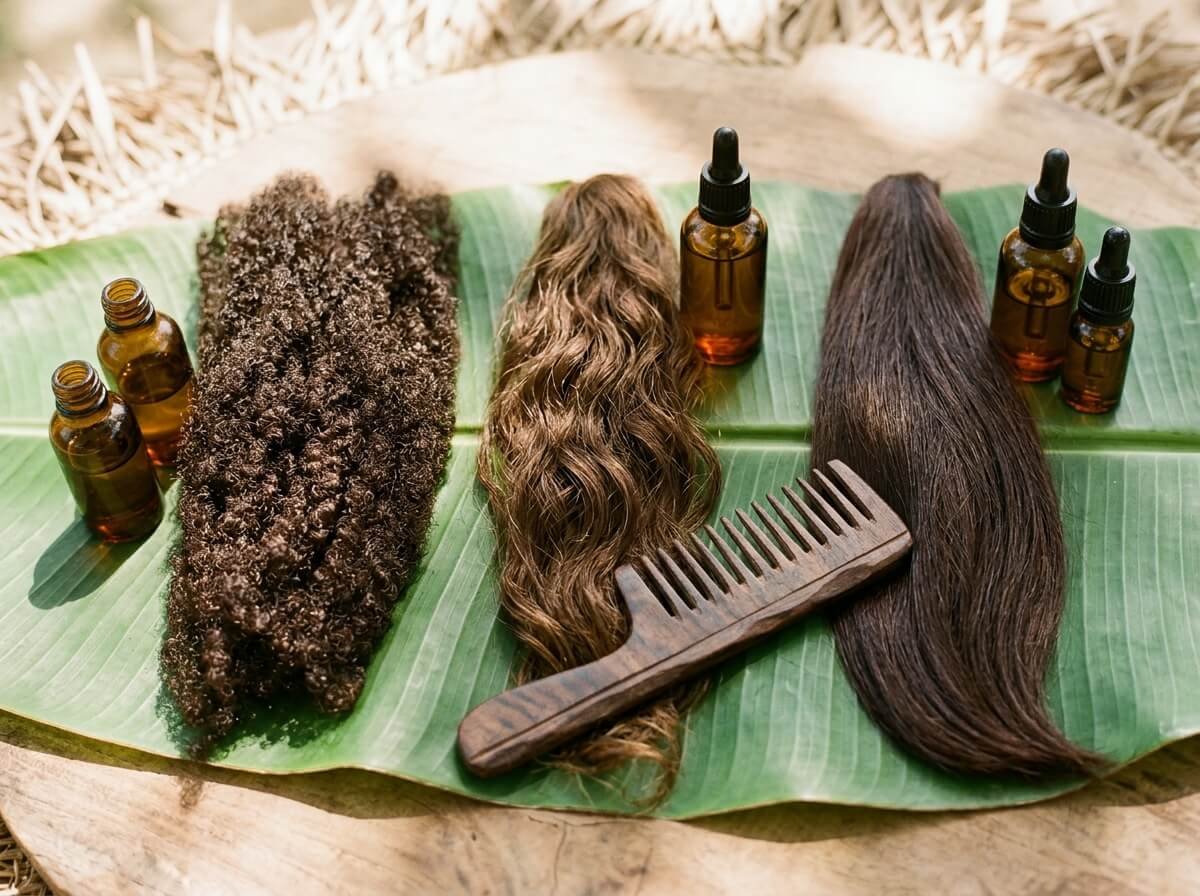
Not all hair oils are interchangeable. The molecular weight and fatty acid composition of each oil determine how it interacts with your hair. Here is a guide to matching the right oil to your needs.
Fine or oily hair
Lightweight oils that absorb quickly without leaving residue are the best match for fine strands. Argan oil is a strong choice: rich in oleic and linoleic acid, it moisturizes without heaviness. Grapeseed oil is another option, with a light texture and natural astringent properties that help regulate sebum. Apply sparingly to mid-lengths and ends only, avoiding the scalp if your roots tend toward oiliness.
Thick or coarse hair
Dense hair benefits from richer oils that can penetrate deeply and seal moisture. Coconut oil is one of the few oils proven to actually penetrate the hair shaft rather than just sitting on the surface. Its lauric acid binds with hair protein, reducing damage from grooming and UV exposure. Castor oil, though thick, is excellent for sealing ends and promoting the appearance of fuller, healthier growth. Illipe butter, wild-harvested in Kalimantan’s rainforest, is another deeply nourishing option for coarse or very dry hair, though it works best as a pre-wash treatment rather than a leave-in.
Curly or textured hair
Curly hair craves moisture, and the right oil locks it in after hydration. Kukui oil is exceptional here: lightweight enough to avoid crunch but rich in linoleic and alpha-linolenic acid, which soften curls and reduce frizz. Jojoba oil closely mimics the scalp’s natural sebum, making it ideal for curly hair that tends toward dryness at the ends but oiliness at the roots. Olive oil, while heavier, works well as a deep-conditioning pre-wash for very dry curl patterns.
Damaged or chemically treated hair
Hair that has been colored, bleached, or heat-styled needs oils that repair the protective cuticle layer. Tamanu oil stands out here with its calophyllolide content, a compound studied for its regenerative properties. Coconut oil applied before chemical treatments can significantly reduce protein loss. A blend of lighter oils (argan, kukui) with a small amount of heavier carrier (coconut, tamanu) often works best for damaged hair: protection and repair without weighing down already fragile strands.
How natural hair oils work: the science of penetration and protection
Understanding why some oils work better than others starts at the molecular level. Hair is not a single uniform strand. It has three layers: the outermost cuticle (overlapping scales that protect), the cortex (the structural core that holds protein and pigment), and the medulla (a soft inner channel, often hollow in fine hair). Oils interact primarily with the cuticle and, in some cases, penetrate to the cortex.
Research from the Journal of Cosmetic Science has shown that oils with smaller molecular structures and high affinity for hair protein can penetrate the cuticle layer. Coconut oil is the most studied example: its lauric acid (a 12-carbon chain) fits neatly between protein structures in the cortex, reducing what scientists call “hygral fatigue,” the swelling and contracting cycle that weakens hair every time it gets wet and dries. This is why coconut oil applied before washing has measurably reduced protein loss in controlled studies.
Mineral oil and sunflower oil, by contrast, sit primarily on the surface. They form a coating that can reduce friction and add shine, but they do not strengthen the strand from within. This is not necessarily bad (surface coating can protect against mechanical damage from brushing), but it is a fundamentally different function than penetration.
The practical takeaway: if you want an oil that strengthens your hair, look for penetrating oils like coconut, kukui, or a well-formulated botanical hair oil blend that combines penetrating carriers with protective essential oils. If you want an oil that shields your hair from environmental damage and reduces frizz on the surface, lighter coating oils like argan and jojoba work well. The best natural hair oil routines often combine both approaches: a penetrating oil as a pre-wash treatment and a lighter oil as a daily finishing touch.
How to use natural hair oil for the best results
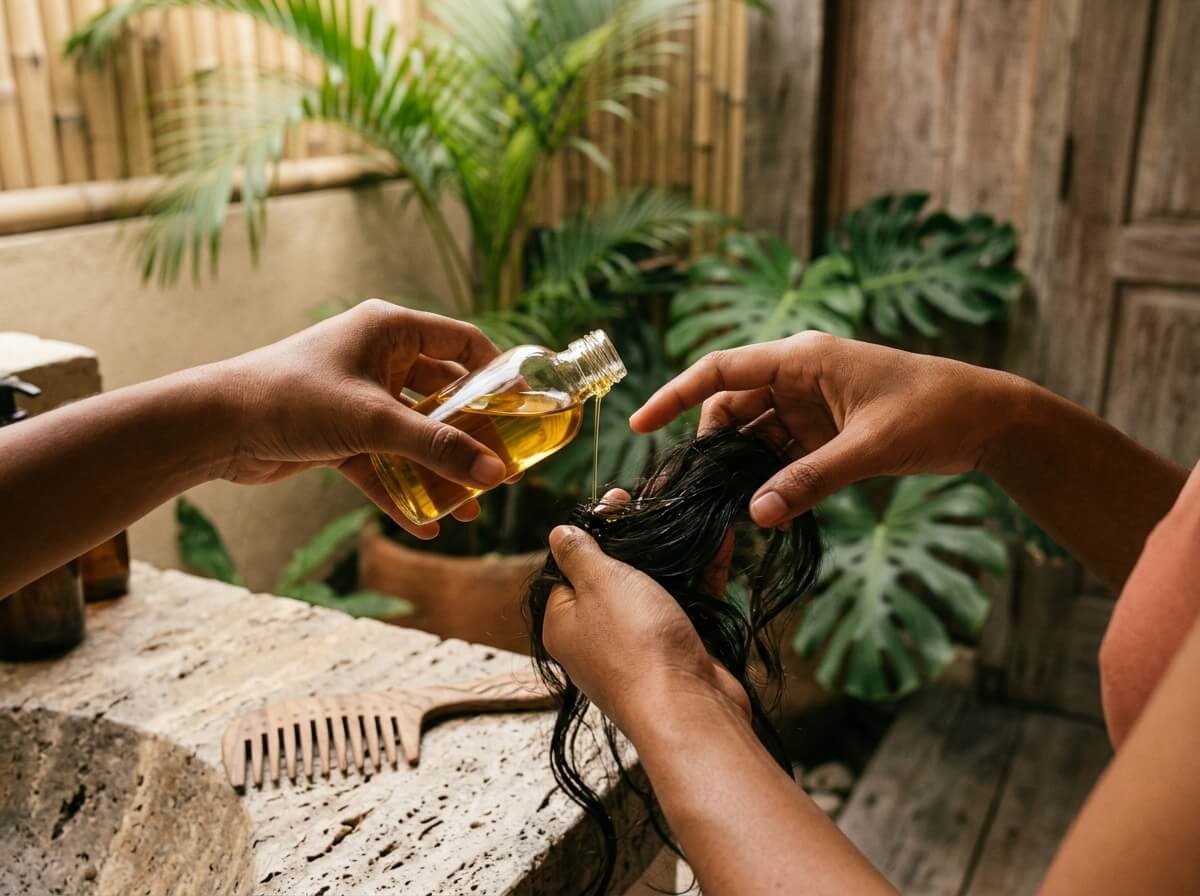
The right oil applied the wrong way delivers half its potential. How you use natural hair oil matters as much as which one you choose. Here are the methods that work, grounded in both traditional practice and modern hair science.
Pre-wash treatment (the most effective method)
Apply oil to dry hair 30 minutes to two hours before shampooing. This gives penetrating oils like coconut and kukui time to bind with hair protein before the washing process strips surface lipids. Focus on mid-lengths and ends. For deep conditioning, wrap hair in a warm towel or use a shower cap: gentle heat opens the cuticle slightly, allowing better oil absorption. In Balinese tradition, women have practiced a version of this ritual for generations, applying coconut oil before bathing as both a practical treatment and a moment of intentional self-care.
Post-wash finishing oil
After washing and towel-drying (pat gently, never rub), apply two to four drops of a lightweight oil to damp hair. Argan, jojoba, and kukui oils are ideal for this. The moisture in damp hair helps the oil distribute evenly, and applying to wet strands seals in hydration from your conditioner. This is where the Herbal Silk Hair Oil works particularly well: its blend of botanical carriers and essential oils is formulated for this finishing step, adding softness and subtle shine without heaviness.

Scalp massage
For those concerned with scalp health and hair growth, a weekly scalp oil massage supports blood circulation to hair follicles. Use a light oil (jojoba or argan) and massage with fingertips in small circular motions for three to five minutes. Certain essential oils, when properly diluted in a carrier oil, can support scalp health. Rosemary essential oil, for example, has been studied alongside minoxidil for its effects on circulation and cell regeneration. Tea tree oil supports a clean scalp environment, which is why it appears in products like the Tea Tree Shampoo formulation.
Overnight treatment
For severely dry or damaged hair, an overnight oil treatment once a week can make a noticeable difference. Apply a generous amount of coconut or a coconut-kukui blend to hair, braid loosely, and sleep on a silk or satin pillowcase to prevent transfer. Shampoo thoroughly in the morning. This extended contact time allows maximum penetration and is especially effective for thick, coarse, or very dry hair types.
What to look for when choosing the best natural hair oil

Not every bottle labelled “natural hair oil” delivers what it promises. Here is a practical checklist for evaluating any product before you buy.
Read the full ingredient list
Ingredients are listed in descending order of concentration. If the first ingredient is cyclopentasiloxane or dimethicone (silicones) or mineral oil (a petroleum derivative), the product is not truly a natural hair oil regardless of what the front label says. Look for botanical Latin names: Cocos nucifera (coconut), Argania spinosa (argan), Simmondsia chinensis (jojoba), Aleurites moluccanus (kukui). These should appear at or near the top of the list.
Check extraction method
Cold-pressed and expeller-pressed oils retain more nutrients than solvent-extracted or refined oils. Virgin and extra-virgin grades indicate minimal processing. If the brand does not mention extraction method anywhere on the label or website, it is worth asking before purchasing.
Consider sourcing transparency
Brands that name their sourcing partners, regions, and farming practices are more likely to deliver genuine quality. Wild-harvested ingredients from partnerships like Forestwise (for illipe butter and kukui oil from Kalimantan) or Aluan (for sustainable coconut in Bali) carry a nutrient density and ethical integrity that mass-market alternatives often lack. Sourcing transparency is not just a sustainability signal. It is a quality indicator.
Avoid fragrance-loaded formulations
Synthetic fragrance (listed as “parfum” or “fragrance” on labels) is one of the most common irritants in hair care. A well-formulated natural hair oil gets its scent from the essential oils and botanical carriers themselves. If you enjoy aromatherapy benefits in your hair care, look for products that use real essential oil blends rather than synthetic imitations.
Think about packaging
Glass bottles protect oil from light degradation better than plastic. Dark amber or cobalt glass is ideal. Beyond preservation, packaging choices reflect a brand’s broader commitment to reducing waste. Refill-friendly formats and recyclable materials are worth seeking out, especially if you plan to use the oil regularly as part of a lasting hair care ritual.

Herbal Silk Hair Oil: botanical nourishment, crafted in Bali
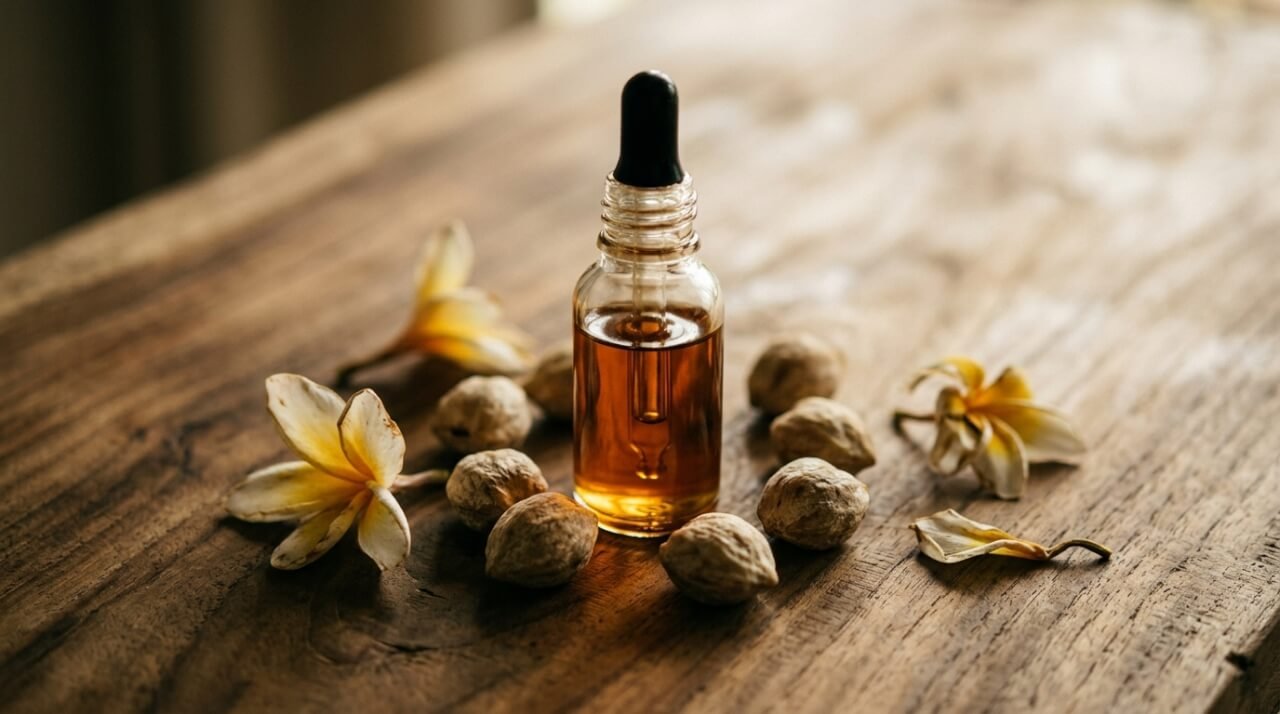
Our Herbal Silk Hair Oil blends potent essential oils with cold-pressed botanical carriers to nourish hair from root to tip. Formulated for all hair types as a finishing oil or pre-wash treatment, it brings the best of Balinese herbal tradition to your daily hair care ritual.
Frequently asked questions about natural hair oil
Can natural hair oil make my hair greasy?
Only if you use too much or choose an oil that is too heavy for your hair type. Fine hair needs just two to three drops of a lightweight oil like argan or jojoba. Thick or coarse hair can handle more generous application of richer oils like coconut. Start with less than you think you need and add gradually. The goal is softness and shine, not a slick look.
How often should I oil my hair?
For most hair types, a pre-wash oil treatment once or twice a week and a small amount of finishing oil after each wash is a good baseline. If your hair is very dry or damaged, you might benefit from more frequent treatment. If your hair is naturally oily, a weekly pre-wash treatment alone may be sufficient. Listen to your hair and adjust.
Do natural hair oils promote hair growth?
No oil can guarantee faster hair growth. What natural oils can do is create healthier conditions for growth: a nourished scalp, reduced breakage, stronger strands that retain length. Certain essential oils like rosemary have shown promise in studies for supporting scalp circulation, but the primary benefit of regular oiling is healthier hair that breaks less, which over time means more visible length retention.
Is coconut oil good for all hair types?
Coconut oil is one of the most effective penetrating oils, but it is not ideal for every hair type when used as a leave-in. Fine, low-porosity hair can feel weighed down by coconut oil. For these hair types, use it as a pre-wash treatment (apply, wait 30 minutes, then shampoo out with a gentle, botanical cleanser) rather than a finishing oil. Thick, high-porosity, and curly hair types generally tolerate coconut oil well in all applications.
What is the difference between hair oil and hair serum?
Hair serums typically contain silicones (dimethicone, cyclomethicone) that coat the hair surface for instant smoothness and shine. They work fast but can build up over time and require clarifying shampoos to remove. Natural hair oils, by contrast, nourish the strand itself with vitamins and fatty acids. The results are more gradual but more genuine: actual improvement in hair health rather than a cosmetic overlay.
Choosing your best natural hair oil with care
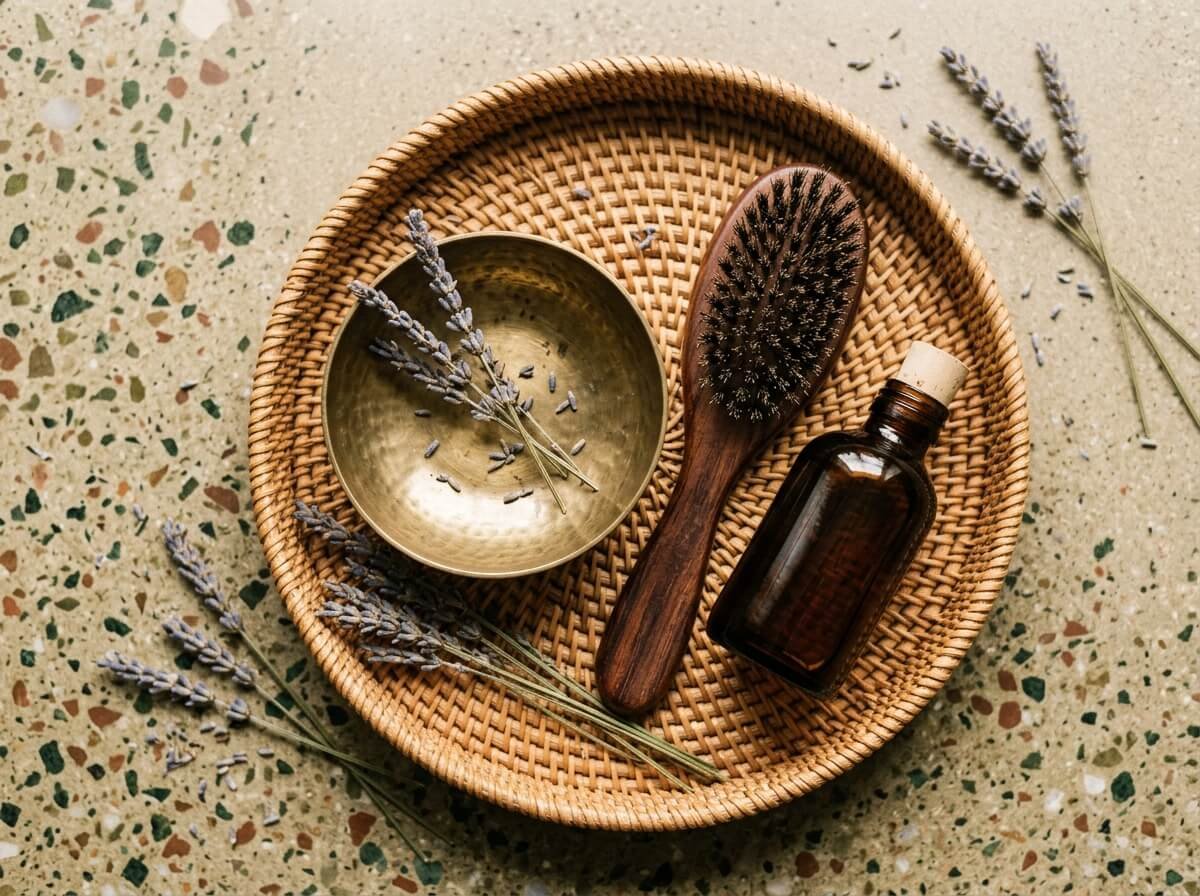
The best natural hair oil is not the most expensive bottle on the shelf or the one with the most followers on social media. It is the one that matches your hair’s actual needs, comes from ingredients you can trace, and fits naturally into a routine you will maintain. That is the quiet truth behind all effective hair care: consistency with quality.
Start simple. Choose one oil that suits your hair type, try it as a pre-wash treatment for two to three weeks, and observe how your hair responds. You will know it is working when your hair feels softer, breaks less, and holds moisture longer between washes. From there, you can layer in a finishing oil or explore blends that combine multiple botanicals for broader benefits.
In Bali, the practice of oiling hair with coconut and botanical blends has been passed through generations of women who understood something simple: what you give your hair, it gives back. The same principle applies whether you are in Ubud or anywhere else in the world. Choose real ingredients, apply them with intention, and give your hair the care it deserves. That is what the best natural hair care routine has always been about.
If you want to experience what a carefully formulated botanical hair oil feels like, our Herbal Silk Hair Oil combines the traditional Balinese approach with modern formulation science. It is a small step that can make a meaningful difference in how your hair looks, feels, and grows over time. And if you are building a complete natural self-care routine, pairing a quality hair oil with the right conditioner and a gentle botanical body care routine creates the kind of holistic practice that serves you well, not just today, but for years to come.