Best aromatherapy diffuser: how to choose the right one for your space
Choosing the best aromatherapy diffuser is not just about filling a room with pleasant scent. It is about creating a sensory experience that supports your wellbeing, connects you to nature, and transforms daily routines into conscious rituals. Whether you are drawn to the quiet elegance of reed diffusers, the fine mist of ultrasonic models, or the pure potency of nebulizers, the right diffuser can change how your home feels, and how you feel in it. This guide walks you through every diffuser type, explains what matters most when choosing one, and helps you find the best aromatherapy diffuser for your lifestyle, your space, and your values.
What makes a great aromatherapy diffuser (and why it matters)
Not all diffusers are created equal. The best aromatherapy diffuser does more than disperse essential oils into the air. It preserves the therapeutic integrity of the oils, operates quietly enough to blend into your daily life, and suits the size of the space you want to scent.
Aromatherapy has a long history rooted in botanical traditions across cultures, from Balinese jamu healing to Egyptian temple rituals. At its core, aromatherapy works because volatile plant compounds (terpenes, esters, and aldehydes) interact with our olfactory system to influence mood, focus, and relaxation. The diffuser is simply the vehicle. A poor vehicle dilutes, overheats, or wastes those compounds. A good one delivers them intact.
When evaluating any diffuser, consider these five factors:
- Scent delivery method. Does it use heat, water, or air pressure? Heat can degrade delicate compounds in essential oils. Water-based diffusers dilute the oil. Nebulizers and reed diffusers deliver undiluted scent.
- Room coverage. A small reed diffuser works beautifully in a bedroom or bathroom. A nebulizer can fill an open-plan living area with ease.
- Noise level. Ultrasonic diffusers produce a subtle hum. Reed diffusers are completely silent. If you diffuse during sleep or meditation, silence matters.
- Maintenance. Water tanks need regular cleaning to prevent mold. Reed diffusers require almost no upkeep beyond occasional reed flipping.
- Oil consumption. Nebulizers use more oil per session than any other type. Reed diffusers consume oil slowly over weeks or months.
Understanding these factors helps you match the diffuser to your intention. If you want to explore how essential oils benefit your body and mind, the diffuser you choose determines how effectively those benefits reach you.
Types of aromatherapy diffusers: how they work and when to use each
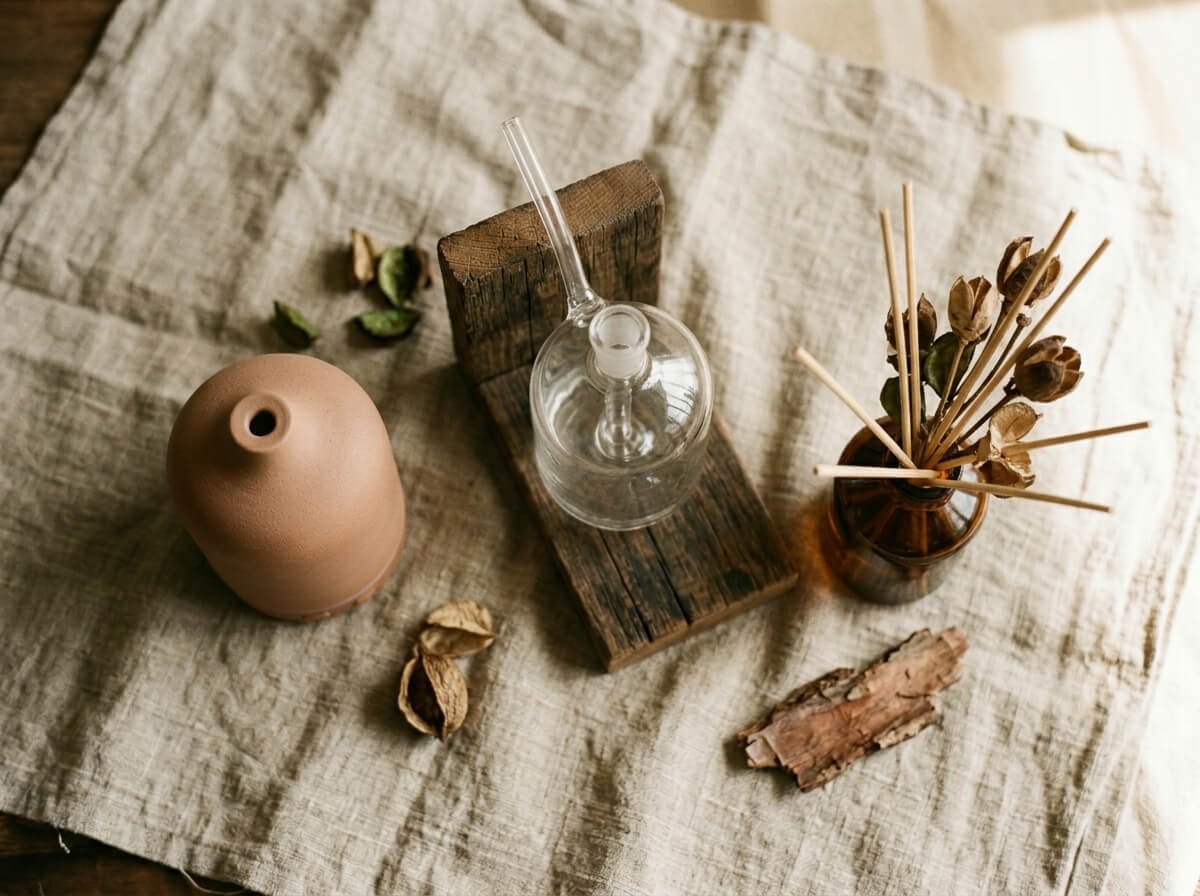
There are four main types of aromatherapy diffusers, each with a distinct mechanism, strength, and ideal use case. Knowing the differences helps you invest in the one that actually fits your life.
Reed diffusers
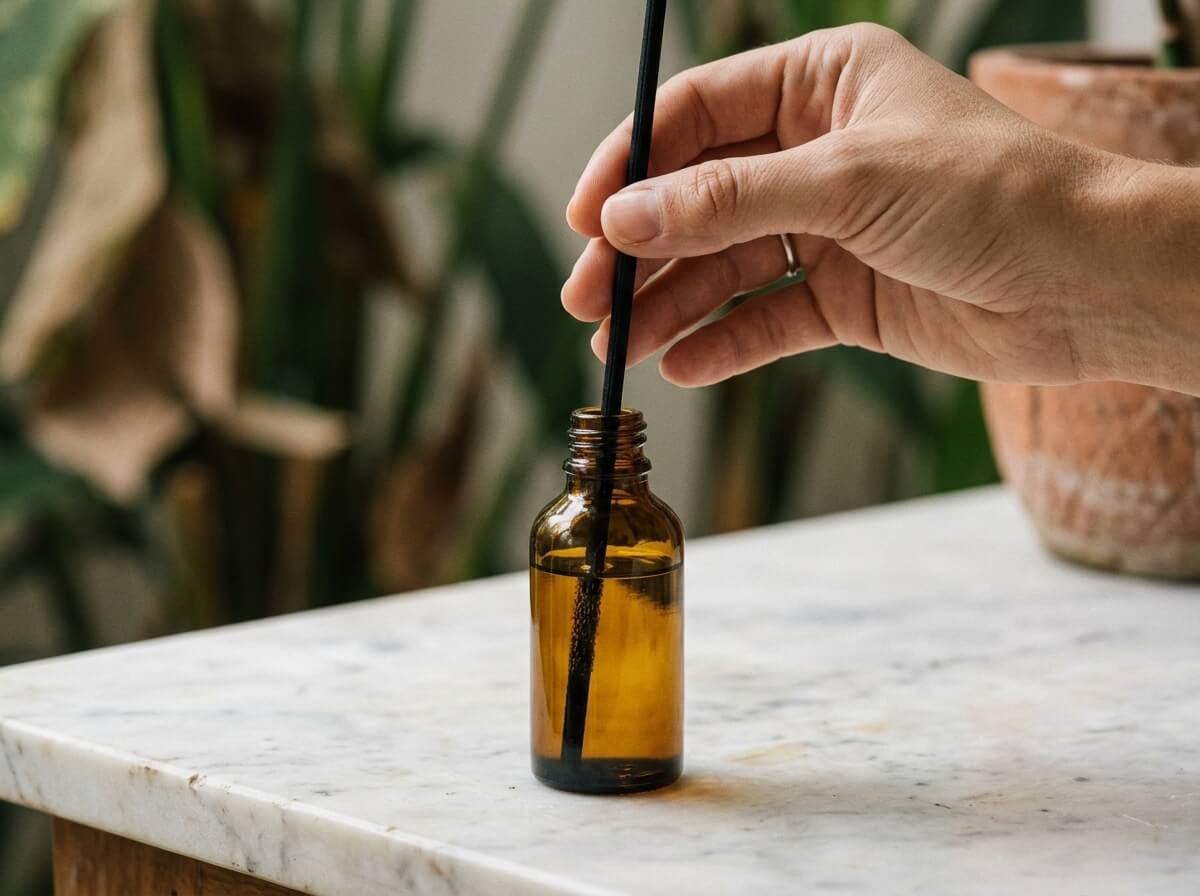
Reed diffusers are the most passive and elegant option. Thin rattan or fibre reeds sit in a vessel of carrier oil blended with essential oils. Capillary action draws the oil up through the reeds, releasing fragrance into the air continuously without heat, electricity, or water.
Best for: bedrooms, bathrooms, small offices, and anyone who wants set-and-forget aromatherapy. They are also ideal for homes with pets or children, as there is no open flame, no hot steam, and no electrical components.
Limitations: scent throw is limited to smaller spaces (typically under 20 square metres). Over time, you may experience olfactory fatigue, where your nose adjusts and you stop noticing the scent. Flipping the reeds every few days helps refresh it.
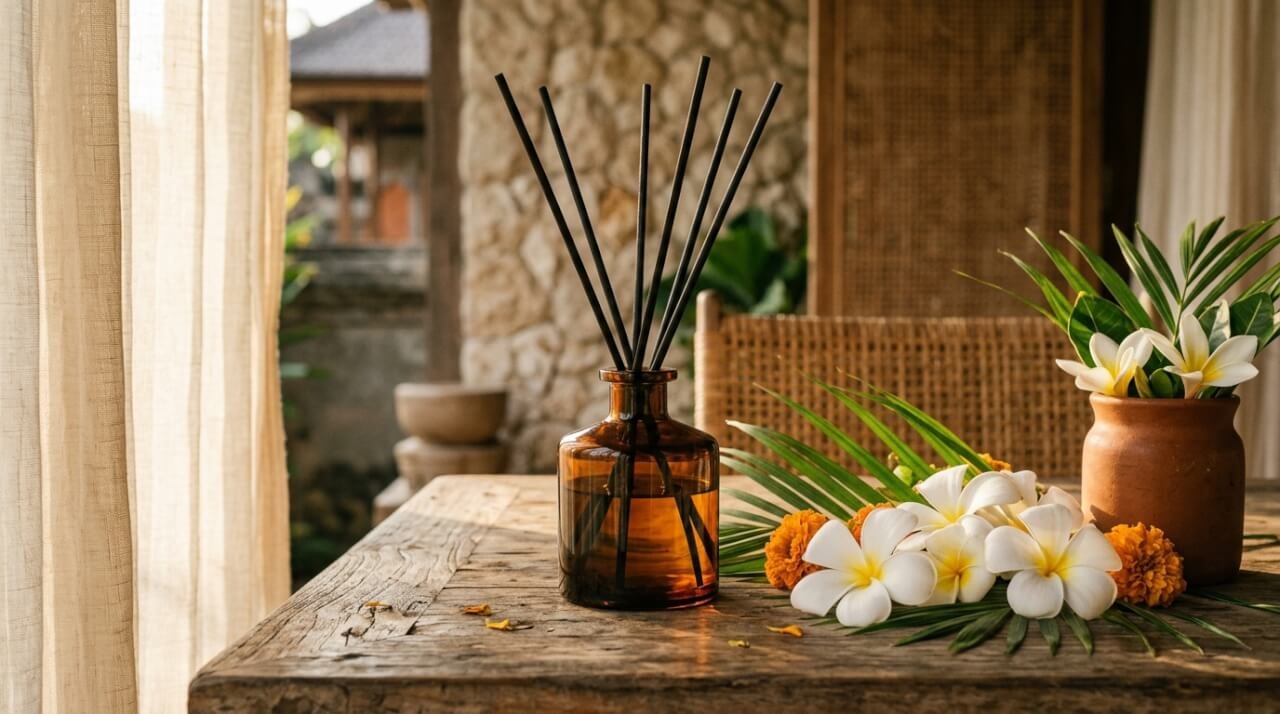
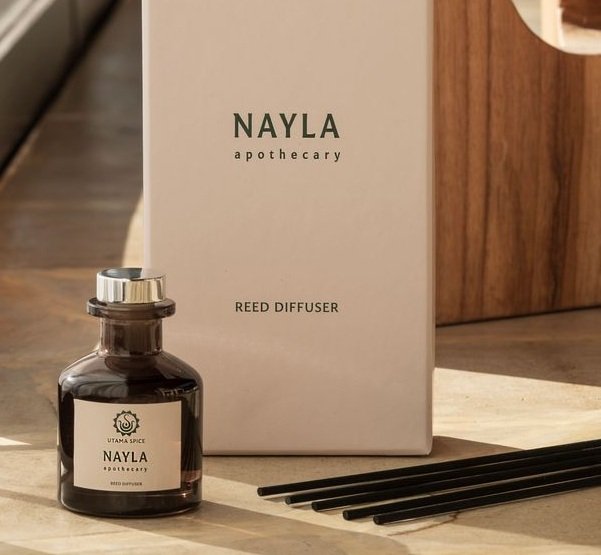
Reed diffusers are a cornerstone of Balinese home rituals, where gentle, ambient scent is part of the daily atmosphere rather than a deliberate act. Our Nayla Apothecary Reed Diffuser follows this tradition: an amber glass vessel with black reeds, scented with a proprietary essential oil blend designed to fragrance a room for months.
Ultrasonic diffusers
Ultrasonic diffusers use high-frequency vibrations to break water and essential oil into a fine, cool mist. They are affordable, widely available, and often come with LED lights and timer settings.
Best for: medium rooms, living spaces, and people who also want light humidity in dry climates.
Limitations: they dilute the oil in water, so the aromatherapeutic effect is lighter than a nebulizer or reed diffuser using concentrated oil. The water reservoir requires weekly cleaning to prevent bacterial buildup and mold. They also add humidity, which can be unwanted in tropical or already-humid environments.
Nebulizing diffusers
Nebulizers atomize pure, undiluted essential oil into microscopic particles and push them directly into the air using pressurized airflow. No water, no heat. The scent is intense, pure, and fills large spaces quickly.
Best for: large rooms, open-plan spaces, yoga studios, and anyone who prioritises maximum therapeutic impact from their oils.
Limitations: they consume essential oil faster than any other diffuser type. They can be noisy (the air pump produces a buzzing sound). They are also the most expensive option, typically ranging from $80 to $300.
Heat and evaporative diffusers
Heat diffusers use a candle or electric element to warm the oil and release its scent. Evaporative diffusers use a fan to blow air through an oil-soaked pad or filter. Both are simple and inexpensive.
Best for: very small spaces or casual, non-therapeutic use.
Limitations: heat alters the chemical composition of essential oils, reducing their therapeutic properties. Evaporative models spread lighter oil molecules first, so the scent profile shifts over time. Neither is ideal if you want genuine aromatherapy benefits.
For a deeper understanding of how different oil compounds interact with these delivery methods, our guide to essential oil blends explains which terpenes and esters matter most.
Choosing the best aromatherapy diffuser for your room size and lifestyle
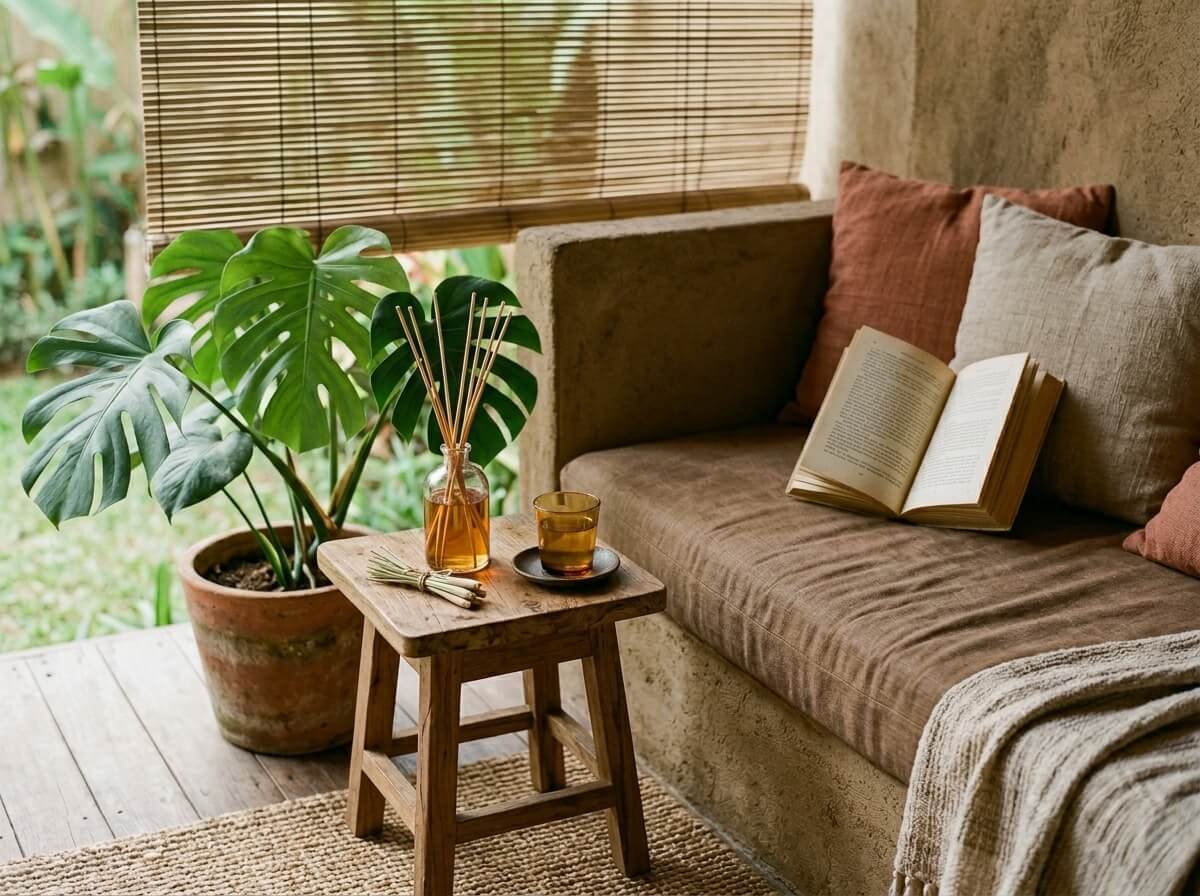
The best aromatherapy diffuser for you depends on where you plan to use it, how often, and what you want it to do. Here is a practical framework for matching diffuser type to context.
Small rooms (under 15 square metres): bedrooms, bathrooms, home offices
A reed diffuser is the clear winner here. It provides gentle, continuous scent without any noise or maintenance beyond occasional reed flipping. One fill typically lasts two to four months, making it the most economical option for small spaces.
If you prefer the ritual of actively turning your diffuser on, a small ultrasonic unit (100ml to 200ml tank) works well in these rooms, with most offering two- to four-hour run cycles.
Medium rooms (15 to 30 square metres): living rooms, kitchens, studios
An ultrasonic diffuser with a larger tank (300ml to 500ml) is the most versatile choice for medium spaces. Timer and intermittent-mist settings allow you to control intensity throughout the day.
Reed diffusers can work here too, but you may need two placed at opposite ends of the room for even coverage.
Large or open-plan spaces (over 30 square metres)
A nebulizing diffuser is the only type with enough scent throw to fill large, open areas consistently. Choose one with an adjustable output dial and timer to manage oil consumption.
Lifestyle considerations
Beyond room size, think about your daily rhythm:
- Sleep: choose silent (reed) or near-silent (ultrasonic with auto-shutoff). Lavender and chamomile blends work well for restful sleep.
- Focus and work: nebulizers deliver strong, fast bursts of peppermint or rosemary. Alternatively, a reed diffuser with a citrus blend provides steady background stimulation.
- Meditation and yoga: nebulizers or ultrasonic diffusers pair well with grounding blends like our Bali Night Essential Oil, which combines Balinese botanicals traditionally used in evening rituals.
- Families with children or pets: reed diffusers are the safest option. No hot water, no electricity near curious hands, and no concentrated mist that could irritate sensitive respiratory systems.
Your diffuser is a tool in service of a broader natural self-care routine. Choosing the right one means it integrates seamlessly rather than adding complexity.
The essential oils that make your best aromatherapy diffuser shine
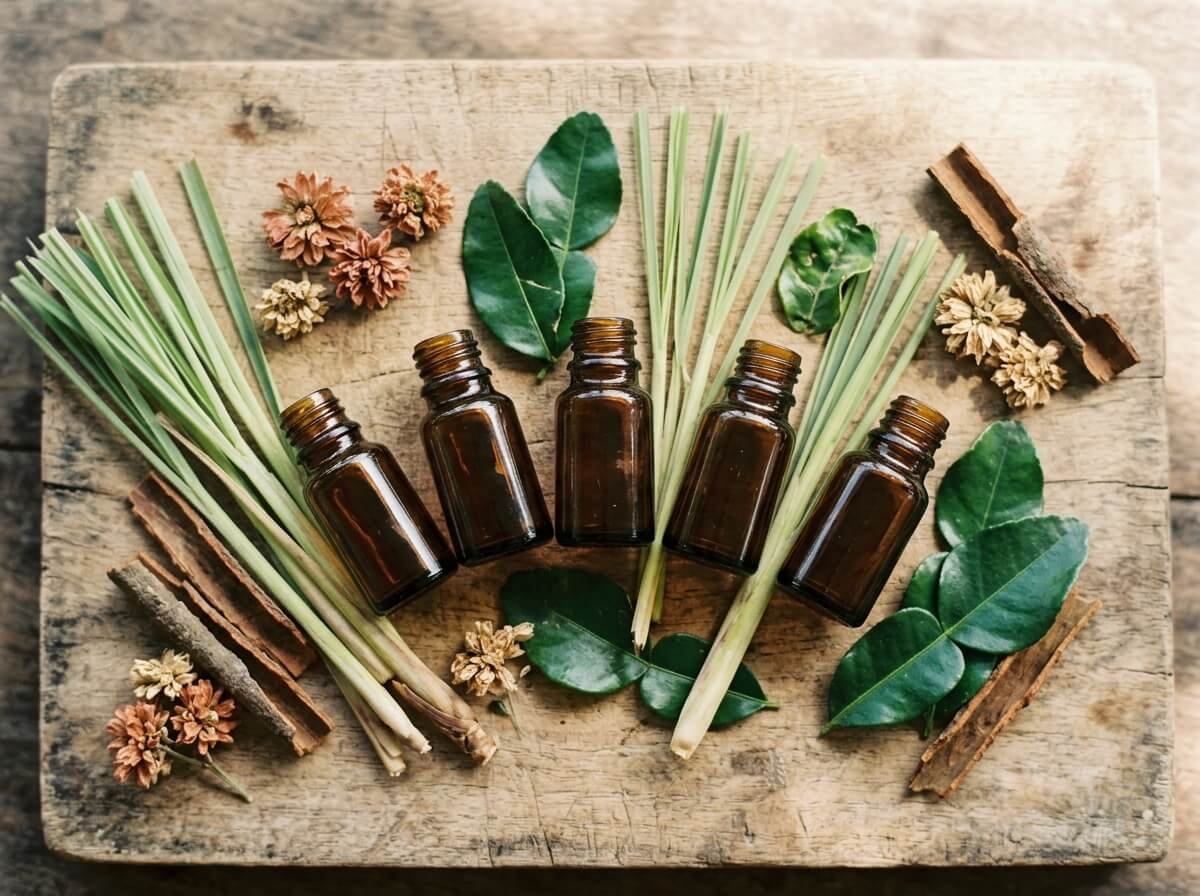
The best aromatherapy diffuser is only as good as the oils you put in it. Quality, purity, and sourcing determine whether you get real therapeutic benefit or just pleasant fragrance.
What to look for in diffuser-grade essential oils
- 100% pure essential oil. Avoid “fragrance oils” or blends cut with synthetic compounds. True essential oils are steam-distilled or cold-pressed from plant material.
- Single-origin or transparently sourced. Knowing where the oil comes from matters. Wildcrafted and sustainably harvested oils tend to have richer, more complex profiles than mass-produced alternatives.
- Appropriate for diffusion. Most essential oils diffuse safely, but some (like cinnamon bark or oregano) can irritate mucous membranes in concentrated form. Use these sparingly and always dilute in water-based diffusers.
Recommended blends by intention
Here are some combinations to try based on what you need from your diffuser:
- Relaxation and sleep: lavender, chamomile, ylang-ylang, and clary sage. Best in a reed or ultrasonic diffuser.
- Focus and clarity: peppermint, rosemary, lemon, and eucalyptus. Works well in a nebulizer or ultrasonic.
- Energy and uplift: sweet orange, grapefruit, and lemongrass. Suits any diffuser type.
- Grounding and calm: sandalwood, vetiver, cedarwood, and frankincense. Ideal in a reed or nebulizer.
- Air purification: tea tree, eucalyptus, and lemon. Best in an ultrasonic or nebulizer.
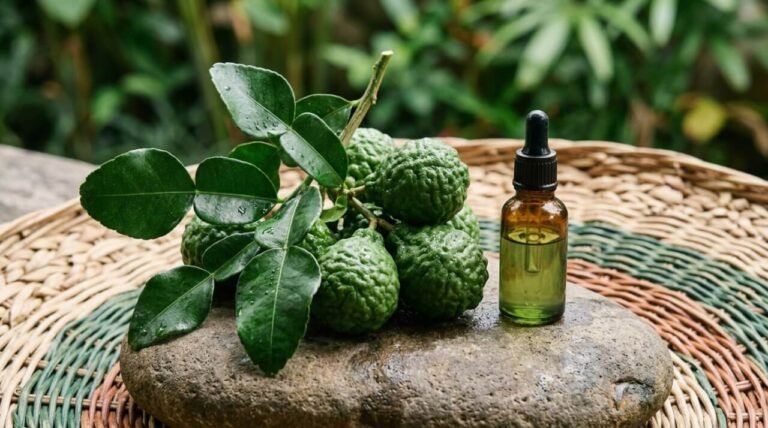
Balinese aromatherapy traditions use blends rather than single oils, combining complementary plant compounds for synergistic effect. Our Kaffir Lime Essential Oil Blend draws on this principle, pairing kaffir lime with complementary Balinese botanicals for a bright, grounding scent that works beautifully in any diffuser type.
If you want to understand the science behind why specific oil combinations work better than single oils, our guide to essential oil blends and how they work covers the concept of synergy in detail.
A note on oil quality and your diffuser
Low-quality oils often contain fillers or synthetic boosters that leave residue inside your diffuser. In ultrasonic models, this residue can clog the vibrating plate. In nebulizers, it can block the glass atomizer. In reed diffusers, it causes the reeds to become saturated too quickly and stop wicking. Investing in pure, well-sourced essential oils protects both your health and your diffuser’s longevity.
Bring Balinese aromatherapy home
The Nayla Apothecary Reed Diffuser scents your space for months with a hand-blended essential oil blend in a reusable amber glass vessel. No electricity, no maintenance, just quiet, continuous botanical fragrance.
How to set up a daily aromatherapy diffuser ritual
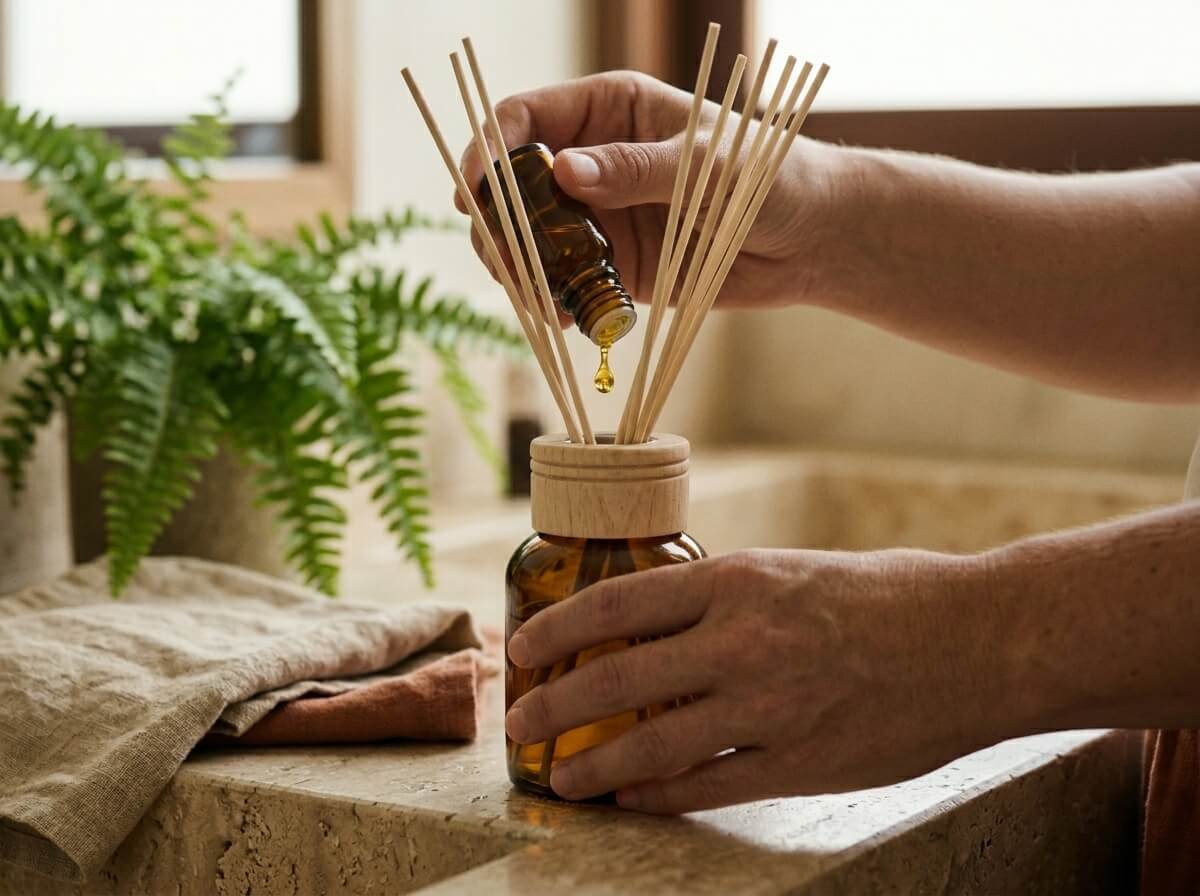
Owning a diffuser is one thing. Using it with intention is another. A daily diffuser ritual turns aromatherapy from an occasional indulgence into a grounding practice that bookends your day.
Morning ritual
Place your diffuser in the room where you start your day, whether that is the kitchen, bathroom, or home office. Choose an energising blend: citrus, peppermint, or rosemary. Run it for 30 to 60 minutes while you move through your morning routine. The scent cues your brain that it is time to wake up and focus.
If you use a reed diffuser, simply flip the reeds each morning. The fresh burst of scent from exposed oil on the reeds creates a natural “activation” moment.
Evening wind-down
Switch to calming oils: lavender, chamomile, or a Balinese-inspired blend with sandalwood and vetiver. Set your ultrasonic or nebulizer to run for 30 minutes before bed, then auto-shutoff. If you use a reed diffuser in the bedroom, the continuous gentle scent serves as a passive sleep aid throughout the night.
Pairing with other rituals
Aromatherapy deepens other wellness practices. Pair your diffuser with:
- Journaling or meditation. Let the scent anchor your attention.
- Skincare routine. While applying your natural face oil, breathe in the complementary diffuser scent. This multi-sensory approach engages body and mind simultaneously.
- Evening tea or reading. The scent becomes part of the atmosphere of rest.
The Balinese concept of tri hita karana (harmony between people, nature, and spirit) is expressed in small daily acts. A diffuser ritual is one such act: connecting to nature through scent, caring for yourself through intention, and creating harmony in your home environment.
You can also complement your diffuser practice with natural incense for moments that call for a more grounding, ceremonial atmosphere, or with natural botanical candles to add warmth and gentle light.
Common aromatherapy diffuser mistakes (and how to avoid them)
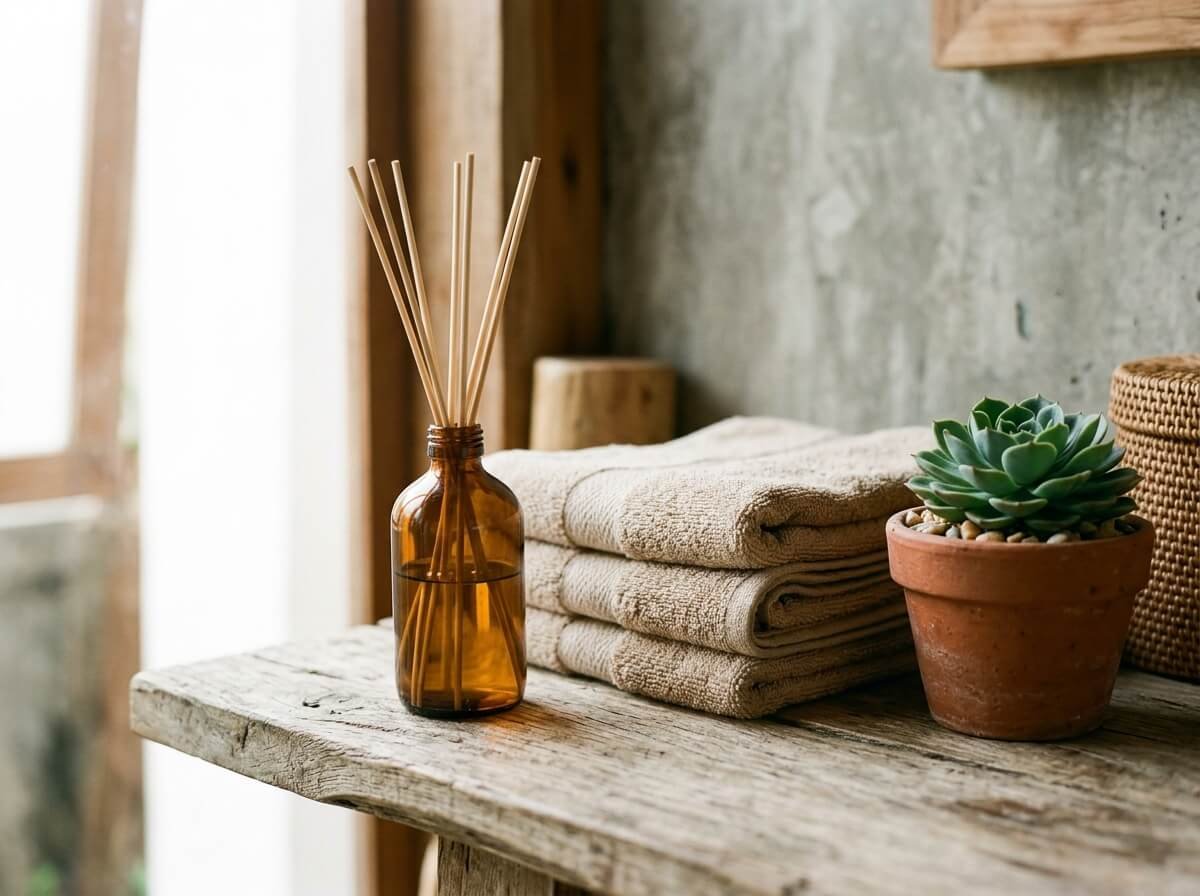
Even the best aromatherapy diffuser will underperform if you use it incorrectly. Here are the most common mistakes and their fixes.
Using fragrance oils instead of essential oils
Fragrance oils are synthetic compounds designed to mimic a scent. They do not carry the therapeutic terpenes and compounds that make aromatherapy work. Always check the label: if it says “fragrance” rather than “essential oil,” it is not the real thing.
Not cleaning your ultrasonic diffuser
Stagnant water inside the reservoir breeds bacteria and mold within days. Clean your ultrasonic diffuser weekly: empty the tank, wipe with a soft cloth dampened with rubbing alcohol, and rinse. Run a cycle with plain water and a few drops of white vinegar monthly for deeper cleaning.
Placing the diffuser in the wrong spot
Position matters. Keep your diffuser on a stable, elevated surface (a shelf or side table) rather than on the floor. Place it at least a metre away from walls and furniture to allow airflow. Avoid direct sunlight, which can degrade the oils and cause reed diffuser liquid to evaporate faster.
Running it too long
More is not always better. Running a nebulizer continuously can overwhelm a room and cause headaches or nausea. Most aromatherapy practitioners recommend 30 to 60 minutes on, then 30 minutes off, as the optimal cycle for therapeutic benefit without overstimulation.
Ignoring your reeds
Reed diffusers are low-maintenance, but not no-maintenance. Flip the reeds every three to five days to keep the scent consistent. Replace the reeds entirely every two to three months, as they become clogged with dust and dried oil over time. Our Bliss Apothecary Reed Diffuser comes with high-quality rattan reeds designed for optimal wicking, but even the best reeds need periodic replacement.
Mixing too many oils at once
When creating your own blends, stick to three to five oils maximum. Too many compounds compete and create a muddled, unpleasant scent profile. Start simple: a base note, a middle note, and a top note. For example: cedarwood (base), lavender (middle), and lemon (top).
Choosing with care: what to look for in a quality aromatherapy diffuser
The best aromatherapy diffuser aligns with both your practical needs and your values. Here is a quick checklist for making a thoughtful purchase.
Material quality. Glass and ceramic diffusers outlast plastic ones and do not leach chemicals when exposed to essential oils. Amber or dark glass protects the oil from UV degradation. Look for diffusers made from natural materials: wood, glass, ceramic, and stone.
Oil compatibility. Some diffusers only work with specific oil viscosities. Check that your chosen model handles both thin (citrus) and thick (vetiver, sandalwood) oils.
Timer and output controls. Adjustable settings let you control scent intensity and duration. This is especially important for nebulizers, which can consume oil quickly without a timer.
Sustainable design. Consider whether the diffuser is designed for longevity. Can you replace parts (reeds, glass reservoirs, filters) instead of replacing the entire unit? Brands that offer refill systems, like refillable reed diffuser vessels, reduce waste over the product’s lifetime.
Sourcing transparency. Just as you would with the essential oils you choose, look for diffuser brands that are transparent about their supply chain and materials.
In Bali, aromatherapy is not a product category. It is woven into daily life: in temple offerings, in the jamu drinks prepared each morning, in the incense that burns at dusk. The best diffuser is the one that brings a piece of that intention into your own home, quietly, naturally, and without pretence.
If you are interested in how scent fits into a broader practice of home fragrance, our DIY linen spray guide offers another way to bring botanical scent into your living space. And for those exploring natural alternatives to synthetic air fresheners, natural incense offers a centuries-old complement to modern diffuser practice.