Face oil vs body oil: how to choose (and why one won’t do both jobs)
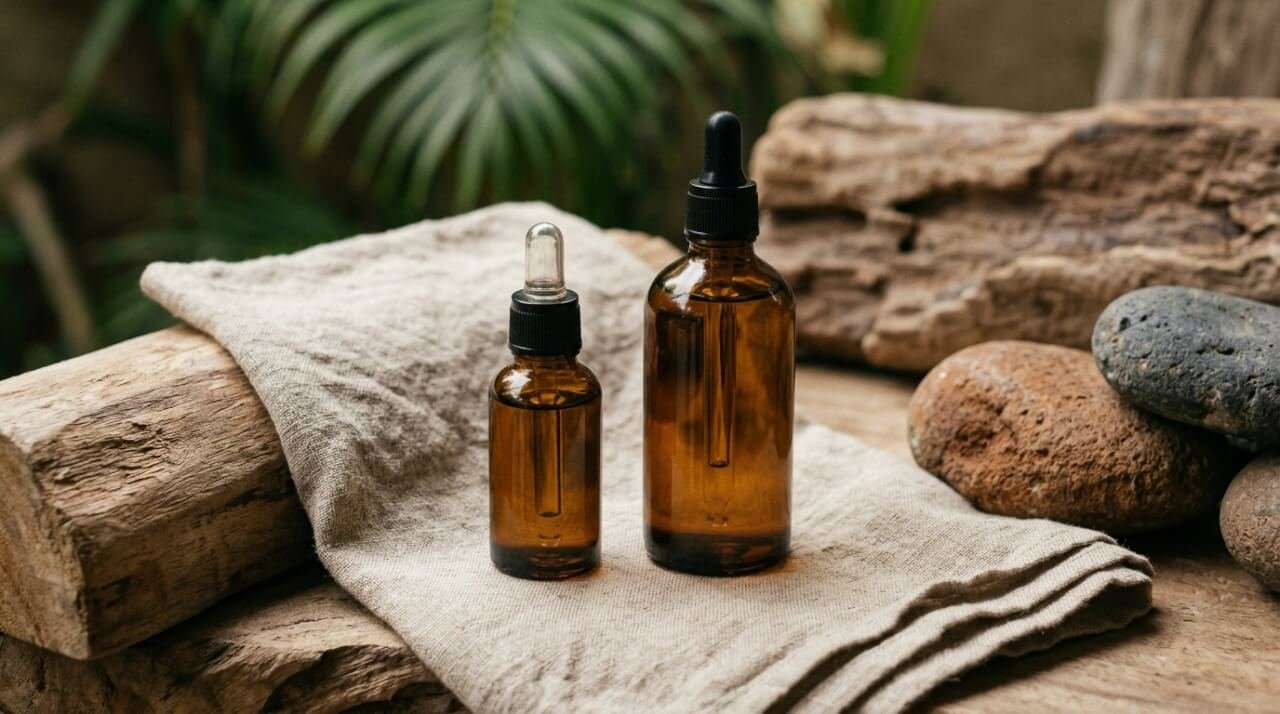
The question of face oil vs body oil sounds like marketing until you have wasted money on the wrong one. Two amber bottles, both full of plant oil, both promising softer skin. So why not buy the cheaper, larger body oil and use it everywhere? The honest answer is that face skin and body skin are different, with different needs, and the oils built for each are formulated around that difference. This guide walks through what actually separates a face oil from a body oil, the one direction you can safely swap them, and how to choose the right two without over-buying.
We make both at Utama Spice, and we would rather you bought the right one than the most expensive one. Here is the truth, formulator to friend.
Face oil vs body oil: are they really different, or just marketing?
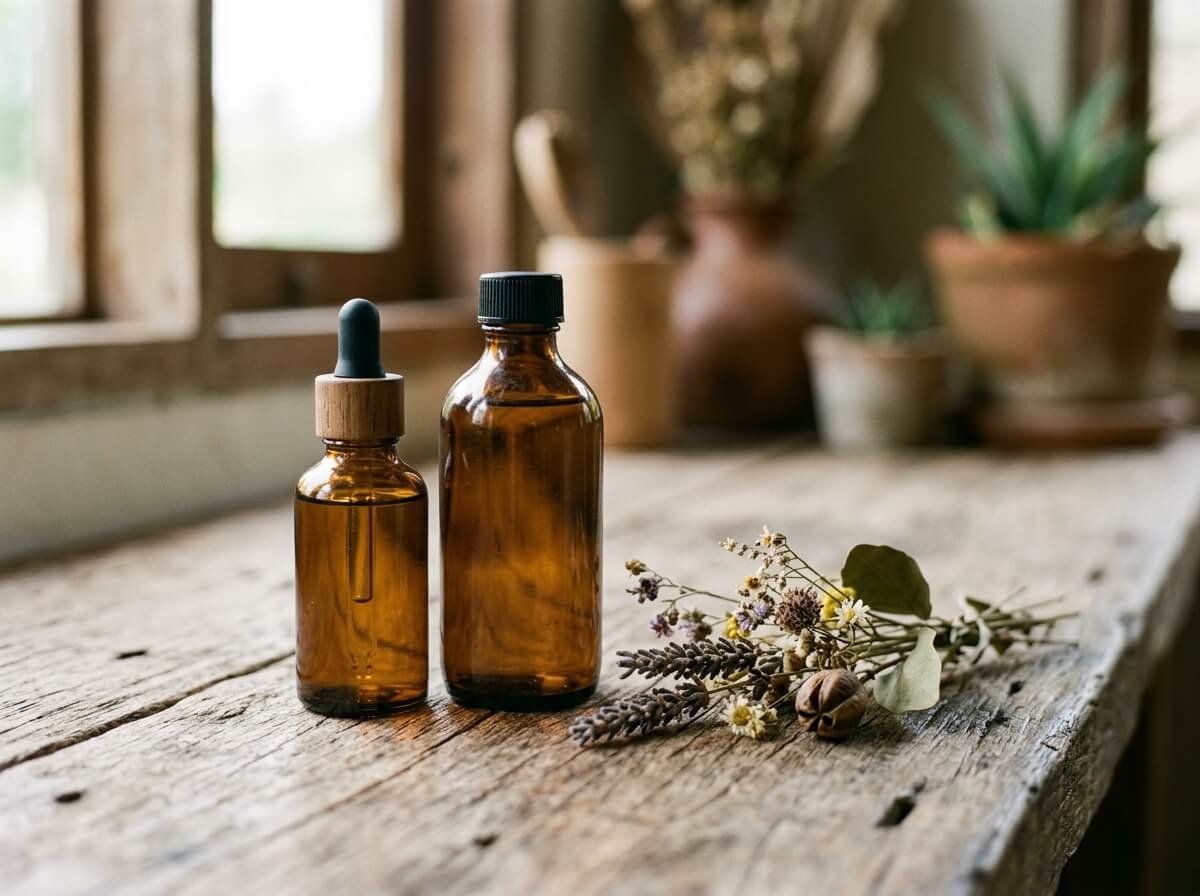
Some of the difference is marketing. A brand can pour the same coconut oil into a small bottle, call it a face oil, and charge more per millilitre. That happens, and it is exactly the kind of skincare theatre we stand against. The real, well-made versions of these two products are genuinely different, and the difference starts with the skin they are made for.
A face oil is a small-volume, carefully balanced blend designed for the thin, reactive, pore-dense skin of the face. It leans on light carrier oils, gentle actives, and a low fragrance load. A body oil is a larger-volume, richer blend built for the thicker, hardier skin from the neck down. It prioritises slip, occlusion, and scent, because the body can take, and often wants, a heavier feel.
So the shorthand you see everywhere, that face skin is delicate and body skin is thick, so body oils are richer, is true as far as it goes. It just stops before the useful part. To choose well you need to understand why that thickness changes the formula, which is where most guides go quiet. If you want the parallel comparison in the moisturiser world, our piece on body oil vs body butter covers the texture side of the same question.
How do you spot the honest version of each? Look past the front of the bottle and read the ingredient list. A genuine face oil will name light carriers, often list a targeted botanical or two, and keep the scent quiet. A genuine body oil will lead with richer, more nourishing oils and usually carry a fuller fragrance. When the same oil is sold as both a face and a body product with an identical formula, that is your signal that the naming is doing the work the ingredients should be doing. Utama Spice sits firmly on the side of building each oil for its purpose, because that is what actually serves your skin.
The skin barrier from face to feet: why one formula does not fit all

Your skin is not uniform. The skin on your face, especially around the eyes, is among the thinnest on the body, with a fragile barrier, more blood vessels close to the surface, and a high density of oil glands and pores. The skin on your shins, elbows, and back is thicker, tougher, drier in many places, and far less prone to breakouts.
That single fact drives everything. Thin facial skin absorbs quickly and reacts quickly, so a face oil has to be light enough to sink in without sitting on the surface, and clean enough not to trigger congestion or irritation. Thicker body skin, particularly on the legs and arms, loses moisture readily and benefits from an oil that stays a little longer and seals that moisture in.
Even within the face, the skin is not one thing. The area around the eyes is thinner still, the T-zone can run oilier, and the cheeks are often drier and more sensitive. A well-made face oil respects that range, absorbing cleanly enough to suit the whole face rather than overloading the parts that need the least. Body skin varies too, with the shins and elbows tending to be the driest and most in need of a sealing oil, while the chest and inner arms are softer. A body oil is built to be forgiving across all of it.
There is also the matter of scale. You use a few drops on your face and a palmful on your body. An ingredient that is perfectly safe in a light facial dose can feel greasy or overwhelming spread across your whole body, and a rich occlusive that is lovely on dry shins can be far too much for a cheek. Matching the oil to the skin, and to the amount, is the whole game. Our guides to a natural face oil and a natural body oil go deeper on each side.
Comedogenic ratings: the reason your body oil does not belong on your face
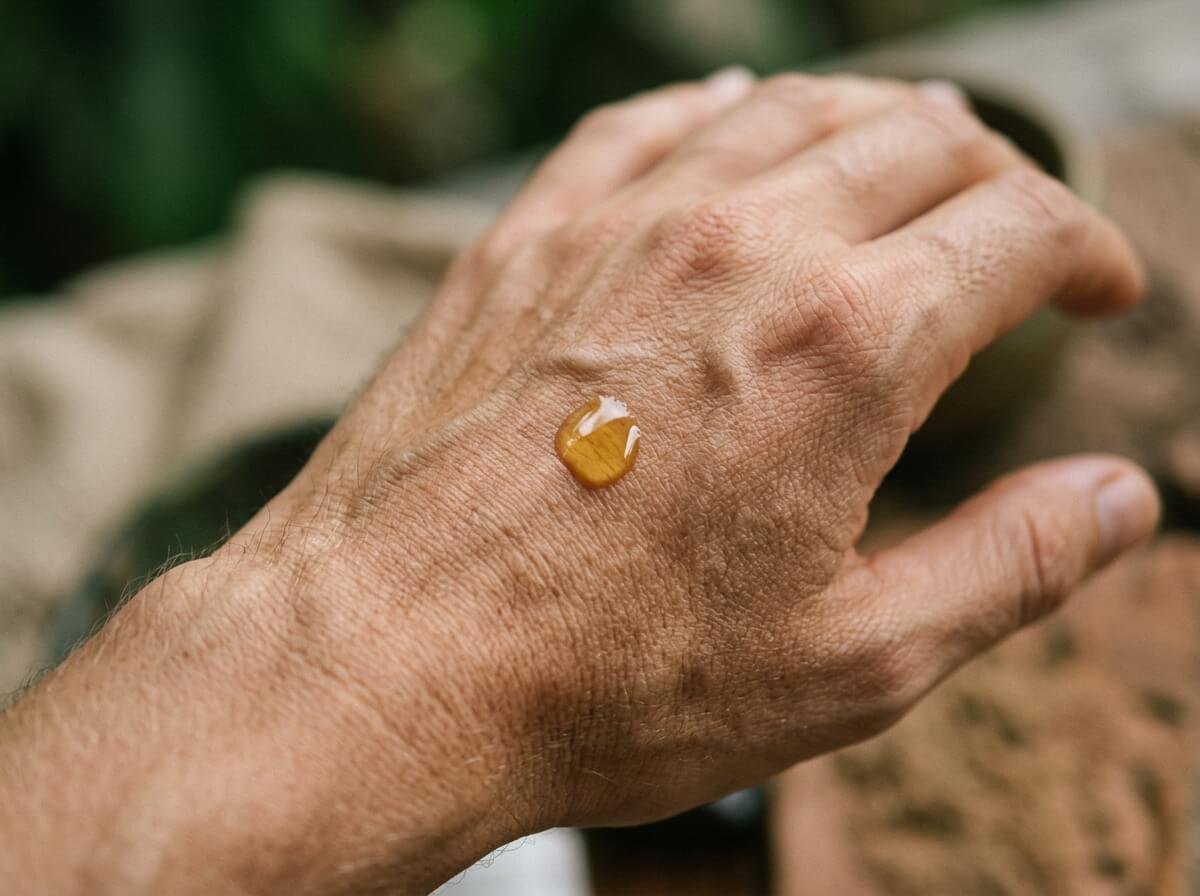
Here is the piece almost every comparison skips. Oils are rated on a comedogenic scale, a rough zero-to-five measure of how likely an oil is to clog pores. On the face, where pores are dense and breakouts are common, that rating matters enormously. On the body, where congestion is rare, it barely matters at all.
This is why a good face oil is built on low-comedogenic carriers. Jojoba, which mirrors the skin’s own sebum, rosehip, and kukui all sit at the gentle end of the scale. Tamanu and argan are also well tolerated on most faces, which is why our Tamanu Oil and Argan Oil are trusted as facial single-oils. If you want to see two facial carriers weighed against each other, our comparison of argan oil vs tamanu oil lays out the trade-offs.
A rough map helps here. Oils that tend to sit low on the comedogenic scale, and so suit most faces, include jojoba, rosehip, argan, kukui, and hemp seed. Oils that sit higher, and so are usually happier on the body, include coconut and cocoa butter derived blends. The scale is a guide, not a law, since skin is individual and cold-pressed quality matters, but it explains why the two products reach for different building blocks.
Body oils have no such constraint, so they can lean on richer, more occlusive oils that would be too heavy for facial pores. Coconut oil is the classic example: deeply nourishing, wonderful on the body, and comedogenic enough that many people break out when they use it on the face. We wrote about that exact tension in kukui oil vs coconut oil and in our guide to coconut body oil. The takeaway is simple: the oil that makes your legs glow can be the same oil that congests your chin.
What goes into a face oil vs a body oil

Once you know the skin is different, the formula differences make sense. Three things separate the two products: the carrier oils, the actives, and the fragrance load.
Carriers
Face oils are built on light, fast-absorbing, low-comedogenic carriers so they sink in and leave no film. Body oils can use heavier, more occlusive carriers because slip and staying power matter more than a weightless finish.
Actives
A face oil often carries targeted, gently diluted actives, botanical antioxidants and barrier-supporting lipids chosen for facial concerns. A body oil rarely bothers with facial actives; its job is to soften, seal, and smooth a large area, so it invests in nourishing richness rather than precision. Our Immortelle Helichrysum Face Serum is a good example of an oil-based facial blend built around a specific botanical, where a body oil would simply be too diluted across the body to deliver that kind of focused care.

Fragrance load
This one surprises people. Body oils usually carry more fragrance, because scent is part of the pleasure of a body ritual and thicker skin tolerates it well. Face oils keep fragrance minimal or absent, since the delicate skin around the eyes and cheeks is far more likely to react. When you compare labels, a higher essential-oil or fragrance content is often a quiet signal that an oil was designed for the body. If you are choosing a facial option, our note on a natural face moisturiser explains what to look for.

A body oil built for the body, and honest about it
Our Rose Allure Body Oil is a rich, slow-absorbing blend made to be pressed into damp skin after a bath, the way a body oil is meant to be used. It is generous, sensory, and refillable, so you buy the oil once and keep the bottle. Choose it for the body, keep a lighter oil for the face, and let each do the job it was made for.
Can you use one for both? The one-directional honest answer
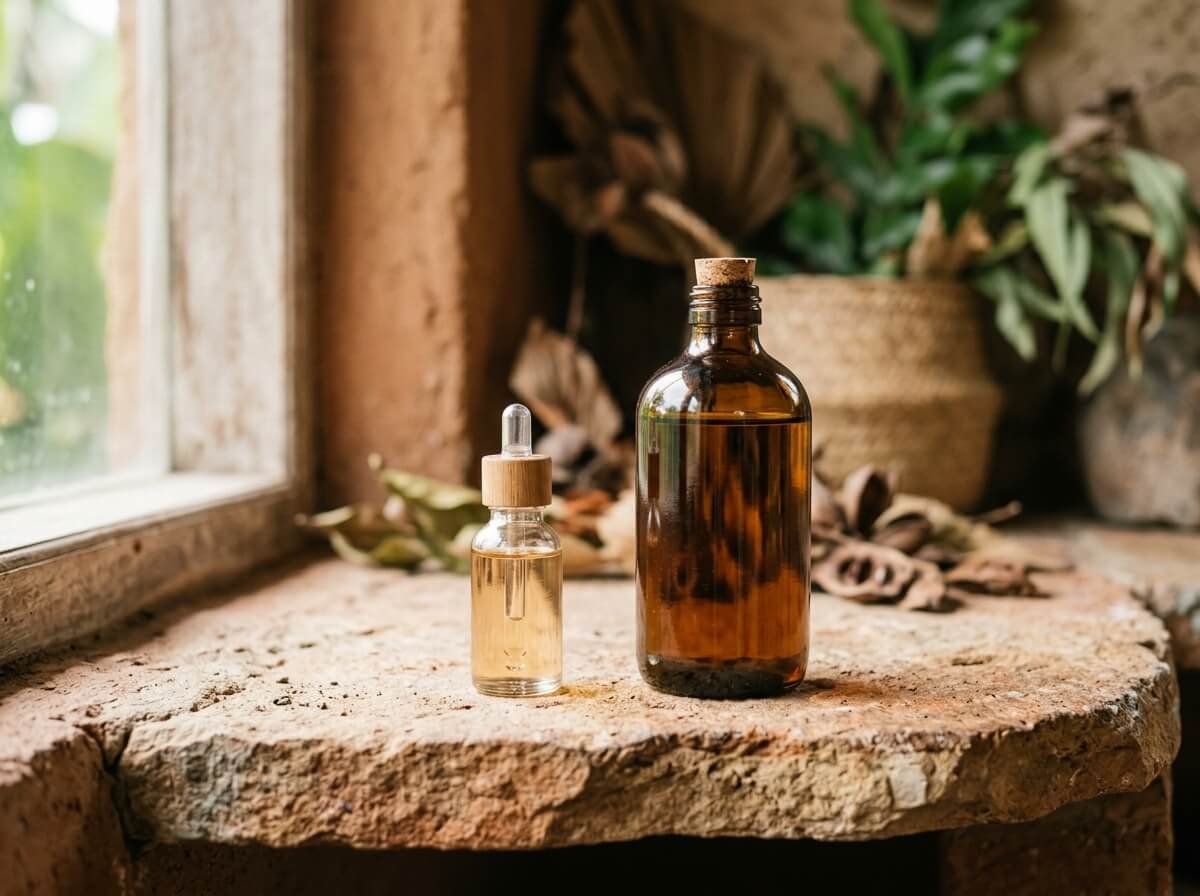
This is the question no brand wants to answer plainly, so we will. Yes, you can sometimes use one oil for both jobs, but only in one direction.
A light, low-comedogenic face oil can safely go on the body. If you have a small bottle of a gentle facial oil and you want to smooth it over dry hands, elbows, or cuticles, that is completely fine. It will simply be a more expensive way to moisturise a large area, since face oils are made in small, carefully dosed volumes.
The reverse does not hold. A rich body oil should not go on the face. The heavier, more occlusive carriers and the higher fragrance load that make a body oil lovely on your legs are the same things that can clog facial pores and irritate delicate skin. The direction only runs one way: face to body, never body to face.
A few real scenarios make this practical. Travelling light and want one bottle? Take the face oil and use it sparingly head to toe. Have leftover facial oil approaching the end of its life? Use it up on cuticles, elbows, and the ends of your hair rather than throwing it away. Tempted to smooth your fragrant body oil over your face because you love the scent? That is the one move to resist, especially if you are prone to congestion. When in doubt, remember the direction and you will rarely go wrong.
So if you are trying to save money with a single oil, buy the good face oil and use it sparingly on both. If you want the full sensory body experience, keep a dedicated body oil and do not let it near your face. For most people the honest, money-wise answer is the one we opened with: choose the right two.
Two rituals, two textures: the facial press vs the Balinese body massage

The difference between these oils is not only chemistry. It is ritual. The way you apply each one is part of what makes it work, and it is where the sensory heart of natural care lives.
A face oil asks for stillness. Warm two or three drops between clean palms, then press them slowly into damp skin, cheeks, forehead, and jaw, without dragging or rubbing. The warmth helps the oil absorb, and the pause turns a skincare step into a moment of quiet. It is a small, grounding practice you can fold into the end of any day.
A body oil asks for movement. In Bali, body oil is the language of massage, worked into the skin with long, firm strokes that warm the muscles and settle the mind. This is the tradition our Rose Allure Body Oil and our Lavender Body Oil are made for: pressed into damp skin after a bath, then massaged in until it disappears. A brighter blend like our Lemongrass Ginger Body Oil turns the same ritual energising rather than calming. Two textures, two rhythms, both rooted in the same belief that care should be felt, not rushed.
Choosing your two oils (and refilling instead of over-buying)

You do not need ten oils. You need two good ones, matched to your skin, and the habit of refilling them rather than replacing them. Here is how to choose.
- For the face, pick a light, low-comedogenic oil suited to your skin type. Drier or mature skin does well with rosehip or a barrier-supporting blend; oily or breakout-prone skin does better with jojoba or a lighter single-oil like argan. Our Balinese face oil guide can help you match one.
- For the body, pick a richer oil whose scent you genuinely love, since you will use it often and generously. Match the mood: calming, warming, or brightening.
- Read the label. A short list of recognisable carrier oils, a low comedogenic profile, and a modest fragrance load point to a face oil. Heavier occlusives and a fuller scent point to a body oil.
- Refill, do not rebuy. Choose oils that come in refillable formats so you keep the bottle and cut the waste.
That last point matters more than any single ingredient. Buying the right two oils and refilling them, rather than collecting bottles you never finish, is a small, real act of care, for your skin, your budget, and the planet. It is the same logic behind everything we make: choose well, use fully, refill endlessly. If you are still weighing textures on the body side, our comparison of a natural body butter against a body oil is a good next read.
Is a face oil just a smaller, pricier body oil?
No, or at least it should not be. A well-made face oil uses lighter, low-comedogenic carriers, gentler and more targeted actives, and far less fragrance than a body oil. The smaller size reflects how little you need, not just a higher markup. If a brand sells the identical formula in two sizes and two names, that is marketing rather than formulation.
Can I use body oil on my face if I have dry skin?
It is better not to. Dry facial skin still has dense pores and a reactive barrier, so the heavier carriers and higher fragrance in a body oil can clog and irritate even when your face feels tight. Reach for a richer face oil or a barrier-supporting facial blend instead, and save the body oil for the neck down.
Which comes first, face oil or moisturiser?
As a general rule, apply your face oil to clean, slightly damp skin, and if you use a separate cream, apply the oil after lighter water-based steps. On the body, press the oil into damp skin straight after a bath or shower to trap the moisture. Timing is part of why each product works.
Do I really need two separate oils?
Most people are best served by two: one light oil for the face and one richer oil for the body. If budget or simplicity matters most, a single gentle face oil used sparingly on both is a reasonable compromise, since the safe direction runs face to body. What you should avoid is buying many oils you never finish.
Face oil vs body oil was never really a competition. It is two tools for two jobs, and once you know the difference, you stop wasting money and start getting results. Choose your two, use them with intention, and let each do what it was made to do.