Oil cleansing method: a calm, honest guide to cleansing with oil
The oil cleansing method sounds like a contradiction. Wash your face with oil, on purpose, to get it clean. For anyone raised on squeaky-clean foam, it feels backward. Yet the oil cleansing method is one of the oldest, gentlest ways to care for skin, and it rests on a simple piece of chemistry rather than a trend. In Bali, oil has been part of daily skin ritual for generations, long before it had a name or a hashtag. This guide is the calm, honest version: what the oil cleansing method actually does, how to choose your oil, how to do it step by step, and where it helps most (and where it does not). No miracle claims, just the truth about oil, skin, and care.
We make face oils and gentle botanical washes in small batches in Ubud, so we have watched this method work on a lot of skin, including our own. We have also watched it go wrong when it is rushed or matched to the wrong oil. Both of those stories matter, and both are here.
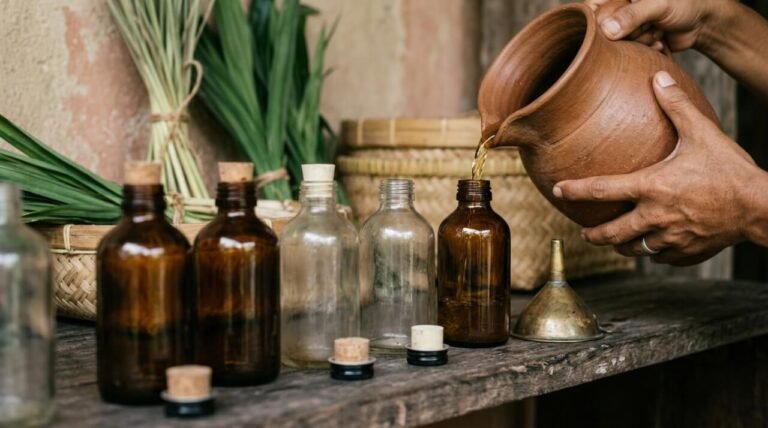
None of this is new to Bali. Long before oil cleansing became a Western skincare topic, oil was central to how people here cared for the body. Coconut oil warmed between the hands, botanical blends worked into the skin during a boreh or lulur ritual, oil as the first thing you reach for rather than the last. That ancestral practice is the blueprint we build on. Tradition, in our experience, is a form of innovation that simply arrived early.
What the oil cleansing method actually is
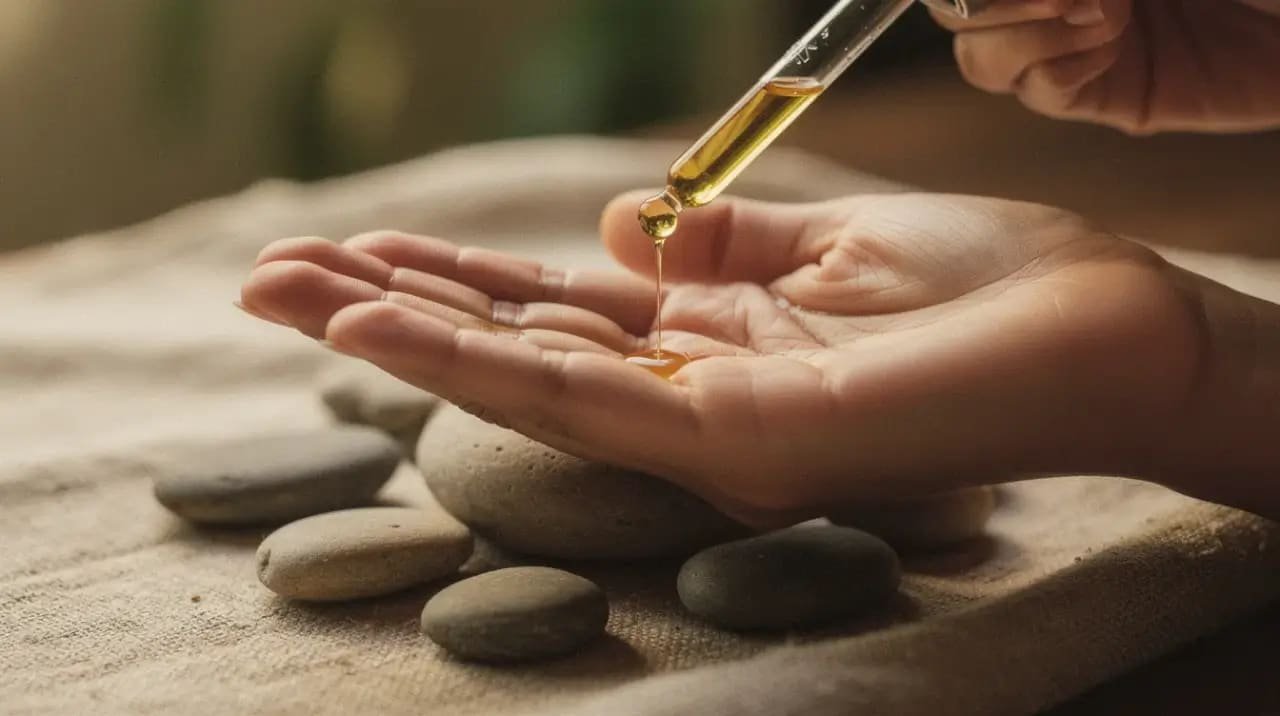
The oil cleansing method is a way of cleansing your face by massaging plant oil into dry skin, then wiping it away with a warm, damp cloth. That is the whole practice. There is no lather, no stripping foam, and no long ingredient list. You use oil to loosen the day, then a soft cloth to carry it off.
The logic sits on one old rule of chemistry: like dissolves like. Much of what settles on your face through the day is oil-based. Your own sebum, sunscreen, the residue of makeup, city grime that clings to that film. Water and most oils do not mix, which is why a splash of water alone never quite lifts it. A plant oil, though, bonds readily with those oil-based deposits. As you massage, the fresh oil blends with the old, softening plugs of hardened sebum inside pores and lifting the grime along with it. The warm cloth then wipes the whole loosened layer away.
What makes the method feel different is what it leaves behind. A foaming cleanser is built to remove oil, all of it, which is why skin can feel tight and papery afterward. The oil cleansing method removes the grime while leaving your skin barrier intact and lightly conditioned. You finish clean, not stripped. For skin that lives in a hot, humid climate, or under a lot of sun, that distinction is the entire point. If the idea of oil as a skincare hero is new to you, our guide to face oil versus body oil is a useful companion, because not every oil belongs on the face.
Why cleanse with oil, and what it will not do
People come to oil cleansing for different reasons, and it is worth being clear about which ones hold up. The strongest case is for the skin barrier. Harsh surfactants can lift away the natural lipids that keep moisture in and irritants out. When that barrier is worn down, skin often responds by producing more oil, not less, which is the frustrating loop many people find themselves in. A gentle oil cleanse respects that barrier, so skin has less reason to overcompensate.
Here is what a well-matched oil cleanse can honestly offer:
- Comfortable cleansing that does not leave skin tight or squeaking.
- Effective removal of sunscreen, makeup, and the day’s oil-based grime.
- A softer, more supple feel, because a thin conditioning film stays behind.
- A slower, sensory moment in the day, the small ritual of massage.
- Fewer products, which suits a simpler, more conscious routine.
There is a quieter benefit too, harder to measure but real. In a climate like ours, hot, humid, and bright, skin takes a daily beating from sun, sweat, and pollution. A cleanse that soothes rather than strips gives the barrier a moment to recover instead of another thing to withstand. The slow massage matters as much as the oil. It is two minutes of attention in a day that rarely offers any, and skin responds to being tended, not just treated.
And here is what it will not do, said plainly. It is not a cure for acne, and it will not erase scarring or fade pigmentation on its own. It cannot replace sun protection, and it is not a treatment for a diagnosed skin condition. Oil cleansing is a cleansing method, not a medicine. When we see it framed as a fix for everything, that is skincare theatre, and it sets people up for disappointment. Care works best when we are honest about its limits. If breakouts are your main concern, pair what you learn here with our routine-first look at natural acne treatment, which sets more realistic expectations than most.
How to choose your oil by skin type
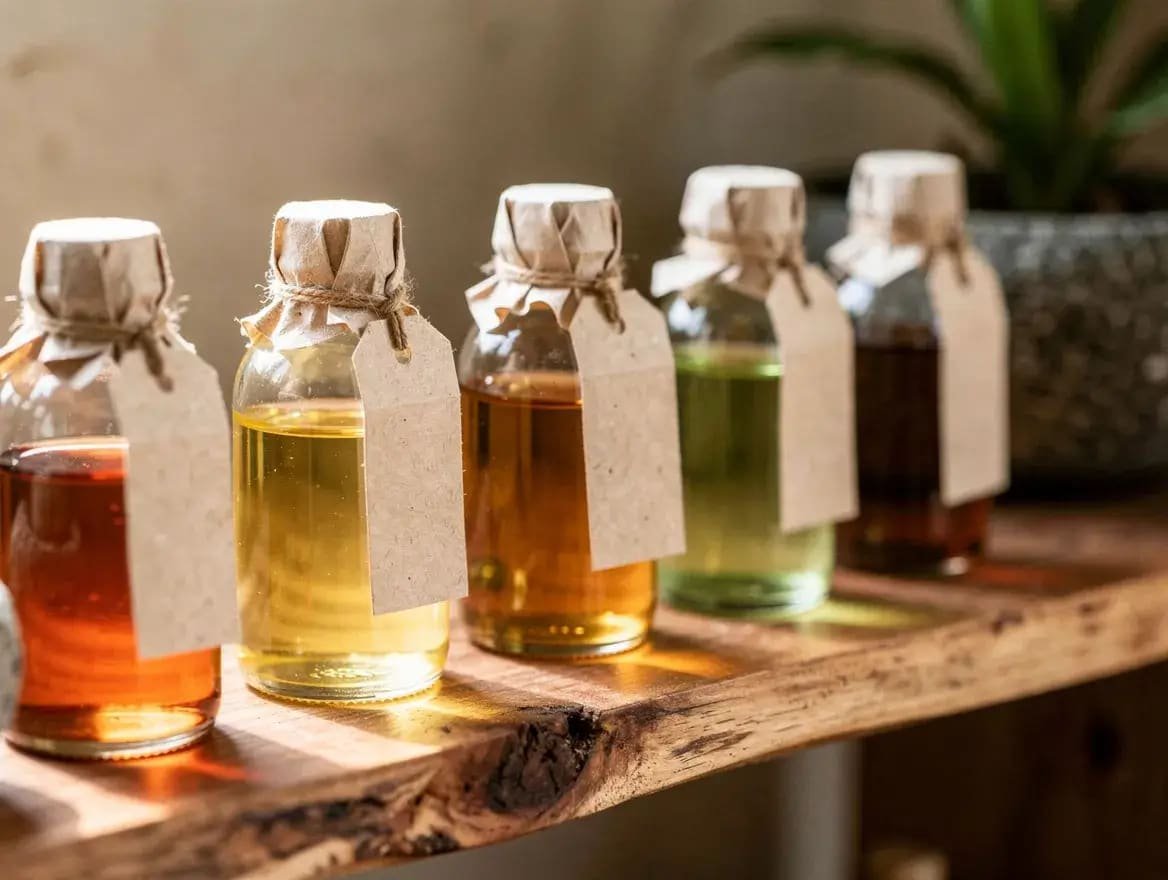
This is the step that decides whether the oil cleansing method works for you, and it is the step most guides skip past. The oil you choose matters more than the technique. Skin is individual, and an oil that leaves one person glowing can leave another congested. The useful shorthand is the comedogenic scale, a rough zero-to-five ranking of how likely an oil is to clog pores. It is a guide, not a law, but it points you in the right direction.
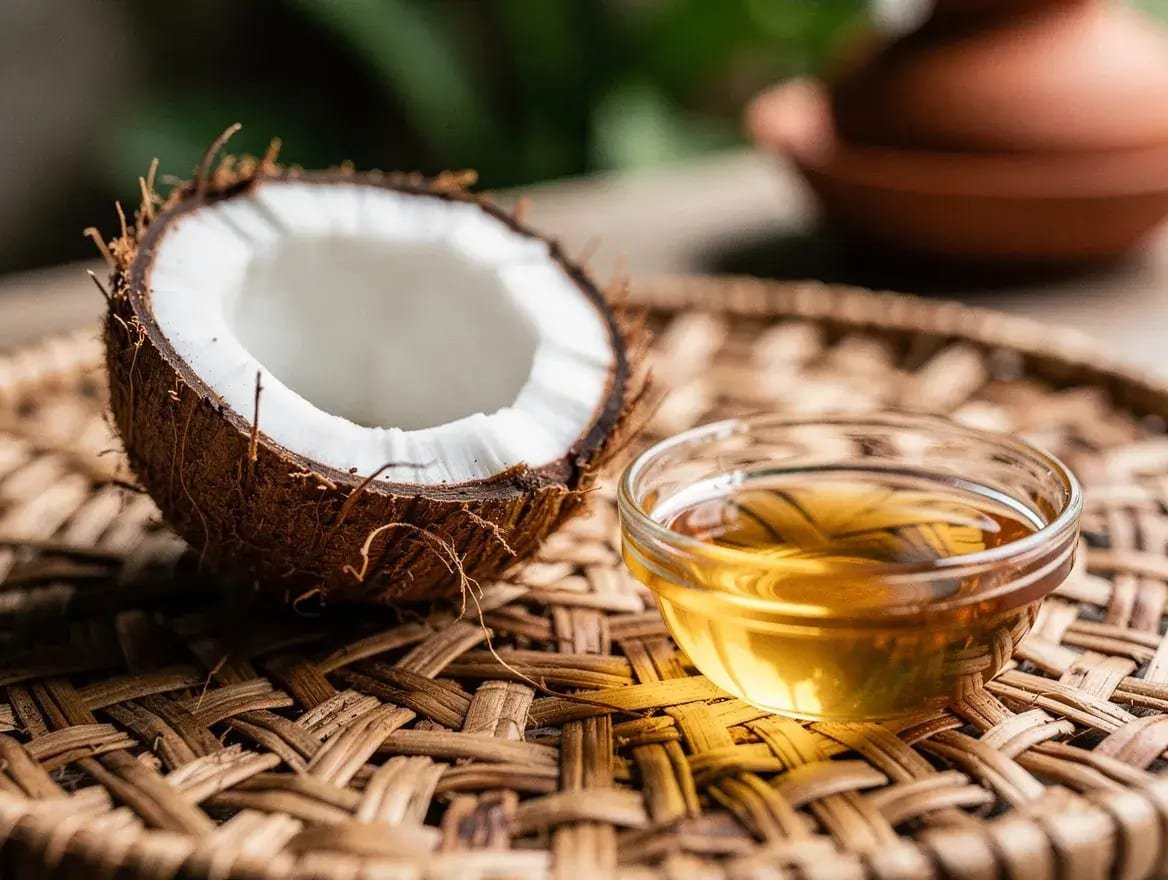
Coconut oil is the honest test case. It is a beautiful, versatile oil, cold-pressed from Bali coconuts, and it is a joy on the body. On the face it is trickier, because it sits high on the comedogenic scale and can block pores for some people. If your skin is dry or normal and tolerates it, our Virgin Coconut Oil makes a lovely, affordable first cleanse. If your skin is oily or acne-prone, treat it with caution and reach for something lighter. We would rather tell you that than watch you break out.
For a middle path, tamanu is one of the most interesting oils we work with. Pressed from the nut of a tree that grows across the tropics, it carries a long traditional use for troubled and healing skin, and it absorbs more readily than coconut. Our Tamanu Oil suits skin that wants something richer without heaviness. We compare it to another well-loved oil in argan oil versus tamanu oil, if you want to go deeper on the difference between an everyday oil and a repairing one.
If you want to understand the why beneath the scale, it comes down to fatty acids. Oils high in oleic acid tend to be richer and heavier, lovely for dry skin but more likely to sit on oily skin. Oils higher in linoleic acid feel lighter and tend to suit acne-prone skin better, because that fatty acid is often lower in skin that breaks out. You do not need to memorise the chemistry. Just know that “a plant oil” is not one thing, and that the difference between two clear bottles can be the difference between calm skin and congestion.
A simple way to match oil to skin:

- Dry or normal skin: richer oils are welcome. Virgin coconut oil or a nourishing botanical blend.
- Oily or combination skin: lighter, faster-absorbing oils. A blended face oil formulated for the job beats a single heavy oil.
- Acne-prone skin: lower-comedogenic oils only, and patch test before you commit. Tamanu and lightweight blends over coconut.
- Sensitive or reactive skin: the simplest, calmest oil you can find, fragrance kept low.
If reading a label still feels like a second language, our guide to skincare ingredients to avoid helps you tell a real formula from a marketing one, without the fear.
The oil cleansing method, step by step
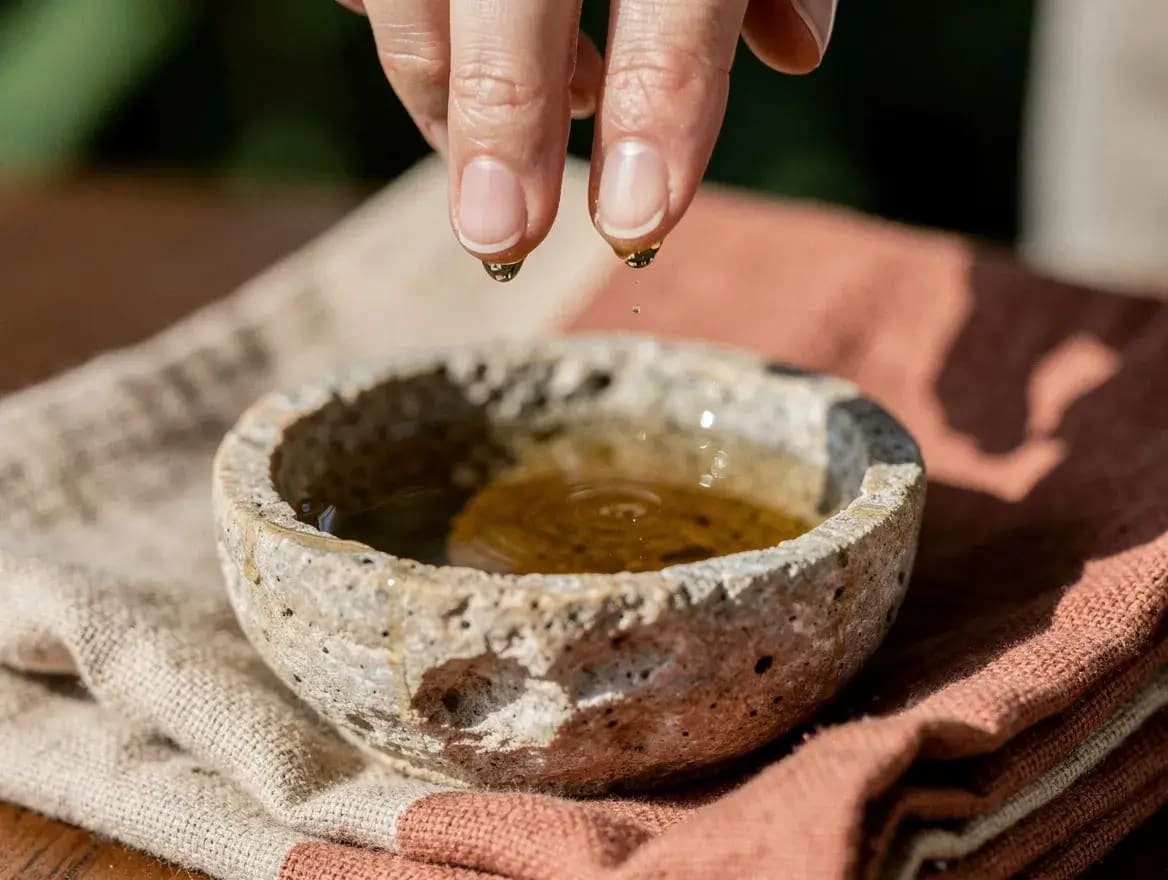
Once your oil is chosen, the practice itself is slow and forgiving. Give it a few unhurried minutes, ideally in the evening, when the point is to clear away the day. This is the part that turns cleansing into ritual rather than chore.
- Start on dry skin. No water first. Warm a coin-sized pool of oil between your palms.
- Massage gently. Work the oil over dry skin in slow circles for one to two minutes. Let it lift makeup, sunscreen, and grime. This is also a quiet moment for the skin, close to the facial massage ritual that wakes up circulation.
- Warm your cloth. Run a soft cotton cloth under warm, not hot, water and wring it out. The warmth softens what you have loosened.
- Press, then wipe. Lay the warm cloth over your face for a few seconds, then gently wipe the oil away. Rinse the cloth and repeat once or twice until skin feels clean, never scrubbed.
- Finish light. Most skin needs nothing more. If yours feels tight, press in a few drops of a leave-on face oil or a light moisturiser while skin is still damp.
There is a lighter version for busy mornings. You rarely need a full oil cleanse to start the day, since you did the real clearing the night before. A splash of warm water, or a quick pass with a light oil if skin feels dry, is usually enough. Save the slower ritual for the evening, when there is actually a day to wash away. Consistency at night beats a rushed, half-done cleanse done twice.
A few notes make the difference. Warm water opens the way and dissolves the softened oil; hot water strips and reddens, so keep it gentle. A muslin or soft cotton cloth is kinder than any exfoliating pad. And you do not need to do this every night. Many people oil cleanse in the evening and simply splash with water in the morning. If you like the idea of sealing with a cream afterward, our note on natural face cream covers how a good one works with, not against, an oil routine.
Oil cleansing for acne and oily skin: the honest take
This is where the oil cleansing method earns both its fans and its critics, so it deserves a straight answer. Putting oil on oily, breakout-prone skin sounds reckless. Sometimes it is. The wrong oil, especially a heavy comedogenic one, can absolutely make things worse. That is the honest risk, and pretending otherwise helps no one.
Yet for some oily skin, a gentle oil cleanse helps in a way harsh foam never did. Skin that is constantly stripped can swing into overproduction, an oily-then-flaky loop that no amount of scrubbing settles. Cleansing that respects the barrier can quiet that swing over a few weeks. The keys are a light, low-comedogenic oil, a patch test first, and patience. Give any change three to four weeks before you judge it, and stop if you see new congestion.
For this exact situation we formulated our Oily Face Serum, a lightweight botanical blend meant to balance rather than burden. Some people prefer to keep cleansing and treatment separate: cleanse with a simple light oil, then follow with a gentle botanical wash such as our Bliss Botanical Face Wash or, for congested skin, the Pore Cleansing Facial Wash with Clay. That two-step approach, oil first then a mild cleanser, is often called double cleansing, and it can give oily skin the best of both worlds.
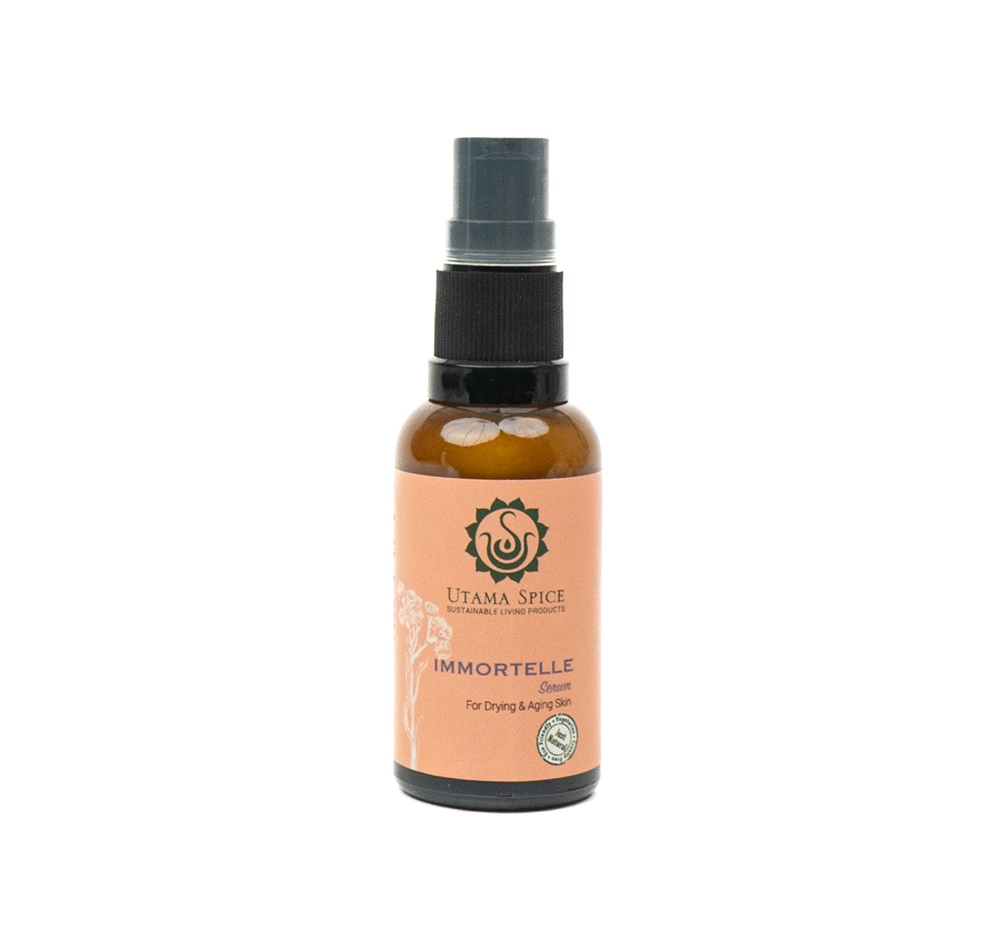
A botanical oil worth massaging in
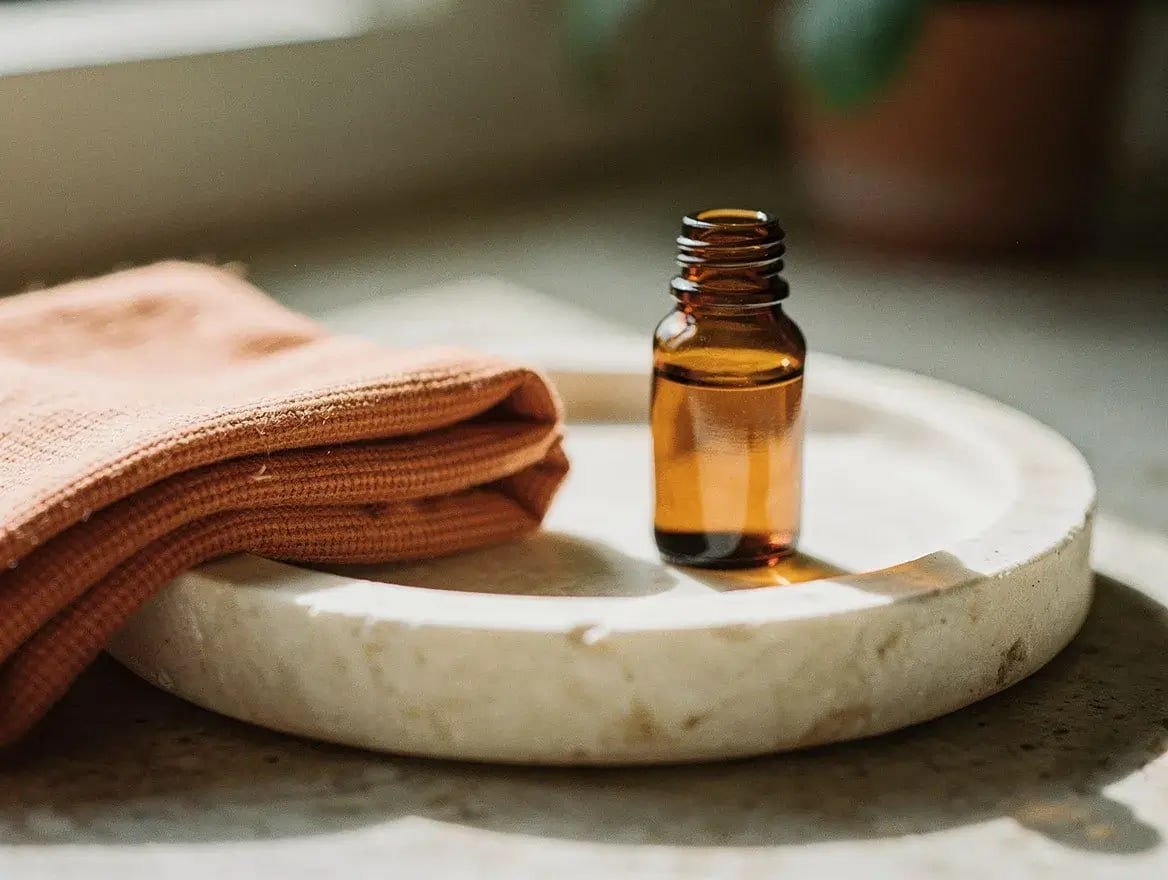
Our Immortelle Helichrysum Face Serum is a small-batch blend of botanical oils, hand-crafted in Bali to nourish and calm the skin barrier. Massage it in as your cleansing oil, or press a few drops in to finish. Care, in a single amber bottle.
Common oil cleansing mistakes, and how to avoid them
When the oil cleansing method disappoints, the technique is usually the reason, not the idea. A handful of small missteps account for most of the trouble, and each one is easy to correct.
- Using water that is too hot. Hot water strips and inflames. Warm is enough to soften and release the oil.
- The wrong oil for your skin. The most common cause of breakouts blamed on oil cleansing. Match the oil to your skin type, and patch test.
- Scrubbing with the cloth. The cloth wipes, it does not sand. Rough friction breaks the barrier you are trying to protect.
- Giving up too soon. Skin needs a few weeks to adjust. A first-week purge or oiliness often settles on its own.
- Leaving a heavy film behind. If skin feels greasy afterward, you used too much oil or wiped too little. Less oil, one more gentle pass.
- Expecting it to treat, not cleanse. It cleanses. Sun protection, targeted treatments, and time do the rest.
Get those right and the method tends to reward you quietly, over weeks rather than overnight. That patience is the whole spirit of it: progress, not perfection.
Frequently asked questions about the oil cleansing method
How often should I use the oil cleansing method?
For most people, once a day is plenty, in the evening to clear the day away. In the morning, a splash of water is often enough. Oily skin may enjoy it nightly; dry skin might prefer every other night. Let your skin, not a rule, set the pace.
Can I use the oil cleansing method with makeup and sunscreen?
Yes, and this is one of its real strengths. Oil dissolves oil-based makeup and sunscreen better than most water-based cleansers. Massage it over dry skin before adding any water, then wipe it all away with a warm cloth. For heavy wear, a second gentle cleanse afterward leaves skin fully clean.
Will oil cleansing cause breakouts?
It can, if the oil is wrong for your skin or you leave a heavy film behind. Choose a lower-comedogenic oil for oily and acne-prone skin, patch test first, and remove the oil thoroughly. A short adjustment period is normal, but ongoing congestion is a sign to switch oils.
Which is the best oil for oil cleansing?
There is no single best oil, only the best oil for your skin. Dry and normal skin often love richer oils like coconut; oily and acne-prone skin do better with lighter, low-comedogenic oils or a blend formulated for the face. Start with one oil, give it a few weeks, and adjust from there.
Final thoughts: cleansing as care
The oil cleansing method is not a hack or a shortcut. It is a slower, kinder way to clean your face, built on real chemistry and a long tradition of tending skin with what grows around us. Choose your oil with care, keep the water warm, wipe gently, and give it time. Done that way, it leaves skin comfortable rather than stripped, and it turns a rushed nightly task into a small, grounding ritual.
Like most good things, it rewards patience over promises. Start with one oil matched to your skin, pay attention to how you feel a few weeks in, and let the ritual settle into your day. That is what real care looks like: honest, unhurried, and rooted in nature. What you give your skin, in time, it gives back.