List of essential oils and their uses: a complete A-Z reference
A clear, honest list of essential oils and their uses sits at the heart of every aromatherapy library. Plant by plant, leaf by leaf, each oil carries a story of origin, a chemistry that explains how it works, and a quiet purpose in everyday ritual. This reference walks through more than thirty essential oils, organized for easy scanning, grounded in traditional use, and written with the kind of clarity we wish we had when we started out in Bali, more than thirty-five years ago.
Use it the way you would a field guide. Skim the A-Z to find the oil you are curious about, read the short profile, then check the use-case mapping further down if you are starting from a feeling (rest, focus, skin) rather than a name. For a visual companion to this reference, our essential oils uses chart condenses eighteen of the most useful oils into a one-glance table.
How to read this list of essential oils and their uses
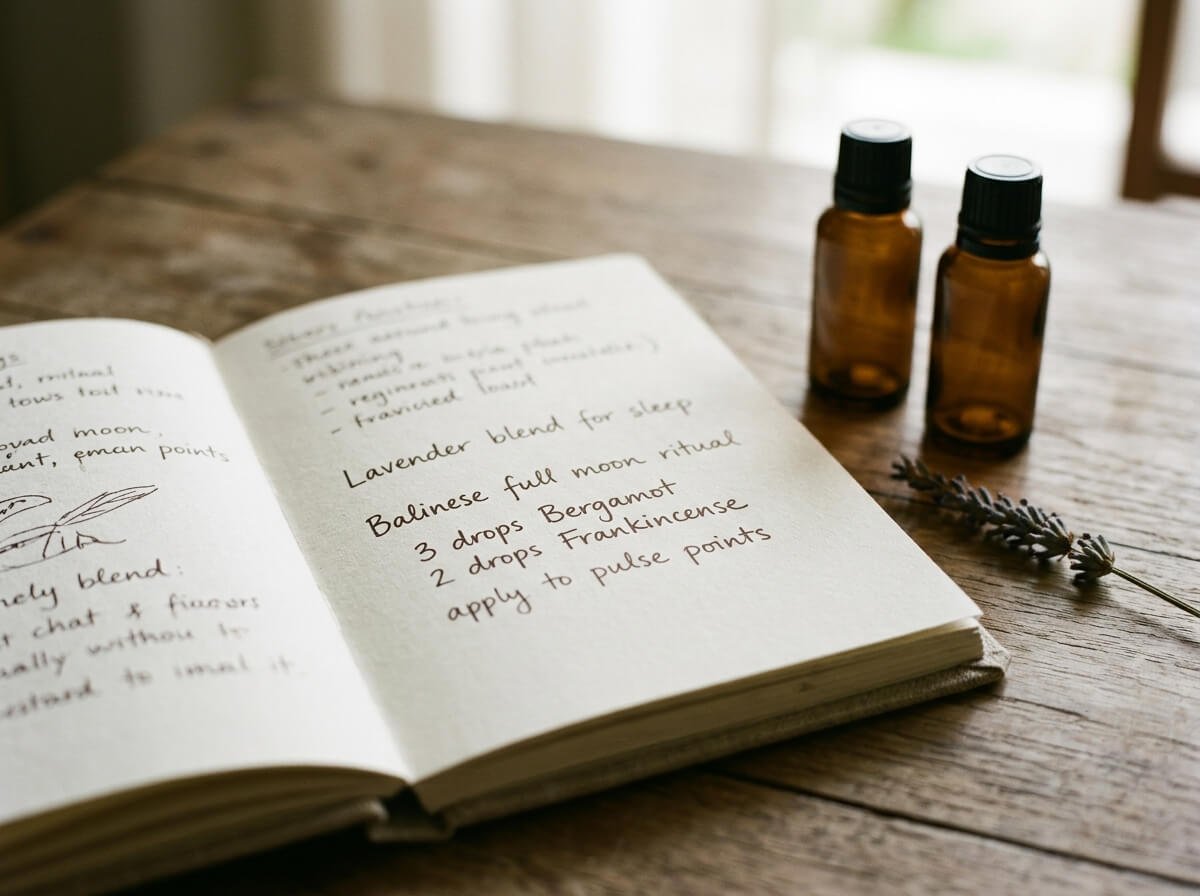
Essential oils are concentrated plant extracts, distilled or cold-pressed from flowers, leaves, bark, resin, roots, seeds, or citrus peels. A single drop holds the aromatic and chemical signature of many grams of plant material, which is why they are powerful and why they need a small amount of care in use. Each oil entry in this list answers four questions: where it comes from, what it smells like, what it is traditionally used for, and how to bring it into a daily ritual.
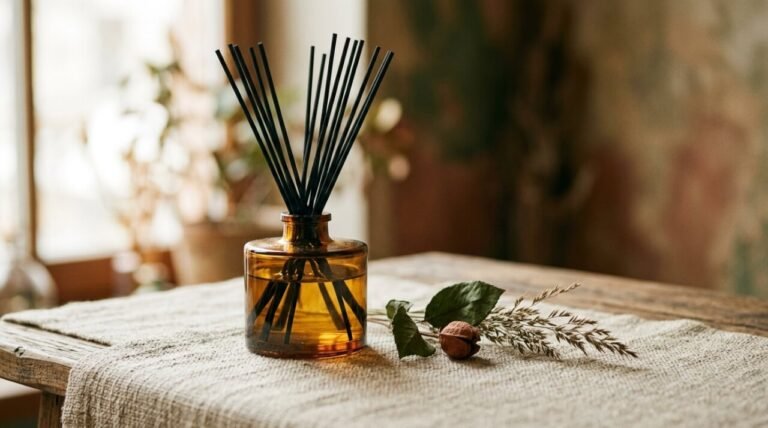
A few terms appear throughout. Top, middle, and base notes describe how an oil behaves over time in a blend. Top notes (citrus, eucalyptus) lift first and fade fast. Middle notes (lavender, geranium, rosemary) form the body of a blend. Base notes (vetiver, sandalwood, patchouli) anchor and linger. Carrier oil means a neutral plant oil, like coconut, jojoba, or sweet almond, used to dilute essential oils for skin application. Diffusion means dispersing oil into the air for inhalation, either through an electric diffuser, a reed diffuser, or a steam bowl.
None of these oils are a replacement for medical care. They are a way of bringing nature into the rhythm of a day. Used with intention and a little knowledge, they can soften how a room feels, support how the skin behaves, and shape the way an evening winds down.
An A-Z list of essential oils and their uses
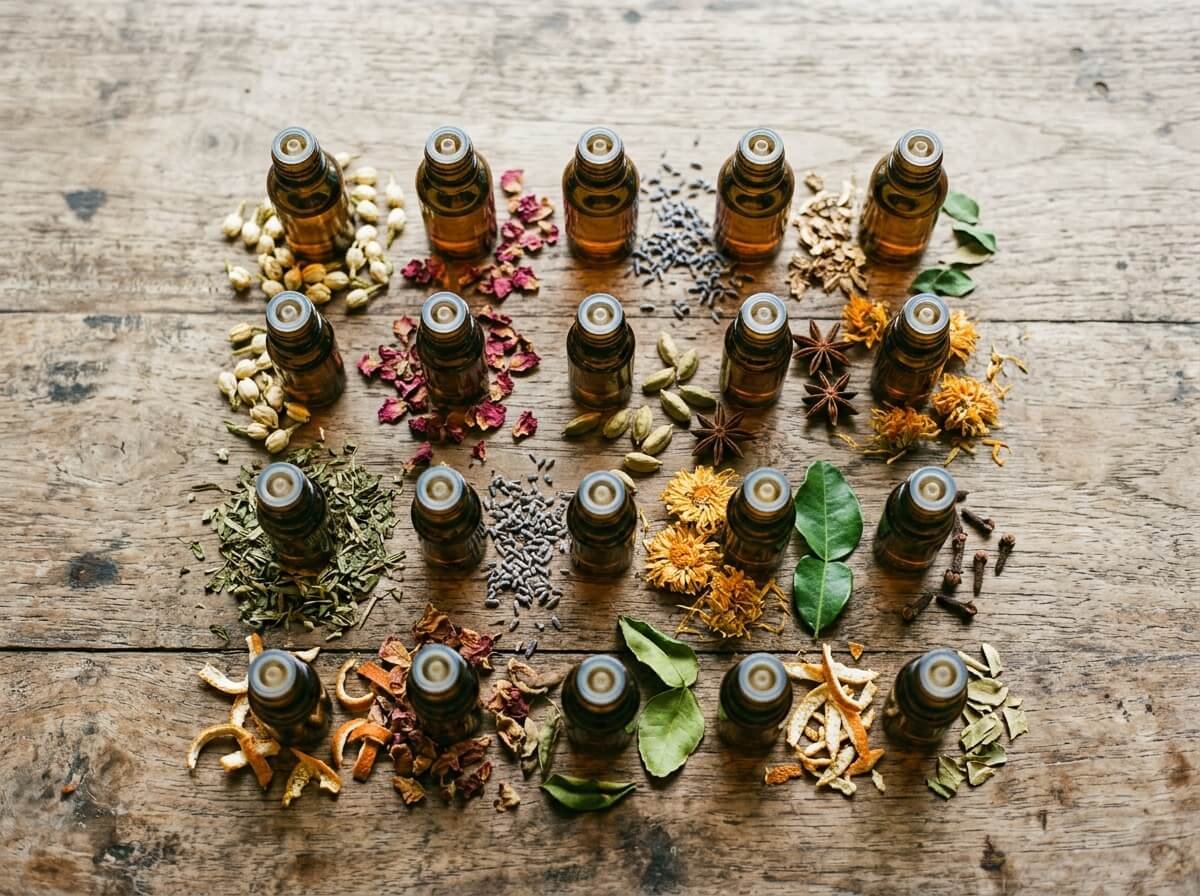
This is the long-form reference. Every entry follows the same shape, so you can scan, jump, and compare without losing your place.
Basil (Ocimum basilicum)
Steam-distilled from the leaves of sweet basil. Herbal, peppery, slightly licorice. Traditionally used to support focus and ease tension headaches. Diffuse a few drops in the morning when concentration is needed, or blend with rosemary at 1% in a carrier oil for a temple rub.
Bergamot (Citrus bergamia)
Cold-pressed from the peel of bergamot oranges grown in southern Italy. Bright, citrus, slightly floral. Used in aromatherapy to lift mood and steady restless evenings. Best diffused rather than applied to skin, as it is phototoxic and increases sensitivity to sunlight when worn topically.
Black pepper (Piper nigrum)
Steam-distilled from dried peppercorns. Warm, spicy, woody. Traditionally added to massage blends for muscle warmth before activity, and diffused for a sense of grounded energy. Use at low dilution, around 0.5% to 1% in a carrier.
Blue tansy (Tanacetum annuum)
Steam-distilled from the flowering tops of the Moroccan blue tansy plant. Deep azure in color, sweet-herbaceous in aroma. Known in skincare for soothing reactive, breakout-prone, or red skin. Our Blue Tansy Essential Oil Roller pre-dilutes it in jojoba for direct application to congested or inflamed areas.
Cananga (Cananga odorata)
A close cousin of ylang-ylang, distilled from the same tropical flower at a different stage. Soft, sweet, faintly fruity. Used in evening blends for a calming, slightly euphoric finish. Cananga is one of the signature notes in our Bali Night Essential Oil Blend, layered with citrus and vetiver.
Cedarwood (Cedrus atlantica)
Steam-distilled from the wood of the Atlas cedar tree. Dry, woody, faintly sweet. Used in evening diffusion and bedtime routines to encourage settled rest. Pairs naturally with lavender and vetiver.
Chamomile, Roman (Chamaemelum nobile)
Steam-distilled from the small daisy-like flowers. Soft, apple-like, slightly green. Roman chamomile is one of the gentlest oils, traditionally used to calm restlessness in adults and to support sensitive skin in low-dilution blends. A common pairing with lavender for sleep rituals.
Cinnamon bark (Cinnamomum verum)
Steam-distilled from the inner bark of the cinnamon tree. Warm, sweet, spicy. Strongly aromatic and a known skin irritant at higher concentrations, so reserve for very diluted blends or diffusion only. Common in seasonal holiday blends and home-spice rituals.
Citronella (Cymbopogon nardus)
Steam-distilled from a tropical grass. Bright, lemony, slightly grassy. Best known for repelling mosquitoes when diffused outdoors or worn in a diluted skin blend. Pairs well with eucalyptus and lemongrass.
Clary sage (Salvia sclarea)
Steam-distilled from the flowering tops and leaves. Earthy, herbal, slightly floral. Used in aromatherapy for emotional balance, particularly during stressful or hormonally turbulent stretches. A popular middle note in calming blends.
Clove bud (Syzygium aromaticum)
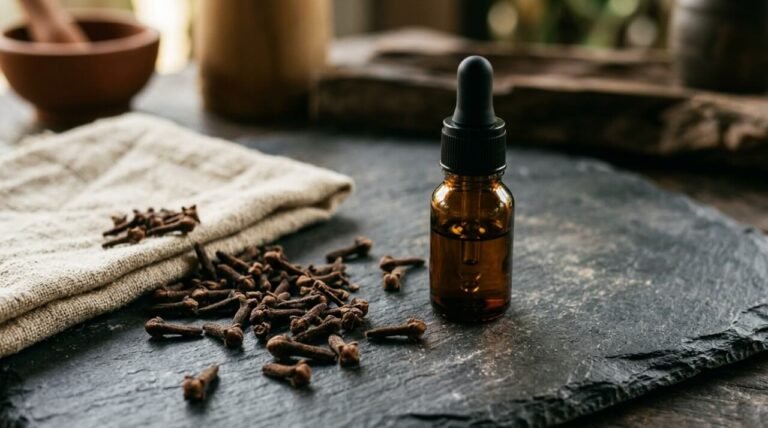
Steam-distilled from dried flower buds. Sharp, spicy, dental. Traditionally used for oral comfort and warming massage blends. A strong skin irritant on its own, so always diluted heavily.
Eucalyptus (Eucalyptus globulus)
Steam-distilled from eucalyptus leaves. Sharp, fresh, camphoraceous. The classic clear-breath oil, used in steam inhalation and chest balms during seasonal congestion. Pairs well with peppermint, lemon, and tea tree.
Frankincense (Boswellia carterii)
Steam-distilled from the resin of the frankincense tree, traditionally used in sacred rituals across the ancient world. Woody, balsamic, slightly citrus. Valued in skincare for supporting mature skin and in meditation for slowing the breath.
Geranium, rose (Pelargonium graveolens)
Steam-distilled from leaves and stems. Sweet, rosy, green. A balancing oil for combination skin and a soft floral middle note in blends. Pairs with citrus for daytime and with cananga for evening.
Ginger (Zingiber officinale)
Steam-distilled from fresh or dried ginger root. Warm, spicy, slightly sweet. Used in warming massage blends and in diffusion for a steady, grounded mood. A favorite addition to cold-weather rituals.
Grapefruit (Citrus paradisi)
Cold-pressed from grapefruit peel. Bright, fresh, slightly bitter citrus. Used to lift mornings and to scent kitchens and bathrooms. Like most citrus oils, it is phototoxic, so keep topical use off skin that will see sunlight.
Helichrysum (Helichrysum italicum)
Steam-distilled from the flowers of the immortelle plant. Warm, honey-like, slightly straw. Treasured in skincare for soothing bruised, sensitive, or aging skin. Often blended with rosehip seed oil for a restorative facial serum.
Jasmine (Jasminum grandiflorum)
Solvent-extracted (or enfleurage-derived) from delicate jasmine flowers picked at night. Deeply floral, sweet, complex. A precious oil, often sold pre-diluted because of the labor of harvest. Used sparingly in mood-lifting and intimate blends.
Kaffir lime (Citrus hystrix)
Cold-pressed or steam-distilled from kaffir lime leaves or peel. Crisp, green-citrus, sharp. A Southeast Asian kitchen and ritual staple. Our Kaffir Lime Essential Oil Blend uses the leaf for its cleaner, more structured character.
Lavender (Lavandula angustifolia)
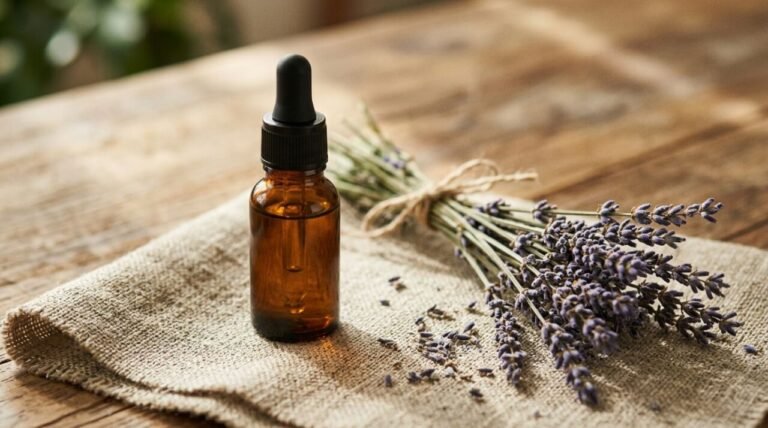
Steam-distilled from the flowering tops of true lavender. Soft, herbaceous, sweet-floral. The most studied and best-loved essential oil, traditionally used for rest, calm, and gentle skin care. A safe starting point for anyone new to aromatherapy.
Lemon (Citrus limon)
Cold-pressed from lemon peel. Crisp, bright, clean. Used for morning diffusion, kitchen scenting, and as a top note in citrus blends. Phototoxic on skin; keep topical use to areas not exposed to sunlight.
Lemongrass (Cymbopogon citratus)
Steam-distilled from a tropical grass. Bright, lemony, grassy. Used in cleansing sprays, diffuser blends, and warm-weather body mists. Pairs well with citronella for outdoor diffusion.
Patchouli (Pogostemon cablin)
Steam-distilled from the dried leaves. Earthy, sweet, rich, with a distinctive base-note depth. Used as a fixative in perfumery and in grounding evening blends. The aroma deepens and improves with age.

Peppermint (Mentha piperita)
Steam-distilled from the leaves. Cool, minty, sharp. Used in diffusion for alertness and clear breathing, and in diluted topical blends for tension headaches. Strong, so keep dilution low and avoid near the eyes.
Rosemary (Rosmarinus officinalis)
Steam-distilled from the leaves and flowering tops. Sharp, woody, herbaceous. A traditional hair-and-scalp oil and a focus-supportive diffuser staple. Pairs with basil, peppermint, and lemon for morning rituals.
Sandalwood (Santalum album or S. spicatum)
Steam-distilled from the heartwood of sandalwood trees. Creamy, warm, smooth, deeply woody. Used in meditation, evening rituals, and skincare for mature or sensitive skin. Always check that the source is ethically harvested, as some sandalwood species are vulnerable.
Sweet orange (Citrus sinensis)
Cold-pressed from the peel of the sweet orange. Sweet, bright, sunny. One of the gentlest citrus oils. Used in family-friendly diffuser blends, holiday rituals, and as a soft top note. Less phototoxic than other citrus oils.
Tangerine (Citrus reticulata)
Cold-pressed from tangerine peel. Sweet, fresh, mellow citrus. A softer, slightly more rounded sibling of sweet orange. Often used in calming citrus blends and bedtime rituals for children when very well diluted.
Tea tree (Melaleuca alternifolia)
Steam-distilled from the leaves of the Australian tea tree. Sharp, medicinal, herbaceous. Traditionally used for skin clarity, scalp care, and home cleansing. Our Tea Tree Shampoo harnesses it for a clean, balanced scalp.
Vetiver (Vetiveria zizanioides)
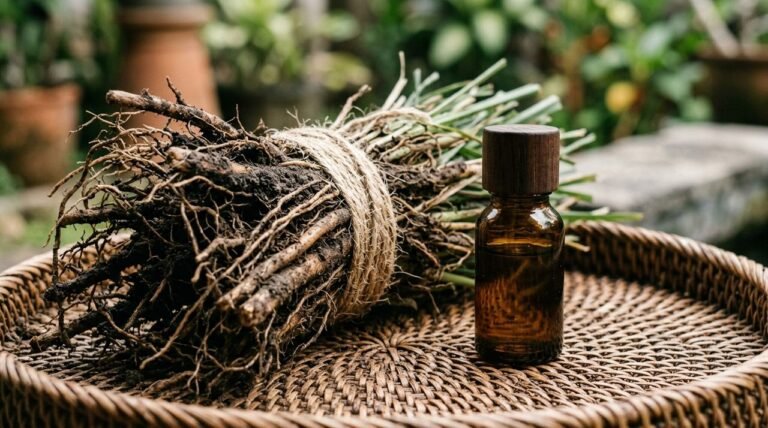
Steam-distilled from the roots of vetiver grass. Deep, smoky, earthy, slightly sweet. A grounding base note used in evening rituals, anxious or restless moods, and meditation blends. Pairs naturally with sandalwood, cedarwood, and rose.
Ylang-ylang (Cananga odorata var. genuina)
Steam-distilled from the fresh flowers of the tropical ylang-ylang tree, grown widely in Indonesia. Sweet, deeply floral, slightly fruity. Used in intimacy blends, evening diffusion, and for calming a busy mind. A signature note in many of our Bali-rooted blends.
Common uses for essential oils, mapped to specific oils
If you are starting from a feeling or a need rather than a specific oil name, this map helps you cross-reference. A reliable list of essential oils and their uses is most useful when you can read it in two directions, plant first and purpose first.
For rest and bedtime
Lavender, Roman chamomile, cedarwood, vetiver, sandalwood, ylang-ylang, cananga. Layer one floral, one wood, and one root for a balanced sleep blend. Diffuse for thirty minutes before bed or apply a 1% dilution to the inner wrists.
For focus and morning energy
Peppermint, rosemary, basil, lemon, grapefruit, sweet orange. Combine one citrus top note with one herb for a focused start. If you are deep-working from home, our guide to essential oil blends for the diffuser walks through three morning recipes by mood.
For low mood and quiet evenings
Bergamot, sweet orange, geranium, clary sage, ylang-ylang, frankincense. These oils share a softening, mood-supportive quality. If anxious thoughts are the dominant note, our piece on essential oils for stress and anxiety covers blending ratios and ritual cues in more depth.
For skin clarity and balance
Tea tree, blue tansy, helichrysum, geranium, lavender, frankincense. Skin oils need particular care with dilution, generally 0.5% to 1% in a carrier for facial use. Match the oil to the skin behavior: tea tree for breakouts, blue tansy for redness, helichrysum for fragility, frankincense for fine lines.
For clear breathing
Eucalyptus, peppermint, tea tree, rosemary, lemon. Steam inhalation is the traditional method, two to three drops in a bowl of hot water with a towel over the head, eyes closed.
For home cleansing and air
Lemon, lemongrass, eucalyptus, tea tree, citronella, peppermint. Add to a diffuser, a steam mop, or a simple spray bottle of distilled water and witch hazel for a natural, fragrant home rinse. For the diffuser itself, our guide to the best essential oil diffuser covers what to look for in nebulizing, ultrasonic, and reed designs.
How to use essential oils safely
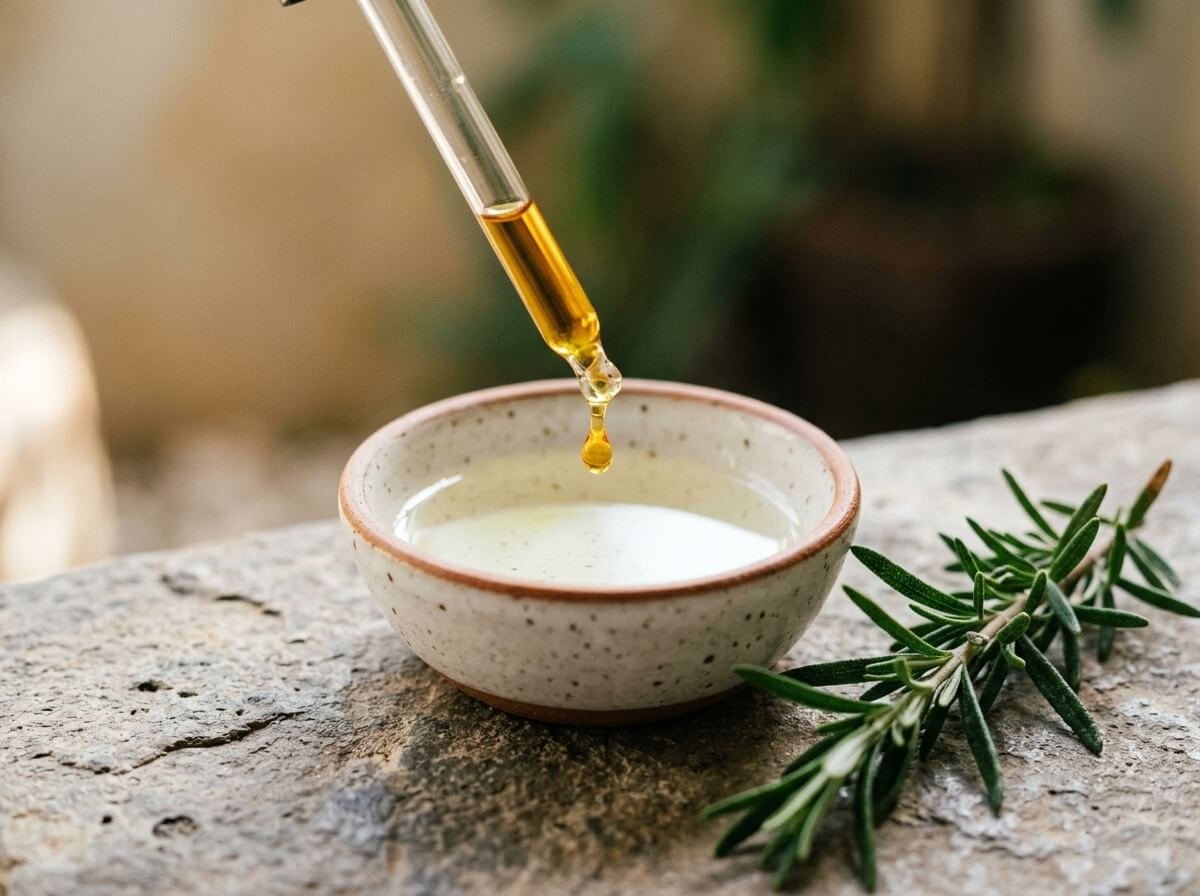
Concentrated plant oils ask for a few simple practices. None of these rules are dramatic, but each one matters.
- Always dilute before skin contact. Use a carrier oil (coconut, jojoba, sweet almond, fractionated coconut). For adult body use, aim for 1% to 2%, which works out to roughly six to twelve drops per 30ml of carrier. For facial use, drop to 0.5% to 1%. For children over two, halve again.
- Patch test first. Apply a small diluted amount to the inner forearm and wait twenty-four hours. If there is any redness, itching, or rash, stop.
- Mind phototoxicity. Cold-pressed citrus oils (bergamot, lemon, lime, grapefruit, sometimes orange) can react with sunlight and cause skin reactions. Keep them off skin that will see the sun for at least twelve hours.
- Diffuse in short sessions. Thirty to sixty minutes at a time, then a break. The nose adapts quickly, and less is genuinely more.
- Be cautious during pregnancy, with babies, and around pets. Pregnant and breastfeeding people should consult a qualified aromatherapist or healthcare provider before topical use. Babies under three months should not have essential oils applied. Many oils, especially tea tree, eucalyptus, and citrus, can be harmful to cats and small dogs; diffuse in well-ventilated rooms and never apply to animals without veterinary guidance.
- Store away from heat and light. Amber or dark green glass, cool cupboard, lids tight. Shelf life is roughly one to three years for most oils; citrus oils oxidize faster.
If a product already contains essential oils (a face wash, a body oil, a candle), the formulator has handled the dilution for you. The same care still applies to skin sensitivity and storage.
Begin with a blend that already does the work
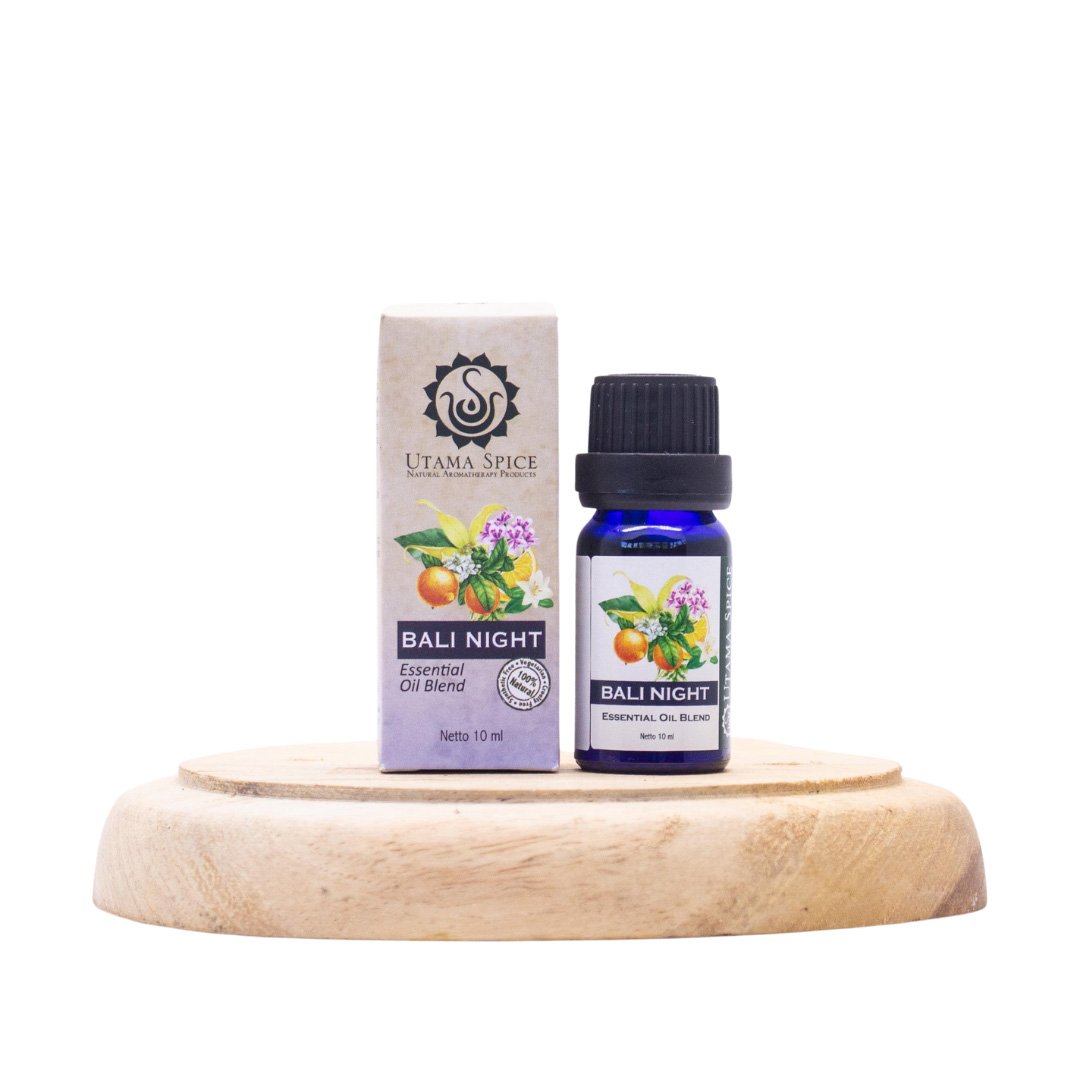
If your introduction to essential oils begins with one bottle, let it be one that brings together the best of the list. Our Bali Night Essential Oil Blend layers cananga, ylang-ylang, vetiver, rose geranium, and warm citrus into one quiet evening ritual, hand-blended in Bali.
How we source and craft essential oils at Utama Spice
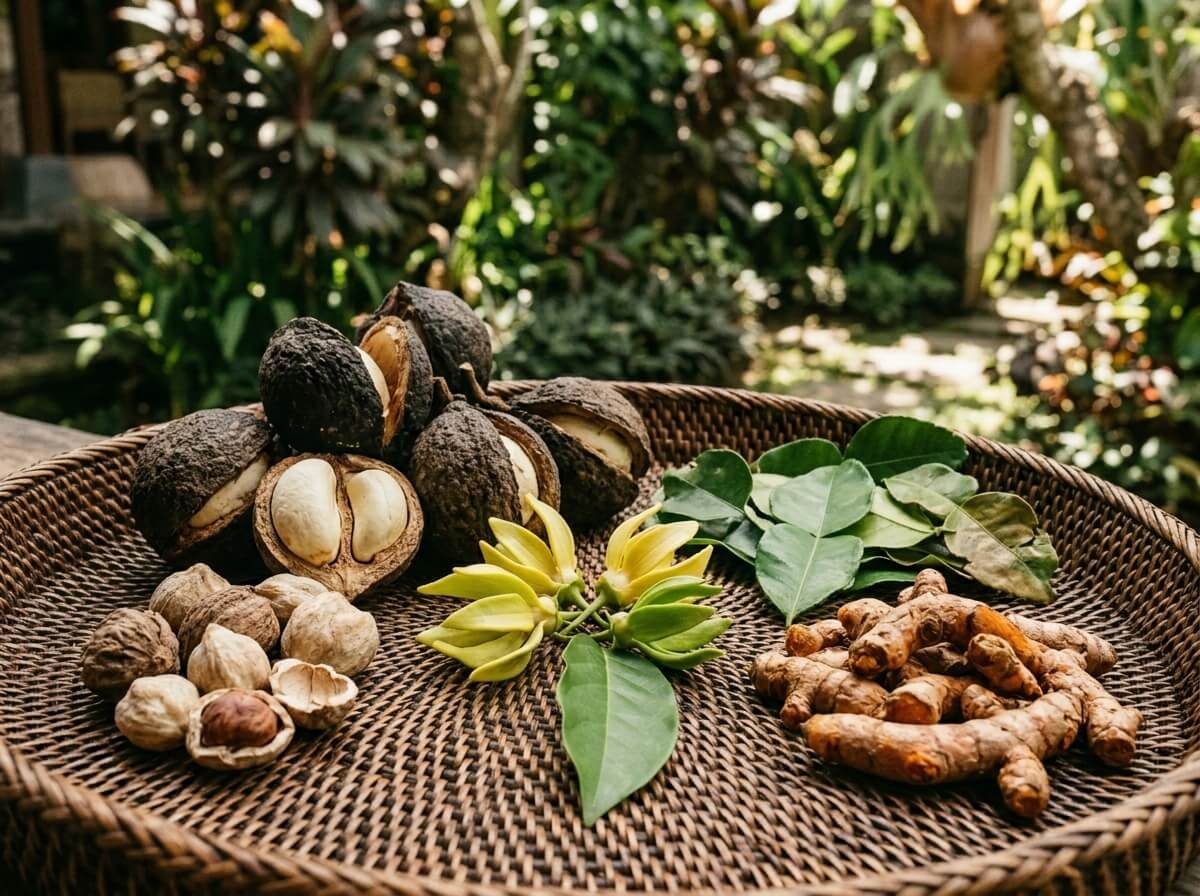
Every oil on this list comes from a plant, and every plant comes from a place. The question of origin matters as much as the question of use. We started Utama Spice in Ubud in 1989 with a single incense and a few balms. Thirty-five years later, our practice is the same: source from people we know, partner with cooperatives that protect their land, and craft in small batches in Bali.
Our wild-harvested ingredients come through the Forestwise partnership in Kalimantan, where families have worked the same illipe and kukui groves for generations. The forest is the source, and protecting the forest is what allows the source to continue. Our coconut, the most-used carrier oil across our range, comes through the Aluan partnership from Balinese groves where regenerative practice is the default rather than the marketing line. The plastic credits we pay through Seven Clean Seas remove equivalent ocean plastic for every gram of product we produce. The women of Munti Gunung in East Bali handle parts of our packaging and refill stations, building skill and steady work in their own community.
This is why our list of essential oils, and the blends we craft from it, is not interchangeable with the average drugstore row. Sourcing decides whether an aromatic oil supports a forest or strips it, whether a bottle of citrus oil paid a fair wage or did not. We choose the longer path, every time, because the alternative is not really care. For a wider look at how we think about plant-based scent in everyday life, see our complete guide to aromatherapy oils.
Frequently asked questions about essential oils and their uses
How many essential oils do I actually need to get started?
Three is plenty. A flexible starter set is lavender, sweet orange, and peppermint or eucalyptus, covering rest, mood, and clarity. From there, add by curiosity rather than completeness.
Can I apply essential oils directly to the skin?
As a rule, no. Always dilute in a carrier oil first. The only common exceptions are lavender and tea tree, which some people apply neat to small spots, but even there, a patch test is worth doing.
Are essential oils the same as fragrance oils?
No. Essential oils are extracted from plant material through distillation or cold pressing. Fragrance oils are synthetic blends designed to mimic an aroma, with no plant origin and no aromatherapeutic effect. Read labels carefully.
How long do essential oils last?
Most last one to three years if stored in dark glass, away from heat and light. Citrus oils oxidize fastest, around twelve months. If the aroma turns sharp, sour, or plasticky, the oil has gone off.
Which essential oils are best for sensitive skin?
Roman chamomile, lavender, blue tansy, helichrysum, and rose geranium, all used in low dilution (0.5% in carrier oil). Sensitive skin tends to react less to lighter, less spicy oils. Avoid cinnamon, clove, oregano, and undiluted citrus on reactive skin.
Can I diffuse essential oils around children and pets?
Yes, with care. Use short sessions, well-ventilated rooms, and keep the diffuser out of reach. Some oils, including tea tree, eucalyptus, and most citrus, are not safe for cats and small dogs. When in doubt, ask a veterinarian.
Final thoughts: choosing oils that align with your rituals
A useful list of essential oils and their uses is not about owning thirty bottles. It is about knowing what each plant brings, where it came from, and how it fits the moment you are in. A morning with lemon and rosemary, a long evening with vetiver and lavender, a steam inhalation with eucalyptus when the seasons change. These are small choices, repeated, that build a quieter, more rooted way of caring for yourself and your space.
Start with three oils. Learn how each one behaves in your home. Add by use, not by impulse. And if you want a single bottle that already does the layering work for you, our aromatherapy collection is built around the same principles: real plants, honest sourcing, and the patience of small-batch craft.