Essential oils uses chart: a guide to 18 botanical oils and their best uses
An essential oils uses chart is, at its most useful, a calm reference, not a marketing poster. It pairs each oil with what it does, where it works best, and how to use it without overreach. We have spent more than 35 years blending small-batch oils in Bali, so this chart is grounded in what we actually see work in daily rituals, not in promises we cannot keep. If you have ever stood in front of a shelf of amber bottles, unsure which one is right for a tired evening or a heavy morning, this guide is built for you.
Think of this as a working chart, the kind you would pin to the inside of a cabinet door. It is a beginner-friendly reference for 18 of the most useful essential oils, the situations they suit, and the rituals that bring them into your day. By the end, you will know how to read any essential oils uses chart with a more discerning eye, and how to build a small, intentional collection that earns its place on your shelf.
What an essential oils uses chart actually is
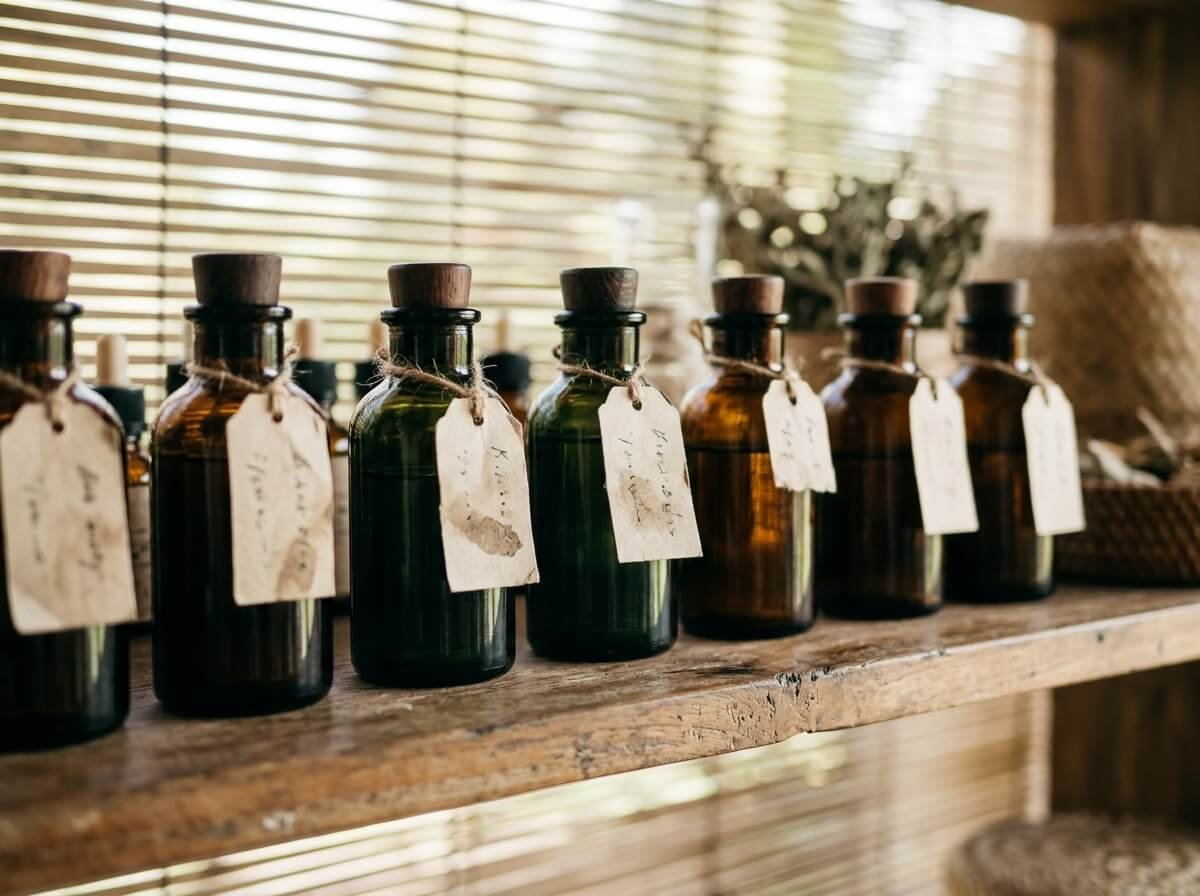
A good essential oils uses chart is a one-page memory aid. It maps each oil to three things: what it tends to support, how it is best delivered, and what to watch out for. The format dates back further than wellness culture, sitting closer to a herbalist’s index card than to a slick infographic. The clearest charts are honest about effect, not exaggerated. A drop of lavender in a diffuser at night does not cure anything, but it can quiet a room, soften the edges of a long day, and help a body settle into rest.
If you are new to aromatherapy, start by reading our guide to essential oils benefits, which walks through the science of how plant compounds interact with the body. Then return here to the chart. Together they form the why and the how: one explains the mechanism, this one helps you choose. We also recommend bookmarking the essential oil blends guide for when you are ready to combine oils with intention, rather than at random.
Charts are also a defence against marketing. Once you see how few claims an oil can credibly carry, the noise of overreaching labels falls away. A clear chart trades hype for use, and use is what brings real care into a home.
The 18 essential oils every chart should cover
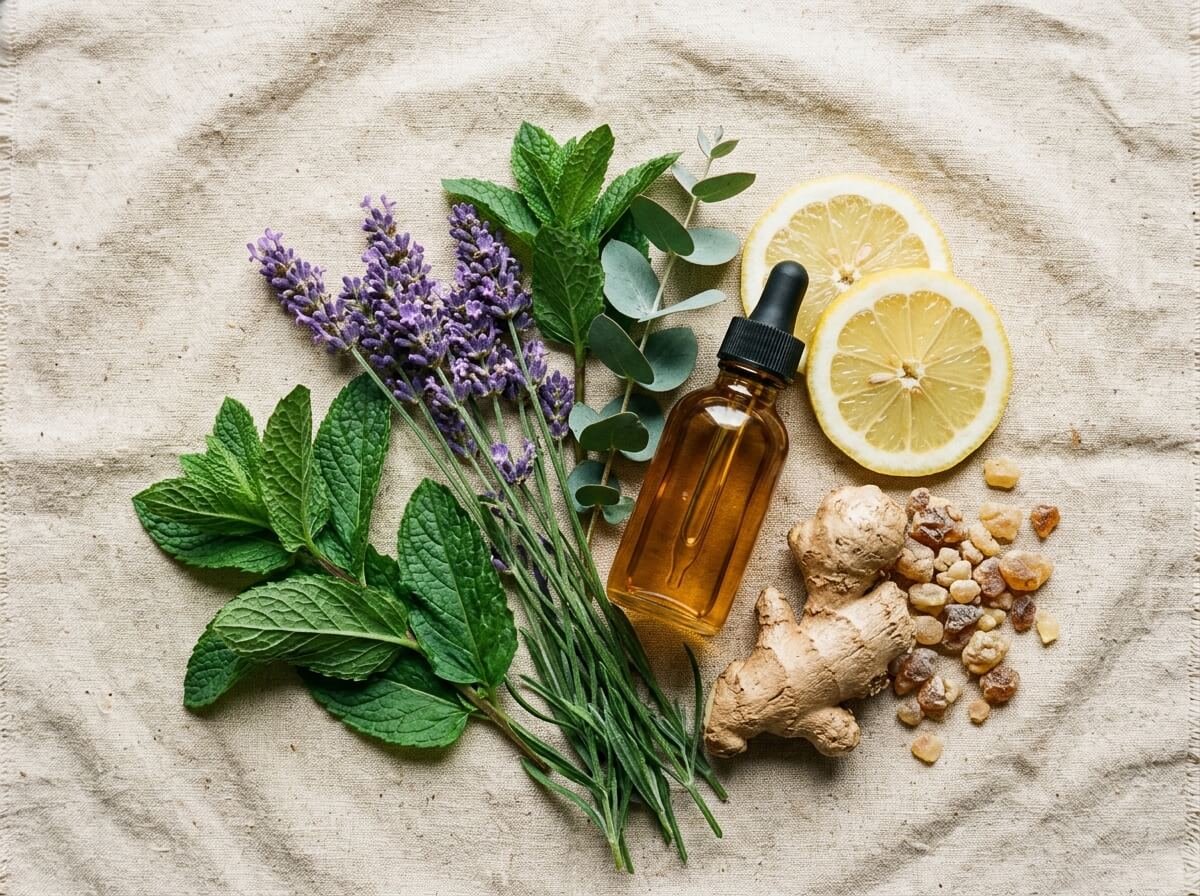
There are thousands of plants that yield aromatic oils, but a working starter chart only needs eighteen. These cover the most reliable categories of use: calming, uplifting, focusing, cleansing, warming, and grounding. We have chosen oils that are widely available, well-studied, and used across both traditional Balinese practice and modern aromatherapy.
Calming oils
- Lavender: the cornerstone of any uses chart. Calming, balancing, supportive of rest. Best delivered through a diffuser, a pillow mist, or a diluted roll-on. See our lavender essential oil for the variety we use across our wellness range.
- Roman chamomile: softer and sweeter than lavender, often chosen for children and for evening rituals. Use in baths and in low-dilution body oils.
- Ylang ylang: floral and slightly sensual, useful for unwinding after a sharp day. Pairs well with bergamot. Try our ylang ylang essential oil for a single-note diffuser blend.
Uplifting oils
- Bergamot: citrus with depth, often described as bright but grounded. Lifts mood without the sharpness of straight lemon.
- Sweet orange: approachable, family-friendly, easy in any blend. A good first oil for anyone hesitant about scent.
- Grapefruit: clean and energising, useful for morning rituals and for kitchens. Our grapefruit essential oil is cold-pressed to preserve its top notes.
- Lemon: the most familiar uplifting oil. Diffuser-ready and a strong companion for cleaning blends.
Focusing oils
- Peppermint: sharp, cool, and stimulating to the senses. Useful during long focused work, or in tension-relief roll-ons for the temples (well diluted).
- Rosemary: herbaceous and clarifying, traditionally associated with memory and study. Our rosemary essential oil is a favourite of operators we work with who want a focused but warm desk diffuser.
- Eucalyptus: opens the senses, supports easy breathing through cooler months. Pairs naturally with peppermint and tea tree.
Cleansing oils
- Tea tree: the classic skin-supporting oil. Tea tree shows up in toners, scalp serums, and laundry rinses. Always dilute. Our tea tree essential oil is steam-distilled in small batches.
- Lemongrass: herbaceous, fresh, and traditionally used in Balinese homes as an indoor cleansing aroma.
- Cajeput: a close cousin of tea tree, milder and warmer. Common in Indonesian apothecary traditions.
Warming oils
- Ginger: rooting, warming, and a steady companion through cool seasons. Often used in massage blends for body warmth.
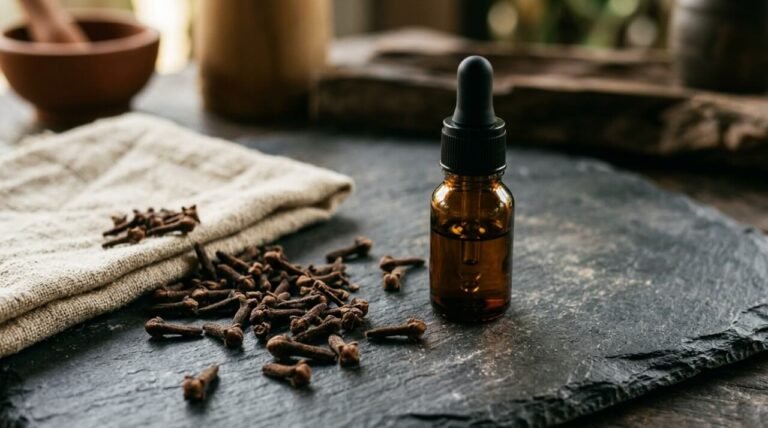
- Clove: intense and spicy. A small drop reaches a long way. Best diluted in winter blends and never used neat on skin.
- Cinnamon bark: sweet and powerful, holiday-coded, also a known skin-sensitiser. Use at low dilution and only in well-ventilated rooms.
Grounding oils
- Frankincense: resinous, contemplative, traditionally associated with breathwork and meditation. Try our frankincense essential oil in evening rituals.
- Patchouli: earthy and slow, the base note in many blends. Anchors brighter oils and lengthens their presence.
Eighteen oils is enough. Charts that list a hundred can be useful for reference, but in daily practice most homes find rhythm with a smaller set, used often, refilled regularly. That is closer to how care actually lives in a home.
Mind, body, and home: matching oils to outcomes
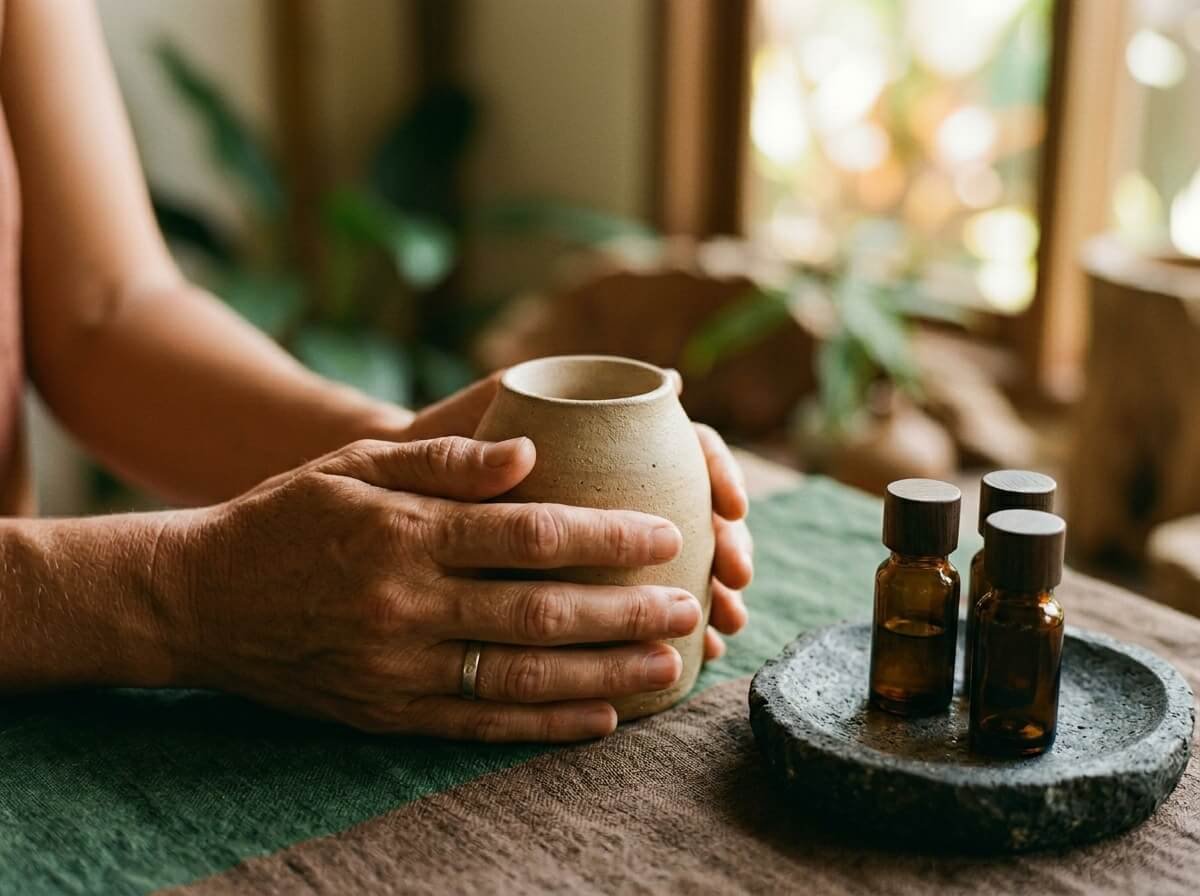
This is the heart of any essential oils uses chart: what to reach for, and when. The pairings below are starting points, not prescriptions. Pay attention to how your own body responds. A scent that calms one person can feel heavy to another, and the most reliable test is your own quiet noticing.
For the mind
- To rest: lavender, Roman chamomile, ylang ylang. Diffuse together, or pick one for a pillow mist. Our deeper guide on essential oils for stress and anxiety covers timing and dose in more detail.
- To focus: peppermint, rosemary, lemon. Strong morning diffuser blend, or a desk roller.
- To lift mood: bergamot, sweet orange, grapefruit. The brightest of the chart, gentle enough for daily use.
- To settle into presence: frankincense, patchouli, sandalwood. Slower, earthier, suited to evening or contemplative practice.
For the body
- For tight shoulders: a low-dilution body oil with ginger, lavender, and a touch of peppermint, applied after a warm shower. Our guide to aromatherapy massage walks through dilution ratios.
- For skin support: tea tree, lavender, and chamomile, always carried in jojoba or another light skin oil. Strong essential oils on bare skin can do more harm than good.
- For seasonal breathing ease: eucalyptus and peppermint in a steam bowl, or in a shower diffuser tab.
- For energising mornings: grapefruit, rosemary, or peppermint in a shower-floor drop or in your moisturiser routine.
For the home
- To freshen a room: lemon and rosemary together in a diffuser. Crisp without being clinical.
- To welcome guests: sweet orange, ylang ylang, and a single drop of clove (in cooler months). Warm, hospitable, layered.
- To clean kitchens and bathrooms: tea tree and lemon in a vinegar or castile-soap spray. Effective and grounded in tradition.
- To prepare a space for rest: lavender and frankincense at low dilution, an hour before sleep.
A chart works when it stops you reaching for the same single oil out of habit. Notice when a brighter or quieter pairing would serve the moment better. The same five bottles, used with intention, create more variety in a home than twenty bottles used at random.
Blending principles: how oils work together
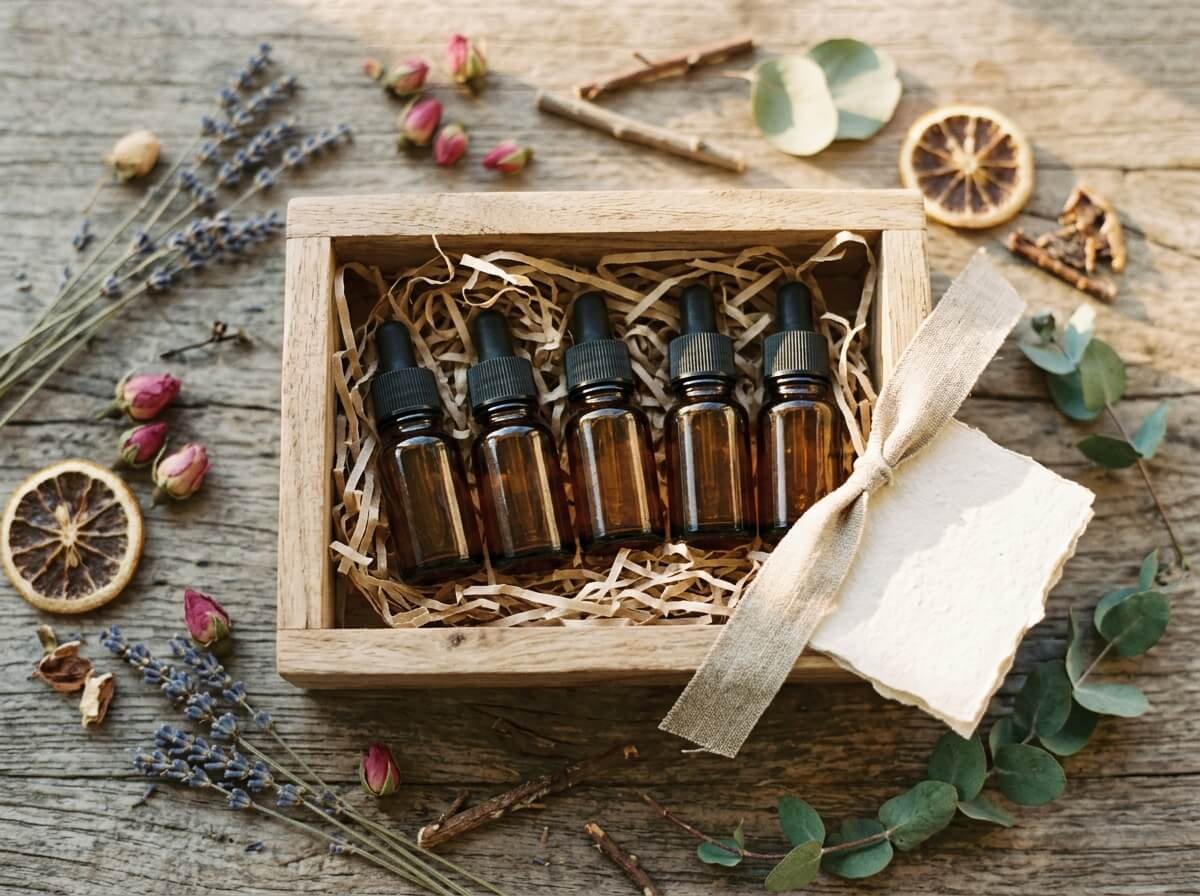
Once you know the eighteen, the next layer of any essential oils uses chart is how to combine them. Aromatherapy blending borrows from perfumery: oils are grouped by top, middle, and base notes. Top notes are the first scent you meet (citrus, peppermint). Middle notes are the body of the blend (lavender, geranium, rosemary). Base notes hold the blend together over time (patchouli, frankincense, sandalwood).
A simple starting ratio for a 10 ml diffuser blend is two drops top, three drops middle, one drop base. From there, you adjust by trust in your own nose. If a blend feels too bright, add base. If it feels heavy, add a top. The most useful charts include this layer, because it is what turns a chart from a list into a working practice. For a deeper look, see our companion piece on essential oil blends, where we walk through three classic recipes by mood.
Two more pairings rarely make it onto basic charts but should: which oils sharpen each other, and which mute. Lavender and bergamot, for example, amplify each other’s calming character. Peppermint and rosemary do the same for focus. On the other hand, ylang ylang and eucalyptus rarely sit well together, since one wants to slow you and the other wants to wake you. A chart that helps you choose is also one that warns you about the combinations that fight.
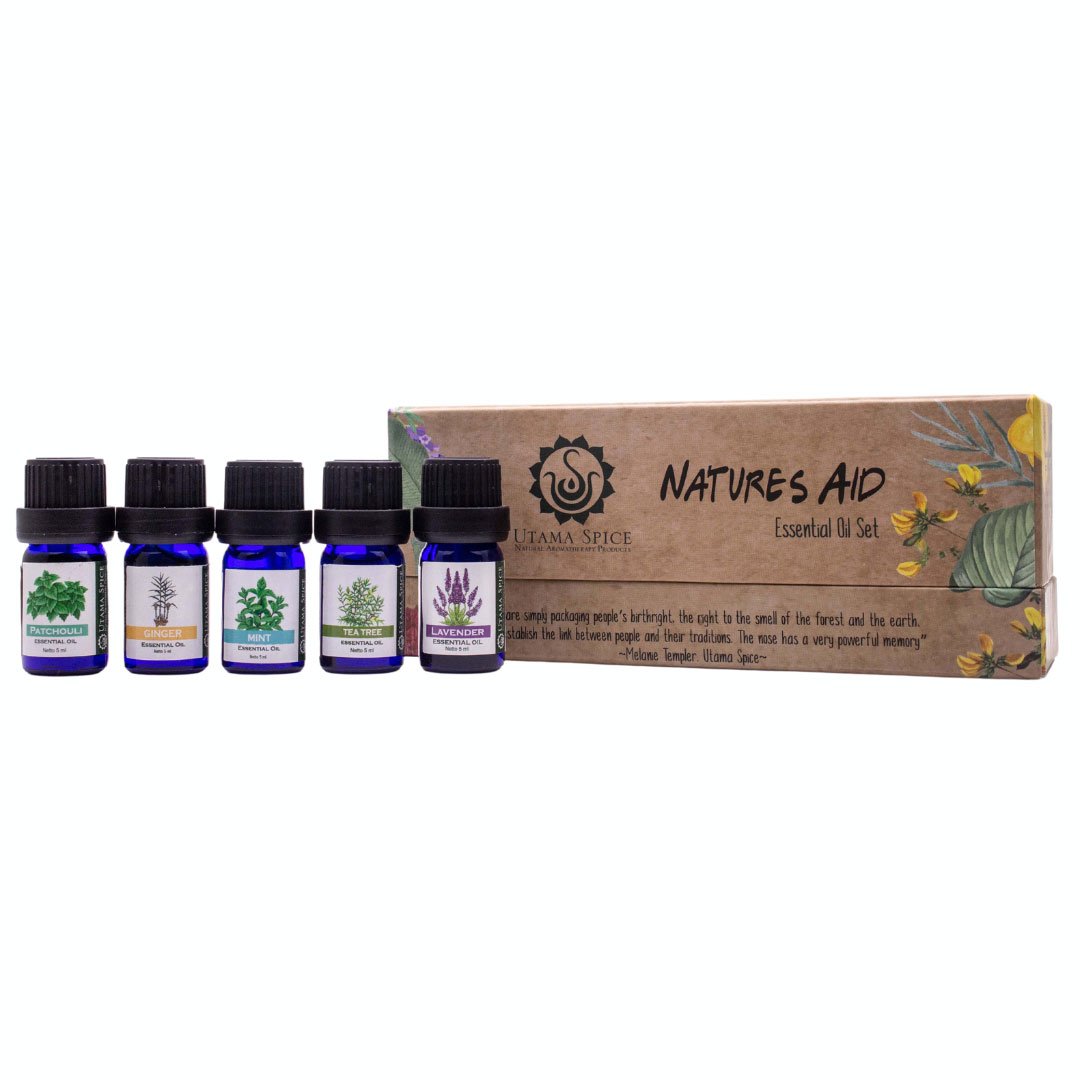
If you want to skip the trial-and-error and start with a curated set, our hand-blended bundle of five essential oils is built around exactly these blending principles. Each oil pairs with at least three others in the set, so the small kit covers most rituals you will reach for in a year.
A starter set that fits any uses chart
Our Nature’s Aid Essential Oil Set brings together five hand-blended oils that cover calming, uplifting, focusing, cleansing, and grounding. Crafted in Bali, designed to refill, and built to live on a shelf you reach for often.
Safe use: dilution, carrier oils, and what charts often skip
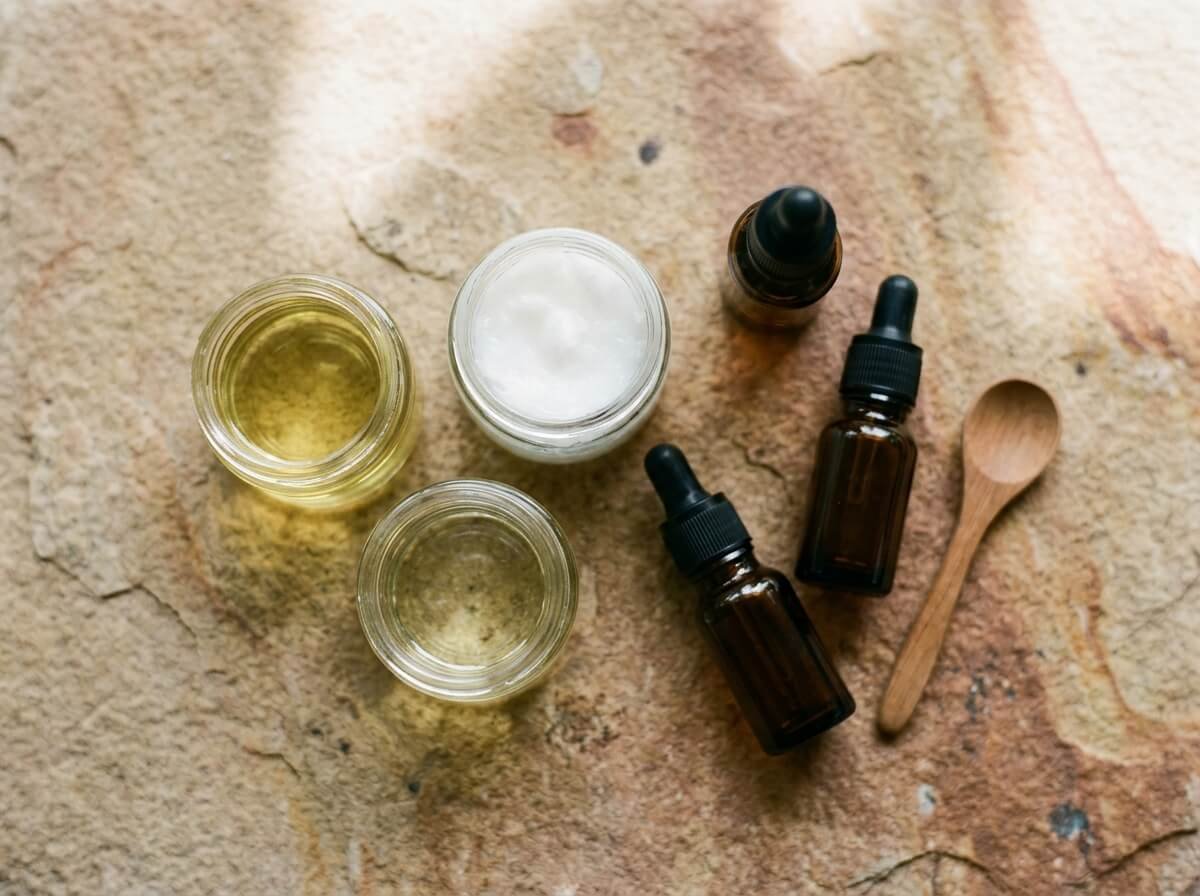
Most essential oils uses charts focus on what oils do, and skim past how to use them safely. This section is the half of the chart most home users need most. Essential oils are concentrated. A single drop holds the aromatic compounds of a great deal of plant matter, and that potency is part of why they work. The same potency is what asks for respect.

Dilution at a glance
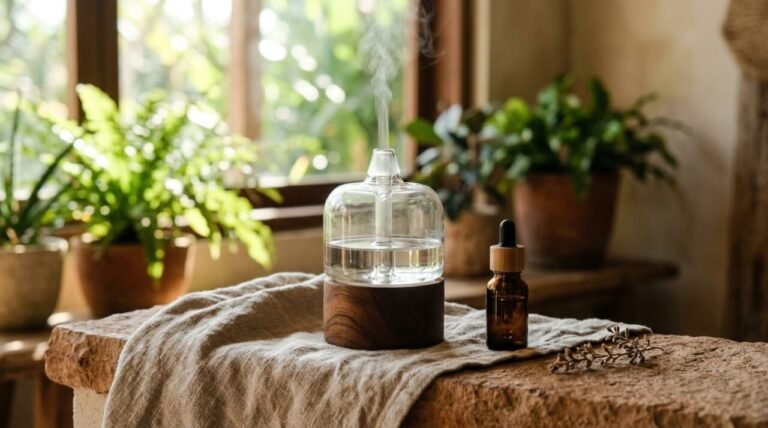
- For diffusers: 3 to 8 drops in a standard ultrasonic, run for 30 to 60 minutes at a time, then off.
- For body oils (adults): 2% dilution, which is roughly 12 drops of essential oil per 30 ml of carrier.
- For face oils: 0.5 to 1% dilution, so 3 to 6 drops per 30 ml of carrier.
- For children over two: 0.5% dilution and only with oils suited to children (lavender, sweet orange, Roman chamomile). Under two, skip topical essential oils entirely.
Carrier oils that actually carry
A carrier oil is what allows an essential oil to reach skin safely. Jojoba is our go-to for the face because it sits close to the skin’s own sebum. Cold-pressed coconut oil works beautifully for the body, especially in tropical climates. Sweet almond is a gentle middle ground. We dig deeper into this in our reference on the best carrier oils to mix with essential oils, which is worth reading alongside any chart.
Cautions worth a place on every chart
- Photosensitivity: citrus oils (bergamot, lemon, lime, grapefruit) can react with sunlight on skin. Apply at night, or to areas covered by clothing.
- Pregnancy: avoid clary sage, rosemary, jasmine, basil, and clove during pregnancy unless cleared by a practitioner.
- Skin sensitisers: clove, cinnamon, lemongrass, and oregano are common sensitisers. Always patch test, always dilute well.
- Pets: tea tree, peppermint, and many citrus oils are not safe for cats. Diffuse only in well-ventilated rooms and never apply to pets directly.
These cautions are not reasons to fear essential oils. They are the reason charts exist: a quick glance, a clear answer, a body cared for properly. Real care knows its limits.
Daily rituals: putting the chart to work
An essential oils uses chart only becomes useful when it shapes a rhythm. Below are four rituals we have refined over many years, both in our Ubud studio and in homes across the world that refill with us. Each one uses no more than three oils from the eighteen above. Each one takes under five minutes.
Morning clearing ritual
Drop two grapefruit, one peppermint, and one rosemary into your diffuser as you make your first warm drink of the day. Stand at a window for the four minutes it takes to brew. The blend lifts the head, clears the air, and signals to the body that the day has begun. We pair this with our guide to aromatherapy diffuser oils for variations on the same theme.
Midday reset ritual
If your afternoons soften, roll a peppermint-and-lavender diluted blend on your wrists and the back of your neck. Inhale slowly three times. The contrast of cool and calm pulls focus back without forcing it. You can also try our blue tansy essential oil roller, which carries a similar effect in a ready-made format.
Evening unwinding ritual
An hour before sleep, diffuse three lavender, two ylang ylang, and one frankincense. Lower the lights. Walk slowly through the rooms you live in and notice what you have not touched all day. This is the closing ritual we recommend in our best aromatherapy diffuser guide, with extra notes on diffuser care.
Weekend home ritual
Once a week, run a slow cleaning ritual through your home. Three tea tree, three lemon, and one rosemary in a vinegar spray. Wipe down counters and high-touch surfaces. Open windows. The home holds onto whatever it has been holding, and weekly resets matter as much as any product on a shelf.
Rituals are where a chart earns its place. Without them, an essential oils uses chart is information. With them, it becomes care.
Frequently asked questions about essential oils uses charts
How many oils do I really need to start?
Five is enough to start. We recommend lavender, lemon, peppermint, tea tree, and frankincense, which between them cover calming, uplifting, focusing, cleansing, and grounding. A curated set like our Nature’s Aid Essential Oil Set is built on this logic. From there, add oils slowly as your rituals reveal what is missing.
Are essential oils safe to apply directly to skin?
Almost never. Apart from lavender and tea tree in occasional spot use, essential oils belong in a carrier oil before they meet skin. Even lavender is gentler diluted than neat. A chart that tells you otherwise is selling, not informing.
Can I use essential oils around children and pets?
Children over two can enjoy gentle diffuser blends in well-ventilated rooms, and very low dilutions of mild oils like lavender. Under two, skip topical essential oils. With pets, especially cats, be cautious: diffuse only in open rooms, and never apply oils to fur or skin.
How long do essential oils last?
Most last two to three years in dark glass, kept cool and out of light. Citrus oils oxidise faster, sometimes within a year. Resinous oils like frankincense and patchouli often improve with age. A chart pinned to the inside of a cabinet door also helps you track when each bottle was opened.
How do I know an essential oil is high quality?
Quality starts with sourcing. Look for the Latin botanical name on the label, the country of origin, and whether the producer is willing to talk about their distillation or extraction method. Small-batch oils from named regions tend to outperform mass-market oils sold as commodities. This is why we still hand-blend in Bali, more than 35 years after we began.
A working chart for daily life
Any essential oils uses chart worth pinning to a cabinet door is honest, practical, and built for use. The eighteen oils above will not solve everything, but they will quietly hold a home through its many small rhythms: rising, focusing, eating, cleaning, resting. That is what real care looks like. Not loud claims, not a hundred bottles on a shelf, but a small collection used with intention.
If you build a chart of your own, start with five oils, refill them when they run low, and add slowly. The chart is a tool. The ritual is the practice. The plants do the rest.