Sunday Reflection: the ingredient you can’t see
Every label lists what went in. Few mention what waited.
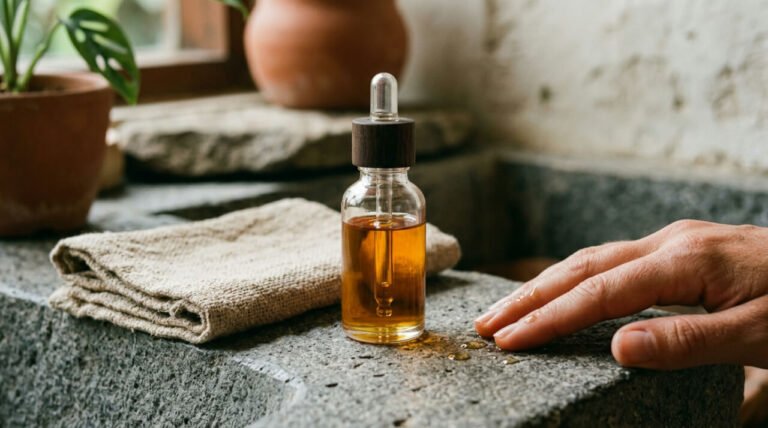
Time is the ingredient nobody can photograph. It is the slow cure of an oil pressed in small batches, the patience of botanicals left to soften in equatorial sun, the days it takes for a balm to settle and breathe before it ever reaches skin. We have come to recognise time as one of our quietest raw materials, and one of the most expensive ones to honour.
Time, as a working principle
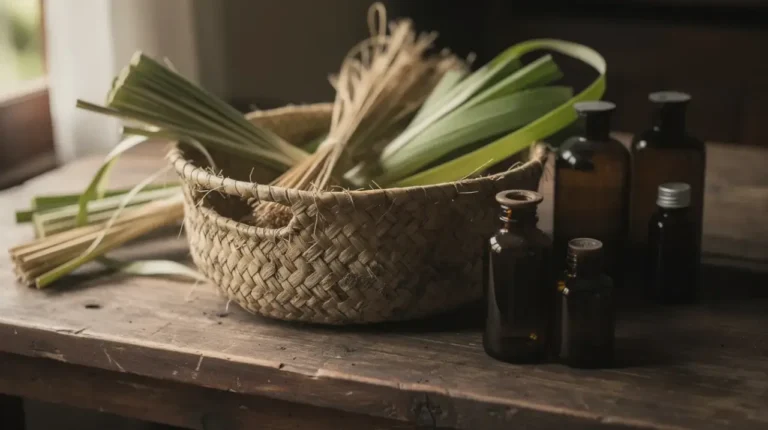
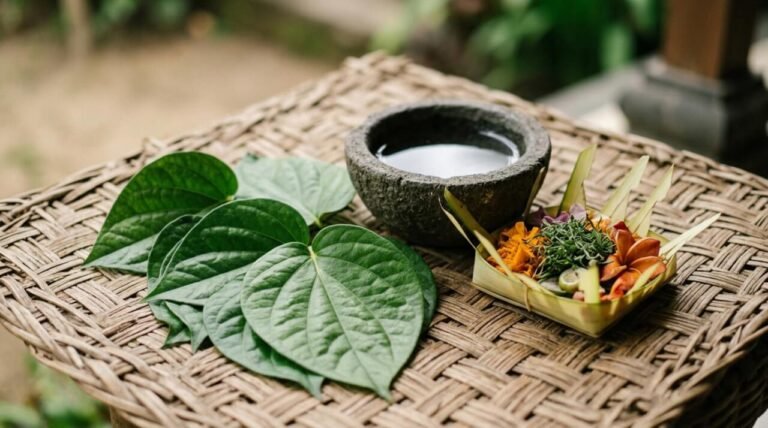
In Bali, the women of Munti Gunung will tell you that good things take time, not as a saying but as a working principle. A herbal blend is not finished when the last leaf is added. It is finished when the leaves have had their conversation with the carrier oil, when sediment has settled and aroma has set. We could speed any of this with industrial heat or solvent extraction. We have chosen not to.

What small-batch actually means
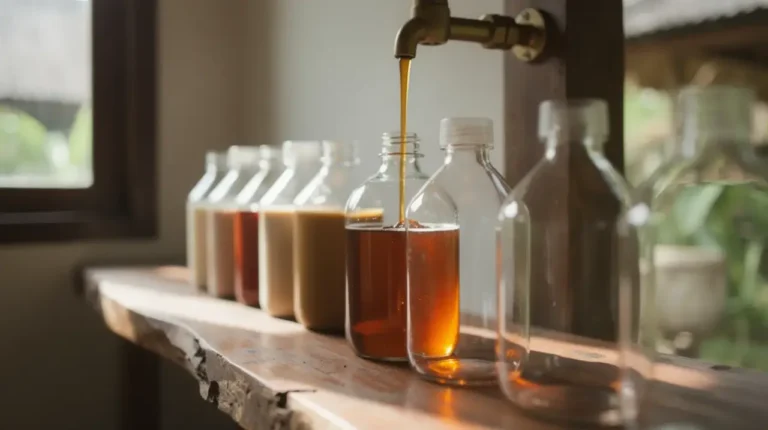
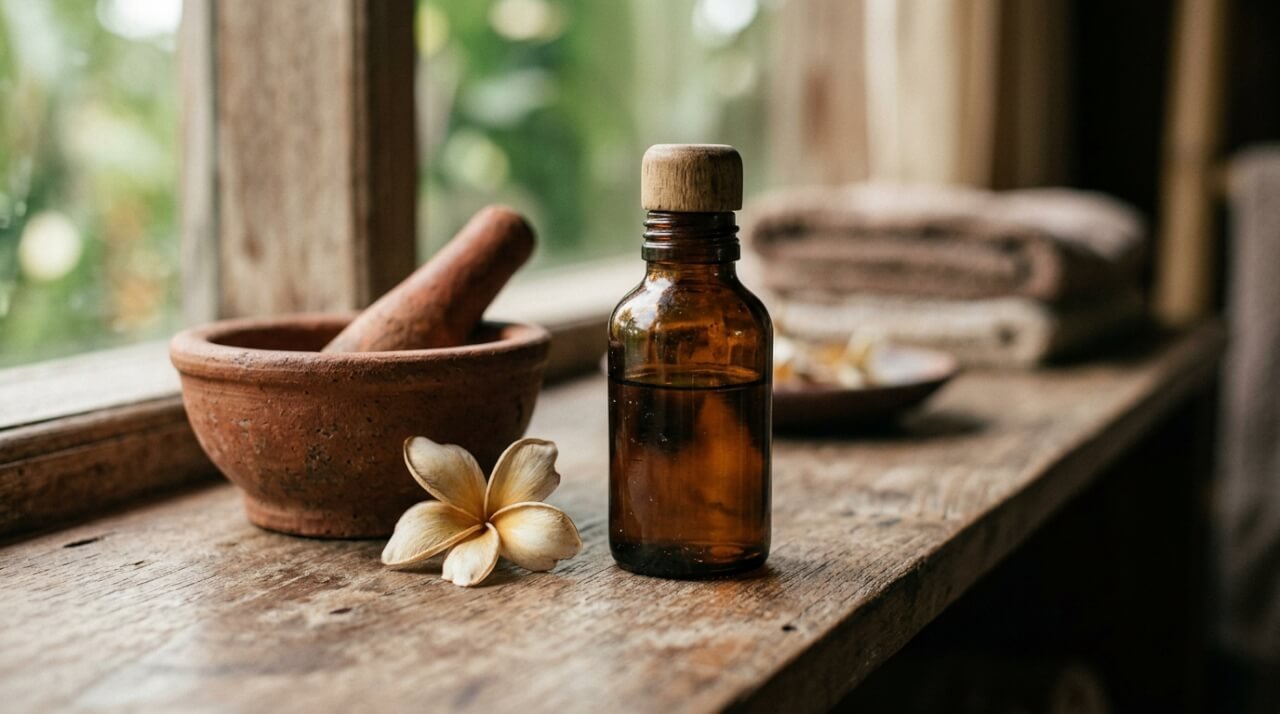
This is what small-batch craft means in practice. Not just a smaller pot or fewer units, but a slower cadence and a willingness to wait. A refill cycle that loops every few weeks rather than every season. A formulation that improves between draws rather than degrading in storage.
It is also the reason our shelves move differently than larger lines. We rarely run out. We rarely overproduce. We craft only what the next few weeks will reach for, and we let time do the rest of the work.
If something here has surprised you with how it feels on skin, the answer is often time. Not a hidden technology. Not a proprietary actor. Just the patience to wait until the formulation was ready.
Care, in our practice, is what time becomes when you have respect for the work.