Coconut oil for hair: an ancestral ritual, and why sourcing matters
Coconut oil for hair is one of the oldest care rituals we know, and one of the most misunderstood. Search for it and you will find a wall of quick fixes, before-and-after promises, and jars stacked three high on a shelf. We want to offer something quieter and truer. Coconut oil can genuinely help many kinds of hair, the science behind it is real, and it has honest limits. What most guides leave out is the part we care about most: where the coconut comes from, the tradition the ritual belongs to, and why the coconut you choose changes the result you get.
This is a slow, grounded guide. We will look at the lauric-acid science briefly and without overclaiming, trace pre-wash oiling back to the Indonesian and South Asian traditions it comes from, and walk through how to use coconut oil for hair step by step. We will also be clear about who it does not suit, because real care means telling the whole truth, not just the flattering half.
Does coconut oil for hair actually work? The lauric-acid science, honestly
The short answer is yes, for a real reason. Coconut oil is rich in lauric acid, a medium-chain fatty acid with a small molecular size and a straight shape. That combination lets it move past the surface of the hair and into the cortex, the inner core of the strand, rather than simply coating the outside. Most oils sit on top of the hair. Coconut oil is one of the few that penetrates.
Why does penetration matter? Hair is largely protein, and every time we wash it, water swells the strand and then leaves as it dries. That repeated swelling and shrinking stresses the protein structure and lifts the cuticle, the shingle-like outer layer. Research on coconut oil has shown it can reduce protein loss in hair, both before and after washing, in a way that mineral and sunflower oils did not match in the same tests. Less protein loss means less of the fraying, roughness, and breakage that build up over months of ordinary washing.
It helps to know how coconut sits among other oils. Argan, jojoba, and most seed oils are wonderful conditioners, but they largely stay on the surface, smoothing and sealing rather than entering the strand. Coconut oil does both: it softens the outside and reaches the inside. That is why it is often the one recommended specifically for reducing damage rather than simply adding slip. It is not better than every other oil at everything. It is unusually good at the one thing that protects hair over the long run.
We want to be careful here, because this is exactly where most content overreaches. Coconut oil does not make hair grow faster, and it is not a cure for hair loss. What it does is protect the hair you already have, so that length is kept rather than snapped off at the ends. That is a meaningful, measurable benefit, and it is enough. It does not need to be dressed up as something it is not. If you want the wider picture on how oils behave on hair, our guide to whether you should use hair oils and how sets coconut oil in context alongside the others.
Not a quick fix, a ritual: the heritage of pre-wash hair oiling
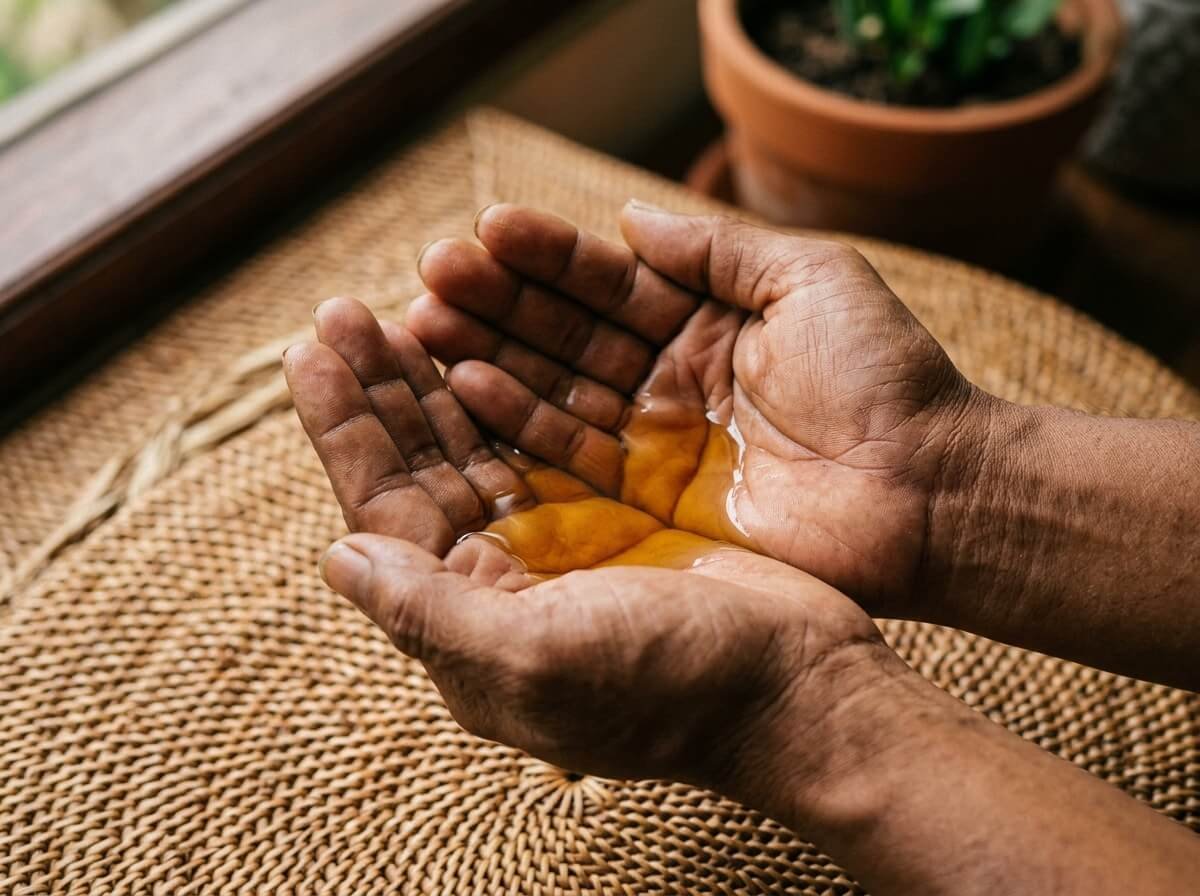
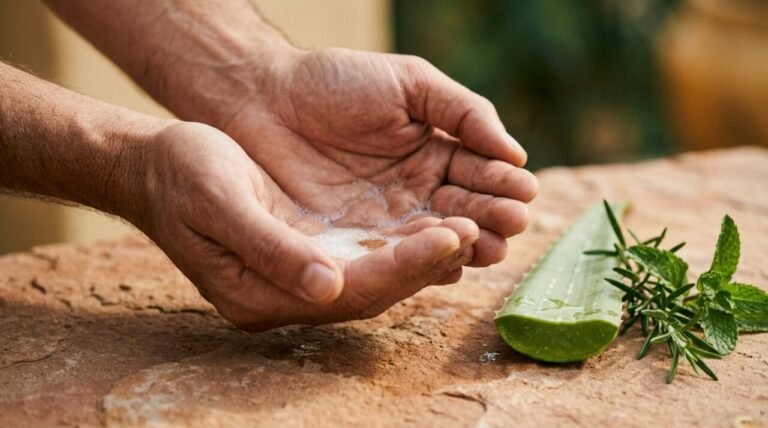
Long before coconut oil appeared in trend pieces, it was part of daily life across the tropics. In Bali, in wider Indonesia, and across South Asia, oiling the hair before washing has been a shared practice for generations, passed from grandmother to mother to child. It was never a one-off treatment. It was a rhythm, folded into the week, done with the hands, often with someone else’s hands in your hair.
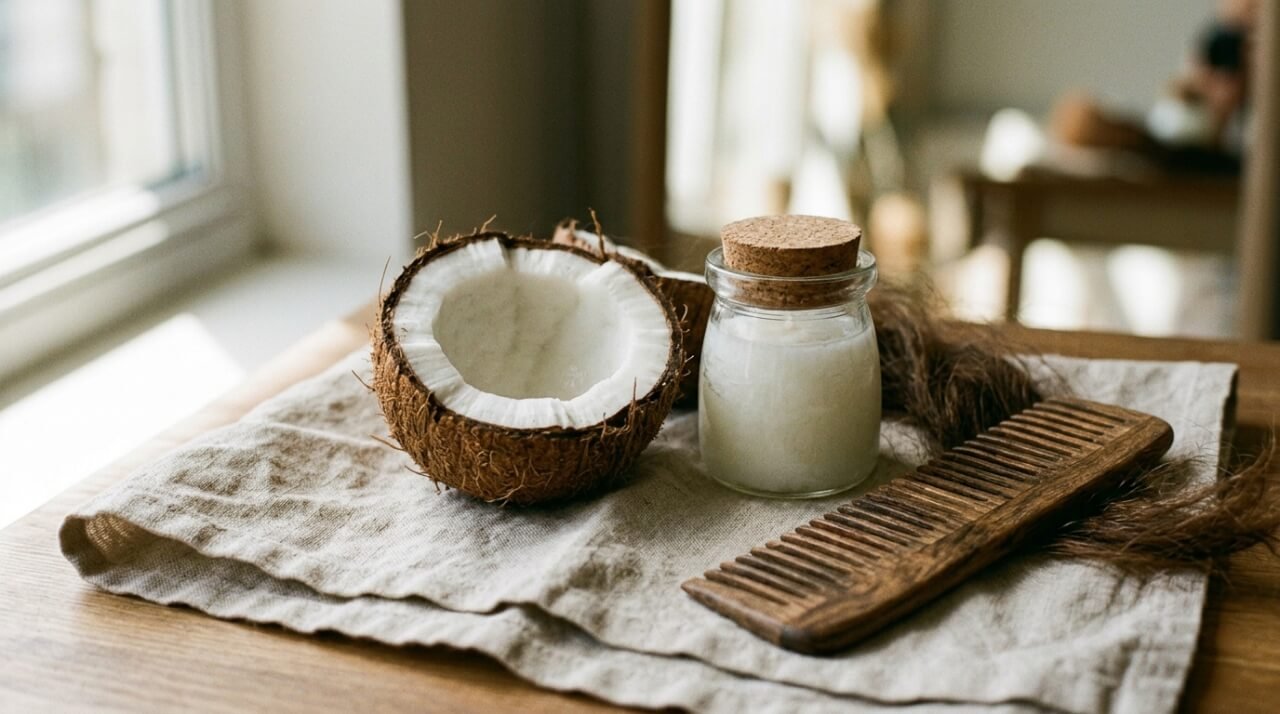
That heritage carries a lesson the modern version tends to lose. Pre-wash oiling works because it is regular and unhurried, not because any single application performs a small wonder. You warm a little oil between your palms, work it through dry hair, and let it sit while the fatty acids do their slow work. Then you wash. The oil takes the brunt of the water’s swelling, so your hair does not. Done once, it is pleasant. Done as a ritual, it compounds.
This is the reframe we care about. Coconut oil for hair is not a shortcut you reach for when your ends look tired. It is a practice you return to, the same way you return to any act of care. Treating it as ritual rather than rescue changes how it feels and, over time, how well it works. It is the same philosophy that runs through our approach to regular natural hair oil use: consistency is the active ingredient.
Sourcing is the whole story: virgin, cold-pressed, and why origin changes the result
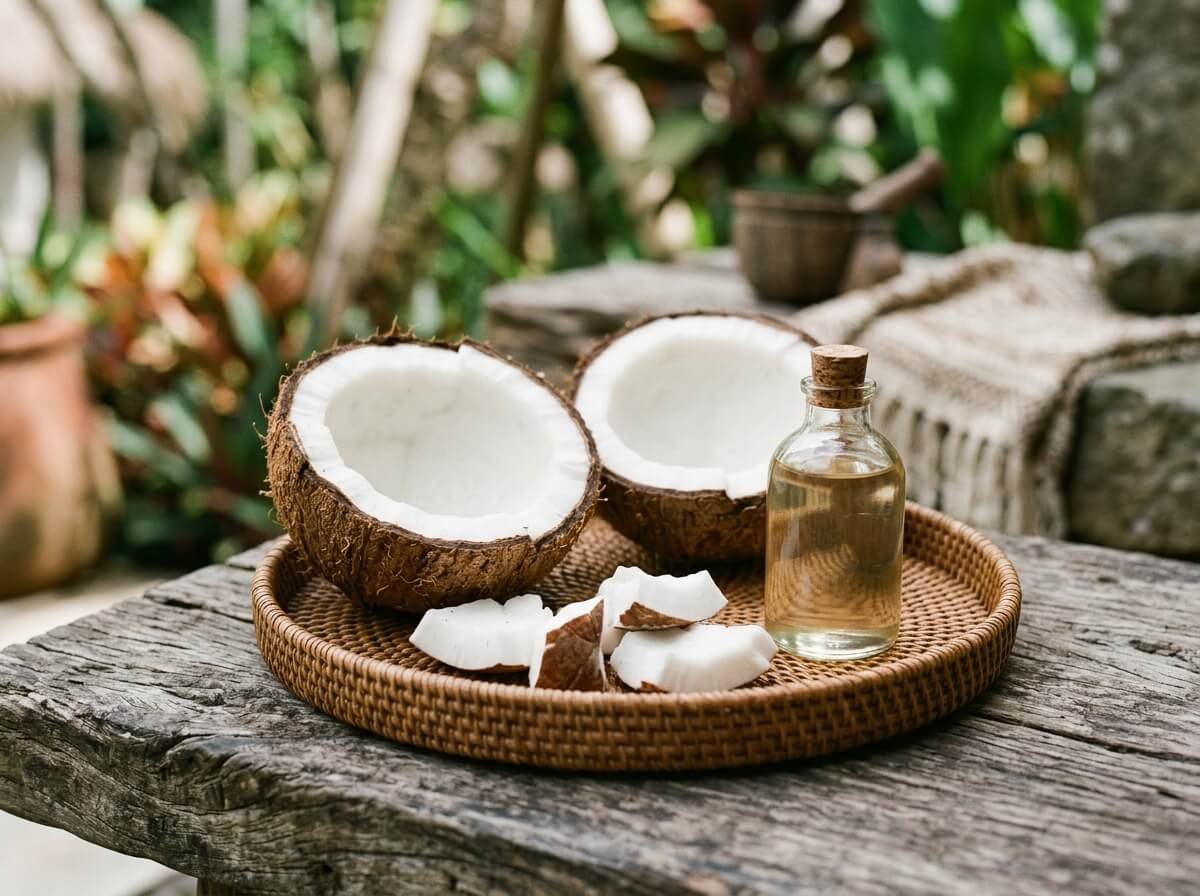
Here is the part almost no guide will tell you, because most cannot. Not all coconut oil is the same, and the difference is not marketing, it is chemistry and craft. The two words that matter are virgin and cold-pressed.
Refined coconut oil is made from dried coconut, often bleached and deodorized with heat and processing. It works, but the heat and refining strip away some of the delicate compounds that make fresh coconut what it is. Virgin coconut oil is pressed from fresh coconut, without high heat, so it keeps more of its natural fatty-acid profile, its faint sweet scent, and its light feel on the hair. Cold-pressing is the method that protects those qualities. When the fruit is not cooked to death, the oil that comes out is closer to what the coconut actually is.
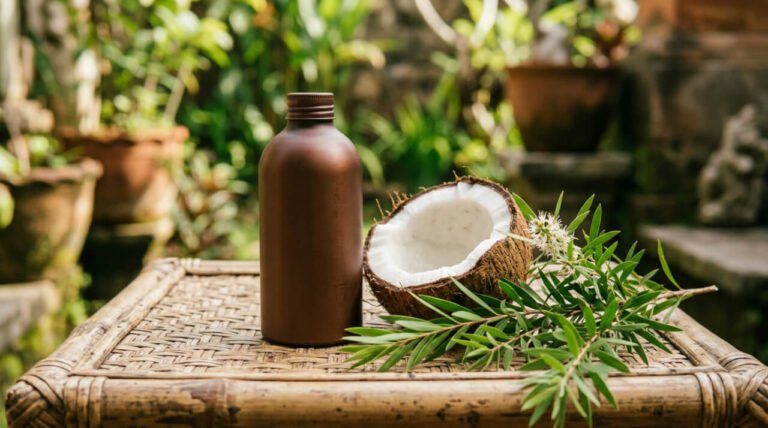
Origin matters just as much as method. A coconut grown well, harvested at the right moment, and pressed soon after gives a cleaner, more active oil than one that has travelled far and sat long. Our Virgin Coconut Oil is cold-pressed from Bali coconuts sourced through our Aluan partnership, which supports sustainable coconut farming and the livelihoods tied to it. We can tell you where it comes from because we know. That is the moat behind the ritual: the coconut you use is the result you get, and provenance is not a garnish, it is the point. If you are curious how the same oil behaves on skin, our note on whether coconut oil is good for skin follows the same thread, and our guide to the best coconut oil for skin unpacks what to look for on a label.
How to use coconut oil for hair, step by step
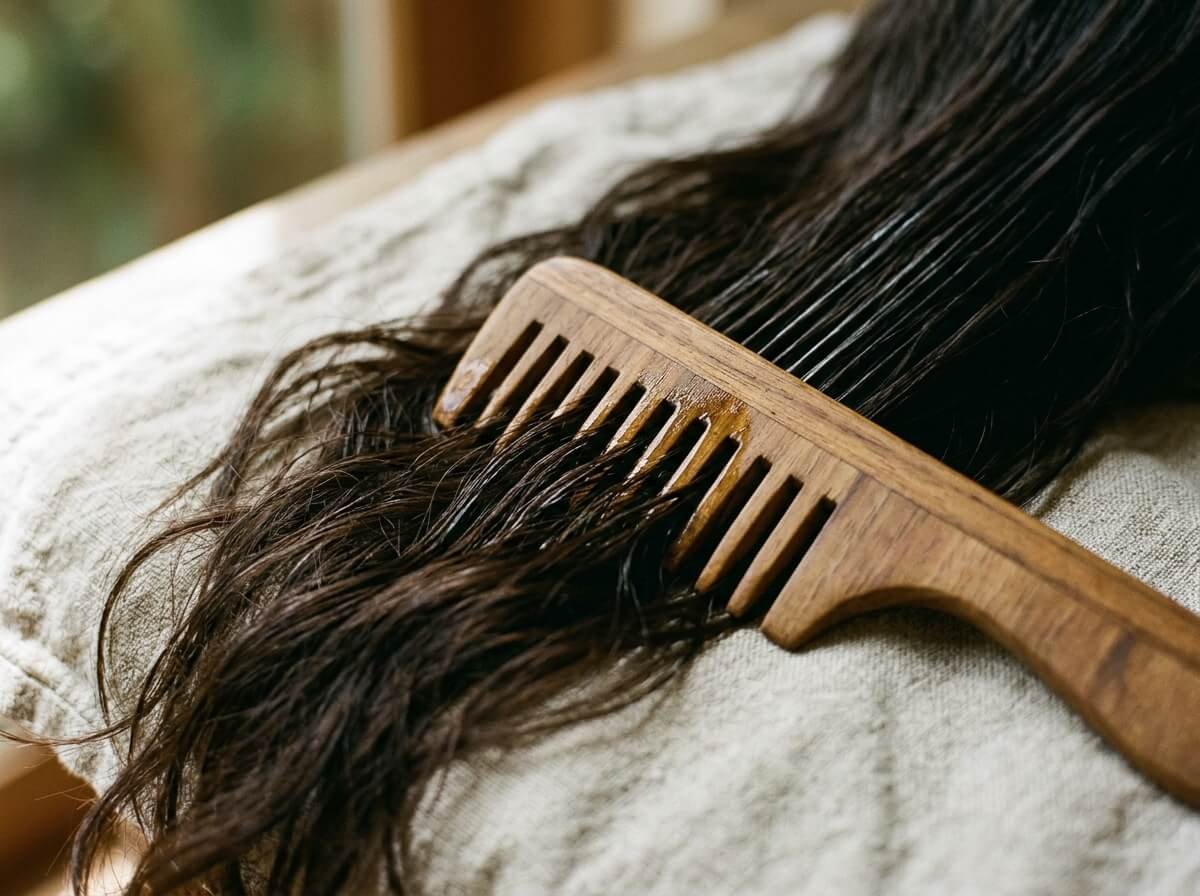
The method is simple, which is part of its quiet appeal. Here is the pre-wash ritual we return to, start to finish.
- Start with dry hair. Coconut oil penetrates best before water gets there. Begin an hour or so before you plan to wash, on dry, detangled hair.
- Warm a small amount. Scoop a little, roughly a teaspoon for short hair and up to a tablespoon for long, and rub it between your palms until it melts. It turns liquid at skin temperature.
- Focus on mid-lengths and ends. These are the oldest, most fragile parts of your hair. Work the oil through them first, where breakage does the most damage.
- Massage the scalp if it suits you. A slow scalp massage feels wonderful and helps some people, though fine or oil-prone scalps may prefer to skip this and treat lengths only.
- Let it sit. Thirty minutes is plenty for a pre-wash treatment. Overnight is fine for very dry or coarse hair, wrapped in a soft cloth to protect your pillow.
- Wash it out properly. Follow with a gentle shampoo such as our Tea Tree Shampoo, and a light conditioner like our Hydrating Conditioner. You may need two gentle passes to lift the oil; that is normal.
How often? Once a week is a good, sustainable rhythm for most people. Coarse, dry, or coily hair may welcome it twice; fine hair may prefer once a fortnight. Let your hair tell you. The goal is care that fits your life, not another rule to obey. For a fuller walk-through that also covers skin, our guide on how to use coconut oil for skin shares the same gentle-application principles.
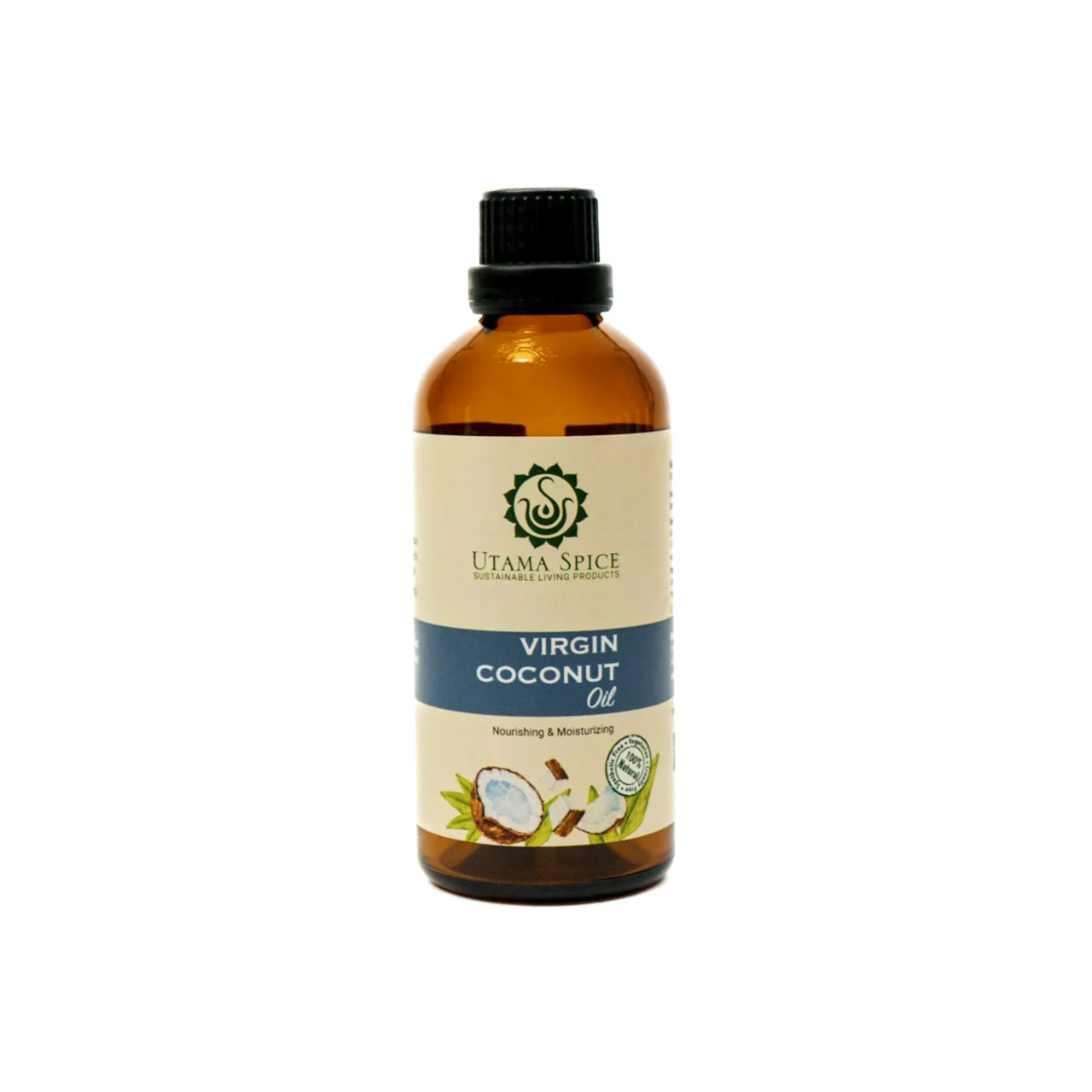
One honest jar, cold-pressed in Bali
Our Virgin Coconut Oil is cold-pressed from Bali coconuts, sourced through our Aluan partnership. It is the whole of the ritual in a single jar: light, traceable, and made to be used with intention. Where it comes from is why it works.
Who coconut oil helps, and who it does not
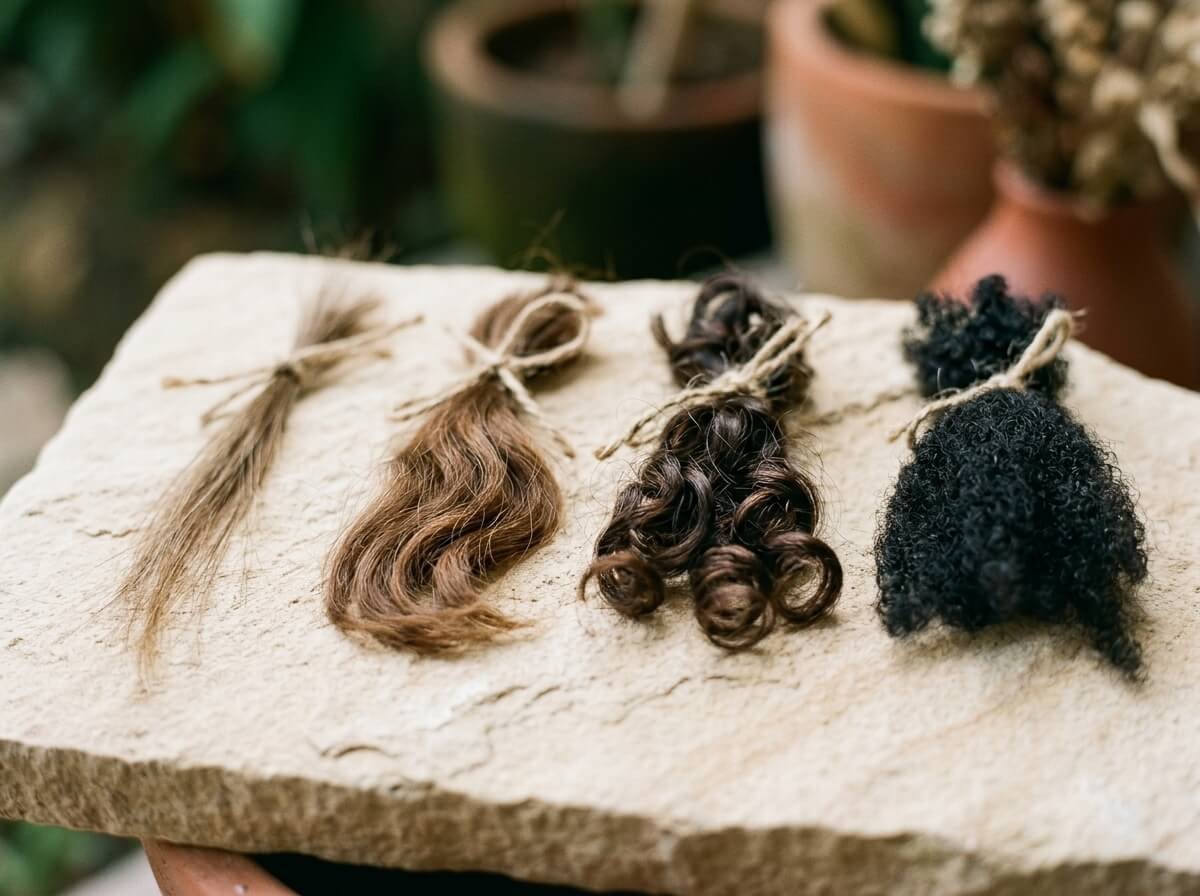
This is the honest heart of the matter, and the part we will not skip. Coconut oil is genuinely helpful for many people, and genuinely wrong for some. Knowing which you are saves you weeks of frustration.

It tends to help medium to coarse hair, dry or damaged lengths, and hair that has been coloured, heat-styled, or weathered by sun and salt. If your ends feel rough and thirsty, coconut oil’s ability to reduce protein loss is working in your favour.
It can disappoint two groups in particular. The first is very fine hair, which can be weighed down and left limp by an oil this substantial. The second, and this is the one most guides miss, is protein-sensitive hair. Because coconut oil helps hair hold onto its protein, hair that is already protein-rich or low in moisture can feel stiff, straw-like, or brittle after regular use. If your hair reacts to protein treatments by going hard and snappy, coconut oil may do the same. This is not a flaw in the oil, it is a mismatch, and the answer is simply a lighter, non-penetrating oil instead.
Porosity plays a role too. High-porosity hair, with a raised, gappy cuticle, drinks oil in and often loves it. Low-porosity hair, with a tight, flat cuticle, can struggle to let it in at all, so a little warmth and patience help. None of this is a failing. It is just your hair being specific, and care that works starts with listening to it.
Better together: pairing coconut with kukui and other Balinese botanicals
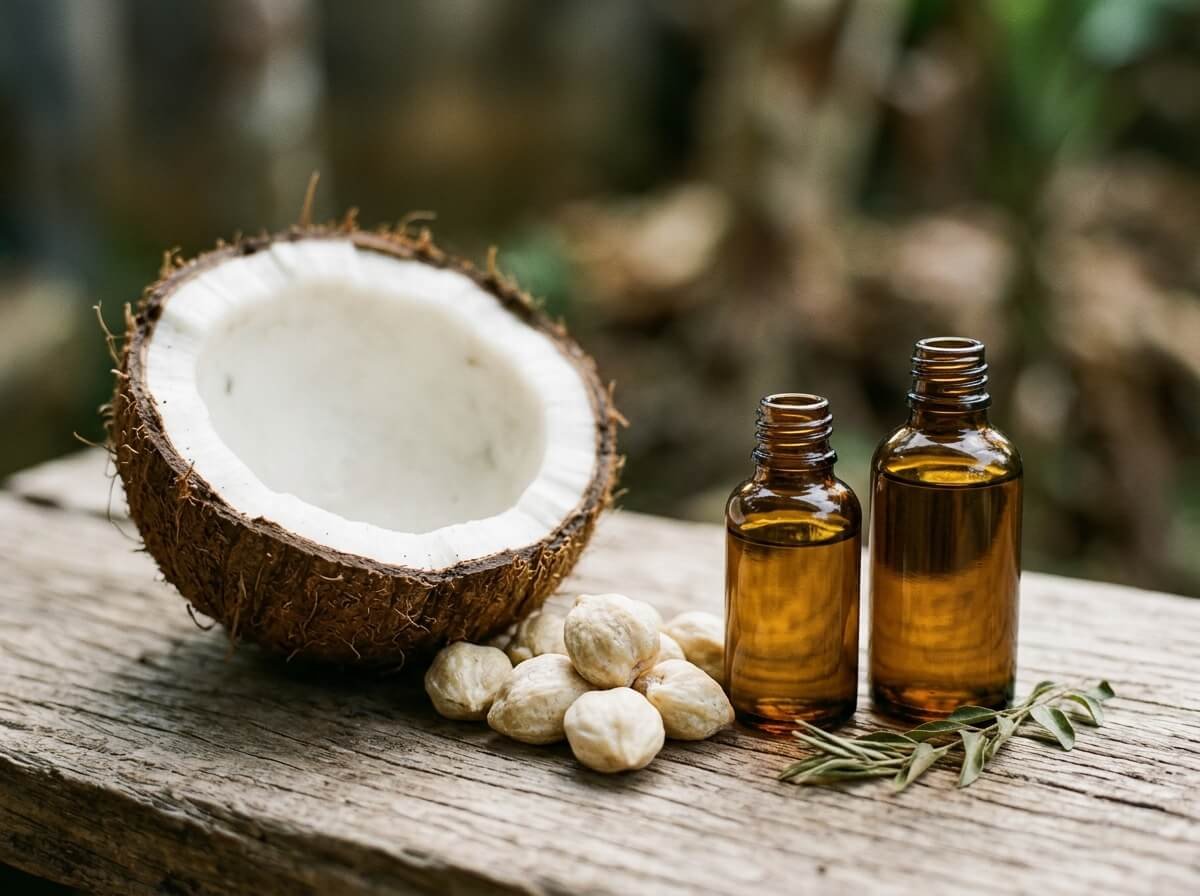
Coconut oil is a wonderful foundation, and it becomes something richer in company. In Balinese care, coconut has always been blended with the botanicals that grow alongside it, each bringing what the others cannot.
Kukui, the candlenut, is the classic partner. Lighter than coconut and quick to absorb, kukui oil softens and adds shine without heaviness, which makes it a graceful counterweight for finer hair that finds coconut alone too much. We wrote a fuller love letter to it in our piece on the benefits of kukui nut oil for hair vitality and shine. Like coconut, kukui is wild-harvested through our Forestwise partnership in Kalimantan, so the pairing is not only good for hair, it protects the forest that grows it.
This is why our hair oils are blends rather than single notes. Our Herbal Silk Hair Oil and Wellkiss Hair Oil lean on coconut and complementary botanicals for everyday nourishment, while our Lavender Hair Oil adds a calming scent to the ritual. A few well-chosen essential oils can lift a blend further; our guide to essential oils that renew hair naturally shows how to pair them thoughtfully. If you would rather start from a ready blend than mix your own, our roundup of the best natural hair oil is a good place to begin.
Coconut oil for hair: your questions, answered
A few questions come up again and again. Here are honest, plain answers.
Can I leave coconut oil in my hair overnight?
Yes, if your hair is dry, coarse, or coily. Overnight gives the fatty acids more time to settle into the strand, and coarser hair rarely feels heavy from it. Wrap your hair in a soft cloth or old scarf to keep the oil off your pillow, and wash it out gently in the morning. Fine hair usually does better with a shorter thirty-minute soak instead, so it does not wake up limp.
Does coconut oil help hair grow?
Not directly, and we would rather be straight with you than sell a story. Coconut oil does not speed up the rate hair grows from the follicle. What it does is help you keep the length you grow, by reducing the protein loss and breakage that quietly shorten hair over time. Less breakage at the ends means your hair reaches its full length instead of snapping before it gets there. That is real, and it is a different thing from growth.
Should I put coconut oil on my scalp or just my hair?
It depends on your scalp. A slow scalp massage with a little oil feels calming and suits many people, especially drier scalps. If your scalp runs oily or you are prone to buildup, keep the oil on the mid-lengths and ends and leave the roots alone. There is no single right answer, only the one that suits you.
Is virgin coconut oil really better than refined for hair?
For hair, yes, in the ways that matter to us. Virgin coconut oil is cold-pressed from fresh coconut without high heat, so it keeps more of its natural character, its light feel, and its faint sweet scent. Refined oil still coats and protects, but the processing strips away some of what makes fresh coconut worth choosing. If you are going to make a ritual of it, use the version that is closest to the fruit.
How much coconut oil should I use?
Less than you think. A teaspoon suits short or fine hair, and up to a tablespoon covers long or thick hair. Coconut oil goes further than most people expect, and using too much only makes it harder to wash out. Start small, warm it fully between your palms, and add a little more only if your ends still feel thirsty.
Will coconut oil make my hair greasy or leave buildup?
Only if you use too much or do not wash it out well. Coconut oil is a pre-wash treatment, not a leave-in for most hair, so the greasiness people complain about usually comes from applying a heavy hand or rinsing too quickly. Use a small amount, keep it mostly on the lengths, and give it two gentle shampoo passes if needed. Done that way, buildup is rarely an issue. Fine hair should be especially sparing.
A refill-minded hair ritual: less product, more care
There is a final, quieter reason we love coconut oil for hair. One honest jar does the work of a shelf of specialised products. A single, well-sourced oil replaces the serums, masks, and leave-ins that pile up half-used in the bathroom, and it comes without the theatre. That is care that respects your hair and the planet at once.
It fits our belief that sustainability should be simple. Buy less, choose better, use it with intention, and refill when you can. A weekly oiling ritual asks for a small amount of one good oil, not a constant churn of new bottles. What you give, you get back, in your hair and in the systems your choices support.
So start small. Warm a little coconut oil this week, work it through your ends, let it sit, and wash it out. Notice how your hair feels in a month of doing it, not in a single afternoon. Ritual is patient, and so is real care. That is the whole of it: choose a coconut you can trust, make the practice regular, and let the tradition do what it has always done.