Essential oil vs fragrance oil: what the label hides, and why it matters on your skin
Essential oil vs fragrance oil is one of the quietest but most important distinctions in personal care, and the label rarely makes it obvious. Both can smell beautiful. Both turn up in oils, candles, soaps, and skincare. Yet one is distilled from a plant, and the other is built in a lab to imitate a scent. That difference shapes how a product behaves on your skin, what it can and cannot do, and whether the word natural on the front of a bottle means anything at all. Here is the honest version, from a brand that has hand-blended botanicals in Bali since 1989.
We will walk through what each one really is, how to read a label that would rather you did not look too closely, what the difference means for sensitive skin, and how to choose oils you can actually trust. No greenwashing, no pretending. Just the difference, laid out plainly.
Essential oil vs fragrance oil: the honest difference
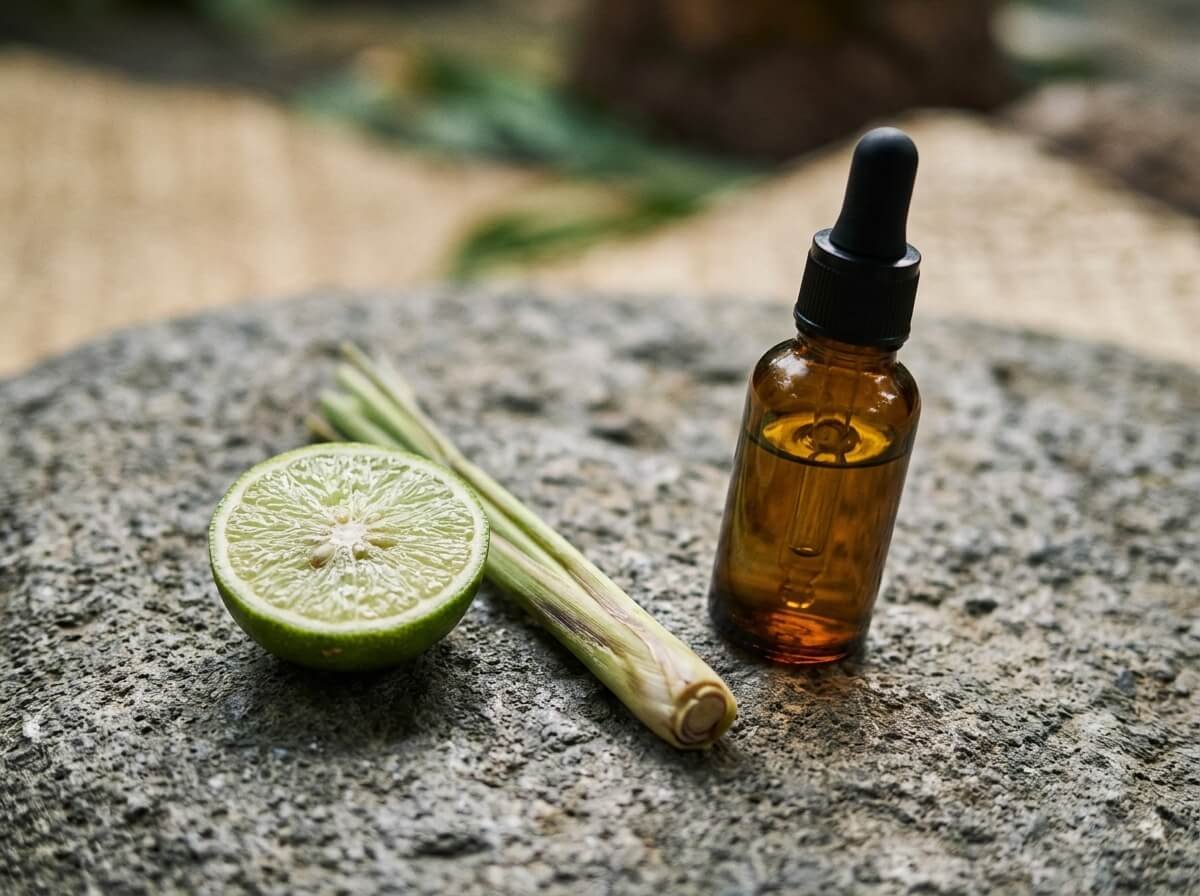
At the simplest level, the difference is origin. An essential oil is the volatile, aromatic part of a plant, captured through steam distillation or cold pressing. Nothing is added to create the scent, because the scent is already there in the leaf, root, resin, flower, or peel. A fragrance oil is a scent that has been formulated, usually from synthetic aroma chemicals, sometimes with a small amount of essential oil folded in. One is drawn out of nature. The other is assembled to smell like it.
The practical differences follow from that single fact:
- Source. Essential oils come from a named plant. Fragrance oils are blended from aroma chemicals, many of them petroleum-derived.
- Composition. An essential oil holds hundreds of naturally occurring compounds in the proportions the plant made them. A fragrance oil holds only what the perfumer chose to include.
- Scent range. Fragrance oils can imitate scents no plant produces, such as fresh linen, ocean, or vanilla cupcake. Essential oils only smell like what can actually be distilled.
- Consistency. Fragrance oils smell identical batch to batch. Essential oils shift slightly with each harvest, the way a good olive oil does.
- Therapeutic character. Essential oils carry the plant chemistry that aromatherapy is built on. Fragrance oils are made for scent alone.
The line gets blurred on purpose. A candle labelled lavender, a soap that smells of rose, a body oil promising vanilla and coconut: any of these could be built from essential oils, from fragrance oils, or from a mix of both. Marketing leans on the feeling of nature without always delivering the substance. Price is often the quiet tell. Real essential oils are expensive to produce, so a large, richly scented product sold cheaply has almost certainly been scented with something synthetic. That is not a crime. It is simply worth knowing before you decide what belongs on your skin.
If you want a fuller picture of what plant oils can and cannot do, our guide to the real benefits of essential oils and our overview of how essential oil blends are built both go deeper than a label ever will.
What an essential oil actually is

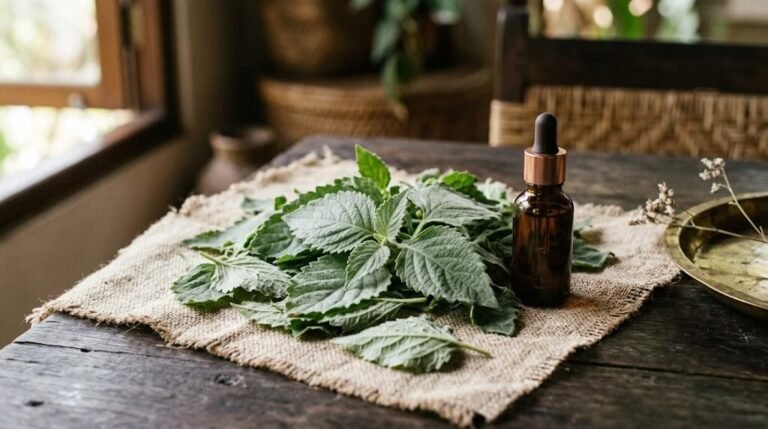
An essential oil is a plant distilled down to its aromatic essence. Steam is passed through the botanical, the volatile compounds lift with the vapour, and as that vapour cools it separates into water and a fine layer of oil. Citrus oils work differently, cold-pressed straight from the peel. Either way, the result is concentrated. It can take a great deal of plant material to fill one small bottle, which is part of why a real essential oil is never truly cheap.
Because the whole plant is involved, an essential oil is chemically complex. A single oil can hold hundreds of naturally occurring molecules, and those molecules are what give each oil its character and its traditional uses. This is also why essential oils behave on skin in ways a single synthetic note cannot copy. If you are new to working with them, our beginner guide to blending essential oils and our note on choosing the right carrier oil are the two most useful places to start.
The numbers behind that concentration are humbling. It can take dozens of roses to produce a single drop of rose oil, and roughly a hundred kilograms of lavender to make a litre of lavender oil. That is the real reason genuine essential oils are priced the way they are, and why a bargain bottle of rose deserves a second look. You are not paying for a scent. You are paying for the plants, the harvest, and the slow work of drawing their essence out.
Essential oils are also alive in a way synthetics are not. They oxidise over time, especially citrus oils, which is why they come in dark glass and prefer a cool, dark shelf. A well-kept oil holds its character for a year or more. This gentle impermanence is part of the honesty of a plant. It behaves like something that grew, because it did.
Rooted in place and tradition
Every essential oil carries a story of where it came from and who tended it. Frankincense is distilled from tree resin that has been part of ritual for thousands of years, which you can still smell in our Frankincense essential oil. Our Kaffir lime essential oil blend captures the sharp green citrus that grows across Bali and Southeast Asia, an aroma no synthetic quite lands. That connection between plant, place, and tradition is the part a lab cannot reproduce, and it is the part we care about most.
What a fragrance oil actually is, and what the label hides
A fragrance oil is a designed scent. A perfumer combines aroma chemicals, and often a synthetic fixative to make the scent last, until the blend matches a target. Some of those chemicals are nature-identical, meaning they copy a molecule found in a plant. Many are entirely synthetic. This is not automatically sinister. Fragrance oils are stable, affordable, and able to hold scents that no plant offers. The problem is rarely the fragrance oil itself. The problem is what the label is allowed to leave out.
On an ingredient list, a whole fragrance formula can hide behind a single word: fragrance, or its cosmetic-Latin form parfum. That one word can stand in for dozens of undisclosed ingredients, protected as trade secret. So when a product smells of lavender but lists only parfum, you have no way to know whether there is any lavender in it at all. This is where we hold a firm line. Radical transparency is one of our core beliefs, and a scent you cannot trace is a scent we would rather not sell.
It helps to understand why so many products reach for fragrance oils in the first place. They are cheaper, they never vary, and they can hold a scent for months on a shelf. Some fixatives used to slow that evaporation have drawn scrutiny over the years, phthalates among them, precisely because they sit inside that undisclosed word and are hard for a shopper to see. Reputable makers have moved away from the worst of these, yet without a full ingredient list you are trusting a promise rather than reading a fact. Our stance is simple: if it is in the bottle, it belongs on the label.
Watch the soft language, too. Terms like natural fragrance or nature-derived scent are not regulated the way a botanical name is. They can describe something genuinely plant-based, or they can describe a synthetic built from a natural starting material. If a brand means essential oils, it can simply name them. Our comprehensive guide to essential oils in skincare explains what an honest ingredient list should look like, and why a named plant beats a vague promise every time.

Essential oil vs fragrance oil on your skin: safety and sensitivity
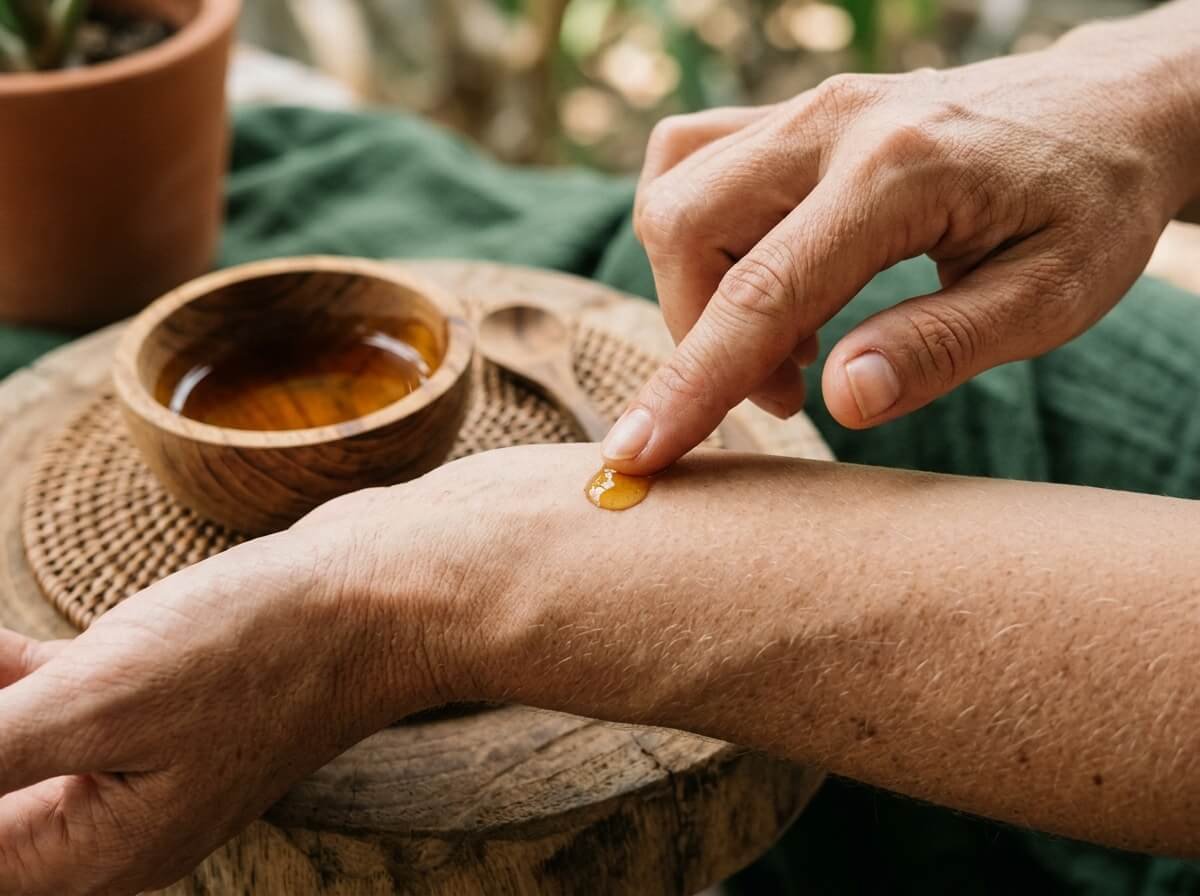
Here is the part most comparisons get wrong. Natural does not automatically mean gentle, and synthetic does not automatically mean harmful. Both essential oils and fragrance oils can irritate skin if they are used carelessly, and both can be used well. What matters is knowledge, dilution, and honesty about what is in the bottle.
Essential oils are potent. Undiluted, some can sting, sensitise, or redden the skin, which is why they belong in a carrier oil rather than straight on the body. Citrus oils add one more wrinkle: several are phototoxic, meaning they can react with sunlight and mark the skin. Our Grapefruit essential oil is a good example of a citrus oil best kept off skin that is heading into the sun. A little care removes the risk, and our full note on essential oil safety covers dilution rates, patch testing, and which oils to treat with extra respect.
Dilution is the single habit that makes essential oils safe and pleasurable to use. As a gentle guide, a concentration of around one to two percent essential oil in a carrier is comfortable for most adults on the body, which works out to a small handful of drops in a tablespoon of carrier oil. Faces, children, and anyone pregnant or managing a health condition call for more caution and, where relevant, a word with a professional. None of this is difficult. It is just care, applied a little more slowly than a spray of synthetic scent would ask of you.
Fragrance oils carry their own considerations. Because the formula can be undisclosed, a person with sensitive skin has no easy way to spot the specific aroma chemical that troubles them. Some common fragrance allergens are well documented, yet a single word on the label keeps them invisible. For anyone managing reactive or barrier-compromised skin, an oil with a named, traceable ingredient list is simply easier to trust. Patch test either kind on your inner forearm, wait a full day, and let your own skin have the final word.
How to choose real essential oils
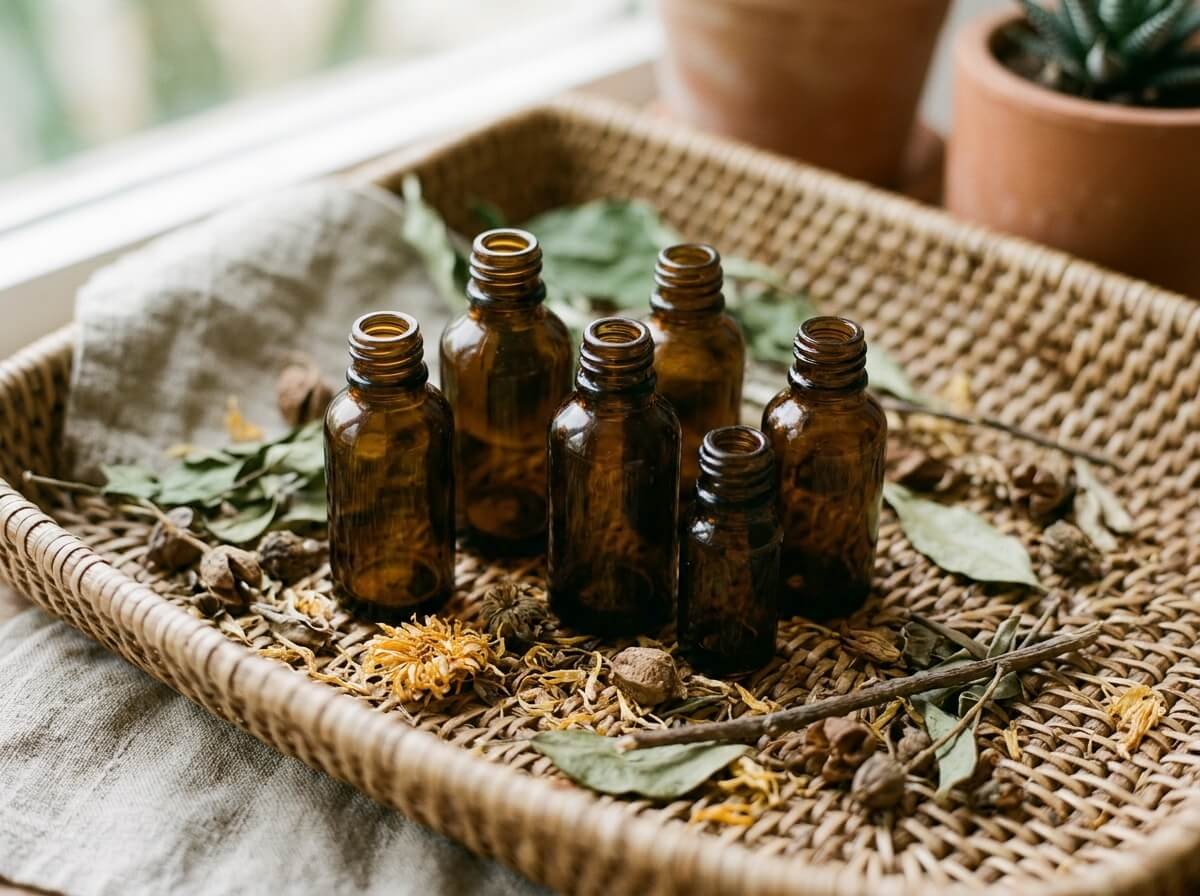
Once you know the difference, choosing well becomes straightforward. A trustworthy essential oil tells you where it came from and how it was made. Look for these signs before you buy:
- A botanical name. The Latin species, not just a mood word, so you know exactly which plant you are getting.
- An extraction method. Steam distilled or cold pressed, stated plainly.
- A country of origin. Real oils are tied to the places their plants grow.
- Honest pricing. Different oils cost very different amounts. If rose and orange cost the same, something has been substituted.
- Amber or dark glass. Pure essential oils are protected from light, never sold in clear plastic.
This is the standard we hold ourselves to. Our oils are hand-blended in small batches in Bali, named by their plant, and sourced with the same care we ask you to look for. If you are building a first collection, the Perfect Balance essential oil set brings together five oils chosen to work together, and the Ylang ylang essential oil is a lovely way to understand what a single, well-made floral oil can do. For scent on the move, the Bliss essential oil roller carries a pre-diluted blend you can use straight from your bag. When you want to match an oil to a purpose, our essential oils uses chart lays out the options at a glance.
There is a simple test you can do at home, too. Place a single drop of the oil on a sheet of plain paper and let it dry. A true essential oil usually evaporates and leaves little to no greasy ring, while many diluted or adulterated blends leave an oily mark behind. It is not laboratory proof, but paired with an honest label and a sensible price, it is a reassuring habit. Trust your nose as well: a real oil smells layered and slightly imperfect, never flat or candy-sweet.

Real oils, honestly named
Five pure essential oils, hand-blended in Bali and chosen to work together. Named by their plant, made to be trusted, crafted with care since 1989.
Essential oil vs fragrance oil: frequently asked questions
How can I tell if a product uses real essential oils?
Read the ingredient list to the end. Real essential oils appear by name, often with the plant in Latin, such as Lavandula angustifolia for lavender. If all you see is fragrance or parfum, the scent is a formulated one, whatever the front of the pack suggests. A brand that uses genuine essential oils tends to say so plainly, because it is the harder and more expensive path and worth being proud of.
Do essential oils expire?
They change rather than spoil. Most essential oils keep their character for one to three years when stored in dark glass somewhere cool, while citrus oils fade faster because they oxidise more readily. If an oil smells sharp, flat, or simply unlike itself, it has aged past its best. Buying smaller bottles you will actually use is kinder to both the oil and your shelf.
Is fragrance oil bad for your skin?
Not inherently. Many fragrance oils are made to cosmetic safety standards and sit on skin without trouble. The real issue is disclosure. Because the word fragrance can hide an entire formula, people with sensitive skin cannot always identify what reacts with them. If your skin is reactive, a named and traceable ingredient list is the safer starting point.
Can a fragrance oil be natural?
Sometimes, partly. A fragrance oil may contain nature-derived aroma chemicals, or a little essential oil. But natural fragrance is not a regulated term, so it does not guarantee a plant origin. If a brand means essential oils, the clearest thing it can do is name them.
Which lasts longer, essential oil or fragrance oil?
Fragrance oils usually hold their scent longer, because synthetic fixatives are added to slow evaporation. Essential oils are more volatile and their aroma is lighter and shorter-lived, which many people prefer precisely because it feels closer to the plant.
Are essential oils always safer than fragrance oils?
No. Essential oils are concentrated plant chemistry and can irritate or sensitise if used undiluted or without care, and some citrus oils are phototoxic in sunlight. Used with a carrier oil, a patch test, and a little knowledge, they are gentle and rewarding. Safety comes from how you use an oil, not only from where it came from.
Can you use fragrance oils in a diffuser?
Some are formulated for it, but a water-based diffuser is designed for essential oils, and their plant chemistry is the reason aromatherapy exists. For scent that also carries the character of a real botanical, essential oils are the natural fit.
In the end, essential oil vs fragrance oil comes down to a question of trust. One shows you exactly what it is: a named plant, distilled and bottled with nothing to hide. The other can smell wonderful while telling you very little. Neither is villain nor hero. But when a product touches your skin every day, knowing what is in it is a small act of care that adds up. Read the label, favour the named plant, and let honesty be the thing you can smell.