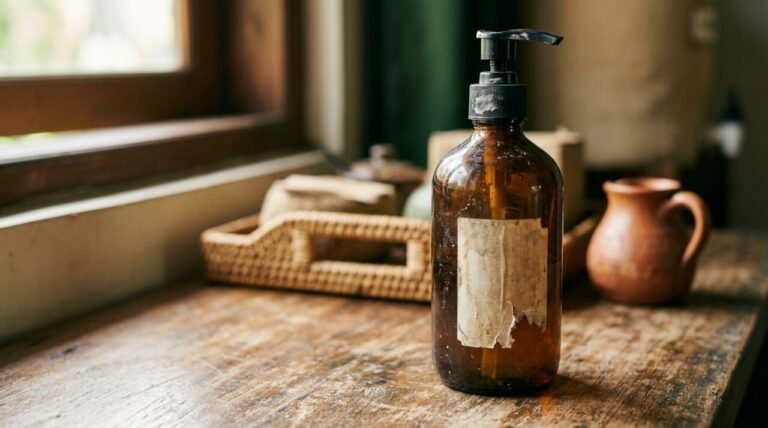
Refill Friday: two thousand two hundred and forty-five bottles, and counting
That is not a forecast. It is not a marketing claim. It is the number of plastic bottles that did not enter the waste stream in 2025 because customers brought their empties back, filled them up, and left with the same container they arrived with.
Two thousand two hundred and forty-five.
What the number actually means
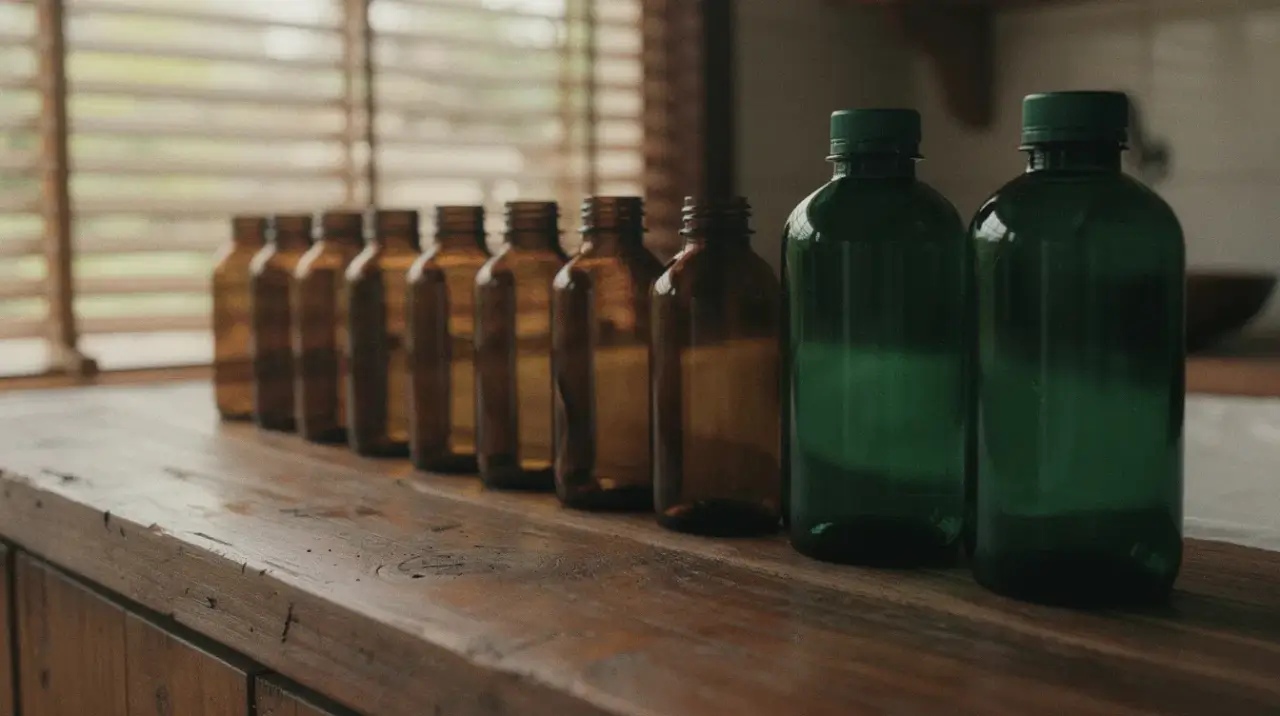
The average 200ml plastic bottle weighs somewhere between 15 and 25 grams, depending on the resin. Run the math: the refill program at Utama Spice offset somewhere between 33 and 56 kilograms of single-use plastic in a single year. That is the weight of a medium piece of luggage. It is not a staggering number in the context of global plastic production, which runs to hundreds of millions of tonnes. We know this. We are not going to pretend otherwise.
But here is what it actually means: two thousand two hundred and forty-five people came back. They chose to carry an empty bottle through the heat or the rain, hand it over at the counter, and walk away with less packaging than they would have bought new. That is the part that matters. Not the number alone. The decision behind it.

The quiet logic of refill
Refill culture has a quiet logic that gets lost in the headline numbers. Every bottle that gets refilled was already made. Its carbon cost was already paid: the extraction, the moulding, the transport. Refilling means that debt is spread across the bottle’s whole life instead of written off after one use. It does not undo the original cost. It simply refuses to double it.
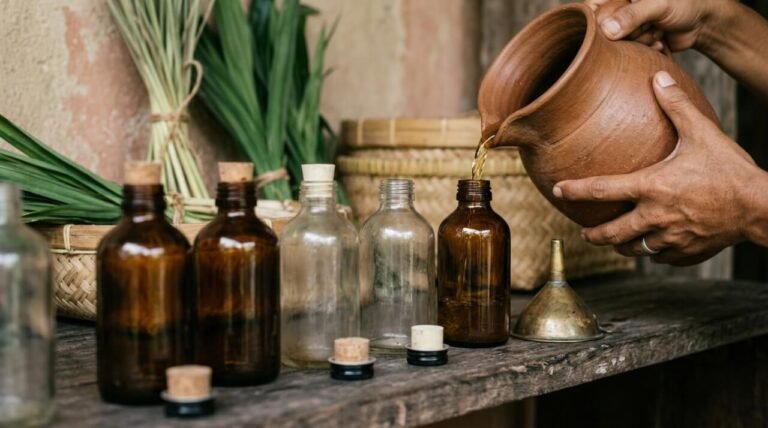
This is why we keep the refill station running even when it would be simpler not to. Simpler, more profitable, easier to explain in a spreadsheet. Refill requires infrastructure. It requires training. It requires customers willing to participate, and a brand willing to price the product so that refill is genuinely worthwhile, not just aesthetically appealing.
The refill costs less than buying new. It does. That is not an accident, and it is not a promotion. It is how this model has to work for the choice to be real rather than performative.
The bottle that has not finished yet
Two thousand two hundred and forty-five is last year’s number. This year’s number is building. Every bottle that comes back into a refill station represents a customer who understood that the end of a product is not the end of the container. The container has more to give.
If you have an empty Utama Spice bottle in your bathroom, it has not finished its job yet. Bring it back. We will fill it again.