Tea tree shampoo: what it actually does for your scalp, and how to read the label
Tea tree shampoo is one of those products people reach for on a friend’s word, a scalp that will not settle, or a label promise that sounds like relief. It has earned a real place in natural hair care, and it also carries more mythology than most bottles deserve. Our aim here is simple: to explain what tea tree shampoo actually does on your scalp, where the science is solid and where it thins out, and how to read a label so you can tell honest formulation from marketing. No miracle talk, just what tea tree can and cannot do, and how to use it well.
We have made tea tree products in Bali for years, so we come to this with respect for the plant and its limits. Tea tree is a capable, well-studied botanical. It is not a cure, and a good shampoo is a system, not a single hero ingredient. By the end of this guide you will know who tea tree shampoo suits, who should go gently, and how to fold it into a scalp ritual that actually cares for the skin under your hair.
What tea tree shampoo actually is
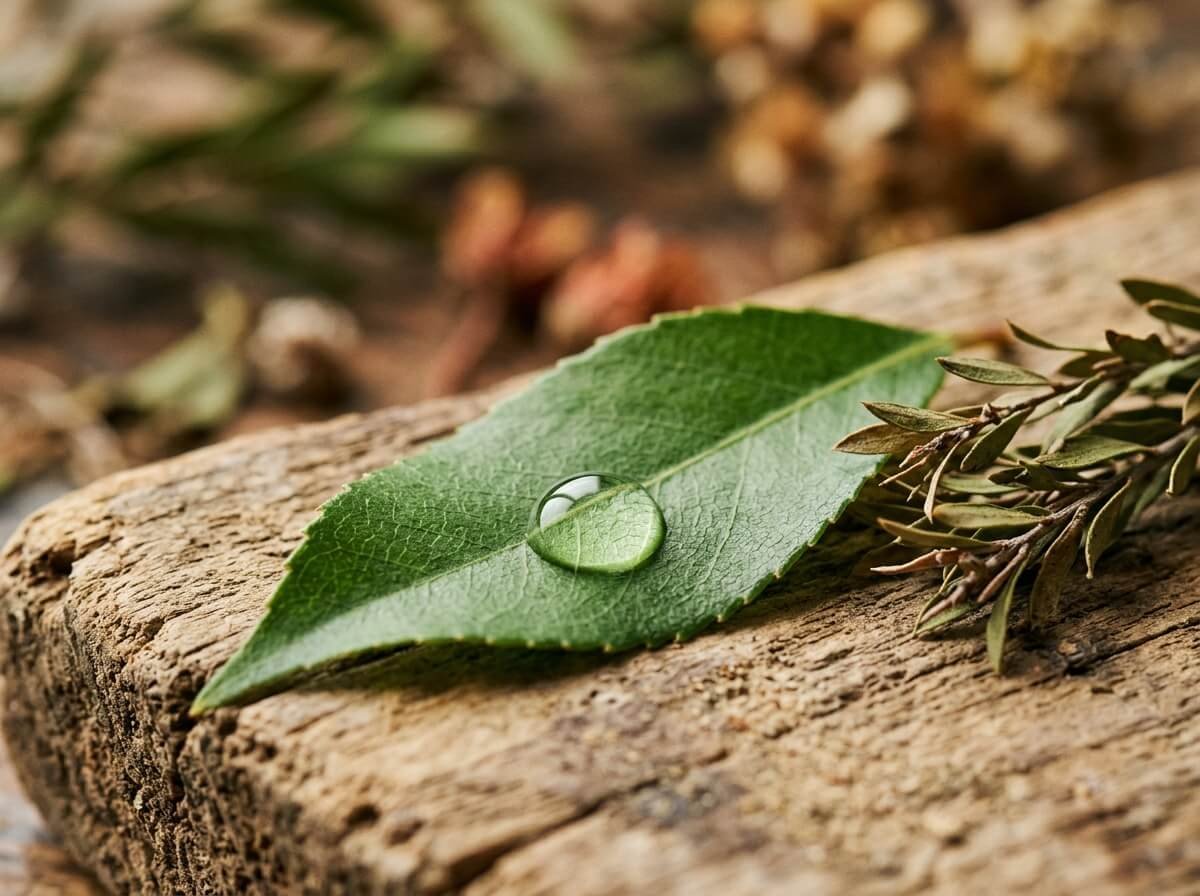
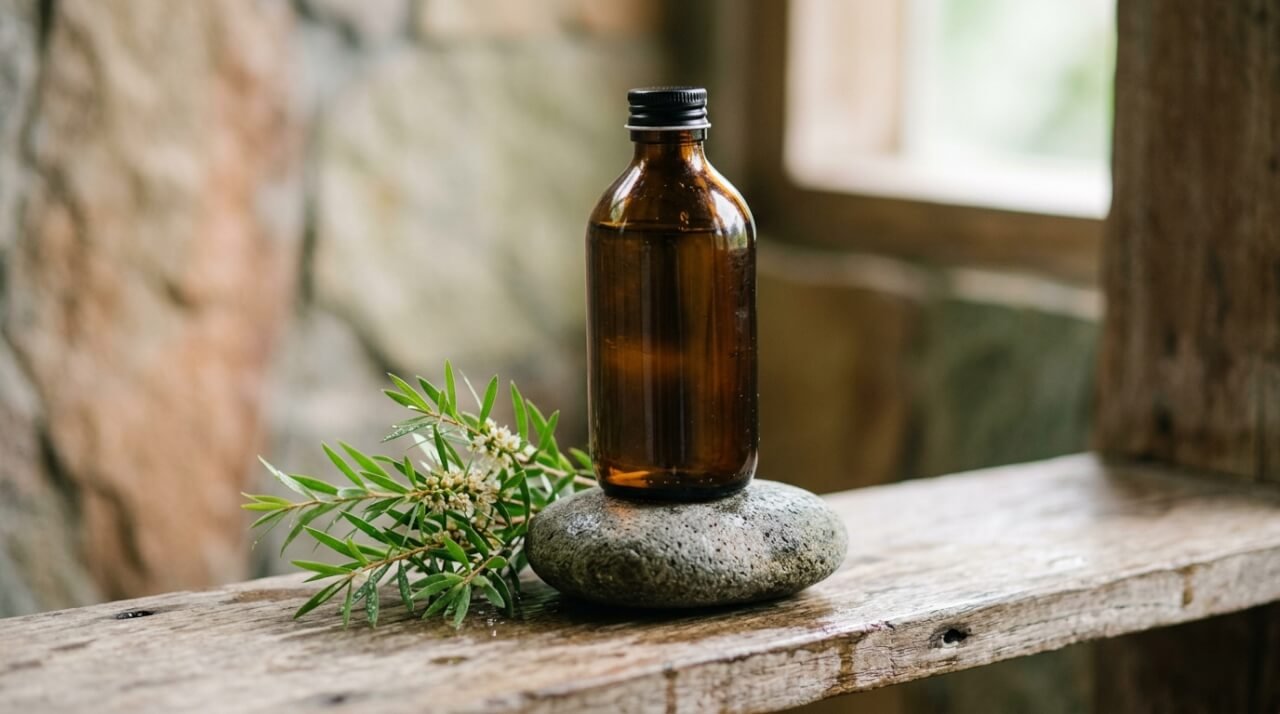
Tea tree shampoo is a cleansing base carrying tea tree essential oil, the steam-distilled oil of Melaleuca alternifolia, a shrub native to Australia. The oil is prized for a group of naturally occurring compounds, chiefly terpinen-4-ol, which give tea tree its clean, camphor-and-eucalyptus scent and most of its studied activity. In a shampoo, that oil is blended into surfactants, water, and conditioning agents, then rinsed through the hair and, more to the point, across the scalp.
The distinction that matters is this: a shampoo is a scalp product that happens to run over your hair, not a hair product that happens to touch your scalp. Hair itself is not living tissue, so the shampoo phase is really about the skin at the root. That is why tea tree, a botanical with a long record in skin care, has found a natural home in shampoo rather than in leave-in styling. If you want to understand the raw material before it reaches the bottle, our guide to tea tree essential oil benefits covers the plant and its chemistry in more depth.
Concentration is everything, and it is where honesty begins. Neat tea tree oil is far too strong for the scalp and can irritate skin on contact. In a well-made shampoo the oil sits at a low, deliberate percentage, usually well under 5%, diluted through the formula and rinsed within a minute or two. That short contact time is a feature, not a shortcoming. It lets the oil do measured work without overwhelming the skin barrier. A shampoo that smells like a bottle of neat oil is not stronger, it is simply less balanced. Our own Tea Tree Shampoo is built around this idea of restraint, pairing tea tree with a gentle coconut-derived cleansing base rather than leaning on scent to signal potency.
That cleansing base deserves a word of its own, because it does most of the practical work. In our formula the surfactants are drawn from coconut, cold-pressed on Bali plantations through our Aluan partnership, the same versatile carrier that runs through much of what we make. Coconut-derived cleansers lift oil and grime without the harsh squeak of older detergents, which matters on a scalp you are trying to soothe. Tea tree, then, is not carried by an anonymous base. It sits in a system chosen with the same care as the star ingredient, so the wash cleans and calms in the same pass rather than trading one for the other.
What tea tree oil does on the scalp, honestly
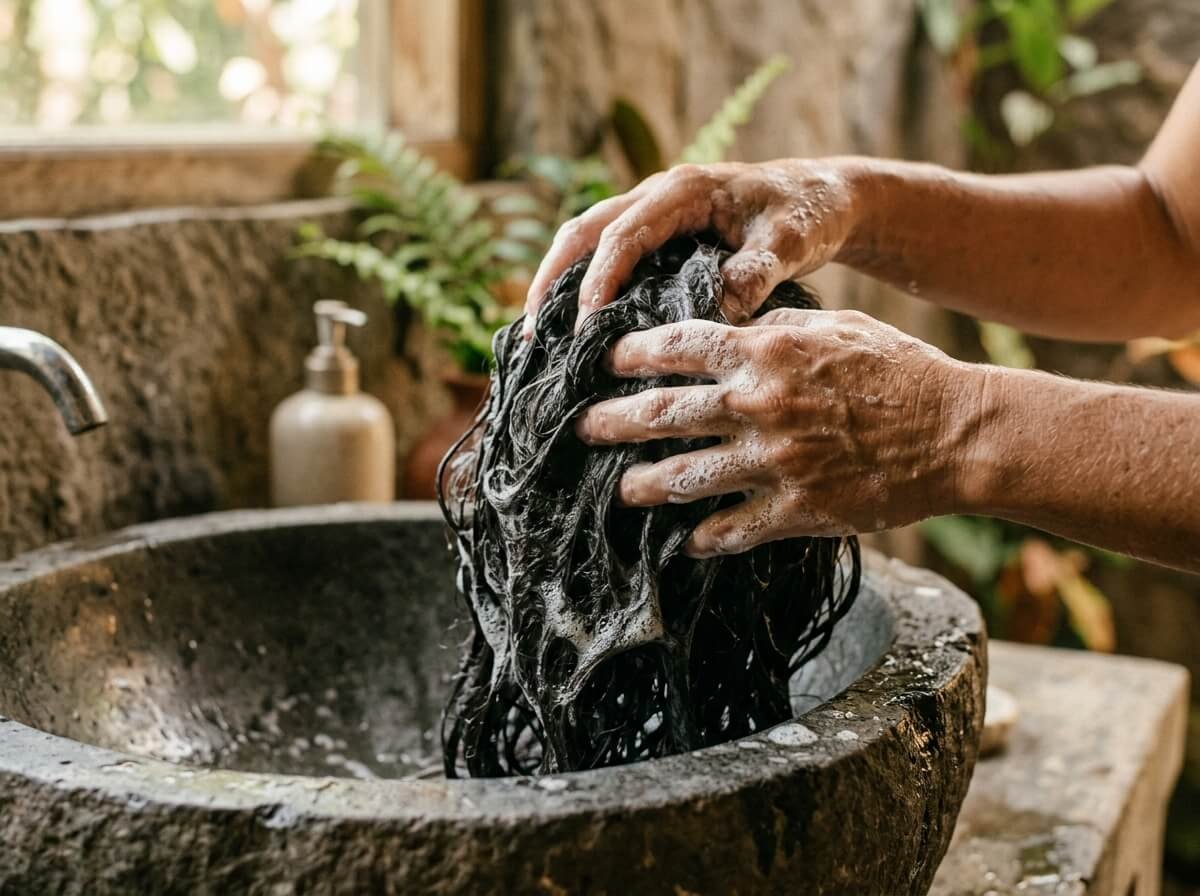
Tea tree has three properties that make sense on a scalp: it is antimicrobial, it is antifungal, and it is mildly anti-inflammatory. Most everyday scalp complaints trace back to some mix of excess oil, microbial balance, and irritation, so a botanical that touches all three is a reasonable ally. The honest framing is that tea tree helps manage these conditions rather than resolve them for good.
Take flaking. A large share of common dandruff is linked to Malassezia, a yeast that lives on everyone’s skin and, in some people, drives irritation and shedding. Tea tree’s antifungal action is the reason it turns up in so many anti-flake formulas. A frequently cited trial found that a 5% tea tree oil shampoo improved dandruff severity over four weeks compared with a placebo. That is a genuine, measurable result, and it is also modest. It is scalp management, not a permanent fix, and flaking tends to return if the routine stops.
There is also the question of contact time, which quietly shapes what a scalp product can achieve. A shampoo is a rinse-off, so tea tree meets the skin for a minute or two before the water carries it away. That is enough to disrupt surface microbes and lift oil, and it is deliberately not enough to force a change deeper in the skin. It is worth holding this in mind whenever a bottle promises dramatic results. The format itself sets the ceiling. Rinse-off cleansing is a gentle, repeatable nudge toward balance, repeated a few times a week, rather than a single decisive treatment.
Itch and oiliness follow a similar logic. By gently reducing microbial load and calming low-grade irritation, tea tree shampoo can make an itchy, greasy scalp feel calmer and cleaner between washes. What it will not do is change how much oil your glands produce or rewrite your skin type. Claims that tea tree shampoo drives hair growth deserve particular caution. A healthier scalp is better ground for the hair you have, and untreated flaking or inflammation can worsen shedding, so easing those conditions may help indirectly. But tea tree is not a proven growth stimulant, and anyone selling it as one has crossed from care into theatrics. If growth is your real concern, our piece on natural shampoo for hair loss and our overview of why scalp care is crucial to haircare set more realistic expectations. For a wider view of botanicals that support the scalp, these essential oils for hair are a useful companion read.
How to read a tea tree shampoo label
The label is where a tea tree shampoo tells the truth, if you know how to read it. Ingredient lists run in order of quantity, so the first five entries define the formula. Everything after them is present in small amounts. Here is what to look for, and what to treat with a raised eyebrow.
Look for tea tree by its real name. On an ingredient list, tea tree appears as Melaleuca alternifolia leaf oil. If the front of the bottle shouts tea tree but the plant is nowhere in the ingredients, the scent is likely synthetic fragrance rather than the oil itself. That is the single most common gap between a tea tree shampoo’s marketing and its formula.
- Gentle cleansing base: coconut-derived surfactants such as cocamidopropyl betaine or decyl glucoside clean without stripping. A softer base lets the scalp keep the healthy oils it needs.
- Supporting botanicals: aloe, glycerin, or nourishing plant oils help offset any drying edge from the wash and keep the scalp comfortable.
- Short, legible list: a formula you can mostly pronounce is usually a formula built with intention rather than filler.
Strength is the myth that trips people up most. A higher tea tree percentage is not automatically better, and past a gentle threshold it mostly raises the risk of irritation without adding benefit. Well-formulated tea tree shampoos tend to land in a modest range precisely because restraint is what keeps the scalp comfortable over repeated washes. Read the position of the oil in the list rather than the size of the claim on the front. Tea tree sitting sensibly among supporting ingredients is a better sign than a bottle promising maximum strength in bold type.
Now the red flags. Harsh sulfates high on the list, chiefly sodium lauryl sulfate, can leave a sensitive or flaky scalp tighter and more irritated, which works against the reason you reached for tea tree in the first place. The word parfum or fragrance near the top, with no named essential oil, tells you the tea tree character is probably borrowed from a fragrance blend. And be wary of front-of-pack promises like miracle relief or guaranteed growth. Real formulation does not need superlatives. This same label literacy carries across a whole bathroom shelf, from body wash to conditioner, and we walk through it more broadly in our guide to choosing the best natural shampoo.
Who it suits, and who should go gently
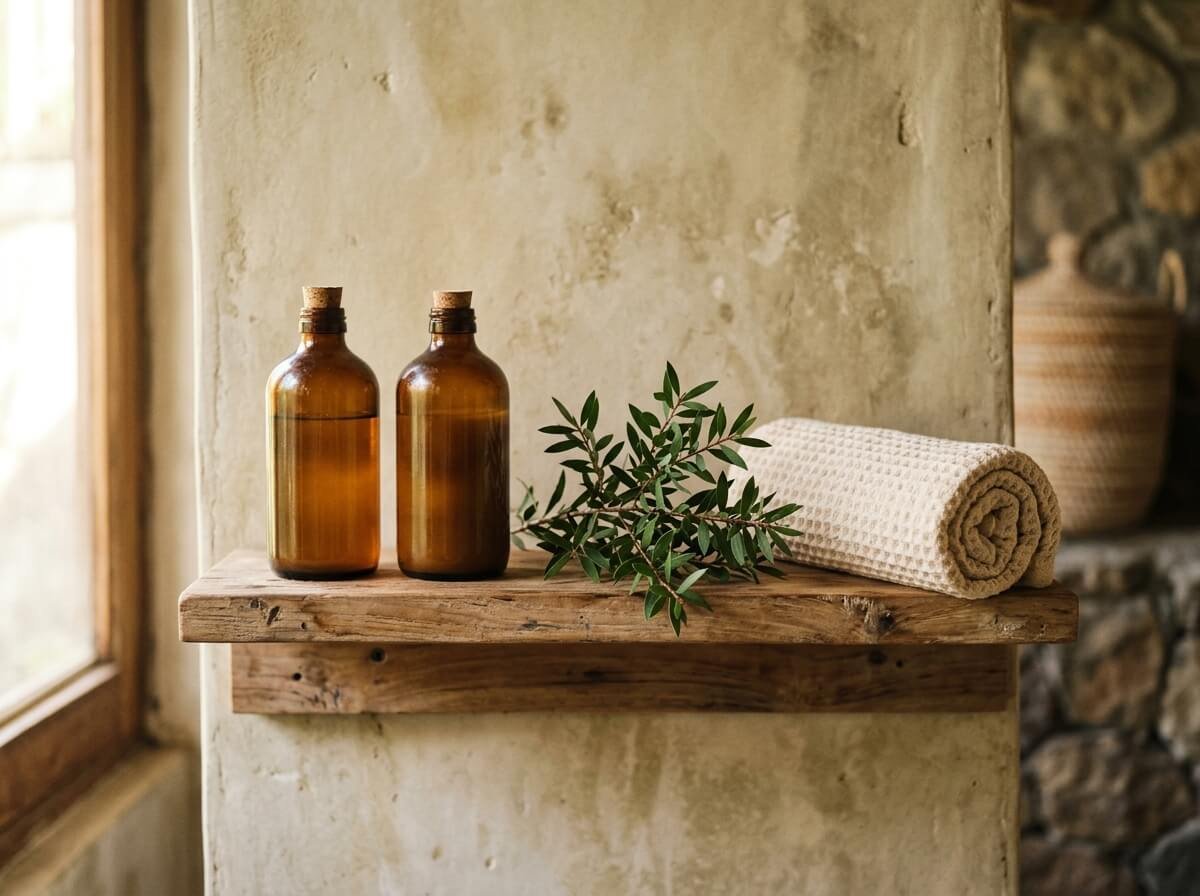
It helps to know your scalp type before you decide, since the scalp and the lengths of your hair can behave quite differently. Many people have a scalp that runs oily while their ends stay dry, a combination that a single all-over product rarely serves well. Tea tree shampoo suits this pattern because it does its clarifying work at the root, where the oil is, while a conditioner or oil looks after the drier lengths. Naming what your scalp actually does, rather than treating your hair as one uniform thing, is the quiet step that makes the rest of a routine fall into place.
Tea tree shampoo suits some scalps beautifully and asks caution from others. It tends to serve people with an oily scalp, occasional flaking, or that familiar mid-week itch, because its antimicrobial and clarifying qualities meet those conditions where they live. If you use a lot of styling product, an occasional tea tree wash can also help lift buildup so the scalp breathes. For many of us it becomes the reset button in a routine rather than an everyday wash.
Go gently if your scalp or skin runs very dry, reactive, or eczema-prone. Tea tree is active, and active botanicals can be too much for a compromised barrier. Anyone who is pregnant, and anyone using tea tree on a child, should check with a healthcare professional first, since essential oil guidance is more conservative in those cases. And because true allergy to tea tree is uncommon but real, a first-time patch test is worth the two minutes: wash a small area, wait a day, and see how the skin answers. If you love the plant but want it away from the scalp, our Tea Tree Body Wash carries the same clarifying character for the body instead.
Climate shapes the answer too, something we notice living in Bali. In heat and humidity the scalp sweats more and holds more of the day’s dust and product, so a clarifying tea tree wash can feel like genuine relief through a muggy stretch. In dry or cold seasons the same scalp may want it less often, since the air is already pulling moisture from the skin. Rather than fix a rule, read the scalp in front of you. It will tell you when it wants the reset and when it wants to be left alone, and a good routine flexes with the weather instead of ignoring it.
Balance is the deeper point. Because a good tea tree shampoo is clarifying, it pairs best with something replenishing. Following your wash with a conditioner keeps mid-lengths and ends soft while the scalp gets the clean it wanted. We formulated our Hydrating Conditioner as that counterweight, and a little Herbal Silk Hair Oil smoothed through damp ends afterward closes the loop. If you want a fuller picture of concentrated tea tree for skin, our article on the power of tea tree oil for skin conditions goes deeper on the ingredient itself.
How to wash with it: a simple scalp ritual
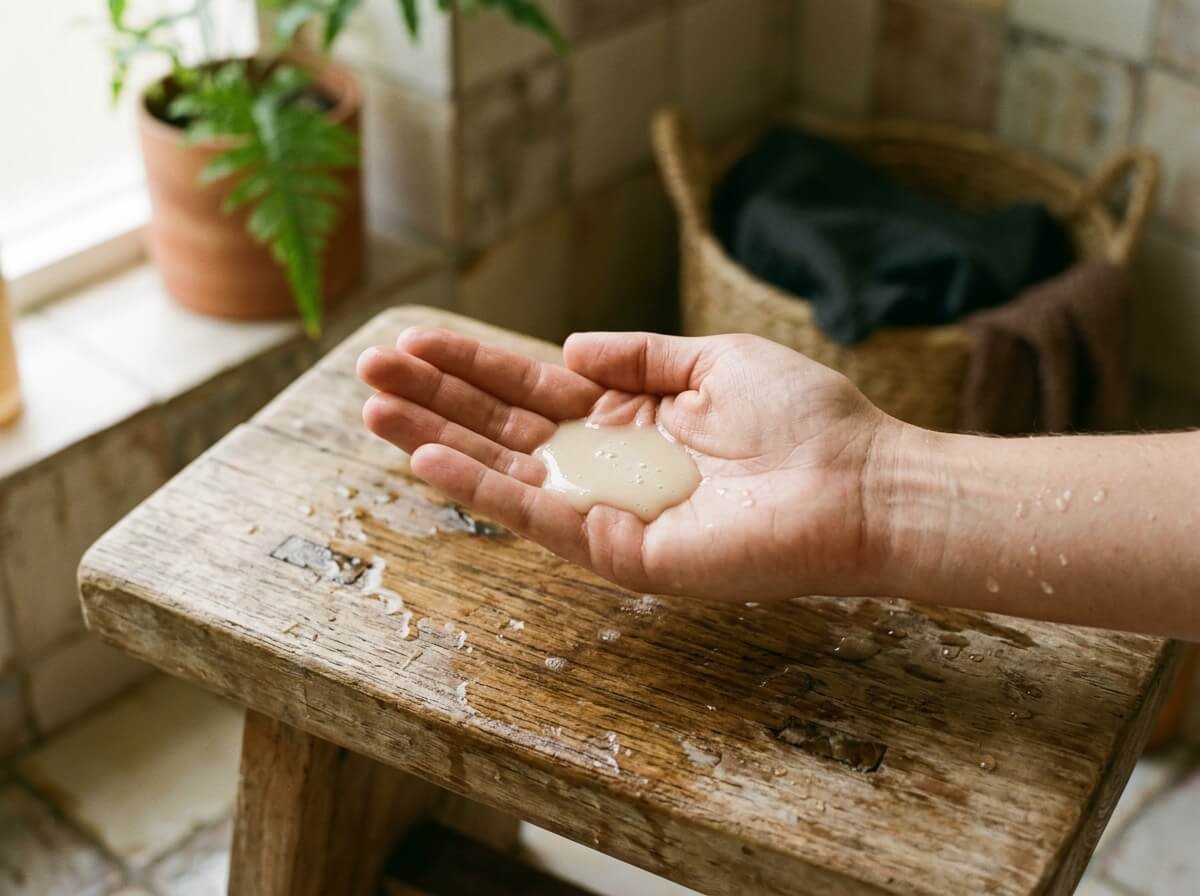
How you wash matters as much as what you wash with. Tea tree shampoo rewards a slower, scalp-first ritual, and the whole thing takes only a few minutes more than a rushed rinse. Treat it as a small act of care rather than a chore.
- Wet thoroughly. Warm, not hot, water opens the wash and protects the scalp barrier.
- Emulsify in your palms. Work a coin-sized amount into a light lather before it touches your head, so the oil is evenly dispersed.
- Massage the scalp, not the lengths. Use fingertips, never nails, in slow circles for 30 to 60 seconds. This is where tea tree does its work, and the massage itself brings blood flow and a moment of calm.
- Let it sit briefly. Thirty seconds to a minute of contact is plenty. Longer is not better with an active oil.
- Rinse fully, then condition. Follow with conditioner through the mid-lengths and ends to rebalance.
A word on water and buildup. Hot water feels good but strips the scalp and can leave it drier and more reactive, so keep it warm and finish cooler if you can. If you use a lot of styling product or go several days between washes, a gentle second pass can help: a first quick lather lifts surface grime, a second, slower one lets the tea tree work on a cleaner scalp. Most of the time a single mindful wash is plenty. Save the double cleanse for the days your scalp genuinely feels coated rather than making it a habit.
On frequency, let your scalp lead. For most people two or three tea tree washes a week is a comfortable rhythm, alternating with a gentler everyday shampoo if you wash daily. A clarifying wash used too often can leave even an oily scalp feeling tight, so more is not the goal. Finish the ritual with the small rituals that keep hair healthy between washes, which we gather in our guide to post-wash rituals for shinier hair. This unhurried, sensory approach is the same slow-care thinking that runs through our wider Balinese skincare tradition.

Tea tree, balanced for the scalp
Our Tea Tree Shampoo pairs Balinese-made tea tree oil with a gentle coconut-derived base, clarifying without stripping. Crafted in small batches, refillable, and made with care since 1989.
Tea tree shampoo, frequently asked questions
Does tea tree shampoo help dandruff?
Often, yes, for the common form of dandruff linked to Malassezia yeast. Tea tree’s antifungal action can reduce flaking and itch, and research on a 5% tea tree shampoo showed measurable improvement over four weeks. Think of it as ongoing management rather than a permanent cure, since flaking tends to return if you stop.
Can I use tea tree shampoo every day?
Most scalps do better with two or three washes a week. A tea tree shampoo is clarifying, and daily use can leave the scalp feeling tight. If you wash daily, alternate with a gentler shampoo and keep the tea tree wash as a periodic reset.
Does tea tree shampoo make hair grow?
Not directly. Tea tree is not a proven growth stimulant. What it can do is support a calmer, cleaner scalp, and since untreated flaking or irritation can worsen shedding, easing those conditions may help the hair you already have look and feel healthier.
Is tea tree shampoo safe for color-treated hair?
Generally yes, especially a sulfate-free formula, which is gentler on color than a harsh clarifying wash. Because tea tree shampoo cleans thoroughly, follow it with a conditioner to keep color-treated lengths soft and hydrated.
Can I just add tea tree oil to my regular shampoo?
You can, but with care. A few drops of pure tea tree oil stirred into a single serving of shampoo is the common approach, never applied neat to the scalp. A purpose-made tea tree shampoo takes the guesswork out, since the oil is already blended at a safe, even concentration.
Final thoughts
Tea tree shampoo earns its place through honest, everyday usefulness. It can calm an oily, itchy, or flaking scalp, it reads clearly on a well-made label, and it works best as part of a balanced routine rather than a promise in a bottle. Choose one where tea tree appears by name, the base is gentle, and the claims stay grounded. Then wash with a little patience, condition to rebalance, and let a healthier scalp be the quiet result. That is what real care looks like: not a miracle, just the plant, used well, in a ritual that gives back.