Zero waste skincare: how to build a routine that actually refills

Most zero waste skincare guides hand you a shopping list: buy the bamboo brush, trade the plastic bottle for a bar, done. That advice is not wrong, it is just incomplete. A genuine zero waste skincare routine is not a single swap, it is a system: how products are made, how they are packaged, how they get refilled, and how that cycle repeats without new plastic entering the picture each time. We have run refill stations since before “zero waste” was a hashtag, and the system, more than any single product, is what actually reduces waste over years, not weeks.
This guide walks through what a working zero waste skincare routine actually looks like, what Balinese tradition can teach a modern bathroom cabinet, the five steps that turn intention into habit, and the myths that keep well-meaning people stuck on the shopping-list version of this idea.
Whether you are a parent trying to simplify what comes into the house, someone who already reads ingredient labels closely and wants the packaging to match, or a longtime customer who simply wants fewer bottles cluttering the bathroom shelf, the approach below works the same way. It does not ask you to get everything right at once. It asks for one honest switch at a time, made in an order that actually sticks.
Why zero waste skincare is bigger than swapping plastic bottles
The plastic bottle is the visible part of the problem, so it gets all the attention. Replace it with a bar, a refill pouch, or a metal tin, and the shelf looks better. But packaging is only one stage in a product’s life. Sourcing, manufacturing runs, shipping distance, and what happens after the container is empty all carry a footprint too, and none of it shows up on the label.
A clean beauty ingredient list and a zero waste routine are not the same project, even though they often get bundled together in marketing. Clean beauty asks what is in the bottle. Zero waste asks what happens to the bottle, and how often a new one has to be made. A product can be entirely natural and still generate a new container every month. A product can also use a synthetic emulsifier in trace amounts and still belong to a genuinely circular system, if the container comes back and gets filled again.
That distinction matters because it changes what you look for when you shop. Instead of scanning for “eco” language on the front of a bottle, you start asking a more useful question: does this container have anywhere to go once it is empty. Refill culture, done properly, answers that question before you buy.
Think about the embedded footprint of a single container before it ever reaches your hands: the raw material extracted, the energy used to mold it, the fuel burned to ship it, and, in most cases, the short single trip it makes before landing in a bin. A bottle refilled ten times carries that same embedded cost only once, spread across a decade of use rather than paid in full every few weeks. That is the arithmetic a genuine zero waste routine is built on, not the color of the label or the word printed across the front.
What Balinese tradition teaches us about zero waste by design

Long before “zero waste” needed a name, Balinese households were practising a version of it out of necessity and respect for place. Coconut oil was pressed at home and stored in reused glass, not manufactured in bulk and shipped in single-use plastic. Botanical remedies were made in small batches from what was growing that season, not stockpiled in a warehouse. Banana leaf and woven rattan did the packaging work that plastic does today, and both returned to the earth when their job was done.
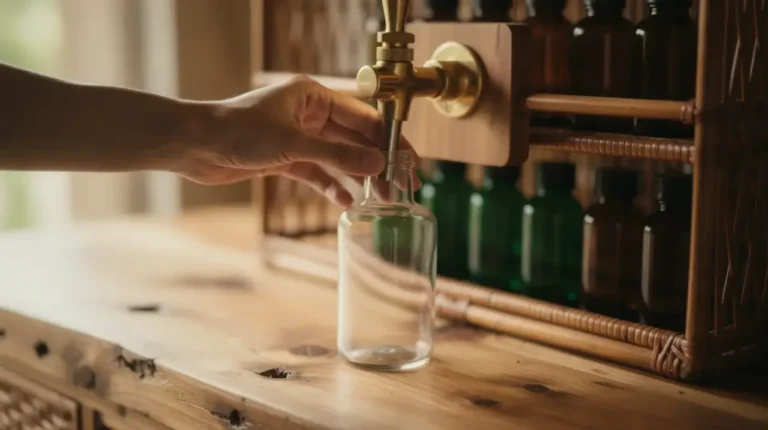
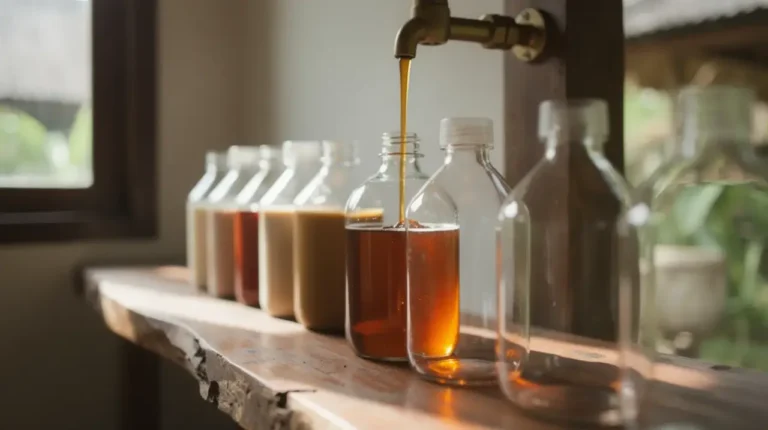
Utama Spice grew out of that same logic. Melanie Templer began hand-blending balms and incense in her Ubud kitchen in 1989, working with what the island provided and refilling containers because that was simply how things were done, not because a sustainability report required it. The refill stations we run today, and hero ingredients like kukui oil wild-harvested through our Forestwise partnership, carry that same principle forward: take what the land offers, waste as little as possible, and give something back in return.
Seasonality plays a quiet role here too. Small production runs mean we are not sitting on overstock that eventually gets discounted, discarded, or reformulated. A batch is made close to when it is needed. That is a very different rhythm from mass manufacturing, and it is one reason a genuinely regenerative supply chain tends to produce less waste at every stage, not just at the point where the bottle reaches your bathroom.
Our coconut oil, the carrier behind much of the line including our coconut body lotion, comes through the Aluan partnership with Bali coconut farmers, cold-pressed close to where it is grown rather than shipped raw across oceans for processing elsewhere. The same is true of the plastic credits we hold through Seven Clean Seas: for every gram of product we make, an equivalent amount of ocean-bound plastic is removed, a closed loop that runs alongside the refill system rather than replacing it. None of this is presented as a finished achievement. It is proof of an ongoing habit, the same habit a household builds one refill at a time.
Five steps to build a routine that actually refills
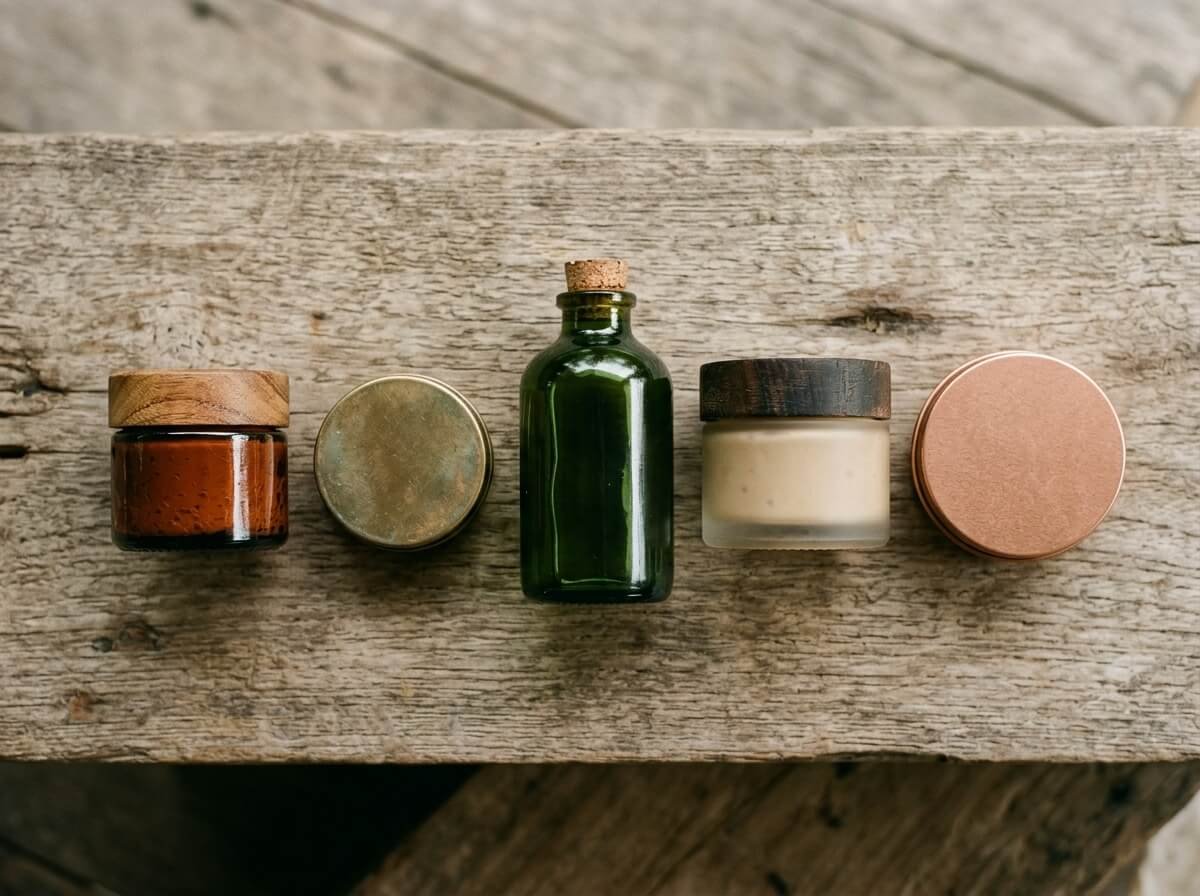
A working natural skincare routine that is also genuinely zero waste follows a sequence, not a single decision. Here is the order that holds up over time.
The order matters more than most guides admit. Skip straight to buying refillable containers before auditing what you already own, and you end up with two sets of half-used products instead of one. Follow the sequence below in order, and each step sets up the next one instead of working against it.
- Audit what you already own. Finish current products before replacing them. The most wasteful thing you can do in the name of sustainability is throw out half-used bottles to start fresh with “better” ones.
- Choose refillable formats over merely “natural” packaging. A glass jar with a metal lid still becomes waste if there is no system to refill it. Look for brands with an actual refill loop, not just recyclable materials.
- Prioritize multi-use ingredients. Coconut oil, jojoba, and aloe each do several jobs. One bottle of aloe vera gel, for example, can calm sun exposure, settle irritation, and layer under a moisturizer, which means fewer containers in rotation overall.
- Buy concentrated when you can. Refill cans, five-litre formats, and bar soaps all reduce the ratio of packaging to product. Less water and filler shipped, less container needed per use.
- Close the loop. Ask what happens to the packaging after it is empty. Our own answer runs through the Munti Gunung women’s social enterprise and the Forestwise sourcing partnership, where materials and income circulate back into the communities that supply them, rather than ending in landfill.
None of these steps requires an overnight overhaul. Applied one at a time, over a few months, they add up to a bathroom cabinet that generates a fraction of the waste it used to, without asking you to give up the products that actually work for your skin.
What closing the loop looks like in practice
Closing the loop is the step people skip because it sounds abstract, so it is worth being specific about what it actually involves. For us, it means a refill station in Bali where locals and visitors bring back the same bottle for years. It means the Munti Gunung Social Enterprise, where women in East Bali are trained, employed fairly, and given a stake in the supply chain rather than treated as an anonymous production line. It means Forestwise wild-harvesting agreements that pay local families for stewardship of the forest, not just for the raw ingredient extracted from it. Each of those relationships is a version of the same refill principle applied to people and place, not only to packaging.
Where to start: the three easiest switches in your routine
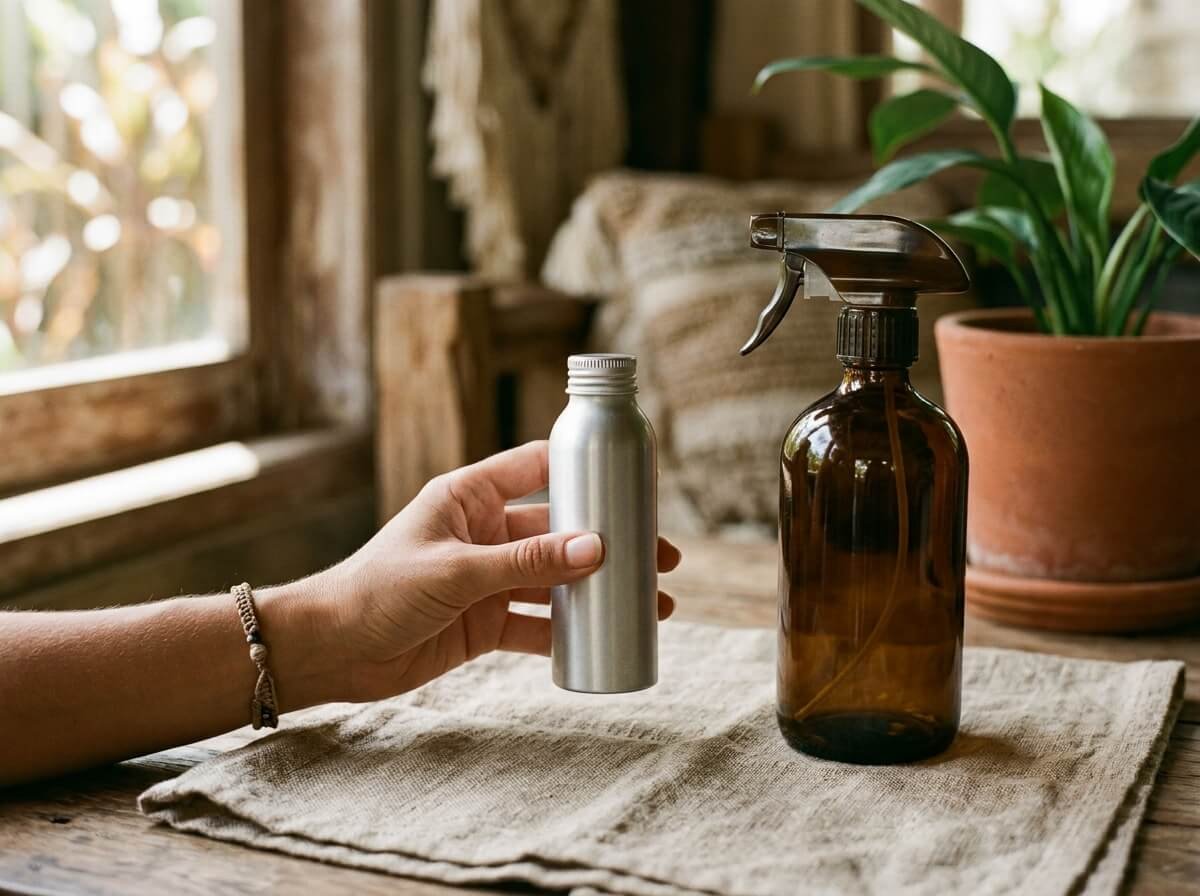
If five steps feels like a lot to hold at once, start smaller. These three switches are the ones we see make the fastest, most durable difference.
Solid soap to liquid refill. Bar soap gets recommended everywhere as the zero waste default, and it is a fine option, but it is not the only one. A concentrated liquid soap such as our lavender formula, bought once in a larger format and topped up from a refill can, produces less packaging over a year than repeatedly buying small bars wrapped in paper.
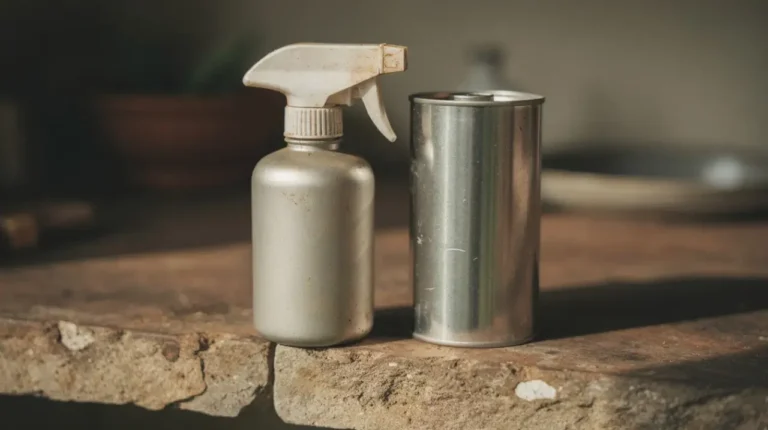
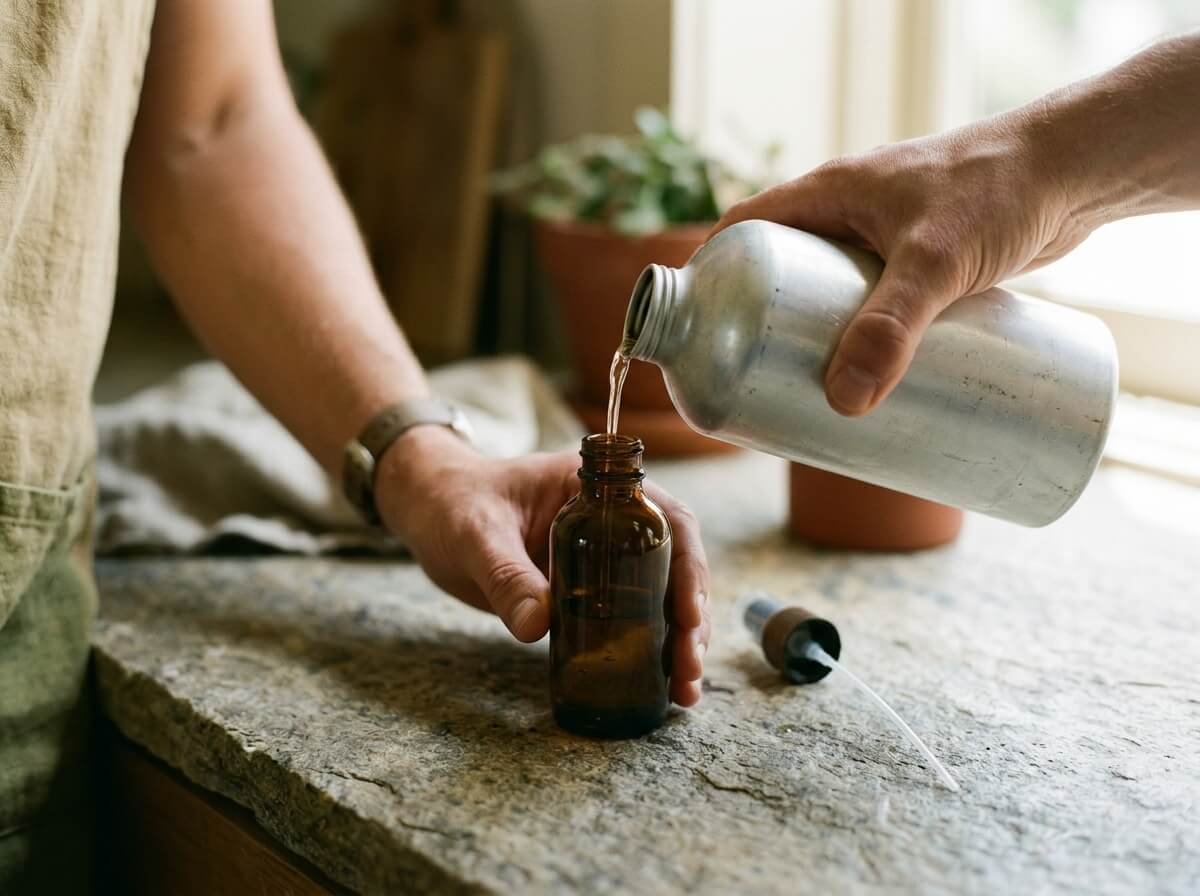
Insect repellent, aerosol to refill spray. This is the switch people underestimate. Aerosol repellents are single-use by design, pressurized canisters that cannot be reloaded. Our own natural bug repellent line runs on a refill system instead: a thin, recyclable aluminum can that pours straight into your existing spray bottle. The Begone Bug Spray 230ml Refill Can is the clearest example of what this looks like in practice, it is two dollars less than a full new bottle, and the only thing you are buying is what is inside the can.
Household crossover. Zero waste habits rarely stay confined to the bathroom shelf. Once a refill mindset takes hold, it tends to spread to the kitchen sink and laundry room too, a concentrated dish soap works on the same refill-and-reuse logic as your skincare, one bottle, topped up, instead of a new plastic container every few weeks.

Multi-use botanical oils over single-purpose bottles. A single bottle of a versatile carrier oil can replace three or four narrow-purpose products at once, a hair oil, a cuticle treatment, and a light body moisturizer, drawn from the same container. Fewer bottles bought means fewer bottles to eventually recycle, refill, or discard, and it is often the simplest switch of all because it requires buying less, not buying differently.
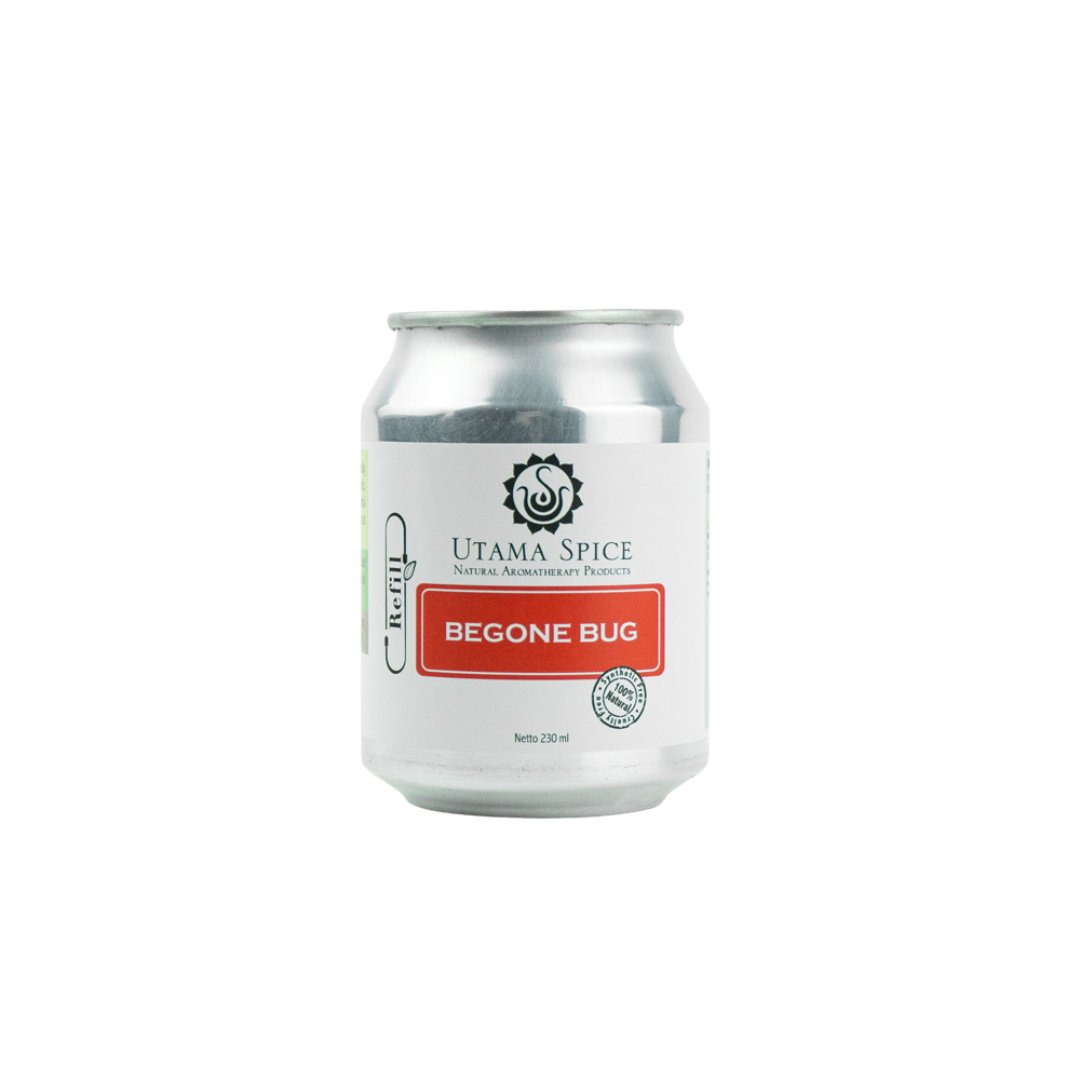
The refill that started it all
Our Begone Bug Spray 230ml Refill Can is thin, recyclable aluminum, two dollars less than the full bottle, and pours straight into the spray bottle you already own. That is the whole system, in one small can.
Common myths about zero waste skincare, and the honest truth
A few beliefs keep people from starting, or keep them stuck at the shopping-list stage. None of them hold up well under scrutiny.
Myth: zero waste means lower performance. A refill format does not change what is inside the bottle. The order and ingredients in your routine still do the work, packaging has no effect on how well a face oil or a liquid soap performs. This myth persists partly because early refill and bar-format products, years ago, genuinely were less refined than their bottled counterparts. Formulation has caught up since then, and the packaging format tells you nothing about the quality of what is inside it.
Myth: it is more expensive. Refill formats are frequently cheaper per use, since you are no longer paying for a new container every time, only for what is inside it. Our own refill can is priced below the equivalent full bottle for exactly this reason.
Myth: you have to change everything at once. This is the belief that causes the most abandoned attempts. Genuine change in a bathroom cabinet happens product by product, as each one runs out, not in a single weekend purge. Treat the whole process as a slow rotation rather than a renovation, and it becomes something you can sustain for years rather than a project that burns out after a month.
Myth: packaging is the only issue. As covered earlier, sourcing and manufacturing footprint matter as much as the container. A truly honest zero waste routine looks at the whole chain, not just what ends up in the recycling bin. A brand can hand you a beautiful glass jar and still source its raw ingredients through practices that strip a landscape bare, so the container is never the whole story, only the most visible part of it.
How to read packaging claims without the greenwashing confusion
Packaging language is where a lot of good intentions get quietly misled. Three terms get used almost interchangeably, and they should not be.
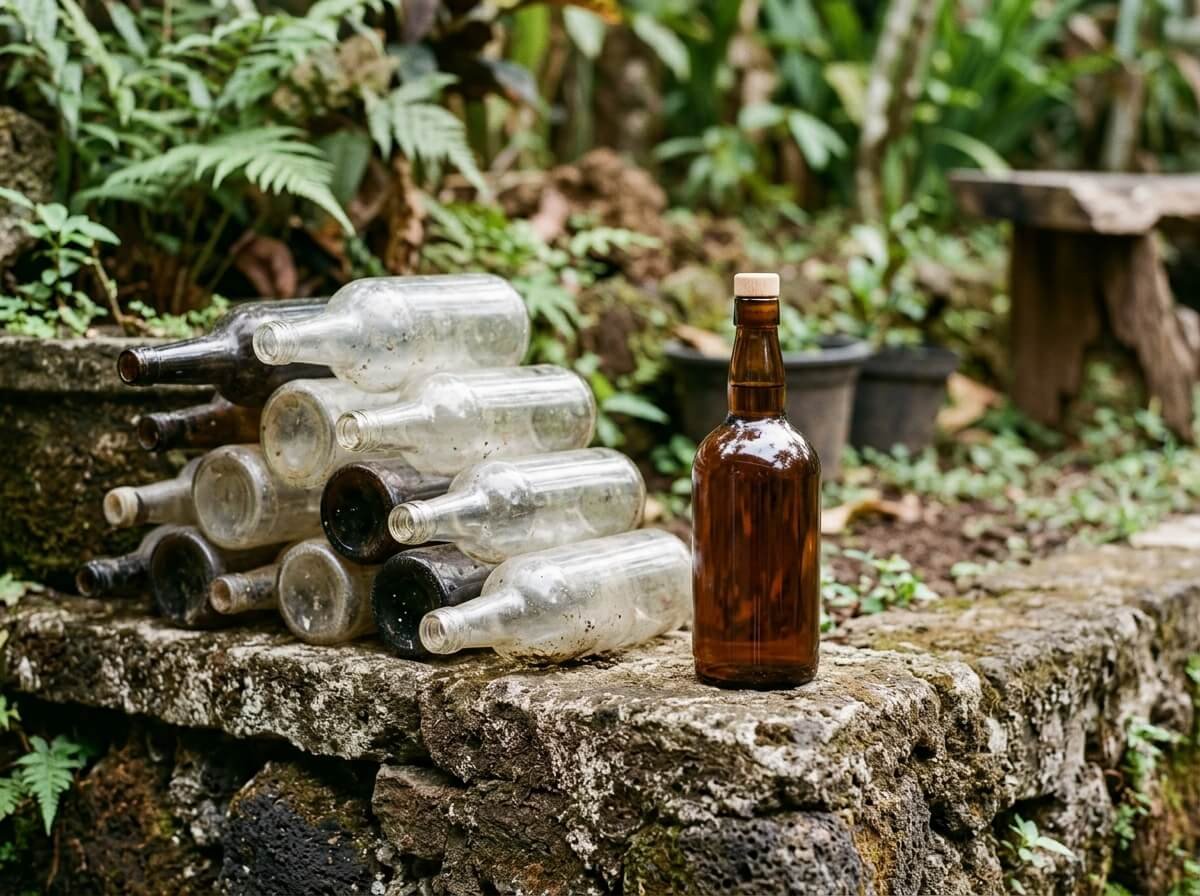
Recyclable means a material can technically be processed by some facility, somewhere. It says nothing about whether your local system actually accepts it, or whether it will be. Recycled content means some percentage of the container was made from reprocessed material, which reduces new plastic production but still ends the same way after use. Refillable is the only one of the three that keeps a single container in circulation for years instead of one cycle. When a brand only offers the first two, the packaging story is thinner than it sounds.
We track our own refill impact in plain numbers rather than adjectives: two thousand two hundred and forty-five bottles were saved from landfill through our refill program in 2025 alone. That is not a claim about being “eco-friendly,” it is an accounting of what actually did not end up as waste, and it is the kind of proof that should sit behind any packaging language a brand puts on a label.
A short set of questions helps cut through most greenwashing on the spot. Does the brand say what percentage of a container is recycled, or just that it “contains recycled material”? Is there an actual refill option available today, or only a stated intention to add one eventually? Does the brand publish real numbers on packaging saved, or only broad claims about being conscious or sustainable? A brand with nothing to hide usually answers these plainly, without needing to reach for softer language instead.
Frequently asked questions
What does zero waste skincare actually mean?
It means building a routine around products and packaging that can be reused or refilled indefinitely, rather than a routine that simply uses natural ingredients in single-use containers. The two ideas overlap but are not identical, and the packaging half of the equation is the part most guides skip.
Is zero waste skincare more expensive than conventional products?
Not usually. Refill formats tend to cost less per use because you are only paying for what is inside the container, not a new container every time. Concentrated and bulk formats push the savings further, since you are also paying for less water and filler with each purchase.
Where should I start if I feel overwhelmed?
Start with one product you already use often. Finish the bottle you have, then replace it with a refillable version. One switch at a time keeps the habit sustainable, which matters more than speed.
Do refillable products work as well as products in single-use packaging?
Yes. Packaging format has no bearing on formulation. A refill can and a brand-new bottle can contain the exact same product.
What is the difference between recyclable and refillable packaging?
Recyclable packaging is processed once, then remade into something else, if your local facility accepts it at all. Refillable packaging stays in use, refilled repeatedly, which avoids the manufacturing footprint of a new container altogether. If you are comparing two similar products and only one offers an actual refill option, that is usually the more meaningful difference, more meaningful than either one’s recycling claim.
Can I build a zero waste skincare routine with sensitive skin?
Yes. Sensitive skin and zero waste packaging are unrelated concerns. Choose formulas suited to your skin first, then look for refillable formats within that category.
How do I know if a refill program is genuine, and not just marketing?
Ask what happens to the container after it is empty, specifically. A genuine program has a real answer: a refill station, a mail-back system, or a concentrated top-up can. If the answer is vague, the packaging story is likely doing more work than the system behind it.
How long does it take to fully switch to a zero waste skincare routine?
Most households take somewhere between six months and a year, simply because that is roughly how long it takes for every product in a routine to naturally run out and get replaced. There is no need to rush the timeline, the slower pace is what makes the switch permanent rather than temporary.
What you give, you get back. A zero waste skincare routine is one of the more direct ways to put that principle into practice: fewer containers made, fewer containers discarded, and a system that keeps giving as long as you keep refilling it. It is not a shopping list to complete in a weekend, it is a habit that compounds quietly over months, the same way a refill station in Ubud has quietly kept thousands of bottles out of landfill without ever needing to announce itself. Start with one product, finish what you have, and let the switch happen at the pace that actually lasts.