Natural skincare routine: a complete guide to botanical self-care
A natural skincare routine is more than a trend. It is a return to what your skin already knows: how to breathe, balance, and repair when given the right ingredients. For over 35 years, we at Utama Spice have crafted small-batch botanical formulations in Bali, learning from generations of local healers and wild-harvested botanicals that the simplest approach is often the most effective. This complete guide walks you through every step of building a natural skincare routine that honours your skin’s biology, supports the ecosystems that produce your ingredients, and brings a sense of ritual back into daily self-care.
Whether you are replacing a cabinet full of synthetic products one jar at a time or starting fresh, this guide gives you the science, the steps, and the ingredient stories you need. No shortcuts, no hype, just honest care rooted in tradition and formulated with intention.
What a natural skincare routine really means
The word “natural” has become one of the most overused terms in the beauty industry. It appears on labels that still contain synthetic fragrances, petroleum-derived emollients, and preservatives linked to hormone disruption. A genuinely natural skincare routine starts with understanding the difference between marketing language and meaningful formulation.
At its core, natural skincare means choosing products built from plant-derived, mineral, or otherwise naturally occurring ingredients that work with your skin’s existing biology rather than overriding it. Your skin has its own ecosystem: a microbiome of beneficial bacteria, a lipid barrier that regulates moisture, and a turnover cycle that renews cells roughly every 28 days. Conventional products often disrupt these systems. Sulfates strip the lipid barrier. Synthetic fragrances can trigger inflammatory responses. Parabens and phthalates introduce endocrine-disrupting compounds through your largest organ.
A natural approach works differently. Botanical oils deliver fatty acids that your skin barrier recognises and absorbs. Plant extracts provide antioxidants in bioavailable forms. Mineral sunscreens sit on the skin’s surface to reflect UV rather than absorbing into the bloodstream. The philosophy is cooperation, not domination.
This is the principle we have followed at Utama Spice since 1989, when founder Melanie Templer began blending skincare in Bali using ingredients sourced directly from Indonesian farmers, herbalists, and wild-harvest cooperatives. More than three decades later, that same philosophy drives every formulation: respect the skin, respect the source, and never add what the body does not need.
Understanding this distinction matters because it changes how you evaluate products, how you build your routine, and what results you expect. A natural skincare routine is not a quick fix. It is a practice of patience, observation, and trust in ingredients that have served human skin for centuries.
Your morning natural skincare routine: five steps rooted in nature

Morning skincare prepares your skin for the day ahead. It clears overnight buildup, delivers hydration, and creates a protective layer against environmental stressors like UV radiation and pollution. Here are five steps to anchor your morning natural skincare routine in botanical care.
Step one: gentle cleansing
Start with a sulfate-free botanical face wash that removes overnight oils and dead skin cells without stripping your moisture barrier. Sulfates (sodium lauryl sulfate, sodium laureth sulfate) create that foamy lather many people associate with “clean,” but that foam comes at the cost of your skin’s protective lipid layer. A gentle, plant-based cleanser lifts impurities while leaving beneficial oils intact.
Look for cleansers built around saponified plant oils, gentle surfactants derived from coconut or sugar, or cream-based formulas with soothing botanicals. Our Serenity Face Wash uses a blend of calming botanicals for sensitive or reactive skin, while the Bliss Botanical Face Wash offers a lightly purifying option for combination types. For more detailed guidance on technique and water temperature, our guide to face washing tips covers the fundamentals.
Step two: toning
Toning restores your skin’s pH after cleansing and prepares it to absorb the next layers of care. In a natural routine, toners rely on botanical hydrosols, floral waters, and plant-based astringents rather than alcohol-heavy formulas that dry and irritate.
Witch hazel is one of the most effective natural toning ingredients available. It gently tightens pores, reduces excess oil, and calms redness without the harsh alcohol bite of conventional toners. We explore the full science of this ingredient in our article on witch hazel for your face. Rose water and chamomile hydrosol are two other excellent options for those with dry or sensitive skin who want hydration alongside toning.
Step three: serum or face oil
This is where targeted treatment happens. Serums and face oils deliver concentrated active ingredients deep into the skin. In a natural routine, these actives come from cold-pressed plant oils, botanical extracts, and plant-derived vitamins rather than synthetic peptides or lab-made retinoids.
For oily or acne-prone skin, lightweight oils like jojoba and kukui nut (candlenut) absorb quickly without clogging pores. Our Oily Face Serum is formulated specifically for this skin type, using fast-absorbing botanicals that regulate sebum production rather than suppressing it. For dry or sensitive skin, the Sensitive Face Serum delivers deeper nourishment through richer plant oils and calming extracts. The key principle is matching your serum’s lipid profile to your skin’s needs.
Step four: moisturising
Moisturiser locks in everything you have applied so far and creates a breathable protective layer. Natural moisturisers use plant butters, botanical waxes, and humectants like hyaluronic acid or glycerin (both naturally derived) to hold moisture in your skin throughout the day.
The best natural moisturisers balance occlusives (ingredients that form a protective seal, like shea butter or illipe butter) with emollients (ingredients that soften, like coconut oil or jojoba) and humectants (ingredients that attract water from the air). This trio works together the way your skin’s own moisture system does. Choose lighter formulas for warm weather and oilier skin types, richer creams for dry climates and mature skin.
Step five: sun protection
No morning skincare routine is complete without sun protection, and this is one area where the natural versus conventional distinction matters enormously. Chemical sunscreens (oxybenzone, avobenzone, octinoxate) absorb UV radiation through chemical reactions in your skin. Research continues to raise questions about their systemic absorption and endocrine effects. They also cause significant damage to coral reefs and marine ecosystems.
Mineral sunscreens use zinc oxide or titanium dioxide to physically reflect UV rays off your skin’s surface. They start working immediately upon application, do not require a 20-minute absorption window, and pose no known risk to marine environments. Our Zinc Natural Sunscreen SPF50 provides broad-spectrum protection with a non-greasy finish. For a deeper dive into choosing and using mineral sun protection, read our guides on natural sunscreen for face and best natural sunscreen options.
Evening natural skincare routine: restore and repair while you sleep

Your skin does its most intensive repair work between 10 p.m. and 2 a.m., when cell turnover peaks and blood flow to the skin increases. An evening routine clears the day’s accumulation of sunscreen, sebum, pollution particles, and dead cells, then feeds your skin the nutrients it needs for overnight restoration.
Oil cleansing
The oil cleansing method is one of the oldest and most effective ways to remove stubborn sunscreen, makeup, and oxidised sebum. The principle is simple: oil dissolves oil. Massaging a cleansing oil across your face lifts impurities that water-based cleansers miss, while simultaneously nourishing your skin with plant-derived fatty acids.
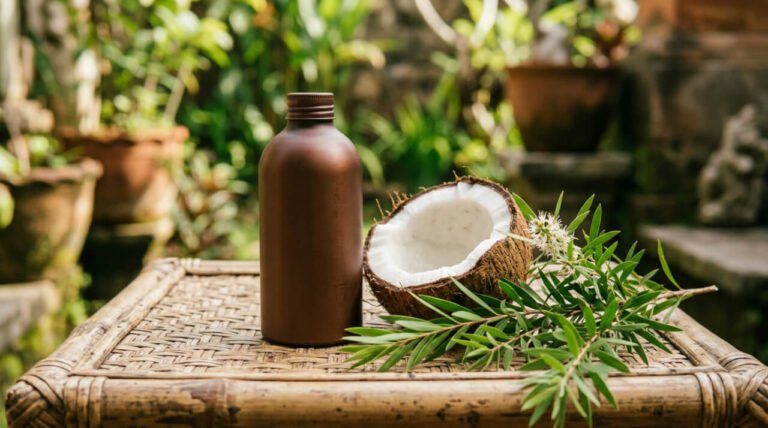
Coconut oil is a traditional first-cleanse option in many Southeast Asian skincare practices. It is antimicrobial, deeply penetrating, and effective at dissolving even waterproof sunscreen. Learn more about the full range of skin benefits in our guide to coconut oil for skin. Follow the oil cleanse with your regular botanical face wash for a thorough double-cleanse that leaves skin truly clean without tightness or dryness.
Gentle exfoliation (two to three times per week)
Exfoliation removes the layer of dead cells that accumulates on your skin’s surface, revealing fresher skin beneath and allowing serums and moisturisers to penetrate more effectively. In a natural routine, choose physical exfoliants with fine, rounded particles (rice bran, oat flour, finely ground walnut shell) or gentle chemical exfoliants derived from fruit acids (papaya enzyme, pineapple bromelain, willow bark salicylic acid).
The key is restraint. Over-exfoliation damages the skin barrier, causes micro-tears, and triggers inflammation that leads to breakouts, redness, and premature ageing. Two to three times per week is sufficient for most skin types. Sensitive skin may benefit from once weekly. Listen to your skin: if it feels tight, raw, or overly flushed after exfoliating, you are doing too much.
Night serum or facial oil
Evening is the ideal time for richer, more restorative serums and facial oils. Without the competing demands of sun protection and makeup, your skin can absorb concentrated botanicals deeply and efficiently overnight.
Rosehip oil delivers natural vitamin A (retinol) and vitamin C, both of which support collagen production and brighten uneven skin tone. Kukui oil, cold-pressed from candlenut, provides linoleic and alpha-linolenic fatty acids that calm inflammation and strengthen the skin barrier. Tamanu oil, traditionally used across the Pacific Islands, accelerates wound healing and reduces the appearance of scars. Apply three to five drops to slightly damp skin for maximum absorption.
Rich moisturiser or face cream
Seal in your evening serum with a nourishing night cream or rich moisturiser. Night creams tend to be thicker and more occlusive than daytime formulas, creating a moisture-locking barrier that supports your skin’s overnight repair cycle. Look for formulas built on plant butters (shea, illipe, cocoa), ceramide-rich botanicals, and hyaluronic acid for deep, sustained hydration.
Our HydroBotanic 3-in-1 Face Cream combines hyaluronic acid, plant-derived ceramides, and nourishing botanical oils in one formula that moisturises, repairs, and strengthens the skin barrier. It works beautifully as a night cream for those who prefer a single multi-functional product over a layered evening routine.
Weekly treatments
Once or twice a week, add a deeper treatment to your evening routine. Clay masks (kaolin, bentonite, Balinese volcanic clay) draw out impurities and absorb excess oil. Honey masks deliver enzymes and humectants that soften and brighten. Botanical sheet masks infused with concentrated plant extracts provide a surge of hydration for dehydrated skin.
Body care deserves attention in your evening routine as well. After a warm shower, apply a botanical body oil or body balm to damp skin. This locks in moisture far more effectively than applying to dry skin and turns a simple step into a sensory ritual. Our Rose Allure Body Oil makes this moment something you genuinely look forward to: warm, fragrant, grounding.
Hero ingredients from Bali and beyond
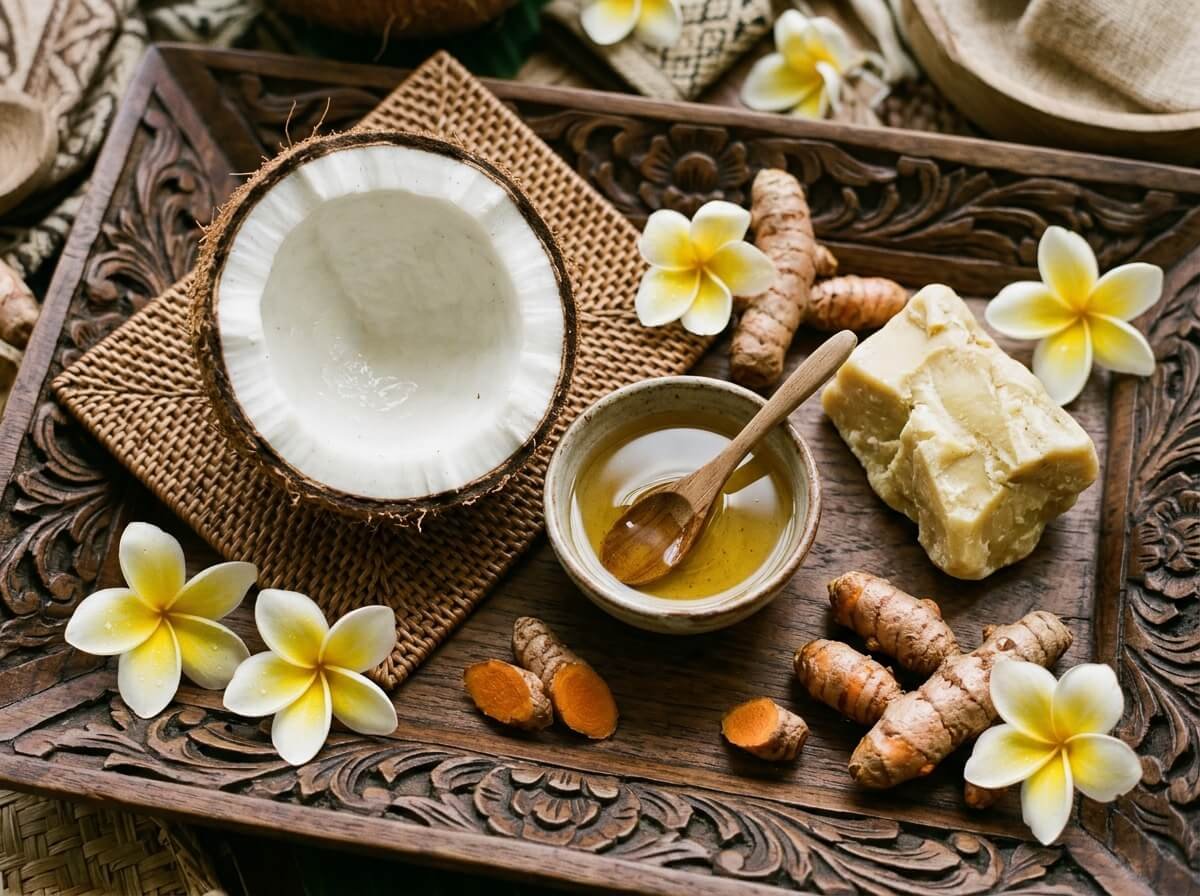
Every natural skincare routine is only as good as its ingredients. At Utama Spice, we source from partnerships that have taken years, sometimes decades, to build. Each ingredient carries not just a chemical profile but an origin story, a community of hands, and an ecosystem that depends on responsible harvest. Here are six hero ingredients that anchor our formulations.
Coconut oil (Aluan Partnership, cold-pressed)
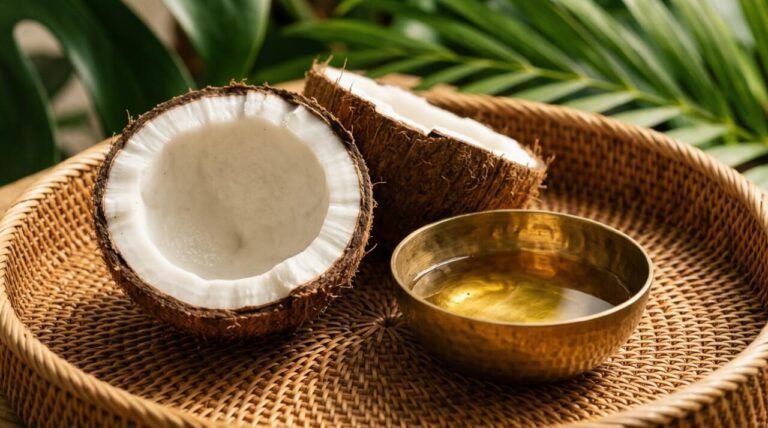
Coconut oil is the backbone of Balinese skincare and the foundation of many Utama Spice formulations. Our supply comes through the Aluan Partnership, a network of smallholder farmers in eastern Bali who cold-press their coconuts within hours of harvest to preserve the oil’s full spectrum of lauric acid, capric acid, and vitamin E. Lauric acid is antimicrobial, making coconut oil effective against acne-causing bacteria. Its medium-chain fatty acid profile allows it to penetrate deeply rather than sitting on the skin’s surface. For a thorough exploration of the evidence behind these benefits, read our dedicated guide on coconut oil for skin.

Kukui oil (candlenut, Forestwise)
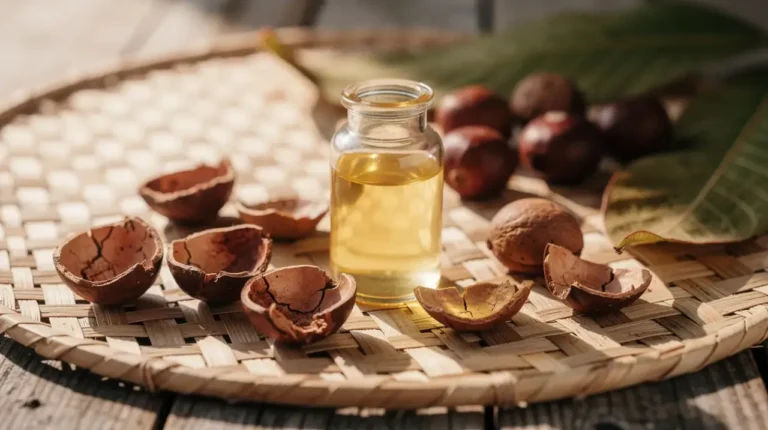
Kukui nut oil, cold-pressed from the candlenut tree (Aleurites moluccanus), has been used across the Pacific Islands for centuries to protect skin from sun, wind, and saltwater. It is exceptionally high in linoleic acid and alpha-linolenic acid, two essential fatty acids that your skin cannot produce on its own but needs for barrier repair and inflammation control. We source our kukui through Forestwise, a social enterprise that partners with forest communities in Kalimantan to harvest wild candlenuts under a regenerative model. Every bottle of kukui oil supports standing rainforest and the livelihoods of the communities who steward it.
Illipe butter (Kalimantan rainforest, Forestwise)
Illipe butter is one of the richest plant butters on earth, wild-harvested from the nuts of the Shorea stenoptera tree in the rainforests of West Kalimantan. Its fatty acid composition is remarkably similar to human sebum, which means your skin absorbs it readily and uses it to rebuild the lipid barrier. Illipe butter is deeply moisturising without feeling heavy or greasy, making it ideal for face creams, body butters, and lip balms. Our Forestwise partnership ensures that this ingredient is harvested sustainably, creating economic incentive for communities to protect the rainforest rather than clear it for palm oil plantations.
Aloe vera
Aloe vera has earned its reputation through millennia of use across tropical cultures worldwide. The gel inside its thick leaves contains over 200 bioactive compounds, including polysaccharides that promote wound healing, salicylic acid that gently exfoliates, and enzymes that reduce inflammation. In skincare, aloe vera serves as a hydrating base, a soothing treatment for sunburn or irritation, and a lightweight moisturiser for oily skin types. Our Aloe Vera Gel is formulated to deliver these benefits in a pure, versatile product that works as a stand-alone moisturiser, an after-sun treatment, or a calming layer beneath your regular serum.
Witch hazel
Witch hazel (Hamamelis virginiana) is a natural astringent derived from the bark and leaves of the witch hazel shrub. It contains tannins that gently tighten pores, gallic acid that acts as an antioxidant, and proanthocyanidins that calm redness and inflammation. Unlike alcohol-based toners that strip and irritate, witch hazel tones and balances without disrupting your skin’s moisture barrier. It is particularly effective for oily and combination skin types that need pore refinement without dryness.
Essential oils
Essential oils bring both therapeutic function and sensory depth to a natural skincare routine. Lavender calms inflammation and promotes cell regeneration. Tea tree is a clinically proven antimicrobial effective against acne-causing bacteria. Frankincense supports skin elasticity and has been shown to reduce the appearance of fine lines. Rose geranium balances sebum production across all skin types.
The key to using essential oils safely in skincare is proper dilution and quality sourcing. Essential oils must always be diluted in a carrier oil before application to avoid irritation. Purity matters enormously: adulterated oils (cut with synthetic fragrance compounds) are a common problem in the industry and can cause sensitisation reactions. Our guide to essential oils benefits covers safety, dilution ratios, and evidence-based applications. For those interested in creating custom blends, our article on essential oil blends walks through complementary pairings and formulation principles.
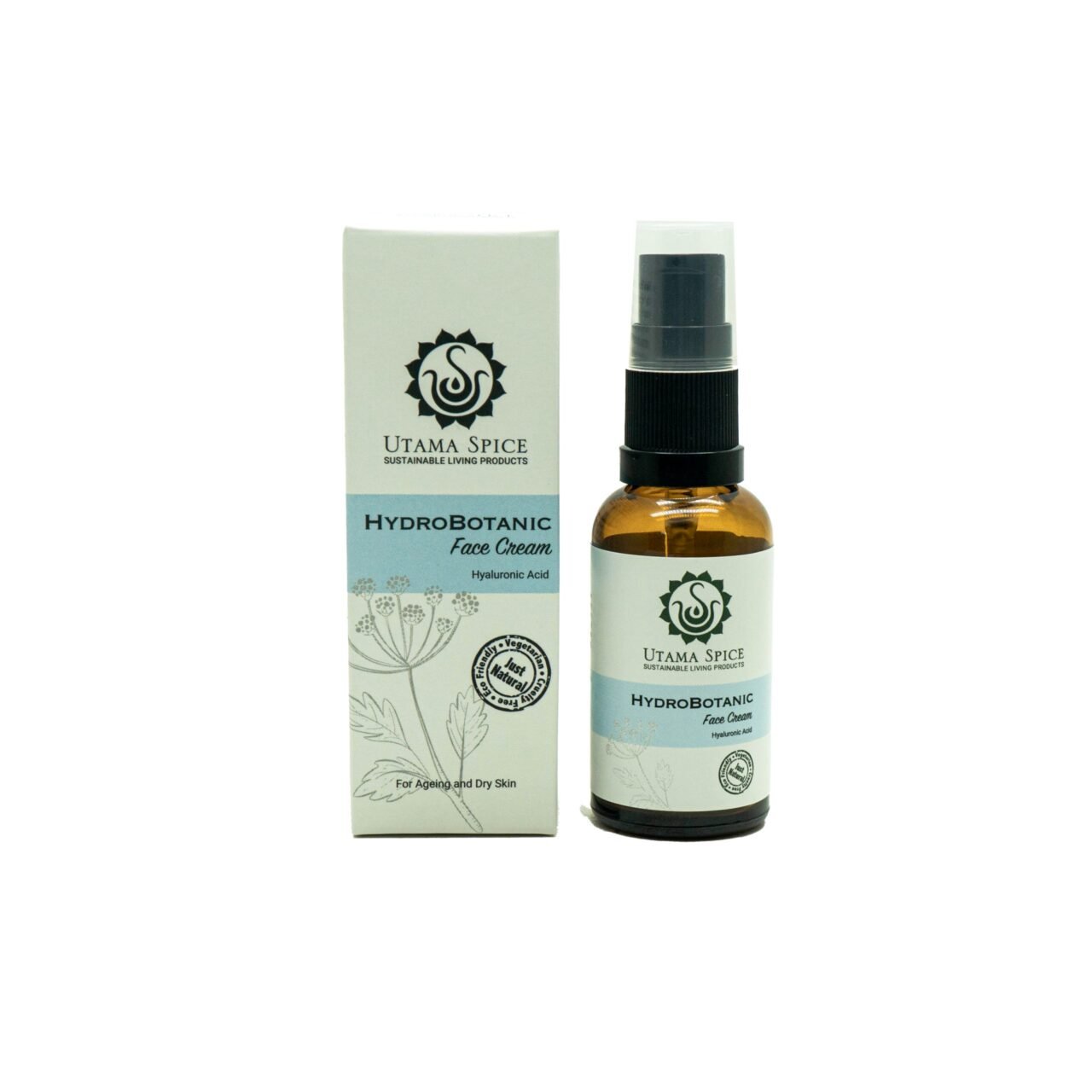
Botanical hydration, three benefits in one jar
Our HydroBotanic 3-in-1 Face Cream blends hyaluronic acid, ceramides, and plant oils to moisturise, repair, and strengthen your skin barrier. Lightweight, deeply nourishing, and crafted in Bali with care.
How to transition from conventional to natural skincare
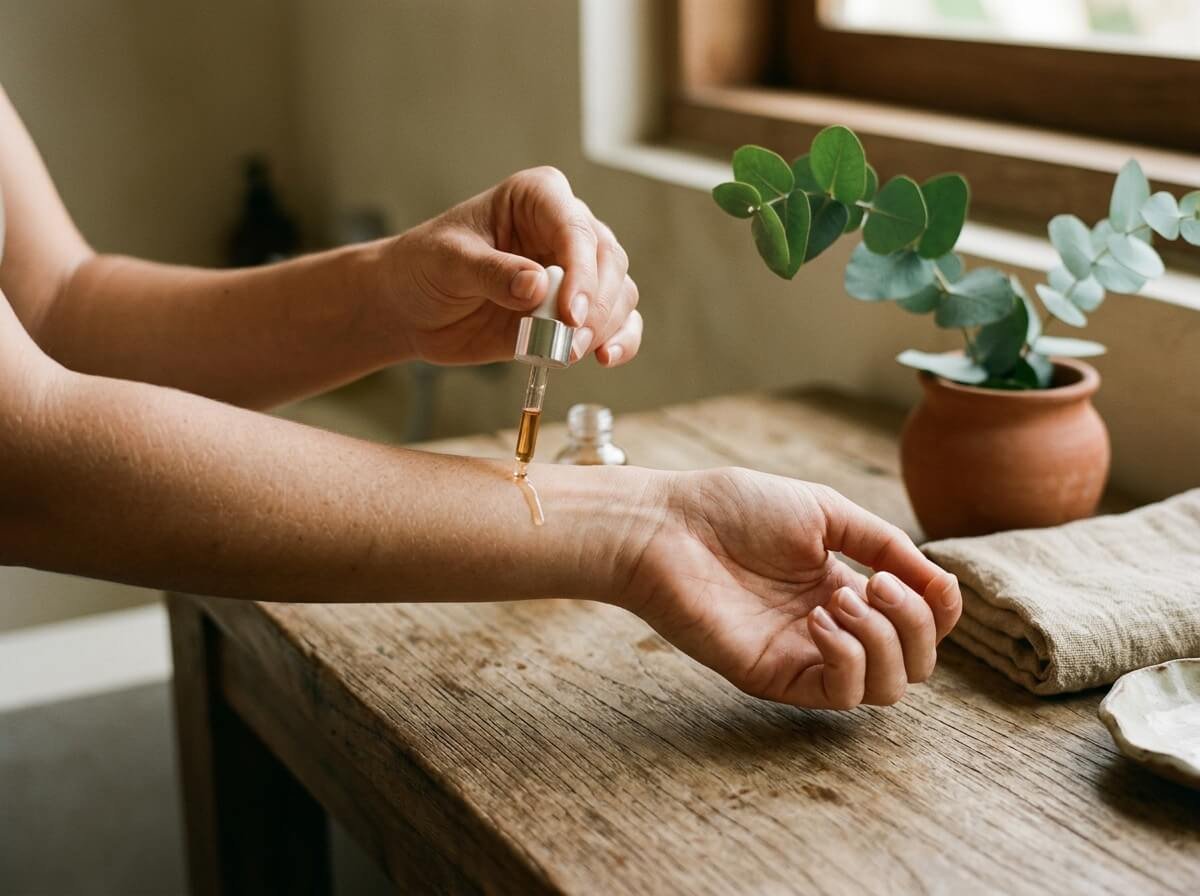
Switching from conventional products to a natural skincare routine is not an overnight transformation. Your skin has adapted to the synthetic ingredients in your current products, and it needs time to recalibrate. Understanding this adjustment period is the difference between a successful transition and an abandoned one.
The adjustment period
When you remove synthetic products, your skin may go through a recalibration phase that can last two to six weeks. If you have been using products with silicones, your skin may initially feel drier because silicones create an artificial smoothness by filling in texture rather than actually hydrating. If you have been using harsh cleansers, your sebaceous glands may be overproducing oil to compensate for the constant stripping, and they need time to normalise.
Some people experience a brief “purging” phase, particularly when introducing ingredients like tea tree oil or salicylic acid (from willow bark) that increase cell turnover. This is different from a breakout. Purging happens in areas where you typically get breakouts, resolves within two to four weeks, and indicates that your skin is shedding accumulated congestion. A genuine adverse reaction, by contrast, occurs in unusual areas, involves itching or burning, and worsens over time.
Go slow: swap one product at a time
The most successful transitions happen gradually. Replace one product at a time, starting with the item you use most frequently (usually your cleanser or moisturiser). Use your new natural product for at least two weeks before making the next swap. This approach allows you to identify exactly how each new product affects your skin and isolate any ingredients that do not work for you.
A practical sequence: start with your cleanser (the product that has the most contact with your skin barrier), then swap your moisturiser, then your sunscreen, then your serums and treatments. Leave makeup and specialty products for last.
Patch testing
Natural does not automatically mean non-reactive. Plant-based ingredients contain potent bioactive compounds, and individual allergies or sensitivities can occur with any ingredient, natural or synthetic. Before applying a new product to your face, test it on a small area of your inner forearm or behind your ear for 24 to 48 hours. If you see redness, itching, swelling, or irritation, that product is not for your skin, regardless of how pure its ingredients are.
Reading ingredient labels
Learning to read an ingredient list (the INCI list, or International Nomenclature of Cosmetic Ingredients) is one of the most empowering skills you can develop as a conscious consumer. Ingredients are listed in descending order of concentration. If a plant extract is listed last but a synthetic fragrance is listed third, the product is more fragrance than botany.
Key things to look for: short ingredient lists (fewer opportunities for fillers), recognisable plant names (Cocos nucifera oil, Aloe barbadensis leaf juice), and naturally derived preservatives (tocopherol, rosemary extract). Key things to avoid: “parfum” or “fragrance” (catch-all terms that can hide hundreds of synthetic chemicals), anything ending in “-paraben,” and petrochemical derivatives like mineral oil, petrolatum, and dimethicone.
Give it four to six weeks
Your skin’s full turnover cycle takes approximately 28 days. This means you need at least one full cycle, ideally two, to see the true results of any new product or routine. Judging a natural product after three days is like judging a garden after three days of watering. Commit to the timeline, observe your skin with curiosity rather than impatience, and document what you see. Take weekly photos in consistent lighting. Note texture, hydration, breakout patterns, and overall radiance. The evidence will build.
Building a sustainable natural skincare routine
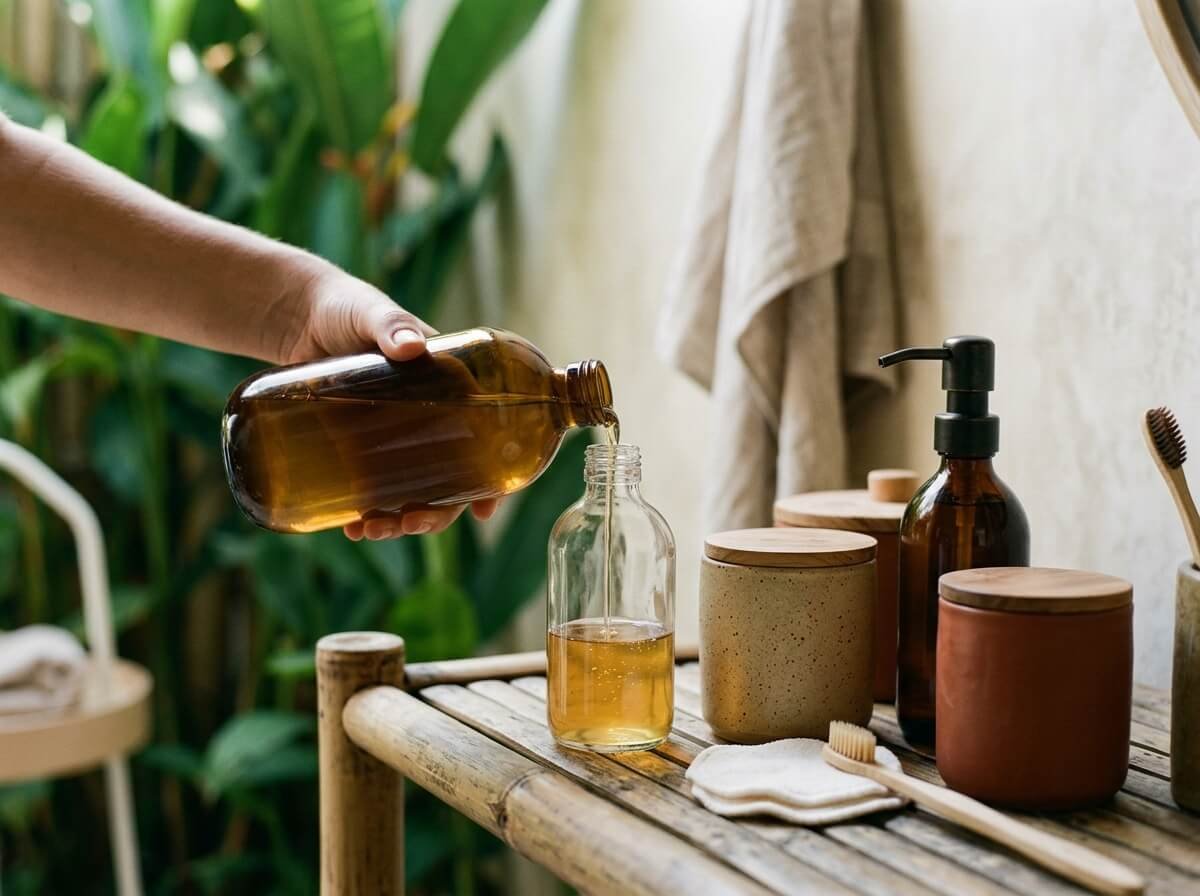
A truly natural skincare routine does not stop at what goes on your skin. It extends to what happens to the bottle when the product is gone, to the farming practices that produced your ingredients, and to the communities at the beginning of the supply chain. Sustainability is not a marketing badge. It is an accounting of consequences.
Refill culture: small choices, honest numbers
The beauty industry produces over 120 billion units of packaging every year, most of it single-use plastic that cannot be effectively recycled. Refill systems offer a direct, measurable alternative. At Utama Spice, our refill stations in Bali allow customers to bring back their glass bottles and refill them at a lower price, reducing packaging waste to zero for that purchase. In 2025 alone, our refill programme saved 2,245 bottles from becoming landfill waste. That is not a slogan. That is an auditable number.
Refill culture asks a simple question: why does every purchase need a new container? The answer, for most products, is that it does not. The container is a convenience for the manufacturer and a cost passed to the consumer and the planet. Choosing refillable products, or brands that offer concentrated formulas requiring less packaging per use, is one of the most impactful decisions you can make in your skincare routine.
Minimal and mindful packaging
Beyond refill, evaluate the packaging itself. Glass is infinitely recyclable and does not leach chemicals into your product. Aluminium recycles efficiently and is lighter to transport than glass. Post-consumer recycled plastic is preferable to virgin plastic. Avoid products with excessive secondary packaging (boxes inside boxes, unnecessary plastic wrapping, decorative elements that serve no functional purpose). The most honest packaging is the least of it.
Regenerative sourcing
Sustainability means maintaining what exists. Regenerative sourcing goes further: it aims to leave ecosystems and communities better than they were before. Our partnership with Forestwise in Kalimantan is an example of this principle in action. By creating market demand for wild-harvested forest products like kukui nuts and illipe butter, Forestwise gives communities an economic reason to protect standing rainforest rather than clearing it for monoculture agriculture. The forest stays. The trees keep sequestering carbon. The communities earn a living. The ingredients that reach your skin carry that entire chain of positive impact.
Our work with the Munti Gunung women’s cooperative is another thread in this same fabric. Munti Gunung is a remote village in eastern Bali where economic opportunities are scarce. The women of the cooperative produce handcrafted ingredients and packaging components for Utama Spice, earning a stable income that supports education, healthcare, and community infrastructure. When you choose products made through these partnerships, your skincare routine becomes an act of solidarity with real people in real places.
Challenge throwaway beauty culture
Here is the uncomfortable truth: the beauty industry profits from convincing you that you need more. More products, more steps, more novelty, more consumption. A 12-step routine with a new “hero ingredient” every season is not self-care. It is a business model designed to keep you buying.
A sustainable natural skincare routine is, by definition, a simpler one. Fewer products, higher quality, longer use. A well-formulated face oil can replace your serum and your moisturiser. A single botanical cleanser can serve morning and evening. A refillable glass bottle can last years. The most rebellious thing you can do in the current beauty landscape is buy less, choose better, and use what you have until it is genuinely finished.
Frequently asked questions about natural skincare routines

Is a natural skincare routine suitable for all skin types?
Yes. Natural skincare is not a one-size-fits-all category but rather an approach that can be tailored to every skin type. Oily skin benefits from lightweight plant oils high in linoleic acid (kukui, hemp seed, grapeseed) and astringent botanicals like witch hazel. Dry skin responds well to richer oils (avocado, illipe butter, coconut) and humectants like hyaluronic acid and aloe vera. Sensitive skin thrives with gentle, minimal-ingredient formulas featuring calming botanicals like chamomile, calendula, and oat extract. Combination skin can use different products on different zones or choose balancing ingredients like jojoba oil, which closely mimics human sebum and helps regulate oil production wherever it is applied.
How long before I see results from a natural skincare routine?
Most people notice initial improvements in skin texture and hydration within one to two weeks. More significant changes to breakout patterns, skin tone evenness, and overall radiance typically become visible after four to eight weeks, which corresponds to one to two full skin cell turnover cycles. Deep concerns like hyperpigmentation or long-standing sensitivity may take three to six months of consistent use to show meaningful improvement. The timeline varies based on your skin type, previous product use, environmental factors, and the specific concerns you are addressing.
Can natural products treat acne?
Many natural ingredients have clinically demonstrated efficacy against acne. Tea tree oil is one of the most studied, with research showing it is as effective as benzoyl peroxide for mild to moderate acne with fewer side effects. Willow bark extract contains natural salicylic acid, which unclogs pores and reduces inflammation. Niacinamide (vitamin B3), while sometimes synthesised, is also found naturally in foods and has been shown to reduce sebum production and improve skin barrier function. Zinc (applied topically in mineral sunscreens or taken as a supplement) has anti-inflammatory properties that help calm acne flare-ups. For moderate to severe acne, natural products work best as part of a comprehensive approach that also addresses diet, stress, and hormonal factors.
What does “clean beauty” actually mean?
“Clean beauty” has no regulated legal definition, which makes it simultaneously popular and problematic. In practice, it generally refers to products formulated without ingredients that have been associated with health concerns: parabens, phthalates, formaldehyde-releasing preservatives, synthetic fragrances, and certain petrochemical derivatives. However, because there is no governing standard, any brand can claim “clean” status while still using ingredients that a more rigorous definition would exclude. Look beyond the label. Read the INCI list. Evaluate the brand’s transparency about sourcing, formulation, and testing. A genuinely clean product does not need to tell you it is clean; the ingredient list speaks for itself.
Are natural products always better for sensitive skin?
Not automatically. Natural ingredients are biologically active, which means they can trigger reactions in sensitive individuals just as synthetic ingredients can. Essential oils, while therapeutically valuable, are a common source of contact sensitivity. Citrus oils, cinnamon, and certain floral extracts are among the more frequent culprits. The advantage of natural products for sensitive skin lies not in being natural per se but in typically having shorter, more transparent ingredient lists that make it easier to identify and avoid your specific triggers. Always patch test. Always read the full ingredient list. And choose products specifically formulated for sensitivity, which will contain calming, well-tolerated botanicals like chamomile, oat, aloe, and calendula at therapeutic concentrations.
How do I know if a product is truly natural?
Start with the ingredient list. A truly natural product will have an INCI list dominated by recognisable plant-derived, mineral, or otherwise naturally occurring ingredients. Look for certifications from credible third-party organisations like COSMOS, NATRUE, or the Soil Association, which enforce strict standards for natural and organic claims. Be sceptical of vague terms like “naturally derived” or “inspired by nature,” which have no regulatory meaning. Investigate the brand: do they disclose their full ingredient sourcing? Can they tell you where their shea butter comes from, or how their essential oils are extracted? Transparency is the most reliable indicator of authenticity. A brand that has nothing to hide will hide nothing.
Building a natural skincare routine is a process of learning, patience, and deepening trust in ingredients that your skin was always designed to recognise. It does not require a complete overhaul overnight. It does not require a 15-step regimen. It requires intention, quality over quantity, and the willingness to let your skin tell you what it needs. Start with one step. Observe. Adjust. Grow from there. Your skin has been waiting for this kind of care, and so have the forests, the farmers, and the communities that make it possible.