Natural shampoo and conditioner: the botanical science behind clean, nourished hair
If you have ever stood in a store aisle reading the back of a shampoo bottle and felt more confused than confident, you are not alone. The phrase “natural shampoo and conditioner” appears on hundreds of products, yet most of them contain the same synthetic surfactants, silicones, and artificial fragrances as their conventional counterparts. The difference between a genuinely botanical hair care formula and a marketing claim dressed in green packaging comes down to ingredient science, and that is exactly what this guide covers.
We are going to look at what happens at the molecular level when you wash and condition your hair with plant-derived ingredients versus synthetic ones. We will explore the surfactants that clean without stripping, the botanical oils that restore and protect, and the transition your scalp may go through when you make the switch. Whether your hair is fine, curly, oily, or colour-treated, understanding the science behind natural shampoo and conditioner puts you in control of what actually touches your scalp every day.
What makes a shampoo and conditioner truly natural
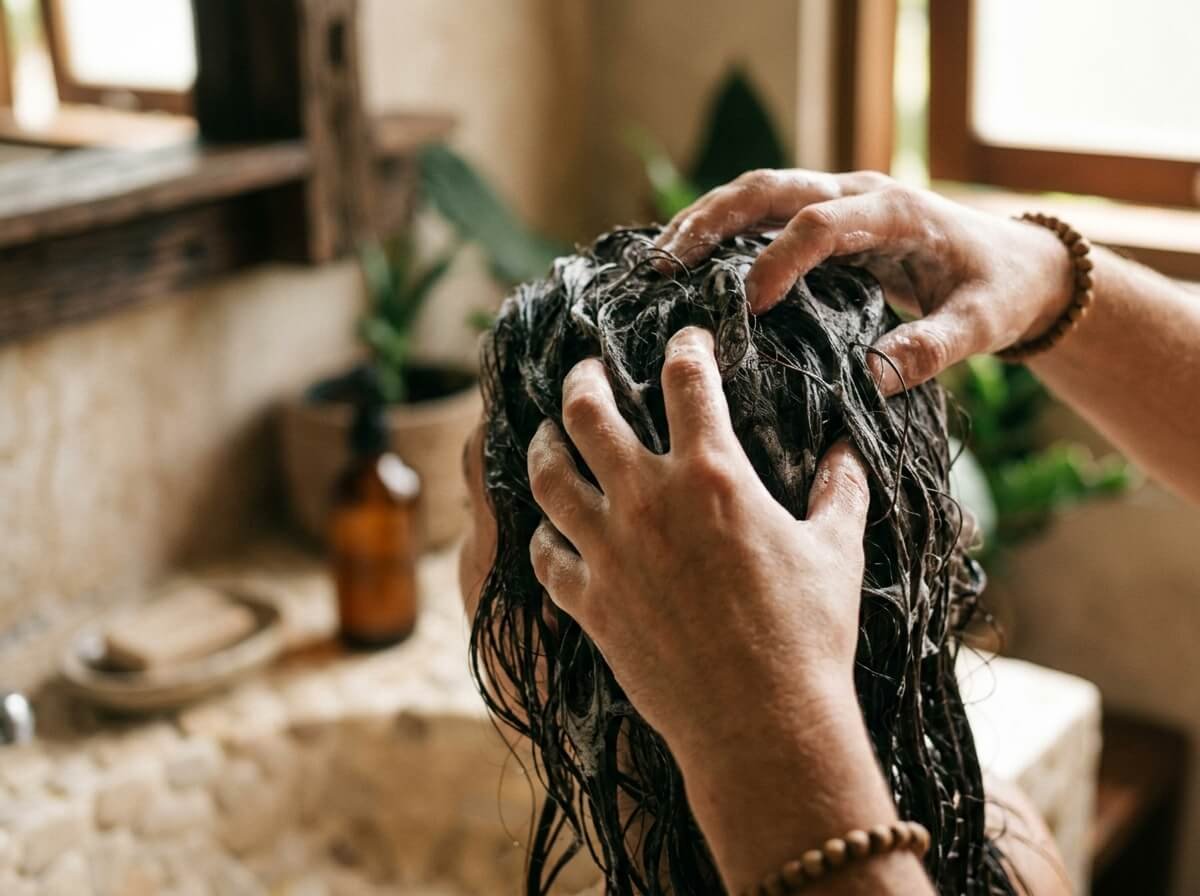
The word “natural” has no regulated definition in the personal care industry. A shampoo can carry a botanical leaf on the label and still be 95% synthetic. What separates a genuinely natural formula from a conventional one is the source and function of its core ingredients: the surfactant that creates lather, the conditioning agent that smooths the cuticle, and the preservative system that keeps the product stable.
In a conventional shampoo, the primary surfactant is usually sodium lauryl sulfate (SLS) or sodium laureth sulfate (SLES). These are effective degreasers, originally developed for industrial cleaning. They strip oil aggressively, which is why your hair can feel squeaky-clean but dry and brittle afterward. Conventional conditioners then coat the hair in silicones (dimethicone, cyclomethicone) to simulate softness, a temporary fix that builds up over time and eventually weighs hair down.
A truly natural shampoo replaces those industrial surfactants with plant-derived alternatives: coconut-based glucosides, saponified oils, or amino acid cleansers. These clean effectively while preserving your scalp’s natural oil balance. A truly natural conditioner replaces silicone with botanical oils and plant-based emollients (shea butter, kukui nut oil, argan oil) that genuinely nourish the hair shaft rather than coating it.
The simplest test: if you cannot pronounce or identify the first five ingredients on the label, the product is likely conventional in a botanical wrapper. A genuinely natural formula reads more like a kitchen pantry than a chemistry lab.
How coconut-derived surfactants clean without stripping
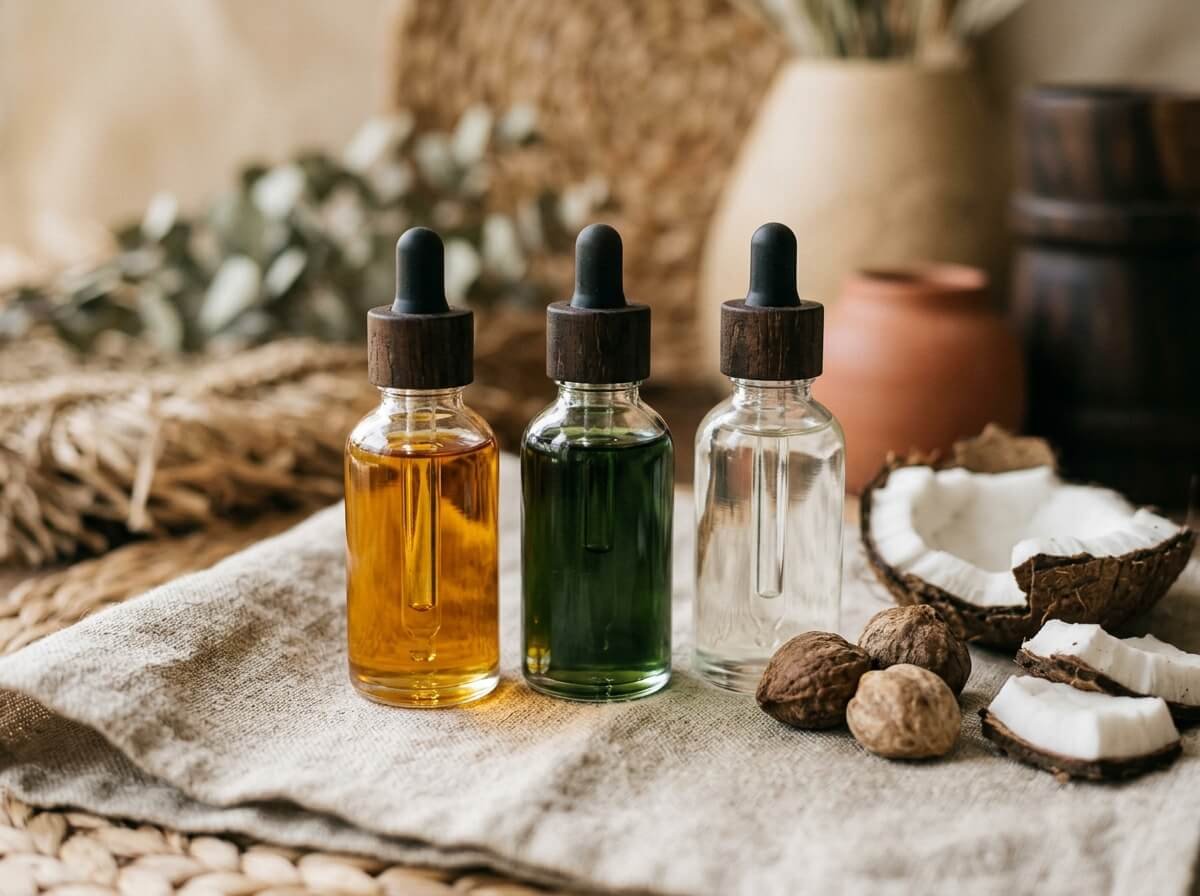
The science of cleaning hair is the science of surfactants: molecules with a water-loving head and an oil-loving tail. When surfactant meets water, it forms micelles, tiny clusters that trap oil, dirt, and product residue and carry them away when you rinse. The question is not whether a surfactant cleans (they all do), but how aggressively it strips the sebum your scalp produces to protect itself.
SLS has a very small molecular structure and a high critical micelle concentration, which means it penetrates the skin barrier easily and removes nearly all surface oil. This is useful for degreasing an engine. For a human scalp, it triggers a rebound cycle: the scalp overproduces sebum to compensate for the stripping, leaving you with hair that feels greasy just 24 hours after washing.
Coconut-derived surfactants, like coco-glucoside and decyl glucoside, work differently. These are non-ionic surfactants made by combining glucose (from corn or potato starch) with fatty alcohols from coconut oil. Their larger molecular structure means they sit on the surface rather than penetrating the skin barrier. They still form effective micelles, still lift dirt and excess oil, but they leave a thin layer of protective sebum intact.
Another plant-derived option is sodium cocoyl isethionate (SCI), sometimes called “baby foam” because of its extreme gentleness. SCI is derived from coconut fatty acids and produces a rich, creamy lather without the harshness of sulfates. It is the surfactant most commonly found in solid shampoo bars.
The practical difference is significant. After two to three weeks of using a coconut-glucoside shampoo, most people find their scalp recalibrates: less oil production, less frequent washing needed, and hair that holds its texture and body between washes. Understanding how natural soap and surfactant science works is the first step toward making an informed choice.
Botanical conditioning agents: how plant oils restore and protect hair

Conventional conditioners rely on silicones to create the illusion of smooth, shiny hair. Dimethicone and its variants form a waterproof film around each strand, reflecting light (shine) and reducing friction (smoothness). The problem is that this film prevents moisture from entering the hair shaft, creates progressive buildup that makes hair limp and heavy, and requires harsh sulfate shampoos to remove, perpetuating the strip-and-coat cycle.
Botanical conditioning works at a deeper level. Plant oils contain fatty acids that are structurally similar to the lipids in the hair’s natural cuticle layer. When you apply a conditioner rich in kukui oil, for example, the linoleic and alpha-linolenic fatty acids actually penetrate the cortex of the hair strand, reinforcing it from the inside rather than coating it from the outside.
Different oils serve different functions in natural conditioning:
- Coconut oil is one of the few oils with a molecular weight small enough to penetrate the hair shaft. Research published in the Journal of Cosmetic Science found that coconut oil reduces protein loss in both damaged and undamaged hair when applied as a pre-wash or post-wash treatment. Its lauric acid content gives it a high affinity for hair protein.
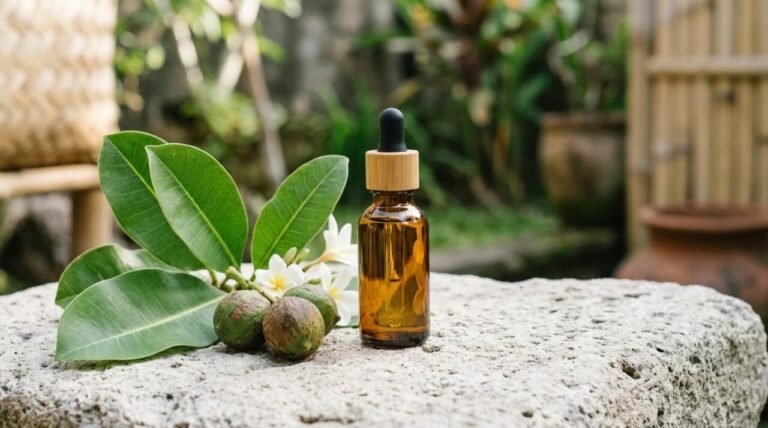
- Kukui oil (candlenut oil) is exceptionally lightweight due to its high linoleic acid content (about 40%). It absorbs quickly without leaving residue, making it ideal for fine or oily hair types that need moisture without weight. Traditionally used across Polynesia and Southeast Asia, kukui is a core ingredient in botanical hair oil formulations.
- Argan oil is rich in oleic acid and vitamin E, providing heat protection and reducing frizz. It functions as a sealant, locking in moisture after lighter oils have penetrated.
- Castor oil contains ricinoleic acid, which has humectant properties: it draws moisture from the air into the hair strand. This makes it particularly effective in leave-in conditioners for thick or curly hair.
A well-formulated natural conditioner typically layers two to three of these oils together. The lightweight penetrating oil goes in first (coconut or kukui), followed by a sealing oil (argan or jojoba), with a plant butter (shea, illipe) providing a final protective layer. This is how natural conditioners achieve genuine, lasting softness without silicone dependency.
Matching natural shampoo and conditioner to your hair type

One of the most common reasons people abandon natural hair care is choosing the wrong product for their hair type. A heavy coconut-oil conditioner on fine, straight hair creates flat, lifeless strands. A lightweight rinse on thick, coily hair provides almost no detangling benefit. The science of matching ingredients to hair type is straightforward once you understand a few principles.
Fine or straight hair
Fine hair has a smaller diameter and fewer cuticle layers, which means it absorbs oil quickly and becomes weighed down easily. Look for shampoos with lighter surfactants (decyl glucoside) and conditioners that feature lightweight oils like kukui, jojoba, or grapeseed. Avoid heavy butters and coconut oil in leave-in form; use coconut oil only as a pre-wash treatment that gets rinsed out. A tea tree-based natural shampoo provides gentle clarifying action that keeps fine hair from feeling flat.
Curly or wavy hair
Curly hair has an elliptical cross-section that makes it harder for sebum to travel down the strand. This is why curly hair tends toward dryness. You need a conditioner with strong penetrating and sealing oils: coconut oil for penetration, argan for sealing, and shea butter for curl definition. Co-washing (using conditioner alone instead of shampoo) works well for many curl patterns. When you do shampoo, choose a formula with coco-glucoside rather than SCI, as the gentler cleanse preserves more moisture.
Oily hair and scalp
Ironically, oily hair often results from over-cleansing with harsh surfactants. The scalp overcompensates. Switching to a natural shampoo triggers an adjustment period (more on this below), but the long-term result is balanced sebum production. Look for shampoos with tea tree oil, which has natural antimicrobial properties that keep the scalp healthy, and rosemary, which supports circulation. Apply conditioner only from mid-length to ends, never on the scalp.
Dry or damaged hair
Colour-treated, heat-styled, or chemically processed hair has a compromised cuticle layer. Protein-rich treatments (hydrolyzed wheat or rice protein) help rebuild structure, while heavy oils (castor, argan) seal the cuticle and prevent further moisture loss. Deep conditioning once a week with a botanical oil blend, left on for 20 to 30 minutes, makes a measurable difference within a month.

Understanding your hair’s porosity (how easily it absorbs and retains moisture) is just as important as knowing your curl pattern. A simple test: drop a clean strand of hair into a glass of water. If it sinks quickly, you have high porosity (needs sealing oils). If it floats, you have low porosity (needs lightweight, penetrating oils and gentle heat to open the cuticle).

Nourish your hair from root to tip
Our Herbal Silk Hair Oil blends kukui, coconut, and essential oils to deeply condition and strengthen hair naturally. A pre-wash treatment, a finishing serum, or a weekly deep-conditioning ritual: one bottle, many uses.
The transition from synthetic to natural shampoo and conditioner

Almost everyone who switches from conventional to natural hair care experiences a transition period, and almost nobody warns you about it in advance. This is the number one reason people give up on natural shampoo and conditioner within the first two weeks, right when the transition is at its most challenging.
Here is what is happening. Your scalp has been stripped and recoated for years, possibly decades. The sebaceous glands have been in overdrive, producing excess oil to compensate for aggressive sulfate cleansing. Silicone buildup on your hair has been masking damage and preventing your natural oils from distributing properly. When you remove both sulfates and silicones simultaneously, two things happen at once.
First, the silicone coating dissolves over three to five washes, revealing the actual condition of your hair underneath. This can be alarming: hair may feel rough, tangled, or straw-like. This is not the natural shampoo causing damage. It is the accumulated damage that silicones were hiding.
Second, your sebaceous glands continue producing oil at their elevated rate. Without sulfates stripping everything away, your hair may feel greasy faster than usual. This phase typically lasts two to four weeks while the glands recalibrate to the gentler cleansing.
Strategies to ease the transition:
- Do a clarifying wash on day one with a gentle apple cider vinegar rinse (one tablespoon per cup of water) to remove existing silicone buildup.
- Wash less frequently. Going from daily washes to every two or three days gives your scalp time to adjust.
- Use a pre-wash oil treatment (coconut oil or a botanical hair oil blend) before shampooing. This protects the hair shaft during cleansing and reduces the rough, stripped feeling.
- Be patient through weeks two and three. The greasy phase is temporary. By week four, most people report hair that feels cleaner for longer, with more natural body and movement.
The transition is not comfortable, but it is finite. And on the other side of it is hair that no longer depends on a strip-and-coat chemical cycle to look and feel healthy.
Ingredients to avoid in conventional shampoo and conditioner

Not every synthetic ingredient is harmful, and not every natural ingredient is automatically safe. But there are specific compounds in conventional hair care that have well-documented concerns, either for your health, the environment, or both. Knowing what to look for on a label puts you in a stronger position than any marketing claim ever could.
Sulfates (SLS, SLES, ALS)
Sodium lauryl sulfate, sodium laureth sulfate, and ammonium lauryl sulfate are the primary lathering agents in most conventional shampoos. They are effective degreasers but also irritants. SLS in particular has been shown to disrupt the skin barrier and can cause contact dermatitis in sensitive individuals. SLES is gentler but may contain traces of 1,4-dioxane, a byproduct of the ethoxylation process, which is classified as a probable human carcinogen by the EPA.
Silicones
Dimethicone, cyclomethicone, amodimethicone, and any ingredient ending in “-cone” or “-siloxane.” These coat the hair shaft, creating a smooth feel but preventing moisture absorption and building up over time. They are not biodegradable, which means they persist in waterways after rinsing down the drain.
Parabens
Methylparaben, ethylparaben, propylparaben, and butylparaben are preservatives that prevent microbial growth. Research has detected parabens in human tissue samples, and they are known endocrine disruptors that can mimic oestrogen. Many countries have restricted their use in cosmetics. Natural alternatives include tocopherol (vitamin E), rosemary extract, and fermented radish root filtrate.
Synthetic fragrances
The word “fragrance” or “parfum” on a label can represent dozens of undisclosed chemicals, protected as trade secrets. Many synthetic fragrance compounds are respiratory irritants and allergens. Natural shampoo and conditioner formulations use essential oils for scent: lavender, tea tree, rosemary, peppermint. These provide genuine aromatherapy benefits alongside a clean fragrance profile.
Building a complete natural care routine starts with understanding these ingredient categories, not to create fear, but to make informed choices grounded in science rather than marketing.
Choosing a natural shampoo and conditioner that works
With the ingredient science covered, choosing well becomes simpler. Here is a practical framework for evaluating any natural shampoo and conditioner, whether on a store shelf or online.
Read the ingredient list, not the front label
Ingredients are listed in descending order by concentration. The first five ingredients make up the bulk of the formula. If water and a coconut-derived surfactant (coco-glucoside, decyl glucoside, sodium cocoyl isethionate) are in the top three, the product has a genuinely natural cleansing base. If SLS or SLES appears anywhere, it is not a natural shampoo, regardless of what the label says.
Look for oils that match your hair type
For conditioners, check which oils are featured. Lightweight options (kukui, jojoba, squalane) suit fine hair. Heavy options (castor, shea, cocoa butter) suit thick, curly, or damaged hair. A versatile middle ground includes argan and coconut. The best formulations layer multiple oils for balanced performance, as described in our guide to choosing a natural conditioner for your hair.
Check the sourcing story
Where ingredients come from matters. Virgin coconut oil cold-pressed from Balinese copra has a different fatty acid profile and ethical footprint than commodity refined coconut oil from industrial plantations. Brands that disclose their sourcing partnerships (Forestwise, Aluan, community cooperatives) are demonstrating transparency that goes beyond a certification logo.
Consider the packaging
Truly sustainable natural hair care considers the full lifecycle. Refillable bottles, solid shampoo bars, and concentrated formulas reduce packaging waste significantly. A single shampoo bar typically replaces two to three plastic bottles. Refill stations, where you bring your own container and fill up with natural liquid soap and shampoo, eliminate packaging entirely.
Trust your senses
A genuinely natural shampoo will not smell like a tropical cocktail. Natural essential oil scents are subtler, more complex, and they dissipate naturally rather than lingering artificially. The lather will be creamier and less foamy than sulfate-based products. The conditioner may feel lighter than you are used to, because it is not coating your hair in silicone. These sensory differences are signs that the product is working with your hair’s biology, not against it.
Healthy hair is not a product of a single bottle. It is the outcome of understanding what your hair needs, choosing ingredients that deliver it, and giving your body time to respond. The shift from synthetic to botanical hair care is one of the simplest, most impactful changes you can make in your daily routine. It starts with reading the label, and it grows from there.