Natural acne treatment: an honest, routine-first guide to calming breakouts
A good natural acne treatment is not a single hero ingredient or an overnight fix. It is a calm, consistent routine that works with your skin instead of against it, using botanical actives that have real evidence behind them and gentle formulas that protect the skin barrier while your breakouts settle. If you have ever slathered on a harsh spot treatment and watched your skin get redder, drier, and somehow more spotty, you already know the truth this guide is built around: acne-prone skin does not need punishing, it needs support.
We have spent more than 35 years hand-blending plant-based skincare in Bali, and one lesson comes up again and again. The people whose skin truly changes are rarely the ones chasing the strongest product. They are the ones who found a simple rhythm and kept it. So this is a routine-first guide, grounded in how skin actually works, honest about what botanicals can and cannot do, and clear about the DIY habits that quietly make things worse. No miracle claims, no fear, just care that holds up.
What a natural acne treatment can, and can’t, do
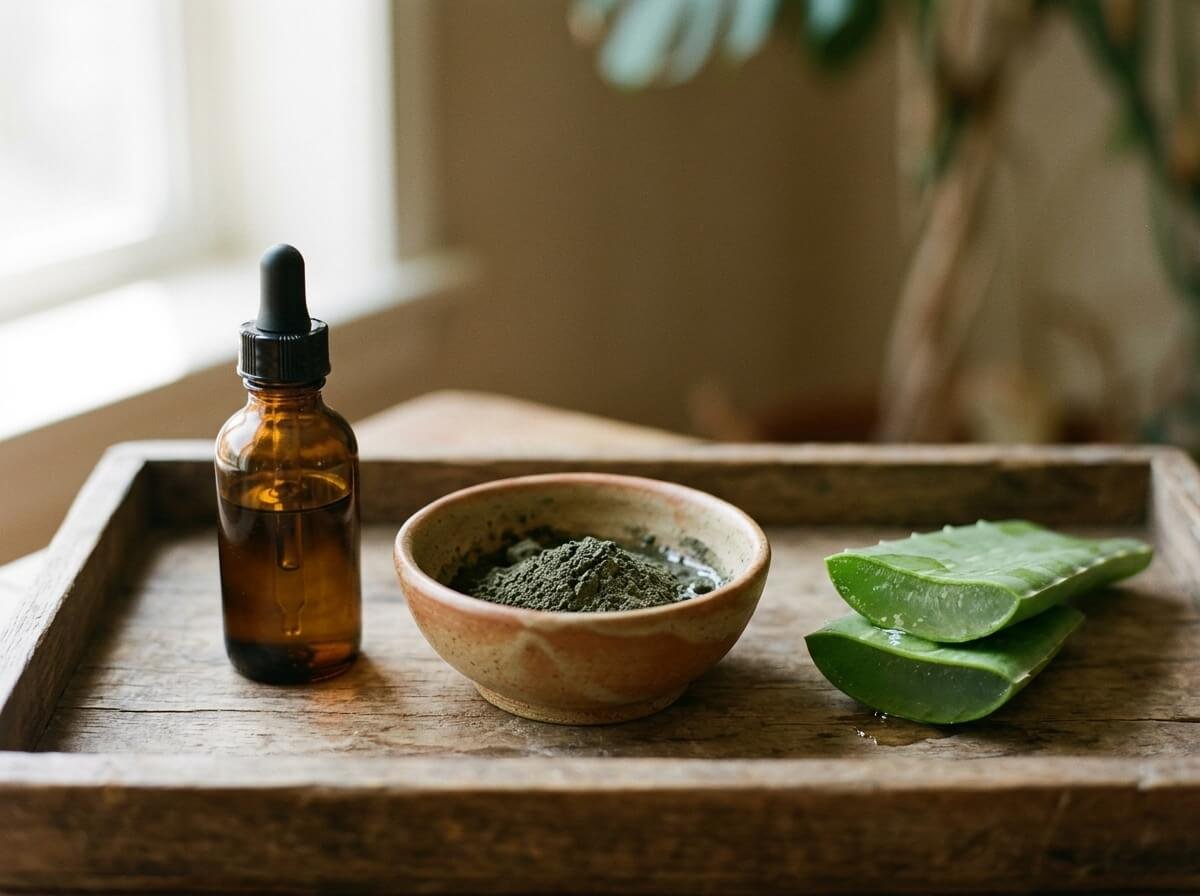
Let us start with honesty, because that is where trust lives. A natural acne treatment can reduce the oil, bacteria, and inflammation that drive most everyday breakouts. It can calm redness, help pores stay clearer, and support skin that has been stripped and irritated by aggressive products. For mild to moderate acne, a thoughtful botanical routine is often all the skin needs to find its balance again.
What it cannot do is rewrite your hormones, erase deep cystic acne overnight, or replace medical care when skin is genuinely inflamed and scarring. Anyone promising that is selling theatre, not care. Natural does not mean magic, and it does not automatically mean gentle either. Some of the harshest things people put on their faces are entirely natural, which is exactly why the mistakes section of this guide matters as much as the routine.
The most useful way to think about botanical acne care is as a system with three quiet jobs: clear without stripping, calm without numbing, and protect the barrier so skin can repair itself. Hold those three jobs in mind and almost every decision gets simpler. A product that clears but leaves skin tight and flaking has failed job three. A soothing oil that never addresses oil or bacteria has skipped job one. Good natural care does all three at once, gently, day after day. Progress, not perfection, is the goal, and with acne-prone skin that patience is not a compromise, it is the strategy.
What actually causes a breakout
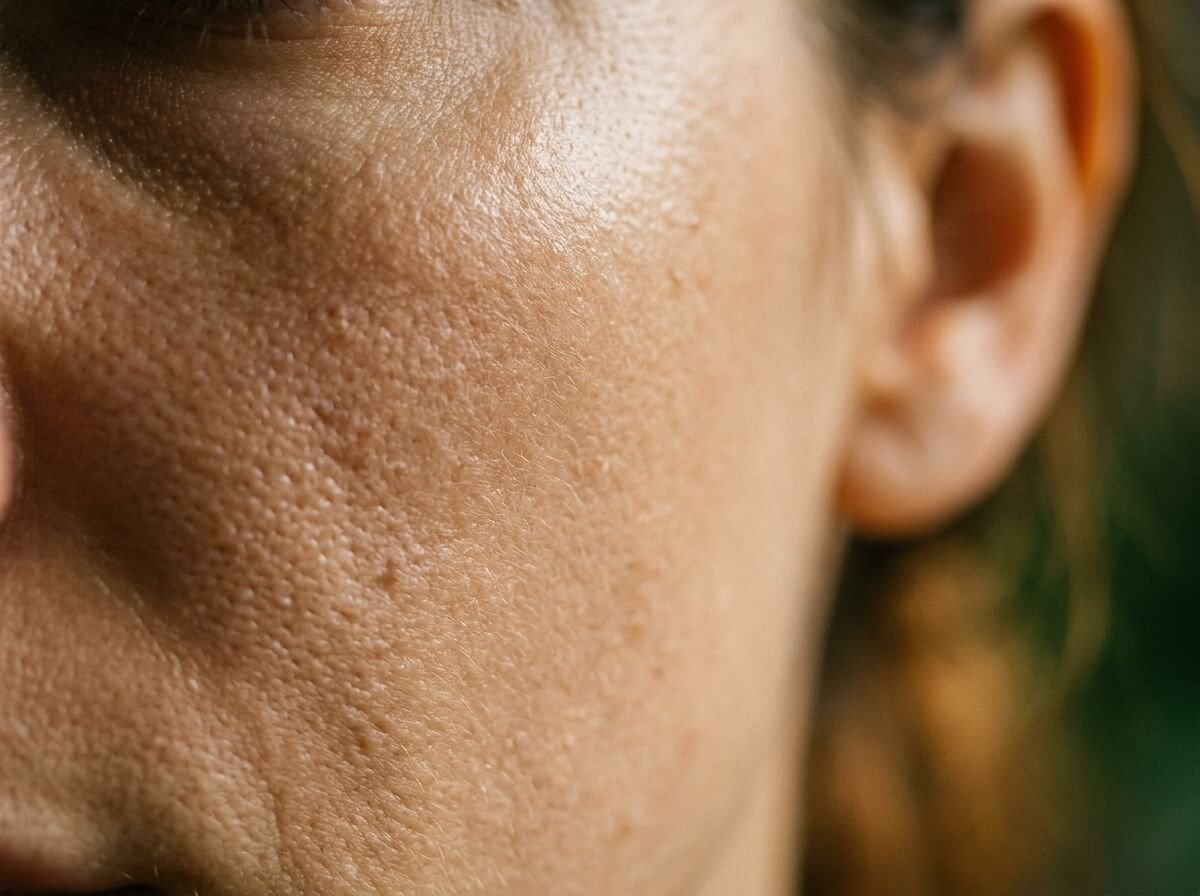
You cannot choose the right natural acne treatment until you know what you are treating. A breakout is not dirt on the surface, and it is not a sign that you failed to scrub hard enough. It forms deeper, inside the pore, and four things usually work together to create it.
- Excess oil (sebum). Your skin makes oil to stay supple. Hormones, heat, and stress can push it into overdrive, and that extra oil becomes the fuel for a clogged pore.
- Sticky skin cells. Pores are lined with cells that should shed cleanly. When they clump instead, they form a plug that traps oil inside.
- Bacteria. A normal skin microbe called Cutibacterium acnes feeds on trapped oil and multiplies in the low-oxygen pocket of a blocked pore.
- Inflammation. Your immune system responds to that crowded pore, and the result is the redness, swelling, and tenderness we recognise as a pimple.
This is why the strip-it-dry approach backfires so reliably. When you blast the skin with strong cleansers or alcohol, you remove oil for an hour, then the skin panics and produces more. You also weaken the barrier, that thin layer of lipids and cells that keeps moisture in and irritation out. A damaged barrier is more inflamed, more sensitive, and more prone to the exact breakouts you were trying to prevent. If you want to go deeper on this, our guide to how the skin barrier is built from fats explains why protecting it is the foundation of clear skin, not an afterthought.
It helps to know what tips those four drivers into overdrive in the first place. Hormonal shifts around your cycle, adolescence, or times of high stress raise oil production. Heat and humidity, the everyday reality of life in Bali, keep pores busy. Friction from tight straps, phone screens, and hands resting on the face traps oil and bacteria against the skin. Heavy, pore-clogging products add to the load. None of this means you are doing something wrong, it simply means acne has real, physical causes you can work with rather than mysteries to feel guilty about.
The takeaway is calm and practical. Good natural care nudges each of those four drivers gently, at the same time, without tearing down the barrier in the process. That is the whole philosophy in one sentence, and every step that follows serves it.
The botanical actives worth your trust
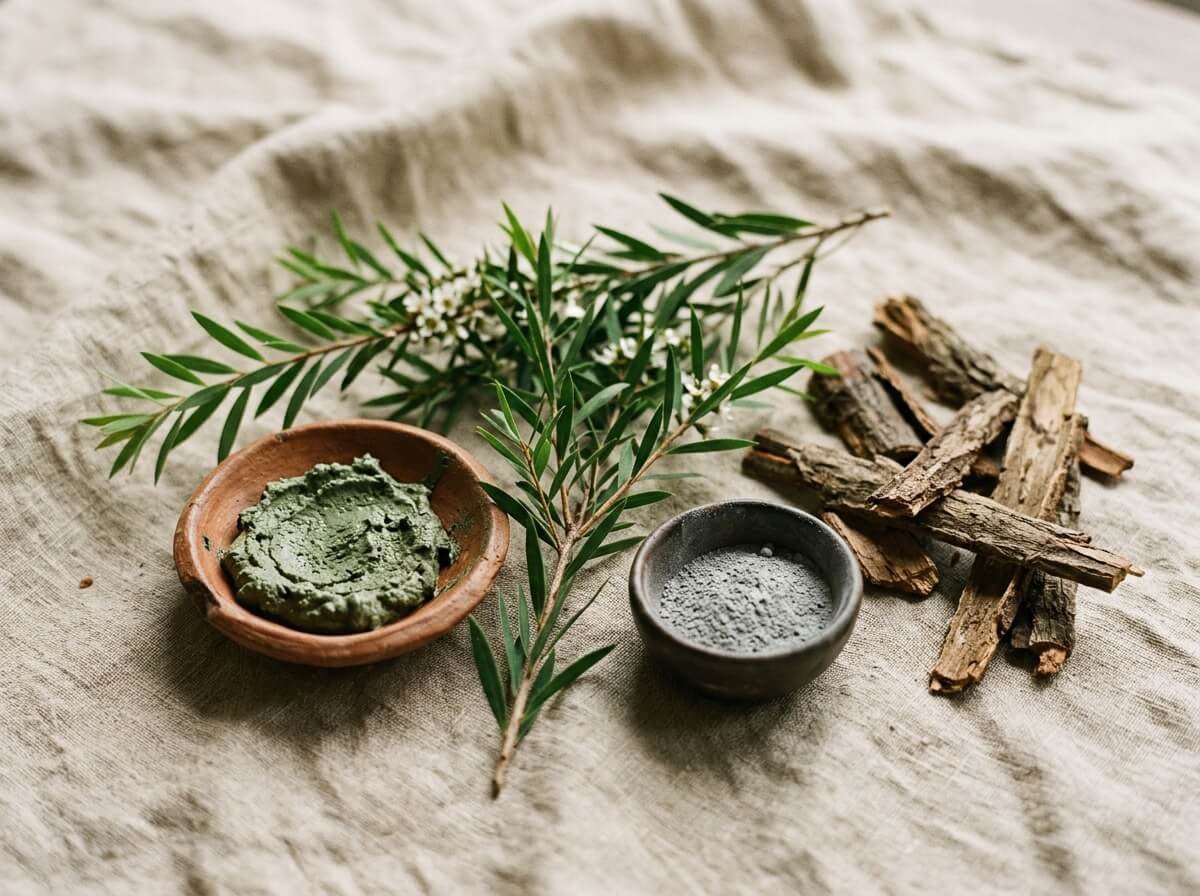
Not every plant that gets called an acne cure earns the title. Here are the botanical actives with the most credible track record, and honest notes on how to use each one.
Tea tree oil
Tea tree is the most studied botanical for acne, and for good reason. Its active compound, terpinen-4-ol, has meaningful antibacterial and anti-inflammatory action, and comparative research has shown it can rival some conventional spot treatments with less dryness and peeling. The catch is concentration. Undiluted tea tree is far too strong for a face and can cause irritation that outlasts any pimple. It belongs in a properly formulated product, buffered and balanced, not dabbed on neat. We go into the chemistry and the safety rules in our full guide to tea tree essential oil benefits.
Willow bark and other gentle exfoliants
Willow bark contains salicin, a natural precursor to salicylic acid, the ingredient famous for keeping pores clear. In botanical form it is milder, which suits sensitive skin, though it also works more slowly. The job it does, dissolving the glue between dead cells so they shed cleanly, is the single most useful thing you can do for clog-prone skin. Gentle, consistent exfoliation beats occasional harsh scrubbing every time.
Clay, aloe, and calming plants
Clay draws excess oil from the surface and gives oily, congested skin a genuine sense of relief, as long as you do not overuse it and dry the skin out. Our breakdown of a clay mask for oily skin walks through how often is actually helpful. On the calming side, aloe vera is a quiet workhorse, soothing inflammation and adding lightweight hydration without heaviness. The same soothing logic runs through our notes on aloe vera for irritated skin. Botanicals like green tea and centella round out the calming toolkit, taking the heat out of active spots so they fade faster.
Niacinamide, zinc, and honey
A few more actives deserve a place on the shelf. Niacinamide, a form of vitamin B3, helps regulate oil, calms redness, and supports the barrier, which makes it one of the most versatile ingredients for acne-prone skin. Zinc has a long, quiet history in blemish care for its soothing, oil-balancing qualities. Raw honey, used as a short mask, is mildly antibacterial and deeply calming, a gentle option when skin feels angry and you want to soothe rather than strip. None of these are dramatic on their own, and that is precisely the point. Botanical acne care works through the steady accumulation of small, kind actions, not one heroic ingredient.
Why the sourcing behind them matters
An active is only as good as the plant it came from. A tea tree oil that has been cut with fillers, or a botanical grown and harvested carelessly, will not behave the way the research promises. This is where heritage earns its keep. We have hand-blended in Bali since 1989, working with partners who wild-harvest and grow with the land rather than against it, because a botanical made with integrity does its job more reliably and asks less of the planet in return. When you choose plant-based acne care, the question worth asking is not only what is in it, but where it came from and who made it. Care that starts at the source tends to show up on your skin.
One honest word on carrier oils. Non-comedogenic plant oils such as jojoba and hemp can help balance oily skin, but heavy, pore-clogging oils applied to the face can make congestion worse. Match the oil to the skin, and when in doubt, keep facial oils light and purposeful.

Building a gentle natural acne treatment routine
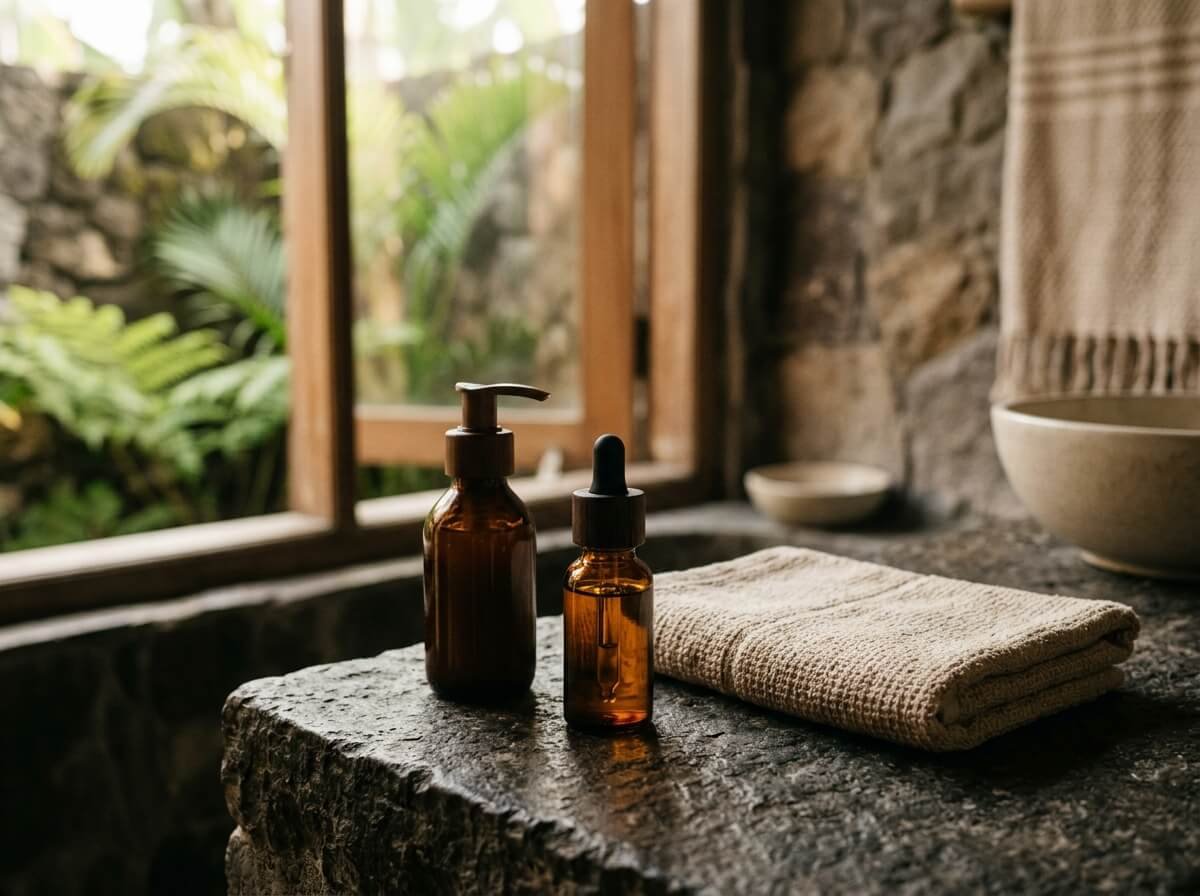
Here is where it all comes together. A natural acne treatment routine does not need 10 steps. It needs a few well-chosen products used consistently, morning and night. Simplicity is not a compromise here, it is what lets irritated skin recover.
Morning
- Cleanse gently. A mild botanical wash removes overnight oil without stripping. Our Acne Facial Wash pairs tea tree with gentle plant cleansers so skin feels clean, not tight. If your skin is more sensitive than oily, a softer option like the Serenity Face Wash is kinder day to day.
- Treat lightly. A lightweight serum made for oily, congested skin, such as our Oily Face Serum, helps balance shine without heaviness.
- Protect. Finish with a light moisturiser and sun protection. Yes, acne-prone skin still needs moisture, skipping it only triggers more oil.
Night
- Cleanse again. Remove the day, sunscreen, and pollution with the same gentle wash.
- Target while you sleep. Night is when skin repairs, so this is the moment for active care. An Acne Night Serum works with that repair window to calm blemishes overnight.
- Soothe. Spot-soothe any angry areas with a dab of aloe vera gel to take down redness before bed.
Twice a week, add a clay mask if your skin runs oily, or gentle exfoliation to keep cells shedding cleanly. Resist the urge to do both on the same day. For more on choosing the right exfoliant grit and frequency, our natural face scrub guide is a useful companion, and if you are still deciding between a serum and a facial oil, our comparison of a natural face serum and its alternatives will help. The golden rule across all of it: introduce one new product at a time, and give it three to four weeks before you judge it. Skin cycles slowly, and patience is the most underrated active in any routine.
Before anything new touches your face, patch test it. Dab a small amount on your inner forearm or along your jaw for two or three evenings running, and watch for stinging, redness, or itching. This one habit spares a lot of regret, especially with concentrated botanicals. It also helps to keep a simple note of what you used and how your skin responded, because breakouts have a lag, and a quiet record makes it far easier to spot the product that helps, or the one that does not. Care becomes easier when you can see the pattern.

Start with a wash that clears without stripping
Our Acne Facial Wash blends tea tree with gentle plant cleansers to lift oil and calm breakouts, while leaving your barrier intact. Hand-blended in Bali, made for daily use on acne-prone skin.
The natural remedies that quietly make acne worse
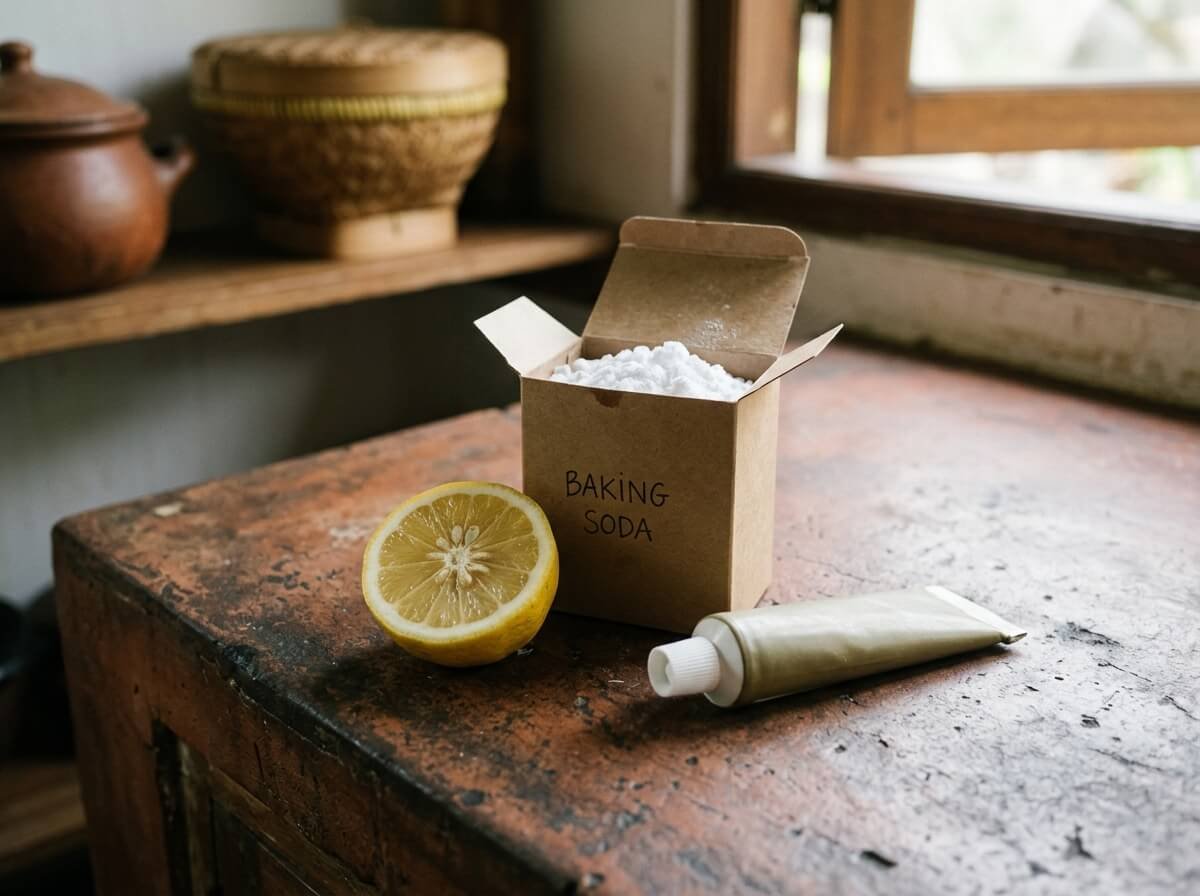
Search the internet for a natural acne treatment and you will find a shelf of kitchen cures, many of which cause more harm than good. Natural does not mean safe for facial skin, and these are the ones we see damage barriers most often.
- Lemon juice. Highly acidic and full of compounds that make skin more sensitive to sunlight, it can cause burns and dark patches that last far longer than a spot.
- Baking soda. Its pH is wildly higher than skin’s, so it dismantles the acid mantle that protects you, leaving skin dry, reactive, and more breakout-prone.
- Toothpaste. A classic myth. It contains fragrances and detergents that irritate and can chemically burn the skin around a pimple.
- Undiluted essential oils. Even good ones like tea tree can sensitise skin when used neat. Concentration and formulation are everything.
- Scrubbing hard. Aggressive physical exfoliation on active acne spreads bacteria and inflames the skin. Gentle beats vigorous, always.
Two more habits belong on this list, because they are so easy to fall into. Over-washing is the first. Cleansing three, four, or five times a day feels productive, but it strips the skin and signals it to pump out even more oil, the opposite of what you want. Twice a day is plenty. The second is picking and squeezing. It is deeply tempting, and it almost always makes things worse, pushing bacteria deeper, prolonging the spot, and raising the odds of a lasting mark or scar. When a blemish appears, soothe it and leave it alone. Your hands are for care, not combat.
There is a pattern here, and it is the same one from the science section. Every one of these remedies attacks the skin barrier, and a broken barrier is the friend of acne, not the enemy. The most rebellious thing you can do for breakout-prone skin is refuse to punish it. Treat your face like something you are caring for, not something you are fighting, and half the battle is already won.
When natural care is enough, and when to ask for more

Part of honest care is knowing the edges of what a routine can do. For most people with occasional pimples, blackheads, and mild to moderate breakouts, a consistent botanical routine and a little patience will carry you a long way. Give any new routine a full skin cycle, roughly six to eight weeks, before deciding whether it works.
Some situations, though, deserve professional support, and reaching for it is a sign of self-respect, not failure. Consider seeing a dermatologist or a qualified skin professional if you notice any of the following:
- Deep, painful cysts or nodules under the skin, which can scar if left untreated.
- Acne that is spreading, worsening, or leaving marks despite months of gentle care.
- Breakouts clearly tied to hormonal shifts, which sometimes need medical support alongside a good routine.
- Skin that is genuinely affecting your confidence or wellbeing. That matters, and it is reason enough.
A natural routine and professional care are not rivals. The gentlest, most supportive botanical products can sit happily alongside whatever a dermatologist recommends, keeping the barrier calm while stronger treatments do their work. Care is care, wherever it comes from.
Frequently asked questions about natural acne treatment

How long does a natural acne treatment take to work?
Skin renews on a cycle of roughly four to six weeks, so give any routine at least six to eight weeks of consistent use before judging it. You may see calmer redness sooner, but real change in how often you break out follows the skin’s own slower rhythm. Chopping and changing products every few days is the most common reason people conclude that nothing works.
Is tea tree oil safe to put directly on a pimple?
Not undiluted. Neat tea tree oil is too concentrated for facial skin and can cause irritation or sensitisation. Use it in a properly formulated product where it is diluted and balanced, which delivers the benefit without the burn.
Can dry or sensitive skin get acne too?
Yes. Acne is not only an oily-skin problem, and drying products often make matters worse by damaging the barrier. If your skin is dry or reactive, lean toward the gentlest cleansers and lightweight, soothing hydration, and treat exfoliation with a light hand.
Does diet affect breakouts?
For some people, yes, though it varies. High-sugar, high-dairy patterns can influence acne for certain individuals, while others notice no link at all. Skincare and inner care work best together, so treat diet as one supportive factor rather than a single cause or cure.
Slow, steady, and kind to your skin
If you take one thing from this guide, let it be this: the most effective natural acne treatment is the gentle one you can keep doing. Clear without stripping, calm without numbing, protect the barrier, and give it time. That quiet consistency will do more than any harsh cure ever could, and it will leave your skin stronger rather than more fragile.
Care is an action, repeated. Choose products made with intention, treat your skin as something worth looking after, and let progress replace the pressure to be perfect. Your skin has been trying to protect you all along. The kindest thing you can do is work with it, one calm ritual at a time.