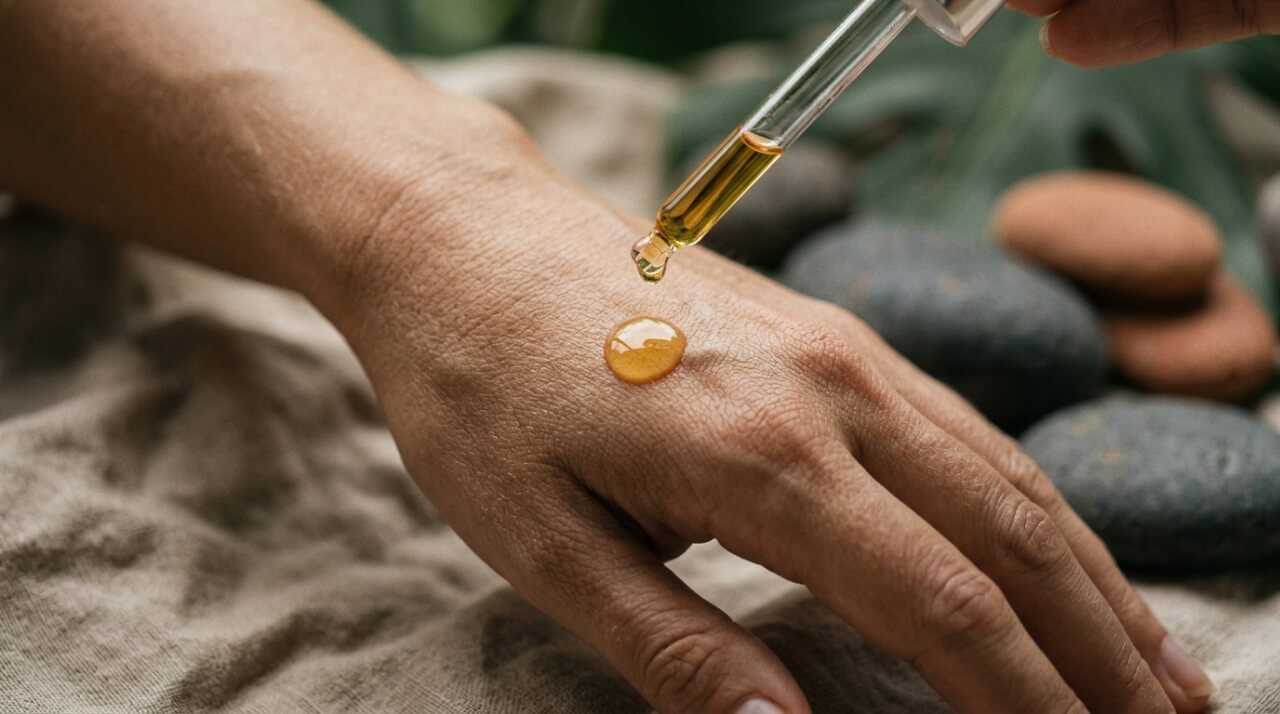
Wellness Wednesday: your skin barrier is built from fats, and it cannot make them all
Here is a quiet truth about the skin you live in: its outermost layer is held together largely by fat. Not a flaw to be scrubbed away, but the very thing that keeps water in and the world out. And some of those fats, your body cannot make on its own.
A wall built from bricks and oil
Dermatologists often describe the skin barrier as a brick wall. The skin cells are the bricks. The mortar between them is a blend of three fats: ceramides, cholesterol, and free fatty acids. When that mortar is intact, skin feels soft, calm, and comfortable. When it thins, water escapes, irritants slip in, and skin turns tight, flaky, or reactive. Most of what we read as sensitive skin is really a barrier asking for its fats back.
The fats your body cannot make
Among those free fatty acids is linoleic acid, and here is the part worth remembering. It is an essential fatty acid, which in nutrition science means the body has no way to build it from scratch. It has to arrive from outside, through what we eat and, gently, through what we apply. Skin low in linoleic acid tends to produce thicker, stickier oil, which is one reason barrier care and clearer skin are so closely linked. We wrote more about that difference in our note on hydration and moisture, which are not the same thing.

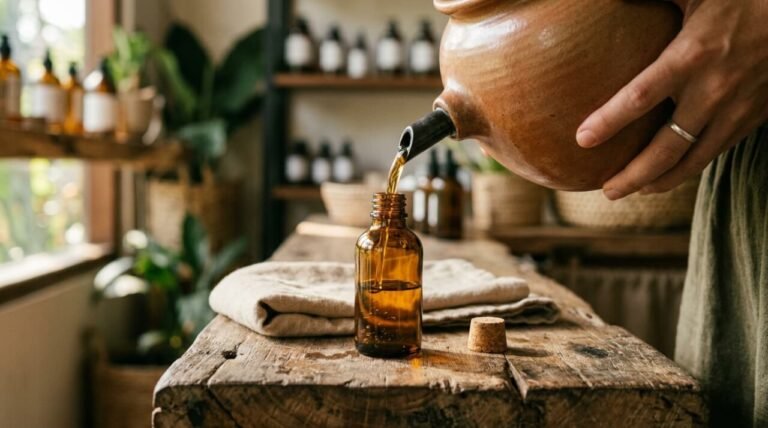
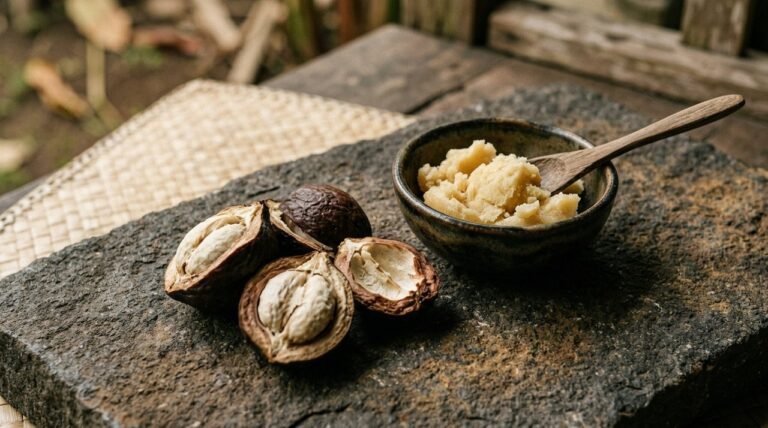
This is also why certain botanical oils feel so at home on skin. Kukui oil, pressed from the Balinese candlenut, is unusually rich in linoleic acid, which is part of why it sinks in rather than sitting on top. A well-matched oil does not just coat the surface. It resupplies the mortar.
How to care for it today
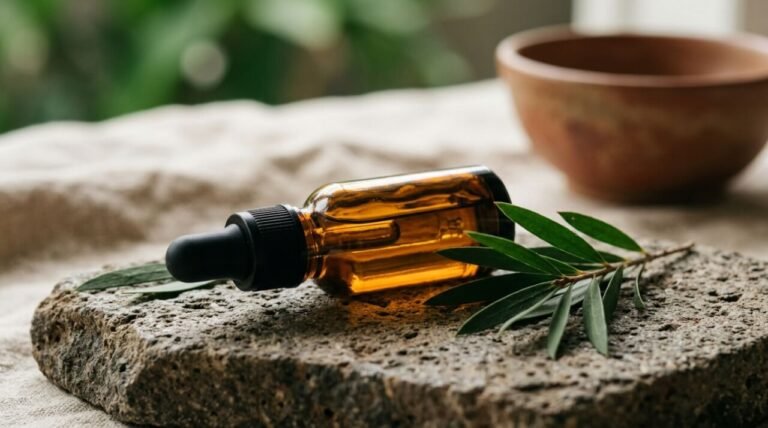
Barrier care is mostly about doing less, more kindly. Wash with lukewarm rather than hot water. Choose a gentle cleanser over anything that leaves skin squeaking. And if your skin feels tight after cleansing, that tightness is a signal, not a sign of clean. Follow it with a few drops of a linoleic-rich oil while skin is still damp, so you seal in water alongside the fats. If you want to understand how oils and serums differ in this work, our guide to the natural face serum walks through it slowly.
Your barrier repairs itself constantly, quietly, without asking. The kindest thing we can do is stop stripping it, and give it back the fats it was always meant to have.