Refill Friday: the empty bottle is a decision, not a bin
Empty is a moment most of us have been trained to rush past. The pump coughs air, the bottle feels light, and the hand moves toward the bin before the mind has caught up. That reflex is not natural. It was taught, and fairly recently, by a system that profits a little more every time you start over.
We would like to slow that moment down.
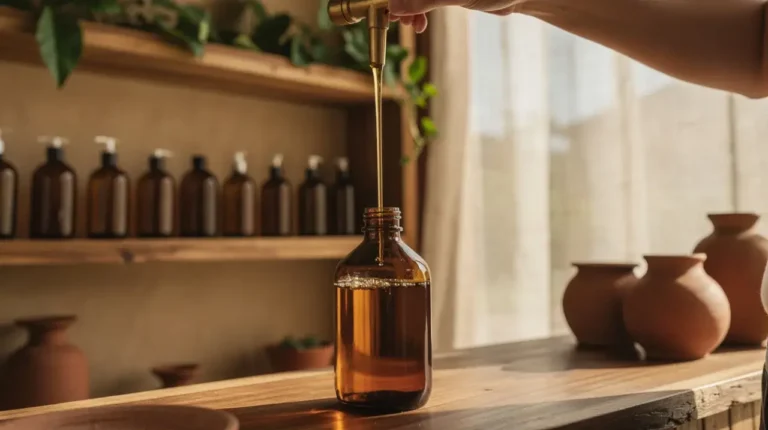
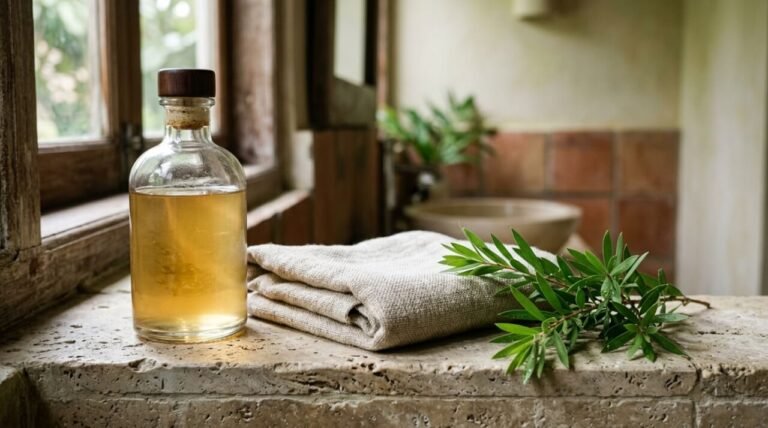
An empty bottle is not the end of anything. It is a question. The container that held your soap is still whole, still sealed, still perfectly able to hold the next batch. Nothing about it has expired except the assumption that its job is done. Refilling is simply answering the question the honest way: this still works, so we use it again.
The quiet arithmetic of the empty bottle
When you rebuy a full bottle, most of what you pay for and most of what you throw away is the vessel, not the contents. Refilling keeps the vessel in service and lets you buy only the part you actually used. In 2025, refills at Utama Spice kept two thousand two hundred and forty-five bottles out of landfill. That is not a slogan. It is a count, one empty at a time.

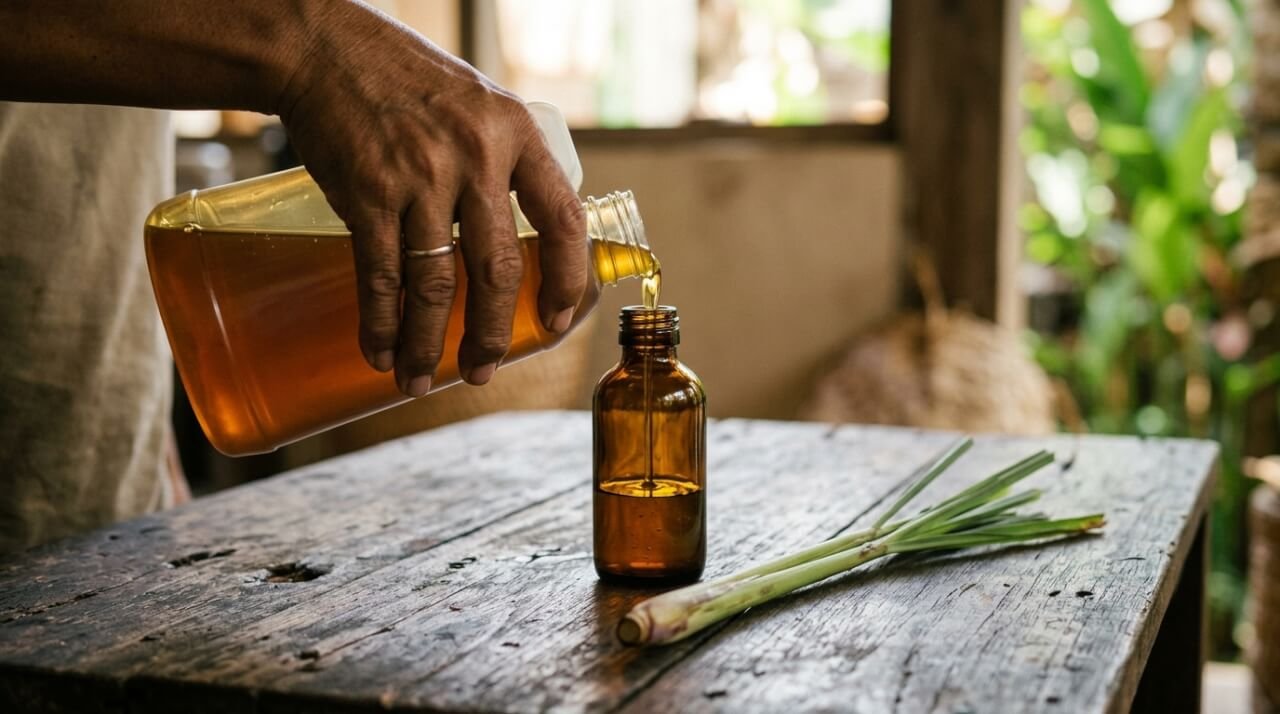
Our liquid soaps are built for exactly this loop. A bottle of Lemongrass Liquid Soap is meant to be lived with, decanted, topped up, and kept, not cycled through in a week and forgotten. The scent can shift with the season if you want it to. The bottle stays.
A habit, not a hope
This is the part refill culture gets right that recycling never could. Recyclable is a promise about what might happen later, and most of it does not happen at all. Reuse happens now, in your hands, with a container you already own. One is a hope. The other is a habit.
So this Friday, when something runs out, pause before the bin. Look at the empty. Ask whether it is really finished, or whether it is just waiting to be filled again. Single-use is younger than most of our grandmothers. Refilling is the older, steadier way, and it is still here for anyone willing to keep the bottle.
Refill, reuse, rebel.