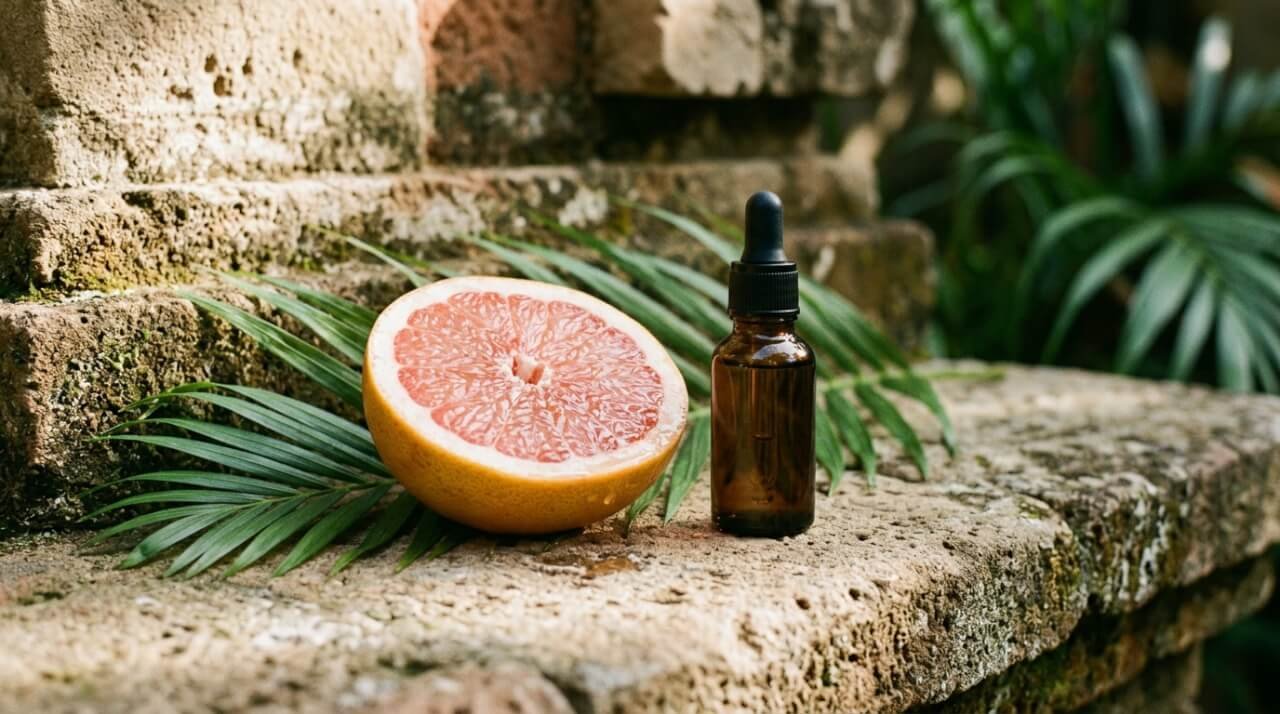
Grapefruit essential oil benefits: what the citrus oil really does (and the sunlight rule)
Grapefruit essential oil benefits get talked about a lot, and most of that talk skips the one thing you need to know before you ever open the bottle. This is the cold-pressed oil of the grapefruit peel: bright, a little tart, unmistakably morning. It can lift a room, sharpen a dull afternoon, and bring a clean citrus note to your home care. It can also make your skin react badly to sunlight if you use it the wrong way. We think you deserve both halves of that story, so this guide covers the real grapefruit essential oil benefits, the honest limits, and the safety rule that most articles bury near the bottom.
At Utama Spice, we have hand-blended botanical oils in Bali since 1989, and citrus is one of the families we treat with the most care. Bright oils are easy to love and easy to misuse. Here is what grapefruit oil actually does, how to use it well, and how to tell a bottle worth keeping from one that is mostly marketing.
What grapefruit essential oil is, and where it comes from
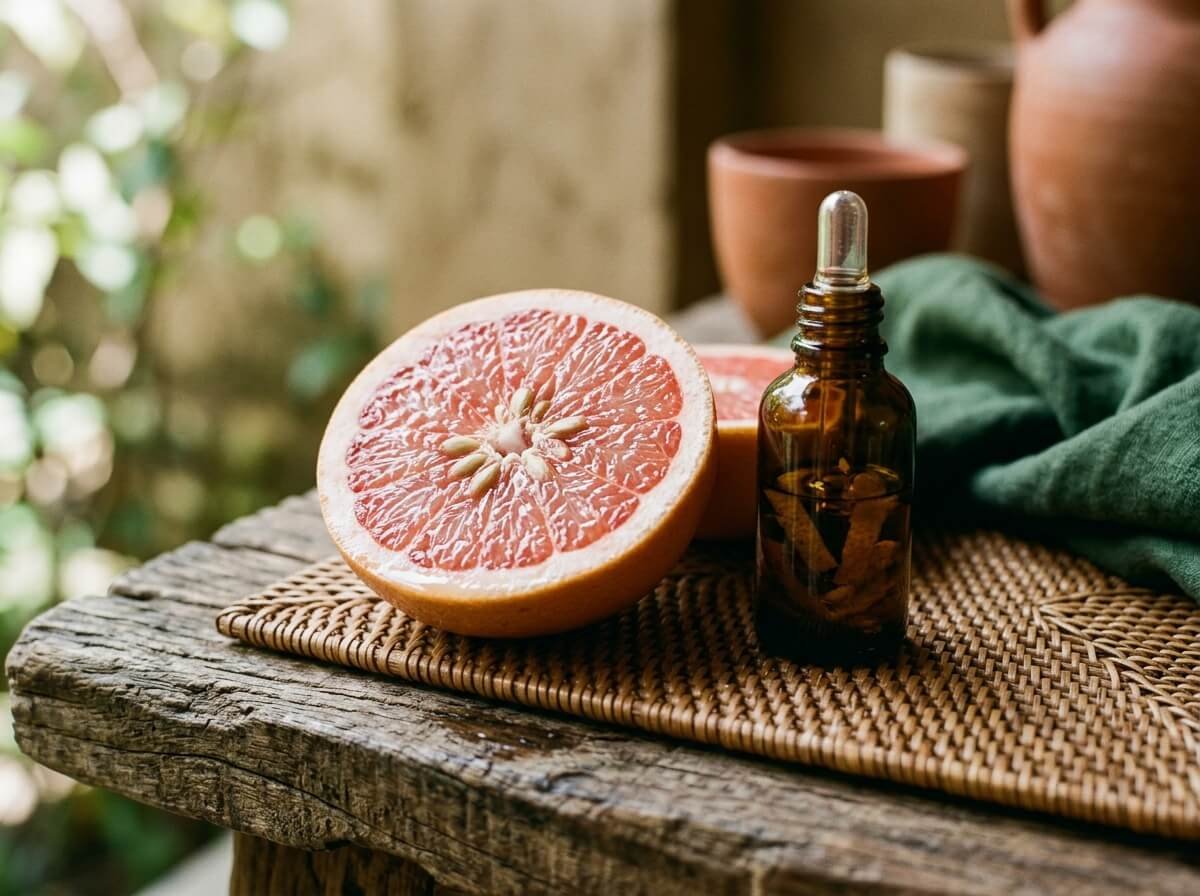
Grapefruit essential oil is pressed from the peel of Citrus paradisi, the fruit that first appeared in the Caribbean as a natural cross between the sweet orange and the pomelo. The oil lives in tiny glands in the colored part of the rind, which is why the best grapefruit oil is cold-pressed, or expeller-pressed, rather than distilled with heat. Squeeze fresh peel near a candle and you will see the same volatile oil spark in the air. That is the material we bottle.
The aroma is instantly recognizable: sharp, sweet, faintly bitter, greener than orange and less sugary than mandarin. Most of that character comes from limonene, the dominant compound in nearly all citrus peel oils, alongside smaller amounts of myrcene and the trace aldehydes that give grapefruit its distinct edge. Because these molecules are light and quick to evaporate, grapefruit sits at the top of a blend. It arrives first, and it leaves first, which shapes how you use it.
It takes a surprising amount of fruit to fill a small bottle. Peel oil is present only in trace amounts, so a single ten millilitre bottle draws on the rind of many grapefruits. That ratio is worth remembering, because it explains both why a real citrus oil has value and why cutting it with cheaper filler is so tempting for careless producers. When we press citrus, we treat the peel as the whole point, not a byproduct, and we keep the batches small so nothing sits long enough to lose its spark.
It helps to know where a citrus oil like this fits in the wider aromatic world. If you are still sorting out the categories, our guide to the difference between an essential oil and a fragrance oil is worth a read, because grapefruit is one of the oils most often faked with synthetic citrus. A true peel oil carries a complexity that a lab-built copy never quite reaches, and that complexity is part of what you are paying for. Where a synthetic smells like a single loud note, real grapefruit oil moves as you breathe it: sharp at first, then rounder, then almost green as it fades.
Grapefruit essential oil benefits: what the evidence supports
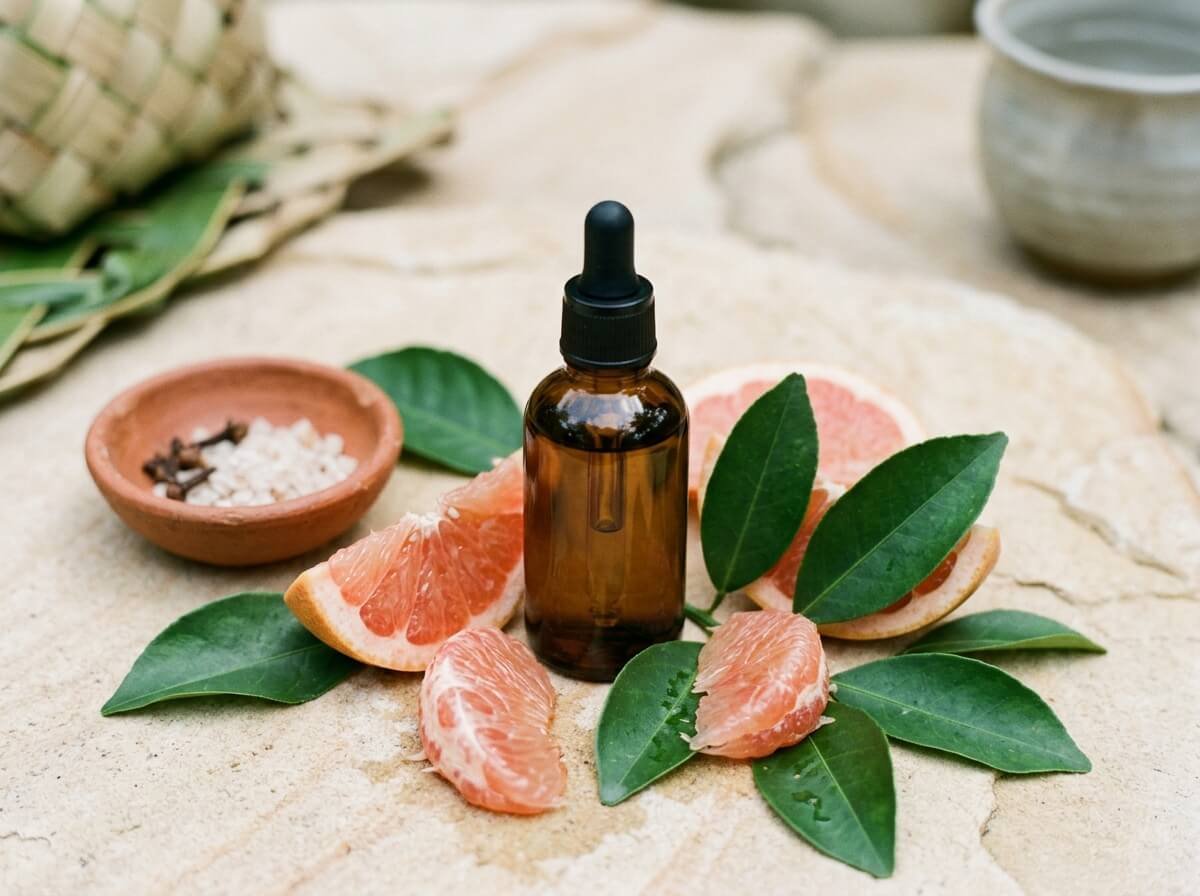
Let us separate what grapefruit oil genuinely offers from the claims that got ahead of the science. The most reliable benefit is the simplest one: mood. Bright citrus aromas are consistently linked in aromatherapy research to feeling more alert, more positive, and less weighed down. Diffuse grapefruit in the morning and most people describe the same thing, a small lift, a sense of the day opening up. That is a real, repeatable effect, and it is the reason grapefruit earns its place in so many uplifting blends.
Closely tied to mood is attention. Many people reach for citrus when they need to concentrate, and there is a sensible logic to it. A bright, clean aroma is stimulating rather than sedating, so it suits the desk far better than a heavy floral or a drowsy base note would. Grapefruit will not do your thinking for you, but as a signal that it is time to focus, a few drops in a diffuser can mark the start of work in a way the brain quietly learns to trust.
Second, grapefruit oil is a capable natural deodoriser and a mild antimicrobial in the air and on surfaces. Limonene-rich citrus oils have measurable activity against common household bacteria and odours, which is exactly why grapefruit shows up in natural cleaning sprays and why a few drops freshen a room so effectively. This is a benefit you can actually feel and smell, unlike some of the grander promises.
Third, on skin, grapefruit oil is astringent and rich in antioxidant compounds. Used correctly and well diluted, it can help a blend feel clarifying on oily or congested skin. It is a supporting player here, not a cure, and it should never be the headline of an acne routine. For a fuller picture of daytime protection and free-radical care, pair this with a proper approach rather than leaning on a single oil.
Now the honest part. You will read that grapefruit oil melts fat, curbs appetite, or drives weight loss through smell alone. The human evidence for those claims is thin to absent. Some early animal work on scent and metabolism exists, but it does not translate into a bottle that changes your body. We would rather tell you that plainly than sell you a fantasy. Grapefruit is a wonderful oil for mood, air, and ritual. It is not a diet. If you want a broader map of what each oil can and cannot do, our A-to-Z list of essential oils and their uses keeps the same evidence-first standard across the whole shelf.
The sunlight warning: phototoxicity and citrus oils
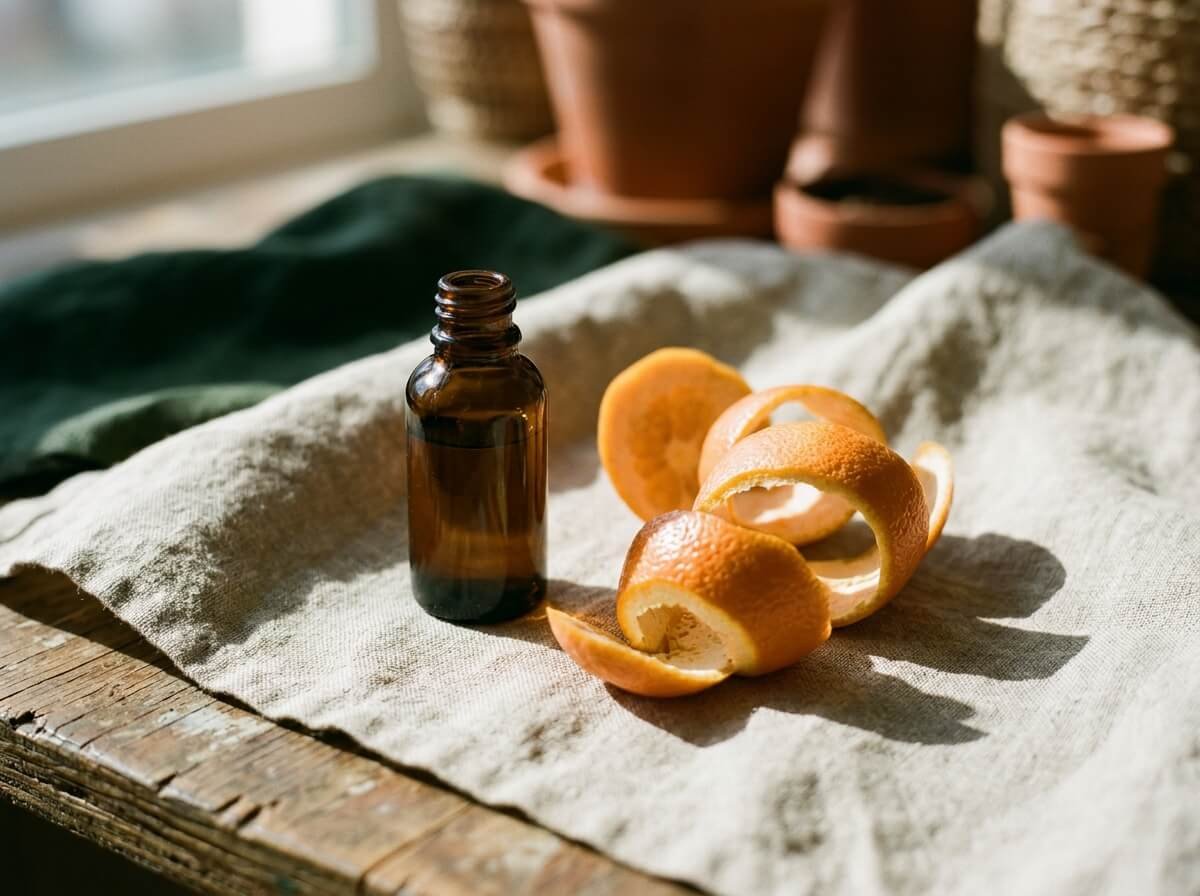
This is the section other articles put last, and we are putting it fourth on purpose, because it is the single most important thing about using grapefruit oil safely. Most cold-pressed citrus peel oils are phototoxic. They contain furocoumarins, natural compounds that react with ultraviolet light. Apply a phototoxic oil to your skin, step into sun, and you can get an exaggerated burn, blistering, or long-lasting dark patches, even hours later and even on a cloudy day.
The reason the risk lingers is chemistry, not carelessness. Furocoumarins stay active on the skin for hours after application, so the danger is not only the moment you step outside but the whole window that follows. This is why a morning citrus oil applied to bare arms before a walk can cause a reaction you would never connect to a bottle you used at breakfast. People with fair or sun-sensitive skin should be especially cautious, and anyone using citrus oils regularly should build the habit of checking where the oil will sit and whether the sun will find it.
Grapefruit is generally considered less phototoxic than cold-pressed lime, bergamot, or lemon, but it is not risk-free. The practical rule is straightforward: if you apply grapefruit oil to skin that sunlight will touch, keep the dilution low and stay out of direct sun and tanning beds for about twelve hours afterwards. Better still, keep grapefruit for areas clothing covers, or for pure diffusion where skin contact never enters the picture. Diffusing grapefruit carries no phototoxic risk at all, which is one more reason it shines as a room scent.
We flag this same rule for every bright citrus we sell, and it is worth carrying across your whole collection. If you enjoy layering citrus into evening routines, our notes on kaffir lime and the jeruk purut heritage walk through the same care from a different fruit. Real care means saying the uncomfortable part first, not hiding it under a list of benefits. That is the difference between honest wellness and skincare theatrics.
How to use grapefruit essential oil safely
Once you respect the sunlight rule, grapefruit becomes one of the most rewarding oils to keep on hand. Here is how to use it well.
Diffusion. This is grapefruit at its best, and its safest. Add five to eight drops to a water diffuser to wake up a kitchen, a workspace, or a stale room. Because grapefruit is a top note that fades quickly, it pairs beautifully with something that lasts longer underneath it. If you want ready-made ideas, our Balinese diffuser blend recipes and our guide to building scent rituals for the diffuser both lean on citrus this way.
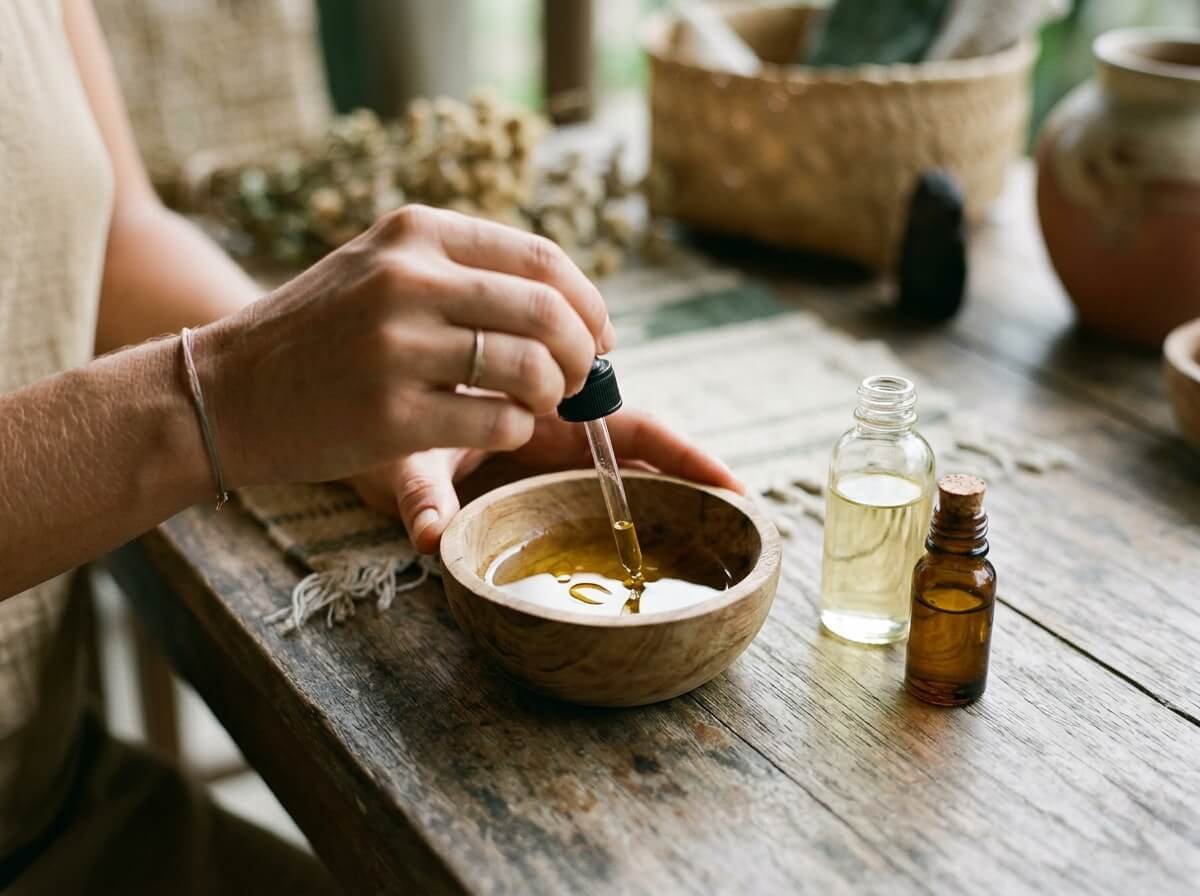
Topical, well diluted. For body use, dilute to no more than one to two percent in a carrier oil, which is roughly six to twelve drops per thirty millilitres. A cold-pressed coconut or a light kukui carrier suits grapefruit nicely. Keep it to covered skin, patch test on your inner arm first, and remember the twelve-hour sun rule.
Home care. A few drops in a simple spray of water and a splash of alcohol makes a bright surface refresher for counters and bins. Shake before every use, since oil and water never truly mix.

Personal inhaler and roller. For focus on the move, a drop of grapefruit on a personal inhaler wick gives you the aroma without any skin contact at all, which sidesteps the sun question entirely. If you prefer a roller, blend grapefruit at one percent in a carrier, keep it for pulse points that clothing covers, and treat it as an evening or indoor companion rather than a beach-day scent.
Ritual. A single drop rubbed between the palms, cupped, and breathed in is a small morning practice that costs nothing and settles the mind. We write about this slower way of using scent in our guide to essential oils and the evening wind-down, and the same principle works in reverse to start the day.
Whatever you choose, quality is the foundation. Our own Grapefruit Essential Oil is cold-pressed and single-origin, blended in small batches so the aroma stays true rather than flattened by heat or stretched with filler.

Bring the bright one home
Our Grapefruit Essential Oil is cold-pressed and single-origin, blended in small batches so the aroma stays true. Bright for the mind, clean for the home, and made with the care that has rooted us in Bali since 1989.
Grapefruit oil for skin, hair, and a fresher home
Within its honest scope, grapefruit oil earns a place in more than the diffuser. On skin, its astringent, antioxidant character makes it a thoughtful addition to a clarifying facial oil or a body blend for skin that runs oily or congested, always well diluted and always kept away from sun exposure. It will not erase a breakout, but as a supporting note in a considered routine, it brings brightness and a clean finish.
In hair care, a drop or two of grapefruit added to a carrier and massaged into the scalp can leave the roots feeling fresher and less weighed down, and the scent alone makes the ritual worth doing. Citrus oils are a natural fit for anyone who likes their hair routine to feel awake rather than heavy.
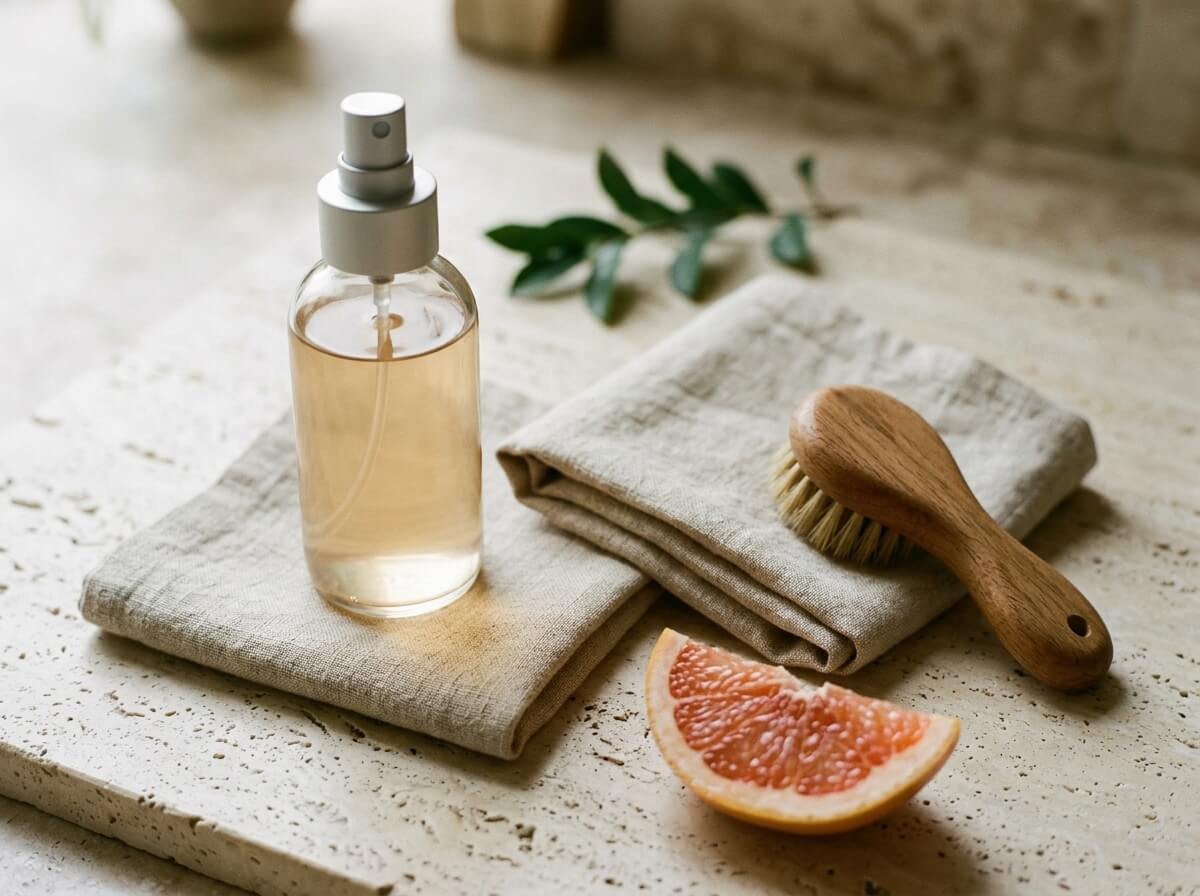
Around the home, grapefruit is genuinely useful. It cuts through kitchen odours, lifts the smell of a bathroom, and brings a non-synthetic freshness to natural cleaning. A simple all-purpose refresher is easy to make: combine roughly two hundred millilitres of water, a tablespoon of unscented alcohol or witch hazel to help the oil disperse, and fifteen to twenty drops of grapefruit oil in a glass spray bottle. Shake before every use, keep it off polished stone and untreated wood, and finish it within a few weeks while the citrus is still bright.
Around the home, grapefruit is genuinely useful in another way too. A reed diffuser like our Nayla Apothecary Reed Diffuser carries a citrus note quietly through a hallway without any electricity at all, and it pairs well with a warmer companion scent. If you like grapefruit as a first note but want more depth beneath it, a rounded blend such as our Bali Night Essential Oil Blend or a floral like Ylang Ylang gives citrus something to hold onto.

How to choose a grapefruit essential oil worth buying
Grapefruit is one of the easier oils to cut corners on, so a little label reading protects you. Here is what separates a bottle worth keeping from one that is mostly marketing.
- One plant, named clearly. The label should say Citrus paradisi and nothing else. If you see a vague blend of undisclosed citrus or the words fragrance and parfum, it is not a pure essential oil.
- Cold-pressed or expeller-pressed. Peel oils lose their brightness under heat. Cold pressing keeps the aroma true and the antioxidant compounds intact.
- Dark glass, sensible size. Citrus oils oxidise faster than most, so they belong in amber or cobalt glass, in a bottle you will finish within a year, not a bargain litre you will never use up.
- Honest sourcing. A brand that will tell you where a fruit was grown and how it was pressed is a brand that has nothing to hide. Transparency is the tell.
Price can be a clue, though not a perfect one. Grapefruit is not a rare oil, so a bottle priced far below its peers usually signals dilution or age rather than a bargain. On the other side, a premium price with no sourcing story behind it is just a markup. What you are really paying for is freshness, honest single-origin material, and a producer who presses with care. Those things cost a little more and are worth every cent, because a tired or adulterated citrus oil gives you neither the aroma nor the benefits you came for.
This is where our thirty-five years of blending in Bali shape how we work. We would rather sell you a small bottle of something true than a large one of something tired. And when your grapefruit oil runs low, the answer is not another disposable bottle. Our refill culture exists so that the same care that goes into the oil goes into the packaging it comes home in, one more small act that keeps a bottle out of landfill. What you give, you get back.
Common questions about grapefruit essential oil
Does grapefruit essential oil help with weight loss? No, not in the way the internet promises. Grapefruit oil can lift your mood and support mindful, calmer habits through scent, but there is no reliable human evidence that smelling or applying it burns fat or curbs appetite. Enjoy it for what it truly does.
Can I put grapefruit oil directly on my skin? Never undiluted. Dilute to one to two percent in a carrier oil, patch test first, keep it to covered skin, and stay out of direct sun for about twelve hours because grapefruit is mildly phototoxic.
Is grapefruit oil safe to diffuse around the home? Yes, diffusion is the safest and one of the most rewarding ways to use it, with no phototoxic risk. Keep the room ventilated, and use less around pets and very young children, who are more sensitive to strong aromas.
What blends well with grapefruit? Other citrus, mint, ginger, and soft florals all work. Because grapefruit is a fast-fading top note, pair it with a longer-lasting base so the blend does not vanish. Our diffuser blend guide has combinations to start from.
How long does grapefruit essential oil last? Citrus oils are among the shortest-lived, usually best within a year of opening. Once oxidised, a citrus oil can become more likely to irritate skin, so it is worth respecting the date rather than stretching an old bottle. Buy a size you will actually finish.
Is grapefruit oil safe during pregnancy or for children? Grapefruit is generally considered gentle, but pregnancy, breastfeeding, and young children are exactly the situations where you should keep dilution very low, favour diffusion over topical use, and check with a health professional first. When in doubt, less is the wiser choice.
Why does my grapefruit oil smell flat? It has probably oxidised. Citrus oils are short-lived, so store the bottle sealed, cool, and out of light, and replace it once the brightness fades. A dull citrus oil is not dangerous, but it has lost the very thing you bought it for.
Grapefruit essential oil benefits are real, modest, and worth having, as long as you meet the oil honestly: bright for the mind, clean for the home, careful in the sun. Used that way, it becomes one of the small daily rituals that make conscious living feel less like effort and more like coming home to yourself.