Bergamot essential oil benefits: the calming citrus to respect in the sun
Open a bottle of bergamot and the room changes. The scent is bright like lemon, soft like a garden after rain, with a faint peppery floral note beneath. It is the citrus that smells calm. That is why so many of us reach for it at the end of a long day. But bergamot essential oil benefits come with one condition that most guides bury at the bottom of the page, and for anyone living under a tropical sun it belongs at the top: this oil can burn skin that meets sunlight.
We craft and use essential oils every day in Bali, just eight degrees south of the equator. Here, the sun is not a seasonal guest. So this guide takes a different order. We start by untangling which “bergamot” you are actually reading about, because the word covers four very different things. Then we look at what is inside the bottle, the sun rule, and how to choose between whole and FCF bergamot. After that comes the honest evidence for calm and mood, followed by simple rituals and storage habits that keep the oil kind to your skin.
Four things called bergamot: which one is in your diffuser
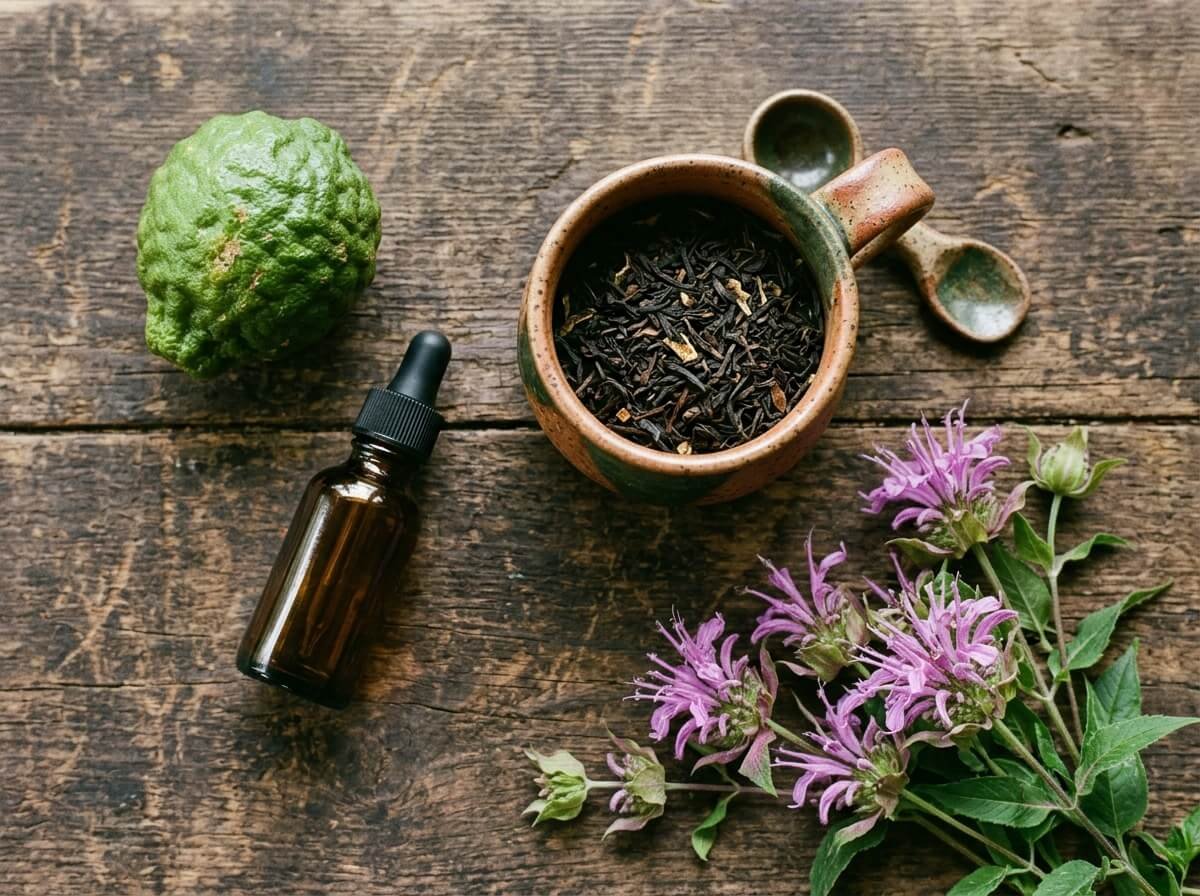
Search for bergamot benefits and you will meet a tangle of claims about cholesterol, tea, wild flowers, and skin. Most of that confusion comes from one word doing four jobs. Before we talk about benefits, it helps to know which bergamot a claim is really about.
Bergamot essential oil
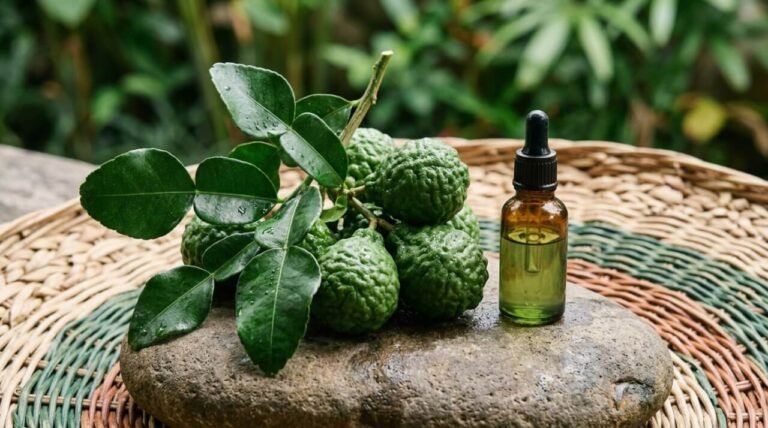
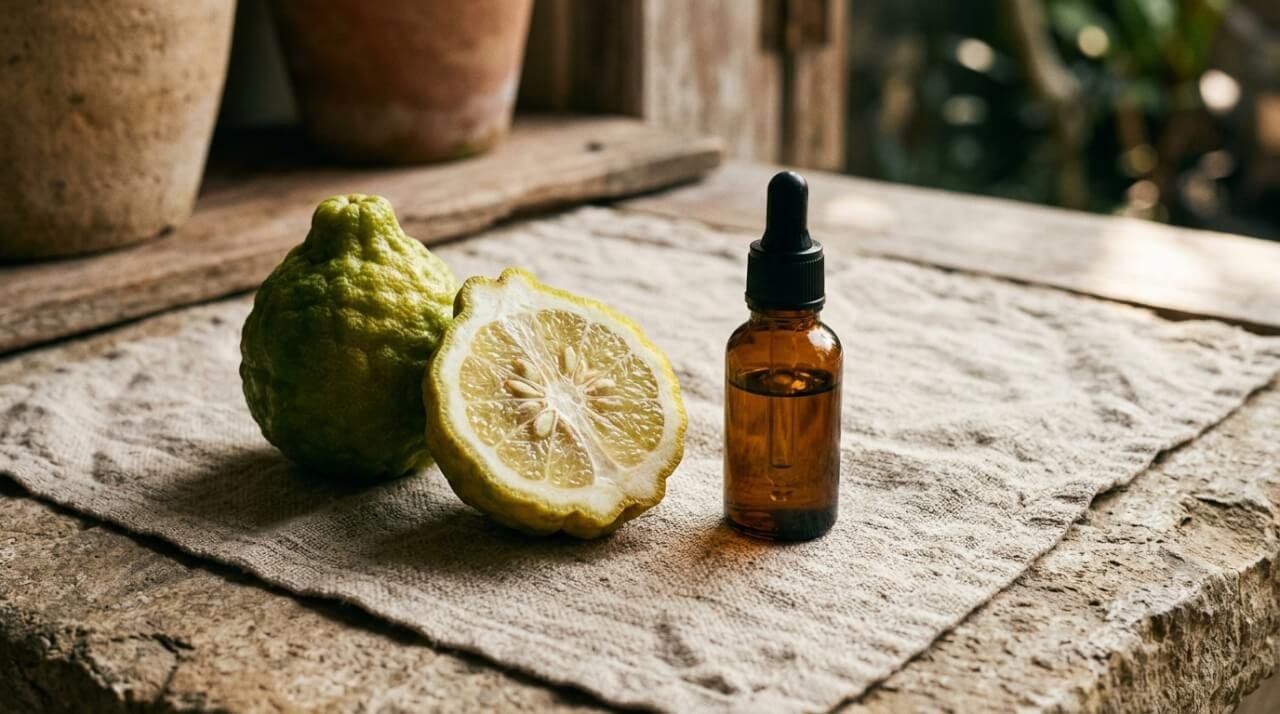
This is the oil in your amber bottle. It comes from the peel of Citrus bergamia, a small, knobbly citrus fruit grown mostly along the coast of Calabria in southern Italy. It is pressed from the rind, not the juice, and it is used for scent: diffusing, perfumery, and diluted skin rituals. This is the bergamot this guide is about.
Bergamot juice and the polyphenolic fraction
Much of the published research on “bergamot” studies the juice and an extract made from it, often called bergamot polyphenolic fraction or BPF. It is taken by mouth, and researchers study it for cholesterol and metabolic health. Those findings are interesting, but they say nothing about the essential oil in a diffuser. When a blog promises that bergamot oil supports heart health, it has usually borrowed a juice study and pinned it to a peel oil. We will not do that here.
Wild bergamot, or bee balm
In North America, “wild bergamot” and “bee balm” are common names for Monarda, a purple-flowered plant in the mint family. It is a different plant from a different continent, with a different chemistry. Its name comes from a scent that reminded early botanists of bergamot citrus. A recipe or remedy that calls for wild bergamot is not asking for your citrus oil.
Earl Grey tea
The bright, perfumed note in Earl Grey tea comes from bergamot peel oil used as flavoring. This is the most familiar way most people have met bergamot, and it is a helpful scent memory. If you love the smell of Earl Grey, you already know the heart of bergamot essential oil.
Keeping these four apart is the first act of honesty in any bergamot guide. Everything that follows refers to the essential oil alone.
What bergamot essential oil actually is
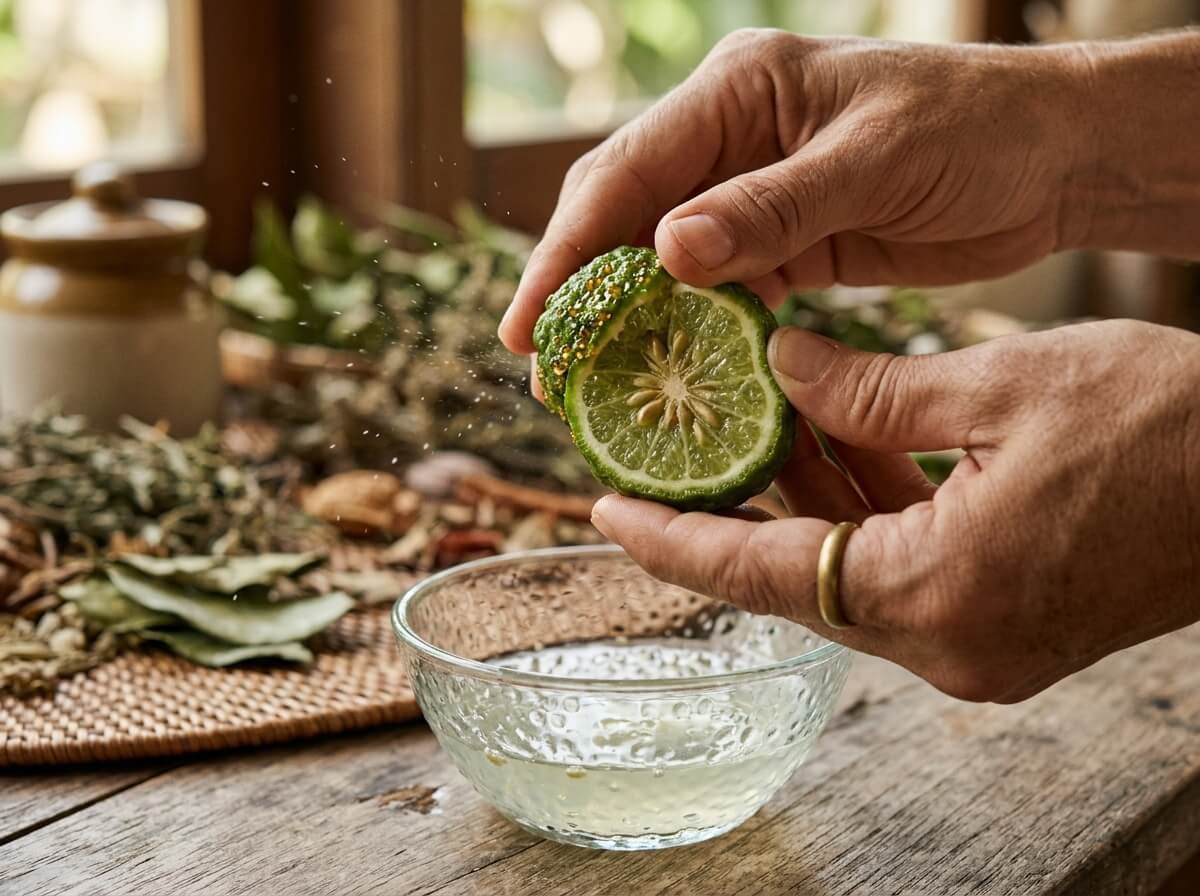
Bergamot is a citrus that most of us never see whole. The fruit is sour and bitter, so it is rarely eaten. Its value lives in the rind, where tiny oil glands hold the fragrance. Growers in Calabria harvest the fruit in winter, and the oil is expressed by machines that rasp and press the peel. This cold expression keeps the bright top notes that heat would flatten. It also carries everything the peel contains, including the compounds behind the sun rule.
What is inside the bottle
A typical cold-pressed bergamot oil is built from a few main components:
- Limonene, the bright citrus molecule shared with orange, lemon, and grapefruit. It gives the lift.
- Linalyl acetate, the soft, floral, slightly fruity ester that also shapes the scent of lavender. It gives the calm.
- Linalool, a gentle floral alcohol found in many relaxing oils.
- Furocoumarins, especially bergapten (also known as 5-MOP). These are present in small amounts, but they matter more than anything else on this list for your skin.
That pairing of limonene and linalyl acetate explains why bergamot sits in a rare middle place. It shares citrus energy with sweet orange essential oil and grapefruit essential oil, yet it carries the softening floral ester that we usually associate with lavender essential oil. It is uplifting without being sharp, and calming without being heavy.
A note on origin
Bergamot is not a Balinese plant, and we will not pretend it is. Its home is Calabria, where farming families have tended bergamot groves for generations. It earns its place in our aromatherapy collection because of what it does in a blend and in a quiet room. We would rather tell you the truth about where an oil comes from than invent a story that sells better.
The sun rule nobody tells you: phototoxicity and safe dilution
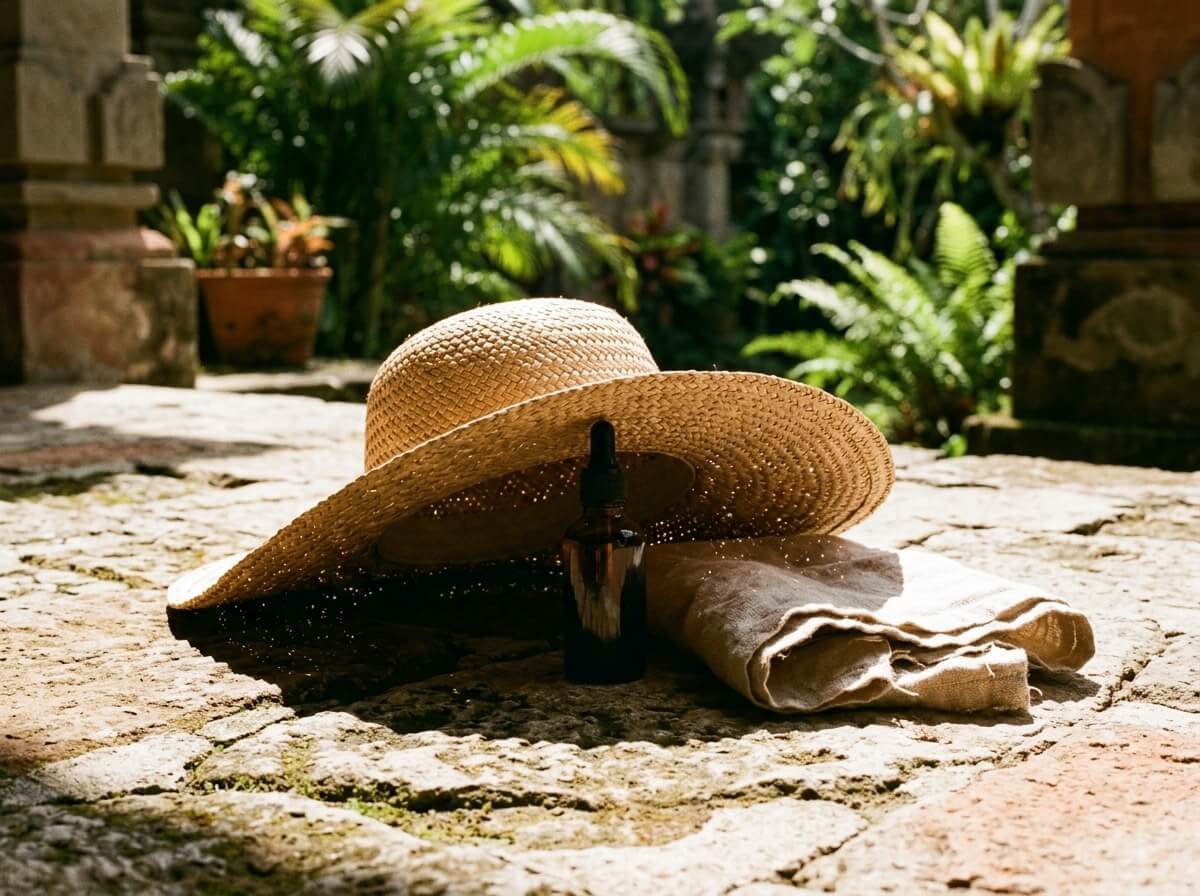
Here is the part that matters most. Whole, cold-pressed bergamot oil is one of the most phototoxic essential oils in common use. Phototoxic means the oil reacts with ultraviolet light on your skin. The furocoumarins, mainly bergapten, absorb UVA light and trigger a reaction in the skin cells beneath. The result can range from redness to a painful burn with blisters.
The damage does not always end there. Phototoxic reactions often leave behind dark patches of pigmentation that can last for months. In the early 20th century, dermatologists described a pattern they called berloque dermatitis: brown streaks on the neck and wrists of people who had dabbed bergamot-rich cologne on their skin and then stepped outside. The streaks followed the exact path of the drips. Many classic colognes have since been reformulated with furocoumarin-free bergamot for this reason.
Why this matters more near the equator
In a temperate winter, UV levels are low for months at a time. In Bali, and across the tropics, UV runs high all year. It also reaches you through windows, on cloudy days, and in the shade of a beach umbrella. That is why we put this section near the top. For people who live in the sun, the sun rule is not a footnote.
The practical rule
Safety guidance from aromatherapy researchers sets a simple limit for whole, cold-pressed bergamot:
- Leave-on skin products: keep bergamot at or below about 0.4% of the total blend. In practice that is roughly one drop of bergamot in 12 to 13 milliliters of carrier oil. Most of us drop far more than that without thinking.
- If you go above that level: keep the treated skin out of sunlight and tanning lamps for 12 hours after applying it.
- Wash-off products: soaps, shower gels, and shampoos rinse away quickly, so the phototoxic risk is low.
- Diffusing: inhaling bergamot from a diffuser does not create a phototoxic risk, because the oil is not sitting on sunlit skin.
If you are new to dilution math, our guide on how to dilute essential oils walks through drops, milliliters, and percentages in plain language. It is worth bookmarking.
Where to apply, and when
The simplest habit is timing. Use bergamot on the skin in the evening, or on places that clothing will cover the next day. Wrists, the neck, and the face are the places that most often meet the sun, so they are the places to be most careful with. We apply this rule to every product that contains bergamot, including our own roll-ons.
FCF vs whole: how to buy bergamot and read a real label
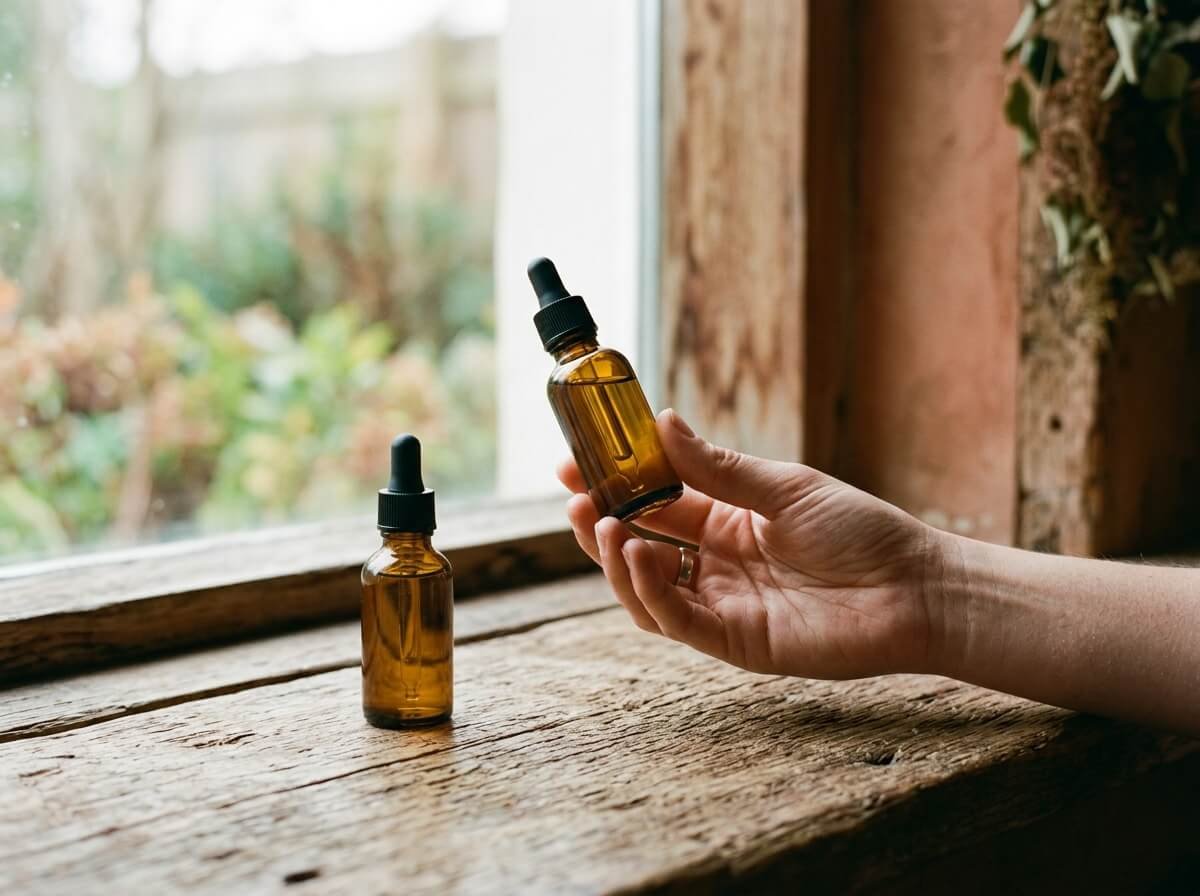
This is the most important buying decision with bergamot, and almost nobody explains it. Bergamot oil comes in two main forms.
Whole, cold-pressed bergamot
This is the oil as the peel gives it: full, complex, and naturally rich in furocoumarins. It has the most rounded scent, which is why many perfumers prefer it. It is the form that follows the sun rule above.
FCF, or bergapten-free bergamot
FCF stands for furocoumarin-free. You may also see “BF” (bergapten-free) or “bergaptene-free” on a label. Producers remove most of the furocoumarins after pressing, usually by careful distillation of the pressed oil or by a chemical treatment. What remains still smells clearly of bergamot, a little lighter and less complex. Because the phototoxic compounds have been taken out, FCF bergamot is the better choice for leave-on skin products you will wear by day.
How to read the label
A clear label answers four questions:
- Botanical name. Look for Citrus bergamia, sometimes written Citrus aurantium subsp. bergamia. If you see Monarda, that is bee balm, not citrus.
- Plant part. Bergamot essential oil comes from the peel or rind.
- Method. “Cold-pressed” or “expressed” means whole oil unless the label says otherwise.
- FCF status. If the label does not say FCF, BF, or furocoumarin-free, assume it is whole and follow the sun rule.
That last point is the honest default. Our own Bergamot Essential Oil is labeled as pure bergamot, not FCF, so we ask you to treat it as whole bergamot. Diffuse it freely, and keep it at sun-safe dilution on skin. We would rather give you the full picture than a cleaner-sounding claim.
Which one to choose
For diffusing, candles, room sprays, and evening rituals, whole bergamot gives the fuller scent and the sun rule rarely gets in the way. For a daytime face oil, a perfume roller you wear outdoors, or a body oil before the beach, FCF is the safer choice. Many people keep whole bergamot for the diffuser and simply skip bergamot in their daytime skin care.

Bergamot, pressed for calm
Bright citrus with a soft floral heart. Our Bergamot Essential Oil brings a quiet lift to slow afternoons and tense evenings. Diffuse it freely, and dilute it with care on skin.

Calm, mood, and focus: what the evidence honestly shows
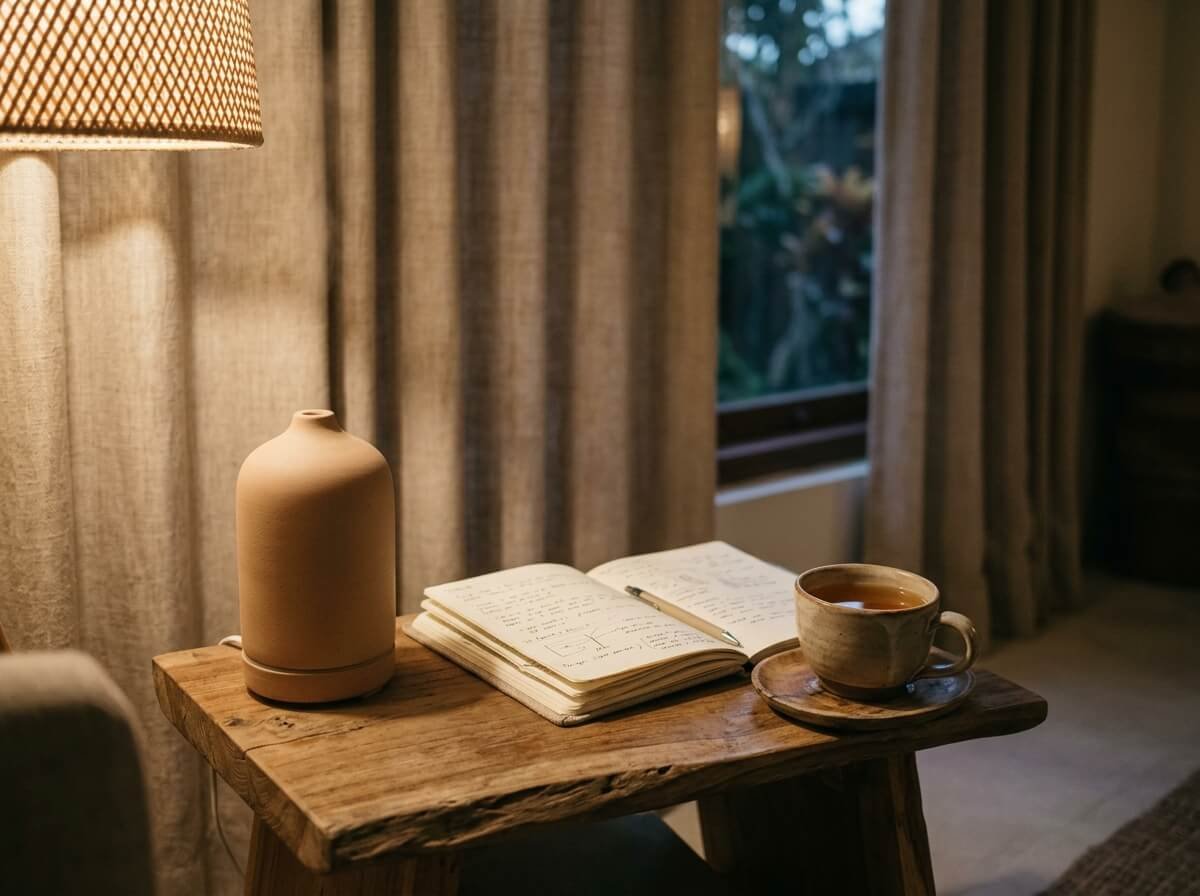
Bergamot has a reputation as the citrus for anxious days, and there is some real research behind it. There is also a lot of overreach. Here is where the evidence honestly stands.
What the studies suggest
A small Japanese study of about 40 healthy women compared 15 minutes of bergamot-scented vapor with plain water vapor. The bergamot group showed lower levels of salivary cortisol, a stress hormone, and reported less negative mood. A separate pilot study in the waiting room of a mental health treatment center found that 15 minutes of bergamot inhalation improved positive feelings among the people waiting, compared with a control period.
Animal studies point in the same direction, showing calming effects that researchers link to linalool and linalyl acetate. These are the same compounds that give lavender its gentle reputation, which helps explain why the two oils pair so well.
What the studies do not show
These were small studies, often short, and often without long-term follow-up. They suggest that bergamot can help some people feel a little calmer in the moment. They do not show that bergamot treats anxiety, depression, or any medical condition. If you live with anxiety, bergamot can be a soothing part of your evening, but it is not a substitute for care from a qualified professional.
We also want to be clear about the cholesterol claims you may see elsewhere. Those come from studies of bergamot juice and its polyphenol extract, taken as a supplement. They do not apply to bergamot essential oil, and essential oils are not for swallowing.
What we notice in daily life
Beyond the trials, there is the simple experience of scent. Bergamot tends to soften a tense room without making it sleepy. Many people find it useful in the late afternoon, when focus fades and the day still has work in it. For more on building a calm scent practice, our guide to essential oils for stress and anxiety covers how bergamot fits with other calming oils, and our essential oils for sleep guide looks at evening blends in more depth.
How to use bergamot essential oil safely in daily ritual
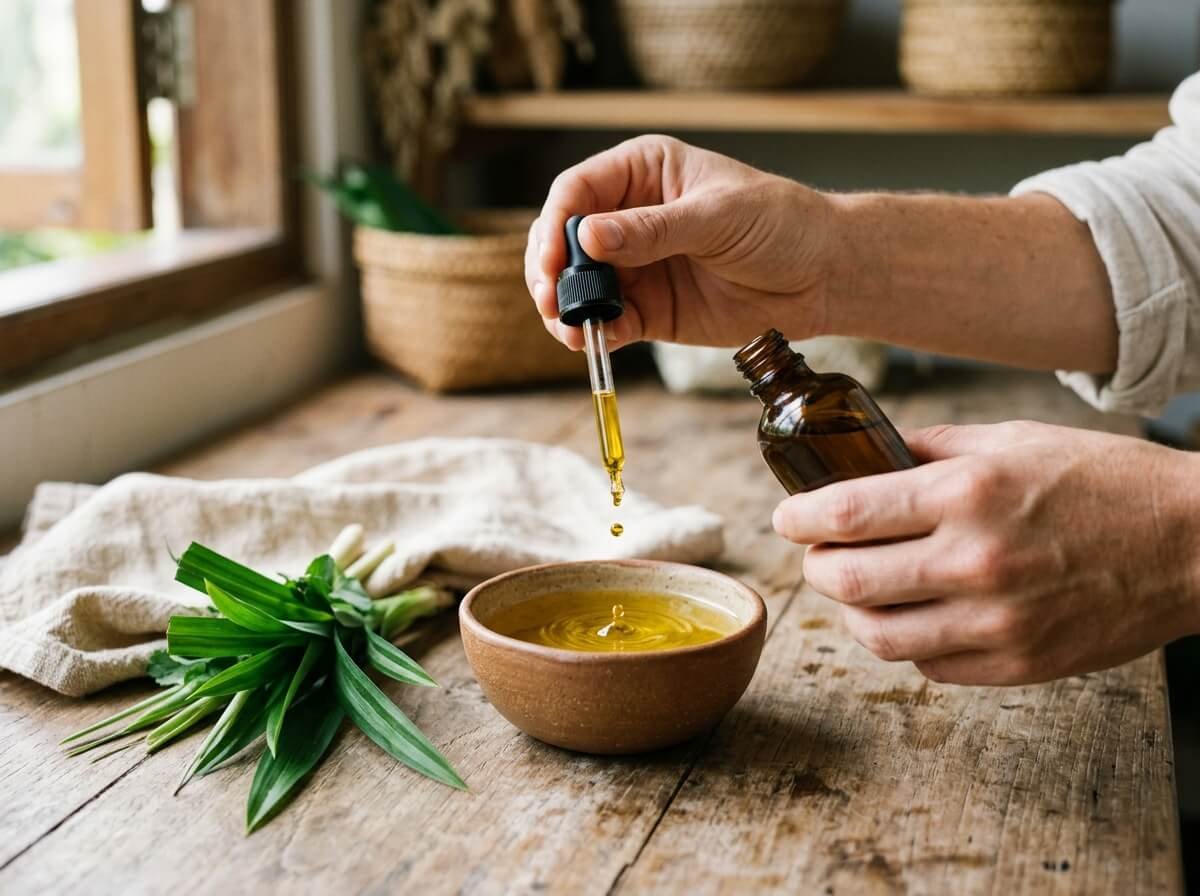
The best way to enjoy bergamot is often the simplest. Here are the rituals we return to, ordered from easiest to most hands-on.
In the diffuser
Diffusing is the safest and most rewarding way to use bergamot, with no sun rule to think about. Start with three to four drops in an ultrasonic diffuser, or a short session in a nebulizing diffuser such as our Danau Dua. Run it for 30 to 60 minutes rather than all day, and keep the room ventilated. If you are choosing a diffuser, our comparison of ceramic and nebulizing diffusers explains the difference.
Three blends to try
- Late-afternoon reset: three drops bergamot, one drop peppermint. Clear and bright, without the edge of pure mint.
- Evening wind-down: two drops bergamot, two drops Lavender Essential Oil. The classic calm pairing, soft and floral.
- Warm and grounding: three drops bergamot, one drop Ylang Ylang Essential Oil. Rich and slow, good for a quiet evening at home.
For a larger collection of combinations, our aromatherapy diffuser blend recipes include several more built around citrus top notes.
On the skin, the careful way
If you want bergamot on your skin, keep the dilution at or below 0.4% for whole oil, and choose evening use. A small massage oil for the shoulders before bed is a lovely ritual: one drop of bergamot in about 15 milliliters of carrier oil, warmed between the palms. Always do a patch test first. Apply a little of the diluted blend to the inner forearm, cover it, and wait 24 hours before using it more widely.
Ready-made blends make this easier. Our Bliss Essential Oil Roller pairs bergamot with lavender, rose geranium, orange, and patchouli in jojoba. Like any blend that contains bergamot, we suggest rolling it onto skin that clothing will cover, or using it after the sun goes down. If you prefer to keep things on the diffuser side, the Bliss Essential Oil Blend brings a similar mood to a whole room. Our article on essential oil roller benefits covers how to use roll-ons well.
In the bath and shower
Essential oils do not mix with water, so never drop bergamot straight into a bath. Undiluted oil floats on the surface and can irritate the skin it touches. Blend two to three drops into a tablespoon of carrier oil or an unscented body wash first, then add it to the water. Because bath water rinses away, this is a gentle way to enjoy bergamot on the skin.
Who should take extra care
Keep bergamot out of reach of children, and dilute more gently for older adults and sensitive skin. If you are pregnant, breastfeeding, or managing a health condition, speak with a qualified practitioner first. Never take bergamot essential oil by mouth.
Freshness and storage: why oxidized citrus oil turns on your skin
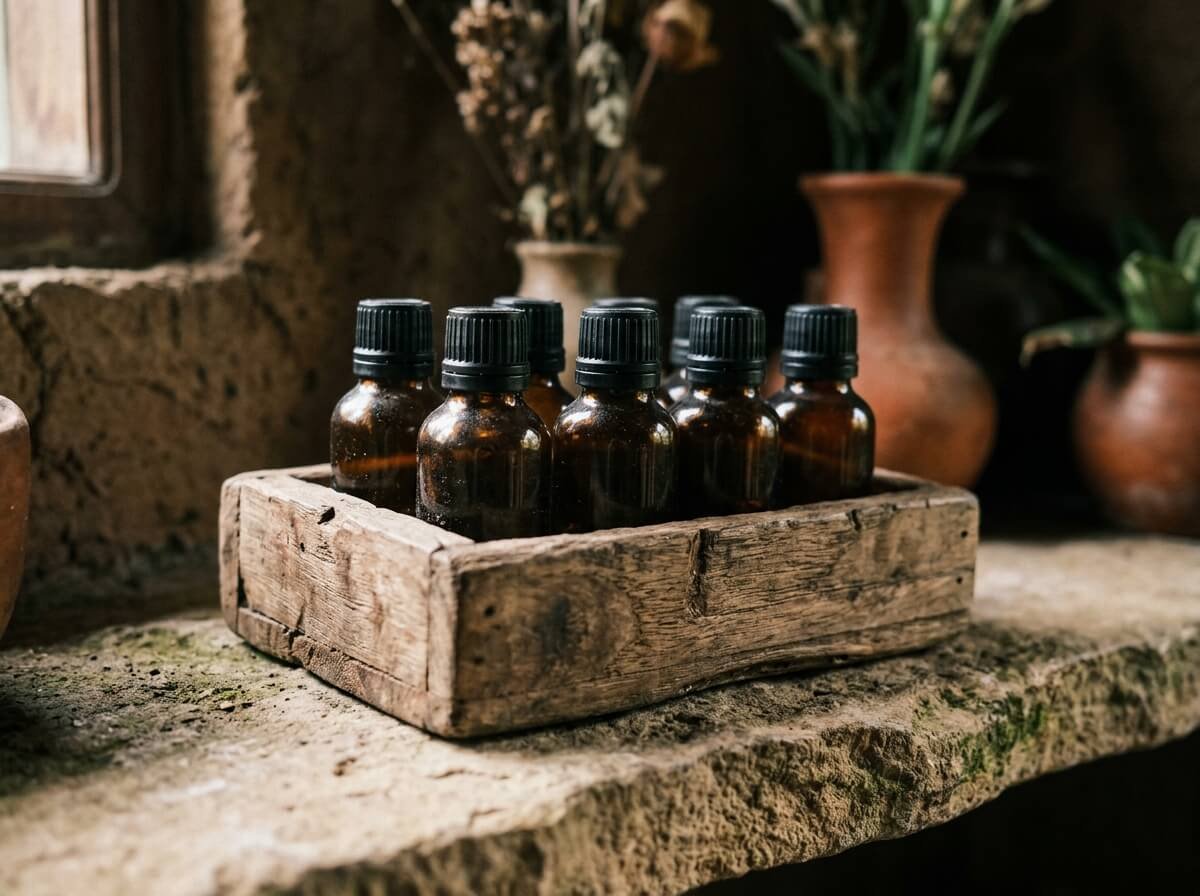
Citrus oils are the most fragile oils in the aromatherapy cabinet. Limonene and linalool react with oxygen over time. As they oxidize, they form new compounds that are much more likely to irritate and sensitize skin. Fresh bergamot that your skin tolerated well can become a problem a year or two later, and the change is easy to miss.
Signs your bergamot has aged
- The scent turns flat, sharp, or slightly sour, losing its sparkle.
- The oil looks cloudier or thicker than when you opened it.
- Your skin reacts to a blend that never bothered you before.
As a general guide, use opened bergamot within about one to two years. Write the opening date on the bottle with a small sticker so you are not guessing.
How to store it well
- Keep the cap tightly closed, and close it right after each use.
- Store it in a cool, dark place, away from windowsills and warm kitchens. A refrigerator works well for citrus oils.
- Keep it in dark glass, ideally amber or cobalt.
- As the bottle empties, the air inside it grows, and oxidation speeds up. Decant the last third into a smaller bottle if you use it slowly.
Our full guide on how to store essential oils explains these habits in more detail. Good storage is not only about keeping the scent alive. It is about keeping the oil kind to your skin.
Frequently asked questions about bergamot essential oil benefits
What are the main benefits of bergamot essential oil?
The best-supported benefit is mood. Small studies suggest that inhaling bergamot can lower stress markers and lift mood in the short term. Its scent is also prized in perfumery for being bright and calming at once. Claims about skin healing, digestion, and cholesterol are either weakly supported or come from studies of bergamot juice, not the oil.
Is bergamot essential oil safe for skin?
It can be, with care. Whole bergamot is strongly phototoxic, so keep leave-on blends at or below about 0.4% and avoid sun on the treated skin for 12 hours if you use more. FCF bergamot removes most of that risk. Always dilute, always patch test, and never apply it neat.
Can I use bergamot oil on my face?
Only with caution. The face meets more sun than almost any other part of the body. If you want bergamot in a face oil, choose FCF bergamot, keep the dilution low, and use it at night. For daytime facial care, it is simpler to choose a different oil.
Is bergamot good for sleep?
Bergamot is more calming than sedating. Many people find it helps them unwind in the evening, especially blended with lavender. It is a good choice for the hour before bed rather than a sleep aid on its own.
What does bergamot smell like?
Bright citrus at first, close to lemon and orange, then softer and more floral as it settles, with a light peppery note. If you know Earl Grey tea, you know bergamot.
Is bergamot the same as bee balm or wild bergamot?
No. Wild bergamot and bee balm are Monarda, a flowering plant in the mint family from North America. Bergamot essential oil comes from the peel of Citrus bergamia, a citrus fruit grown mainly in southern Italy.
Can I diffuse bergamot around pets?
Pets are more sensitive to essential oils than we are, and cats are especially vulnerable. Diffuse briefly in a well-ventilated room, give pets a way to leave, and check with your veterinarian first.
A citrus worth respecting
Bergamot asks for a little more attention than most oils. In return, it gives one of the most balanced scents in aromatherapy: bright enough to lift a slow afternoon, soft enough to settle a tense evening. The rules are simple once you know them. Know which bergamot you are reading about. Treat any oil not labeled FCF as whole. Keep it at sun-safe dilution on the skin, and keep it fresh in a cool, dark place.
That is the kind of truth we want from every bottle on our shelves: honest about what an oil can do, and honest about where it needs care. If you are building a calm scent practice, our guide to aromatherapy oils and our essential oils uses chart are good next steps. Start with one bottle, use it with care, and let your own experience lead the way.