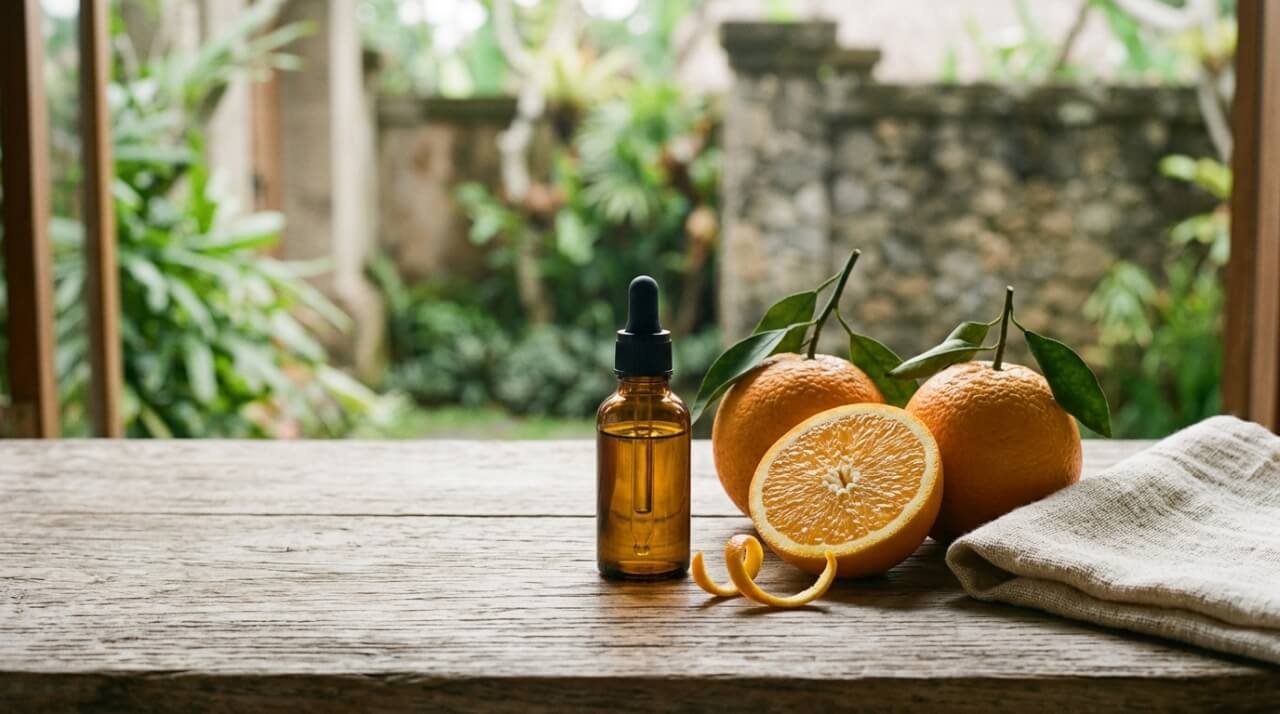
Sweet orange essential oil benefits: the gentle citrus, and why the sun question matters
Peel an orange and the air changes before the first segment comes free. That bright, sweet burst is the essential oil itself, held in tiny glands in the rind and released by the pressure of your thumb. It is one of the most familiar scents in the world, and one of the most misunderstood oils on the shelf. This guide sorts sweet orange essential oil benefits by what the evidence actually shows, explains why sweet orange sits apart from lemon and bergamot when the sun is out, and covers the one thing almost nobody teaches: how a fresh, friendly oil turns irritating as it ages.
We write this from Bali, where citrus is part of daily life and the sun is strong year-round. Here a citrus oil’s sun behaviour is a practical question. So we will keep this honest and simple: what sweet orange is, what it can do, what it cannot, and how to use it well.
What sweet orange essential oil actually is
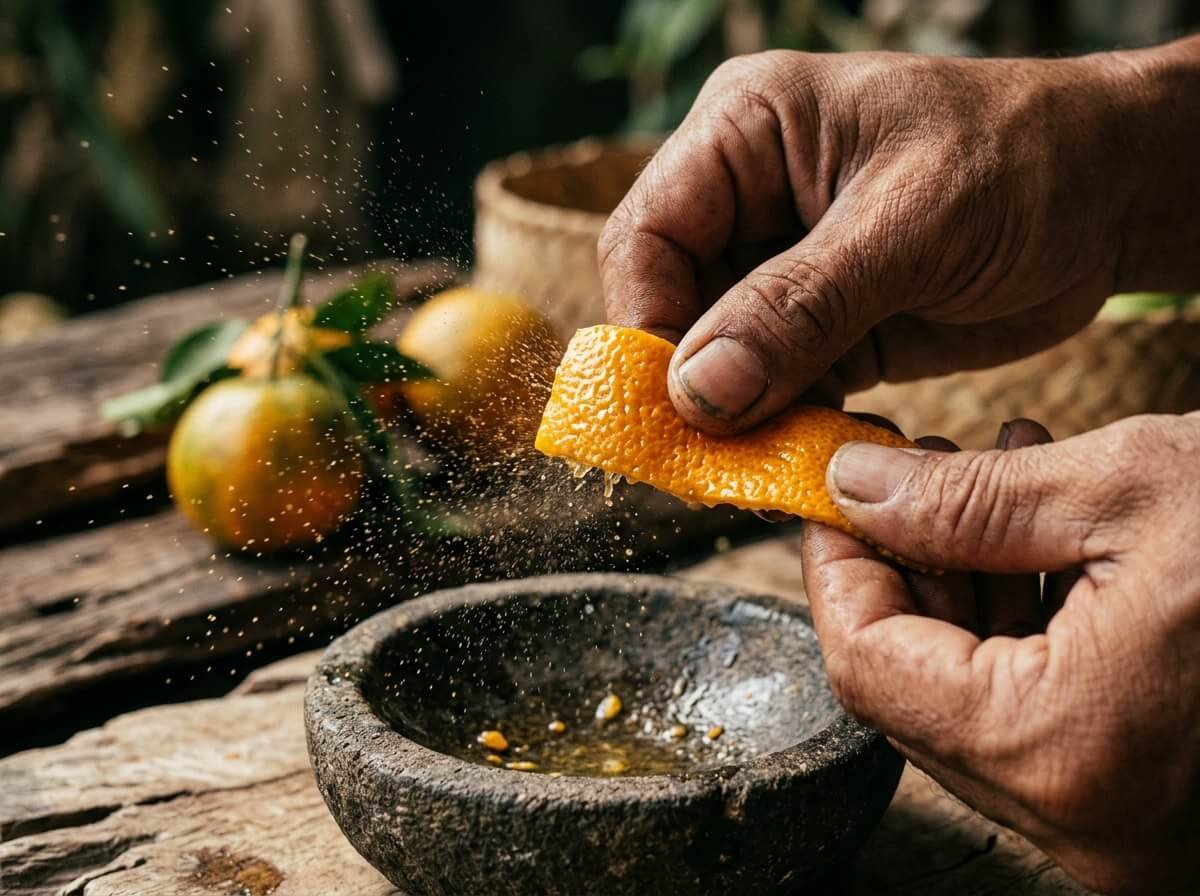
Sweet orange essential oil comes from the peel of Citrus sinensis, the same orange you eat for breakfast. Most of it is made by cold pressing: the rind is mechanically squeezed or scarified, the oily emulsion is spun to separate it from water, and what remains is a thin, golden-orange oil that smells almost exactly like a freshly peeled fruit. There is no heat involved, which is why it keeps that juicy, sugary top note.
A second, cheaper version is made by steam-distilling the peel or by recovering oil as a by-product of juice manufacturing. Distilled orange oil smells flatter and thinner, a bit like orange-flavoured sweets rather than the fruit. Both are “orange oil” on a label, which is one reason quality varies so widely.
Sweet orange is not bitter orange
This is the most important distinction in the whole guide. Bitter orange (Citrus aurantium) is a different tree. Its peel oil smells sharper and drier, and it behaves very differently on skin in sunlight. The same bitter orange tree also gives us neroli (from the blossoms) and petitgrain (from the leaves and twigs). When a label just says “orange oil” with no Latin name, you cannot tell which one you are holding. Look for Citrus sinensis on the bottle.
Jeruk manis: orange in Balinese life
In Indonesian, sweet orange is jeruk manis, literally “sweet citrus”. Across Bali, citrus fruit is stacked into the towering fruit offerings carried to temple ceremonies, and the cool highland slopes around Kintamani are known for their citrus groves (mostly mandarin-type fruit, a close cousin of the orange). Citrus here is something shared, offered, and eaten together. That feels like the right way to think about the oil too: an everyday brightness rather than a rare treatment.
Chemically, sweet orange oil is dominated by one molecule, d-limonene, which usually makes up more than 90% of the oil. Small amounts of myrcene, linalool, and aldehydes such as decanal give it depth. That limonene-heavy profile explains almost everything that follows: why it smells so cheerful, why it cuts grease, why it is gentle in the sun, and why it oxidises quickly.
Sweet orange essential oil benefits, sorted by evidence

Most lists of sweet orange essential oil benefits run to a dozen items and treat every one as equally proven. They are not. Here is how we would honestly sort them.
Well supported: a calmer mood through scent
The strongest human evidence for sweet orange is about inhalation and mood, and it is modest but real. In a frequently cited 2000 study in a Vienna dental waiting room, patients who sat with diffused orange scent reported lower anxiety and a more positive mood than those who waited without it, with the effect clearest in women. A follow-up with a larger group found similar results for both orange and lavender. A 2012 study in Brazil had 40 healthy volunteers inhale sweet orange before a stressful task and found they stayed calmer than the control groups. A study of children at the dentist in Iran measured lower salivary cortisol and pulse rate when orange scent was diffused.
These are small studies, and scent studies are hard to blind (you can smell which group you are in). But the pattern is consistent: sweet orange in the air seems to take the edge off stress for many people. That is a meaningful, everyday benefit. If calm is what you are after, our guide to essential oils for stress and anxiety compares orange with lavender, bergamot, and other gentle options.
Well supported: cutting grease and grime
d-Limonene is a genuine solvent. It is the active ingredient in many commercial citrus degreasers, and it lifts sticky residue, label glue, and kitchen grease far better than water alone. A few drops of sweet orange in a vinegar or castile soap spray is a practical, pleasant cleaning helper. Our recipe for a natural surface cleaner at home uses exactly this idea. If you would rather not mix your own, our Multi-Purpose Natural Surface Cleaner is ready to refill.
Promising in the lab, unproven in people
You will see sweet orange described as antibacterial, antifungal, antioxidant, anti-inflammatory, and even anticancer. Almost all of this comes from test tubes and animal studies, often using isolated limonene at concentrations no one would ever put on their body. The lab results are interesting. They are not evidence that orange oil treats infections, inflammation, or disease in a person, and we would be wary of any brand that implies otherwise.
Marketing more than science
Claims that sweet orange “detoxes” skin, melts cellulite, aids weight loss, or erases dark spots have no solid human evidence behind them. Orange oil can make a body oil smell lovely, and the ritual of massage itself has real value. The oil is not doing the heavy lifting there. It is fine to enjoy sweet orange for its scent and its lift. That is reason enough.
The sun question: why sweet orange is not bergamot or lemon
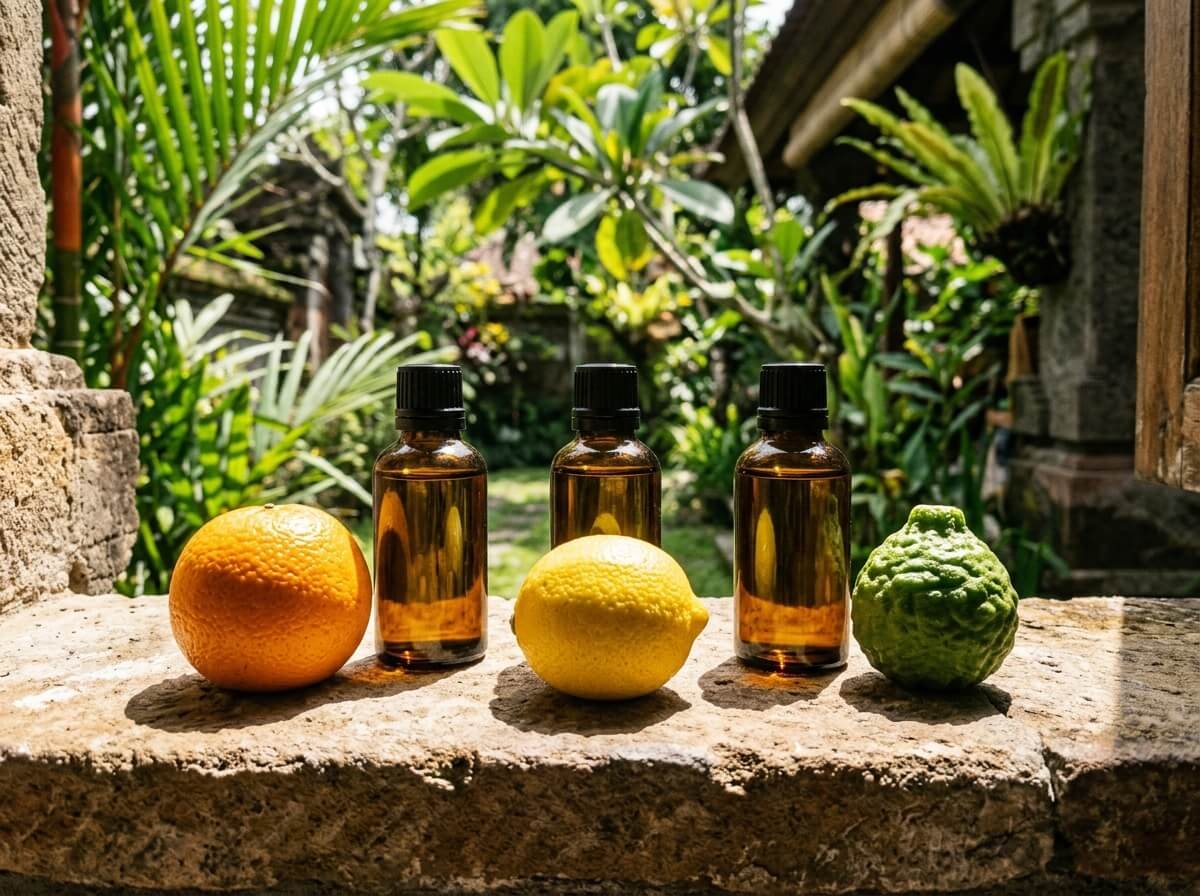
Here is where most guides fall down. They lump every citrus oil together with one blanket warning (“avoid the sun after applying citrus oils”), or they say sweet orange has “low phototoxicity” and then tell you to avoid sun for 12 hours anyway. Both leave you unsure what is actually true.
Phototoxicity happens when certain molecules on the skin, mainly furocoumarins such as bergapten, absorb UV light and trigger a burn-like reaction. It can blister, and it often leaves dark patches that last for months. Cold-pressed citrus peel oils vary enormously in how much of these molecules they carry.
- Bergamot (cold-pressed): strongly phototoxic. Safety references keep leave-on skin use to around 0.4%, unless the oil is a bergapten-free (FCF) grade.
- Lime (cold-pressed): phototoxic, with a leave-on limit of around 0.7%.
- Bitter orange (cold-pressed): phototoxic, with a leave-on limit of around 1.25%.
- Lemon (cold-pressed): phototoxic, with a leave-on limit of around 2%.
- Grapefruit (cold-pressed): mildly phototoxic, with a leave-on limit of around 4%. Our grapefruit essential oil guide covers it in detail.
- Sweet orange (cold-pressed or distilled): not considered phototoxic, and no industry sun-safety limit applies.
That last line is the quiet surprise. Sweet orange carries so little of the problem compounds that the major safety references do not treat it as a phototoxic oil at all. In a tropical climate, that makes it one of the friendliest citrus oils to wear on skin in a body oil or massage blend.
The honest caveats
- Check the species. All of this only holds if the bottle is truly Citrus sinensis. Bitter orange, or a “citrus blend” that includes bergamot or lime, changes the picture completely.
- Blends inherit their riskiest oil. Many lovely citrus blends contain bergamot. Our own Bergamot Essential Oil is a cold-pressed peel oil, so we suggest diffusing it, or using it on skin only at very low dilution and under clothing or in the evening.
- Not phototoxic is not the same as sunscreen. Sweet orange does not protect you from UV. Everyday sun care still matters, and if you overdo it, our natural after-sun care guide can help.
- Old oil is a separate risk. Oxidised orange oil can irritate skin with or without sunlight, which brings us to freshness.
Freshness and d-limonene: why old orange oil starts to sting
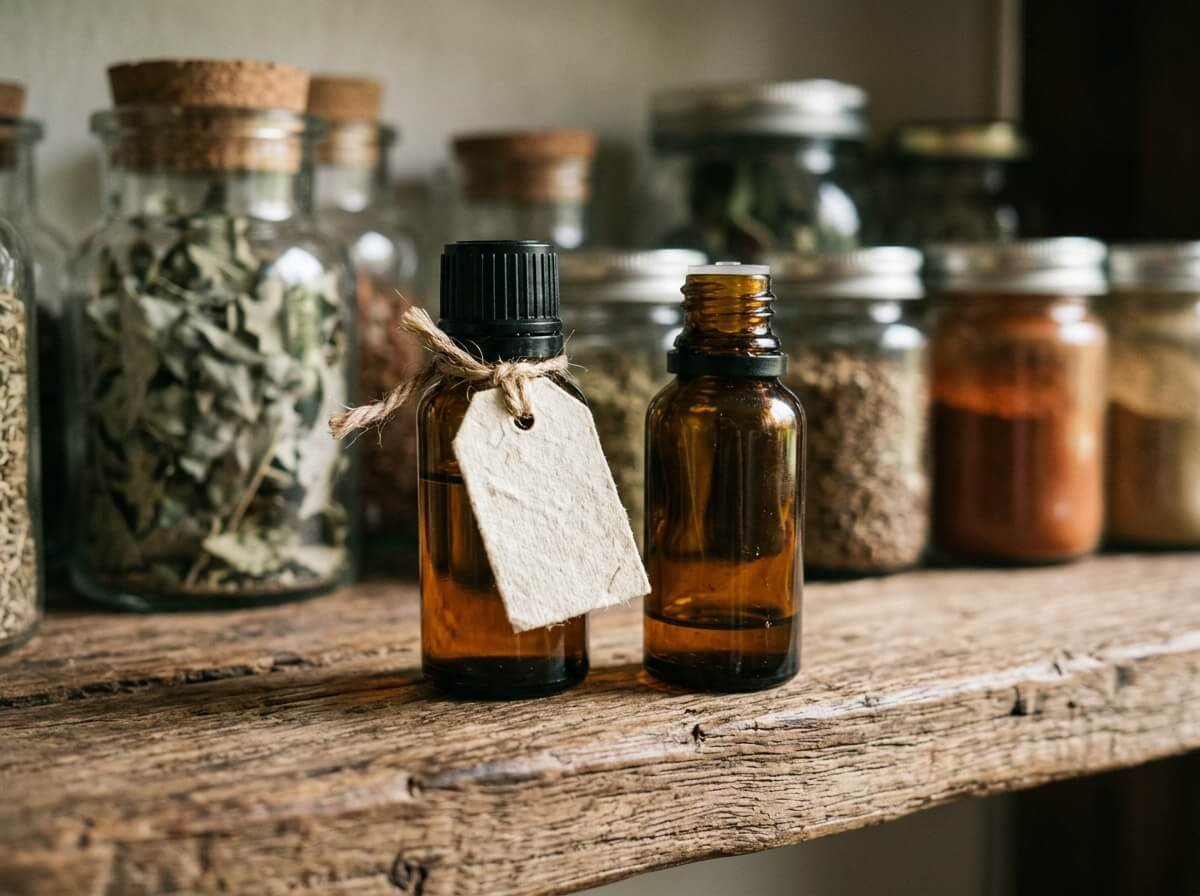
This is the part almost nobody teaches, and it matters more than any benefit list. d-Limonene reacts readily with oxygen. As it oxidises, it forms limonene hydroperoxides, and these are well-documented skin sensitisers. Fresh limonene rarely causes trouble. Oxidised limonene is one of the more common fragrance allergens found in patch testing at dermatology clinics.
In practice, that means a bottle of sweet orange oil that was gentle in January can feel prickly by the following winter, especially if it has been opened often, kept half-empty, or left in a warm, bright room. Once someone becomes sensitised, they may react to limonene in many products, not just that one bottle. Freshness is a safety issue, not just a scent issue.

How to keep sweet orange fresh
- Cool and dark. Store the bottle away from heat and daylight. In a hot climate like ours, a cool cupboard or the fridge door is ideal.
- Cap it tightly, every time. Oxygen is the enemy. Do not leave the dropper sitting open while you blend.
- Mind the headspace. A nearly empty bottle holds more air than oil. If you buy larger sizes, decant into smaller bottles you will finish quickly.
- Write the date. Note when you opened it. Citrus oils keep best when used within about a year of opening.
- Trust your nose and skin. If the scent turns flat, sharp, or turpentine-like, or a once-gentle blend starts to sting, retire it from skin use. Old orange oil can still freshen a bin or a cleaning cloth.
Our full guide on how to store essential oils covers every oil type, but citrus oils are the most fragile, so give them the coolest spot you have.
How to use sweet orange essential oil safely
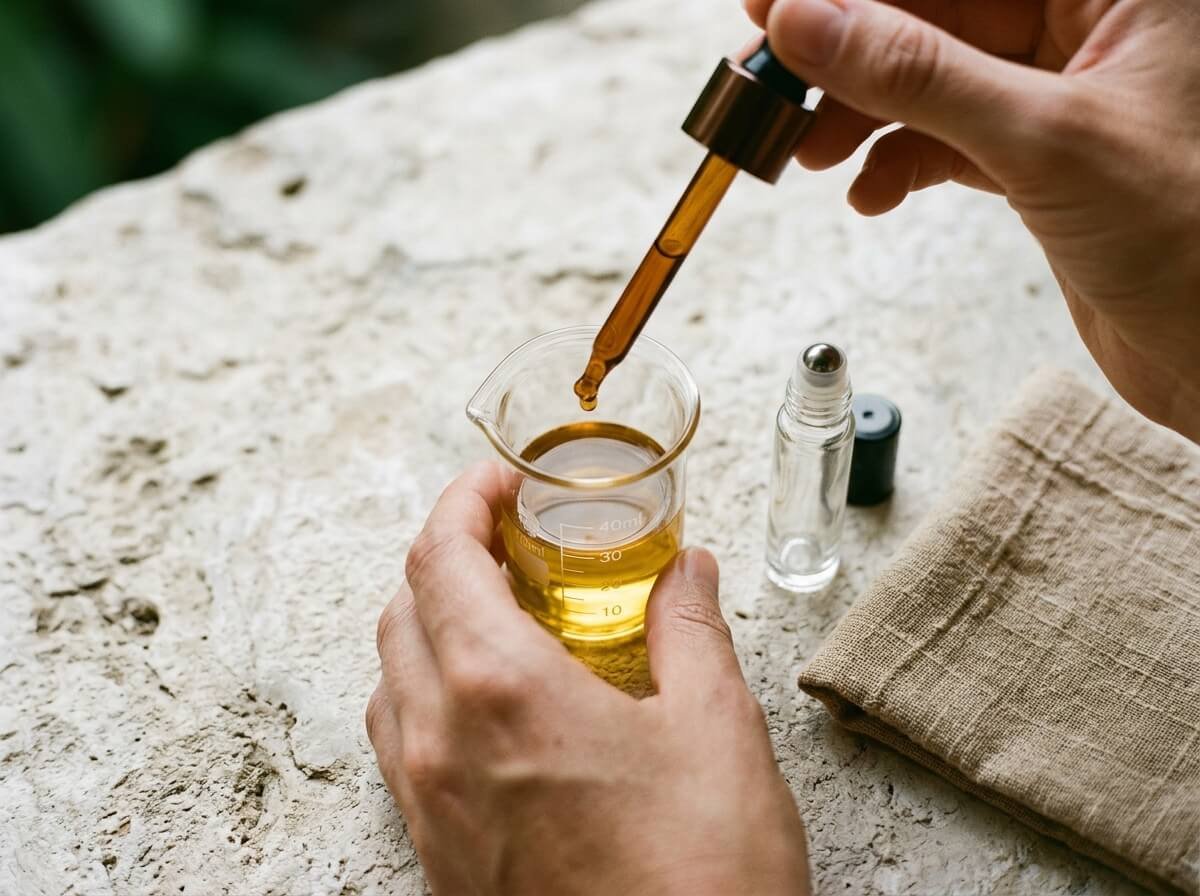
Sweet orange is one of the gentlest oils to start with, which is exactly why people get casual with it. A few simple habits keep it pleasant.
Diffusing
Three to five drops in a water-based diffuser is plenty for an average room. Diffuse for 30 to 60 minutes, then give the room a break. Sweet orange is light and lifts quickly, so it pairs well with a heavier base note that holds it in the air. If you are choosing a diffuser, our comparison of ceramic and nebulizing diffusers explains the trade-offs. A nebulizer such as our Danau Dua gives a stronger, purer scent, so use it in shorter bursts.
On skin
Always dilute. Never apply sweet orange neat, even though it feels harmless. For body oils and massage, 1% to 2% is a comfortable range (roughly six to 12 drops per 30 ml of carrier oil). For the face, stay at 0.5% to 1%. Coconut, jojoba, and sweet almond all work well as carriers. Our step-by-step guide on how to dilute essential oils includes a full drop chart, and this explainer on choosing a carrier oil helps you match the base to your skin.
Patch test first
Apply a little of your diluted blend to the inner forearm, cover it, and wait 24 hours. Redness, itching, or a rash means skip it. Patch test again whenever you open a new bottle, since freshness varies.
Children, pregnancy, and pets
- Children: sweet orange is one of the gentler oils for families. For children over two, diffuse briefly in a well-aired room and use very low skin dilutions (around 0.5%). Avoid essential oils on babies’ skin unless a health professional advises it.
- Pregnancy: sweet orange is generally considered one of the safer oils in pregnancy at normal dilutions. Many midwives still suggest avoiding essential oils in the first trimester, so check with your own care provider.
- Cats: cats process many essential oil compounds slowly, and limonene-rich citrus oils are a known concern. Never apply orange oil to a cat, and only diffuse where your cat can easily leave the room.
- Dogs: keep diffusion light and brief, give them an exit, and never apply oils to fur or skin without veterinary advice.
- Never swallow it. Food-flavour orange oil is a different, regulated product. Keep essential oil bottles out of reach of children.

Sweet orange, bottled small so it stays fresh
Our Orange Essential Oil brings the bright, juicy scent of freshly peeled sweet orange into your diffuser, cleaning spray, or diluted body oil. It comes in a 10 ml amber bottle, a size you will use up while it is still at its best.
Buying an honest bottle of sweet orange essential oil
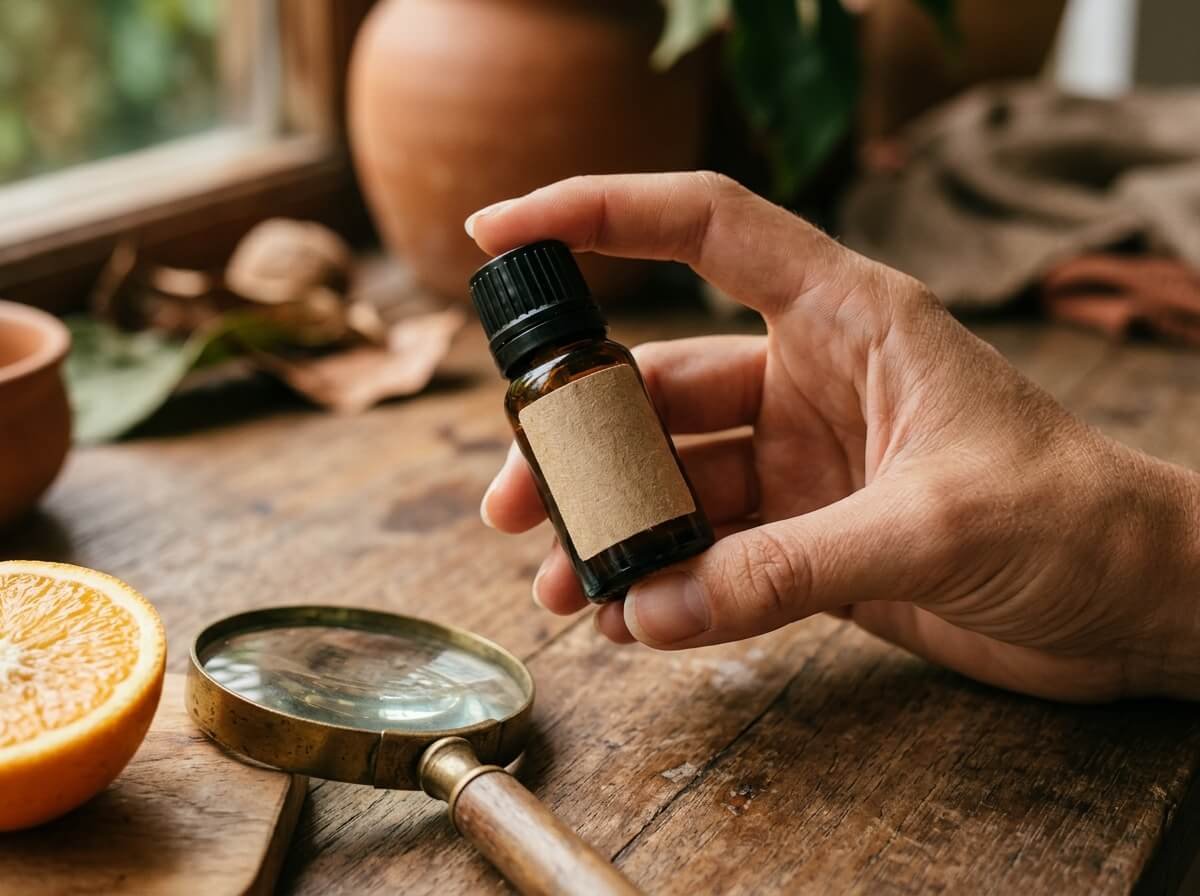
Because sweet orange is cheap to produce, it is also easy to stretch, cut, or fake. A few checks help you buy well.
- The Latin name. It should say Citrus sinensis. “Orange oil” alone is not enough, and “orange fragrance” is not an essential oil at all. Our guide to essential oil vs fragrance oil explains the difference.
- The extraction method. Cold-pressed smells like fresh fruit. Distilled smells flatter. Both are legitimate, but the price should reflect which one you are getting. If a seller cannot tell you, ask.
- The price is suspiciously low. Sweet orange is affordable, but oils extended with cheap “orange terpenes” (a juice-industry by-product) or synthetic limonene can be cheaper still. A rich, juicy scent with a little complexity is a good sign.
- “Folded” oils are different. Five-fold or 10-fold orange oil has been concentrated for flavour and perfumery. It is not wrong, but it is not the same as a single-pressed oil.
- Amber or cobalt glass. Clear glass and plastic speed up oxidation. A dark glass bottle with a dropper is the minimum.
- Freshness over size. A 10 ml bottle you finish in months is better value than a large bottle that oxidises in the cupboard.
If you want to experience sweet orange the way we use it in our Bali workshop, our Orange Essential Oil comes in a 10 ml amber bottle, a size you will finish while it is still fresh. Check every label for the botanical name, including ours, and choose the oil you will actually use.
A Balinese brightness ritual for mornings and shared spaces
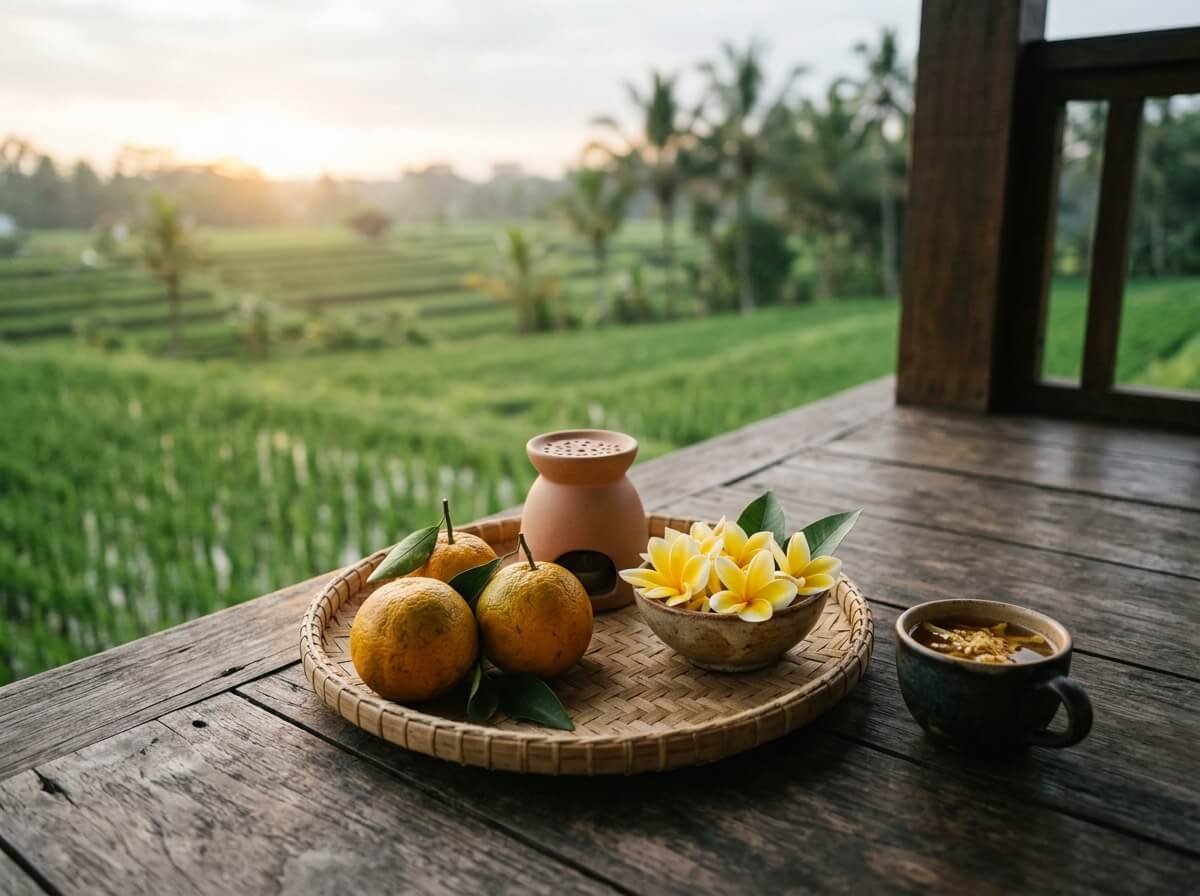
In Bali, mornings start early and slowly: sweeping the courtyard, placing the first small offerings, boiling water for tea. Sweet orange fits into that rhythm naturally. It is not a scent for solitary intensity. It is a scent for opening the house and for being together.
A simple morning ritual
- Open the windows first and let the air move.
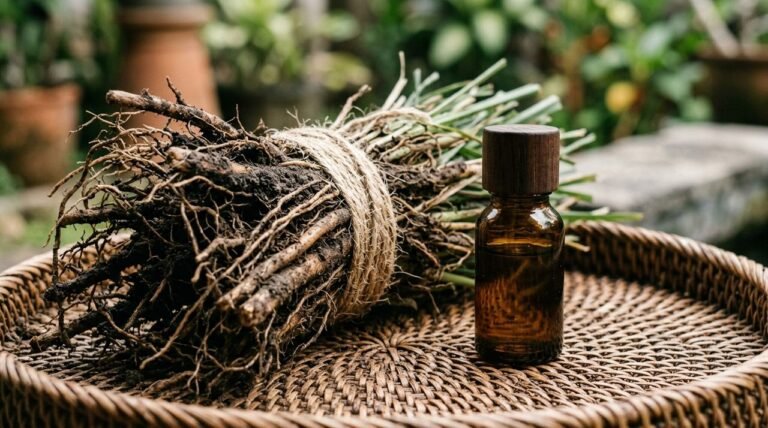
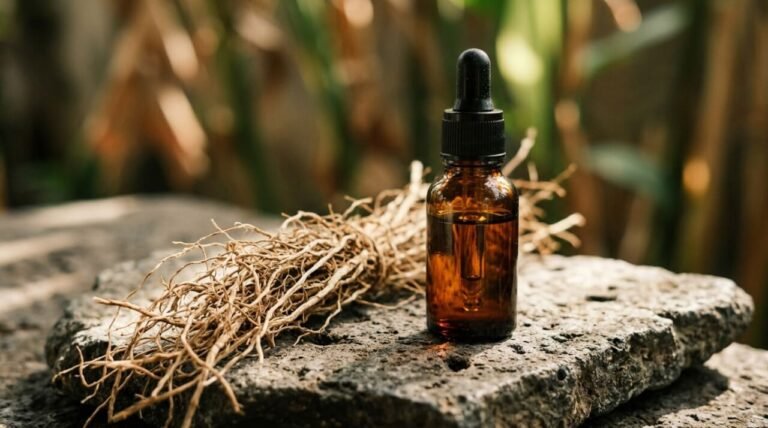
- Add three drops of sweet orange and one drop of something grounding to your diffuser. Ginger, vetiver, or a soft woody note keeps orange from fading too fast.
- Make something warm to drink, and give yourself five quiet minutes before the day begins.
- Switch the diffuser off when you leave the room. Scent works best in short, intentional sessions.
Three blends to try
- Bright and grounded (mornings): three drops sweet orange, one drop ginger, one drop vetiver.
- Gathering (shared spaces): three drops sweet orange, one drop kaffir lime, one drop lemongrass. Green, fresh, and welcoming.
- Soft evening: two drops sweet orange, two drops lavender, one drop ylang ylang. Warm and calm, never cloying.
For more combinations, our aromatherapy diffuser blend recipes and essential oil blends for diffuser guides go deeper, and our kaffir lime essential oil guide tells the story of the most Balinese citrus of all.
Sweet orange also appears across our own craft. Our Bliss Essential Oil Blend rounds it with lavender, rose geranium, and patchouli. The Awakening Candle pairs it with bergamot in soy wax, and our Citrus Fresh ceramic diffuser refill keeps a room bright for weeks. Every refill means one less new bottle, which is the kind of everyday change we believe in.
Sweet orange essential oil FAQ
What are the main sweet orange essential oil benefits?
The best-supported benefits are a calmer, brighter mood when the scent is inhaled, and effective grease-cutting in home cleaning, thanks to its high d-limonene content. Lab studies suggest antimicrobial and antioxidant activity, but these have not been shown to treat anything in people.
Is sweet orange essential oil phototoxic?
Sweet orange (Citrus sinensis) is not considered phototoxic, whether cold-pressed or distilled, so no sun-safety limit applies. Bitter orange, bergamot, lime, and lemon are phototoxic, so always check the Latin name and the full ingredient list of any blend.
Can I put sweet orange essential oil directly on my skin?
No. Always dilute it in a carrier oil, at 1% to 2% for the body and 0.5% to 1% for the face, and patch test first. Neat use raises the risk of irritation and sensitisation, especially as the oil ages.
How long does sweet orange essential oil last?
Citrus oils are the shortest-lived essential oils. Stored cool, dark, and tightly capped, aim to use an opened bottle within about a year. If it smells flat or sharp, or starts to sting, stop using it on skin.
Is sweet orange the same as neroli or petitgrain?
No. Neroli and petitgrain come from the bitter orange tree (Citrus aurantium): neroli from the blossoms, petitgrain from the leaves and twigs. Sweet orange comes from the peel of the sweet orange fruit, and it smells and behaves differently.
Is sweet orange essential oil safe around children and pets?
For children over two, brief diffusion and very low skin dilutions are generally fine. Around cats, be cautious: never apply it to them, and only diffuse where they can leave the room. Ask your vet if your pet has health conditions.
What blends well with sweet orange?
Almost everything. Woods and roots (vetiver, cedarwood, ginger) ground it, florals (lavender, ylang ylang, rose geranium) soften it, and spices (clove, cinnamon) warm it for cooler evenings. Our list of essential oils and their uses and this overview of aromatherapy oils can help you build your own.
Sweet orange asks very little of us. Keep it fresh, keep it diluted, know which citrus you are holding, and it rewards you with one of the simplest pleasures in aromatherapy: the smell of a peeled orange on an ordinary morning. Small rituals, done with care, are where balance begins.