Refill Friday: where your recycled bottle actually ends up
You finish a bottle of shampoo. You rinse it out, you peel off as much of the label as patience allows, and you drop it into the blue bin. A quiet little act of doing the right thing. Most people believe that bottle is now on its way to becoming another bottle.
The truth is much smaller than that. And once you see the number, you cannot really unsee it.
The nine percent that tells the truth
The OECD’s Global Plastics Outlook, the most cited audit of plastic flows on the planet, found that only nine percent of all plastic ever produced has actually been recycled. Nineteen percent has been incinerated. Around fifty percent has been buried in landfills. The remaining twenty-two percent is mismanaged: it leaks into rivers, soil, and the ocean.
Nine percent. That is the entire story of the chasing-arrows symbol on the back of your shampoo bottle. The symbol does not mean the bottle will be recycled. It means the bottle could be, in theory, somewhere, if the conditions are right. The conditions are very rarely right.
Why skincare bottles are the hardest to recover
Even within that nine percent, cosmetic and skincare packaging fares worse than most. Three quiet reasons:

- The format is small. Sorting machines at recycling facilities are calibrated for bottles over fifty millilitres. Travel sizes and serum droppers fall through the screens and get sent to landfill with the food waste.
- The cap is a different plastic from the bottle. A pump head can contain five different materials: PP, PE, a metal spring, a glass bead, a silicone seal. Single-material is recyclable. Five-material is not.
- The residue contaminates the stream. Oils, butters, and emulsions cling to the inside of bottles. Contaminated bales get rejected by recyclers and rerouted to landfill or incineration.
And the “post-consumer recycled” claim on premium packaging? Industry averages sit at around twenty-five to thirty percent PCR content. The rest is virgin resin, freshly drilled, freshly refined.
What refill actually does
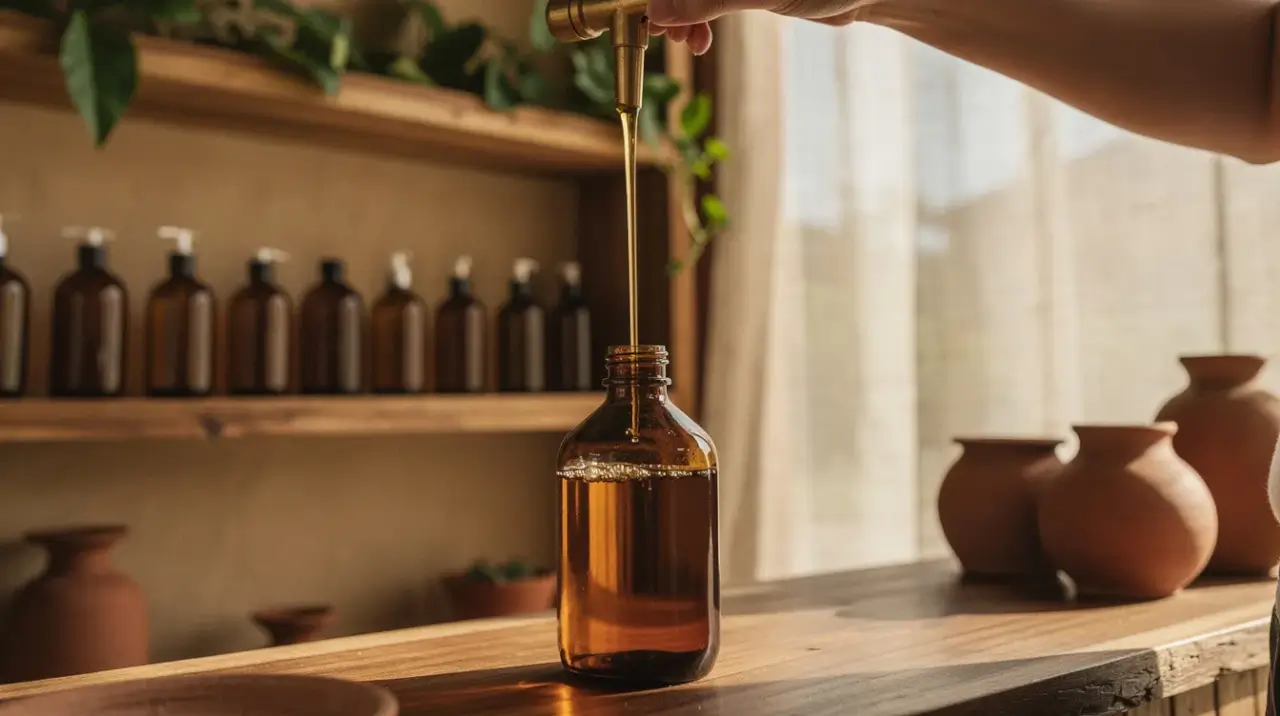
Refill skips the lottery. The bottle that would have been thrown to a nine-percent chance of recovery just stays in your hand. One bottle, twenty refills, four years of daily use. That is twenty bottles that were never produced, never freighted, never sorted, never burned.
Across our refill stations in 2025, customers saved 2,245 bottles from this loop. Not from being recycled. From existing in the first place.
If you want to act on this today, two doors are open. Bring an empty bottle to our refill stations in Ubud or Kuta. Or audit the shelf in your bathroom: count what you would have to repurchase this month, and ask which of those things could come back into a bottle you already own.
Recycling was sold to us as the answer. The data says it is barely a backup. Refill is what was already working, long before the symbol existed.