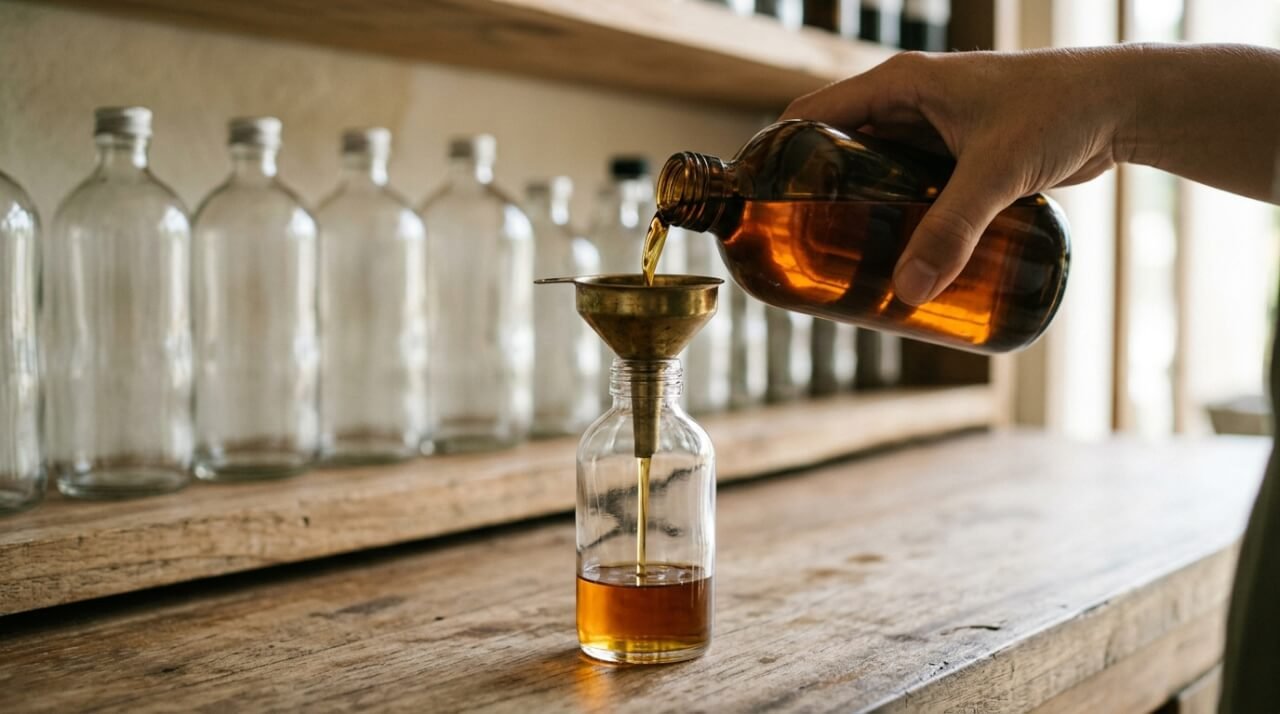
Refill Friday: single-use was invented, refilling is the older way
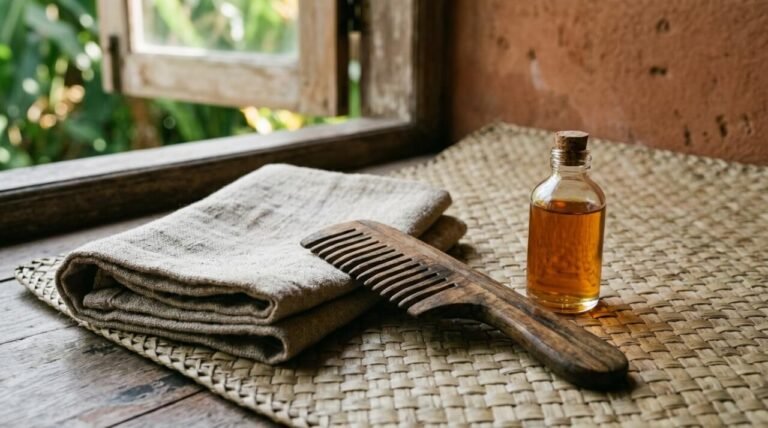
Single-use packaging feels like the default, the normal, the way things have simply always been. It is not. For most of human history the container stayed and only the contents moved. You brought your own vessel to the market, the oil seller filled it, and you carried it home. The bottle was yours. The refill was just Tuesday.
Disposable packaging is barely a century old. It was not a demand from people who wanted less waste. It was sold to us, a convenience engineered to move more product faster, with the empty container quietly reclassified as your problem the moment you got it home.
So the story is upside down
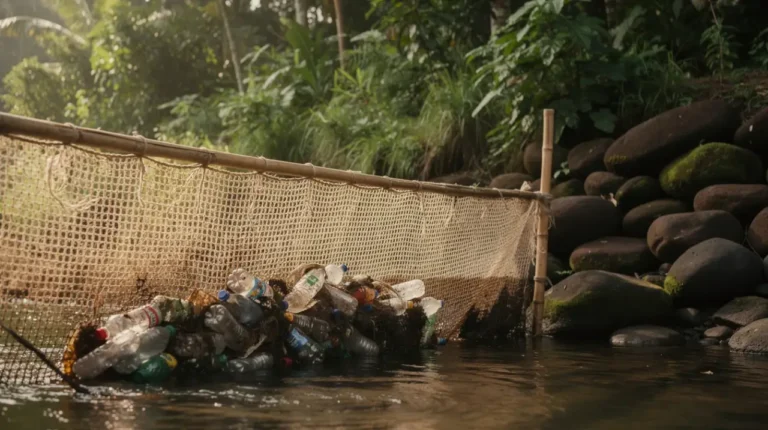
When refill is framed as the sacrifice, the effort, the eco-extra you opt into, someone has flipped the truth. Refilling is not the new burden. Single-use is the recent invention, and it is the one that costs the most: in bottles made once and binned once, in oils diluted to fill more plastic, in the quiet fiction that recyclable and recycled mean the same thing.

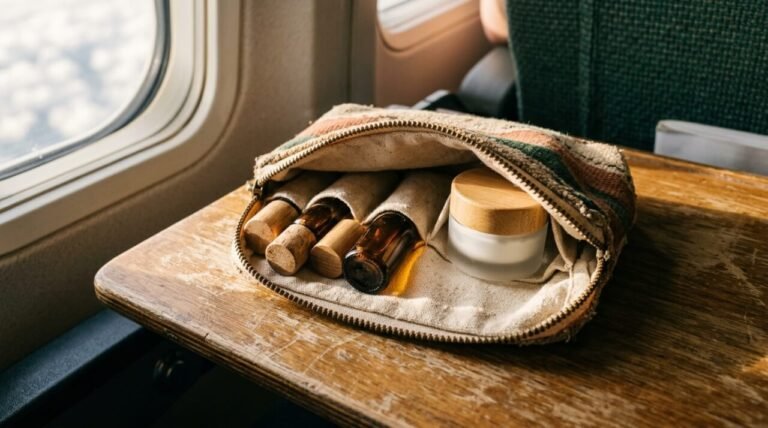
At our refill stations the logic is old and simple. Keep the bottle. Bring it back. Fill it with the same wild-harvested oils and balms, minus another bottle born only to be thrown away. In 2025 that returned two thousand two hundred and forty-five bottles to use instead of landfill. Small accounting, real numbers.
If you want the longer version of why a good bottle is built to outlast whatever you put in it, read our note on the bottle that outlasts everything you put in it.
Refill, reuse, rebel. Not because it is radical, but because it is the ordinary thing we were slowly talked out of.