Refill Friday: the most sustainable container is the one already in your kitchen
Refill culture has a marketing problem. Search for a “sustainable refill jar” and you will find dozens of brand-new glass containers, each one shipped, boxed, and sold to solve a problem that a container you already own could solve for free.
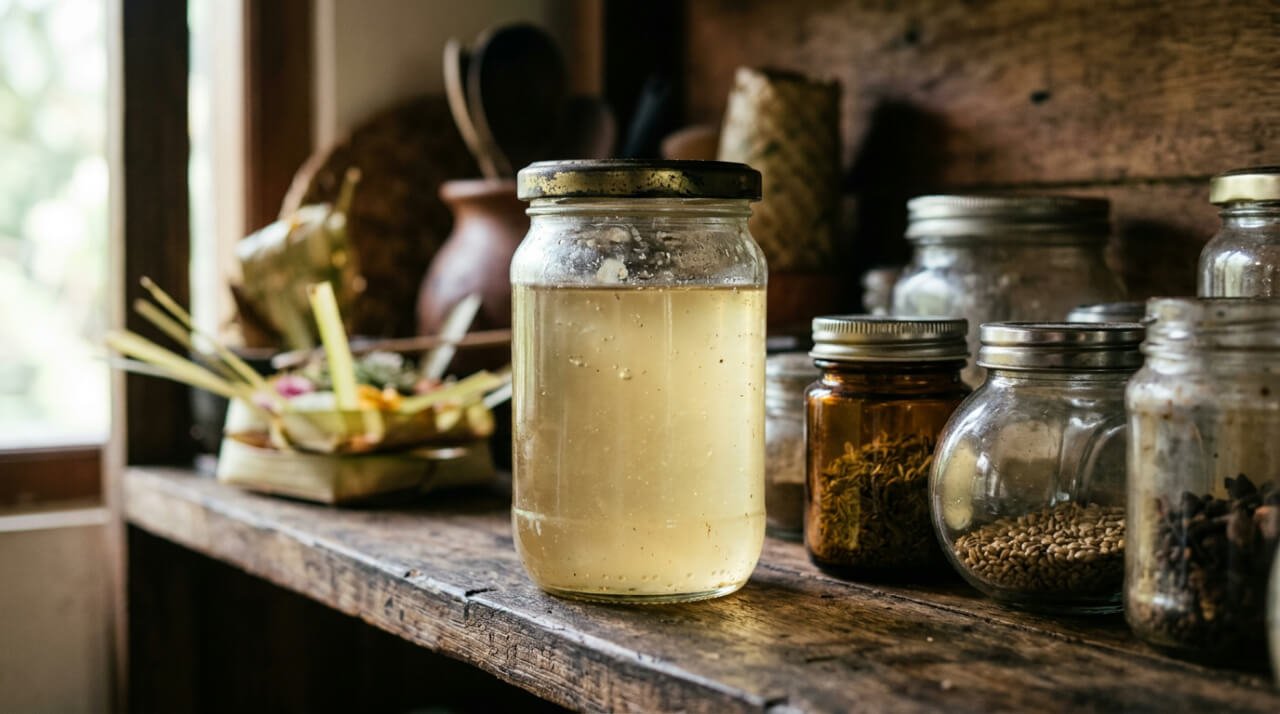
Here is the truth, stated plainly: the most sustainable container is not the prettiest one. It is the one already sitting in your recycling bin. An old jam jar, a spice tin, a candle vessel scrubbed clean. The impact of a refill comes from reuse, not from the material or the label on it. A scratched jar refilled twenty times outperforms a beautiful new jar refilled once.
Why we resist selling you a container
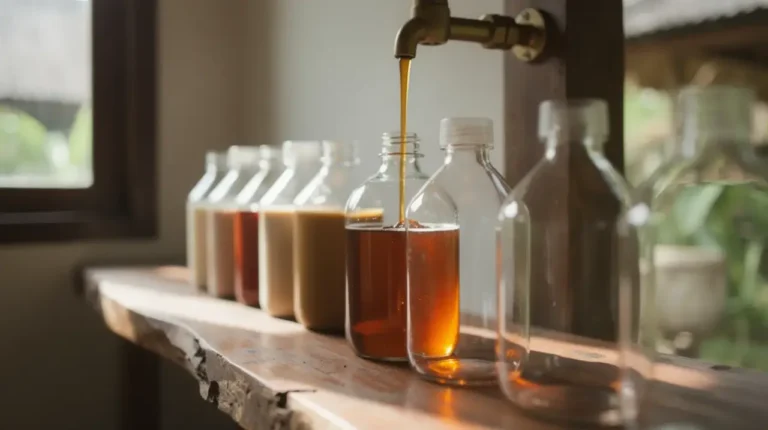
At our refill stations, we do not require a branded bottle. Bring what you have: a used lotion jar, a rinsed sauce bottle, any clean vessel with a lid that seals. We weigh the empty container, fill it, and charge for what goes in, not what holds it. This is the “reuse, not rebuy” logic that Refill Fridays keep coming back to, because it is the part of refill culture easiest to forget once refill becomes a trend with its own aesthetic.

A container becomes sustainable through what happens to it after the first use, not through what it is made of. Glass, aluminum, and even sturdy plastic all earn their keep the same way: by staying in circulation. Buying a new “zero waste” jar to replace a perfectly good jar you already own adds one more object to the world in the name of reducing objects in the world. That is the contradiction worth naming.
The practical version
- Save one or two glass jars from the kitchen this week: nut butter jars and small sauce jars both work well for face and body oils.
- Wash and dry the container fully before refilling; residual water shortens shelf life for oil-based formulas.
- Keep the lid; a container without a proper seal is the one real reason to swap it out.
- If you genuinely have nothing suitable, that is the moment to accept a refill bottle, not before.
We have written before about building a plastic-free bathroom and about what a genuinely zero-waste skincare routine looks like, and this is the principle underneath both: the container you already have is not a compromise on the way to a better one. It is usually the better one.
The takeaway: before you buy anything labelled sustainable, check what is already in your recycling bin. Refill, reuse, and let the rebellion be that simple.