Why coconut oil is good for your skin (and how to use it the right way)
We hear it all the time: coconut oil is good for your skin. But is this centuries-old claim backed by modern science, or is it just another wellness myth? As a Balinese natural skincare brand that has worked with coconut oil since 1989, we can say with quiet confidence that the answer is more nuanced, and more interesting, than most articles will tell you.
Coconut oil has been a cornerstone of traditional Balinese body care for generations. Long before it became a global beauty trend, families across Bali and Southeast Asia used cold-pressed coconut oil to moisturize, heal, and protect their skin. Today, research is catching up with what our makers have known all along: this simple oil carries real benefits for the skin, when used thoughtfully and in the right places on your body.
In this guide, we walk through the science, the tradition, and the practical ways to make coconut oil part of your daily care ritual. Whether you are new to natural skincare or a long-time advocate of natural beauty products, this is everything you need to know.
What makes coconut oil good for your skin
The answer starts at the molecular level. Coconut oil is composed of roughly 65% medium-chain fatty acids, a class of lipids that the skin can absorb more readily than long-chain alternatives found in many synthetic moisturizers. Among these fatty acids, lauric acid is the star: it makes up about 49% of coconut oil’s total composition and brings antimicrobial, anti-inflammatory, and barrier-repair properties to the table.
Lauric acid works by disrupting the lipid membranes of harmful bacteria, including Staphylococcus aureus, a common culprit behind skin infections and eczema flare-ups. A 2019 study in the Journal of Dermatological Science confirmed that virgin coconut oil significantly reduced bacterial colonization on compromised skin compared to mineral oil controls.
Beyond lauric acid, coconut oil contains linoleic acid (an omega-6 fatty acid that helps repair the skin barrier), oleic acid (which softens and conditions), and small amounts of vitamin E, a natural antioxidant. Together, these compounds form a lipid profile that closely mirrors the skin’s own sebum, which is why coconut oil absorbs without leaving the heavy, plastic-like film that petroleum-based moisturizers often leave behind.
Perhaps most importantly, coconut oil reduces transepidermal water loss (TEWL). This is the process by which moisture evaporates through the skin’s surface throughout the day. By forming a breathable occlusive layer, coconut oil helps the skin hold onto its own hydration rather than simply sitting on top.
Five proven skin benefits of coconut oil
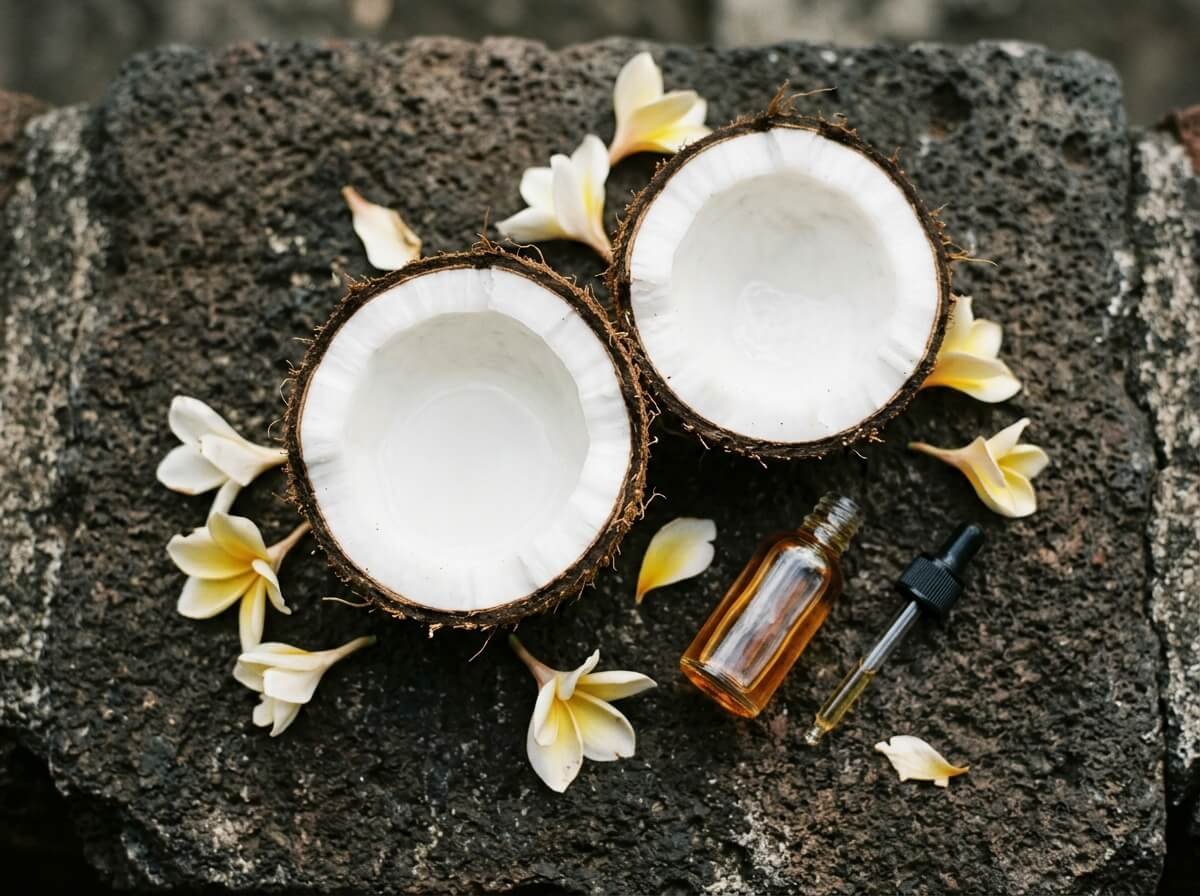
Research and traditional use converge on several clear benefits. Here are the five that matter most for daily care.
Deep moisturization without a greasy finish
Coconut oil’s medium-chain fatty acids penetrate the outer layers of skin more effectively than many heavier plant oils. When applied to damp skin after bathing, it locks in moisture and leaves the body feeling soft and supple. Our Coconut Lotion Lavender blends this moisturizing power with calming lavender essential oil for a body care ritual that nourishes the skin and quiets the mind.
Supports wound healing
The antimicrobial action of lauric acid, combined with coconut oil’s anti-inflammatory compounds, can help minor cuts, scrapes, and razor burns heal more quickly. Traditional Balinese healers have used coconut oil on small wounds for centuries, a practice that modern Indonesian herbal knowledge now validates through clinical observation.
Calms dry, irritated skin conditions
For those living with eczema, psoriasis, or general dryness, coconut oil offers gentle relief. A 2014 randomized clinical trial found that virgin coconut oil improved skin hydration and reduced severity in pediatric eczema patients by 68% compared to mineral oil. The anti-inflammatory response reduces redness and itching without the steroids or synthetic additives found in many pharmaceutical alternatives.
Natural antimicrobial protection
The lauric acid and capric acid in coconut oil create a mildly acidic environment on the skin’s surface that discourages the growth of harmful microorganisms. This is one reason why coconut oil has traditionally been used as a base in natural soaps and cleansing balms. It cleans without stripping the skin’s protective microbiome.
Skin barrier repair and protection
The skin barrier is your body’s first line of defense against pollutants, UV damage, and moisture loss. When this barrier is compromised (from harsh cleansers, cold weather, or over-exfoliation), coconut oil helps restore it by replenishing the lipid matrix between skin cells. Think of it as filling the cracks between bricks in a wall. The result is skin that feels smoother, looks healthier, and holds onto moisture throughout the day. If you are exploring protective skincare, our guide to the natural sunscreen revolution covers another essential layer of defense.
The Balinese tradition behind our coconut oil

In Bali, coconut oil is not a trend. It is a foundation. For generations, Balinese families have pressed fresh coconut flesh by hand to extract pure, unrefined oil for cooking, skincare, hair conditioning, and ceremonial use. The oil is considered a gift from the land, something that connects daily care to something larger than the self.
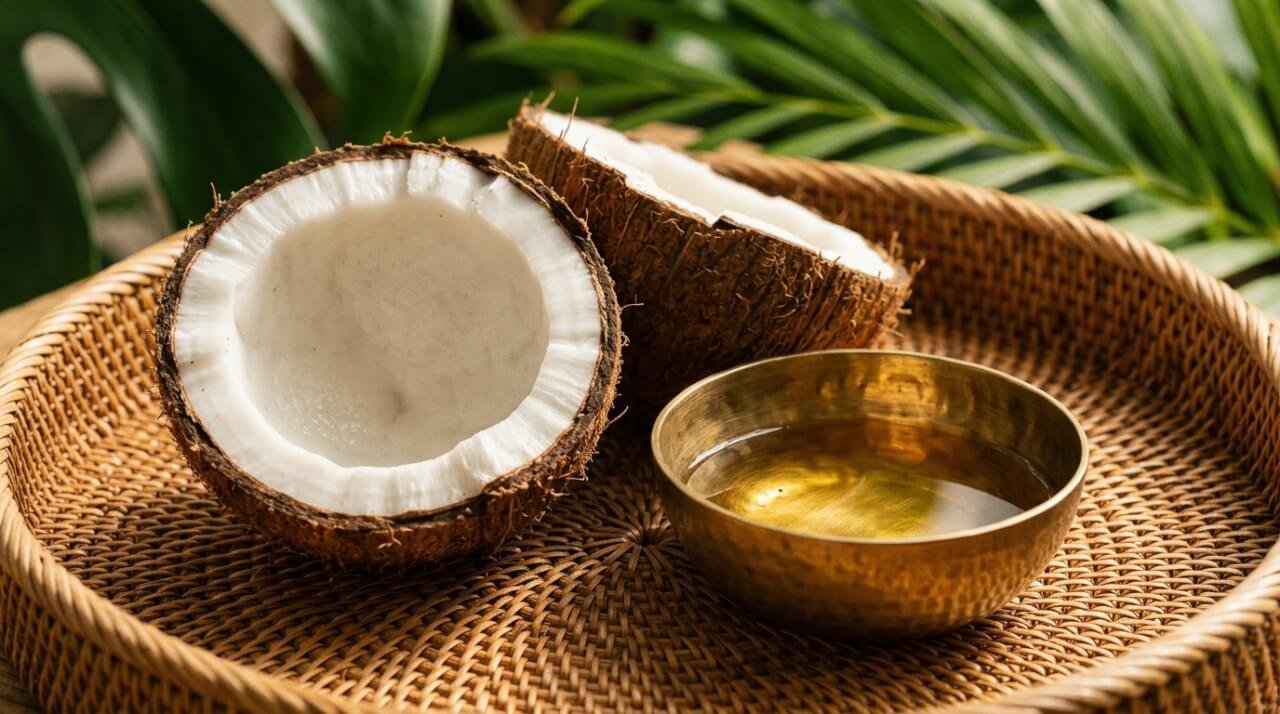
At Utama Spice, we source our coconut oil through the Aluan Partnership, which works directly with sustainable coconut plantations across Bali. Cold-pressed and unrefined, the oil retains its full nutrient profile: every fatty acid, every trace of vitamin E, every antimicrobial compound that heat processing would destroy. This is the difference between the refined coconut oil you find on supermarket shelves and the virgin coconut oil that has been part of Balinese wellness for centuries.
Our founder, Melanie Templer, began blending coconut oil into her first skincare formulations in her Ubud kitchen in 1989. What started as a single incense and a few balms has grown into a full line of personal care products, but the philosophy remains the same: what we put on our bodies should come from the same place that nourishes our souls. Today, her daughter Ria Templer carries that philosophy forward, ensuring that every bottle of our Virgin Coconut Oil reflects 35 years of craft, connection, and care.
This is not a factory product. It is small-batch, hand-processed, and rooted in a tradition that sees no separation between caring for the body and caring for the earth.
How to use coconut oil for your skin type
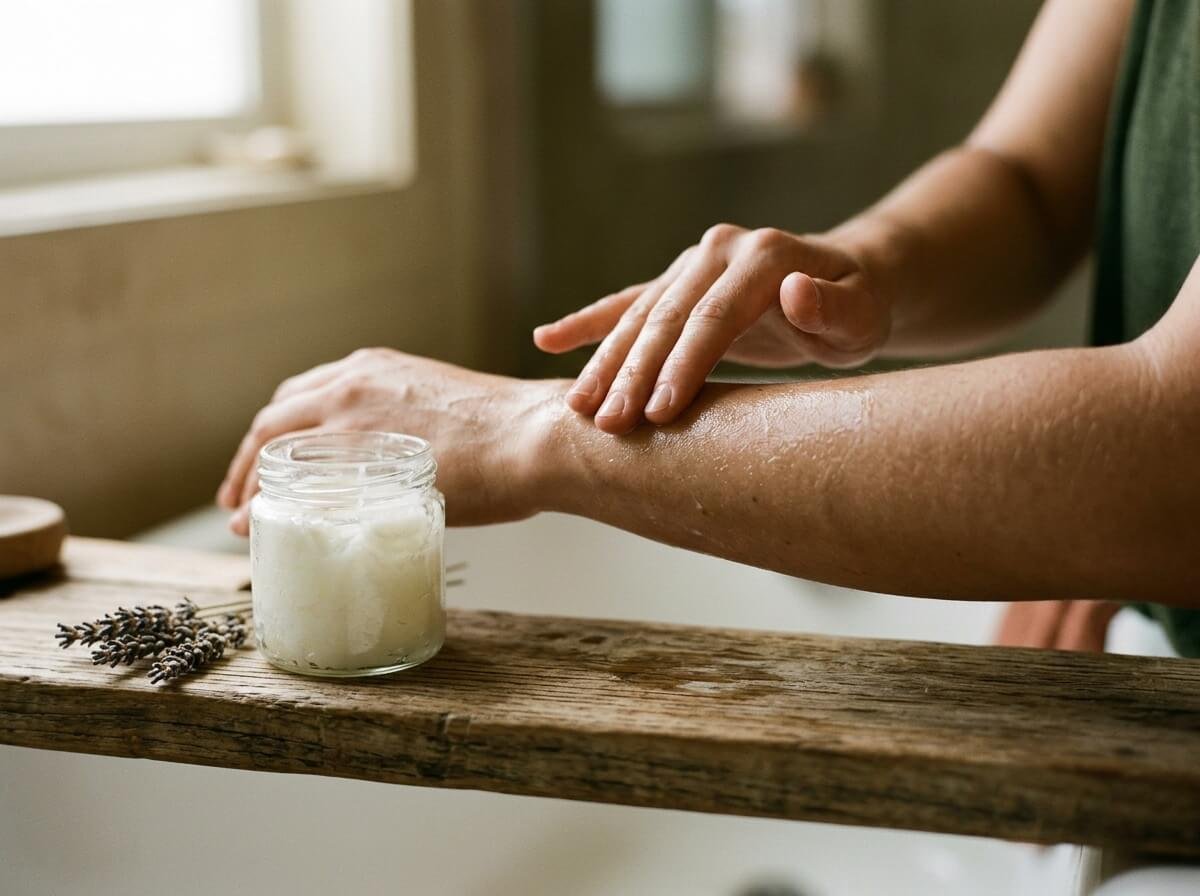
Coconut oil is remarkably versatile, but using it well means matching it to the right part of your body and the right moment in your routine.

For body moisturizing
Apply a thin layer of virgin coconut oil to damp skin immediately after showering. The water on your skin helps the oil spread evenly, and the occlusive layer locks that moisture in before it evaporates. Focus on areas prone to dryness: elbows, knees, shins, and hands. For an elevated evening ritual, try our Coconut Lotion Lemongrass Ginger, which pairs coconut oil’s moisturizing depth with the warming, circulation-boosting properties of ginger.
For dry, cracked hands and feet
Massage a generous amount of coconut oil into clean hands or feet before bed, then cover with cotton gloves or socks. Overnight, the oil penetrates deeply into rough, calloused skin. By morning, the difference is tangible. This is an old Balinese remedy that our team still practices regularly.
As a gentle makeup remover
Coconut oil dissolves even waterproof mascara without harsh tugging or chemical solvents. Warm a small amount between your fingertips, massage gently over your face in circular motions, then wipe away with a warm, damp cloth. Follow with your regular face washing routine to remove any residual oil.
For lip care
A small dab of coconut oil works as a simple, effective lip balm. It softens chapped lips and provides a light protective layer against wind and cold. We use coconut oil as a base in several of our lip care products for exactly this reason.
As a carrier oil for essential oils
Coconut oil is one of the best carrier oils for diluting essential oils before skin application. Its mild scent does not compete with the aromatherapy blend, and its skin-friendly fatty acid profile ensures the essential oils absorb smoothly. Pair it with lavender for relaxation, tea tree for clarifying care, or kukui oil for an extra-nourishing hair treatment.
For those who prefer a ready-made body care ritual, our Bliss Body Butter combines coconut oil with complementary botanicals in a rich, deeply moisturizing formula that captures the essence of Balinese body care.
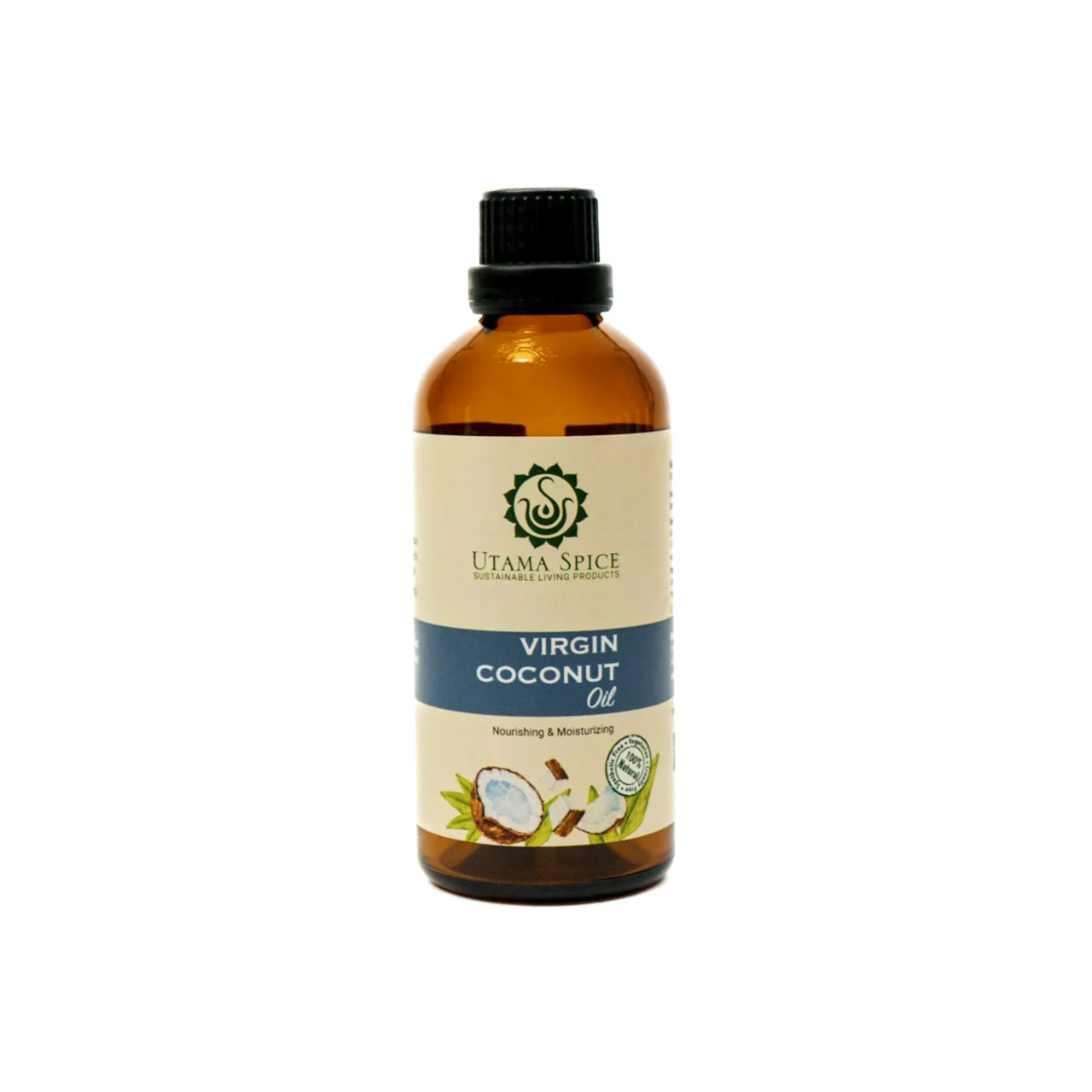
Pure coconut oil, cold-pressed in Bali
Our Virgin Coconut Oil is cold-pressed from sustainably sourced Balinese coconuts through the Aluan Partnership. One ingredient, no additives, and 35 years of craft behind every bottle.
When to think twice about coconut oil on your face
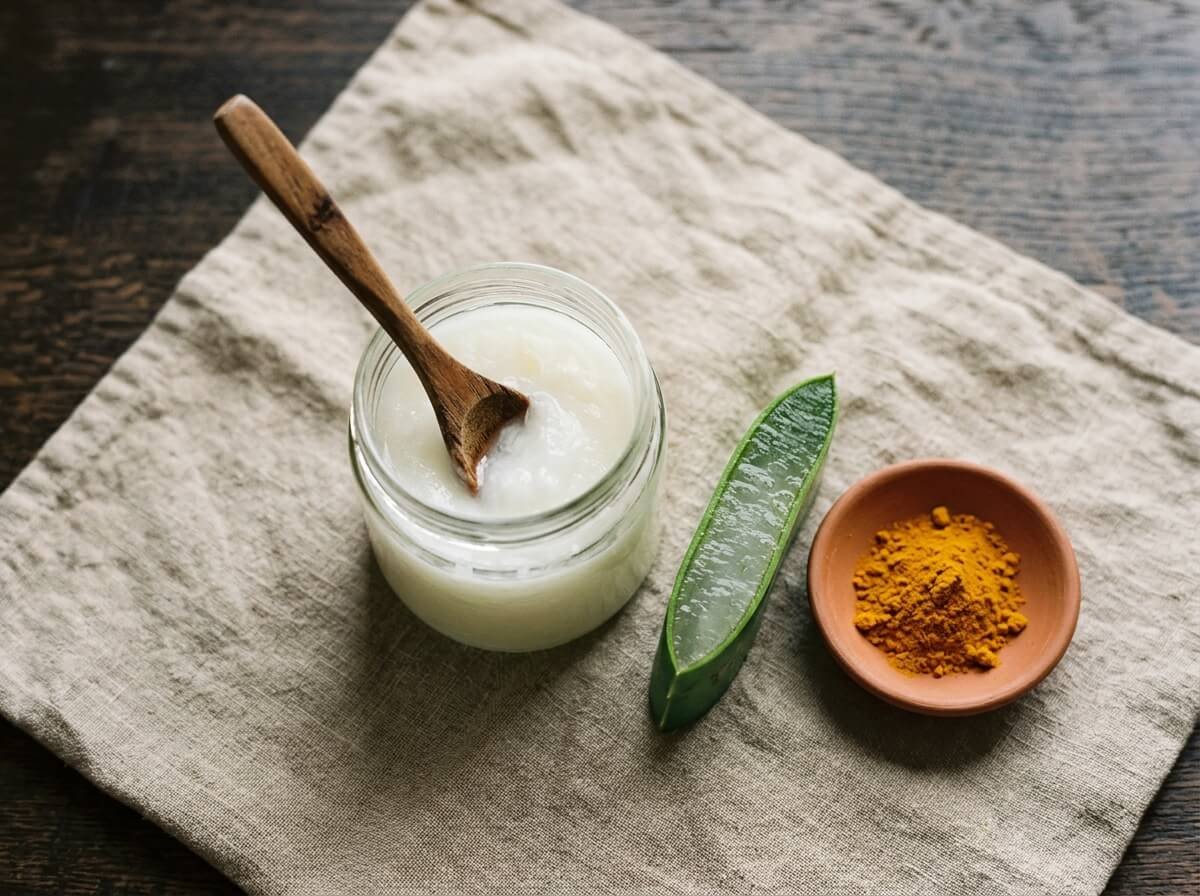
Honesty is part of our brand. So here is the truth: coconut oil is not ideal for every skin type in every location on the body. Being transparent about this is more important to us than making a sale.
Coconut oil is comedogenic, meaning it can clog pores. On a comedogenicity scale of zero to five, coconut oil scores a four. For people with oily or acne-prone facial skin, applying pure coconut oil directly to the face can trigger breakouts, blackheads, or milia (small white bumps caused by trapped keratin). The skin on our faces is thinner and has more active sebaceous glands than the rest of the body, which makes it more susceptible to pore congestion.
If you have dry or normal facial skin and have used coconut oil without issues, there is no reason to stop. But if you experience breakouts or congestion, consider switching to a lighter, non-comedogenic facial oil like tamanu, jojoba, or argan. Our guide to holistic acne treatment explores these alternatives in depth.
The body, however, is a different story. The skin on your arms, legs, torso, and feet has fewer sebaceous glands and is far less prone to congestion. This is where coconut oil truly shines as a moisturizer, healer, and protector. The key is knowing where to use it, and where to reach for something else.
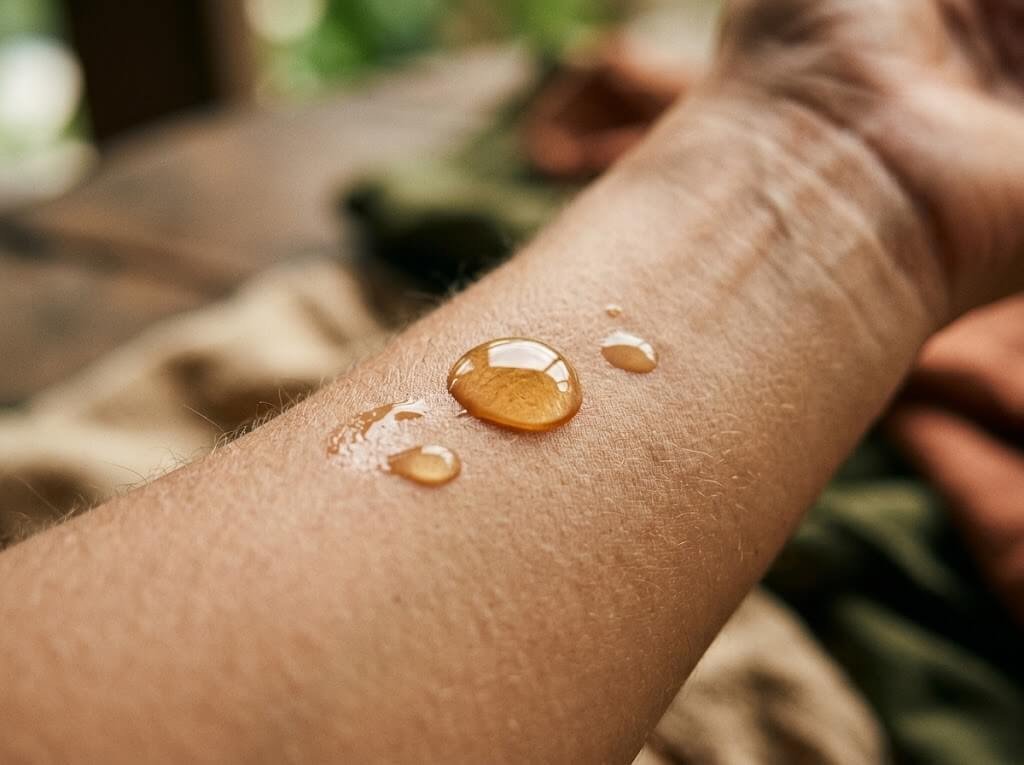
We also recommend patch-testing any new oil on a small area of skin before applying broadly. Apply a small amount to your inner forearm and wait 24 hours. If no redness or irritation appears, you are good to go. If you are exploring other natural ingredients for facial care, our piece on why witch hazel is good for your face offers a lighter alternative worth considering.
Frequently asked questions about coconut oil and skin
Is coconut oil good for your skin every day?
Yes, for body use. Coconut oil can be part of a daily moisturizing ritual on arms, legs, hands, and feet without issue. For facial use, it depends on your skin type. Those with dry or normal skin may tolerate daily facial application, while oily or acne-prone skin types should limit coconut oil to body care only.
What type of coconut oil is best for skin?
Always choose virgin (unrefined), cold-pressed coconut oil. Refined coconut oil has been processed with heat and sometimes chemical solvents, which strip away many of the beneficial fatty acids and antimicrobial compounds. Cold-pressed virgin oil retains its full nutrient profile and is free from additives. This is the only type we use in our products and the only type we recommend for skin care.
Can coconut oil help with eczema?
Clinical evidence suggests yes. Virgin coconut oil has been shown to improve skin hydration and reduce the severity of mild to moderate eczema. Its anti-inflammatory and antimicrobial properties help calm flare-ups and prevent secondary infection. However, severe eczema should always be managed in consultation with a dermatologist.
Does coconut oil have SPF or sun protection?
Coconut oil has a very low natural SPF of approximately one, which provides almost no meaningful sun protection. Do not use coconut oil as a substitute for sunscreen. If you are looking for natural sun protection options, explore our guide on why you should embrace the natural sunscreen revolution.
Can we use coconut oil on a baby’s skin?
Virgin coconut oil is generally considered safe for infant skin and has been used in Balinese families for this purpose for generations. It can help with cradle cap, mild diaper rash, and general dryness. As with any product, test on a small patch first and consult your pediatrician if you have concerns about allergies or sensitivities.
How should we store coconut oil?
Keep coconut oil in a cool, dry place away from direct sunlight. It solidifies below about 24 degrees Celsius (76 degrees Fahrenheit), which is completely normal and does not affect its quality. To liquefy it, simply warm the jar in your hands or place it in warm water for a minute. Virgin coconut oil has a natural shelf life of about two years when stored properly. If it develops an off smell or unusual color, it has likely gone rancid and should be replaced.
Is coconut oil better than body lotion?
It depends on what you are looking for. Pure coconut oil is a single-ingredient moisturizer with no preservatives, fragrances, or synthetic additives. Commercial body lotions often contain water, emulsifiers, and preservatives alongside their active ingredients. For those who prefer simplicity and transparency in their body care, coconut oil is an excellent choice. For those who want the convenience of a ready-to-apply lotion with the same coconut oil benefits, our Coconut Lotion Lavender and Coconut Lotion Lemongrass Ginger offer exactly that, with no synthetic fillers. You might also enjoy learning about what body balm is and how it enhances your skincare routine.