Best natural shampoo: how to choose gentle, botanical hair care that works
Finding the best natural shampoo can feel overwhelming. Store shelves overflow with bottles claiming to be “organic,” “clean,” or “plant-based,” yet a closer look at their ingredient lists often reveals the same synthetic sulfates, silicones, and fragrances that many of us are trying to avoid. If you have been searching for a shampoo that genuinely respects both your hair and the planet, you are not alone. The shift toward botanical hair care is one of the most meaningful changes you can make in your daily routine.
In this guide, we walk through what makes a shampoo truly natural, which botanical ingredients to look for, how to choose the right formula for your hair type, and what to expect during the transition. Whether you are dealing with oily roots, dry ends, a sensitive scalp, or simply want to align your hair care with your values, this is the resource you need.
Why choosing the best natural shampoo matters

Your scalp is skin, and it absorbs what you put on it. Conventional shampoos rely on harsh surfactants like sodium lauryl sulfate (SLS) and sodium laureth sulfate (SLES) to create that thick, foamy lather most of us associate with “clean.” But that lather comes at a cost: these surfactants strip the scalp of its natural sebum, disrupting the delicate oil balance that keeps hair healthy at the root.
Over time, this stripping cycle trains your scalp to overproduce oil in compensation, creating a frustrating loop of greasy roots and dry ends. The best natural shampoo breaks that cycle by using gentler, plant-derived cleansers that remove dirt and buildup without decimating your scalp’s natural protective layer.
Beyond your scalp, conventional hair care products contribute to water pollution. Synthetic fragrances, parabens, and microplastics wash down the drain and into waterways. Choosing a botanical shampoo is a small act of care for both your body and the ecosystems that sustain us. As we explored in our guide to building a natural skincare routine, the products you use daily have a cumulative impact, on your health and on the world around you.
There is also a sensory dimension worth mentioning. Natural shampoos scented with real essential oils, like tea tree, rosemary, or lavender, offer aromatherapeutic benefits that synthetic fragrances simply cannot replicate. Washing your hair becomes less of a chore and more of a grounding ritual. If you are curious about how essential oils work and why sourcing matters, we have covered that in depth.
What makes a shampoo truly natural
The word “natural” is not regulated in the beauty industry. Any brand can print it on a label without meeting a single standard. This makes ingredient literacy your most powerful tool when shopping for the best natural shampoo.
Ingredients to seek
- Coconut-derived surfactants (coco-glucoside, decyl glucoside, sodium cocoyl isethionate): gentle cleansers that foam lightly and rinse clean without stripping oils
- Cold-pressed plant oils (coconut oil, argan oil, kukui nut oil, castor oil): condition and strengthen hair from root to tip
- Essential oils (tea tree, rosemary, peppermint, lavender): provide natural fragrance and scalp-balancing properties
- Botanical extracts (aloe vera, chamomile, green tea, nettle): soothe, hydrate, and add shine
- Natural humectants (vegetable glycerin, honey): draw moisture into the hair shaft
Ingredients to avoid
- Sulfates (SLS, SLES, ammonium lauryl sulfate): harsh detergents that strip natural oils and irritate sensitive scalps
- Silicones (dimethicone, cyclomethicone, amodimethicone): create an artificial shine by coating hair in plastic-like film that builds up over time
- Parabens (methylparaben, propylparaben, butylparaben): synthetic preservatives linked to endocrine disruption
- Synthetic fragrances (“fragrance” or “parfum” on labels): a catch-all term that can hide dozens of undisclosed chemicals
- Formaldehyde releasers (DMDM hydantoin, quaternium-15): preservatives that slowly release formaldehyde, a known irritant
- Phthalates: plasticizers often hidden under the “fragrance” umbrella
A genuinely natural shampoo will have an ingredient list you can mostly read and understand. If it reads like a chemistry exam, it probably is one. The same principle applies when choosing natural sunscreen or botanical face oils: transparency in ingredients is the foundation of trust.
Key botanical ingredients in the best natural shampoos
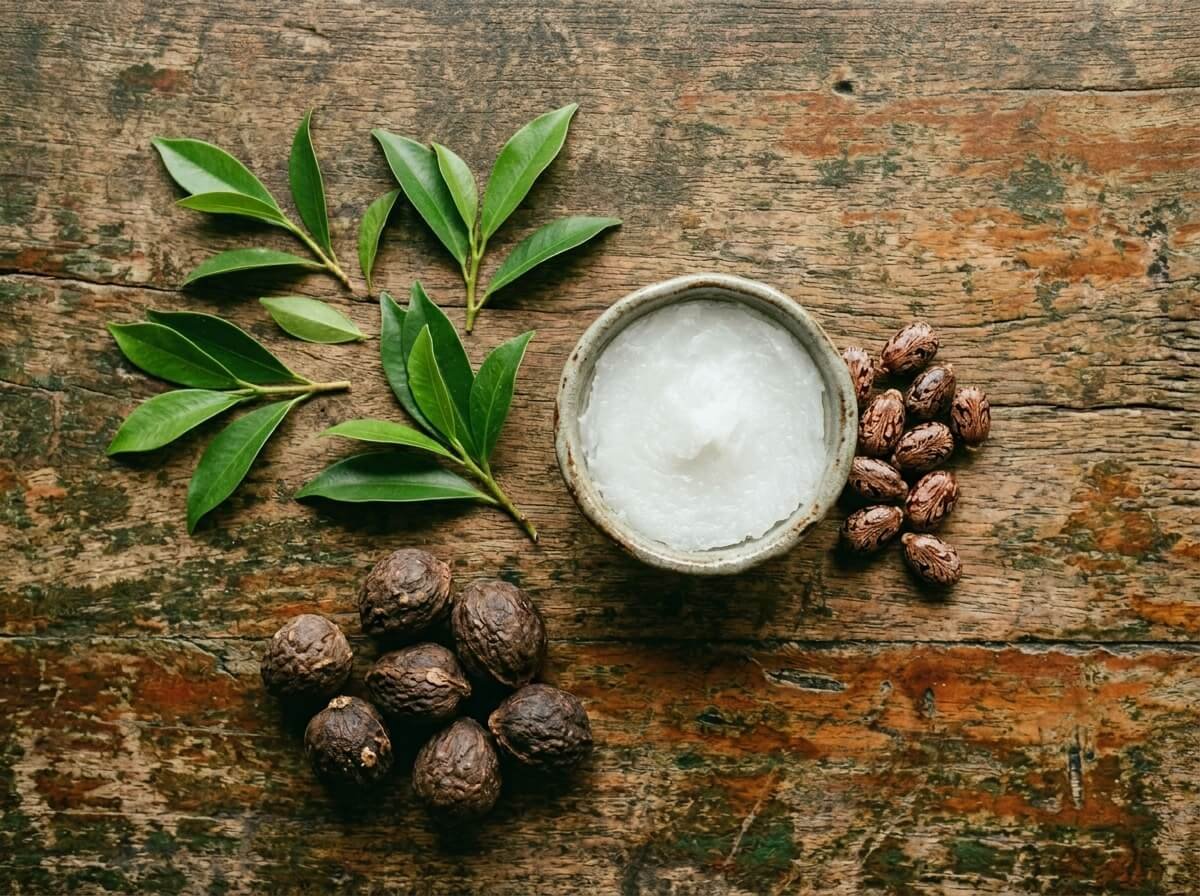
Not all natural shampoos are created equal. The botanicals they contain determine how well they clean, condition, and protect your hair. Here are the ingredients that separate a genuinely effective formula from one that is merely “free from” bad things.
Tea tree oil
Tea tree oil (Melaleuca alternifolia) is one of the most versatile ingredients in natural hair care. Its natural antifungal and antibacterial properties make it particularly effective for scalp health, helping to manage dandruff, itchiness, and buildup from styling products. In a natural shampoo, tea tree oil cleanses without over-drying, leaving the scalp balanced and refreshed.
Coconut oil
Coconut oil is the quiet workhorse of botanical hair care. Its molecular structure allows it to penetrate the hair shaft rather than merely sitting on the surface, delivering deep moisture where it matters most. As a shampoo base ingredient, coconut oil contributes to gentle lathering while simultaneously conditioning. We explored its full range of skin and hair benefits in our deep dive into why coconut oil is good for your skin, and those same properties translate to hair care.
Castor oil
Rich in ricinoleic acid, castor oil promotes circulation at the scalp, which supports healthy hair growth. It also acts as a natural humectant, drawing moisture from the environment into your hair. In shampoo formulations, castor oil helps remove buildup while leaving hair softer and more manageable.
Kukui nut oil
Kukui nut oil (candlenut) has been used in Pacific Island and Balinese hair care traditions for generations. Lightweight yet deeply nourishing, it absorbs quickly without weighing hair down, making it ideal for fine or medium-textured hair. Its high linoleic acid content helps strengthen the hair cuticle and reduce breakage. If you want to learn more about this remarkable oil, our article on the benefits of kukui nut oil for hair covers its history, science, and traditional uses.
Aloe vera
Aloe vera is a natural conditioner that smooths the hair cuticle, reduces frizz, and adds shine without any synthetic coating. Its enzymes also gently exfoliate the scalp, removing dead skin cells that can block follicles and slow growth. For those dealing with scalp sensitivity, aloe vera’s anti-inflammatory properties offer real relief.
How to choose the best natural shampoo for your hair type
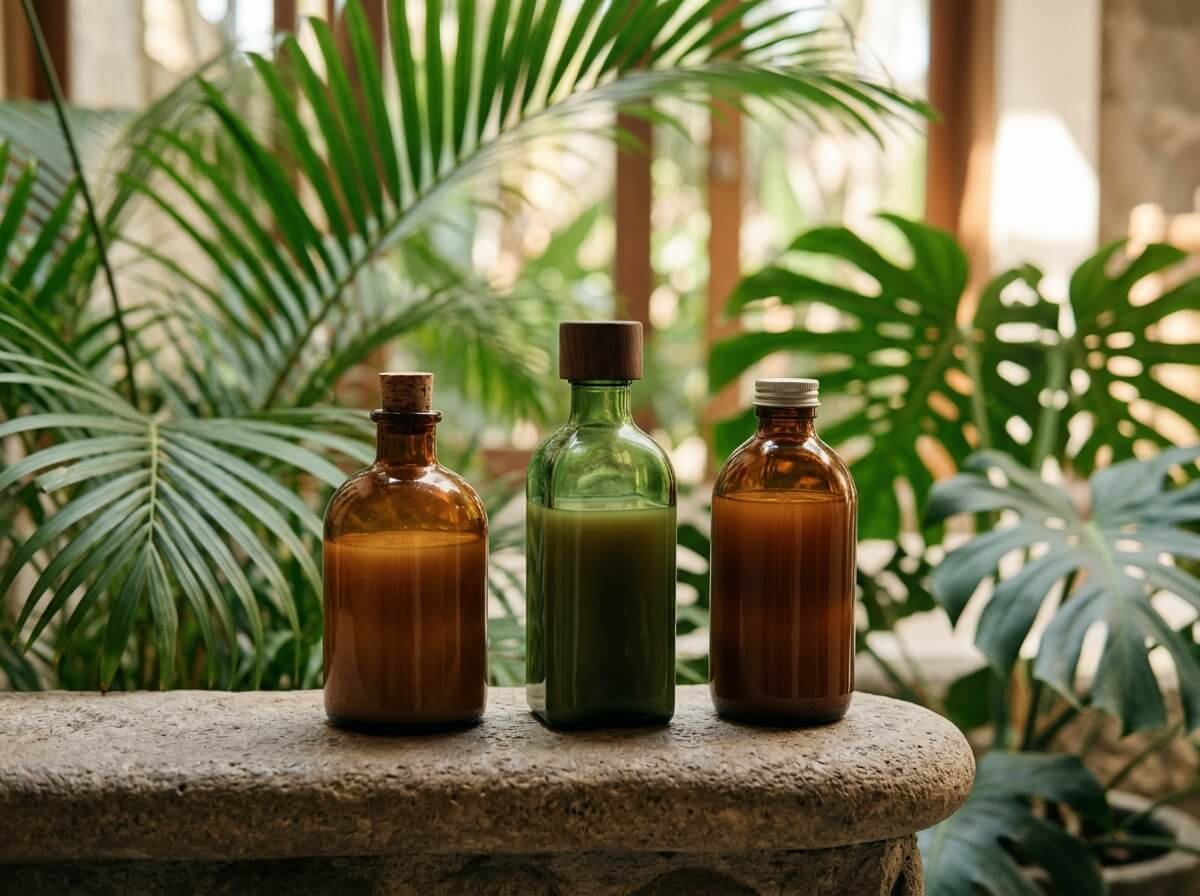
The best natural shampoo for you depends on your hair type, scalp condition, and styling habits. There is no single formula that works for everyone, which is why understanding your own hair is the first step toward finding the right match.
Oily hair and scalp
If your hair gets greasy within a day of washing, look for shampoos with tea tree oil, peppermint, or rosemary as primary botanicals. These ingredients help regulate sebum production without the harsh stripping action of sulfates. Avoid formulas heavy in coconut oil or shea butter, which can weigh oily hair down. A shampoo built around tea tree oil, like our own Tea Tree Shampoo, offers the right balance of thorough cleansing and scalp care.
Dry or damaged hair
Dry hair needs shampoos that clean gently and add moisture simultaneously. Look for formulas rich in argan oil, kukui nut oil, or coconut oil. Humectants like vegetable glycerin and honey help attract and retain moisture. Follow with a nourishing conditioner, such as our Hydrating Conditioner, to seal the cuticle and lock in hydration.
Fine or thin hair
Fine hair benefits from lightweight botanical formulas that add volume rather than weight. Kukui nut oil and aloe vera are ideal because they condition without coating the hair in heavy oils. Avoid shampoos loaded with butters or thick carrier oils. If you want extra nourishment without heaviness, a few drops of Herbal Silk Hair Oil applied to damp ends after washing can work wonders.
Sensitive or irritated scalp
Sensitivity calls for the gentlest possible formulas. Prioritize shampoos with aloe vera, chamomile, and calendula. Avoid essential oils with strong medicinal profiles (like peppermint or eucalyptus) until you know your scalp tolerates them. Fragrance-free or lightly scented options are safest. The key is removing irritants, both from the shampoo and from your scalp, without adding new ones.
What to expect when switching to natural shampoo
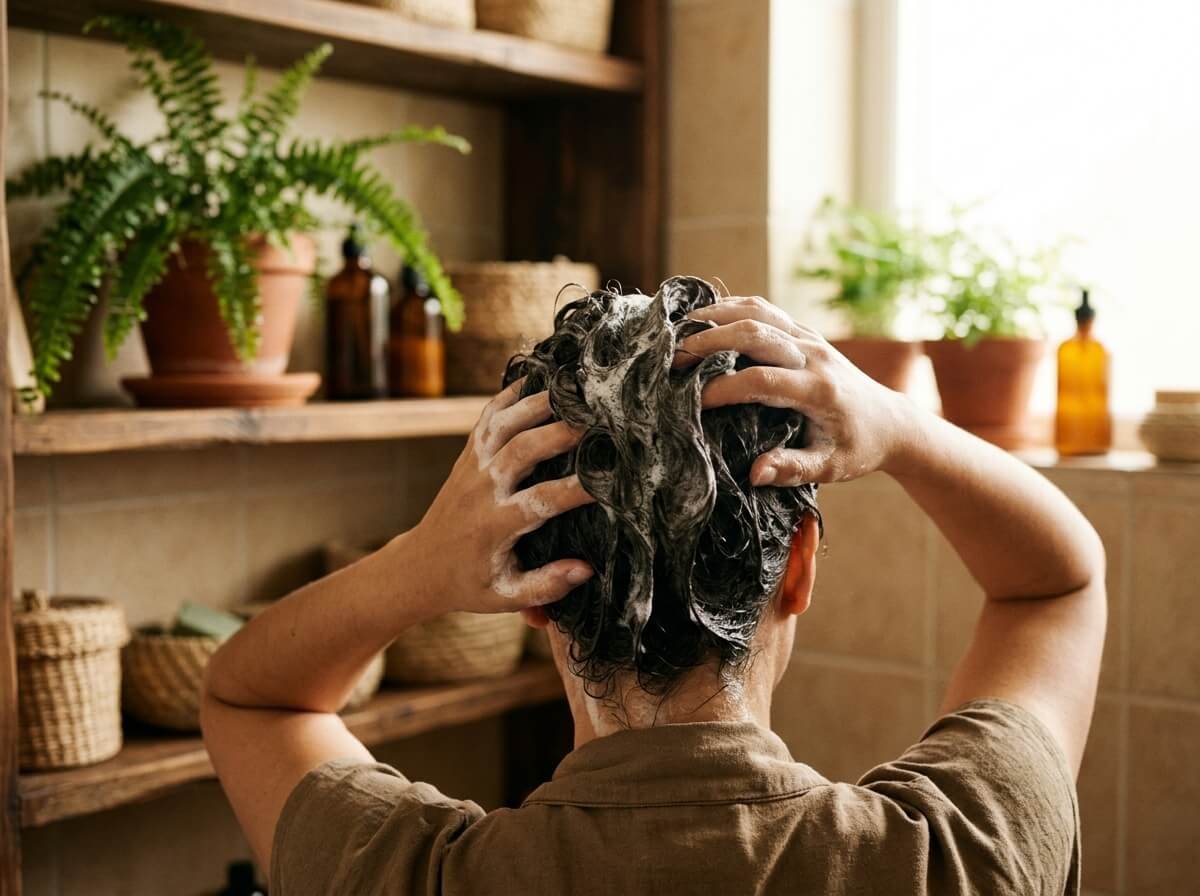
The transition from conventional to natural shampoo is one of the most common topics in clean beauty conversations, and for good reason. Your hair may behave differently during the first two to four weeks, and understanding why can keep you from giving up too early.
The adjustment period
When you stop using sulfate-based shampoos, your scalp needs time to recalibrate its oil production. For years, harsh surfactants have been stripping your natural oils, and your sebaceous glands have been overproducing to compensate. When you remove the sulfates, the overproduction continues for a while before your scalp realizes it no longer needs to work so hard.
During this window, your hair may feel greasier than usual, heavier, or even waxy. This is not the shampoo failing. This is your scalp healing. Most people find their hair normalizes within two to four weeks, though the exact timeline varies by hair type and how long you have been using conventional products.
Tips for a smoother transition
- Do a clarifying wash first: before starting your natural shampoo, use an apple cider vinegar rinse (one part ACV to three parts water) to strip silicone and product buildup from your hair. This gives the natural formula a clean slate to work with.
- Wash less frequently: most people over-wash their hair. Aim for every two to three days during the transition to allow your scalp’s oil production to stabilize.
- Be patient with lather: natural shampoos produce less foam than conventional ones. Less foam does not mean less clean. Focus on massaging the product into your scalp and letting the gentle surfactants do their work.
- Use a boar bristle brush: brushing before washing helps distribute natural oils from roots to ends and loosens dirt, making your shampoo more effective.
- Finish with cool water: a cool rinse seals the hair cuticle, adding shine and reducing frizz.

Start your natural hair care ritual
Our Tea Tree Shampoo combines coconut oil, castor oil, and pure tea tree essential oil to cleanse gently while balancing your scalp. Crafted in Bali with care since 1989.
Building a complete natural hair care ritual
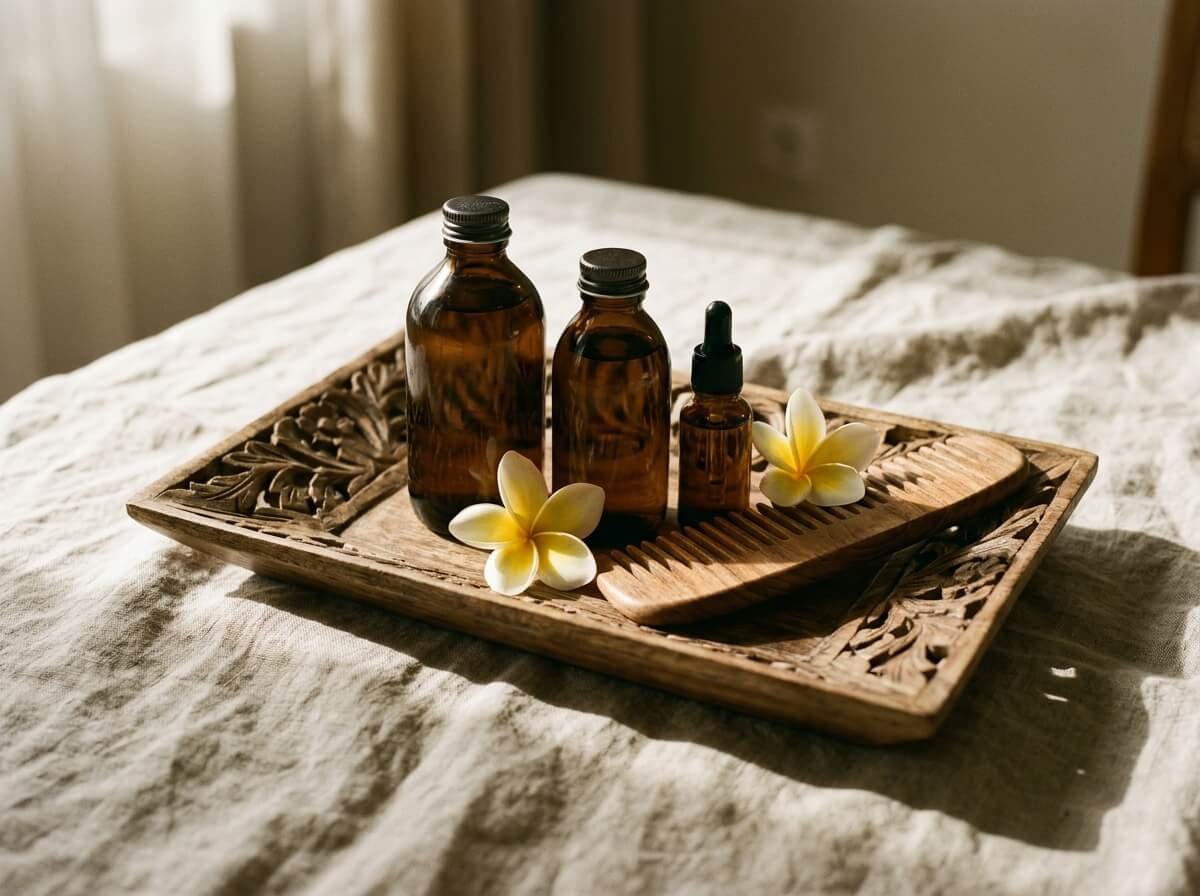
The best natural shampoo is a foundation, not a solution on its own. Just as a natural skincare routine layers products for cumulative benefit, a natural hair care ritual pairs your shampoo with complementary botanical products that address your hair’s full range of needs.
Condition after every wash
Natural shampoos clean gently, but conditioner is still essential for detangling, sealing the cuticle, and adding moisture. Apply conditioner from mid-length to ends, avoiding the roots to prevent weighing hair down. A quality natural conditioner for hair uses ingredients like argan oil, shea butter, and vegetable proteins to strengthen and soften.
Weekly oil treatments
A weekly pre-wash oil treatment is one of the simplest ways to transform your hair’s health. Warm a tablespoon of virgin coconut oil or a few drops of a botanical hair oil between your palms, work it through your hair from mid-length to ends, and leave it for 30 minutes (or overnight for deeper conditioning) before washing as usual. This practice has roots in Balinese and Ayurvedic hair care traditions that go back centuries.
Scalp care as self-care
Your scalp is the soil from which healthy hair grows. Treat it with the same attention you give your face. Gentle scalp massage during washing stimulates blood flow, promotes growth, and helps distribute your shampoo more evenly. Once a week, consider a simple scalp scrub using fine sugar mixed with a few drops of tea tree or rosemary oil to exfoliate dead skin and prevent buildup.
Mindful drying and styling
Heat styling undoes much of what natural hair care achieves. Where possible, air-dry your hair. If you use a blow dryer, keep it on a low-heat setting and always use a heat protectant made from natural ingredients. Wide-tooth wooden combs cause less breakage than plastic brushes and generate no static. These small choices compound over time into noticeably healthier, more resilient hair.
Frequently asked questions about natural shampoo
Does natural shampoo clean as well as conventional shampoo?
Yes. Natural surfactants like coco-glucoside and decyl glucoside are effective cleansers. They produce less foam than sulfates, but foam volume has nothing to do with cleaning power. It is a sensory trick that conventional shampoos exploit. Natural shampoos remove dirt, excess oil, and product buildup while preserving your scalp’s protective moisture barrier.
Is natural shampoo good for colour-treated hair?
Natural shampoo is often the best choice for colour-treated hair. Sulfates are one of the primary causes of premature colour fade because they strip the hair cuticle where colour molecules are deposited. Sulfate-free natural shampoos clean more gently, helping colour last longer. Look for formulas with sunflower seed extract or vitamin E, which offer additional UV protection for treated hair.
How long does the transition period last?
Most people experience a transition period of two to four weeks. Some notice very little difference from day one, especially if they were already using mild shampoos. Others, particularly those coming from heavy sulfate and silicone routines, may need up to six weeks for their scalp to fully recalibrate. The key is consistency: once your scalp adjusts, most people find their hair is healthier, shinier, and more manageable than it was with conventional products.
Can I use natural shampoo on my children?
Natural shampoos are generally safer for children because they avoid the harsh surfactants, synthetic fragrances, and endocrine disruptors found in many conventional formulas. Choose fragrance-free or lightly scented options for young children, and always patch-test any new product. This is especially important for babies and toddlers, whose skin and scalps are more permeable and sensitive than adults’.
Why does natural shampoo cost more?
Botanical ingredients cost more to source, especially when they are wild-harvested, cold-pressed, or certified organic. Ethical sourcing, small-batch production, and sustainable packaging add further cost. But consider the value equation differently: a natural shampoo that keeps your hair healthy and reduces your exposure to questionable chemicals is an investment in your wellbeing, not just a product purchase. Many natural shampoos are also more concentrated, meaning you use less per wash, which narrows the price gap over time.
Does natural shampoo expire?
Yes. Because natural shampoos use gentler preservative systems (or none at all), they typically have shorter shelf lives than synthetic formulas, usually 12 to 18 months. Store them in a cool, dry place away from direct sunlight. If a product changes colour, smell, or texture, it is time to replace it. This is not a drawback; it is a sign that your shampoo contains real, biodegradable ingredients.