Best natural deodorant: how to choose one that actually works
Choosing the best natural deodorant can feel overwhelming when every brand promises clean ingredients and all-day freshness. The truth is simpler than the marketing suggests. Natural deodorants work by targeting the bacteria that cause odor, not by blocking your body’s ability to sweat. That distinction matters, and understanding it changes how you shop, what you look for on an ingredient list, and how confident you feel making the switch. This guide breaks down the science behind natural deodorant ingredients, explains what actually keeps you fresh, and helps you find a formula that works with your body rather than against it.
Why conventional deodorant ingredients deserve a closer look

Most conventional deodorants and antiperspirants rely on aluminum compounds to physically plug sweat glands. Aluminum chlorohydrate and aluminum zirconium create a temporary gel barrier in the sweat duct, reducing how much moisture reaches the skin surface. This approach controls wetness, but it also suppresses a natural biological process your body uses to regulate temperature and release waste.
Beyond aluminum, many conventional formulas contain synthetic fragrances, which can include dozens of undisclosed chemical compounds. Some of these belong to a class called phthalates, which raise legitimate health concerns around endocrine disruption. Parabens, another common preservative family, mimic estrogen in the body at certain concentrations. While regulatory agencies consider current exposure levels safe, many consumers prefer to avoid these ingredients altogether.
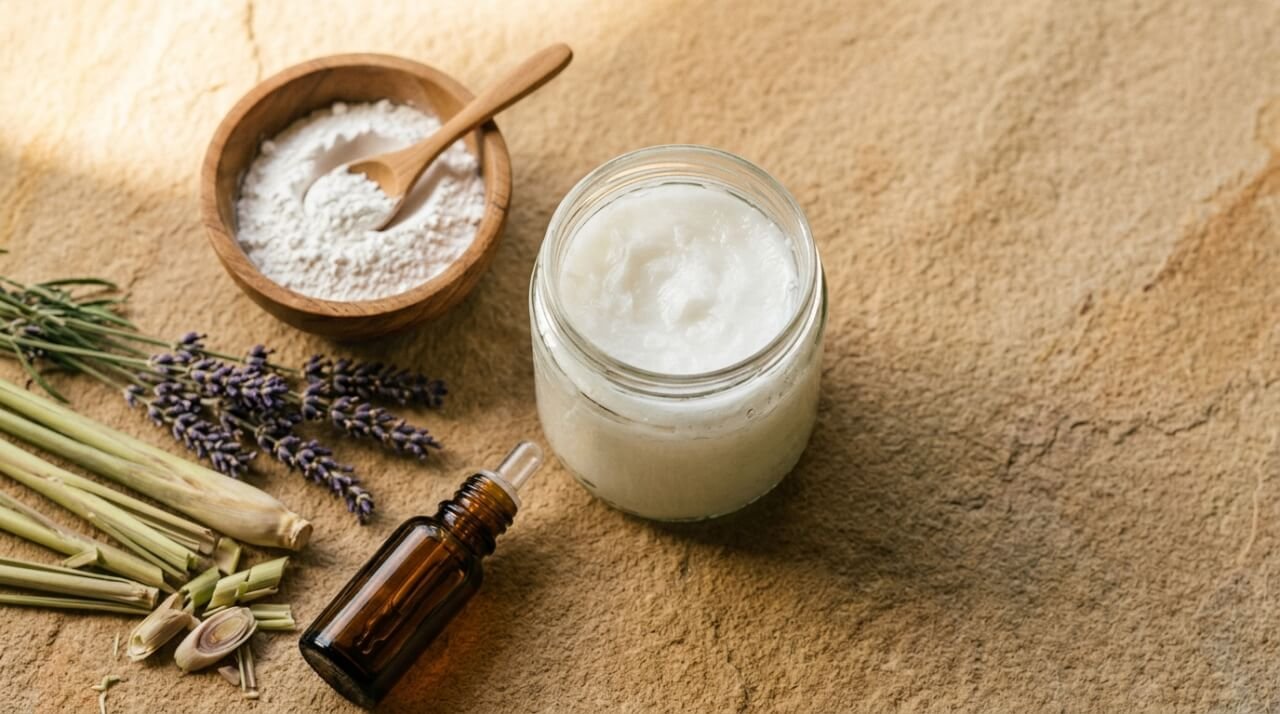
The shift toward natural deodorant is not about fear. It is about choosing transparency. When you read an ingredient list and recognize every item on it, you make a more informed decision about what goes on your skin. Coconut oil, arrowroot powder, baking soda, essential oils: these are ingredients with long histories of safe use and well-understood mechanisms. That clarity is what draws people to natural alternatives, and it is what keeps them there.
This growing awareness connects to a broader movement in natural skincare routines where people seek products made from recognizable, botanical ingredients. The same principles that guide a good face care ritual apply to the rest of your body, including what you put under your arms.
How body odor actually works
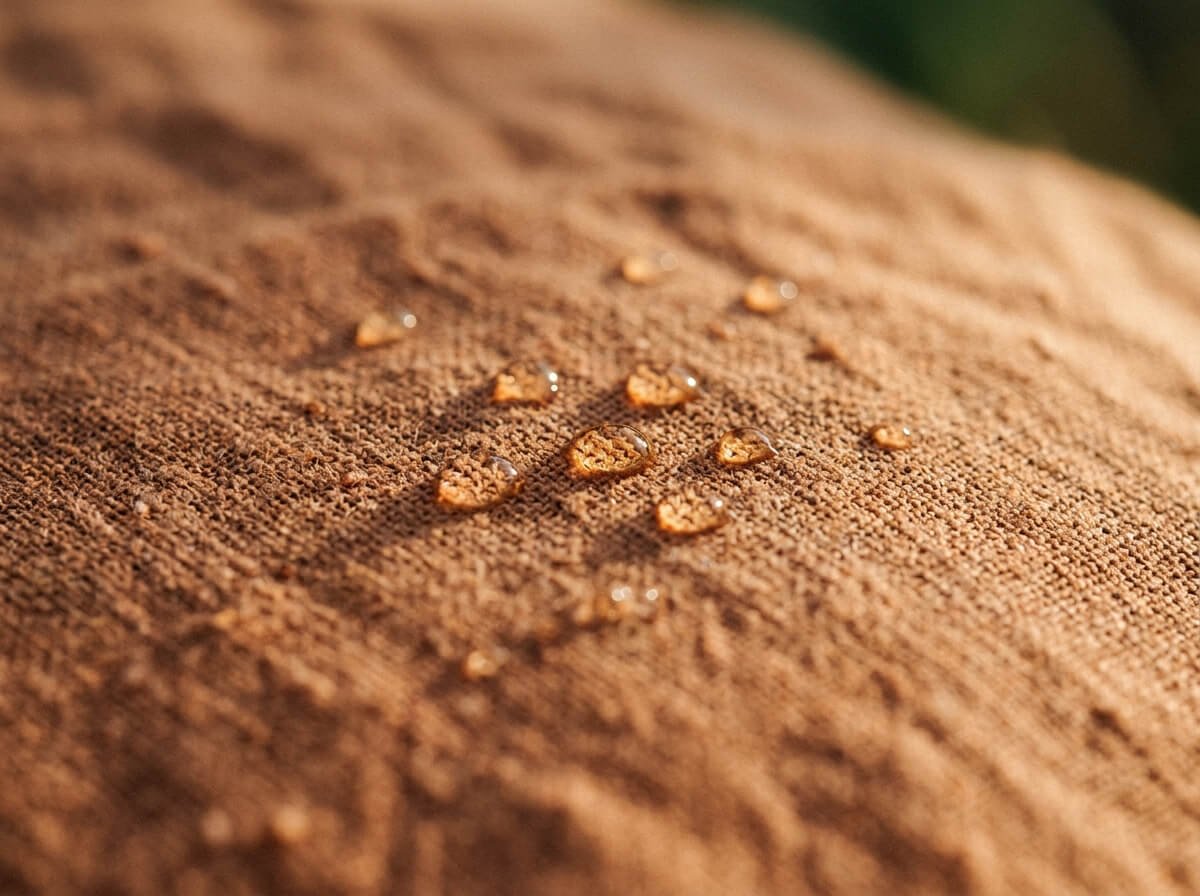
Sweat itself is nearly odorless. Fresh perspiration from your eccrine glands (the ones distributed across most of your body) is mostly water with trace minerals and electrolytes. The scent people associate with body odor comes from a different source entirely.
Your underarms contain a high concentration of apocrine glands, which release a thicker secretion containing proteins, lipids, and steroids. When bacteria on your skin surface break down these compounds, they produce the volatile fatty acids and thioalcohols responsible for that distinctive smell. The bacteria doing most of this work belong to the genus Corynebacterium, and they thrive in the warm, moist environment of the underarm.
This is where natural deodorants take a fundamentally different approach from antiperspirants. Instead of blocking sweat, they target the bacterial activity that converts sweat into odor. Some ingredients create an environment where odor-causing bacteria struggle to thrive. Others absorb moisture so the bacteria have less to work with. The best natural deodorant formulations combine both strategies, addressing odor at its source while letting your body do what it needs to do.
Your skin’s bacterial ecosystem, often called the skin microbiome, plays a role in this process too. Research suggests that long-term antiperspirant use can alter the composition of underarm bacteria. When people stop using antiperspirants, there is often a transition period as the microbiome rebalances. Understanding this biology helps explain both why natural deodorants work and why the switch takes a little patience.
Key ingredients in the best natural deodorant
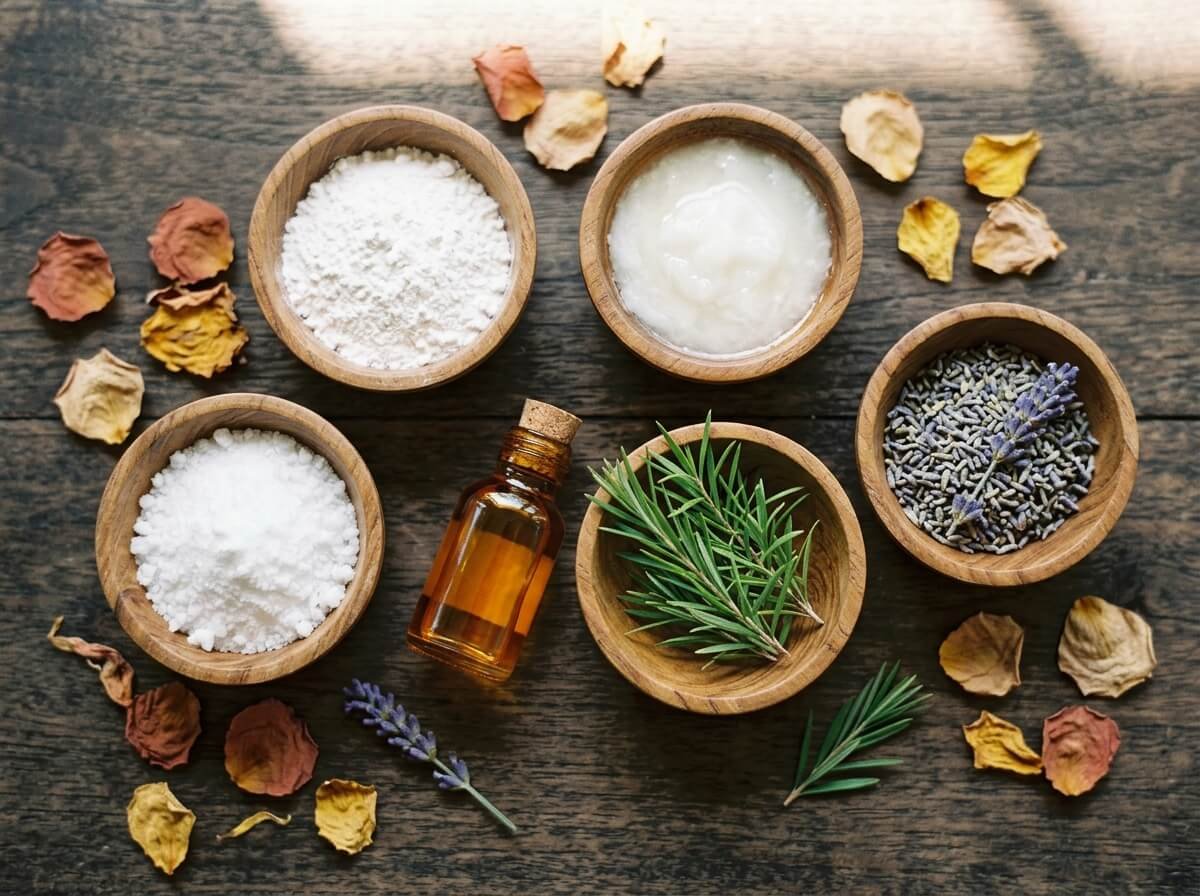
Not all natural deodorants are created equal. The ingredients list tells you everything about how a formula works and whether it will suit your body. Here are the key players and what each one contributes.
Coconut oil
Coconut oil contains roughly 50% lauric acid, a medium-chain fatty acid with well-documented antimicrobial properties. Lauric acid disrupts the cell membranes of bacteria, including the Corynebacterium strains responsible for underarm odor. This makes coconut oil one of the most effective natural antibacterial agents available for personal care. It also moisturizes the delicate underarm skin, reducing irritation from shaving or friction. If you want to understand why coconut oil is good for your skin beyond deodorant, the same lauric acid science applies across body care applications.
Arrowroot powder
Arrowroot powder absorbs moisture without clogging pores. Unlike cornstarch, which some people find comedogenic, arrowroot is lightweight, silky, and gentle on sensitive skin. It works as a natural dry-touch agent, keeping the underarm area drier and creating conditions less hospitable to bacterial growth. Many formulators consider it a better choice than cornstarch for tropical climates where humidity is high and moisture control matters most.
Baking soda
Sodium bicarbonate neutralizes the acidic environment that odor-causing bacteria prefer. By raising the skin’s pH, baking soda makes the underarm a less welcoming place for these microbes. It is one of the most effective natural odor neutralizers available, which is why it appears in so many formulations. However, it can cause irritation in people with sensitive skin, especially at higher concentrations. If you notice redness or a rash, look for formulas that use magnesium hydroxide or zinc oxide as alternatives.
Essential oils
Tea tree, lavender, lemongrass, and palmarosa essential oils all demonstrate antibacterial properties in laboratory studies. They add a layer of microbial defense while providing natural fragrance without synthetic compounds. In Balinese botanical tradition, many of these same oils have been used for centuries in body care preparations, long before modern science confirmed their efficacy. The benefits of essential oils extend well beyond scent, and understanding which oils work for body care can help you choose wisely. For those interested in how different oils complement each other, our guide to essential oil blends covers the principles of creating effective combinations. You can also explore how specific deodorant essential oils support lymph health as part of a holistic body care approach.
Shea butter and plant-based waxes
These ingredients serve as the base or carrier in many natural deodorant formulas, providing texture and helping the product glide on smoothly. Shea butter brings its own skin-conditioning benefits, while beeswax or candelilla wax gives stick-format deodorants their structure. In the Kalimantan rainforest, Forestwise harvesters wild-harvest illipe butter, a rich, deeply moisturizing alternative to shea that protects both the skin barrier and forest ecosystems. These carrier ingredients determine how a deodorant feels on the skin and how long it lasts through the day.
How to choose the best natural deodorant for your skin
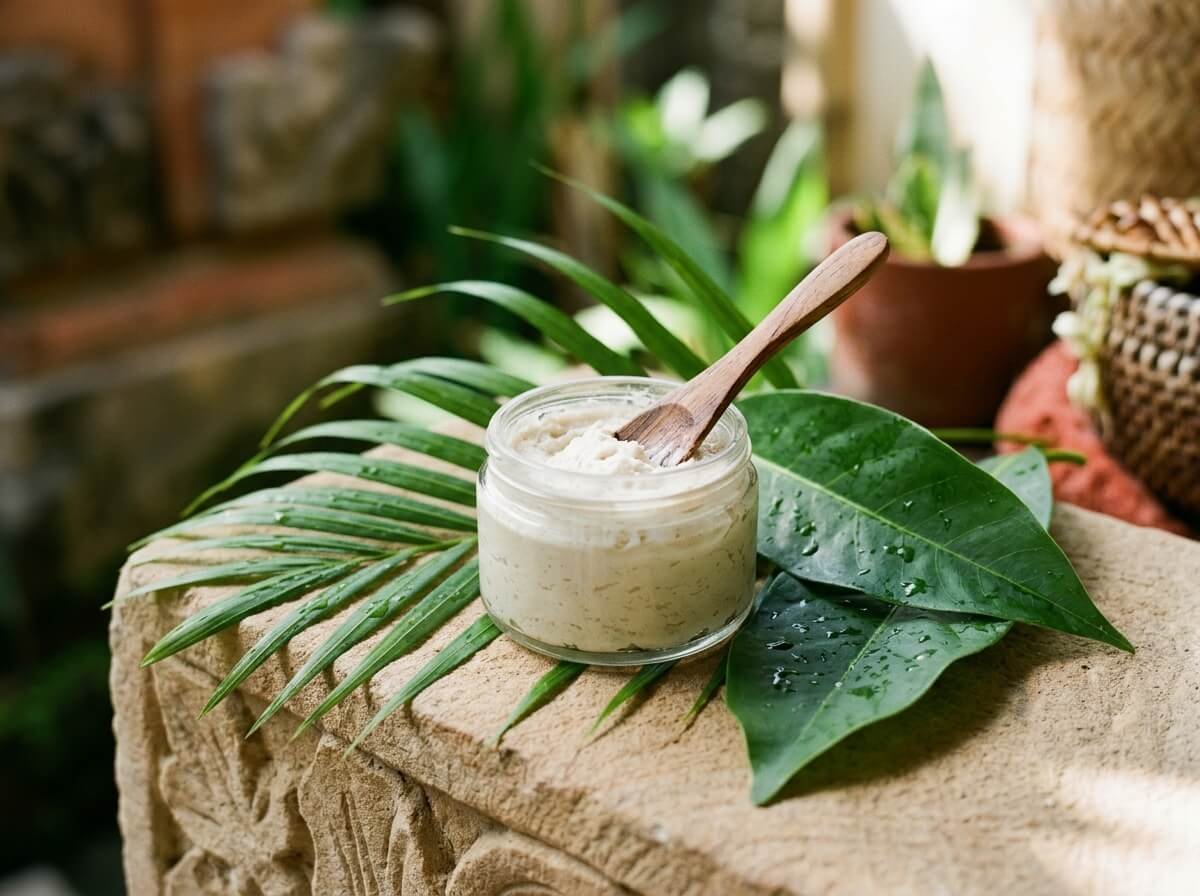
Finding the right natural deodorant is personal. What works for one person may not suit another, and that is completely normal. Here are the factors worth considering.
Skin sensitivity
If you have reactive skin, start with a baking-soda-free formula. Look for arrowroot or magnesium hydroxide as the primary absorption agent. These are gentler options that still control moisture and odor effectively. Many people who thought they could not tolerate natural deodorant simply needed a formula without baking soda.

Activity level and climate
If you live in a tropical climate or lead a highly active lifestyle, prioritize formulas with stronger moisture absorption. Arrowroot-heavy blends, sometimes combined with kaolin clay, handle humidity better. A cream or paste format can offer more control over application thickness, allowing you to layer more product on heavy workout days. Here in Bali, where humidity sits above 80% most of the year, we formulate with this reality in mind.
Format preferences
Natural deodorants come in sticks, creams, pastes, sprays, and even loose powders. Stick formats offer convenience and familiarity. Cream or paste formats let you apply exactly the amount you need, which can mean better coverage and less waste. Spray formats work well for quick reapplication during the day. The format itself does not determine effectiveness, so choose what fits your routine.
Our Hers Deodorant and His Deodorant are both formulated with coconut oil and essential oils chosen for their antimicrobial properties. They are designed for tropical conditions, where true odor protection matters most. If you already use virgin coconut oil as part of your body care, a coconut-oil-based deodorant fits naturally into that same routine.
Ingredient transparency
Read the full ingredient list, not just the marketing on the front label. Words like “natural” and “clean” are not regulated, so they can appear on products that still contain synthetic fragrance or questionable preservatives. Look for brands that list every ingredient by its common name and explain what each one does. Transparency is not a marketing angle; it is a sign that a brand trusts its formulation enough to show you exactly what is inside.

Natural deodorant crafted in Bali
Our Hers Deodorant blends cold-pressed coconut oil with pure essential oils for all-day freshness, formulated for tropical conditions and sensitive skin. No aluminum, no synthetic fragrance, no compromise.
Switching to natural deodorant: what the transition looks like

If you have used conventional antiperspirant for years, switching to a natural deodorant involves an adjustment period. This is not because the natural product is failing. It is because your body is recalibrating.
During the first two to four weeks, many people notice increased sweating and stronger odor. This happens because your sweat glands, no longer blocked by aluminum, begin functioning normally again. Simultaneously, the bacterial ecosystem on your underarm skin shifts as it adjusts to the new product. Some people call this a “detox” period, though that term is slightly misleading. Your body is not releasing stored toxins. It is simply returning to its natural baseline.
Tips for a smoother transition
- Apply natural deodorant to clean, completely dry skin. Moisture dilutes the active ingredients and reduces effectiveness.
- Wear natural fibers like cotton, linen, or bamboo during the transition. Synthetic fabrics trap bacteria and amplify odor.
- Reapply midday if needed. There is no rule that says deodorant is a one-application product.
- Give it at least three to four weeks before judging whether a formula works for you. The transition period is temporary.
- Consider exfoliating your underarms gently once a week to prevent buildup and support healthy skin turnover.
Building a natural skincare routine that extends from face to body makes the transition feel less like a sacrifice and more like an upgrade. When every product in your bathroom works with your body’s biology instead of suppressing it, the whole system functions better. The same philosophy that guides choosing a natural shampoo or a natural soap applies here: fewer synthetic ingredients, more botanical ones, and a willingness to work with nature rather than against it.
Common questions about natural deodorant
Do natural deodorants actually work
Yes. Natural deodorants control odor by targeting the bacteria that cause it. They will not stop you from sweating (no deodorant does; only antiperspirants reduce sweat production). But they keep you smelling fresh by neutralizing or preventing the bacterial processes that create body odor. The key is finding a formula with effective antimicrobial ingredients like coconut oil and tea tree oil, paired with adequate moisture absorption from arrowroot or similar powders.
Will I smell bad during the transition
You might notice stronger odor for the first two to four weeks. This is temporary and normal. Your underarm microbiome is adjusting, and your sweat glands are resuming normal function after being suppressed by aluminum. Most people find that odor decreases significantly after the transition period, and some report smelling better than they did with conventional products.
Is baking soda safe in deodorant
Baking soda is safe for most people and is one of the most effective natural odor neutralizers. However, roughly 15 to 20% of people experience skin sensitivity to baking soda, especially at concentrations above 15%. If you notice redness, itching, or a rash, switch to a baking-soda-free formula. Magnesium hydroxide offers similar pH-balancing benefits without the irritation risk.
Can I use natural deodorant if I have sensitive skin
Absolutely. Many natural deodorants are specifically formulated for sensitive skin, using arrowroot powder, magnesium, and gentle essential oils like lavender or chamomile instead of baking soda. If your skin reacts to fragrance, look for unscented options. The key is reading the ingredient list and choosing a formula designed for reactive skin. You can also apply aloe vera gel to your underarms after shaving to soothe the skin before applying deodorant.
How often should I reapply
Most natural deodorants last six to eight hours under normal conditions. On hot days, during intense exercise, or in high-humidity environments, you may want to reapply once at midday. Carry a small amount with you and apply to clean, dry skin. Some people find that pairing their deodorant with a complementary essential oil roller, like the Bliss Essential Oil Roller, provides an extra layer of freshness between applications.
What is the difference between deodorant and antiperspirant
Deodorant targets odor. Antiperspirant targets sweat. Deodorants work on the bacteria that cause smell, while antiperspirants use aluminum compounds to block sweat glands. Natural deodorants fall into the first category. They let your body sweat naturally while keeping the bacterial processes that create odor in check.
Care that works with your body
The best natural deodorant is not the one with the most ingredients or the boldest claims. It is the one that works with your biology, respects your skin, and uses ingredients you can trust. Coconut oil, arrowroot, essential oils: these are not trends. They are time-tested botanicals with documented efficacy, rooted in traditions that span generations and geographies.
At Utama Spice, we have been crafting natural body care in Bali since 1989. Every formula we make reflects a simple belief: what you put on your body should be as honest as what you put in it. Our deodorants use the same cold-pressed coconut oil and pure essential oils found throughout our product line, sourced through partnerships that support local communities and protect the ecosystems these ingredients come from.
Switching to natural deodorant is one small step in a larger shift toward conscious body care. It is a choice to work with your body’s natural processes instead of overriding them. And when that choice is backed by real ingredient science, rooted in botanical tradition, and formulated with care, the results speak for themselves.