Connection Thursday: Forestwise, and the rainforest cooperative behind our oils
Most ingredient lists stop at the name. Shorea stenoptera. Cocos nucifera. Pandanus conoideus. A botanical name reads like care, but it leaves out the harder, more honest question: who picked it, and what does the place it came from look like the day after they did.
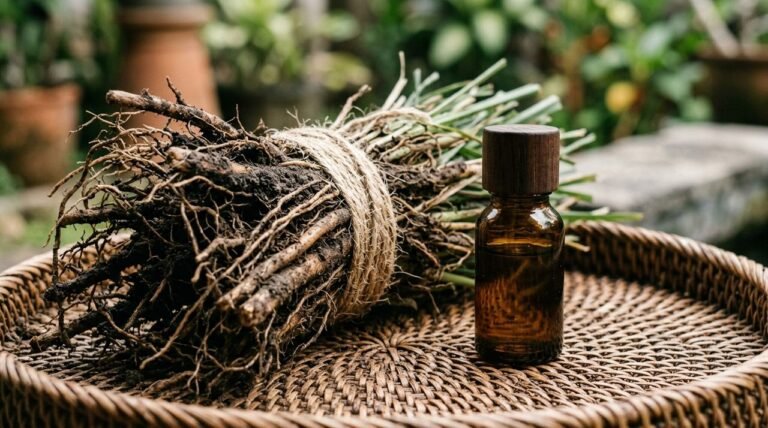
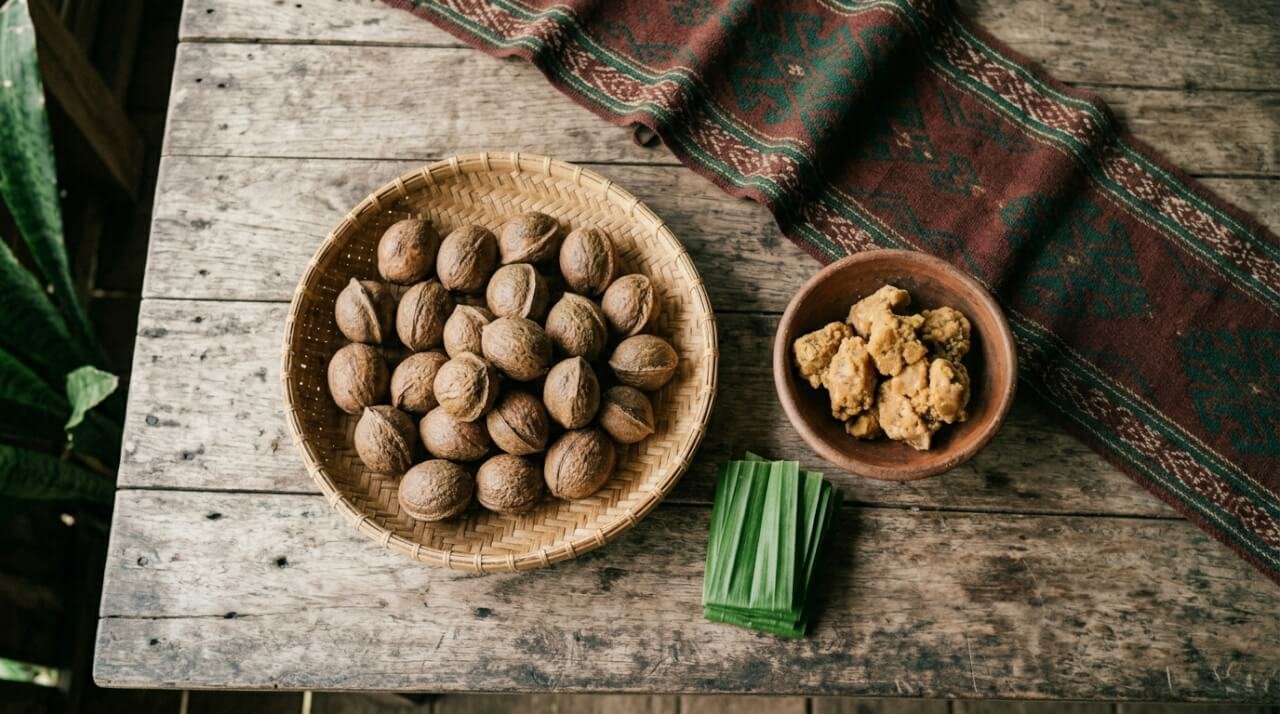
For our illipe butter, our Buah Merah, and several of the wild oils that pass through our small-batch workshop, the answer lives with a partner called Forestwise. They are a rainforest cooperative working with indigenous Dayak communities across Kalimantan, and they make a stubborn, quiet claim: a standing rainforest can be worth more than a cleared one, when the people who live in it are the ones doing the math.
What a cooperative looks like, in practice
Conventional ingredient sourcing tends to flatten the picture. A buyer places an order, a broker fills it, a plantation supplies it, and the chain reads like one long, distant line. Cooperative sourcing redraws that line as a circle. Harvesters are paid directly, not through layered middlemen. Wild trees stay rooted, harvested seasonally rather than felled. Income returns to the village, not to a distant landholder.
Forestwise works this way across dozens of villages, mostly in West and Central Kalimantan. The illipe nut they gather grows on tall, slow-maturing Shorea trees that take three to four decades to fruit, which is exactly the kind of tree a plantation model has no patience for. The cooperative gives that tree economic weight, and weight is what keeps a forest standing.

Why this matters for what is in the bottle
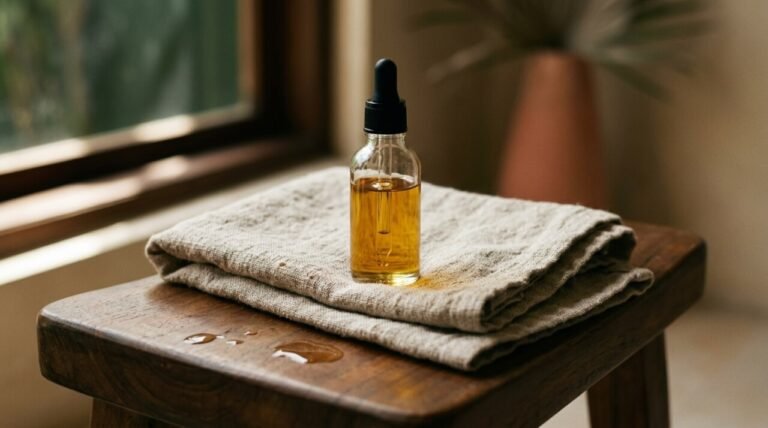
When we choose ingredients that come through this kind of partnership, two things happen at once. The skin receives a richer, less processed butter, gathered by people who have done the work for generations. And the rainforest the butter came from is given a reason to keep being a rainforest. The first benefit is yours to feel on your hands. The second is harder to see, but it is, quietly, the more important one.
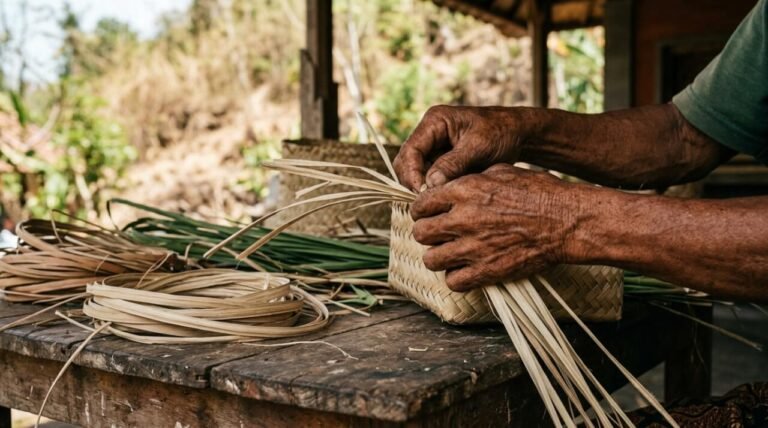
This is what we mean when we talk about regenerative sourcing. Not a tagline on the back of a box, but a literal accounting: the system has to leave the place a little better than it found it. The illipe butter we wrote about on Tuesday came through this exact chain. So did the Buah Merah in some of our richest face oils, alongside the rattan and lontar baskets we wrote about from Munti Gunung, another cooperative built on the same principle.
A small act of attention
You do not need to memorize a supply chain to care about one. You only need to know that it exists, and to ask, every so often, what it actually looks like. When a brand cannot answer, that is information too. When it can, the answer becomes part of the product, sitting quietly alongside the ingredient list.
From all of us in the workshop, with care for the partners who make the work possible: thank you for choosing the bottle that holds their story.