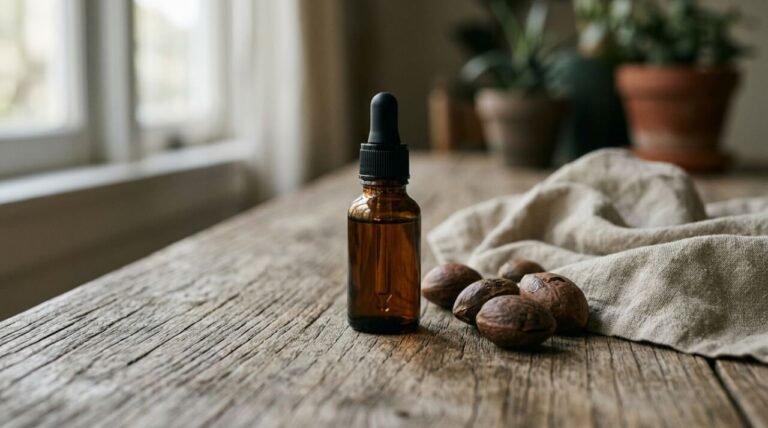
Refill Friday: the bottle outlasts everything you put in it
Look at a bottle of body oil on your shelf. The oil inside is gone in six or eight weeks. The bottle it came in was built to survive for centuries. That mismatch is the quiet scandal of personal care, and it is the whole reason refilling matters.
Rigid plastic packaging is engineered to be tough: to survive shipping, shelving, and a decade in a bathroom cabinet. That toughness does not switch off when the product runs out. The container is almost always the most resource-heavy part of what you bought, molded from virgin material to hold a few weeks of contents, then discarded while it is still structurally perfect.
Recycling was never going to fix this
We keep being told to recycle our way out of it, but the honest accounting is harder. Most bottles that go into the bin are never remade into another bottle, and even the ones that are get downcycled a step at a time until they end up as waste anyway. The problem was baked in the moment we decided a durable vessel should be single-use. You cannot recycle your way past a design that was overbuilt from the start.
The lever that actually moves is refilling. Keep the vessel, replace only what runs out. One well-made bottle, decanted again and again, quietly cancels every bottle that would have followed it. In 2025 alone, refills kept two thousand two hundred and forty-five bottles out of the waste stream for us. That is not a slogan, it is arithmetic.
So the next time a bottle empties, pause before you toss it. The container is the part worth saving. The refill is the rebellion. If you want the deeper version of why recycling falls short, we wrote about that here: recyclable is not recycled.