Sunday Reflection: the truth in what a label leaves out
Read enough ingredient lists and you start to notice something: the honest ones are shorter, not longer. They do not need three lines of qualifiers to hide what is not there.
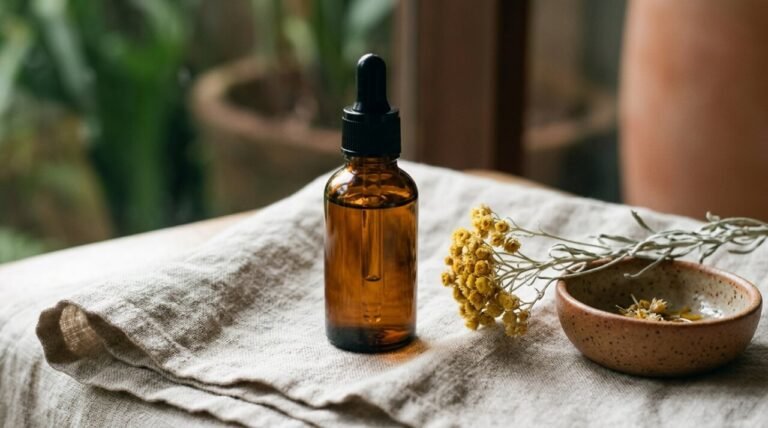
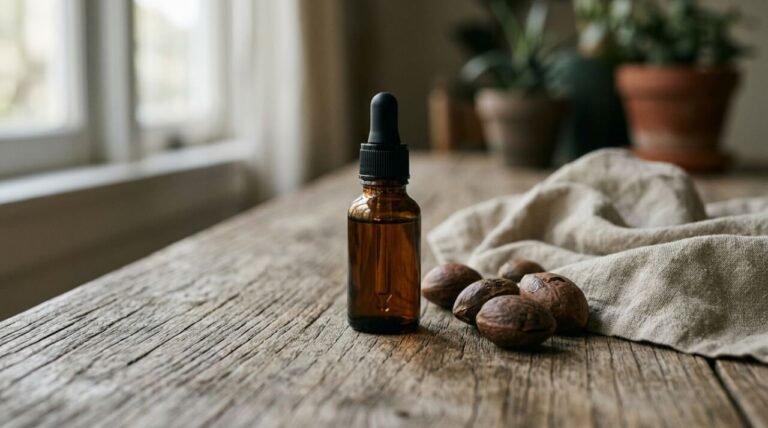
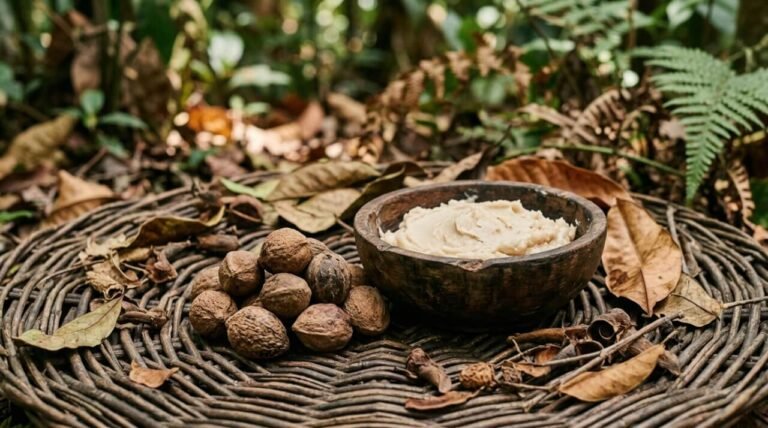
We could call illipe butter a miracle. We will not. It restores the skin barrier because of its high stearic and oleic acid content, wild-harvested by families in Kalimantan who have worked these forests for generations. That is the whole claim, and it happens to be true. No embellishment required.
This is proof over promise: the operating principle underneath every formulation decision we make. Sage tells us that credibility is earned in specifics, not adjectives. A face oil either calms redness or it does not. A refill station either keeps bottles out of landfill or it does not. We would rather report the number than reach for the word revolutionary.

There is a quieter cost to this discipline. Restraint does not photograph as well as a bold headline. Anti-aging sells faster than supports the skin barrier function over time. But a wise friend does not oversell a wooden bowl by calling it magic. They tell you what wood it is, where it came from, and how it was carved. That is enough.
We also apply this restraint to what we do not sell. If a routine works better with fewer products, we will say so, even when the honest answer costs us a sale. A zero waste routine that actually refills is not a bigger routine. It is a smaller, better-chosen one, worn down to its studs and refilled instead of replaced.
The reflection: the next time a label promises everything, ask what it is choosing not to say. Then ask the same question of us. We would rather you trust the ingredient list than believe the story built around it.