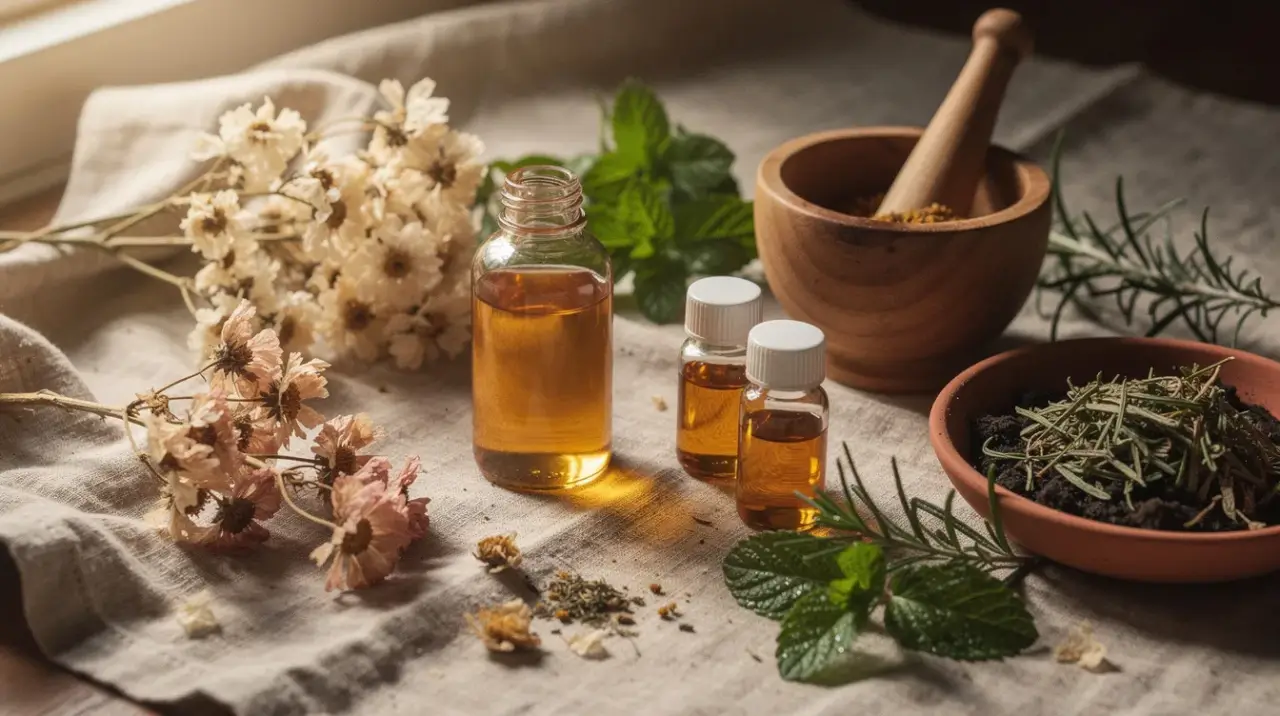
Clean beauty: what it really means, what to look for, and how to build a routine that is honest
Clean beauty is everywhere. It is on product labels, in marketing campaigns, and across social media feeds. Yet for all its visibility, the term carries no universal definition. No regulatory body owns it. No certification guarantees it. And for conscious consumers trying to make informed choices, that ambiguity creates real frustration. This guide cuts through the noise. We will explore what clean beauty actually means, how the industry uses (and misuses) the term, which ingredients deserve your attention, and how to build a skincare routine rooted in honesty rather than hype.
At Utama Spice, we have been crafting small-batch natural skincare in Bali since 1989, long before “clean beauty” became a search term. Our perspective comes from decades of formulating with wild-harvested botanicals, building refill systems, and maintaining transparent ingredient lists. We share this not as a marketing position, but as a lived practice.
What clean beauty actually means (and why the definition keeps shifting)
Clean beauty, at its simplest, refers to personal care products formulated without ingredients considered harmful or questionable. But the specifics vary dramatically depending on who you ask. One retailer might define clean beauty as “free from 1,500 restricted substances.” Another might require organic certification. A third might focus exclusively on environmental impact. This lack of consensus is not accidental. Unlike terms such as “organic” in food (which the USDA regulates), clean beauty has no governmental standard.
The concept emerged in the early 2010s as consumers began questioning what ingredients were in their skincare and why. The movement gained momentum through ingredient transparency apps, documentaries about chemical exposure, and a growing body of dermatological research linking certain synthetic compounds to skin irritation and endocrine disruption. What began as a grassroots demand for honesty evolved into a retail category worth billions.
The challenge is that the definition keeps shifting because the science keeps evolving. Ingredients once considered safe are re-evaluated. New research emerges. And brands, understandably, interpret “clean” through the lens of their own formulation philosophy. If you are building a natural skincare routine, understanding this fluidity is the first step toward making choices that serve your skin and your values.
Why “clean” is not regulated, and what that means for you
In the United States, the FDA does not define “clean,” “natural,” or “non-toxic” for cosmetics. The EU has stricter regulations through its Cosmetics Regulation (EC No 1223/2009), banning over 1,300 substances compared to the FDA’s roughly 11. But even in Europe, the word “clean” remains a marketing term, not a regulatory one.
This regulatory gap means that two products sitting side by side on a shelf, both labelled “clean beauty,” can contain fundamentally different ingredients. One might be formulated with cold-pressed botanical oils and mineral pigments. The other might simply have removed parabens while replacing them with synthetic alternatives that have not been studied long-term. Both can legally call themselves clean.
For consumers, this creates a responsibility that should not exist: you become your own regulator. You have to read ingredient lists, understand INCI nomenclature (the standardised naming system for cosmetic ingredients), and distinguish between ingredients that genuinely concern dermatologists and those that are merely unfashionable. It is a burden, but it is also an opportunity. Learning to read a label is the single most empowering skill in clean beauty, and we will cover exactly how to do that in a later section.
Some third-party certifications can help. The EWG Verified mark, COSMOS Organic, Ecocert, and Leaping Bunny each assess different dimensions of product safety and ethics. None are perfect, and none capture every dimension of “clean.” But they offer a starting point when brand claims feel overwhelming.
Ingredients to understand in clean beauty
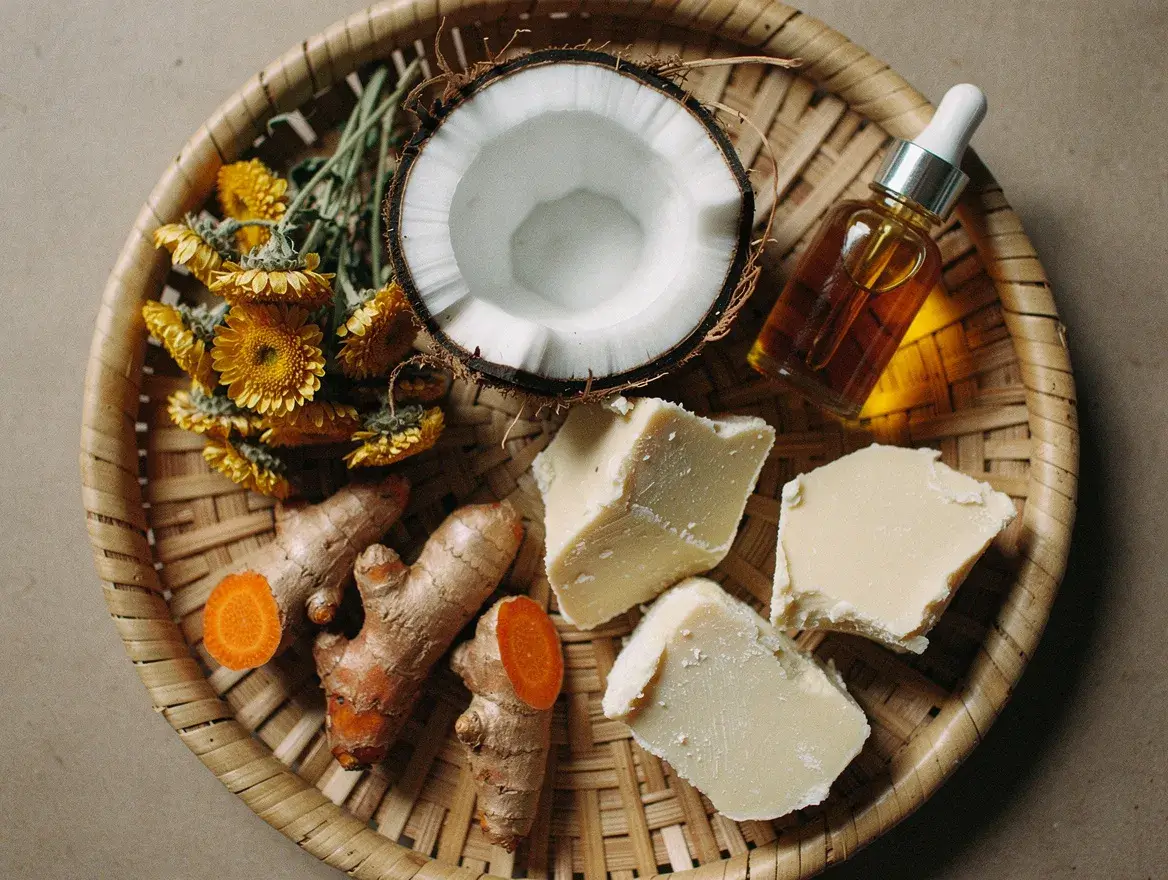
Rather than listing ingredients to fear, which can slide into the kind of alarmism that does not serve anyone, it is more useful to understand ingredient categories and the conversations around them. Knowledge replaces anxiety.
Preservatives
Parabens (methylparaben, propylparaben, butylparaben) are the most discussed preservatives in clean beauty. Research has shown that some parabens can mimic oestrogen at high concentrations, which raised concerns about endocrine disruption. However, the doses used in cosmetics are far lower than those studied in laboratory settings. The EU permits certain parabens at restricted concentrations. Many clean beauty brands avoid them entirely, using alternatives such as phenoxyethanol, sodium benzoate, or potassium sorbate. The key is that every product needs a preservation system. Unpreserved products can harbour bacteria and mould, which is a far more immediate risk than a well-studied preservative at safe concentrations.
Fragrances
The word “fragrance” or “parfum” on a label can represent dozens of undisclosed chemicals. Fragrance formulations are protected as trade secrets, which means brands are not required to list individual components. For people with sensitive skin or fragrance allergies, this opacity is a genuine concern. Clean beauty brands often address this by using essential oils instead of synthetic fragrances, or by disclosing their full fragrance composition. Our guide to essential oils and their benefits explores how plant-derived aromatics can serve both scent and skin function.
Surfactants
Sodium lauryl sulfate (SLS) and sodium laureth sulfate (SLES) are effective cleansing agents, but they can strip natural oils from skin and hair. Many clean beauty formulations replace them with gentler alternatives derived from coconut or sugar. If you have been exploring natural shampoo and conditioner options, you have likely encountered this shift already. The science supports that gentler surfactants can clean effectively without compromising the skin barrier.
Botanical actives worth knowing
On the positive side, clean beauty has accelerated interest in botanical actives with genuine research behind them. Virgin coconut oil has demonstrated antimicrobial and barrier-repair properties in clinical studies. Tamanu oil, used traditionally across the Pacific for wound healing, contains calophyllolide, a compound with documented anti-inflammatory action. Helichrysum (immortelle) essential oil shows promise for skin regeneration. These are not miracle ingredients. They are plants with real, studied mechanisms, and they form the foundation of honest formulation.
How to read a label like a formulator, not a marketer
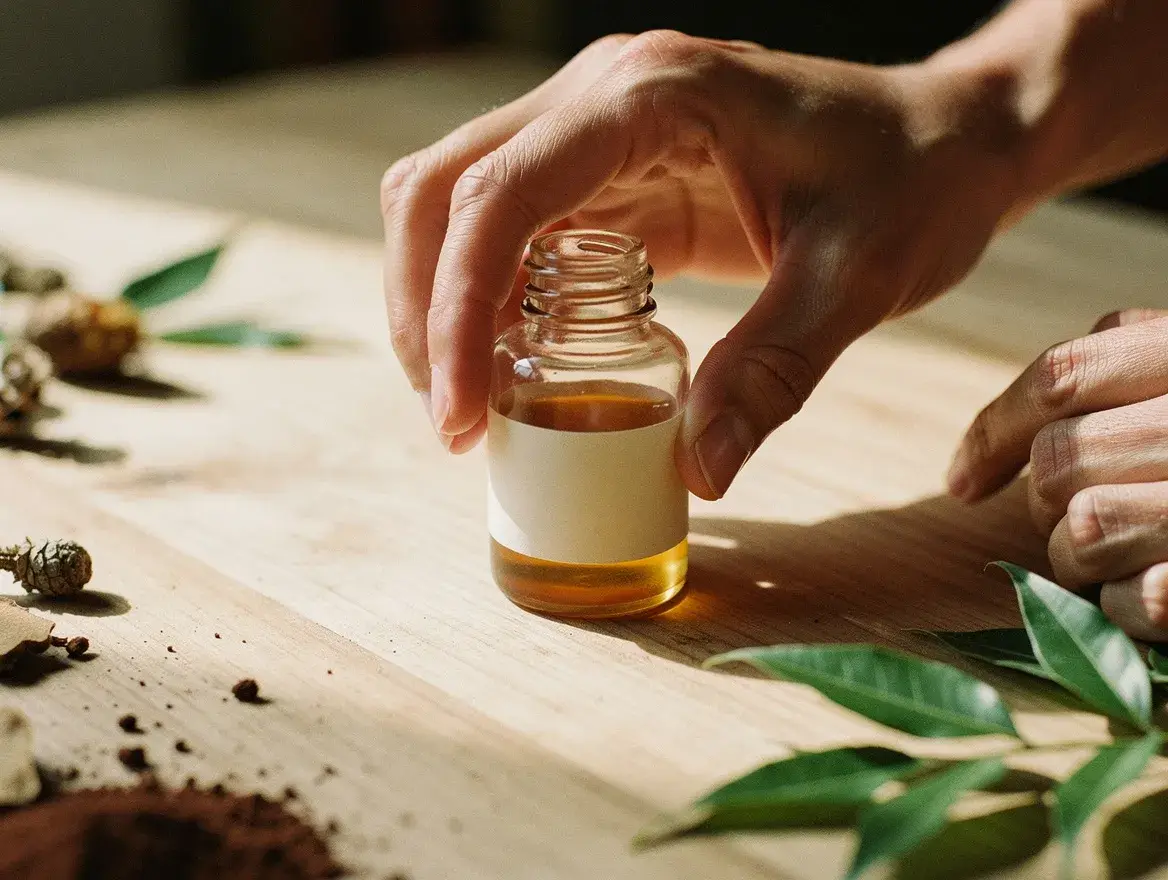
Ingredient lists follow a simple rule: they are ordered by concentration, highest to lowest. The first five ingredients typically make up the bulk of the product. If a hero ingredient appears near the bottom of a long list, it is present in trace amounts, likely for marketing rather than efficacy.
Here are five practical strategies for reading labels with confidence.
- Count the ingredients. Fewer ingredients often (not always) signal a more intentional formulation. A face oil with five cold-pressed botanical oils is straightforward. A “natural” cream with 40 ingredients deserves more scrutiny.
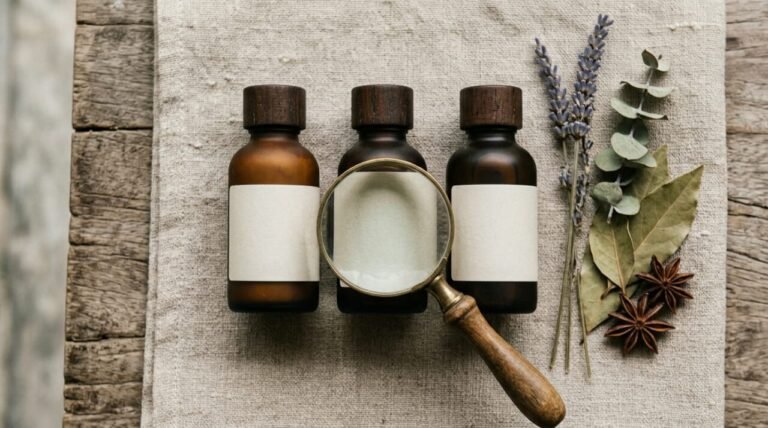
- Look for INCI names you recognise. Cocos nucifera oil is coconut oil. Helichrysum italicum flower oil is immortelle. Simmondsia chinensis seed oil is jojoba. Familiarity with a dozen common INCI names gives you enormous reading power.
- Check the preservative system. Every water-based product needs one. If you do not see any preservative, ask the brand how they ensure stability. A responsible clean beauty brand will answer openly.
- Question vague claims. “Dermatologically tested” means the product was applied to skin under observation. It does not mean it passed. “Hypoallergenic” has no legal definition. “Clinically proven” should reference a specific study. If no study is cited, the claim is decorative.
- Research the brand, not just the product. Does the brand disclose sourcing? Do they explain why they chose specific ingredients? Do they publish their full INCI lists online before purchase? Transparency at the brand level is a stronger signal than any single product claim.
This kind of ingredient literacy matters more than any “clean” label. When you understand what you are putting on your skin, and more importantly, why it is there, you no longer need a marketing term to guide your choices. You can read about why coconut oil is good for your skin as one example of tracing a single ingredient from source to skin.
Building a clean beauty routine that works
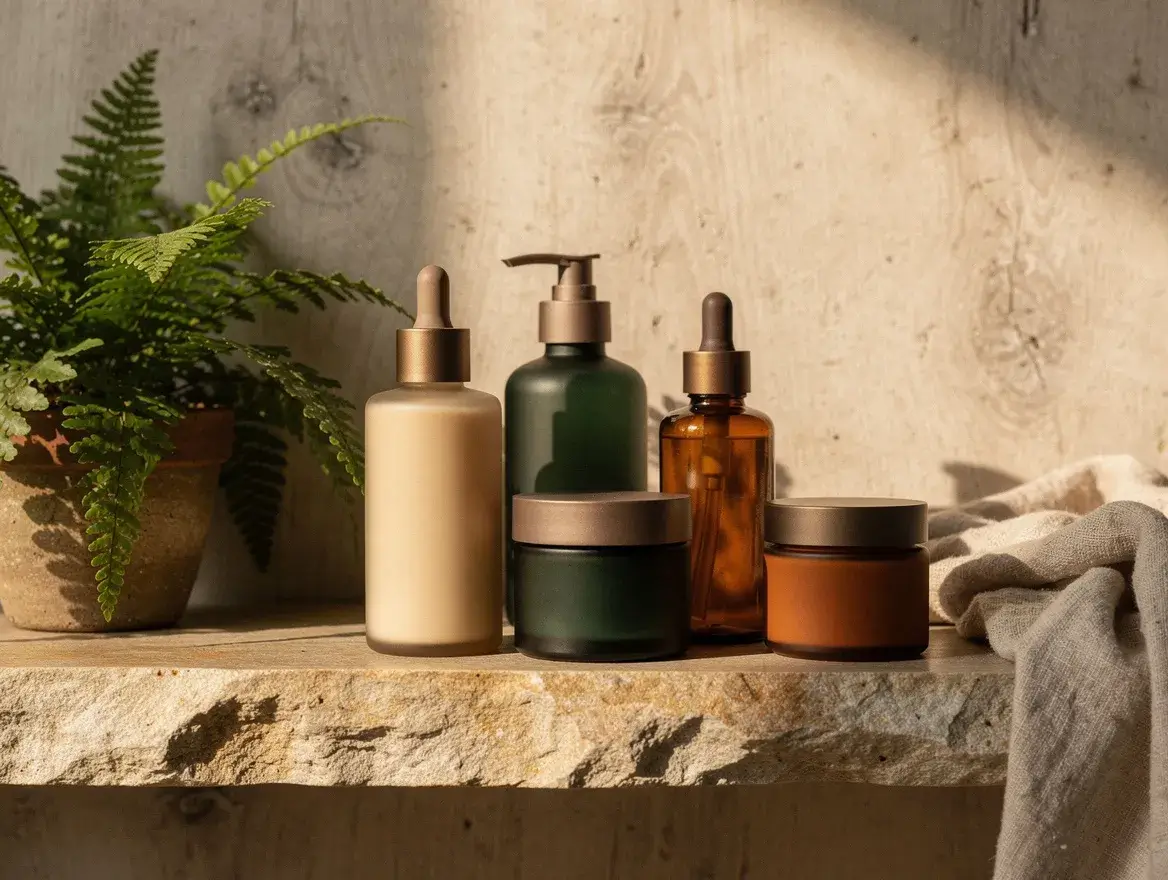
A clean beauty routine does not need to be complicated. In fact, complexity often works against the philosophy. The goal is a simple, intentional set of products that serve your skin without unnecessary additives. Here is a framework that works across skin types.
Cleanse gently
Start with a cleanser that removes impurities without stripping your skin’s natural moisture barrier. Look for gentle, plant-derived surfactants and ingredients such as aloe vera, chamomile, or green tea. A botanical face wash formulated with essential oils can cleanse deeply while leaving skin balanced. Avoid anything that leaves your face feeling tight or dry after rinsing, that sensation means your barrier has been compromised.

Treat with intention
Serums and face oils deliver concentrated actives to the skin. Choose based on your specific concern: hydration, texture, redness, or barrier repair. Botanical oils like jojoba, rosehip, and tamanu each bring distinct properties. A well-formulated natural face oil can replace multiple products in your routine, simplifying your shelf while delivering real results.
Protect daily
Mineral sunscreens using zinc oxide or titanium dioxide sit on the skin’s surface and reflect UV rays, rather than being absorbed. They are the clean beauty standard for sun protection. If you spend time outdoors, a zinc-based natural sunscreen is a non-negotiable step. Sun damage is the single largest contributor to premature skin ageing, and no serum or oil compensates for unprotected exposure.
Nourish your body, not just your face
Clean beauty extends beyond facial skincare. Your body lotion, deodorant, shampoo, and soap all contact your skin daily. If you are curious about making the switch across your full routine, our guides on natural liquid body soap and natural deodorant cover what to look for and what to leave behind.
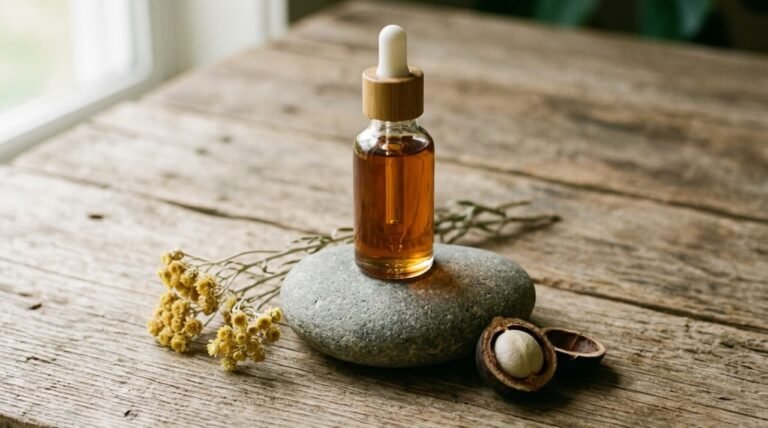
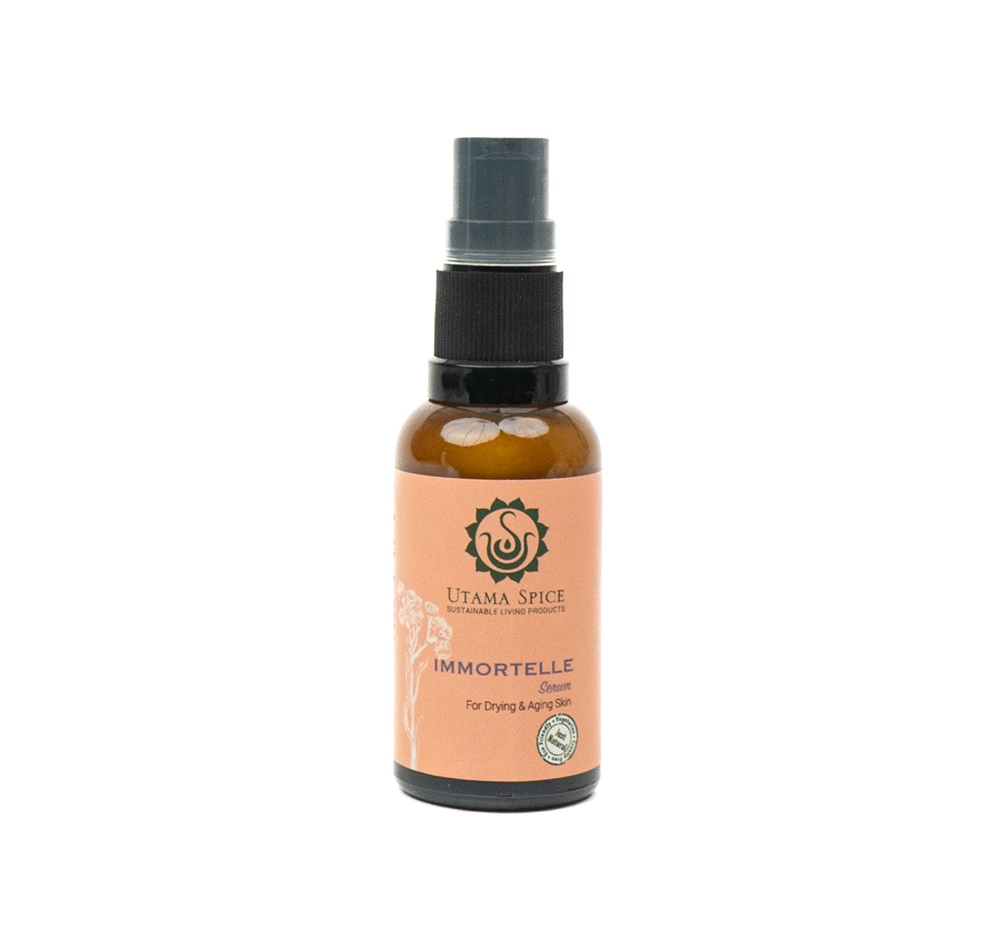
If you want to experience what a clean beauty formulation feels like in practice, our Immortelle Helichrysum Face Serum combines wild-harvested helichrysum with jojoba oil for deep hydration and skin repair. It is a single product that demonstrates the philosophy: effective, transparent, grounded in botanical science.
Experience clean beauty in practice
Our Immortelle Helichrysum Face Serum combines wild-harvested helichrysum with jojoba oil for deep hydration and skin renewal. Every ingredient is chosen with intention, every source is traceable, and every bottle is refillable.
The connection between clean beauty and sustainable sourcing

Clean beauty conversations often focus on what is not in a product. But there is an equally important question: where did these ingredients come from, and what impact did their sourcing have on people and ecosystems? A truly clean product considers its full lifecycle, from harvest to formulation to packaging to disposal.
Wild harvesting, when managed responsibly, protects biodiversity while providing income to local communities. Our illipe butter comes from Kalimantan’s rainforests through our partnership with Forestwise. The families who harvest it have worked these groves for generations. By purchasing their illipe butter at fair prices, the economic incentive shifts from clearing forest to preserving it. One ingredient, two acts of care: protecting rainforest ecosystems while nourishing skin.
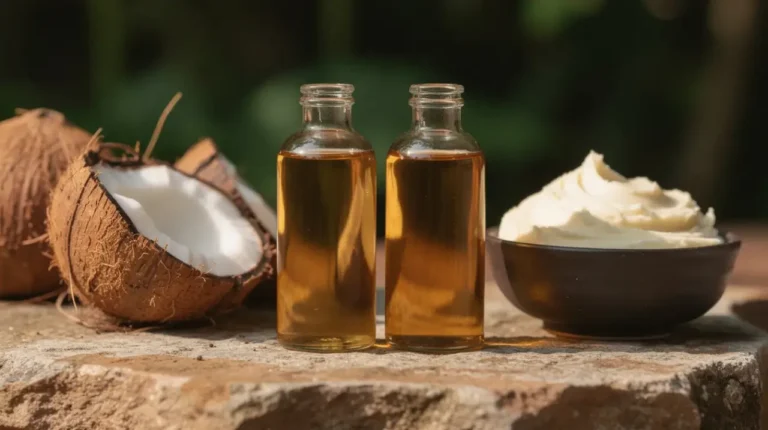
Coconut oil, the most versatile carrier in our formulations, comes from Bali coconut plantations via our Aluan Partnership. Cold-pressed and sustainably sourced, it supports both wild habitats and local livelihoods. You can learn more about how to use coconut oil for skin and why sourcing quality matters as much as the oil itself.
Then there is packaging. Clean beauty should not end at the formula. Single-use plastic bottles, no matter how clean the product inside, create waste that persists for centuries. Refill systems offer a practical alternative. We have operated in-store refill stations since our earliest days in Ubud, long before “zero waste” entered the beauty lexicon. In 2025 alone, our refill program saved 2,245 bottles from landfill. Small choices, real accounting.
Our partnership with Seven Clean Seas adds another layer. For every gram of plastic we produce in packaging, we remove the equivalent from the ocean through organised clean-ups. This is not a carbon offset scheme where the maths is abstract. It is a direct, measurable commitment. Clean beauty, when practised honestly, connects personal care to planetary care.
Frequently asked questions about clean beauty
Is clean beauty the same as natural beauty?
Not exactly. “Natural” typically refers to ingredients derived from plants, minerals, or other natural sources. “Clean” is broader, focusing on the absence of ingredients deemed harmful, whether synthetic or natural. A product can be clean without being 100% natural, and a natural product can contain irritants. The terms overlap but are not interchangeable.
Are clean beauty products less effective?
No. Effectiveness depends on formulation, not on whether a product carries a “clean” label. Many botanical actives, including vitamin C from kakadu plum, retinol alternatives from bakuchiol, and anti-inflammatory compounds from turmeric and helichrysum, perform comparably to their synthetic counterparts in clinical studies. The key is concentration and formulation skill, not the origin of the ingredient.
How do I know if a brand is truly clean or just greenwashing?
Look for specificity. A genuine clean beauty brand will publish full ingredient lists, explain their sourcing, name their suppliers or partnerships, and discuss their preservation and safety testing. Greenwashing tends to rely on vague language: “pure,” “derived from nature,” “inspired by botanicals.” If a brand cannot tell you where their key ingredients come from or why they chose them, the “clean” label may be decorative.
Does clean beauty cost more?
It can, but it does not have to. Premium pricing in clean beauty often reflects genuinely better ingredients, ethical sourcing, and smaller production runs. However, some markup is pure branding. The best approach is cost-per-use thinking: a concentrated botanical oil like tamanu that lasts months may be more economical than a diluted drugstore product you replace every few weeks. Refill programs also reduce cost over time.
Can I transition to clean beauty gradually?
Absolutely, and we recommend it. Start by replacing one product at a time as your current products run out. Begin with whatever touches the most skin (body lotion, face moisturiser, or soap) and work outward. This approach is easier on your budget, gives your skin time to adjust, and prevents waste. Progress, not perfection. That is the mindset that makes clean beauty sustainable as a practice, not just a purchase.
What clean beauty means to us: a formulator’s perspective
We have been making skincare products in Bali for over 35 years. When we started in 1989, there was no “clean beauty” category. There was simply a belief that what you put on your body should come from the same place that nourishes your soul. Our founder Melanie Templer blended the first Utama Spice products in her kitchen in Ubud, using ingredients she sourced from local healers and farmers.
Today, that kitchen has grown into a full production facility, but the philosophy has not changed. Every formulation starts with the ingredient, not the trend. We ask: does this ingredient have a genuine function? Can we source it responsibly? Can we trace it back to the hands that harvested it? If the answer to any of those questions is no, it does not go into the bottle.
Clean beauty, from a formulator’s standpoint, is not about removing ingredients from a banned list. It is about building products with intention from the ground up. It means choosing body butters made with illipe and cocoa rather than petroleum derivatives, not because petroleum is always harmful, but because botanical alternatives bring additional benefits to the skin and additional income to the communities that produce them. That is the kind of thinking that makes clean beauty meaningful rather than merely marketable.
We also believe that clean beauty must be honest about its limits. No single product will transform your skin overnight. No ingredient is a miracle. Real skincare is a practice, a daily ritual of care that accumulates over weeks and months. When brands promise overnight transformation, they are selling hope, not clean beauty. We would rather tell you what our products can realistically do and let the results speak over time.