Clay mask for oily skin: how it really works, and the mistake that makes oil worse
If you have oily skin, a clay mask for oily skin is probably the first thing anyone recommends, and for good reason. Clay has been used to draw excess oil from skin for thousands of years, long before it appeared in glossy jars. The trouble is that most advice stops at “clay absorbs oil,” which is true but incomplete, and the missing half is where oily skin gets worse instead of better. In this guide we explain how a clay mask actually works, why oil is not your enemy, the one common mistake that pushes your skin to make more oil, and how to build a calm, repeatable ritual that respects your skin barrier.
We have been hand-blending clay and botanicals in Bali since 1989, so this is not a trend piece. It is a grounded, skin-type-first look at a humble ingredient we know well, told the way we tell everything: with the science, the heritage, and none of the greenwashing.
What a clay mask for oily skin actually does
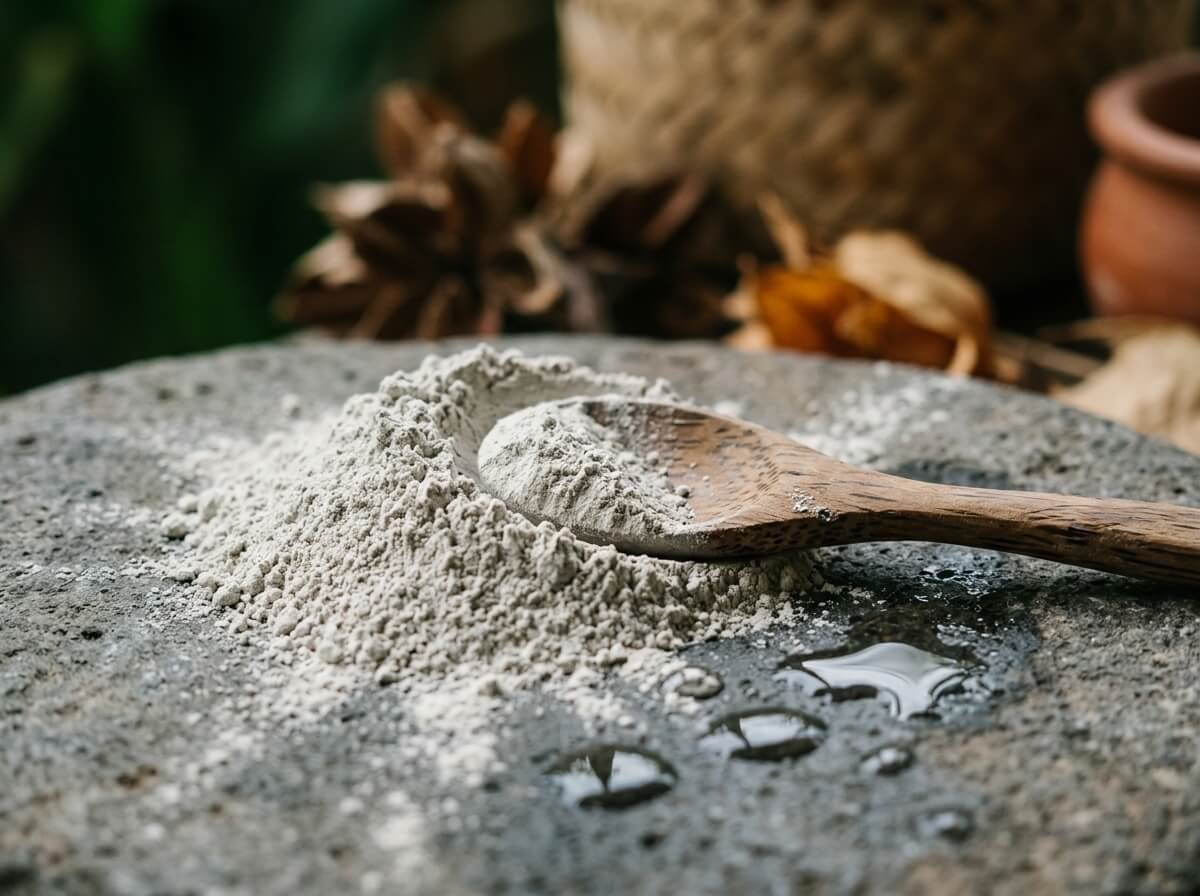
Clay works through a process called adsorption, which is different from absorption. Absorption means a material soaks liquid into itself, the way a sponge holds water. Adsorption means particles bind to a surface. Clay minerals carry a slight negative charge, so when the paste sits on damp skin, it attracts and holds oil, dead surface cells, and the debris sitting inside a pore. When you rinse the mask away, that bound material leaves with it. This is why skin can look clearer and feel smoother straight after a mask: the clay has lifted what was sitting on and near the surface.
Not all clays behave the same way. Kaolin is the gentlest, a soft white or pale grey clay that lifts oil without stripping, which makes it a sensible base for most oily and combination skin. Bentonite is more thirsty and more mineral-rich, so it pulls harder and can feel tightening, which suits very oily or congested skin used sparingly. A good clay mask for oily skin often blends the two, balancing real oil-control against comfort. Our own Face and Body Clay pairs mineral clay with botanicals for exactly this reason, so it clarifies without leaving skin feeling scoured.
Texture and freshness matter more than most people realise. A clay you mix yourself, a spoonful at a time, stays active and lets you dial the strength up or down for the day, the season, and the state of your skin. Pre-mixed tubes are convenient, but they rely on preservatives and a fixed formula, so you lose that control. There is a reason traditional preparations across Bali and the wider archipelago were blended fresh: a living paste, made in the moment, does more with less.
One honest caveat: a mask treats the surface, not the deeper cause. Clay reduces the oil and buildup that are present today. It does not shrink your pores permanently, and it does not switch off oil production at the source. Anyone promising that is selling theatrics. What clay does do, used well, is keep the surface balanced so pores look and behave better over time.
Oily skin, honestly: why sebum is not the enemy
Before we talk about controlling oil, it helps to respect what oil is for. Sebum is the skin’s own moisturiser. It keeps the barrier supple, slows water loss, and carries a mild antimicrobial function. Skin that makes plenty of sebum tends to stay comfortable in dry air and often ages a little more slowly. So the goal with oily skin is not to remove every trace of oil. The goal is balance: enough to protect, not so much that pores congest and shine takes over by midday.
Oil production rises for reasons a mask cannot change: genetics, hormones, heat, and humidity. If you live somewhere warm, as we do in Bali, your skin will simply run oilier, and that is normal rather than a flaw to punish. Understanding this changes how you use a clay mask. You are not waging war on your skin. You are giving it a regular, gentle reset, then letting its own systems settle.
There is a useful signal to watch for. If your skin feels tight and dry within minutes of cleansing, then floods with oil a few hours later, that swing is often a sign of over-cleansing rather than truly oily skin. The barrier has been stripped, and the oil you see is the repair response. Reading that pattern honestly changes everything, because the fix is gentler care, not harsher products. Oily skin rarely needs to be scrubbed into submission; it needs to be reassured.
This is also why cleansing matters more than masking day to day. A calm, non-stripping cleanse removes the surface oil and grime that would otherwise build up, so the mask has less to do and can stay gentle. If you are rethinking your daily routine, our guide to choosing a natural face wash is a good companion to this article, and it explains why a squeaky-clean feeling is usually a warning sign, not a win.
The mistake that makes oily skin worse
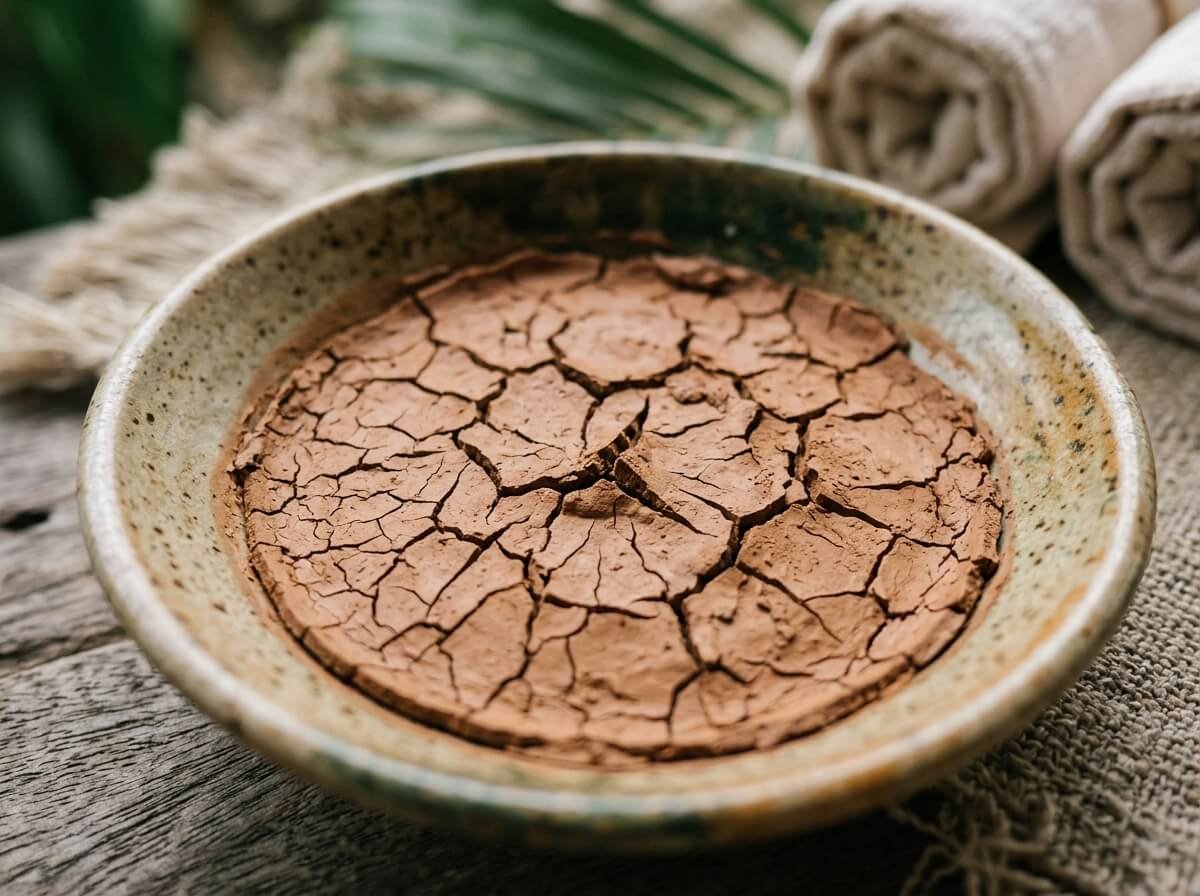
Here is the part most guides skip. The single most common mistake with a clay mask for oily skin is over-drying, and it usually shows up in three habits: leaving the mask on until it fully cracks, masking too often, and chasing that tight, stripped feeling as if it were proof the mask worked.
When clay dries all the way to a hard, cracking crust, it stops pulling oil and starts pulling water from the skin surface. That tight sensation is not deep cleansing. It is early dehydration. Strip the barrier often enough and the skin does something logical in self-defence: it produces more oil to compensate for what it lost. This is the rebound effect, and it is exactly how people end up oilier a few hours after a mask that felt satisfying at the time. The Reddit question that follows oily skin everywhere, whether clay masks are only a short-term fix, usually traces back to this loop of stripping and rebound.
- Do not let the mask harden into cracks. Rinse while it is still slightly tacky, usually within five to 10 minutes.
- Do not mask daily. Once or twice a week is enough for most oily skin, and even very congested skin rarely needs more.
- Do not judge success by tightness. A good mask leaves skin clear and comfortable, not squeaking.
- Do not stack actives on the same night. Pairing a clay mask with strong exfoliating acids or retinoids can tip balance into irritation.
If your skin tends toward breakouts as well as shine, targeted botanicals do more good than aggressive drying. Ingredients like tea tree can help calm blemish-prone skin without stripping it, and we cover the honest evidence in our piece on tea tree essential oil benefits.
How to choose a clay mask for oily skin
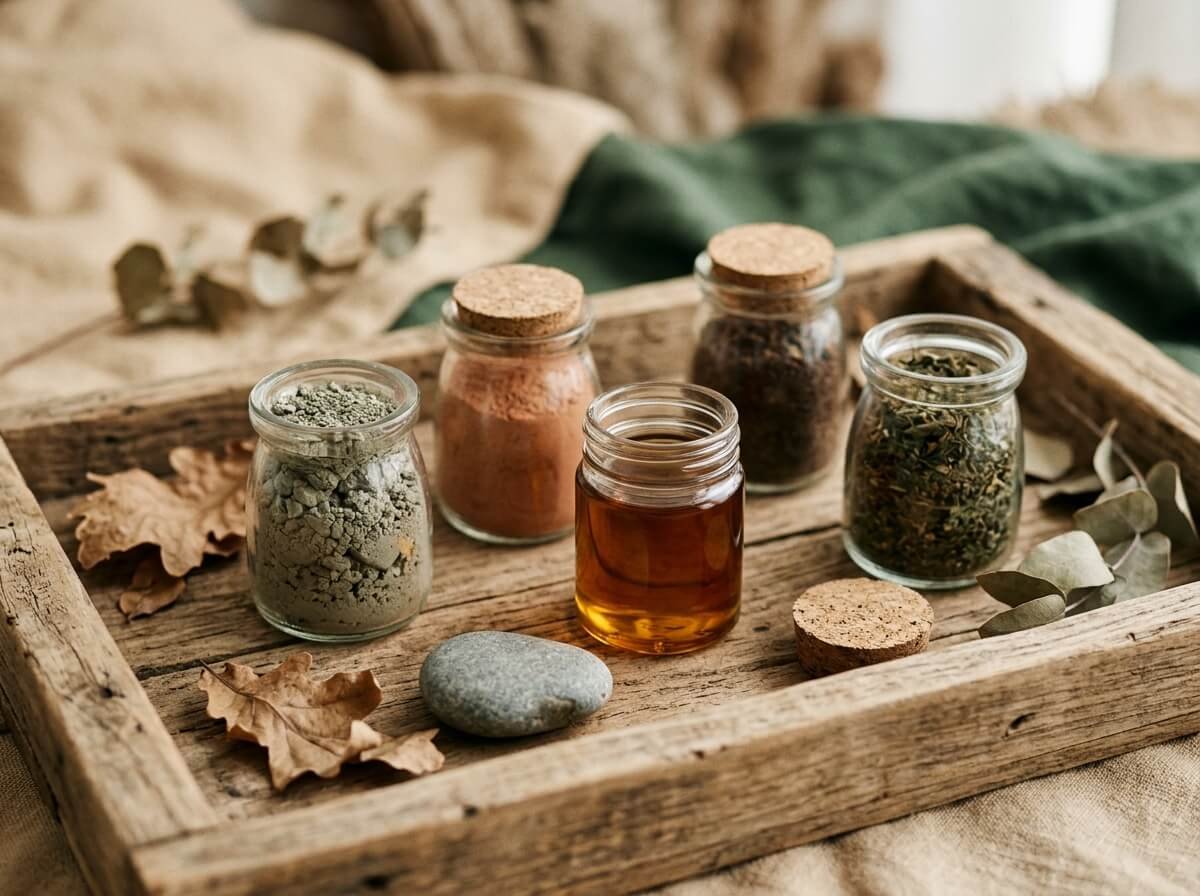
Choosing well is mostly about reading the label and matching it to your skin, not chasing the longest ingredient list. A few grounded rules make the choice simple.
- Lead with clay, not filler. Kaolin or bentonite should sit near the top of the ingredients, not trail behind water, silicones, and drying alcohols.
- Look for supporting botanicals. Soothing plant extracts and a light carrier keep a mask comfortable, so it clarifies without scouring.
- Avoid harsh drying alcohols and synthetic fragrance if your skin is reactive, because these are the ingredients most likely to tip oily skin into the rebound loop.
- Match intensity to skin. Very oily and congested skin can take a more mineral, thirstier clay less often; combination skin does better with a gentler kaolin base and can even mask only the oily zones.
For most people with oily or combination skin, a balanced multi-use clay is the practical choice, because it doubles as a targeted spot treatment and a fuller face mask. That is the thinking behind our Face and Body Clay, which you mix fresh with water so you control the strength each time. If your congestion sits mostly around cleansing, a clay-based wash such as our Pore Cleansing Facial Wash with Clay brings a gentler daily version of the same mineral action, and a mild polish like our Green Leaf Face Scrub keeps surface buildup from blocking the mask’s work. Between them you can cover cleanse, exfoliate, and mask without ever over-stripping.

One clay, mixed fresh, on your terms
Our Face and Body Clay pairs mineral clay with Balinese botanicals, so you can mix a full mask or a quick spot treatment and control the strength every time. Clarifying, never scouring, and refillable by design.
How to use a clay mask, the Balinese way
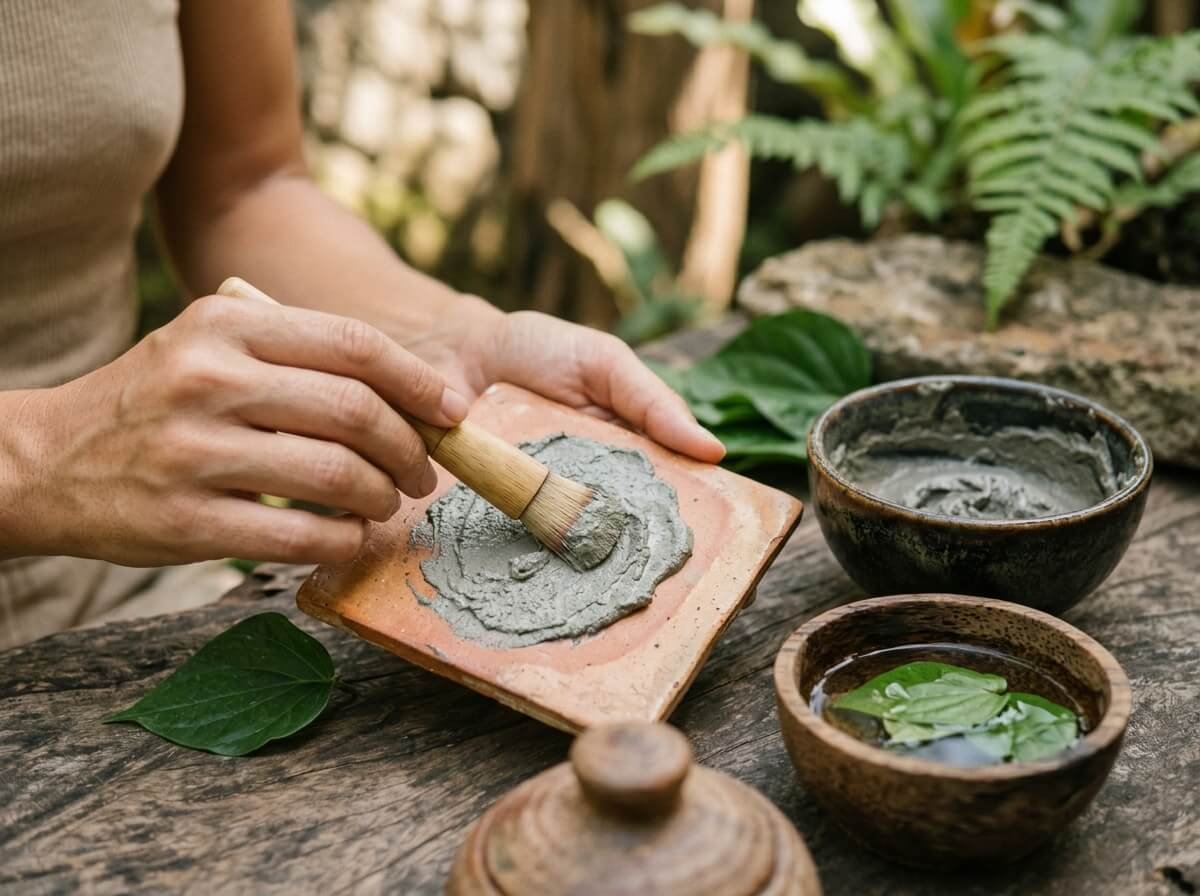
In Bali, clay and botanical pastes are part of a long tradition of body ritual, from the turmeric and rice of a lulur scrub to the warming spice paste of a Balinese boreh. The lesson carried through all of them is patience and care, not force. Here is a simple, barrier-respecting way to use a clay mask for oily skin.
- Cleanse first. Start on freshly washed, still-damp skin so the clay makes even contact and does not grab dry patches unevenly.
- Mix a fresh batch. With a powder or multi-use clay, blend a small amount with water into a smooth, spreadable paste. Make only what you need.
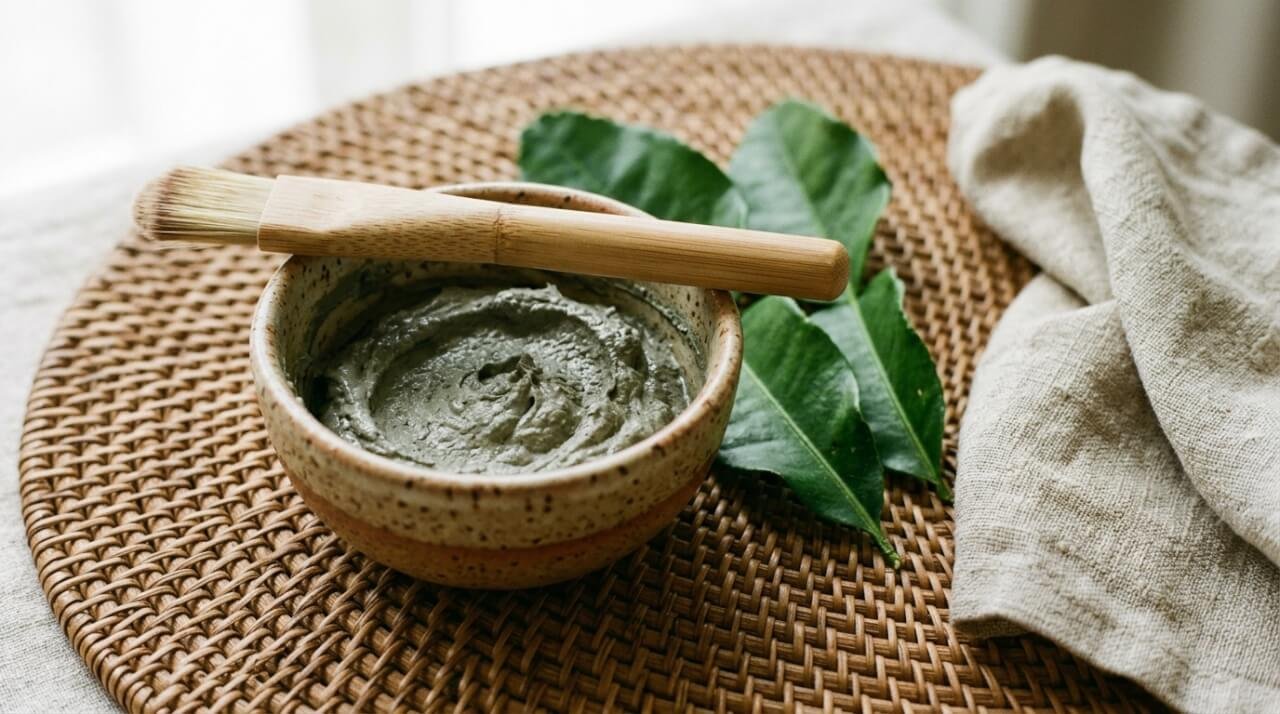
- Apply an even layer. Use clean fingers or a soft brush. You want a layer thick enough to stay damp, not a thin film that flashes dry.
- Stop before it cracks. Leave it five to 10 minutes. When it feels tacky rather than hard, it is done. This is the step that protects you from the rebound loop.
- Rinse gently. Use lukewarm water and light circles, then pat, do not rub, your skin dry.
- Rehydrate straight away. Follow with a light hydrator or a few drops of a suitable oil while skin is still slightly damp, which we cover next.
Multi-masking is worth mentioning here, because so many people have combination skin rather than uniformly oily skin. There is no rule that says the whole face needs the same treatment on the same night. You can lay a thicker layer of clay across an oily forehead, nose, and chin, and either skip the cheeks or use only a whisper there. Treating each zone for what it actually is, rather than for what you wish it were, is the single most grounded move in a skincare routine.
Twice a week is plenty for most oily skin. If your skin is only oily in the T-zone, you can mask just those areas and leave drier cheeks alone. Ritual, not routine punishment: the calmer and more consistent you are, the better your skin behaves.
Aftercare: the rehydration step most people skip
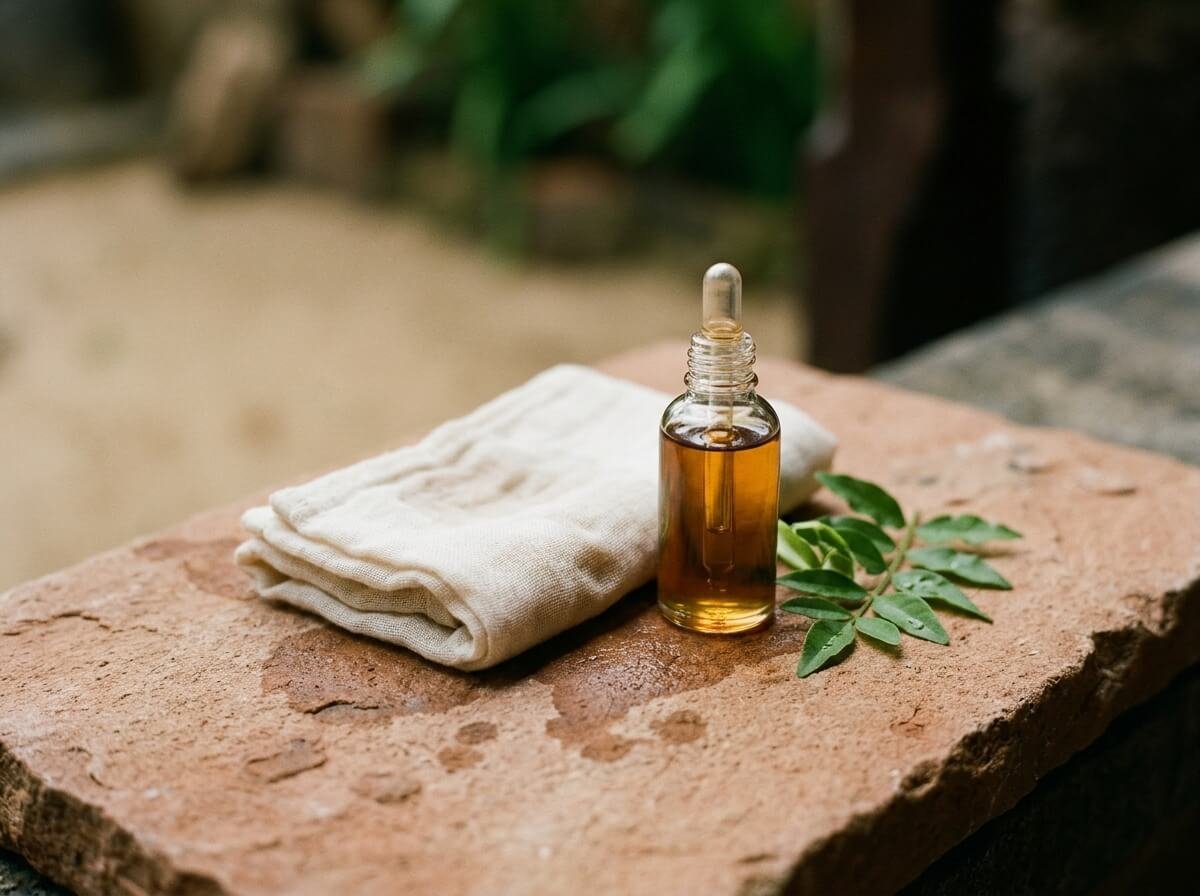
A clay mask removes oil and buildup, which means it leaves the surface a little bare. What you do in the next few minutes decides whether your skin settles or overcompensates. Skip aftercare and you invite the rebound; support the barrier and your results hold.
Start with hydration, which is water, not oil. A hydrating toner, aloe, or a humectant serum on damp skin replaces the water the mask lifted. Then, if your skin likes it, seal with a small amount of a lightweight oil. Oily skin can absolutely use facial oil; the trick is choosing a light, fast-absorbing one rather than a heavy occlusive. If you are unsure how facial oils differ from richer body oils, our comparison of face oil versus body oil explains which textures suit which skin, and our look at kukui oil versus coconut oil is useful because kukui is one of the lighter, more breathable oils for oily and combination skin.
On non-mask days, keep cleansing gentle and consistent. A calm cleanser such as our Serenity Face Wash removes the day without stripping, so your skin is never forced into the overproduction cycle in the first place. Balance is a daily habit, and the mask is only the reset button you press twice a week.
Frequently asked questions
How often should I use a clay mask for oily skin?
Once or twice a week for most people. Very congested skin can go to twice, but daily masking tends to over-dry and trigger more oil, not less. Let how your skin feels, calm and clear rather than tight, guide the frequency.
Should I leave a clay mask on until it is completely dry?
No. This is the most common mistake. Once clay hardens and cracks it begins drawing water from your skin rather than oil. Rinse while it is still slightly tacky, usually within five to 10 minutes.
Can oily skin use oil after a clay mask?
Yes, and it often helps. Hydrate first with water-based products, then seal with a few drops of a light, breathable oil. Oil after masking supports the barrier and reduces the urge for skin to overproduce sebum.
Do clay masks shrink pores permanently?
No. Clay clears the oil and debris inside a pore, so it can look smaller and cleaner, but pore size is largely genetic. Regular, gentle masking keeps pores clearer over time; it does not change their structure, and any product claiming otherwise is overpromising.
Is a clay mask good for acne-prone oily skin?
It can help, with care. Clay lifts the excess oil and buildup that feed congestion, and a gentle formula keeps the barrier intact so skin stays calm. Avoid harsh, fully drying masks and do not combine one with strong exfoliating acids on the same night. If active breakouts are your main concern, pair gentle masking with soothing botanicals rather than aggressive stripping, and give any new routine a few weeks before you judge it.
Why sourcing belongs in a skincare guide
A mask this simple invites a fair question: does it matter where the clay and botanicals come from? We think it does. What you put on your skin should come from the same place that nourishes the wider world, which is why we blend in small batches in Bali, work with local growers, and design products to be refilled rather than thrown away. Clay is a mineral drawn from the earth, so treating that earth with respect is not a marketing line for us; it is the whole point. Choosing a mask made with transparency and refill in mind means your twice-weekly ritual gives something back, rather than adding another empty tube to landfill. That is what care in action looks like, from your skin outward.
Final thoughts
A clay mask for oily skin is one of the oldest, most reliable tools in natural skincare, and it earns its place when you use it with a little wisdom. Let clay do its quiet work of lifting oil and buildup, stop before it dries to a crust, and always return the water your skin needs afterward. Do that, and you break the strip-and-rebound cycle that makes so many people give up on clay too soon. Care is an action, and with oily skin the most caring thing you can do is be gentle, consistent, and patient. Your skin, like everything we make in Bali, responds to that kind of steady attention.