Aluminum free deodorant spray: how it works, what to look for, and why the format matters
If you have been rethinking what goes into your personal care routine, you are not alone. More people than ever are searching for an aluminum free deodorant spray that works without the ingredients they would rather avoid. The shift is not about fear or trends. It is about understanding what touches your skin every day, and making a conscious choice about it.
Spray deodorants have a distinct advantage over sticks and creams: even coverage, quick drying, and a lighter feel on the skin. When you remove aluminum from that format, you get a product that respects your body’s natural processes while still keeping you fresh. This guide walks through the science behind aluminum in deodorants, how aluminum free spray formulas actually work, what ingredients to look for, and how to choose one that fits your daily life.
What aluminum does in deodorant and why people are moving away from it
Aluminum compounds, most commonly aluminum chlorohydrate and aluminum zirconium, are the active ingredients in antiperspirants. They work by temporarily blocking sweat ducts, physically preventing perspiration from reaching the skin’s surface. This is what separates an antiperspirant from a deodorant: one stops sweat, the other neutralises odour.
The concern with aluminum in personal care is not new. Research has explored potential links between aluminum exposure and health outcomes for decades. While regulatory bodies like the FDA still classify aluminum-based antiperspirants as safe, a growing number of consumers prefer to let their bodies sweat naturally, especially under the arms where the lymphatic system is concentrated. Our guide to aluminum free deodorant for men explores this science in more detail.
Sweat itself is mostly water and salt. It does not smell. Odour develops when bacteria on the skin break down the proteins and fatty acids in sweat. This is an important distinction, because it means you do not need to stop sweating to stay fresh. You need to manage the bacteria. That is exactly what a well-formulated aluminum free deodorant spray does.
There is also a practical consideration. Aluminum-based products can leave white marks on clothing, cause yellowing on fabrics over time, and sometimes irritate sensitive skin. For many people, switching to aluminum free is as much about comfort and simplicity as it is about ingredient philosophy.
How aluminum free deodorant spray works
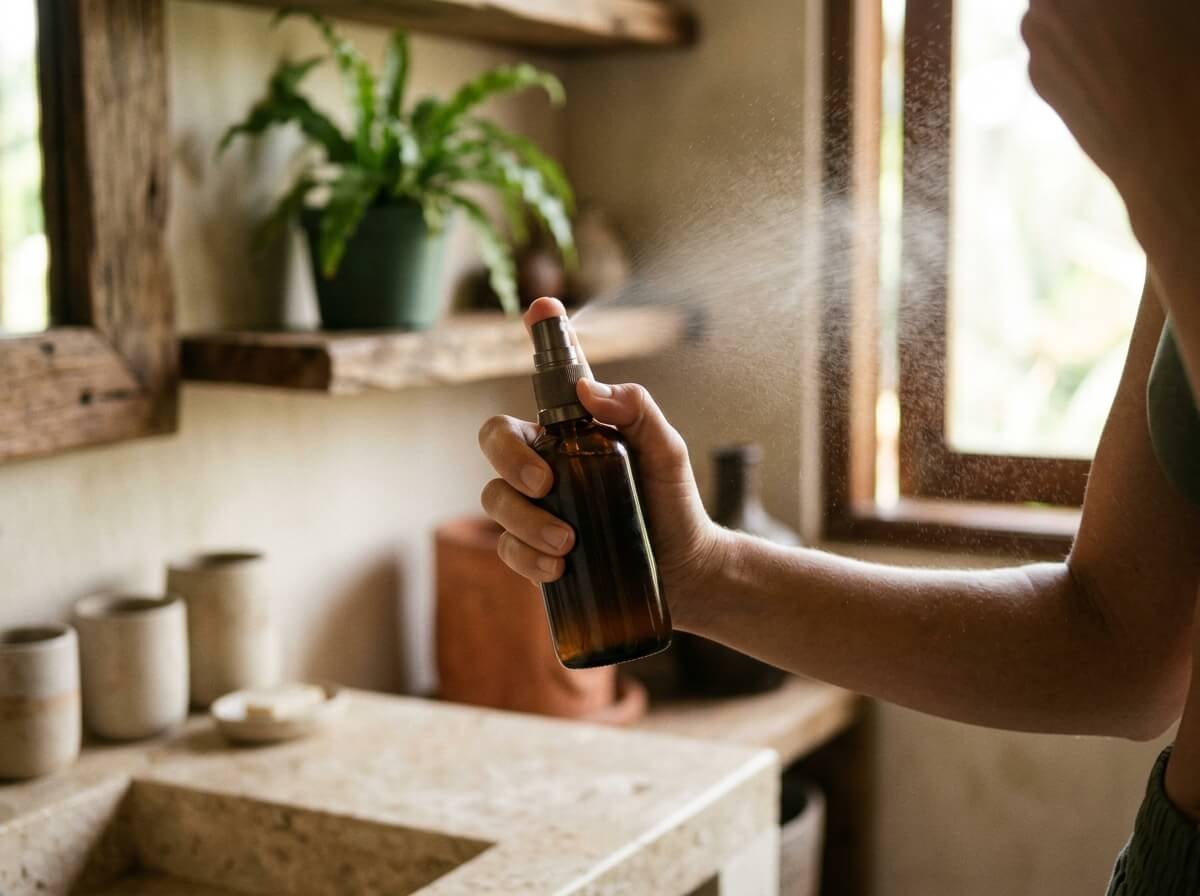
Without aluminum to physically block sweat glands, aluminum free spray deodorants rely on a different strategy: odour neutralisation. The best formulas combine antibacterial botanicals, absorbent minerals, and pH-balancing compounds to create an environment where odour-causing bacteria cannot thrive.
Here is what happens when you apply a natural spray deodorant:
- Antibacterial action. Essential oils like tea tree, rosemary, lemon, and sage have documented antimicrobial properties. They reduce the population of bacteria that cause odour without disrupting the skin’s broader microbiome.
- Absorption. Ingredients like arrowroot powder and magnesium hydroxide absorb moisture at the skin’s surface, keeping you feeling drier without blocking sweat ducts.
- pH regulation. Baking soda (sodium bicarbonate) or zinc oxide create a slightly alkaline environment that inhibits bacterial growth. Some formulas use magnesium instead for those with baking soda sensitivity.
- Fragrance from real botanicals. Rather than synthetic fragrance compounds, natural sprays use essential oil blends for scent, each bringing their own antimicrobial and skin-soothing benefits.
The spray format adds a functional layer. Because the formula is delivered as a fine mist, it distributes evenly across the skin without the drag or residue of a solid stick. It dries faster, layers well under clothing, and works on any body area, not just underarms. Some people use aluminum free spray deodorant on feet, chest, and inner thighs where moisture builds up during warm days.
If you are interested in how essential oils deliver these antimicrobial benefits, the science is grounded in centuries of botanical use and modern research confirming what traditional healers in places like Bali have known for generations.
Key ingredients to look for in a natural spray deodorant
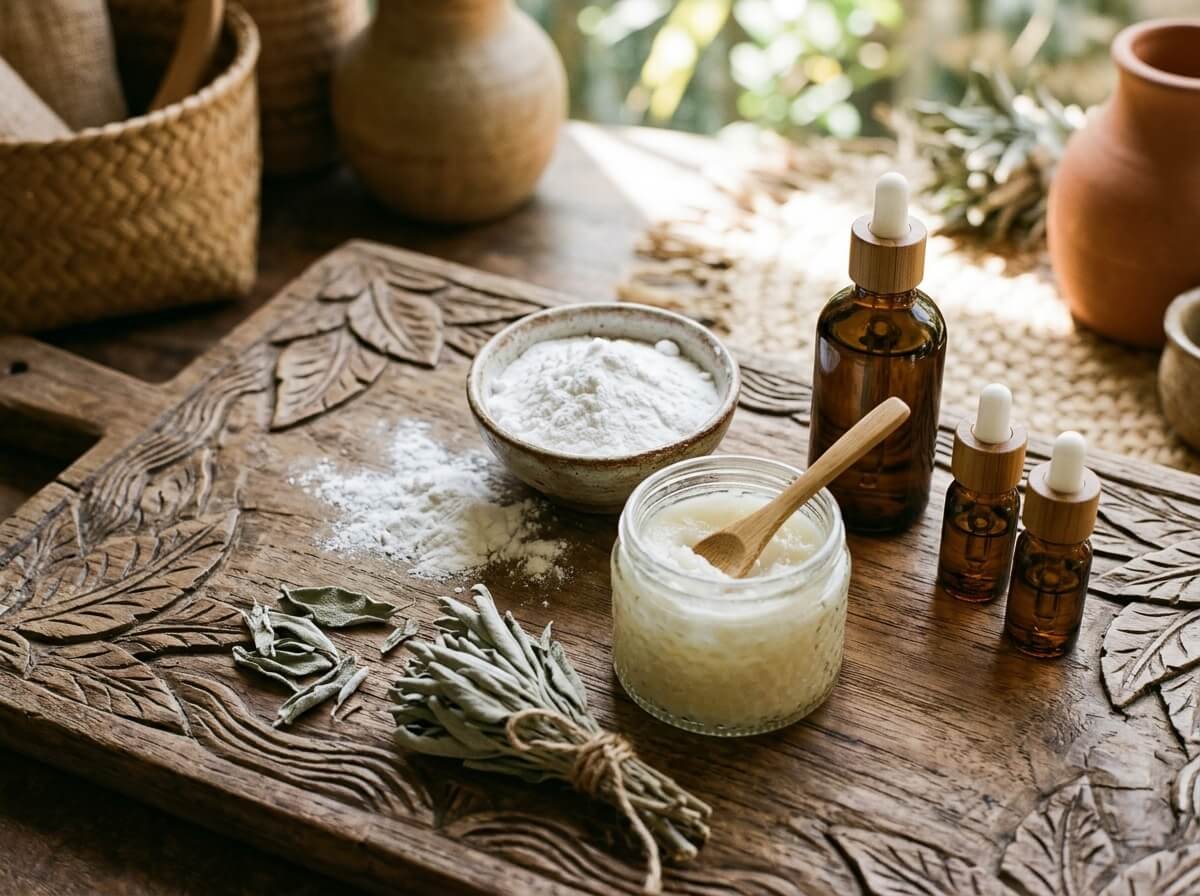
Not all aluminum free deodorant sprays are created equal. The ingredient list tells you everything about whether a product will actually work, whether it will irritate your skin, and whether the brand behind it is being honest about what “natural” means.
Antibacterial botanicals
Look for essential oils with proven antimicrobial action: tea tree, rosemary, lemon, eucalyptus, sage, and lavender. These are not just there for scent. A 2006 study published in the Journal of Applied Microbiology found that tea tree oil showed broad-spectrum antibacterial activity against skin-dwelling bacteria including Staphylococcus species, the primary culprits behind body odour.
At Utama Spice, we use rosemary, lemon, and fennel essential oils in our deodorant formulations. These are sourced with care, blended to work together, and chosen because generations of Balinese herbal practice confirm their efficacy for skin wellness. If you want to explore how essential oil blends work synergistically, that guide explains the layering principle behind effective botanical combinations.
Moisture absorbers
Arrowroot powder is the gold standard in natural deodorant formulation. It absorbs moisture effectively without the pore-clogging effect of talc, and it has a silky feel on skin. Some formulas also use tapioca starch or kaolin clay. The goal is not to stop sweat, but to manage surface moisture so you feel comfortable.
pH buffers
Baking soda remains the most effective natural odour neutraliser. It raises the skin’s surface pH just enough to discourage bacterial growth. However, some people develop irritation from baking soda, especially after shaving. If that applies to you, look for magnesium hydroxide or zinc-based alternatives. Our Hers Deodorant and His Deodorant both use baking soda alongside arrowroot for a balanced, effective formula.
Carrier bases
Coconut oil is a common carrier in natural deodorants because of its lauric acid content, which itself has antimicrobial properties. In spray formats, you may see witch hazel or aloe vera as the liquid base instead, both gentle and skin-soothing. Witch hazel is a natural astringent that tightens pores slightly and adds an additional layer of bacterial control.
What to avoid on the label
Even products marketed as “aluminum free” can contain ingredients worth questioning. Watch for synthetic fragrance (listed as “parfum” or “fragrance”), parabens, propylene glycol, and triclosan. A product that avoids aluminum but loads up on synthetic preservatives and fragrance compounds has not really solved the problem. Read the full ingredient list, not just the front label.
Spray vs. stick vs. cream: why the format matters

Deodorant format is more than personal preference. Each delivery method has real differences in coverage, drying time, portability, and skin contact.
Spray deodorant delivers a fine, even mist that dries in seconds. It covers larger surface areas quickly, leaves no visible residue on skin or clothing, and works well in hot climates where a stick might soften or a cream might feel heavy. For travellers and active lifestyles, spray format is practical: a quick application after a workout, no fingers needed, no mess.
Stick deodorant offers more concentrated application and tends to feel longer-lasting for some users. The downside: it can leave white marks, may drag on freshly shaved skin, and the bar touches your body directly, which some people find unhygienic when sharing.
Cream or paste deodorant often has the highest concentration of active ingredients, but requires manual application with fingers. It takes longer to dry and can feel thick in humid conditions.
For those living in tropical climates or leading active lives, a spray deodorant is often the most comfortable choice. The lightweight feel, fast drying time, and touchless application make it especially suited to the kind of warm, humid conditions we know well in Bali.

Our approach to natural deodorant for women and natural deodorant for men covers how to match format and formula to your body chemistry and lifestyle.

Natural protection, crafted with care
Our Hers Deodorant uses arrowroot, baking soda, and essential oils like lemon, rosemary, and fennel to keep you fresh without aluminum, parabens, or synthetic fragrance. Crafted in Bali since 1989.
The transition period: what to expect when switching to aluminum free
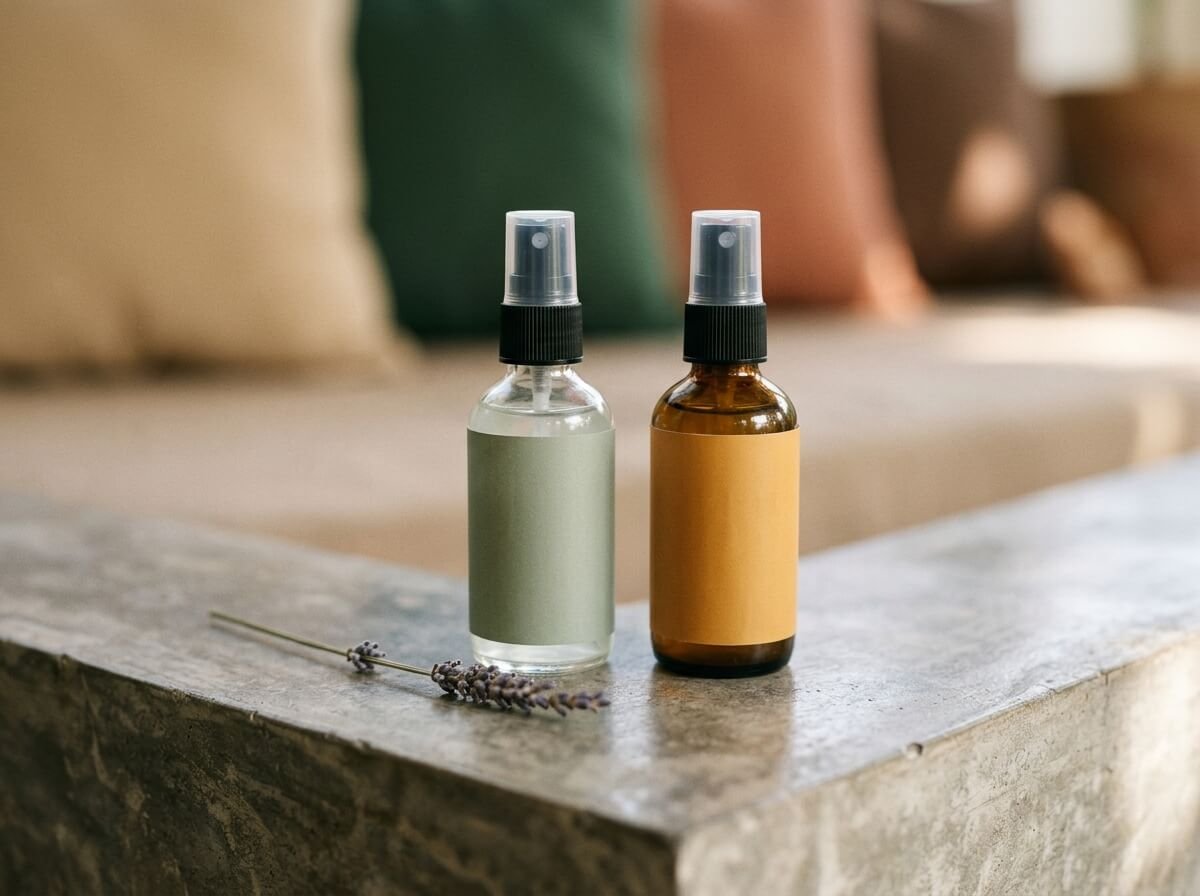
If you are switching from an aluminum-based antiperspirant to an aluminum free deodorant spray, there is something worth knowing: your body may need a recalibration period. This is sometimes called a “detox” phase, though what is actually happening is simpler than that word suggests.
When you stop using aluminum to block your sweat glands, those glands begin functioning normally again. For the first one to three weeks, you may notice increased sweating and stronger odour. This is not the new deodorant failing. It is your body clearing out residue and re-establishing its natural bacterial balance.
Here is what typically happens:
- Week one. Sweat volume may increase noticeably. Odour can be stronger than usual. This is normal.
- Week two. Sweat production begins to stabilise. The bacterial ecosystem on your skin starts adjusting to the new product.
- Week three and beyond. Most people find that their body regulates. Odour decreases, sweat levels normalise, and the aluminum free spray deodorant works as intended.
During this transition, a few strategies help:
- Apply your spray deodorant to clean, dry skin immediately after showering.
- Reapply at midday if needed. Spray format makes this easy: a quick two-second application, no need to find a mirror or wash hands.
- Wear breathable natural fabrics like cotton and linen that allow airflow.
- Be patient. The transition period is temporary, and the payoff is a body that works with its own biology instead of against it.
Our complete guide to natural deodorant covers this transition in even more detail, including tips for specific skin types and activity levels.
How to choose the right aluminum free deodorant spray
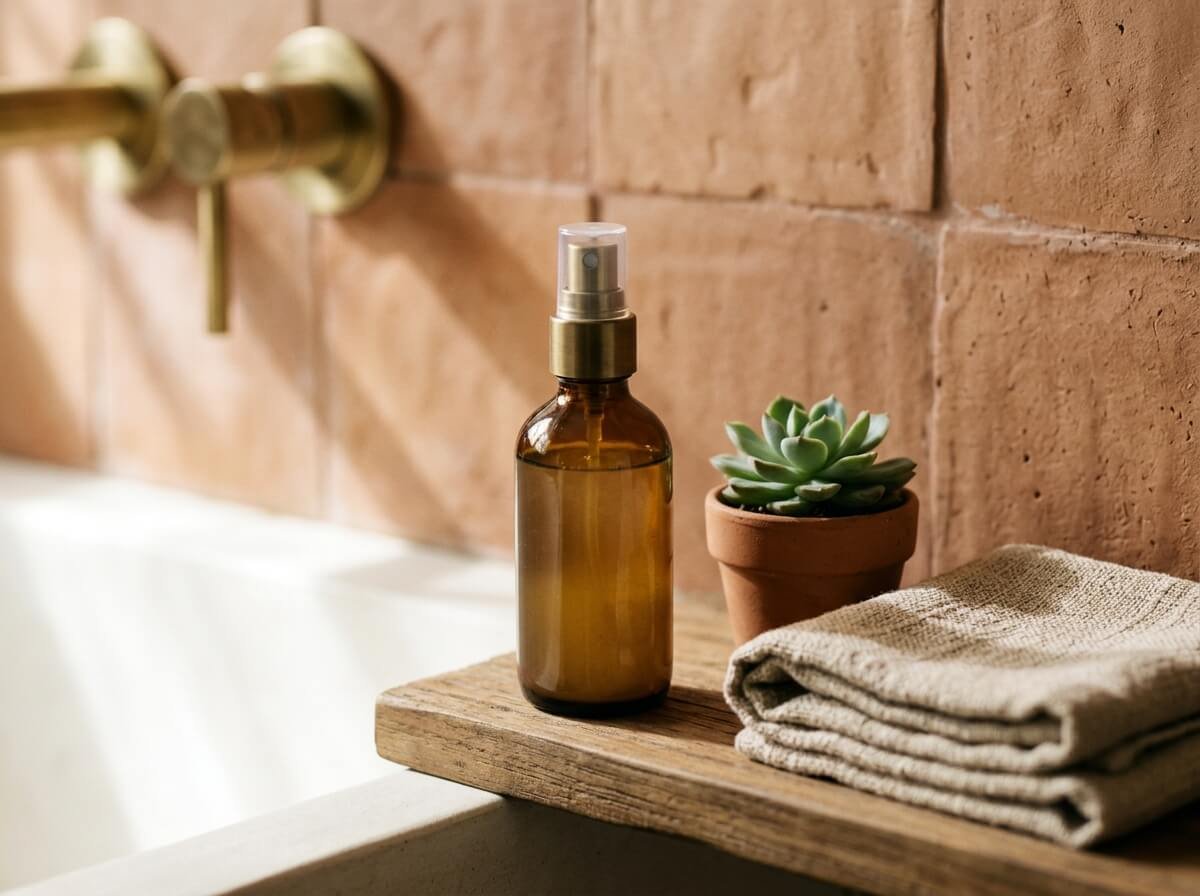
With more brands entering the natural deodorant space every year, choosing the right aluminum free spray means looking beyond marketing claims. Here is a practical framework:
Read the ingredient list, not the marketing
Terms like “clean,” “green,” and “natural” are not regulated. A product can call itself natural while containing synthetic preservatives and fragrance. Flip the bottle. If the ingredient list is short and you recognise every item, that is a good sign. If it reads like a chemistry textbook, think twice.
Consider your skin sensitivity
If you have sensitive skin or react to baking soda, look for magnesium-based formulas. If you tolerate baking soda well, it remains one of the most effective natural odour neutralisers available. Patch-test any new deodorant on a small area of your inner arm before committing.
Match the formula to your lifestyle
If you exercise intensely or live in a hot climate, you want a formula with strong antibacterial botanicals and good absorption. If you work in an air-conditioned office and have mild perspiration, a lighter formula may be sufficient. The spray format itself is inherently well-suited to reapplication throughout the day.
Ask about sourcing and sustainability
Where do the ingredients come from? Are the essential oils ethically sourced? Is the packaging recyclable or refillable? These questions matter because the same values that lead you to avoid aluminum in your deodorant typically extend to how the product was made and what happens to the container when it is empty.
At Utama Spice, our deodorant ingredients are sourced through partnerships that support local communities, including the Balinese botanical tradition that has guided our formulations since 1989. Every ingredient tells a story of connection between people, plants, and place.
Frequently asked questions about aluminum free deodorant spray
Does aluminum free deodorant spray actually work?
Yes, when formulated well. The mechanism is different from antiperspirant: instead of blocking sweat, it neutralises odour through antibacterial botanicals and pH regulation. Most users find that after a brief transition period, a quality aluminum free spray provides reliable all-day freshness.
Will I sweat more without aluminum?
You may notice more sweat initially, especially in the first two weeks of transition. Over time, your sweat glands regulate to a normal baseline. Sweating is a natural and necessary function: it regulates body temperature and helps eliminate waste. The goal is not to eliminate sweat, but to prevent odour.
Can I use aluminum free spray deodorant on other body parts?
Absolutely. Spray format makes it easy to apply to feet, chest, inner thighs, and behind the knees, anywhere that moisture and odour can build up. The even mist distribution means you get light, consistent coverage without the heaviness of a stick or cream.
Is aluminum in deodorant actually dangerous?
The scientific picture is nuanced. Regulatory bodies have not banned aluminum in personal care products, and large-scale studies have not established a definitive causal link to disease. However, some researchers have raised questions about long-term dermal exposure, and many consumers simply prefer to minimise exposure to metals in their daily care products. The choice is personal, and it is worth making it informed.
How often should I reapply a natural spray deodorant?
Most quality formulas last six to eight hours under normal conditions. On very active days or in hot, humid weather, a midday reapplication helps. The convenience of spray format makes this effortless: two seconds, no mess, no mirror needed.
What is the difference between deodorant and antiperspirant?
Deodorant targets odour. Antiperspirant targets sweat. Only antiperspirants contain aluminum (or similar compounds) to block sweat glands. An aluminum free deodorant spray lets you sweat naturally while neutralising the bacteria that cause odour. Understanding this distinction is the foundation of making a confident switch.
A cleaner approach to staying fresh
Choosing an aluminum free deodorant spray is one of those small, daily decisions that reflects a larger shift in how we think about personal care. It is not about perfection. It is about progress: choosing ingredients you understand, supporting brands that source responsibly, and letting your body do what it was designed to do.
The spray format makes this transition easier than ever. Quick application, even coverage, no residue, and the freedom to reapply whenever you need to. Whether you are an athlete, a parent on the move, or someone who simply wants fewer synthetic chemicals in your daily routine, there is an aluminum free spray that fits your life.
If you are looking for a place to start, our Hers Deodorant and His Deodorant are formulated with arrowroot, baking soda, and essential oils chosen for their antimicrobial strength and skin kindness. They are part of a broader botanical body care line crafted in Bali with the same wild-harvested ingredients and refill-culture values that have guided Utama Spice for over 35 years.
What you give your body matters. And sometimes, what you choose not to put on your skin matters just as much.