Natural retinol alternative: a Balinese botanical guide beyond bakuchiol
Search for a natural retinol alternative and the same three names come back: bakuchiol, rosehip, and carrot seed. They are real botanicals with real evidence, and we have nothing against them. The trouble is that the conversation almost always stops there. Half the world’s botanical pharmacy never makes it into the article. The turmeric a Balinese grandmother grinds into her morning paste, the illipe butter wild-harvested in Kalimantan, and the kukui oil pressed in Pacific kitchens for generations: none of it shows up next to bakuchiol on the lists.
This guide widens the canon. It is what a wise friend with 35 years of Bali botanical work would tell you, honestly, about which plant actives nudge skin toward renewal, which ones cannot, and how to build a ritual that respects both the science and the tradition.
What a natural retinol alternative actually means
Retinol is a form of vitamin A. Inside skin cells, it converts to retinoic acid, which binds to retinoid receptors and signals the genes that govern cell turnover, collagen synthesis, and pigment regulation. That signalling is why dermatology has used retinoids for decades to treat acne, smooth tone, and support firmer skin over time.
A natural retinol alternative, by an accurate definition, is any plant-derived molecule that activates one or more of those same downstream pathways without being vitamin A itself. The bar is honest, not magical. We are not looking for a botanical that does everything retinol does. We are looking for plants whose compounds signal the same skin-renewal machinery, often more gently, with fewer side effects for sensitive skin.
Three things real botanical actives can do:
- Cell-turnover support: nudging keratinocytes to renew, softening dull surface texture.
- Antioxidant load: protecting cells from oxidative stress, the kind that drives premature dullness and uneven tone.
- Collagen support: signalling fibroblasts to build the structural matrix that keeps skin firm and resilient.
Three things a botanical active cannot do at the same intensity as prescription retinoids:
- Treat moderate-to-severe acne with the speed prescription retinoids can.
- Reverse deep photodamage that is already structurally set into the dermis.
- Skip the slow, consistent timelines all skin renewal asks for.
This honesty matters. Greenwashed marketing tends to overpromise, then disappoint. The truth is calmer and more useful: botanical actives work, they work alongside other care, and they reward consistency more than any single bottle. A reader serious about renewal will benefit from pairing botanical actives with the foundations every healthy skin asks for: protection, hydration, and rest. We cover that mindset more deeply in our guide to clean beauty beyond the label, which is the lens we bring to every ingredient list here.
The Western natural retinol alternative canon, honestly reviewed
Three plants dominate the natural retinol alternative conversation in the West. Each deserves a fair hearing.
Bakuchiol comes from the seeds of Psoralea corylifolia, a plant used for centuries in Ayurvedic and traditional Chinese medicine. Peer-reviewed studies have shown bakuchiol comparable to retinol for surface fine lines and pigmentation across a 12-week window, with significantly less irritation. It is a meaningful ingredient. It earned its seat. The caveat is that bakuchiol formulas usually rely on synthetic encapsulation systems and high price points, and most of the plant is now grown for commercial extraction in monoculture conditions.
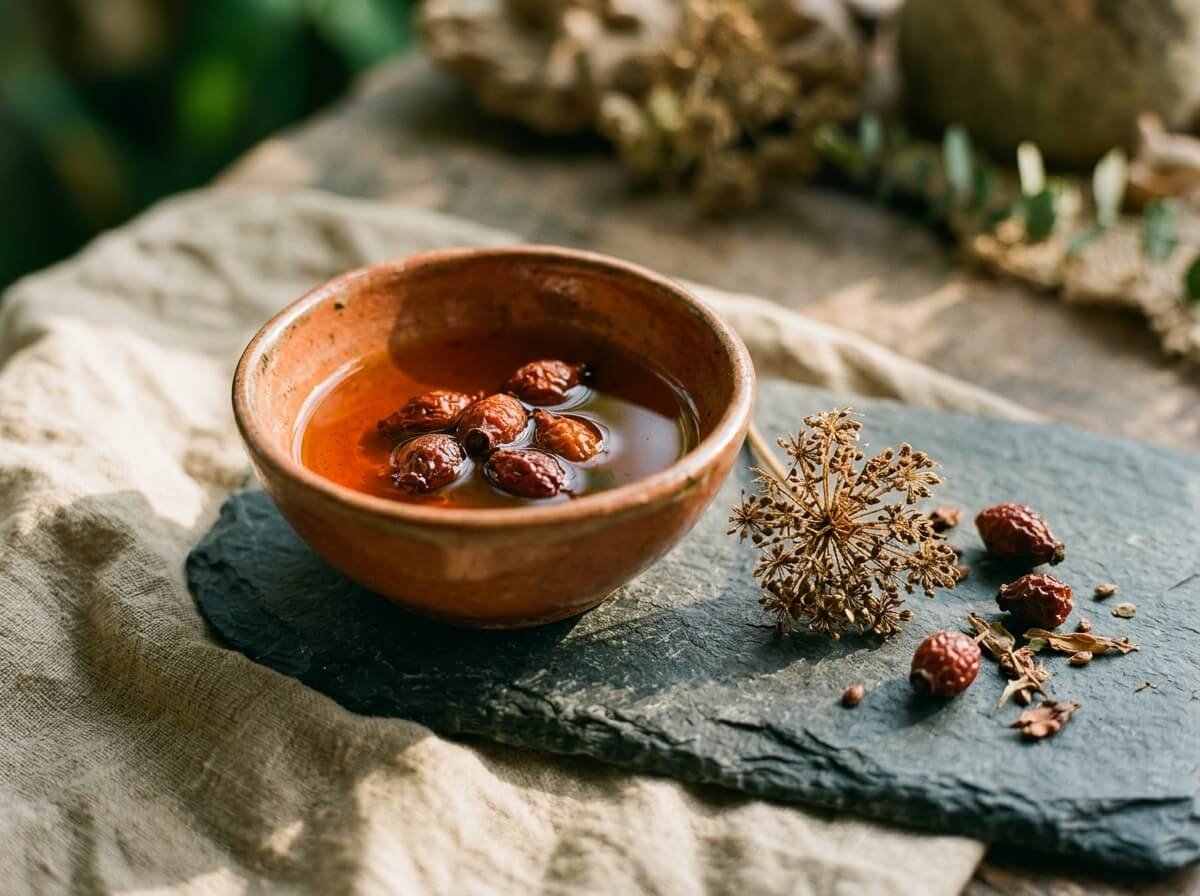
Rosehip seed oil is pressed from the fruit of Rosa canina. It carries trans-retinoic acid in trace amounts and is rich in linoleic acid, vitamin C, and carotenoids. The evidence behind rosehip for tone, texture, and post-inflammatory pigmentation is solid. Cold-pressed, single-origin rosehip oil is one of the most reliable single-ingredient picks for daily renewal work. It oxidises quickly once opened, so small bottles stored away from light matter more than the marketing usually suggests.
Carrot seed oil, from Daucus carota, brings carotenoids that convert to vitamin A precursors in the skin. The oil is also rich in beta-carotene, falcarinol, and antioxidant terpenes. Used in low percentages within blends, it offers gentle support. It is also strongly scented, which limits how much can be layered into a daily ritual before the aroma takes over.
These three are real, honest picks. The trouble we have is not with the plants. It is with the storytelling. Mainstream guides treat the Western canon as the whole picture, when in fact it represents one small geographic and cultural slice of the botanical world that does this work. To stop there is to leave most of the conversation off the page.
The Indonesian botanical pharmacy
Indonesia holds a botanical inheritance that has supported skin renewal for centuries before retinol was first synthesised. These are the plants we work with daily in Bali, and the ones we believe belong in any honest natural retinol alternative conversation.
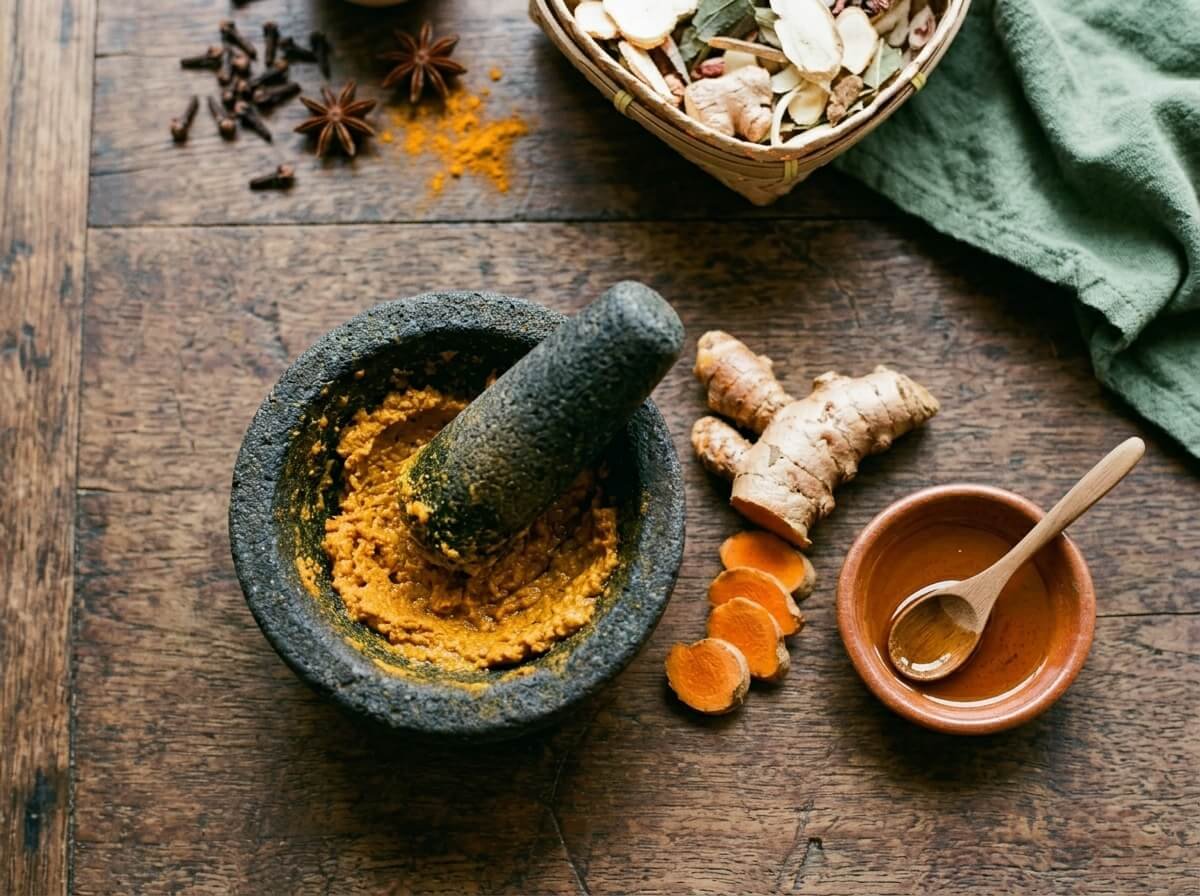
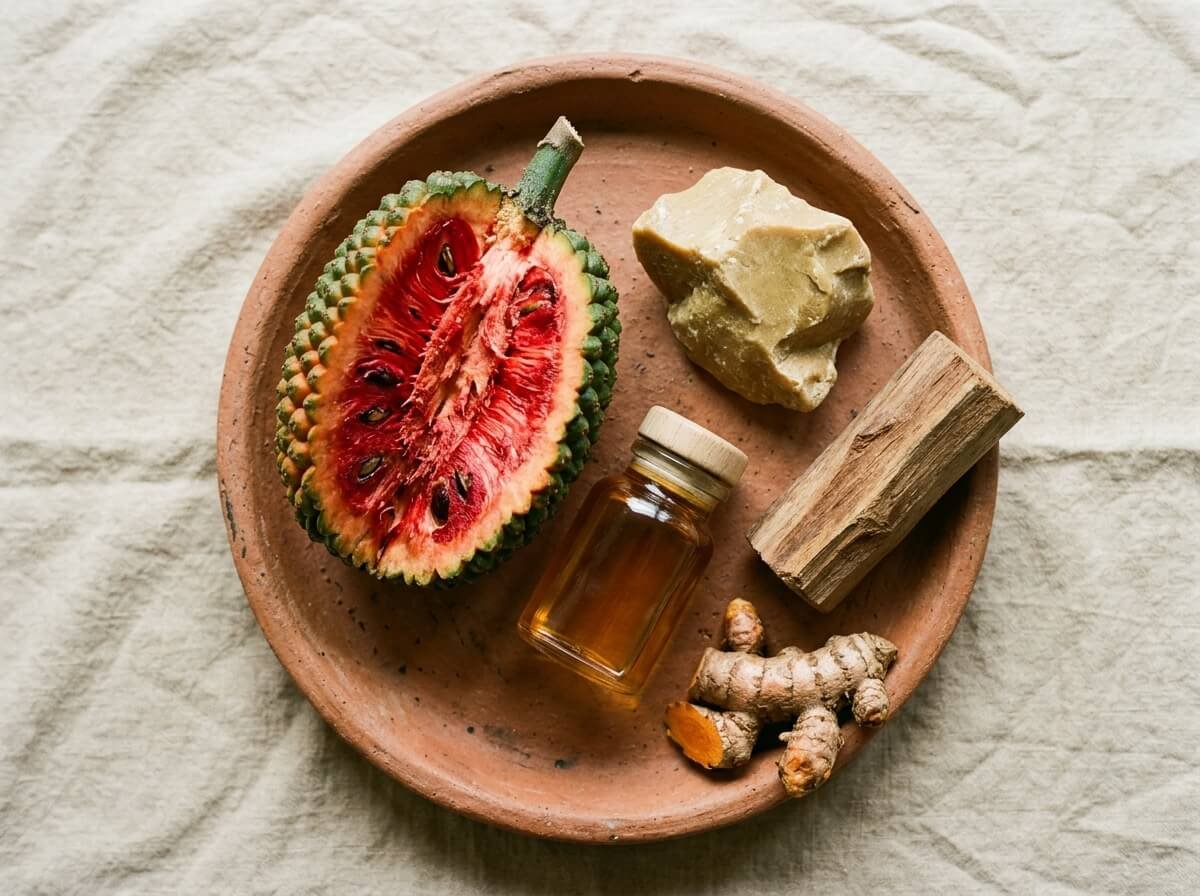
Turmeric (kunyit, Curcuma longa). The roots that Balinese kitchens grind for jamu also hold curcumin, one of the most studied anti-inflammatory and antioxidant molecules in plant medicine. Topically, curcumin scavenges reactive oxygen species, supports calmer tone, and has documented effects on hyperpigmentation. We trace the long story of turmeric in skincare in our companion piece on turmeric for natural skin care.
Illipe butter (Shorea stenoptera). Wild-harvested in Kalimantan’s rainforest through the Forestwise partnership, illipe butter is one of the planet’s most stable plant butters. Its fatty-acid profile, dominated by stearic and oleic acid, makes it a quiet workhorse for the skin barrier. Damaged, depleted, or post-treatment skin recovers more easily when the barrier is intact. Renewal cannot happen on a leaky barrier, so illipe earns a place in the renewal toolkit as a foundation, not a flash. More on its sourcing and craft story in our illipe butter daily piece.
Kukui oil (Aleurites moluccanus). Cold-pressed from the candlenut, kukui has been used across the Pacific for hair, scalp, and skin care for generations. Its lightness, its high linoleic and alpha-linolenic acid content, and its skin-similar profile make it one of the most absorbable carrier oils for sensitive or sun-stressed skin. We dig into its lineage in our kukui oil deep dive.
Sandalwood (cendana, Santalum album). Sandalwood essential oil carries santalols, the molecules responsible for both its grounding scent and its real anti-inflammatory activity on skin. Traditional Balinese paste preparations have used sandalwood for clarifying and calming for centuries. Used at correct dilution, it sits beautifully in a renewal ritual.
Buah Merah (Pandanus conoideus). The red fruit of West Papua is one of the densest food sources of beta-carotene and tocopherols on earth. Its oil is rich in unsaturated fatty acids and carotenoid pigments that support tone evenness and antioxidant defence. We tell its story in our daily Buah Merah piece.
This is not an exhaustive list. It is a beginning. Anyone serious about a natural retinol alternative ritual will benefit from making room for at least one of these ingredients on their shelf.
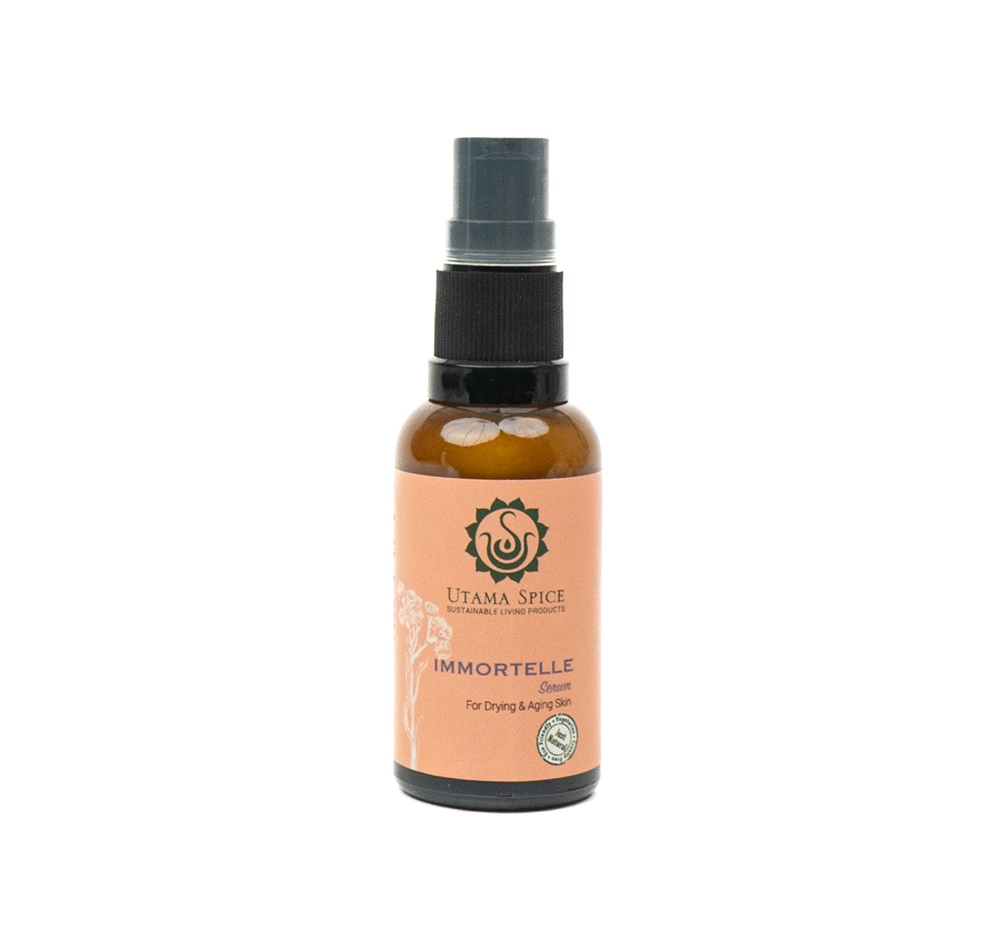
Helichrysum, frankincense, and rose geranium in one quiet bottle
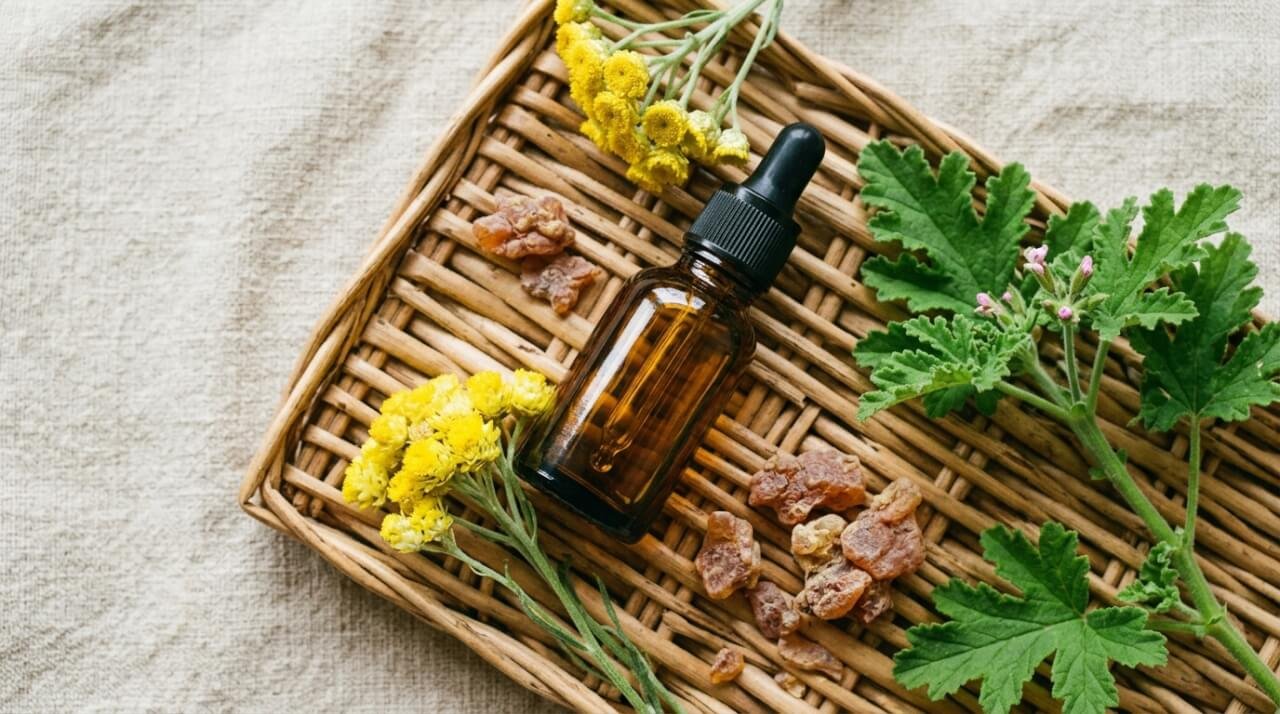
Our Immortelle Helichrysum Face Serum brings together the botanical actives this guide keeps returning to. Helichrysum for skin renewal, frankincense for tone, and rose geranium for balance, layered with jojoba, neroli, myrrh, and ylang ylang in a single golden serum. Crafted in Bali, in small batches, with no greenwashing.
How to read a label
Marketing language outruns ingredient lists. The fix is to learn to read the label. A few things to look for, and a few to be wary of.
Look for botanical names alongside the common name. Curcuma longa (turmeric) belongs after the marketing word. Pandanus conoideus belongs after Buah Merah. INCI names are the receipts, common names without them are a flag.
Look at order of appearance. INCI lists run from highest to lowest by weight. If the hero ingredient sits in position 15, it is present in a dusting, not a meaningful concentration.

Look for the carrier system. Active botanicals only work if delivered in a carrier that lets them reach the skin. Jojoba (Simmondsia chinensis), squalane (often from olive), and unrefined plant oils all carry actives well. Mineral oil, dimethicone-heavy bases, and synthetic emollients tend to sit on top of the skin barrier instead of moving through it.
Be wary of words like “miracle,” “revolutionary,” or “100% natural” sitting on the front of the bottle without a single named active. Calm formulations rarely need shouty packaging. Be wary of “clinically proven” without a study you can actually read. Real evidence shows its working.
A useful cross-reference tool is our list of essential oils and their uses, which keeps the INCI names alongside the common names so you can match what a brand claims to what is actually listed.
Reading well takes a minute longer than reading fast. The minute is worth it.
Building a gentle renewal ritual with botanical oils
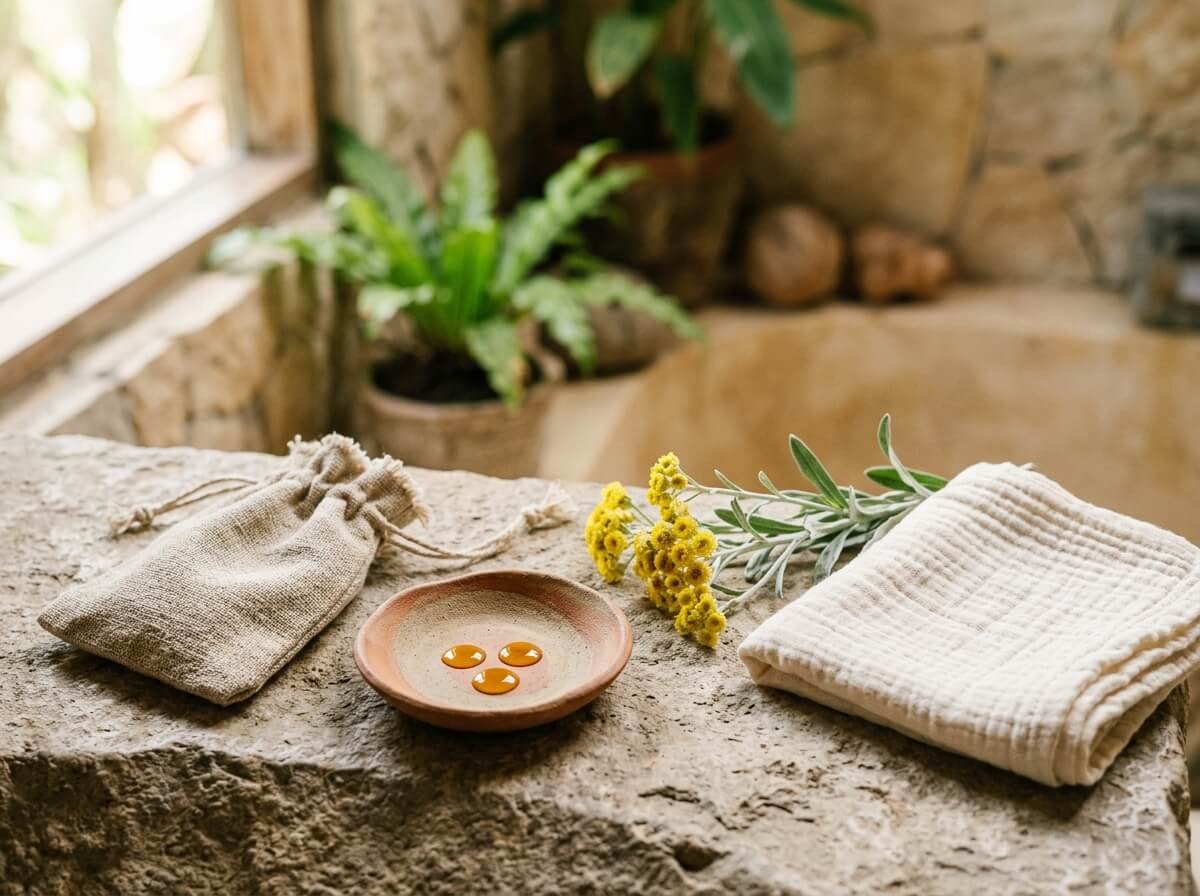
Renewal is a daily practice. The ritual that supports it does not need to be elaborate. It needs to be consistent.
Morning. Cleanse gently. Hydrate first, then layer a single active oil. We are partial to our Sensitive Face Serum for skin still finding its footing with botanical actives, layered under a soft moisturiser like our HydroBotanic 3-in-1 Hydrating Face Cream. Finish with mineral sunscreen. Botanical antioxidants protect more effectively when the skin is not also defending against unfiltered UV.
Evening. Cleanse again. This is the slot where stronger renewal work belongs, because the skin’s own repair cycles peak at night. Two or three drops of a serum carrying actives like helichrysum, frankincense, or rose geranium, pressed into damp skin, give the actives a chance to absorb without being lost to the air.
Layering. Active botanical oils pair well with plant butters for hydration support. They do not need to compete with half a dozen other serums. A clean ritual of three steps, used every day, will move skin further in a season than a 10-step routine used inconsistently. We map a fuller framework in our natural skincare routine guide and a complementary moisture-first piece in our natural face moisturiser guide.
Sensory cues. Botanical rituals work better when they feel like rituals. A slow inhale of frankincense as you press the serum in, the cool brush of a stone tool, the quiet of two minutes before the day begins or ends, all of these are part of the work. Skin reads stress chemically. So does mood. The two are linked. A reader who keeps the ritual as a small calm anchor will see results that pure ingredient lists cannot predict.
If your skin is mature or treatment-responsive, our companion read on aloe vera gel for skin offers a gentler hydration layer that sits well underneath any of the renewal oils above. For readers building a first oil from scratch, our Frankincense Essential Oil, properly diluted into a quiet carrier like jojoba, is a calm, traditional starting point.
What botanicals cannot replace
Honesty closes the circle. A natural retinol alternative is one part of a healthy skin life. It is not the whole.
SPF. Daily mineral sunscreen does more for prevention than any active you can buy. Without it, every botanical you apply is working against a slow oxidative tide. With it, the same botanicals are amplified.
Sleep. Skin repairs at night. A reader who sleeps four or five hours a night is asking botanicals to do work that hormones are not signalling. The ritual works better when sleep does.
Hydration from within. Two-and-a-half litres of water through the day is a reasonable target. Bali heat steals more than people realise, and so does air conditioning anywhere else in the world.
Consistency over intensity. A serum used three nights a week beats a serum used once a fortnight at twice the price. The body responds to rhythm, not novelty.
Patience. The collagen produced after a renewal ritual today is structurally visible months from now. The carotenoid load supporting tone today is doing its quiet work even when nothing has changed in the mirror yet. Skin operates on its own calendar.
We are not in the business of pretending plants can replace SPF, water, sleep, and time. We are in the business of crafting honest botanical care that respects all four, and adds something the others cannot.
Frequently asked questions
Is a natural retinol alternative as effective as prescription retinol for fine lines? Honest answer: not at the same speed. Bakuchiol came closest in head-to-head trials, comparable on fine lines and pigmentation across 12 weeks with less irritation. The wider Indonesian botanical canon, used consistently over months, supports tone evenness, barrier integrity, and the cell-turnover signals that fine lines respond to. Renewal is real with botanicals. It is patient.
Can I layer a natural retinol alternative with vitamin C? Yes, and many readers do. Most botanical actives sit easily under or over a vitamin C serum. The standard guidance is to apply the lighter texture first, give it a minute to absorb, then layer the heavier oil on top. If your skin is reactive, keep them on separate slots, vitamin C in the morning under SPF, botanical renewal oil at night.
How long until I see results? Surface texture and dullness often respond in the first 4 to 6 weeks. Tone evenness and post-inflammatory pigmentation usually take 8 to 12 weeks of consistent use. Collagen support, the slow-build kind that helps skin feel firmer, is a six-month conversation. Marketing that promises faster is selling something other than skin.
Are botanical actives safe during pregnancy? Many are, but not all. Bakuchiol is widely considered pregnancy-safe and is often recommended in place of retinol during pregnancy and breastfeeding, while some essential oils are not recommended. Always check the full ingredient list with your healthcare provider and look for products without retinol or retinyl palmitate. Helichrysum, rose geranium, and rosehip oil are commonly used; sandalwood and clary sage have specific cautions to discuss.
Does my skin type change which botanical I choose? Yes, and it matters more than people think. Dry skin loves the lipid-rich oils, rosehip, kukui, and illipe in particular. Oily and combination skin do better with lighter linoleic-leaning oils and water-based actives, so a single drop of bakuchiol blend or a turmeric-infused gel layer fits better than a heavy occlusive butter. Sensitive skin should begin with one active at a time, give each four weeks, and watch how the skin responds before adding the next.
Where does Utama Spice fit into this? We do not make a bakuchiol product, and we are not interested in jumping a trend just because it is trending. What we have made for 35 years is honest botanical care, hand-blended in Bali, with the ingredients listed in plain language on the label. Our role in this conversation is to widen it, not to sell you the buzzword.
The bakuchiol-and-friends conversation is a useful starting point. It is not the whole map. Turmeric, illipe, kukui, sandalwood, and Buah Merah have been quietly doing this renewal work in Bali and across Indonesia long before the natural retinol alternative search query existed, and the science is only now catching up with what generations of Balinese makers already knew. We will keep widening this canon, post by post, because the readers who deserve a real answer deserve a real one.