Natural face moisturizer: a botanical guide to choosing one that actually works
A good natural face moisturizer is quieter than the marketing around it. It does fewer things, more honestly. It hydrates the skin, supports the barrier, and stays out of the way of everything else your skin is already trying to do. The trouble is that most of what gets sold as a natural face moisturizer is not really natural at the level that matters, and what is genuinely natural is often described in language so vague it tells you nothing about what is inside the jar.
We have been blending botanical skincare in Bali since 1989, and we have spent the last few years rewriting our own face line around a simpler question: what does the skin actually need, and what ingredients are honest enough to deliver it. This guide is what we wish more people had when they started looking. It is grounded in botanical science, shaped by Balinese craft, and free of the language we do not trust. By the end, you will know how to read a label, how to match a moisturizer to your skin, and how to tell the difference between a product that performs and one that merely poses.
What “natural” really means on a face moisturizer label
The word natural has no legal definition in skincare in most of the world. A face cream can advertise itself as natural, plant-powered, or botanical, and still contain synthetic emulsifiers, petroleum-derived occlusives, undisclosed fragrance compounds, and preservatives that have been linked to hormone disruption. The label is a vibe, not a guarantee. That is the first thing worth knowing.
What we believe natural should mean, when applied to a face moisturizer, is closer to this: the formula leads with plant-derived, food-grade, traceable ingredients; the synthetics that are present are there for a specific functional reason, not as cheap filler; preservation is gentle and disclosed; and the brand can tell you where the hero ingredients came from, who harvested them, and what soil they grew in. That is a much higher bar than the word natural alone, and it is the bar we hold ourselves to.
You can do this yourself in 60 seconds. Turn the jar over and read the first five ingredients. If you can recognize them as plants, oils, or simple molecules with names you have heard before, the product is probably honest. If the first five are alphabet-soup glycols and acrylates, the marketing is doing more work than the formula. This small habit, repeated, is one of the most useful tools you have, and it has nothing to do with brand loyalty. It is just literacy.
Hydration and moisture are not the same thing, and your skin knows the difference
Most face products lump everything under the word moisturize, but skin actually needs two different jobs done. Hydration is water in the upper layers of the skin. Moisture, in the way we use the word, is the lipid film that keeps that water from evaporating. Hydration without moisture is a leaky bucket. Moisture without hydration is a sealed empty room. A genuinely useful natural face moisturizer does both at once, which is why ingredient selection matters as much as it does. We wrote more about the difference in our short note on hydration and moisture as two separate jobs, and the distinction has shaped how we formulate everything since.
Humectants pull water into the skin. The honest ones include glycerin, aloe vera, honey, hyaluronic acid (which can be plant fermented), and panthenol. Emollients smooth and soften, working between the cells of the outer layer. Squalane, jojoba, and many seed oils sit here. Occlusives form the protective top layer that slows water loss. Plant butters such as shea, cocoa, and illipe live in this category, along with some waxes. A natural face moisturizer that works will lean on at least one ingredient from each group, layered intentionally rather than thrown together.
This is also why some people feel oily after using rich creams but still wake up with dry, tight skin. The product gave them occlusion without enough water in the formula, so the skin felt coated rather than fed. Or they used a hydrating serum on a dry day with no moisturizer over it, and the water evaporated within an hour. Once you know the difference, you can stop blaming your skin and start reading the formula.
Ingredients that earn their place in a natural face moisturizer
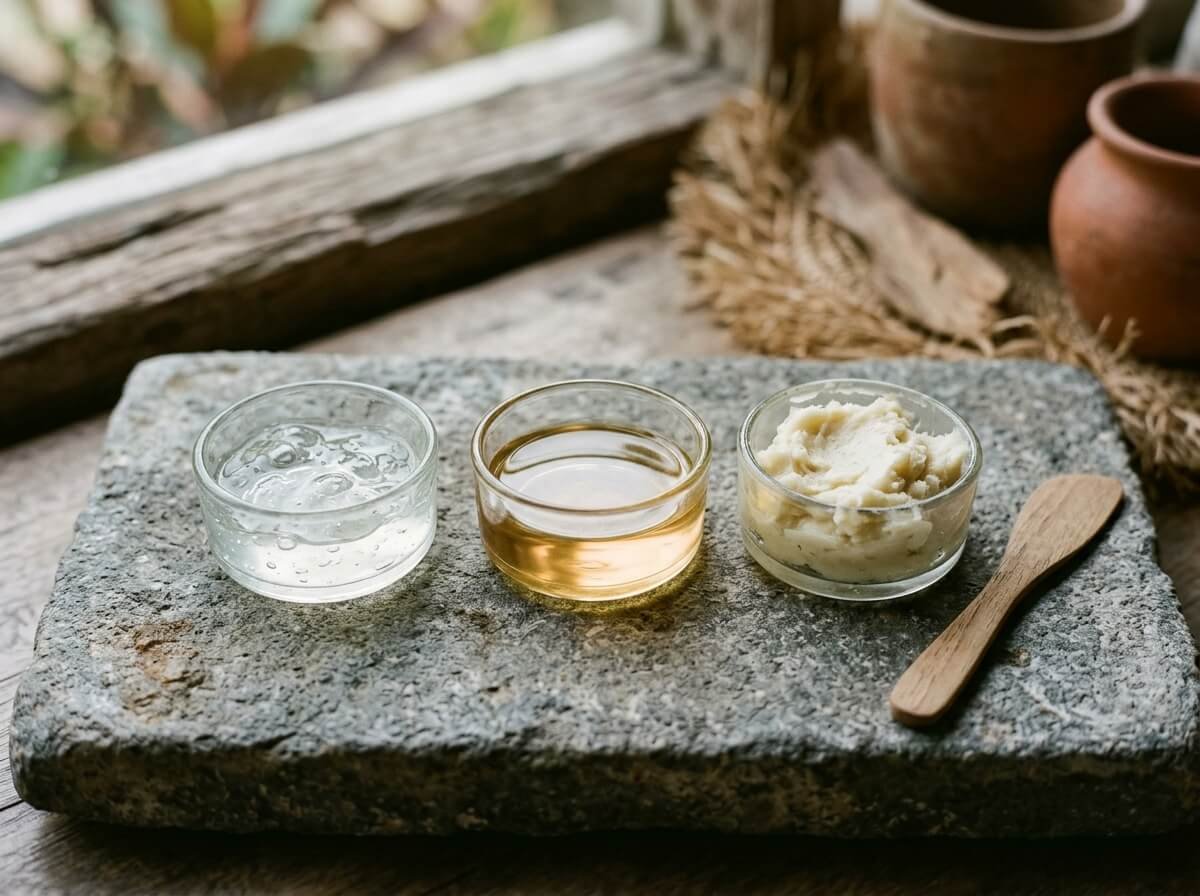
There is a short list of ingredients that have earned their place in modern botanical face care, by long use, by research, or by both. None of them are miracles. All of them have a job. Below is the working list we use when we formulate, and the one we hope you can recognize the next time you read a label.
- Hyaluronic acid (plant fermented): a humectant molecule that can hold many times its weight in water. The cleanest sources are now fermented from wheat or soy, not animal derived. Pulls hydration into the upper layers of the skin and keeps it there.
- Squalane: a stable, plant-derived lipid that closely matches the skin’s own sebum. Olive squalane is the most common ethical source. Restores softness without clogging pores, even for combination skin.
- Niacinamide (vitamin B3): a single nutrient with several jobs, including supporting the barrier, calming redness, and helping to refine pore appearance over time. Synthetic in form but identical to its natural counterpart.
- Ceramides: the natural lipids that sit between skin cells and lock in water. Plant-derived ceramides made from rice or wheat now match the structure of human ceramides closely enough to be useful in topical care.
- Argan oil: cold-pressed from the kernels of the Moroccan argan tree. High in vitamin E and fatty acids. Lightweight, fast absorbing, and supportive of barrier repair.
- Jojoba oil: technically a wax ester rather than an oil. Closely mirrors human sebum, which is part of why it absorbs cleanly and rarely causes congestion.
- Aloe vera: a humectant with mild anti-inflammatory action. We have written about aloe vera gel for skin separately because it is so widely misunderstood.
- Kukui (candlenut) oil: a Pacific botanical with a long history in Balinese skin ritual. Light, deeply nourishing, rich in linoleic acid. More on the ingredient in our deeper guide to kukui oil for skin, hair, and ritual.
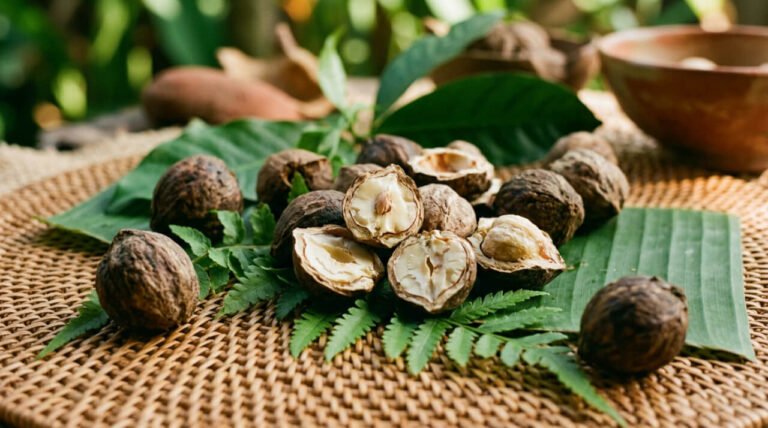
- Illipe butter: a rich plant butter wild-harvested in Kalimantan. Closer in structure to cocoa butter, slightly less waxy. Works as a quiet, sustained occlusive in richer formulas.
What you will not find in our list, and what we treat with caution generally, are mineral oil, paraffin, dimethicone-only occlusion, synthetic fragrance, parabens, formaldehyde-releasing preservatives, and the long family of ethoxylated surfactants. None of these are necessary to make a face moisturizer work. Most of them are there because they are cheap and shelf-stable, which is a business reason, not a skin reason. The point of a natural face moisturizer is to refuse that trade.
How Balinese craft shapes a calmer, more grounded approach to facial care
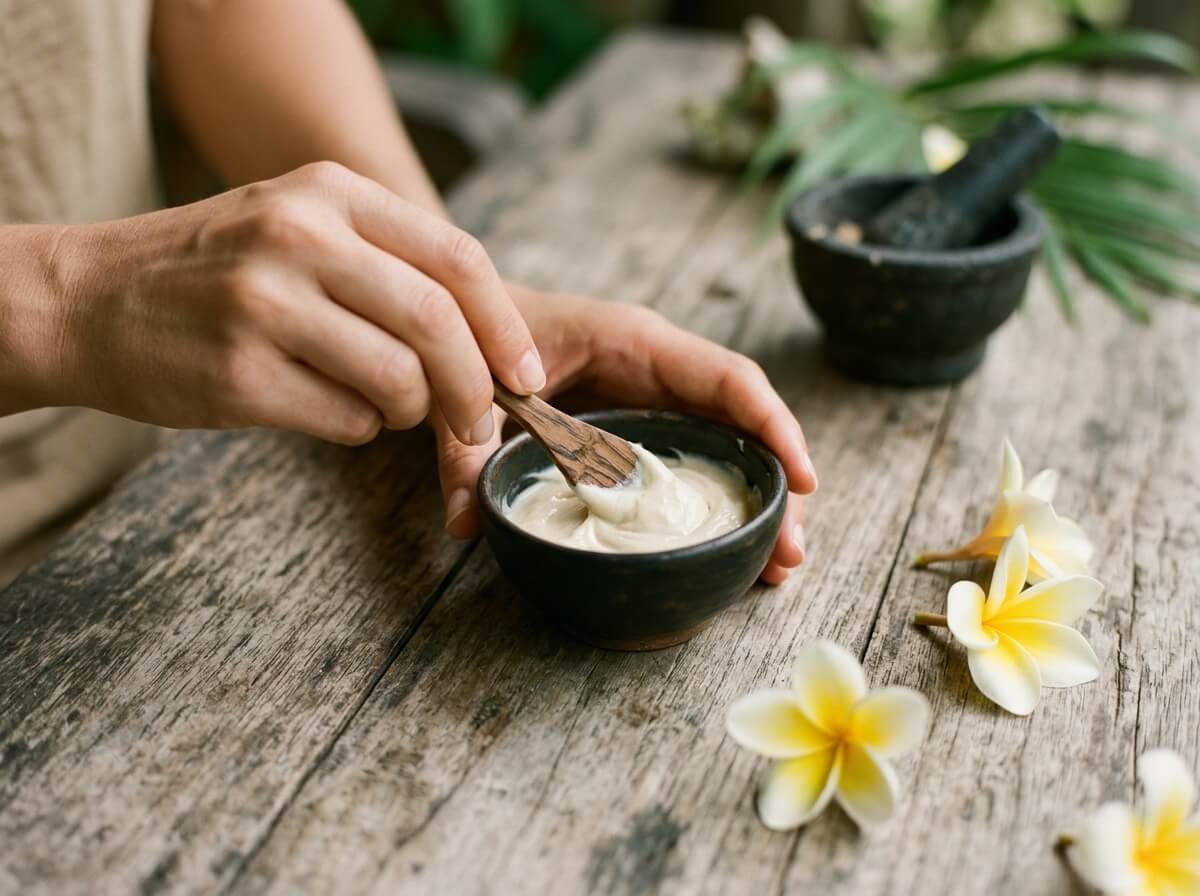
We did not arrive at our formulation philosophy by accident. We arrived at it by working alongside Balinese herbalists, healers, and generations of women who treated skin care as part of daily ritual rather than a problem to be fixed. In Bali, plant medicine is not a category called wellness. It is what you reach for in the kitchen, in the garden, after a long walk in the sun, and before bed. That worldview shows up in how we formulate.
It shows up first in restraint. A traditional Balinese face blend rarely has more than five or six ingredients, because each one has a known job and the maker can taste, smell, and feel whether it is doing it. We carry that forward by trimming our face formulas to what is essential, then sourcing each ingredient with care. Coconut oil from cooperative farms in Bali. Illipe butter from rainforest families in Kalimantan via the Forestwise partnership. Kukui from the same regions, in the same ethically harvested way. When we say a moisturizer is botanical, we want to be able to point at the village it came from.
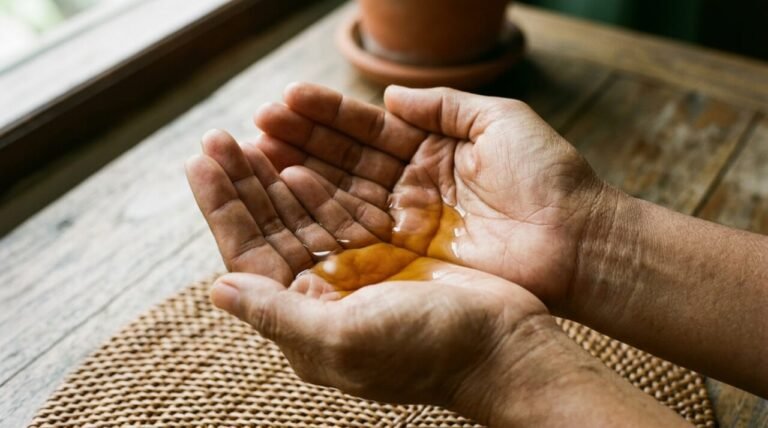
It shows up second in temperature and texture. Balinese ritual prefers warmth, slow application, and bare hands as the tool. A natural face moisturizer is not meant to be slapped on. It is meant to be warmed between the palms first, pressed into the skin in slow upward strokes, and allowed to settle while you breathe. We design our textures to reward that practice, which is also why our HydroBotanic 3-in-1 Hydrating Face Cream turns from a soft cream into a near-water feel as soon as warmth touches it. The skin recognizes the cue.
It shows up third in the relationship to time. Balinese craft does not rush. We refused to launch a face line until we were ready to back the sourcing, and we still take longer than we could on every small-batch run because we are not willing to industrialize the parts of the process that matter. If you want a moisturizer that comes from a long-running, slow tradition, ours is one path. If you want one rooted in a different place, that is fine, and the questions to ask are the same: who made it, where, why, and what tradition do they belong to.
Reading the label, spotting greenwashing, and trusting your nose
Greenwashing in the moisturizer aisle takes a few predictable shapes. The first is the leaf icon, used on packaging that is otherwise unchanged from the brand’s mainstream line. The second is the percentage claim that does not disclose what is being measured. A product labelled 95% natural can still rely on the remaining 5% for the parts of the formula that do the most work. The third is the ingredient list ordered to mislead, with a hero botanical near the top but at clinically irrelevant levels, while heavier, cheaper synthetics sit two lines below. We covered this pattern more fully in our piece on clean beauty and what it really means, and the same rules apply here.
A few practical things to do at the shelf, or at your laptop on a Sunday evening.
- Read the first five ingredients aloud. If you can pronounce them and roughly know what each is, the formula is honest. If you cannot, the marketing is louder than the formula.
- Search the brand name with the words sourcing or traceability. A brand that has a real supply chain story will surface it within a click. A brand that does not will surface press releases instead.
- Ignore the front of the jar. The back is where the truth lives. Front-of-pack is design. Back-of-pack is regulation.
- Smell it before you commit. A genuinely natural face moisturizer smells faintly of the plants it contains. A synthetic fragrance hits the nose first and lingers in a way that is more perfume than plant. If you are unsure, give it a day. Plant scents fade naturally within minutes.
- Buy the small size. There is no shame in starting with the smallest jar, no matter how confident the marketing is. Your skin will tell you within a week whether the product is honest.
If a brand cannot answer those questions easily, that is your answer. You are not being demanding by asking. You are being literate. This is care in action, applied to the small decision of what we put on our face every morning.
Matching a natural face moisturizer to your skin type
Skin type matters less than people think, but it matters in the right places. The biggest variable is not whether your skin is oily or dry, but what your barrier is doing and how it responds to the climate around it. Below is the matching guide we use ourselves, with the caveat that all of this is a starting point, not a rule. Try, observe, adjust.
Combination skin and most adult skin
You want a moisturizer that hydrates first and seals lightly. Look for hyaluronic acid or aloe near the top of the ingredient list, plus lighter oils such as jojoba, squalane, or argan, and a small amount of a richer butter for the seal. This is the territory our HydroBotanic 3-in-1 was designed for. It moves through three textures as it absorbs, so the skin gets water, lipid, and barrier support in one step.
Dry skin
Layer a hydrating serum or essence under a moisturizer with more lipid weight. Argan, kukui, and a heavier butter such as shea or illipe are your friends here. Avoid moisturizers built on dimethicone alone, which will smooth the surface without actually feeding the barrier. If your skin is dry and fragile, our broader notes on natural body oils as carrier oils apply to the face as well, with the caution that you want less density on the face than on the body.
Oily and acne-prone skin
Skip the assumption that oily skin does not need moisture. It often does, because the surface oil is sometimes a response to underlying dehydration. Choose a lightweight, mostly humectant moisturizer, with a small amount of non-comedogenic oil such as squalane or hemp seed. Skip rich butters on the face. If you are also dealing with breakouts, our Oily Face Serum is built to layer cleanly underneath, and the same logic applies to Bliss Botanical Face Wash as a cleansing step that does not strip.
Sensitive and reactive skin
Less is more. Choose a moisturizer with the shortest ingredient list you can find, free of essential oils if they have triggered you in the past, and built on calming humectants such as aloe and panthenol. Patch test on the inner forearm for three days before committing to the face. Our Sensitive Face Serum follows this same restraint, and we built it after years of feedback from people whose previous routines were too crowded.
Mature skin
Look for niacinamide, ceramides, squalane, and a meaningful percentage of plant oils rich in linoleic acid. Avoid alcohol-heavy formulas, which dehydrate over time. The goal is not to chase youth. The goal is to give skin the building blocks it needs to function well at whatever age you are at. That is a different and better promise.
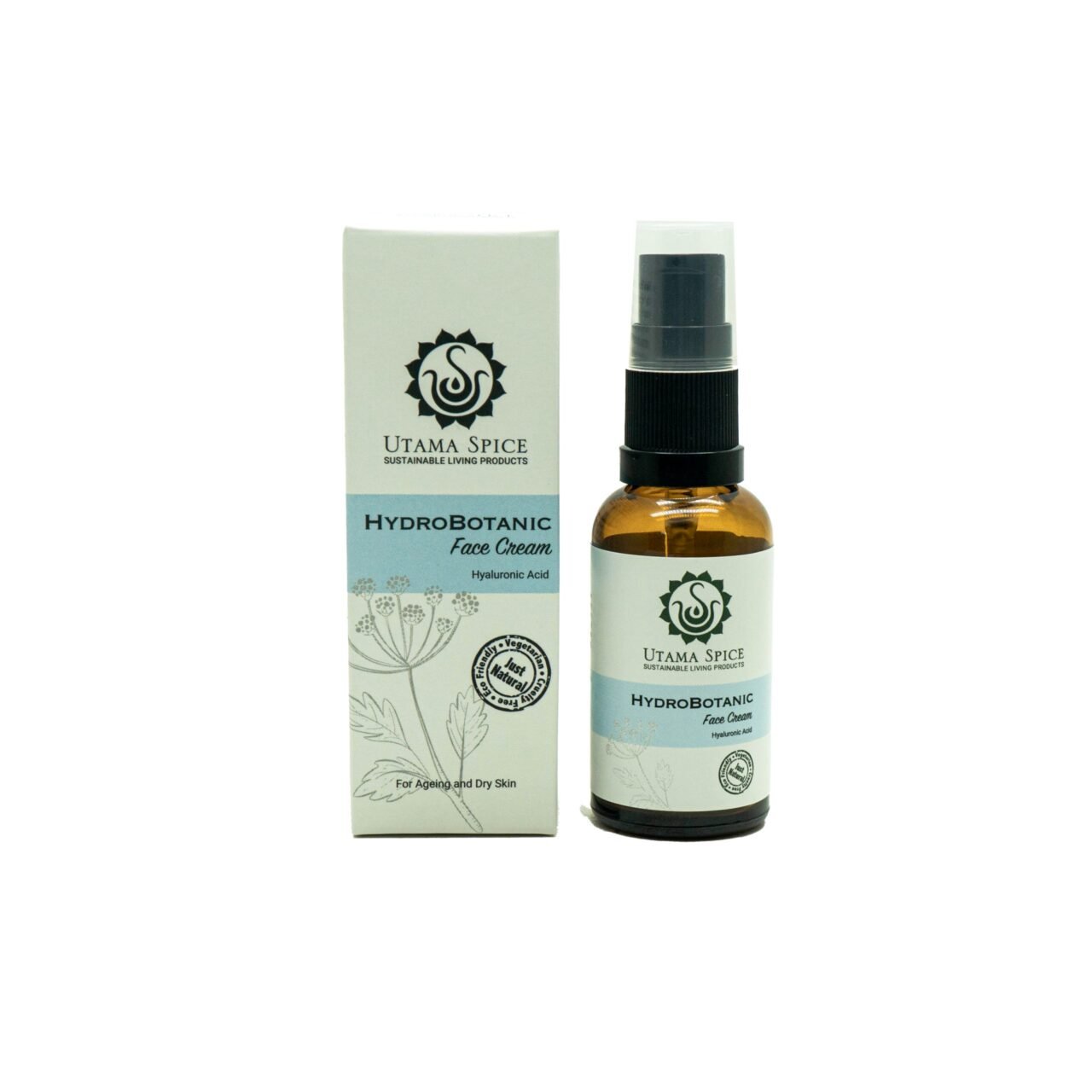
A natural face moisturizer worth a closer look
Our HydroBotanic 3-in-1 Hydrating Face Cream brings the principles in this guide into a single jar. Plant-fermented hyaluronic acid, olive squalane, niacinamide, and rice ceramides, paired with cold-pressed argan and tropical seed oils. A lightweight, fast-absorbing cream that hydrates, repairs, and refines, blended in Bali in small batches.
Frequently asked questions about natural face moisturizer choices

Is a natural face moisturizer enough on its own, or do I need a serum too?
For most skin, a well-formulated moisturizer is enough for daily care. A serum is useful when you have a specific concern, such as dryness, redness, or congestion, and you want a higher concentration of one or two active ingredients delivered first. The order is cleanse, treat with a serum if you use one, then seal with a moisturizer.
Can I use coconut oil straight from the jar as a natural face moisturizer?
You can, but it is rarely the best choice for the face. Coconut oil is occlusive and can clog pores for people with combination or oily skin. It is far more useful on the body, in hair, or as one ingredient inside a balanced face formula rather than as a standalone face product. We wrote in detail about how to make this choice in our guide on how to use coconut oil for skin.
How often should I apply a natural face moisturizer?
Twice daily for most skin, once in the morning and once at night. Hotter, drier climates may call for a midday top-up, especially after sun exposure. Pay attention to how your skin feels in the late afternoon. If it is starting to tighten, your morning formula is not lasting long enough, and the answer is usually a richer moisturizer at night rather than reapplying all day.
Does refilling apply to face moisturizers as well?
Yes, when the formula is shelf-stable enough to allow it. Our face line includes refill options where the formulation and packaging integrity make it possible, and we are honest about the cases where they do not. Our wider thinking on this is in refill culture and its limits.
What is the single most important ingredient in a natural face moisturizer?
There is no single most important ingredient, which is the answer the question deserves. A moisturizer succeeds because of how its humectant, emollient, and occlusive components are balanced, not because of one hero name on the front of the jar. Read the first five ingredients, look for one of each function, and you will be in good company.
A small closing note
Choosing a natural face moisturizer is one of the smallest, most repeated decisions in a daily care routine, which is exactly why it matters. The right product disappears into your morning. The wrong one becomes a low-grade frustration that lasts for months. We hope this guide gives you a steadier set of questions to ask, a clearer picture of what skin actually wants, and the literacy to choose well, whether the answer you land on is ours or someone else’s. What you give, you get back, and that begins with what you put on your skin.