Wellness Wednesday: your skin renews on a four-week rhythm, so give new care a month
We have all done it. A new serum arrives, we use it for five days, and when nothing seems to change, it moves to the back of the shelf. The problem is rarely the product. It is the calendar. The skin you see in the mirror today began forming weeks ago, deep below the surface, and it renews on a timeline that no bottle can rush.
How skin renews itself
The outer layer of skin, the epidermis, is built from the bottom up. New cells form in its deepest layer, then slowly travel upward, flattening and filling with protective proteins as they go. By the time they reach the surface, they are the tough, flat cells that shield us from wind, sun, and water loss. Eventually they shed, quietly and invisibly, and the next layer takes their place.
In young adults, that full journey takes roughly four weeks. With age it slows, and in mature skin it can stretch to six weeks or longer. Climate, sleep, stress, and how we treat our skin all nudge the pace a little, but the rhythm itself stays steady.

What this means for a new routine
When we change a cleanser, an oil, or a serum, the skin we are hoping to improve has not been made yet. The cells forming this week will carry the benefit of better care, and they will reach the surface a month from now. Comfort and softness often arrive within days. Deeper changes in texture, tone, and resilience need at least one full cycle to show. So a fair trial looks like this:
- Patch test first. Apply a little to the inner arm or behind the ear for two days before using it on the face, especially with formulas that contain essential oils.
- Change one thing at a time. If we add three products at once, we cannot tell which one helped, or which one did not.
- Give it four to six weeks. Take a photo in the same window light on day one, then again at week four. Memory is a poor judge of slow change.
- Stop early only for a reason. Stinging, redness that lingers, or new bumps are signals to pause. Simply seeing no change yet is not.
Why rushing it backfires
Impatience often leads to scrubbing. If renewal feels slow, it is tempting to buff the surface away by force. But the outer layer is not dead weight. It is the barrier. Stripping it faster than the skin can rebuild leaves it tight, reactive, and thirsty, which is the opposite of what we wanted. Gentle care, repeated, does more than intense care done in bursts. Our guide to gentle exfoliation covers how often is enough, and our note on skinimalism explains why fewer steps tend to work better.
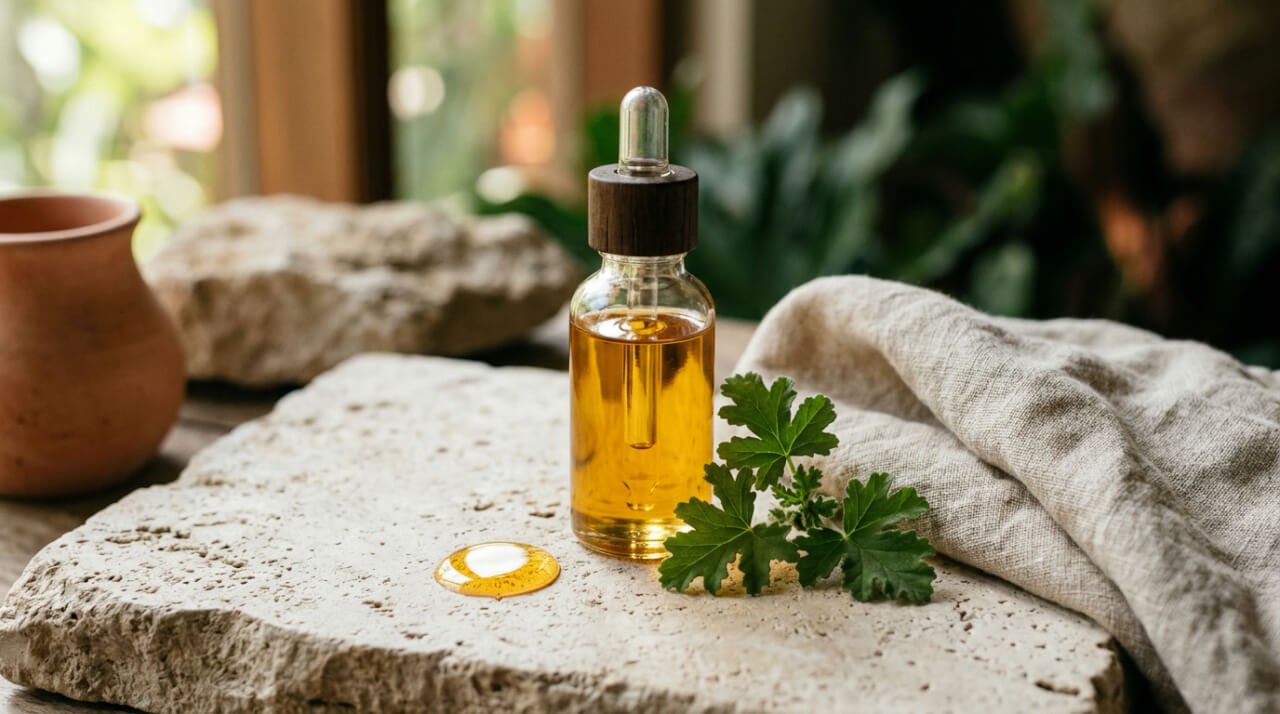
If you are starting a new ritual this week, our Natural Face Serum is a simple place to begin: argan, jojoba, virgin coconut oil, and cocoa butter, with lavender, cananga, rose geranium, and patchouli. Two or three drops, pressed into damp skin each evening, then a month of patience.
Skin keeps its own time. When we work with that rhythm instead of against it, care becomes calmer, cheaper, and far more honest about what it can do.