Dry scalp remedies: why your scalp dries out in winter, and what actually helps
Dry scalp remedies work best when we treat the scalp for what it is: skin. The same skin that tightens on your shins in a cold snap and cracks across your knuckles in December also covers the top of your head. It just happens to sit under your hair, where we cannot see it, and where we tend to scrub it, heat it, and forget it.
That is why a dry scalp so often arrives with the cool season. Heated indoor air, long hot showers, wool hats, and the reflex to wash more when something itches all pull moisture from the scalp at once. The result is a tight, itchy feeling and small, fine flakes that drift onto a dark sweater. It is uncomfortable, a little embarrassing, and very common.
We have been blending coconut-based hair oils in Bali since 1989, and the honest truth is that most dry scalps do not need a five-step scalp system. They need us to stop stripping them, and to give back a little of the oil they have lost. In this guide we will look at why the scalp dries out, how to tell dryness from dandruff in 30 seconds, which home remedies match which cause, a simple warm-oil ritual, a winter rhythm that protects the scalp, and when to see a professional.
Your scalp is skin: why dry scalp remedies start with the barrier
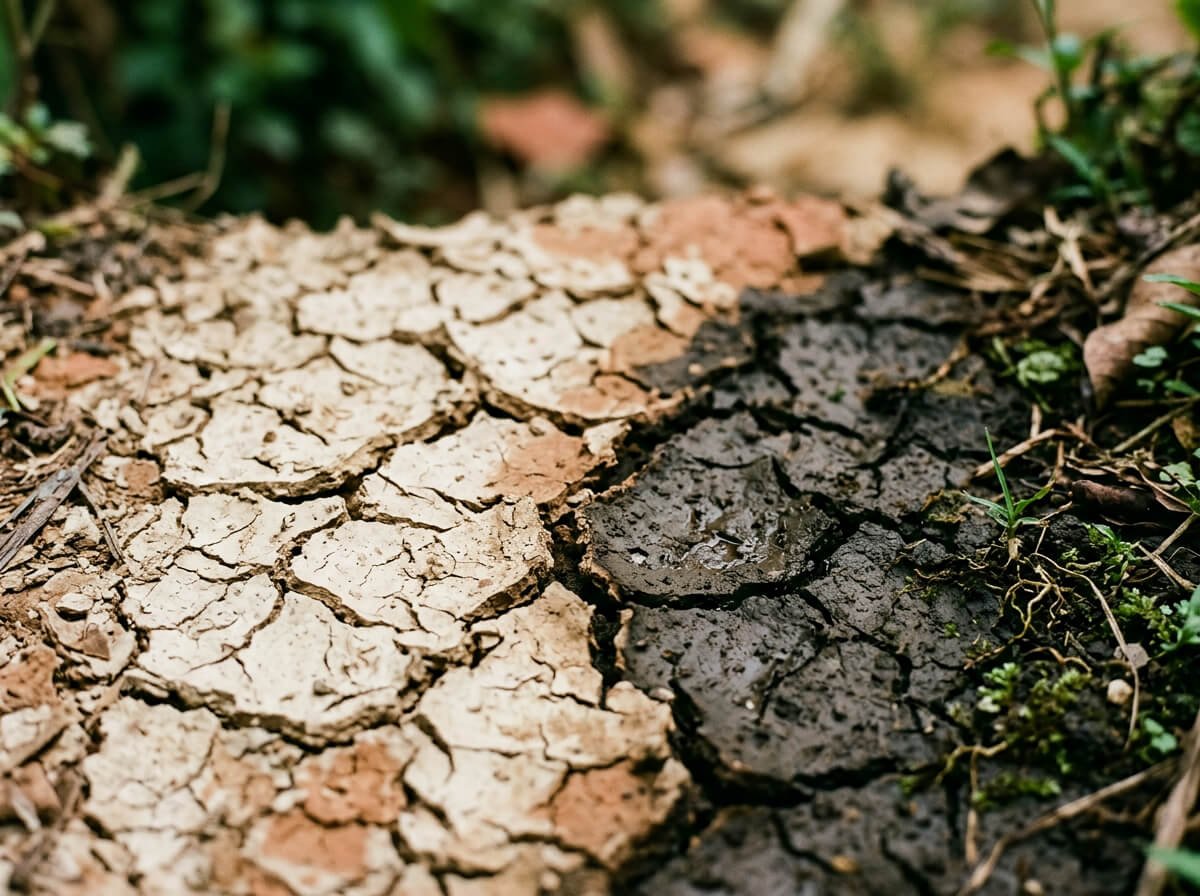
The outermost layer of skin, the stratum corneum, works like a wall. Flattened cells are the bricks, and a mix of lipids (ceramides, cholesterol, and fatty acids) is the mortar. When that mortar is intact, water stays in and irritants stay out. When it thins, water escapes into the air. Dermatologists call this transepidermal water loss, and it is the quiet engine behind almost every kind of dryness.
Your scalp follows the same rules, with two twists. First, it is rich in oil glands, so a healthy scalp usually has a light layer of sebum protecting it. Second, it gets washed with stronger cleansers, more often, and in hotter water than almost any other patch of skin on the body. Shampoo is designed to lift oil from hair. It does not know where hair ends and scalp begins.
So when the scalp loses both its sebum layer and some of its barrier lipids, the cells at the surface dry, loosen, and shed in small, white, powdery flakes. Nerve endings get irritated and the itch begins. Scratching then nicks the barrier further, which lets more water out. It is a small cycle, and it is the same cycle we described for the face and body in our guide on how to repair the skin barrier.
Seeing the scalp this way changes the question. Instead of asking what product kills flakes, we ask what is pulling water and oil out, and how we can put some back. That framing is more useful, more honest, and a lot cheaper. It also explains why the remedies that work on dry hands, such as a gentle oil, lukewarm water, and fewer harsh washes, tend to work on a dry scalp too.
If you already follow a cool-weather routine for your skin, the scalp belongs inside it. Our winter skincare routine covers the same principles from the neck down.
Is it really dry scalp? A 30-second self-check
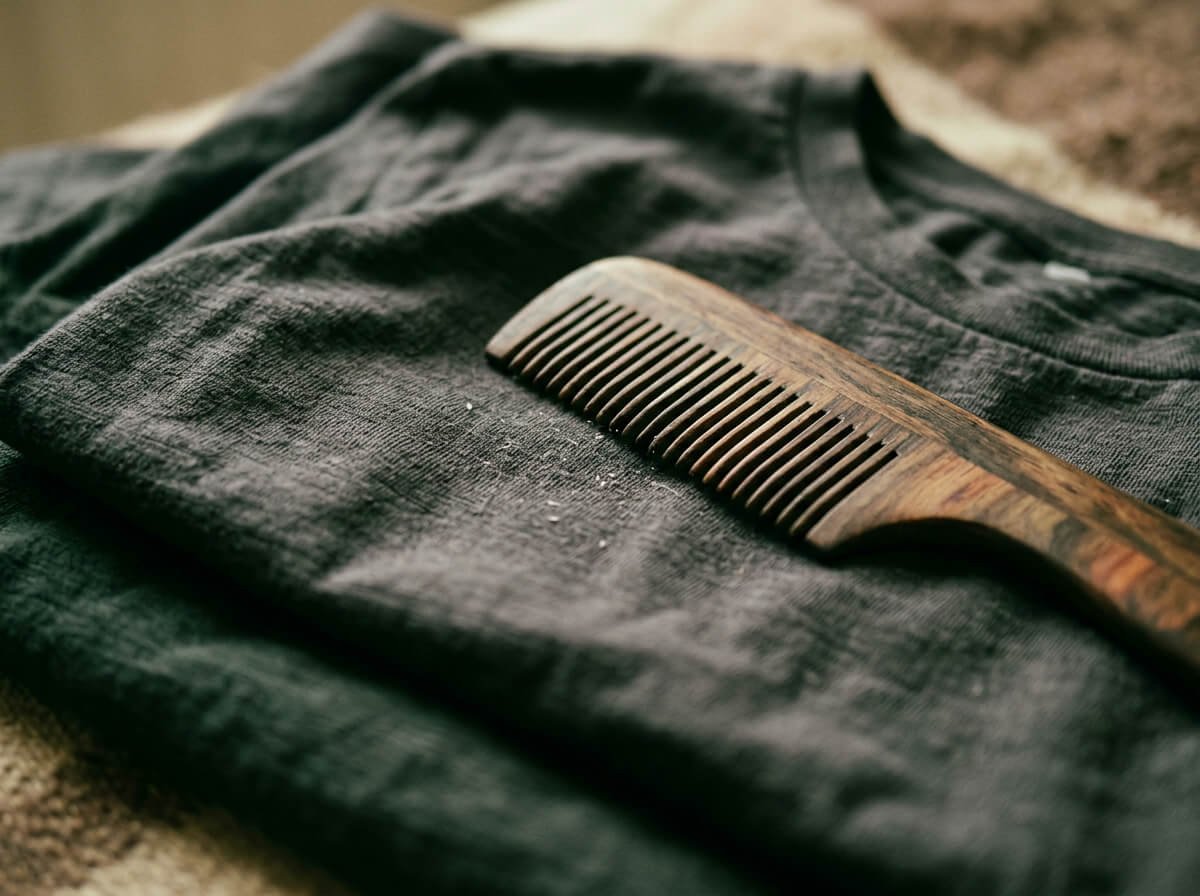
Before choosing any remedy, it helps to know what we are treating. Dry scalp, dandruff, product buildup, and a sunburned parting can all produce flakes, and they call for different care. Here is a quick check you can do in front of a mirror.
- Small, white, powdery flakes, a tight or itchy feeling, and dry skin elsewhere on the body usually point to a dry scalp. It often gets worse in cold or air-conditioned months.
- Larger, yellowish, slightly greasy flakes, with an oily scalp and sometimes redness point to dandruff, which is driven by an overgrowth of Malassezia yeast feeding on scalp oil.
- A waxy, dull film near the roots that clumps rather than flakes, and gets worse with dry shampoo or heavy styling products suggests buildup rather than dryness.
- Peeling only along the parting, a few days after time in the sun, with tenderness or redness is usually a sunburned scalp, not a dry one.
The distinction matters most for oil. On a dry scalp, oil is part of the answer. On a scalp with yeast-driven dandruff, heavy oiling can feed the yeast and make flaking worse. We covered that side in depth, including the signs that point to seborrheic dermatitis, psoriasis, or a fungal infection, in our guide to essential oils for dandruff. If your flakes sound more like the second bullet, start there.
If you are still unsure, try a two-week experiment: lukewarm water, a gentler wash every other day, and no oil. If the flaking settles, dryness was the likely driver and you can bring oil back in slowly. If it worsens or turns greasy, it is time to treat for dandruff or see a professional.
What dries a scalp out in the cold months

Search interest in dry scalp climbs every year from late summer into winter, and the reasons are not mysterious. Most of them are habits we pick up when the air turns cold. None of them is a personal failing. Together, they add up.
Heated, dry indoor air
Cold air holds less moisture, and heating that air lowers its relative humidity even further. Indoor humidity in a heated home can drop well below the comfortable range, and skin loses water faster into dry air. The scalp has no sleeve or scarf to protect it indoors.
Hot, long showers
A steaming shower feels like care on a cold morning. Hot water, though, dissolves and rinses away skin lipids far more readily than lukewarm water does. A 10-minute hot shower with shampoo is one of the most efficient ways to strip a scalp.
Washing more when it itches
An itchy scalp feels dirty, so we wash it more. For a dry scalp, that is exactly the wrong signal. Each extra wash removes more of the oil the scalp is trying to rebuild. Clarifying or strongly foaming shampoos make it harder still.
Hats, scarves, and friction
Wool and synthetic hats rub against the scalp, trap heat, and then let it cool, again and again. Some people also react to wool fibers or to laundry fragrance in a hat that never gets washed.
The air-conditioned and long-haul versions
Dry scalp is not only a northern winter problem. In tropical cities, many of us spend our working day in strong air-conditioning, which also dries the air. Cabin air on a long-haul flight is drier still. Travelers flying from a humid Bali morning into a heated European winter often notice their scalp first. The causes differ, and the response is the same: protect the barrier and replace what dry air takes.
Dry scalp remedies, sorted by what the evidence supports
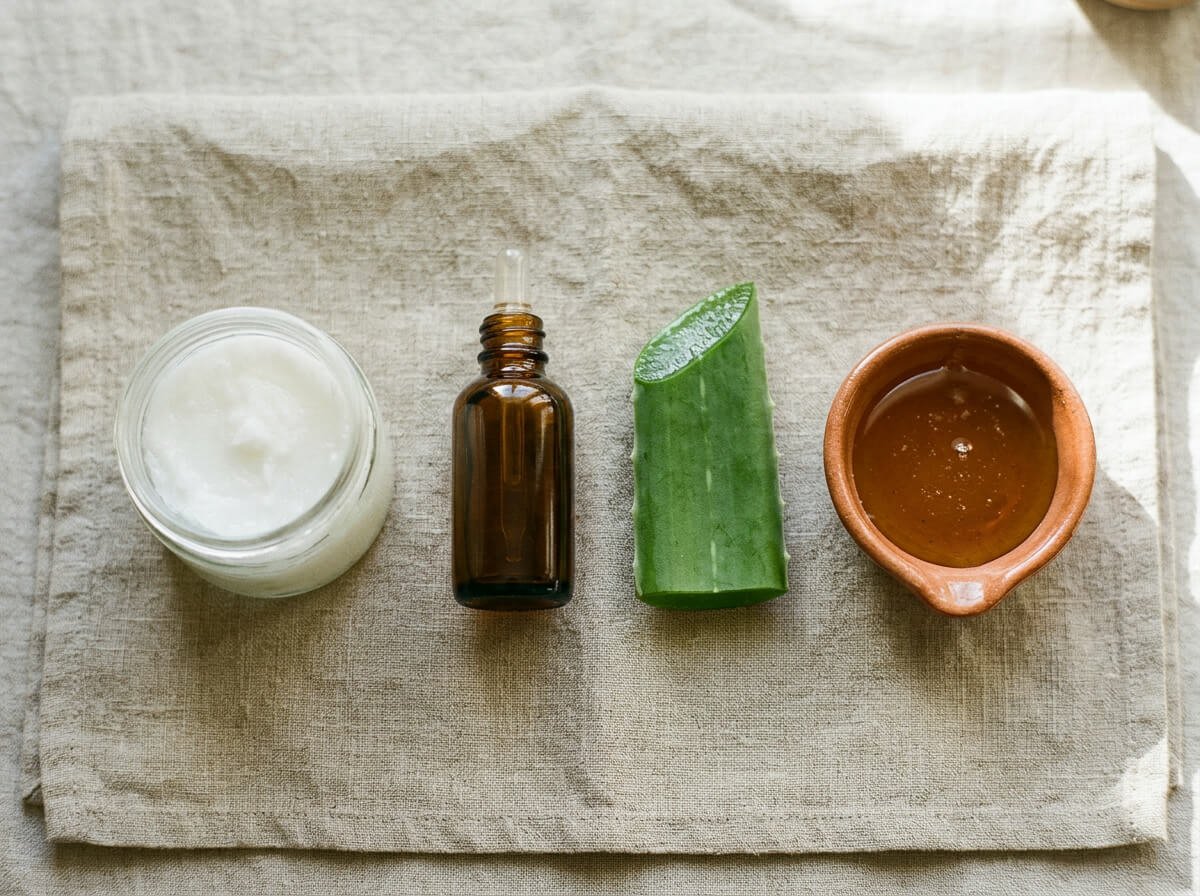
Most remedy lists online give you eight options in a flat row, as if they were interchangeable. They are not. Some address dryness directly, some address a different cause, and some can make a dry scalp worse. Here is how we sort them, starting with the strongest support.
Coconut oil: the best-studied place to start
Coconut oil is mostly made of medium-chain fatty acids, especially lauric acid, which are small enough to sit comfortably in the skin’s surface layers. In studies on dry skin of the body, virgin coconut oil improved hydration and reduced water loss. For the scalp specifically, a 2021 study in Scientific Reports followed 140 women in India for 16 weeks and found that regular coconut oil application shifted the scalp microbiome toward bacteria associated with a healthy scalp. These are small studies, not a guarantee, but coconut oil remains the most sensible first choice for a genuinely dry scalp.
This is also the oil we know best. Our virgin coconut oil is cold-pressed and sourced through our Aluan partnership, and it forms the base of every hair oil we make. We explore its use on lengths and ends in our guide to coconut oil for hair.
Gentle plant oils: argan and tamanu
If coconut oil feels too heavy, or your scalp reacts to it (a minority of people do), lighter oils are worth trying. Argan oil is rich in linoleic acid and vitamin E and absorbs easily. Tamanu oil, pressed from the nut of a coastal tree that grows across Indonesia, is a single-ingredient option with no added fragrance, which suits a scalp that stings easily. Use a few drops, not a palmful.
Aloe vera: soothing, but short-lived
Fresh aloe gel cools an itchy scalp and has mild anti-inflammatory properties. It is mostly water, though, so its moisture does not last on its own. Think of aloe as a comfort step, not a repair step. If you use a bottled gel, check the label for alcohol and fragrance, which can sting a dry scalp.
Honey: a modest, old remedy
Raw honey is a humectant, meaning it draws water toward the skin, and one small older study found that diluted honey applied to the scalp eased itching and scaling in people with seborrheic dermatitis and dandruff. It is sticky, it needs rinsing well, and the evidence is thin. Interesting, not essential.

Tea tree oil: for flaking from yeast, not plain dryness
Tea tree is one of the few essential oils with clinical support for the scalp, and that support is for dandruff, where it helps calm the yeast. On a scalp that is simply dry, tea tree can be drying in itself, and it is a known sensitizer. If your self-check points to dandruff, a tea tree shampoo can help. If it points to dryness, skip it for now.
Apple cider vinegar: why we would skip it
Vinegar rinses appear on almost every remedy list. The idea is that their acidity rebalances the scalp. In practice, research on apple cider vinegar soaks for eczema-prone skin found no improvement in barrier function and mild irritation in most participants. On a dry, scratched scalp with tiny cracks, an acid is more likely to sting than soothe. We would leave it out.
A humidifier: the remedy that is not on your head
Adding moisture back to bedroom air at night is one of the gentlest changes you can make. It helps the scalp, lips, hands, and sinuses all at once, and it costs nothing in ingredients.
The warm-oil scalp ritual for dry scalp
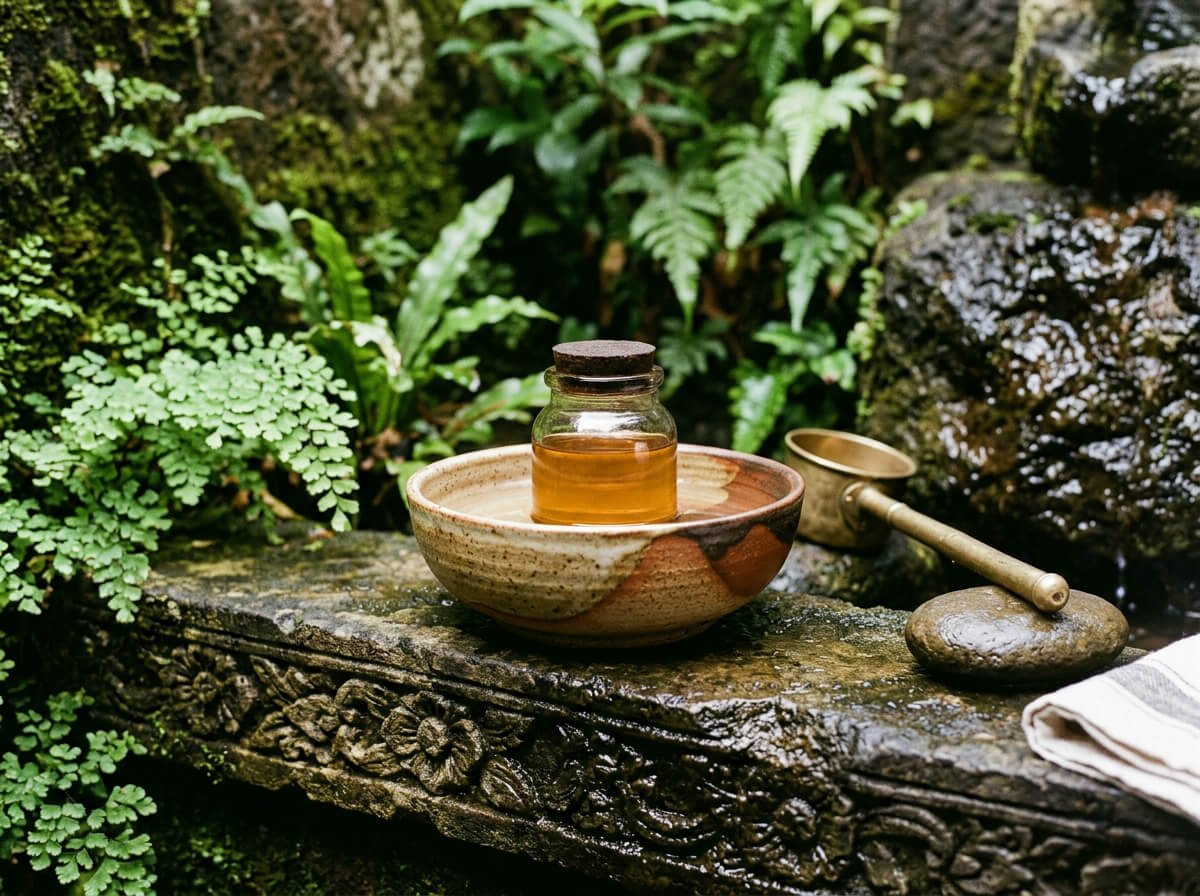
Across Indonesia and much of tropical Asia, oiling the hair and scalp with coconut oil has long been part of ordinary home care, passed down in families rather than written in books. We find it is one of the most practical answers to a dry scalp, as long as we keep it simple and keep it for the right scalp. The dandruff guide warns against heavy oiling when yeast is the cause. This is the other side of that coin: for genuine dryness, yes, oil it.
Step by step
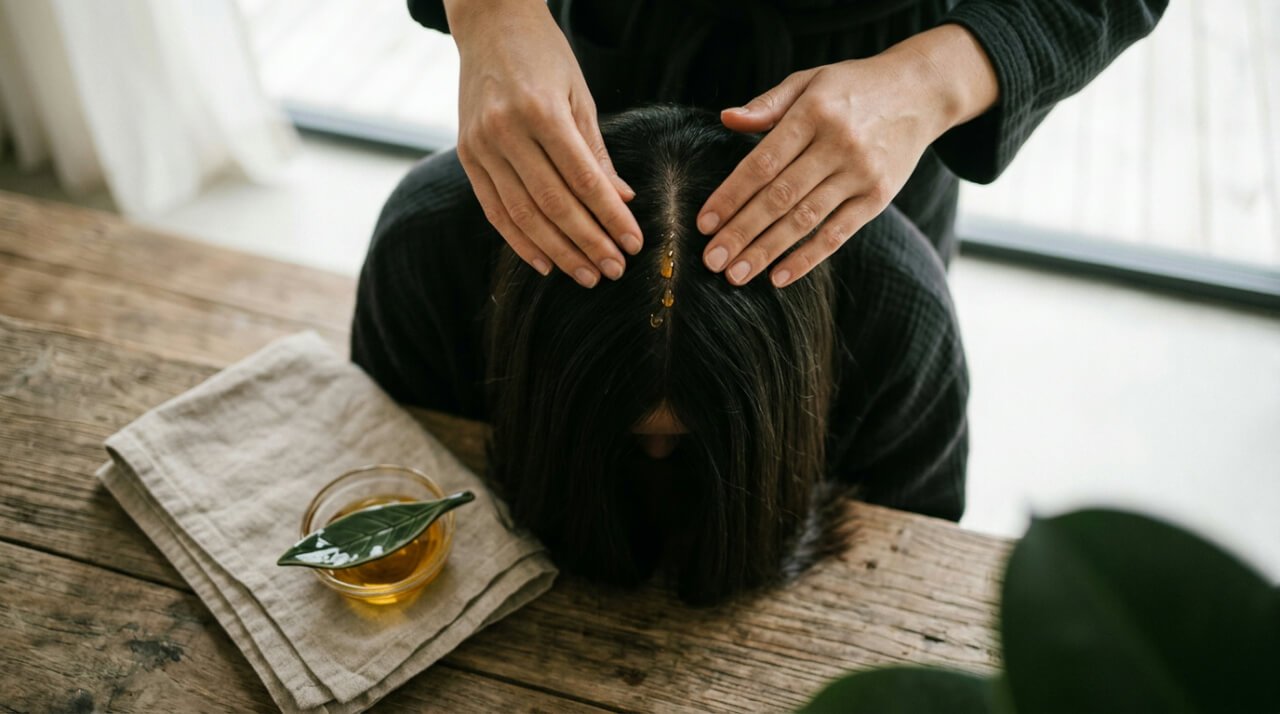
- Warm the oil gently. Stand a small jar of coconut oil, or your chosen oil, in a bowl of warm water for a few minutes until it is liquid and comfortably warm on your wrist. Never microwave it in the bottle.
- Part and apply. Divide dry hair into sections. Using your fingertips, dot a small amount of oil directly along each parting. For most heads, one to two teaspoons is plenty.
- Massage, slowly. Use the pads of your fingers, not your nails, in small circles for three to five minutes. Move from the hairline toward the crown. Breathe. This is the part of the ritual that people come to love.
- Wait. Leave the oil on for 30 minutes to an hour. Overnight is fine for very dry scalps if you protect the pillow with an old towel.
- Cleanse gently. Apply shampoo to dry, oiled hair first, work it in, then add water. This lifts oil more easily without a second harsh wash. Rinse in lukewarm water.
- Condition the lengths. Keep conditioner on the mid-lengths and ends rather than the scalp.
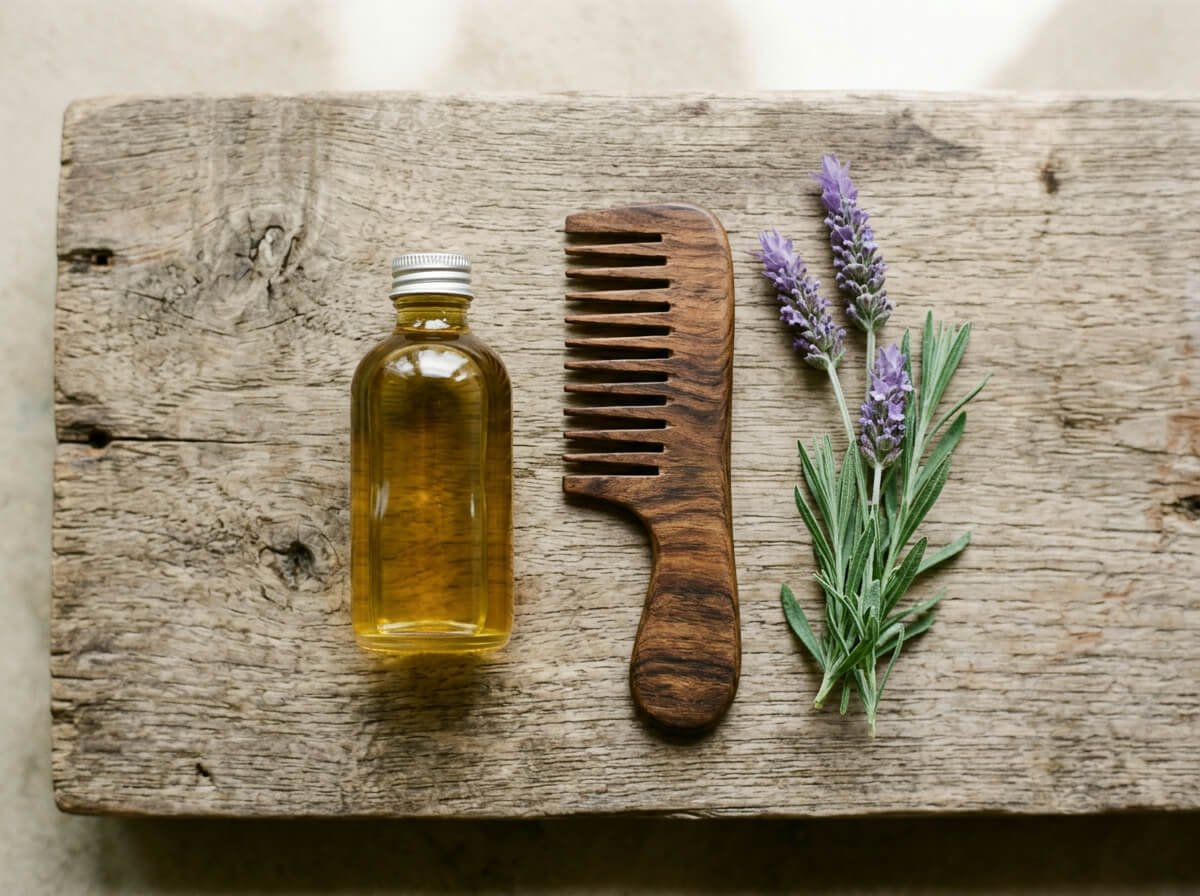
If you prefer a ready blend, our Lavender Hair Oil is made the way we have always made hair oil in Bali: virgin coconut oil with pure lavender essential oil, and nothing else added. The lavender adds a calm, herbal scent to the massage. As with any essential oil, patch test first if your scalp is reactive, and choose plain coconut oil if it stings.
For the cleanse, a coconut-based shampoo such as our All Natural Shampoo #6 fits well, followed by a light pass of Hydrating Conditioner on the ends. Our natural shampoo guide explains what to look for on any label.
How often
Once or twice a week is a good rhythm for most dry scalps. Watch how your scalp responds over three or four weeks. If flakes turn greasy or itching increases, scale back and revisit the self-check. We also shared a short version of this ritual in our daily warm-oil scalp ritual, and a deeper look at choosing an oil in our natural hair oil guide.
If you want to add an essential oil yourself, such as rosemary, keep it to one or two drops per teaspoon of carrier oil, never neat. Our rosemary oil guide covers dilution and what the hair-growth research does and does not show. A bottle of rosemary essential oil lasts a long time at that rate.

A warm-oil ritual for a dry winter scalp
Our Lavender Hair Oil is virgin coconut oil and pure lavender essential oil, hand-blended in Bali. Warm a little between your palms, massage it into the parting, wait, then wash gently. Simple care that gives back what dry air takes.
A winter dry-scalp rhythm: what to keep, what to stop
Remedies help. Habits decide. Once the scalp is calmer, a few small changes keep it that way through the cold months.
Keep
- Lukewarm water. Warm enough to be comfortable, cool enough that your skin is not pink afterwards. Finish with a few seconds of cooler water if you like.
- Fewer washes. For many people, every two or three days is enough in winter. If you exercise daily, a water-only rinse on the in-between days is kinder than another shampoo.
- Shampoo on the scalp, conditioner on the ends. Concentrate cleanser where oil collects, and keep heavy conditioners off the roots.
- Clean hats and pillowcases. Wash them in an unscented detergent, and choose a cotton or silk lining for wool hats if they itch.
- Humid air. A humidifier, or simply a bowl of water near a heater, softens the air you sleep in.
- Sun protection on the parting. In Bali, on a ski slope, or on a bright winter walk, the parting burns easily. A hat is the simplest shield.
Stop
- Very hot showers over the head.
- Scratching with nails. Use the pads of your fingers or a soft brush instead.
- Stacking scalp treatments. Scrubs, acids, clarifying shampoos, and medicated washes all at once overwhelm an already thin barrier.
- Blow-drying hot and close. Use a cooler setting held a hand’s width away, or let hair air-dry partly first.
- Dry shampoo as a daily habit. It adds powder and film to a scalp that is already struggling.
None of this needs a new product. It is mostly subtraction, and subtraction is free. That is the quiet truth behind most scalp care: the scalp knows how to protect itself when we give it the chance. Our older piece on why scalp care matters makes a similar case for treating the scalp as the root of healthy hair.
When a dry scalp needs a professional

Most dry scalps settle within a few weeks of gentler habits and a little oil. Some do not, and that is not a failure of willpower. It usually means something other than simple dryness is going on. Please see a dermatologist or doctor if you notice any of the following.
- Thick, silvery, or crusted plaques, especially at the hairline or behind the ears
- Redness, oozing, swelling, or pain, which can signal infection
- Patches of hair loss, broken hairs, or round scaly spots
- Itching that wakes you at night or does not ease after four weeks of gentle care
- Flaking that spreads to the eyebrows, sides of the nose, or chest
- A rash after a new hair dye or product, which may be a contact allergy
Conditions such as psoriasis, seborrheic dermatitis, contact dermatitis, and tinea capitis are treatable, and natural care can support that treatment, but it should not replace a diagnosis. Our dandruff guide has a fuller list of red flags. For babies with flaky scalps (cradle cap), please ask your pediatrician before trying any remedy.
It helps to arrive with notes. Write down when the flaking started, what you use on your hair, how often you wash, and anything that makes it better or worse. A two-week record of habits is often more useful to a clinician than a bag of products.
Frequently asked questions about dry scalp remedies
Does oiling make a dry scalp worse?
For genuine dryness, no. Oil helps replace the lipids the scalp has lost. For yeast-driven dandruff, heavy oiling can feed the yeast and increase flaking. If your flakes are large, yellowish, and greasy, treat for dandruff first.
How fast do dry scalp remedies work?
Many people feel less tightness after the first warm-oil treatment. Visible flaking usually eases over two to four weeks of consistent, gentler habits. If nothing has changed after four weeks, revisit the self-check or see a professional.
Is dry scalp contagious?
No. Dry scalp is a barrier issue, not an infection. Fungal infections of the scalp, such as tinea capitis, can spread, which is one more reason to see a doctor if you notice round scaly patches or hair loss.
What vitamins help a dry scalp?
We would point to food first. A varied diet with healthy fats, enough protein, and plenty of water supports skin everywhere. We do not recommend supplements for dry scalp without advice from a doctor, as the evidence is limited and some can cause harm in high doses.
Can I use body lotion on my scalp?
You can, in a pinch, on a small area. Most lotions are designed to spread on open skin, so they can feel heavy in hair and may contain fragrance. A few drops of a simple plant oil are usually easier to apply and rinse.
Does a dry scalp cause hair loss?
Dry scalp itself does not usually cause hair loss. Heavy scratching can break hairs, and some conditions that look like dry scalp, such as fungal infections, can cause patchy loss. If you notice thinning alongside flaking, ask a dermatologist.
Can I use these remedies on color-treated hair?
Yes. Coconut and argan oils are generally kind to colored hair, and lukewarm water helps color last longer. Patch test any new product, and wait a few days after a fresh color before oiling.
Final thoughts: give the scalp back what winter takes
A dry scalp is a winter skin problem that happens to live under our hair. Once we see it that way, the path is calmer and simpler. We protect the barrier with lukewarm water and fewer washes. We give back a little oil, warmed and massaged slowly. We stop adding treatments to a scalp that needs fewer, and we ask for help when something looks like more than dryness.
These are small acts of care, done regularly, and they add up. That is how we have made hair oil in Bali for more than 35 years: coconut, a few botanicals, patience, and attention. What you give, you get back.