How to repair skin barrier damage naturally: a botanical, ritual-first guide
Tight after every wash. Stinging when a serum that felt fine last month suddenly burns. Patches that flake in the morning and shine by noon. If this sounds familiar, your skin is asking for repair, not for another active ingredient. This guide shows you how to repair skin barrier damage naturally, using plant oils, butters, and a slower washing rhythm, so your skin can rebuild the protective layer that heat, hot water, and harsh products strip away.
Most advice on barrier repair begins and ends with a jar of ceramide cream. Ceramides matter, and we explain why below. But the skin already knows how to make its own. Our job is to stop the damage, feed it the right fats, and seal in the water it needs to do the work. That is a ritual, not a single product, and it is one that Balinese households have practised in some form for generations.
We will walk through what the barrier actually is, how to tell when it is damaged, what breaks it (ranked honestly), the fatty-acid science behind choosing oils, the post-bath oiling habit we swear by in Bali, a simple seven-day reset, and the signs that mean you need a dermatologist instead of a dropper bottle.
What the skin barrier actually is
When people say “skin barrier,” they mean the stratum corneum, the outermost layer of the epidermis. It is thinner than a sheet of paper, yet it does most of the work of keeping water in and irritants out.
Dermatologists often describe it as a brick wall. The bricks are corneocytes, flattened cells that have finished their life cycle and filled with keratin. The mortar is a lipid matrix, a carefully layered blend of fats that holds the bricks together and stops water from escaping.
The three fats that make the mortar
The mortar is made of three main lipid families:
- Ceramides, about half of the lipid weight. These waxy molecules form the structural sheets of the barrier.
- Cholesterol, about a quarter. It keeps those sheets flexible, so the barrier bends without cracking.
- Free fatty acids, the remainder. They help keep the surface slightly acidic and tightly packed.
Your skin makes all three itself, deep in the living layers below the surface, and ships them up in tiny packets as cells mature. One essential ingredient it cannot make on its own is linoleic acid, an omega-6 fatty acid. The skin builds linoleic acid into a special ceramide that acts like the stitching between lipid layers. When linoleic acid runs short, that stitching weakens, and the skin turns dry, rough, and leaky.
The acid mantle and the microbiome
On top of the wall sits a thin film of sweat, sebum, and natural moisturising factors. It keeps the skin surface mildly acidic, usually around pH 4.5 to 5.5. That acidity matters: the enzymes that assemble the lipid mortar work best in it, and the friendly microbes living on your skin thrive in it. Push the surface alkaline, as many bar soaps do, and the whole system slows down.
So the barrier is not one thing. It is a living structure of bricks, mortar, acid, and microbes, renewed constantly. That is good news. Anything that renews constantly can be helped to renew well.
Signs your skin barrier is damaged
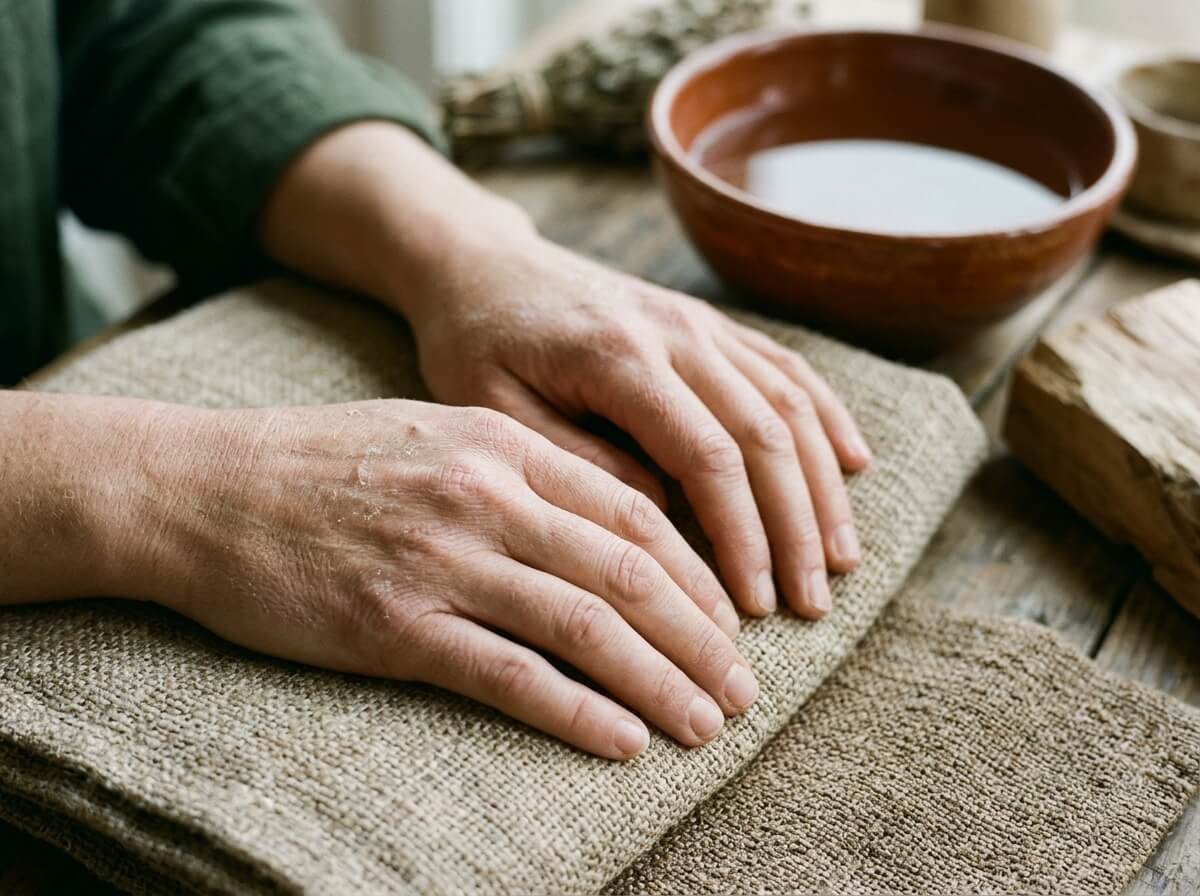
A damaged barrier lets water out faster than the skin can replace it. Scientists call this transepidermal water loss. You feel it long before you could measure it. Common signs include:
- Tightness after washing that lasts more than a few minutes.
- Stinging or burning when you apply products that never bothered you before, even plain water or a gentle moisturiser.
- Flaking or rough patches, often around the nose, mouth, cheeks, hands, or shins.
- Redness that appears quickly and fades slowly.
- Dullness, because a disorganised surface scatters light instead of reflecting it.
- Oily and dehydrated at once. This one confuses people. Skin that feels greasy by midday can still be short on water underneath, and some people notice more shine when their barrier is stressed.
- More breakouts or bumps, as irritants and microbes find an easier way in.
Dry skin and a damaged barrier are not the same
Dry skin is a type. Some people simply make less oil. A damaged barrier is a state, and it can happen to any skin type, including oily skin. The difference shows up in how your skin reacts. Naturally dry skin feels better within minutes of a rich moisturiser. A compromised barrier often stings first, then calms. If your skin reacts to almost everything, think “damaged” before you think “dry.” Our sensitive skin routine covers the overlap in more depth.
What breaks the barrier: the honest causes, ranked

Most guides list causes as if they were equal. They are not. From what we see in our own community and customers, here is the order we would put them in.
1. Washing too often, too hot, or too hard
This is the big one, and in the tropics it is bigger still. In Bali, bathing twice a day is normal, and in heat and humidity many of us rinse our faces three or four times between showers. Each wash with a cleanser lifts away some of the lipid mortar along with the dirt. Hot water dissolves those fats faster. Surfactants, the ingredients that make cleansers foam, can bind to skin proteins and keep irritating after you rinse.
The honest fix is not only “use a gentler cleanser.” It is “wash less, and wash cooler.” Rinse with lukewarm water when you only need to cool down. Keep cleanser for the evening, or for the body areas that genuinely need it. We wrote a short note on why hot water and the skin barrier do not mix, and it is worth the two-minute read.
2. Over-exfoliation
Acids, scrubs, retinoids, cleansing brushes, and peel pads all speed up shedding. Used occasionally, that is fine. Stacked together, or used daily, they strip the bricks faster than the skin can lay new ones. If your routine includes more than one exfoliating step, pause all of them while you repair.
3. Too many products at once
Each product brings preservatives, fragrance, and solvents. Most are harmless alone. Layered seven deep, they add up, and a stressed barrier lets more of each one through. Fewer, simpler products are kinder while you heal.
4. Climate swings
Sun, wind, and air conditioning all pull water from the skin. Moving between a humid street and a cold, dry office several times a day is one of the quieter barrier stressors of modern tropical life. Sunburn is direct barrier damage, and our guide to natural after-sun care covers recovery from that specific injury.
5. Fragrance and essential oils on already-reactive skin
We make aromatherapy products and love them. We will still say this plainly: when your barrier is broken, even well-loved botanical fragrance can sting. Keep scent off damaged areas until they calm, then reintroduce it slowly. Our post on essential oils and eczema explains how to do that safely.
6. Stress, sleep, and age
Psychological stress and poor sleep measurably slow barrier recovery. The skin also produces fewer lipids as we age, so mature skin needs more support from outside. These are not reasons to give up. They are reasons to be patient.
How to repair skin barrier damage with plant oils: linoleic vs oleic
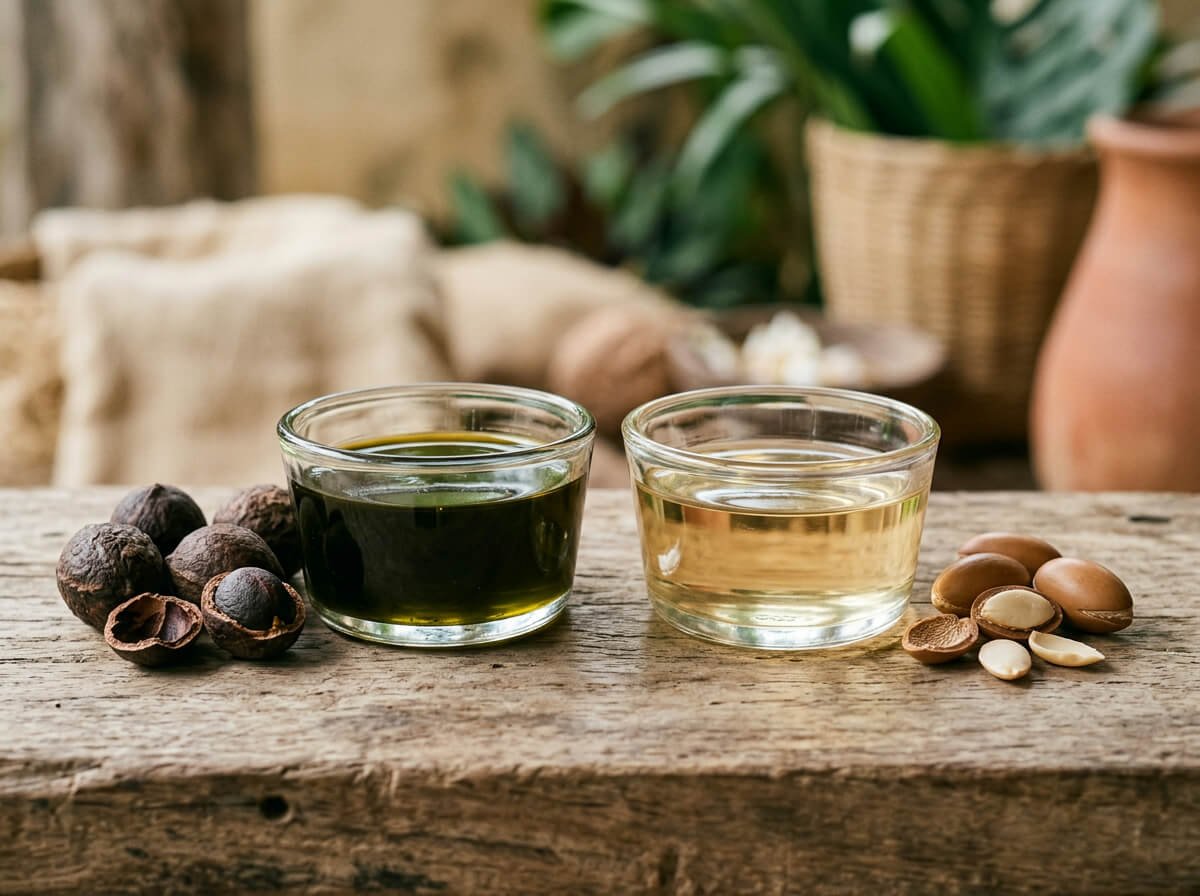
Here is where botanical skincare has real science on its side, and where most clinical guides skip ahead to ceramide creams. Plant oils are not interchangeable. Their effect on the barrier depends heavily on which fatty acids they contain.
Linoleic acid: the repairer
Linoleic acid is the omega-6 fatty acid your skin needs to build its stitching ceramide. Oils rich in it can top up that supply from the outside. In studies, applying linoleic-rich oils such as sunflower seed oil has helped damaged barriers recover and reduced water loss. People with acne-prone skin also tend to have lower linoleic acid in their sebum, which is one reason lighter, linoleic-rich oils often suit them.
Oils with meaningful linoleic acid include:
- Evening primrose and grapeseed oils, both very high in linoleic acid.
- Argan oil, roughly a third linoleic acid, balanced with oleic acid. Our Argan Oil is a single-ingredient, cold-pressed option for face and body.
- Tamanu oil, which pairs a solid share of linoleic acid with oleic acid and calophyllolide, a compound studied for its calming, anti-inflammatory activity. We dig into it in our tamanu oil benefits guide, and compare the two in argan oil vs tamanu oil.
Oleic acid: the softener, used with care
Oleic acid is the omega-9 fatty acid that dominates olive oil and many nut oils. It feels rich and softening. It is also a known penetration enhancer, which means it loosens the packing of lipids so other substances pass through more easily. That is useful in some formulas and unhelpful on a barrier that is already leaky.
A 2013 study of adult volunteers found that a few weeks of olive oil on the forearm weakened barrier integrity, while sunflower seed oil, far higher in linoleic acid, preserved it and improved hydration. That does not make oleic oils bad. It means a barrier in repair does better with oils where linoleic acid carries more of the load.

Saturated fats and waxes: the sealers
Coconut oil is mostly saturated fat, especially lauric acid, with very little linoleic acid. It does not repair the lipid mortar the way linoleic oils can, but it sits well on the surface, slows water loss, and has been studied for dry skin and for mild eczema in children. Butters such as illipe and cocoa go further. They are firm at room temperature and melt only on contact with warm skin, leaving a breathable, protective film.
Jojoba is technically a liquid wax rather than an oil, and its wax esters resemble those in human sebum. It is gentle and stable, a good bridge between the two groups.
Repair first, then seal
Put it together and you get a simple order:
- Water and humectant to bring moisture into the surface.
- Linoleic-rich oil to feed the lipid matrix.
- Butter or saturated oil to seal it all in.
If you only use a heavy butter on dry, unprepared skin, you seal in very little. If you only use a light oil, much of the water you trapped escapes by lunchtime. Together, they work. For a deeper look at oil choice by skin type, our guide to non-comedogenic oils ranks the common carriers.
The Balinese post-bath oiling ritual
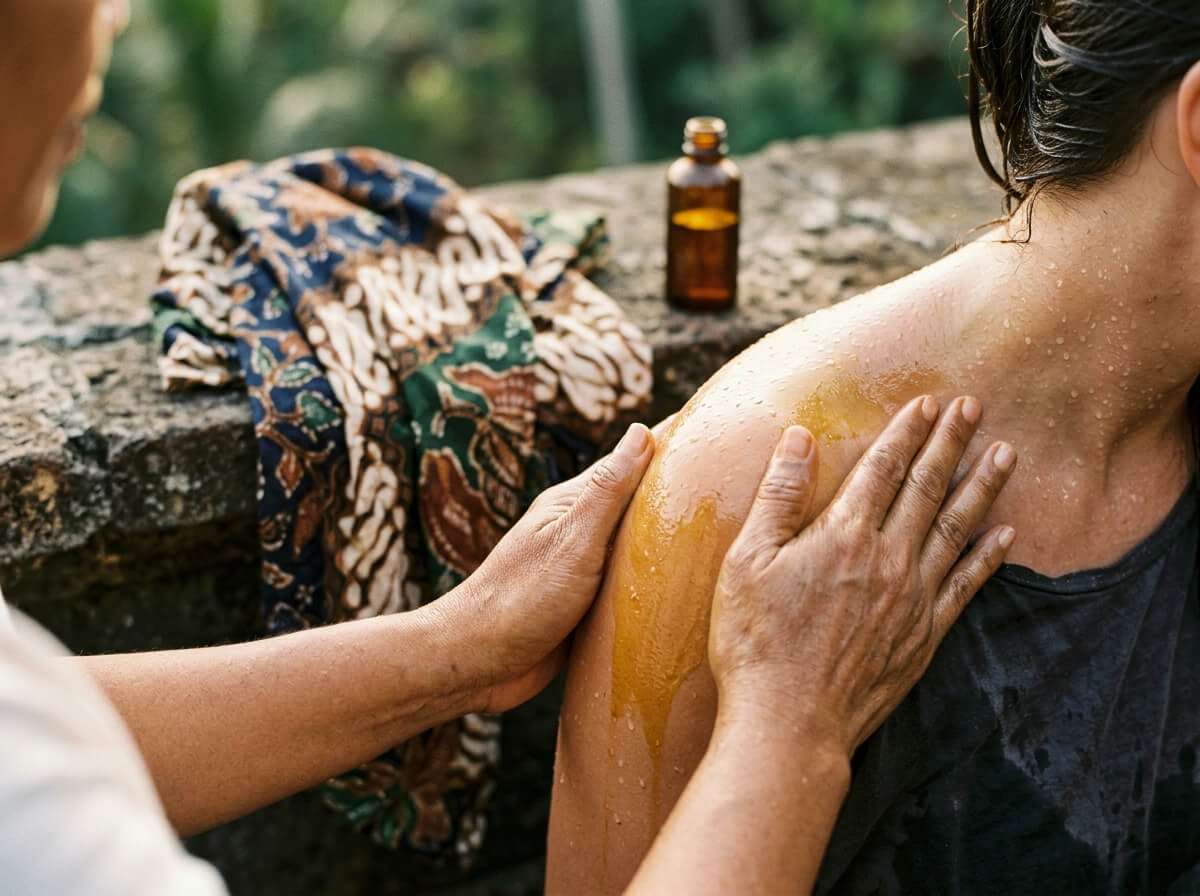
In many Balinese homes, coconut oil has long lived beside the bathing area. It is pressed in the village, warmed in the hands, and smoothed over skin and hair after the evening mandi. It was never marketed as barrier repair. It was simply what people did, and it happens to line up closely with what dermatology now recommends.
Why damp skin matters
The few minutes after bathing are the most valuable window of the day for your barrier. The outer layer has just taken on water and is soft and swollen. Leave it to air-dry and that water evaporates, often taking a little more with it, which is why skin can feel tighter after a shower than before.
Apply oil while the skin is still damp and you trap that water under a light film. You also spread the oil more thinly and evenly, so you need less. You may have heard that warm water “opens your pores” so oil can sink in. Pores do not open and close like doors. The real benefit is simpler: you are sealing water that is already there.
How we practise it
- Keep the bath short and lukewarm. Five to 10 minutes is plenty.
- Pat, do not rub. Press a towel against your skin so it is damp, not dripping.
- Warm a small amount of oil in your palms. About a teaspoon covers the arms and legs. Use a few drops for the face.
- Press and glide. Start at the feet and move toward the heart with long, slow strokes. Give extra time to elbows, knees, shins, and hands.
- Wait a few minutes before dressing, so the oil settles.
Pure Virgin Coconut Oil is the traditional choice for the body. On the face, or on patches that need repair more than sealing, many of us switch to tamanu or argan. We have written several short notes on this habit, including hydration vs moisture, which explains why water and oil play different roles.
There is a quieter benefit too. Slowing down for five minutes after a bath, touching your own skin with attention, changes how the rest of the evening feels. Care that you practise is care that lasts.
A seven-day reset: how to repair skin barrier layers in order
Barrier repair is not fast, but it starts fast. Within hours of removing an irritant, the skin begins releasing stored lipids to patch the gaps. Most people notice calmer, less reactive skin within one to two weeks. Full renewal follows the skin’s natural turnover, which usually takes around a month. This seven-day plan gets the process moving and builds the habits that carry you through the rest.
Days one and two: subtract
- Stop all exfoliants, retinoids, and acids.
- Wash your face once a day, in the evening. In the morning, rinse with lukewarm water only.
- Set aside fragranced products for now.
- Turn the shower temperature down a few degrees.
Days three and four: hydrate, then repair
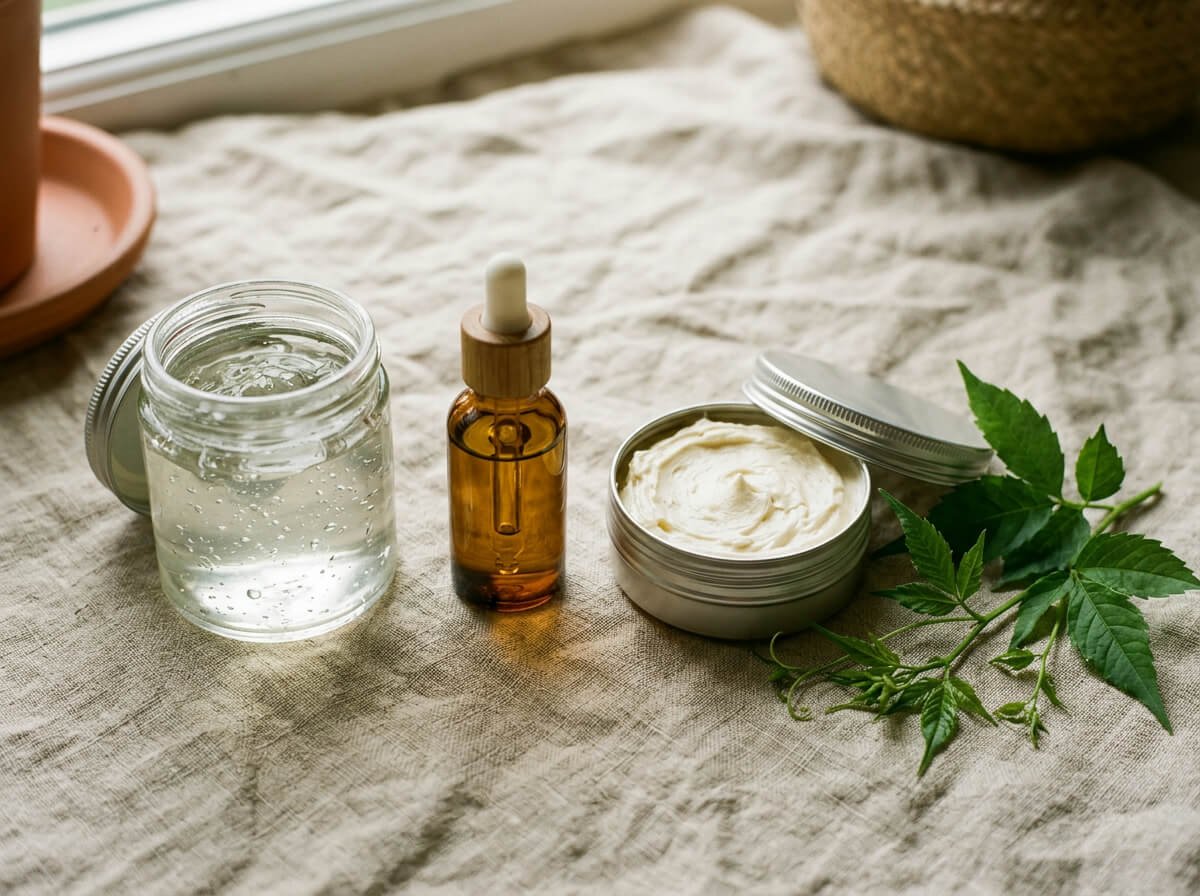
- After washing, while skin is damp, apply a thin layer of aloe vera gel as a humectant. It draws water into the surface. Our Aloe Vera Gel includes glycerin for extra hydration. It also contains a little lavender oil and grain alcohol, so patch-test it first on very reactive skin.
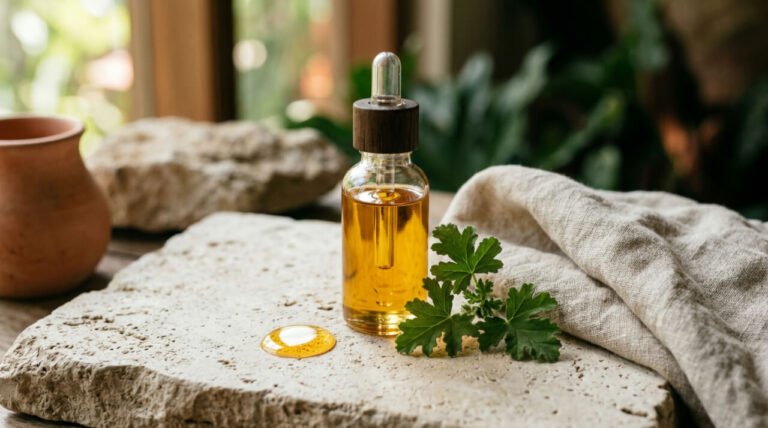
- Follow at once with three to four drops of a linoleic-rich oil. Tamanu Oil is our first choice here: one ingredient, no added fragrance, and a long history of use on irritated skin.
- Our aloe vera gel for skin guide covers how to use aloe as a base layer.
Days five and six: seal
- Keep the aloe and oil steps.
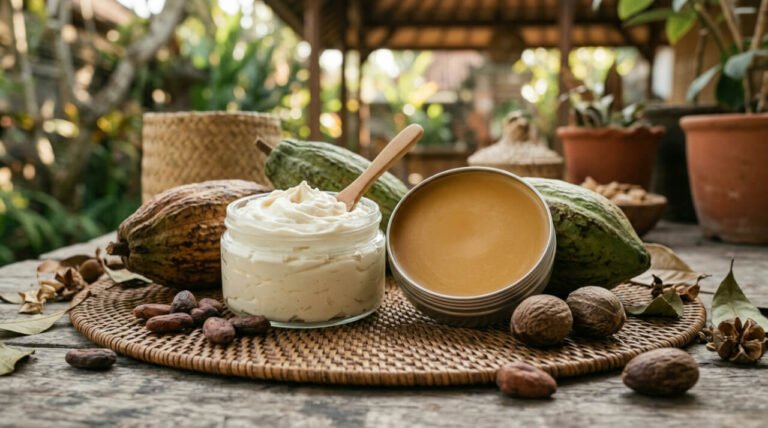
- On the body, finish with a butter on the driest areas. Illipe butter, wild-harvested in Kalimantan through our Forestwise partnership, is firm and protective without feeling heavy. Our Pure Energy Body Butter combines illipe and coconut with aloe. It is scented with citrus oils, including bergamot, so apply it in the evening or on skin you will keep covered from the sun.
- For very dry shins and elbows, Cocoa Love Body Butter is a simple blend of cocoa butter and virgin coconut oil, though it contains real cinnamon, so save it for skin that has stopped stinging.
- Read more about the sealing layer in our natural body butter guide, and about the forest behind the butter in illipe butter benefits.
Day seven: check in and reintroduce slowly
Ask yourself three questions. Does your skin still feel tight after washing? Do products sting? Is redness fading? If the answers are improving, keep the routine as it is for another two to three weeks before adding anything back. Then reintroduce one product at a time, a week apart, so you can see what your skin tolerates.
If you have reactive facial skin and want a ready-made blend, our Sensitive Face Serum combines jojoba, evening primrose, and grapeseed oils, all helpful for the lipid matrix. Be aware that it also contains small amounts of lavender, chamomile, and jasmine, so wait until your barrier has calmed before you try it. For the order of every step in a full routine, see how to layer natural skincare.
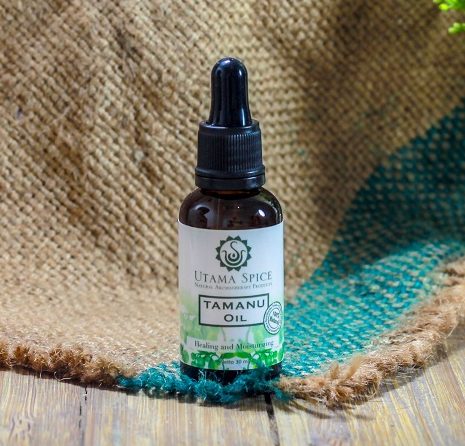
One oil, one ingredient, real repair
Our cold-pressed Tamanu Oil is pure Calophyllum inophyllum seed oil, with no added fragrance. Rich in fatty acids and calming compounds, it is the repair step we reach for when skin feels tight, reactive, or rough. Three or four drops on damp skin, morning or night.
Frequently asked questions about skin barrier repair

How long does it take to repair a damaged skin barrier?
The first improvements usually show within a few days of removing the cause. Most people feel noticeably calmer skin within one to two weeks. Complete renewal of the stratum corneum takes around four weeks, and longer for mature skin. Severe damage, or damage linked to a condition like eczema, can take longer and may need medical care.
Can I use coconut oil on my face to repair my barrier?
You can, and many people in Bali do. Coconut oil seals well, but it is low in linoleic acid and can clog pores for some acne-prone skin. If you break out easily, use it on the body and choose tamanu, argan, or another lighter oil for your face. Our coconut oil vs illipe butter comparison explains how the two behave on skin.
Do I need ceramide creams?
Not necessarily. Ceramide creams can help, especially for eczema-prone skin, and there is nothing wrong with using one. But your skin makes its own ceramides when it has the raw materials and the irritants stop. Linoleic-rich oils supply one of those raw materials directly. For many people, removing the cause and following the hydrate, repair, and seal order is enough.
Should I stop washing my face completely?
No. Washing removes sunscreen, sweat, pollution, and excess oil that can irritate in their own right. Aim for once a day with a gentle cleanser, and a lukewarm rinse at other times. If even gentle cleansers sting, the oil cleansing method is a soft alternative that removes grime without stripping lipids.
Can oily skin have a damaged barrier?
Yes. Oil and water are different things. Oily skin can still lose water quickly and feel tight, reactive, or flaky in places. Light, linoleic-rich oils often suit oily skin well, because they help rebalance it rather than add heaviness.
Is it safe to use essential oils while my barrier heals?
It is wise to pause them on the affected area. Even gentle, well-diluted essential oils can sting compromised skin. Enjoy them in a diffuser instead, and bring them back to your skincare once the stinging has gone.
What should I eat for a healthy skin barrier?
Diet supports the barrier from within. Linoleic acid comes from foods such as sunflower seeds, walnuts, and many seeds and nuts. Drinking enough water helps overall hydration, though it will not fix a barrier on its own. Sleep and stress management matter more than most people expect.
When botanicals are not enough

Plant oils and gentle routines can do a great deal. They cannot treat everything, and it would not be honest to suggest otherwise. Please see a doctor or dermatologist if you notice any of these:
- Cracking, bleeding, or weeping skin, or skin that crusts over.
- Signs of infection, such as warmth, swelling, pus, spreading redness, or fever.
- A rash that spreads, keeps coming back, or appears with hives or swelling of the lips or eyes.
- Itch that disturbs your sleep night after night.
- No improvement after three to four weeks of a gentle, simplified routine.
- Babies or young children with persistent dry, red, or itchy patches.
These can point to eczema, contact dermatitis, psoriasis, rosacea, or an infection, all of which deserve proper diagnosis. Botanical care can still sit alongside medical treatment, and many dermatologists welcome simple, fragrance-free oils as part of the plan. Bring your products with you, and ask.
The truth about barrier repair
Your skin barrier is not fragile by nature. It is resilient, constantly rebuilding, and remarkably good at its job when we stop getting in its way. Most barrier damage is something we do to our skin, through too much heat, too much washing, and too many products. The repair is often a matter of doing less, and doing it with care.
Wash cooler and less often. Feed your skin the linoleic acid it needs. Seal water in while the skin is still damp. Give it time. That is how to repair skin barrier damage the way generations of Balinese families have cared for their skin, with simple oils, patient hands, and a daily ritual. For a full daily rhythm built around these principles, our natural skincare routine is a good next step.